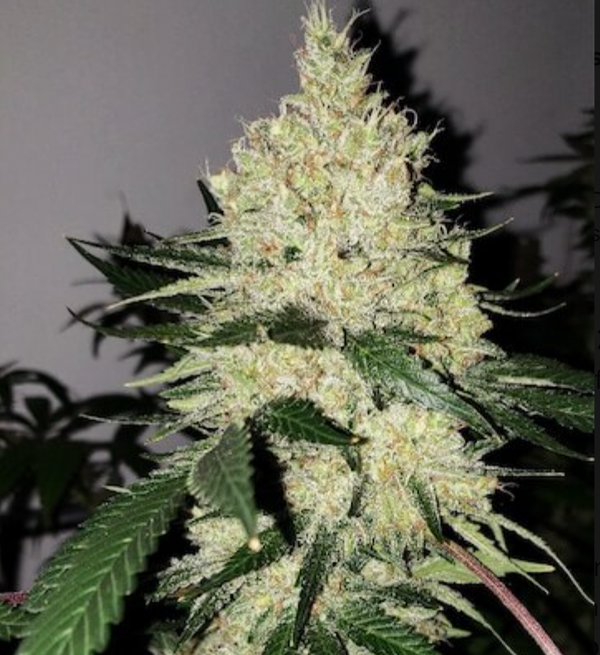
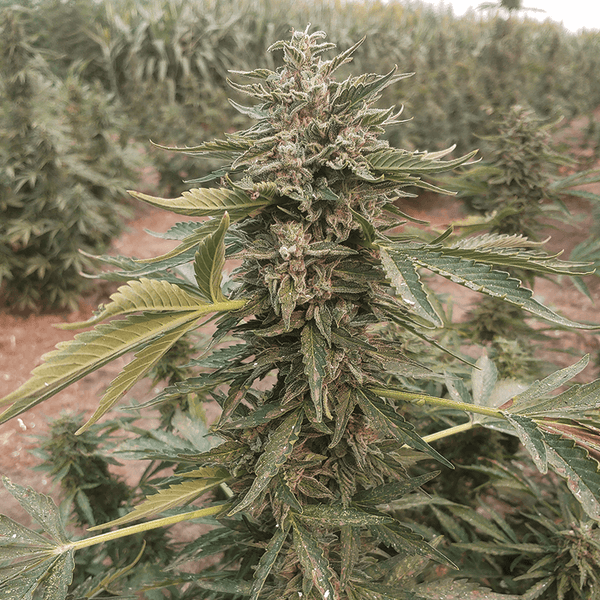
Growing cannabis used to be a game of chance. Growers simply accepted that half their crop could be unproductive male plants. Thankfully, cultivation has moved from hope to science, and that’s where feminized seeds come in. These seeds are the result of some very clever breeding. By using pollen from one female plant to fertilize another, you get seeds that carry only female genetics. This breakthrough gives you incredible control, ensuring the genetics you carefully select will result in a garden full of the beautiful, flower-producing plants you’re after.
Key Takeaways
- Maximize Your Resources: Feminized seeds ensure nearly every plant is a bud-producing female. This lets you dedicate all your space, nutrients, and effort to plants that will contribute to your final harvest, removing the risk and waste of raising male plants.
- Invest in Quality Genetics: Your final harvest is a direct reflection of your starting genetics. Choosing seeds from a trusted breeder is the best way to get stable, predictable plants that are less likely to develop male flowers under stress, giving you a reliable foundation for success.
- Prevent Problems with a Stable Environment: Most common growing issues, from pests to hermaphrodites, are caused by environmental stress. By providing consistent light, temperature, and feeding, you prevent problems before they start and allow your plants to focus their energy on producing a high-quality harvest.
What Are Feminized Cannabis Seeds?
If you’re a grower, you’ve likely heard the term “feminized seeds,” and for good reason—they’ve completely changed the game. So, what are they? Simply put, feminized cannabis seeds are genetically designed to grow into female plants almost 100% of the time. Before this innovation, planting a regular cannabis seed was a coin toss; you had a 50/50 chance of getting a male or a female plant. This meant growers had to plant twice as many seeds as they needed, wait to identify the males, and then remove them before they could pollinate the females.
Feminized seeds take the guesswork out of the equation. By ensuring nearly every seed you plant will develop into a bud-producing female, you can plan your garden space, nutrients, and time much more efficiently. It’s a straightforward way to streamline your cultivation process from the very beginning. Instead of hoping for the best, you can confidently plant your seeds knowing you’re on the direct path to a successful harvest of high-quality flowers. This reliability is why feminized seeds have become the standard for both home growers and large-scale commercial operations.
Why Female Plants Are Every Grower's Goal
The reason for wanting female plants is simple: they are the ones that produce the coveted, cannabinoid-rich flowers, or buds. These buds contain the compounds people seek, like those found in high-potency THCA seeds and therapeutic CBD varieties. Male plants, on the other hand, don’t produce buds. Instead, they develop pollen sacs.
If a male plant is allowed to grow near females, it will release its pollen and fertilize them. Once a female plant is pollinated, she shifts her energy from producing large, resinous buds to creating seeds. This results in a significantly smaller, lower-quality harvest. By growing only female plants, you prevent pollination and ensure your plants can focus all their energy on developing the potent, seedless flowers (sinsemilla) you’re aiming for.
How Are Feminized Seeds Made?
Creating feminized seeds is a fascinating bit of plant science. The process involves intentionally stressing a healthy female plant to make it produce male flowers with pollen. This isn't just any pollen, though—because it comes from a female plant, it only carries female genetics. One of the most common ways to do this is by spraying a branch of the female plant with a solution like colloidal silver or silver thiosulfate (STS).
This solution disrupts the plant's hormones, triggering the development of pollen sacs. This pollen is then carefully collected and used to pollinate another female plant. Since both parent plants are female, the resulting seeds have no male chromosomes and will grow into female plants. The specific timing, concentration, and application methods are often carefully guarded secrets among top-tier breeders, as this is what ensures the quality and stability of the final seeds.
Feminized Seed Myths, Busted
One of the biggest myths about feminized seeds is that they are guaranteed to be 100% female. While high-quality seeds from a reputable breeder come very close—typically with a 99%+ success rate—there's always a small chance a male or hermaphroditic plant can appear. A hermaphrodite is a plant that develops both male and female flowers, and it can pollinate your crop just like a male. This is often caused by poor genetics or significant environmental stress.
Another common misconception is that the feminization process creates weaker plants. This is simply not true when the breeding is done correctly. Stable, vigorous genetics are the foundation of any good seed, and the feminization process doesn't change that. That’s why it’s so important to shop for seeds from a trusted source that prioritizes genetic quality and rigorous testing.
How the Feminization Process Actually Works
So, how exactly do you get a plant that’s genetically female to produce the pollen needed to create seeds? It sounds a bit like science fiction, but it’s a well-established botanical process that breeders have refined over the years. The goal is to gently stress a healthy female plant in a very specific way, which encourages it to produce male pollen sacs as a survival mechanism. Because this "mother" plant only has female chromosomes (XX), the pollen it creates is unique—it also carries only female genetics.
When this special pollen is used to fertilize another female plant, the resulting seeds have no male (Y) chromosome to inherit. This means every single seed is genetically programmed to grow into a female, bud-producing plant. This process is the magic behind feminized seeds, giving growers the ability to cultivate a crop of all-female plants with near-perfect certainty. It removes the guesswork and the need to identify and remove male plants early in the grow cycle. Several methods can achieve this, but a few are more common and reliable than others.
Creating Pollen with Colloidal Silver
One of the most popular techniques involves using a solution of colloidal silver—tiny silver particles suspended in distilled water. When this solution is sprayed on a female cannabis plant as it enters the flowering stage, the silver acts as an ethylene blocker. Ethylene is a plant hormone that plays a crucial role in promoting female flower development. By inhibiting it, you essentially trick the plant into producing male pollen sacs instead of female pistils. This pollen can then be harvested and used to create the next generation of feminized seeds.
Working with Silver Thiosulfate (STS)
Silver thiosulfate, or STS, is the go-to method for many professional breeders, and for good reason. It’s a more stable and highly effective solution that also works by blocking the plant's ethylene production. Many consider STS the industry standard because it consistently produces viable pollen with a low risk of causing unwanted hermaphroditic traits in the offspring. The reliability of STS is a key reason why seeds from experienced breeders have such high success rates, leading to stable and predictable all-female crops.
Using Gibberellic Acid as an Alternative
Another, less common method involves using gibberellic acid. This is a naturally occurring plant hormone that regulates various developmental processes, including flowering. When applied correctly, it can also be used to stimulate a female plant to produce male flowers. While effective, it’s a bit trickier to master than silver-based methods, so it’s not as widely used in the cannabis breeding community. Still, it’s another tool in the breeder’s toolkit for guiding a plant’s reproductive expression.
Why Quality Control is Non-Negotiable
Creating feminized seeds is a delicate science. If the process is rushed or done incorrectly, it can lead to problems down the line. The biggest challenges include poor seed viability and, more critically, an increased tendency for the resulting plants to develop male flowers (hermaphroditism) when stressed. This is why rigorous quality control in the feminization process is so important. Reputable breeders spend years perfecting their techniques and stress-testing their genetics to ensure every seed is stable, vigorous, and reliably female. Investing in high-quality seeds from a trusted source is your best bet for a successful, sinsemilla harvest.
Germination Rate Benchmarks
When you invest in seeds, you expect them to sprout. A key indicator of quality is the germination rate, and for fresh, properly stored seeds from a reputable breeder, you should expect a success rate of 90% or higher. Anything less can be a red flag, suggesting the seeds are old, were stored improperly, or come from unstable genetics. High-quality feminized seeds not only promise nearly all-female plants but should also deliver this superior germination rate, ensuring your grow starts strong. This benchmark is about more than just getting your money's worth; it's about setting your entire cultivation cycle up for success by minimizing waste and maximizing the potential of your garden space from day one.
The Role of Third-Party Certification
With so many breeders making bold claims, how can you be sure you’re getting what you pay for? This is where third-party certification and testing come in. Think of it as an unbiased stamp of approval that verifies a seed bank's quality control. This testing can confirm germination rates, feminization accuracy, and genetic stability, giving you peace of mind that the seeds you buy will perform as advertised. It’s a crucial step that separates professional breeders from the rest, as it demonstrates a commitment to transparency and quality. Choosing seeds from reputable seed banks that invest in this level of verification helps you avoid the disappointment of unstable genetics and ensures your crop has a solid foundation.
Regular vs. Feminized Seeds: What's the Difference?
When you’re starting a new grow, one of the first choices you’ll make is between regular and feminized seeds. The distinction is simple but has a huge impact on your cultivation process and final harvest. Regular seeds are produced through natural pollination between a male and a female cannabis plant, resulting in a roughly 50/50 mix of male and female offspring.
Feminized seeds, on the other hand, are specifically engineered to produce only female plants. Since female plants are the ones that grow the cannabinoid-rich flowers we’re all after, this is a game-changer for most growers. Choosing feminized seeds eliminates the guesswork and extra work of identifying and removing male plants before they can pollinate your crop. This lets you focus all your resources on nurturing productive, flower-bearing plants from day one.
What's the Genetic Difference?
The genetic difference between regular and feminized seeds comes down to their chromosomes. A regular seed gets genetic material from both a male (XY chromosomes) and a female (XX chromosomes) parent. This natural process creates a mix of seeds that will grow into either male or female plants.
Feminized seeds are created by causing a female plant to produce pollen, which is then used to fertilize another female. Because this pollen was created by a female, it only contains female (X) chromosomes. The resulting seeds are genetically programmed to become female plants nearly 100% of the time. This technique gives growers precise control over the sex of their plants, ensuring every seed has the potential to produce buds.
The Natural Male-to-Female Ratio in Regular Seeds
When you plant regular cannabis seeds, you’re playing a game of genetic chance. Because these seeds are created through natural pollination, you’ll get a mix of male and female plants. It’s often described as a coin toss; you have a roughly 50/50 chance of any given seed growing into a male or a female. Some research even suggests a slight natural lean towards females, with about 55% female to 45% male plants. Either way, a significant portion of your garden space, time, and nutrients will be spent on male plants that you'll eventually have to identify and remove. This unpredictability is one of the main reasons growers have embraced feminized seeds—they offer a reliable and efficient path to a garden full of flower-producing females.
Are Feminized Seeds Worth the Price?
At first glance, feminized seeds often have a higher price tag than regular seeds. It’s easy to see why some growers might hesitate, but it’s important to think about cost versus value. With regular seeds, you can expect about half of your plants to be males. That means half the soil, nutrients, water, and space you use will go toward plants you eventually have to discard.
When you buy feminized seeds, you’re paying for certainty. Every seed you plant is a viable, bud-producing female. This means no wasted resources and a much more efficient use of your grow space. For home growers with limited room or commercial cultivators who need predictable yields, the initial investment in feminized seeds pays for itself by maximizing your potential harvest.
Calculating the Cost Per Female Plant
To really understand the value, let's break down the cost per productive plant. Imagine you buy a pack of 10 regular seeds. Statistically, you'll end up with about five female plants. If that pack cost you $100, your actual cost for each viable female is $20. Now, consider a pack of five feminized seeds that also costs $100. You get five female plants, making your cost per female the same $20. While the price per productive plant seems equal, the real savings come from the resources you don't waste. With feminized seeds, you haven't spent half your time, soil, nutrients, and grow space on male plants that you ultimately have to throw away. When you factor in those saved resources, the financial advantage of starting with guaranteed females is undeniable.
Which Type Leads to a Better Harvest?
Your chances of success increase dramatically when you start with feminized seeds. With a regular pack of seeds, you’re essentially gambling, with only about half of them growing into the female plants you want. This requires you to plant more seeds than you need and carefully monitor them to weed out the males before they release pollen.
Feminized seeds take the luck out of the equation. They are designed to produce female plants more than 99% of the time. This reliability is a massive advantage, especially for new growers who may not be confident in identifying plant sex. By starting with a quality seed selection, you can be confident that the time and energy you invest will directly contribute to a successful, sinsemilla (seedless) flower harvest.
Can You Breed with Feminized Seeds?
While feminized seeds are ideal for growers focused on producing flower, they aren’t the right choice for breeding projects. To create new strains, you need both male and female plants to cross-pollinate and combine their genetic traits. Regular seeds provide the genetic diversity necessary for this process, offering a mix of male and female characteristics to work with.
If your goal is to experiment and develop unique cannabis varieties, regular seeds are your best bet. They give you access to the full genetic library of a strain. However, if your primary objective is to grow high-quality, seedless buds for consumption, feminized seeds are the most direct and efficient path to achieving that goal.
Using Regular Seeds for Mother Plants
If your long-term plan involves creating a "mother plant" to take clones from, regular seeds are often the preferred choice. A mother plant is a single, healthy plant that you keep in a vegetative state to serve as a continuous source of cuttings. This process, while efficient, puts the mother plant under consistent stress. Regular seeds, having gone through a natural reproductive cycle, tend to produce plants with more robust and stable genetics. This inherent resilience makes them better equipped to handle the repeated stress of having cuttings taken over a long period without showing signs of hermaphroditism, ensuring a reliable source of clones for future grows.
Potential Disadvantages of Feminized Seeds
While feminized seeds offer incredible advantages, it's important to be aware of their potential downsides. The primary concern is the risk of hermaphroditism. Because these seeds are created by stressing a female plant, the resulting offspring can sometimes carry a genetic predisposition to develop male flowers if they experience significant environmental stress during their own growth cycle. This could be due to issues like inconsistent lighting, temperature swings, or nutrient problems. If a plant turns into a hermaphrodite, it can pollinate your entire crop, leading to a harvest full of seeds and lower-quality buds.
This is precisely why the quality of your seed source is so critical. The risk of hermaphroditism is significantly lower when you start with stable, well-bred genetics. Reputable breeders invest heavily in stress-testing their strains to ensure they remain reliably female, even under less-than-perfect conditions. By choosing premium feminized seeds from a trusted provider, you are investing in genetics that have been proven to be vigorous and stable, giving you the best possible foundation for a successful, seedless harvest.
Feminized Seeds vs. Other Common Types
Once you’ve decided on feminized seeds, the next step is to understand the other traits that define how a plant will grow. The term “feminized” simply tells you the plant’s sex, but it doesn’t tell you what triggers it to flower. The two main categories here are photoperiod and autoflowering plants, and both are available as feminized varieties. Choosing between them depends entirely on your growing environment, experience level, and goals for your harvest. Understanding these differences will help you select the perfect genetics for a successful and efficient grow cycle.
Feminized Photoperiod vs. Autoflower Seeds
The biggest difference between these two types is how they begin to flower. Feminized photoperiod seeds grow into plants that depend on a specific light schedule. They will stay in a vegetative growth state as long as they receive long days of light (typically 18+ hours). To trigger the flowering stage, you have to switch the light cycle to 12 hours of light and 12 hours of darkness. This gives you complete control over the size of your plant, as you can keep it in the vegetative stage for as long as you want. This control often leads to larger plants and bigger yields, but it requires more hands-on management of the light environment.
On the other hand, autoflower seeds are bred with a type of cannabis called Ruderalis, which evolved to flower based on age, not light. These plants will automatically start producing buds after just a few weeks of growth, regardless of the light schedule. This makes them a fantastic choice for beginners or for growers looking for a quick and simple harvest. While their yields are typically smaller than photoperiod plants, their speed and simplicity are major advantages, especially for outdoor growers in regions with short summers.
Understanding Fast-Flowering Strains
You might also come across the term "fast-flowering" or "early-finishing" strains. This isn't a separate category like autoflowers but rather a specific trait bred into photoperiod cannabis plants. These strains have been selectively bred to have a shorter flowering period, often finishing in as little as six to seven weeks after the light schedule is switched to 12/12. This is a huge advantage for growers who want the control and yield potential of a photoperiod plant but need to finish their harvest quickly.
Fast-flowering strains are particularly valuable for outdoor cultivators in climates where autumn brings cold, rainy weather. A quicker finish means you can harvest your buds before mold and mildew become a serious threat. For indoor growers, it means you can fit more harvests into a single year. When you shop for seeds, looking for this trait can be a great way to combine the best of both worlds: the control of a photoperiod with a timeline that’s closer to an autoflower.
Why Should You Grow with Feminized Seeds?
If your goal is to harvest potent, resinous buds, then starting with the right seeds is everything. For most growers, that means choosing feminized seeds. These seeds are specifically bred to eliminate the guesswork and risk associated with growing cannabis, making them a favorite for everyone from first-timers to large-scale commercial cultivators. The core benefit is simple: they produce almost exclusively female plants, which are the ones that grow the cannabinoid-rich flowers we’re all after.
Using feminized seeds streamlines your entire operation. You won't waste time, space, or nutrients on male plants that you'll eventually have to pull. This efficiency is a game-changer. Instead of spending the early weeks of flowering anxiously checking your plants for signs of their sex, you can focus your energy on what really matters—nurturing your crop to its full potential. This means you can implement training techniques, dial in your feeding schedule, and manage your environment with the confidence that every plant in your garden is a producer. It’s a more direct path to a successful, bountiful harvest.
Enjoy a Guaranteed Female-Only Crop
The single biggest advantage of growing with feminized seeds is the near-certainty of an all-female crop. Regular cannabis seeds have a 50/50 chance of producing either a male or a female plant. This means half your garden could end up being male plants, which don't produce buds and can accidentally pollinate your females. Pollination causes female plants to focus their energy on producing seeds instead of potent flowers, which is something most growers want to avoid. Feminized seeds are engineered to produce female plants more than 99% of the time, taking the gamble out of the equation and ensuring your garden is full of bud-producing plants.
Stop Wasting Time and Resources
Every grower knows that resources like space, light, water, and nutrients are valuable. When you plant regular seeds, you inevitably spend these precious resources on male plants for weeks, only to discard them once they reveal their sex. This is especially tough for home growers with limited tent space or commercial operations where efficiency directly impacts the bottom line. By starting with feminized seeds, you ensure that every square foot of your grow space and every drop of nutrient solution is dedicated to a plant that will contribute to your final harvest. This makes your entire cultivation process for both indoor and outdoor grows more cost-effective and productive.
Make Your Grow Day Easier
One of the most tedious tasks for anyone growing from regular seeds is sexing the plants. This process requires you to carefully inspect each plant daily as it enters the flowering stage, looking for the subtle pre-flowers that indicate whether it's a male or female. It can be a stressful period, especially for new growers who might not know what to look for. Missing a single male can jeopardize your entire crop. Feminized seeds completely eliminate this step. You can plant your seeds with confidence, saving yourself the time and effort of daily inspections and the work of removing unwanted males from your garden.
Simplify Your Entire Growing Process
By removing the need to identify and cull male plants, feminized seeds make the entire growing process much simpler and more predictable. This is a huge advantage for beginners who want to minimize potential mistakes and ensure a successful first harvest. But it’s not just for newcomers; experienced cultivators also appreciate the reliability that feminized seeds offer. It allows you to plan your garden layout, nutrient schedule, and training techniques from the very beginning without worrying about losing half your plants. You can shop all seeds knowing that you’re setting yourself up for a straightforward and rewarding growing experience.
Solving Common Challenges with Feminized Seeds
Using feminized seeds gives you a huge head start by guaranteeing a crop of female plants, but it doesn’t make your grow completely hands-off. Like any plant, cannabis needs the right care and attention to truly thrive, and even the most seasoned growers run into issues from time to time. The key is knowing what to look for and how to respond before a small problem becomes a big one. Most common frustrations, from stunted growth and yellowing leaves to nutrient burn and pests, can be traced back to a single root cause: environmental stress.
By focusing on creating a stable, clean, and consistent environment, you can sidestep the majority of these challenges. Think of it as building a strong foundation. When your plants aren't fighting against temperature swings, improper watering, or poor airflow, they can dedicate all their energy to healthy growth and resin production. This proactive approach allows the premium genetics in your feminized seeds to reach their full, impressive potential. Let’s walk through a few specific challenges you might face and the simple, actionable steps you can take to get ahead of them.
How to Prevent Hermaphrodite Plants
Even with a garden full of genetically female plants, you might occasionally see one develop male flowers—a condition known as hermaphroditism. This isn't a flaw in the seed; it's almost always a plant's survival response to significant stress. When a female plant senses its survival is threatened, it can trigger a last-ditch effort to self-pollinate by growing its own pollen sacs. The best prevention is a calm, stable environment. Keep your light cycles consistent, especially during flowering, and ensure the dark period is completely dark. Avoid drastic temperature shifts, over-pruning, and other physical damage. Starting with strong, stable genetics from a reputable source also gives you a major advantage against this stress response.
A Quick History of Early Feminized Seeds
For a long time, cannabis cultivation was a numbers game. Growers planted far more seeds than they needed, knowing about half would become male plants that required careful identification and removal. This all changed when pioneering breeders in the late 20th century began experimenting with ways to make a female plant produce pollen. They found that by applying specific stressors, like a colloidal silver solution, they could block the plant's female hormones and encourage the growth of male pollen sacs. This pollen, carrying only female genetics, was then used to create the first generation of feminized seeds, forever changing how people grow cannabis. This innovation took the guesswork out of the garden, paving the way for the reliable, high-quality genetics we have today.
Getting Your Plant Nutrients Just Right
Nutrient issues are one of the most common hurdles for growers. Too little, and you’ll see yellowing leaves and slow growth; too much, and you’ll get "nutrient burn," which appears as burnt, crispy leaf tips. The best approach is to start with a high-quality soil or growing medium and a nutrient line specifically formulated for cannabis. Always follow the feeding schedule, but consider starting with a slightly lower dose to see how your plants react. It’s much easier to add more nutrients to fix a deficiency than it is to flush out an excess. Also, regularly check the pH of your water and soil runoff. If the pH is off, your plants can’t absorb available nutrients, leading to deficiencies even when you're feeding them properly.
Protecting Your Crop from Pests and Disease
An infestation or infection can quickly compromise an entire harvest, so your best defense is a good offense. Prevention is everything. Keep your grow area impeccably clean to eliminate hiding spots for pests and pathogens. Good air circulation from fans not only strengthens stems but also prevents stagnant, humid air where mold and mildew can take hold. Make it a habit to inspect your plants daily, paying close attention to the undersides of leaves where pests like spider mites and aphids love to gather. For anyone growing outdoor marijuana seeds, companion planting with aromatic herbs or introducing beneficial insects can create a powerful, natural defense system against common garden pests.
How to Reduce Environmental Stress
As you can see, nearly every problem we’ve discussed comes back to environmental stress. Unstable conditions are what cause plants to become hermaphrodites, struggle with nutrient uptake, and become vulnerable to pests and diseases. Your primary goal as a grower is to create a consistent and comfortable home for your plants. This means maintaining a steady temperature and humidity level appropriate for their current stage of growth. It also means providing the right amount and intensity of light without causing light stress or heat burn. Finally, master your watering routine. Both overwatering and underwatering are major stressors that can lead to root problems and stunted development. A stable, predictable environment is the true foundation of every successful grow.
How to Set Your Grow Up for Success
Starting with high-quality feminized seeds is the first step, but a successful harvest depends on the care you provide along the way. Creating the right conditions allows your plants to express their full genetic potential, leading to healthier growth and more impressive yields. Think of it as building the perfect home for your plants to thrive in. From the air they breathe to the light they absorb, every detail matters. Let’s walk through the key elements you need to dial in to ensure your grow is a success from seedling to harvest.
Creating the Perfect Grow Environment
Your grow space is your plant's entire world, so making it a stable and clean one is your top priority. Common issues like pests, diseases, and nutrient problems often start with an unstable environment. Whether you’re growing indoors or outdoors, aim for consistency. This means managing temperature and humidity, ensuring good air circulation to prevent mold, and keeping your space tidy. A controlled environment minimizes stress on your plants, allowing them to focus their energy on vigorous growth and resin production. By preventing problems before they start, you set a strong foundation for a healthy crop of indoor cannabis seeds.
Ideal Temperature and Humidity Levels
Getting your temperature and humidity right is all about mimicking the seasons, as your plants have different needs depending on their stage of growth. For seedlings, think of a humid spring: aim for 65–70% humidity and temperatures between 70–80°F. As your plants move into the vegetative stage, you can gradually lower the humidity to around 40–60%. Once they start flowering, it’s crucial to drop the humidity again to 40–50% to prevent bud rot, and slightly cooler temperatures can help bring out vibrant colors and trichome production. The most important thing is consistency. Wild swings in your environment are a major source of stress for your plants. By keeping these conditions stable, you reduce environmental stress and allow your plants to focus all their energy on producing a high-quality harvest.
Try These Training Techniques for Bigger Yields
You can actively guide your plant’s growth to get bigger and better yields. Training techniques like topping (snipping the main stalk) or low-stress training (LST, gently bending branches) help create a more even canopy. This allows light to reach more bud sites instead of just the very top of the plant, encouraging more colas to develop. Photoperiod feminized seeds are perfect for these methods because they have a vegetative period where they can recover from the stress of training before they start flowering. It’s a simple way to work with your plant’s natural tendencies to maximize your final harvest.
How to Balance pH and Nutrients
Feeding your plants is a bit like cooking—it’s all about balance. Cannabis plants need different nutrient blends during their vegetative and flowering stages. When using commercial nutrients, it’s a good idea to follow the instructions carefully, and many experienced growers even start with a half or three-quarter dose to avoid burning the plants. Just as important is the pH of your water, which affects how well your plants can absorb those nutrients. For soil grows, keeping your water’s pH level between 6.0 and 7.0 is the sweet spot for optimal nutrient uptake.
Nutrient Needs for Vegetative vs. Flowering Stages
Think of your cannabis plant's diet like a human's—what it needs as a growing teenager is different from what it needs as an adult. During the vegetative stage, your plant's entire focus is on building a strong structure: lush leaves, sturdy stems, and a robust root system. To fuel this rapid growth, it craves nitrogen (N). This is why "grow" formulas are nitrogen-heavy. Once you transition to the flowering stage, the plant's priorities shift from structural growth to reproduction, which means producing big, resinous buds. Now, it needs less nitrogen and a lot more phosphorus (P) and potassium (K). Phosphorus is crucial for flower formation, while potassium supports overall plant health and resin production. Switching to a "bloom" nutrient mix at the right time gives your plants the specific fuel they need to develop the impressive flowers you're hoping for from your high-quality feminized seeds.
Getting Your Lighting Schedule Right
Light is the engine that drives plant growth, especially indoors. For photoperiod strains, you are in complete control of when the plant begins to flower. To trigger the flowering stage, you’ll switch your light schedule to 12 hours of light and 12 hours of uninterrupted darkness. A great rule of thumb is to make this switch when your plants have reached about half of their desired final height. They will stretch significantly in the first few weeks of flowering, and this timing helps you manage their size. This is a key difference from autoflower seeds, which flower based on age rather than a light cycle.
The 18/6 Light Cycle for Vegetative Growth
During the vegetative stage, your plants are focused on building a strong frame. To support this, most growers use an 18/6 light cycle—that’s 18 hours of light and 6 hours of darkness each day. This extended light period mimics the long, sunny days of summer, which is when cannabis plants naturally do most of their growing. This schedule gives your plants plenty of energy for photosynthesis, helping them develop the strong stems and lush foliage needed to support a heavy harvest later on. It's the ideal setup for any photoperiod variety, from potent THCA seeds to therapeutic CBD strains, keeping them in a state of vigorous growth until you decide it's time to flower.
Harvesting for Maximum Potency and Yield
As you approach the finish line, staying vigilant is key to protecting your hard work. Even when using the best feminized seeds, environmental stress can occasionally cause a plant to develop male or hermaphroditic traits. Make it a habit to regularly inspect your plants for any signs of pollen sacs, especially during the early flowering stage. Removing any rogue male plants or hermies immediately will protect your female plants from pollination and ensure a seedless, sinsemilla harvest. For growers seeking even greater security, our pioneering triploid cannabis seeds are bred to be 99%+ seedless, even in the presence of male plants.
A Deeper Look at Cannabis Biology
Choosing the right seed is just the beginning. To truly get the most out of your grow, it helps to understand what’s happening inside the plant and how it interacts with our bodies. Cannabis is an incredibly complex plant, with hundreds of active compounds that create the unique effects, flavors, and aromas of each strain. From the way cannabinoids work with our internal systems to the aromatic terpenes that shape the experience, a little knowledge of cannabis biology can make you a more intuitive and successful cultivator. Let's explore some of the core concepts that define the cannabis you grow and enjoy.
The Endocannabinoid System (ECS)
Ever wonder how cannabis actually works in the body? The answer lies within the endocannabinoid system (ECS), a complex network of cell receptors found throughout our bodies. Think of the ECS as a master regulator, constantly working to maintain balance, or homeostasis. It influences everything from mood and appetite to pain sensation and immune response. Our bodies naturally produce compounds called endocannabinoids that interact with these receptors. The fascinating part is that the cannabinoids found in cannabis, like THC and CBD, can also interact with these same receptors, which is how they produce their wide-ranging effects. Understanding the ECS helps explain why different strains can have such different impacts on us.
Understanding Terpenes, Flavors, and Effects
When you open a jar of cannabis and get a whiff of pine, citrus, or earthy spice, you're smelling terpenes. These aromatic compounds are found all over the plant kingdom, but they play a special role in cannabis. Beyond just creating the distinct flavor and scent profiles of different strains, terpenes also influence the plant's effects. For example, myrcene is known for its relaxing properties, while limonene can be more uplifting. This is a key part of the "entourage effect"—the idea that cannabinoids and terpenes work together synergistically. The unique combination in each strain creates a more nuanced experience than any single compound could alone. This is why exploring the diverse terpene profiles in our new releases can lead you to your next favorite strain.
The Main Cannabis Types: Indica, Sativa, and Ruderalis
You’ve likely heard the terms Indica and Sativa used to describe cannabis. These classifications are a simple way to categorize strains based on their general effects and growth patterns. Indica strains are typically associated with a relaxing, full-body effect, making them popular for evening use. Sativa strains, in contrast, are known for their energizing and cerebral effects, which are often preferred for daytime activities. Then there's Ruderalis, a less common but vital type. Ruderalis is a hardy plant that flowers based on its age rather than changes in the light cycle. This unique trait is what breeders use to create autoflower seeds, which offer a faster and simpler grow cycle for cultivators.
Exploring Popular Strain Families
While Indica and Sativa are useful starting points, many modern strains are hybrids that blend characteristics from both. To get more specific, growers often talk about strain "families"—groups of plants that share a common ancestor and similar traits in flavor, aroma, and effect. These families, like Kush, Haze, and Cookies, have become legendary in the cannabis world, each offering a distinct and recognizable experience. Understanding these families can help you better predict what to expect from a new strain.
Kush Strains
Originating from the Hindu Kush mountain range, Kush strains are a cornerstone of the cannabis world. They are almost universally recognized for their potent, relaxing, and sedative effects, making them a go-to choice for unwinding at the end of the day. Genetically, they are typically indica-dominant. The aroma and flavor profile of a classic Kush strain is distinct and complex, often described as earthy and pungent with notes of pine, spice, and sometimes a hint of citrus. Their dense, resinous buds and reliable effects have made them a favorite for both consumers and breeders for decades.
Haze Strains
If Kush is the king of relaxation, Haze is its energetic counterpart. Haze strains are famously sativa-dominant and celebrated for their uplifting, creative, and cerebral effects. They are perfect for daytime use, social gatherings, or any time you need a mental spark. The flavor profile of Haze strains is often bright and zesty, with strong notes of citrus, sweet spice, and earthy undertones. These plants tend to grow taller and have a longer flowering time, but for many growers, the unique, high-energy experience they provide is more than worth the wait.
Cookies Strains
The Cookies family, which exploded in popularity with the original Girl Scout Cookies strain, is known for its incredible flavor and balanced effects. These strains perfectly capture the best of modern hybrids, often delivering a powerful wave of euphoria alongside deep, full-body relaxation. As the name suggests, the flavor profile is a major draw, with sweet, dessert-like notes of vanilla, dough, and spice. Cookies strains have become a foundation for countless new hybrids, prized for their unique terpene profiles, beautiful bag appeal, and potent, well-rounded experience.
What Are Landrace Strains?
Before there were hybrids and famous strain families, there were landrace strains. These are the original, pure cannabis varieties that evolved naturally in a specific geographic region over centuries. Think of strains like Afghani from Afghanistan or Durban Poison from South Africa. Because they adapted to their local environments without human cross-breeding, landrace strains are genetically pure and incredibly stable. They are the building blocks of the entire modern cannabis gene pool, and breeders often seek them out to introduce resilience, unique flavors, and new traits into their breeding projects. They represent a direct link to the history of cannabis.
How to Choose the Best Feminized Seeds
Now that you’re ready to start your grow with feminized seeds, the next step is picking the right ones. It’s tempting to think all seeds are the same, but the quality of your starting genetics will have the biggest impact on your final harvest. A little research now saves a lot of frustration later. Choosing seeds from a trusted source ensures you’re getting stable, reliable genetics that will perform as expected. Think of it as setting the foundation for a successful grow—you want to start with the strongest material possible.
When you're browsing online, you'll see a huge variety of options, and it can be overwhelming. But here's the secret: the best growers know that success starts long before a seed ever touches soil. It starts with choosing a breeder who is transparent about their process and stands behind their genetics. A great seed is your ticket to a healthy, vigorous plant that can withstand stress and produce the results you're looking for. On the other hand, starting with subpar genetics is like building a house on a shaky foundation—no matter how much work you put in, you'll always be fighting against that initial weakness. Let’s walk through what to look for to make sure you’re getting the best seeds for your setup.
Why Strong Genetics Matter Most
The single most important factor in choosing feminized seeds is the quality of their genetics. A reputable breeder puts their seeds through rigorous testing to ensure genetic stability and a high feminization rate. While the goal is a 99.9% female crop, seeds from less careful producers can result in a much higher percentage of male or hermaphroditic plants, which can ruin your entire harvest. Strong, stable genetics from reputable breeders also mean more predictable results. You can count on consistent growth patterns, cannabinoid profiles, and terpene expression, which is crucial whether you're a home grower perfecting your craft or a commercial cultivator who needs uniformity.
Match the Right Strain to Your Goals
Before you buy, think about what you want to achieve with your harvest. Are you growing indoors or outdoors? Are you looking for high-THCA flower or something rich in CBD? Every strain has unique characteristics, from its size and structure to its flowering time and resistance to pests. Reading the strain description is key. It will give you vital information on expected yield, flavor profile, and ideal growing conditions. Matching the strain to your environment and experience level is the best way to ensure a successful outcome. Take your time to browse different cannabis seeds and find the one that perfectly aligns with your cultivation goals.
How to Store Your Seeds for Later
Once you have your high-quality seeds, you need to protect your investment. Proper storage is crucial for maintaining their viability until you’re ready to plant. Seeds are living organisms in a dormant state, and they need the right conditions to stay that way. The three biggest enemies of seed viability are heat, light, and moisture. The best way to store your seeds is in a cool, dark, and dry place. An airtight container placed in the back of your refrigerator is an excellent option. This protects them from temperature fluctuations and humidity, ensuring they’ll be ready to germinate when you are.
Why Paying for Quality Seeds Pays Off
It can be tempting to go for the cheapest seeds available, but this is one area where you truly get what you pay for. Investing in quality genetics from the start is the most cost-effective decision you can make. Premium feminized seeds offer convenience and peace of mind, virtually guaranteeing a crop of sinsemilla plants. This saves you the time and resources you would otherwise spend identifying and removing males. More importantly, superior genetics lead to healthier plants, greater potency, and much larger yields. Skimping on seeds can cost you an entire harvest, while a small upfront investment can pay for itself many times over.
Related Articles
- 10 Best Feminized Seeds to Grow This Year
- Feminized Seeds: A Complete Guide for Growers
- A Grower's Guide to Feminized Cannabis Seeds
- How to Plant Feminized Seed for Max Yields
Frequently Asked Questions
Are feminized seeds really 100% guaranteed to be female? While high-quality feminized seeds from a reputable breeder come incredibly close, a 100% guarantee is a bit of a myth. You can expect a success rate of over 99%, which means nearly every seed will grow into a female plant. On very rare occasions, a male or hermaphroditic plant can appear, often as a result of significant environmental stress. This is why starting with stable, professionally bred genetics is your best defense for ensuring a garden full of bud-producing females.
What should I do if I find a male or hermaphrodite plant in my feminized crop? First, don't panic. If you spot a plant developing pollen sacs, the key is to act quickly to prevent it from pollinating your other plants. If you catch it early, you can carefully remove the plant from your grow space. Be gentle to avoid accidentally releasing any pollen. This situation is a great reminder to keep a close eye on your plants throughout their life cycle, even when you're confident in your seeds.
Can I create my own feminized seeds at home? Technically, yes, the process can be done at home. However, it's a delicate science that requires precision and a deep understanding of plant biology. Doing it incorrectly can easily result in unstable genetics, leading to plants that are prone to hermaphroditism or produce non-viable seeds. For consistent and reliable results, it's always best to source your seeds from experienced breeders who have spent years perfecting their techniques and stress-testing their strains.
Are feminized seeds a good choice for first-time growers? Absolutely. In fact, they are the best choice for anyone new to cultivation. Feminized seeds remove one of the biggest and most stressful hurdles for beginners: identifying and removing male plants. By starting with a crop you know will be all-female, you can focus your attention on mastering the fundamentals of growing, like proper watering, feeding, and lighting, which sets you up for a much more successful and rewarding first harvest.
Do feminized seeds have any disadvantages compared to regular seeds? For the vast majority of growers, there are no real disadvantages. The only time regular seeds are the better option is if your goal is to breed new cannabis strains. Breeding requires both male and female plants to create new genetic combinations. However, if your objective is simply to grow high-quality, seedless flowers for consumption, feminized seeds are the most efficient and direct path to achieving that goal.