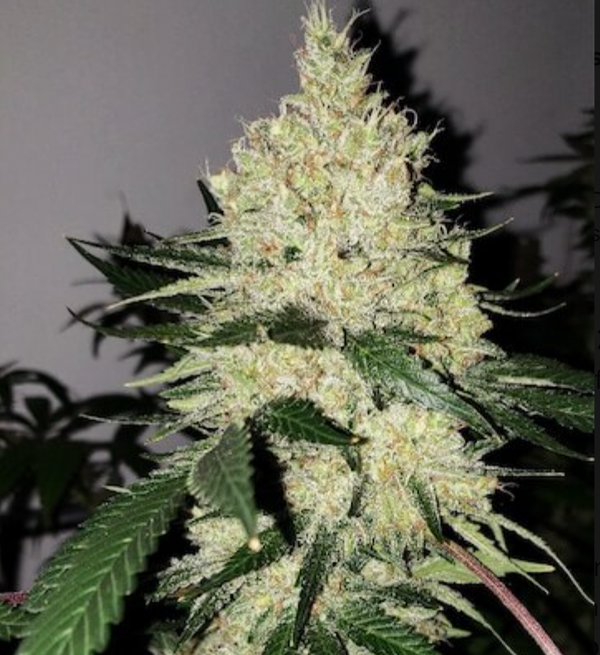
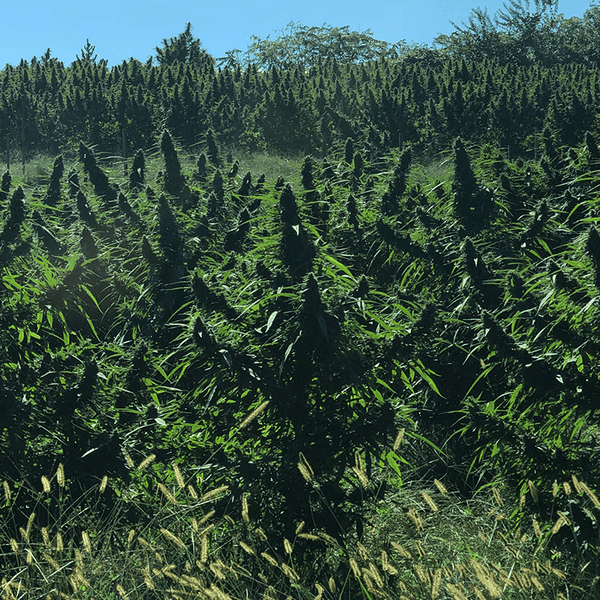
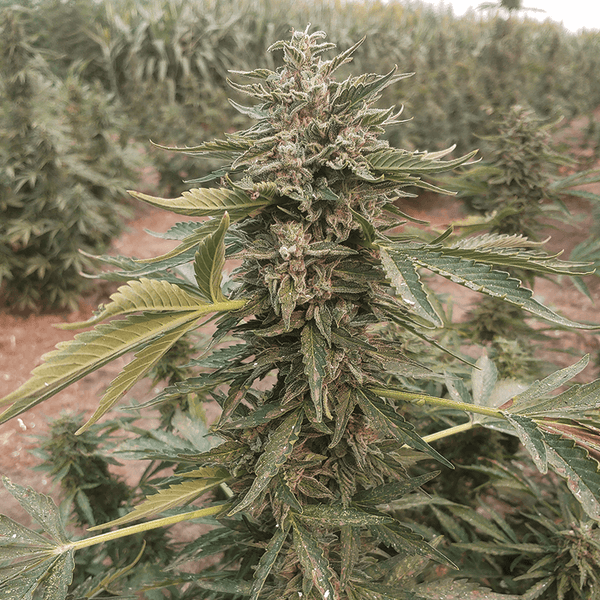
Thanks to incredible advances in botanical science, today’s growers have access to tools that were once unimaginable. Not long ago, cultivating cannabis meant accepting that roughly half your crop would consist of useless male plants that had to be carefully identified and removed. One of the most impactful innovations to solve this problem is the development of feminized cannabis seeds. This technology leverages a deep understanding of plant biology to create seeds that are genetically programmed to become bud-producing females. For the modern cultivator, this isn’t just a convenience—it’s a fundamental tool for achieving a reliable, efficient, and highly productive harvest.
Due to new regulations and legalization, cannabis cultivation is undergoing a revolution of genetic modification in an effort to deliver the best quality product to consumers. One of the most accessible ways to benefit from advancements in genetics is using feminized cannabis seeds.
What Exactly Are Feminized Cannabis Seeds?
In the 1990s, botanists began genetically engineering cannabis plants to deliver only female seeds. As you are likely aware, only female plants produce cannabinoid-rich buds. As a result, it's beneficial to cannabis cultivators looking for cannabinoids only to use feminized seeds rather than taking a 50/50 chance and risking planting males.
How Are Feminized Seeds Created?
So, how do seed banks create seeds that are almost exclusively female? The process is a fascinating bit of botanical science. Essentially, breeders trick a female cannabis plant into producing pollen, a job usually reserved for males. This is done by carefully stressing a healthy female plant, often using a solution like colloidal silver, which triggers the development of pollen sacs. This pollen is special because it only contains female genetics. It's then used to pollinate another female plant. Since both parent plants are genetically female, the resulting seeds have no male chromosomes, leading to a crop of all-female offspring ready for cultivation.
The Science of Ensuring 99% Female Plants
The beauty of using feminized seeds is the near-certainty they provide. Because they are created from two female parents, the seeds are genetically programmed to become female plants over 99% of the time. This completely changes the game for cultivators. You no longer have to plant extra seeds and wait anxiously to identify and weed out the males before they can pollinate your crop. This reliability saves you time, space, and resources, allowing you to focus on nurturing your cannabinoid-rich female plants. It makes the entire growing process more efficient and predictable, whether you're growing indoors or tending to a large outdoor garden.
Feminized vs. Regular Seeds: What's the Difference?
Regular cannabis seeds contain a mix of male and female seeds. Unfortunately, there’s no definite way to tell a plant’s sex just by looking at the seed. Female and male characteristics only begin to take shape right before the vegetative stage. So, growers must wait weeks before determining whether their plants are male or female.
Cannabis plants with male chromosomes develop reproductive parts, but they aren’t cannabinoid-rich buds containing THC, CBD, CBG, and other marketable compounds. Male plants have pollen sacks and seed pods that pollinate female plants, turning them into hermaphrodites. So not only are they useless if you seek to harvest buds, but males can also pollen the air and ruin a harvest of females.
Success Rate: By the Numbers
So, what does a 99% success rate actually look like in your garden? It means you can confidently plant your seeds knowing that nearly every single one will develop into a bud-producing female. This takes the guesswork and the 50/50 gamble of regular seeds completely off the table. You no longer have to waste weeks of time, nutrients, and light on plants that you'll eventually have to pull because they're males. More importantly, this high success rate protects your valuable female plants from accidental pollination, which can ruin a harvest by causing them to produce seeds instead of potent, cannabinoid-rich buds. Investing in reliable feminized seeds is a direct investment in a more efficient and productive cultivation cycle.
Feminized vs. Autoflower Seeds: Which Is Right for You?
When you’re ready to start growing, one of the first big decisions is choosing between feminized and autoflower seeds. Both are fantastic options, but they cater to different goals, timelines, and growing styles. Feminized seeds are photoperiod-dependent, meaning their life cycle is dictated by changes in light exposure. This gives you, the grower, a ton of control. On the other hand, autoflower seeds operate on their own internal clock, flowering automatically after a set period regardless of the light schedule. Understanding this fundamental difference is the first step in picking the perfect genetics for your garden and ensuring a successful harvest from the get-go.
Think of it this way: choosing feminized seeds is like driving a manual car—you have precise control over when to shift gears from vegetative growth to flowering. Autoflowers are the automatic transmission version; they handle the shifting for you, making for a simpler, more straightforward ride. Neither is inherently better, but one will likely be a better fit for your specific setup and experience level. Let's break down what that means for your grow.
Photoperiod vs. Autoflower: The Key Distinction
The main thing that separates these two types of seeds is how they know when to start producing buds. Feminized seeds are typically photoperiod strains. This means they stay in a vegetative state, growing leaves and stems, as long as they receive long days of light (usually 18+ hours). To trigger the flowering stage, you have to manually change their light schedule to provide 12 hours of light and 12 hours of uninterrupted darkness. This mimics the changing seasons outdoors. This control allows you to determine the final size of your plant before it begins to flower, which is a huge advantage for maximizing yield.
Light Schedule Differences
The practical difference in light management is significant. With photoperiod feminized seeds, you are the master of the plant's destiny. You'll use an 18/6 light cycle (18 hours on, 6 hours off) to encourage vigorous vegetative growth. When you're satisfied with the plant's size and structure, you'll make the critical switch to a 12/12 cycle. This flip signals to the plant that fall is coming and it's time to flower. In contrast, autoflower seeds are much more hands-off. They will begin to flower automatically after just a few weeks of growth, no matter the light schedule, making them a simpler choice for beginners or anyone seeking a low-maintenance grow.
Growth Cycle and Harvest Speed
If speed is your priority, autoflowers are hard to beat. Their entire life cycle, from seed to harvest, is incredibly fast, often wrapping up in about 10 to 13 weeks. This allows for multiple harvests in a single season. Feminized photoperiod plants, however, have a more flexible timeline. Because you control the length of the vegetative stage, the total growth cycle is longer. While this means waiting a bit more for your harvest, it also gives you the opportunity to cultivate much larger plants with potentially bigger yields. The extended vegetative time allows the plant to develop a more robust root system and branch structure to support heavy buds.
Comparing Yield, Potency, and Cloning Potential
When it comes to the final harvest, feminized photoperiod plants generally produce larger yields than autoflowers. This is a direct result of your ability to extend the vegetative stage, allowing the plant to grow bigger and stronger before it starts flowering. While modern autoflower genetics have come a long way in potency, photoperiod strains often hold the edge, with a wider range of high-potency options available. Perhaps the most significant difference for sustainable growers is cloning. You can easily take cuttings from a feminized photoperiod plant in its vegetative state to create genetically identical clones. This isn't a viable option for autoflowers, as their predetermined lifespan means a clone would be the same age as the mother plant, resulting in a tiny, quick-flowering plant.
Growing Feminized Seeds Successfully
Once you've chosen your premium feminized seeds, setting them up for success is all about mastering a few key fundamentals. Unlike autoflowers, these plants give you the driver's seat, allowing you to fine-tune their environment for the best possible results. By paying close attention to their light, nutrition, and climate, you can guide your plants from healthy seedlings into thriving, bud-producing powerhouses. Think of it as providing the perfect canvas for the plant's genetic potential to shine. These actionable steps will help you create that ideal environment and ensure you get the most out of your crop, whether you're growing indoors or out.
Mastering the Light Schedule for Photoperiod Strains
The single most important factor you control with photoperiod strains is the light cycle. During the vegetative stage, you want to encourage as much leafy, structural growth as possible. To do this, provide your plants with 18 hours of light and 6 hours of complete darkness each day. This long "day" tells the plant to focus on getting bigger and stronger. When you decide the plant is large enough to support a heavy harvest, you'll initiate flowering by switching to a strict 12/12 light cycle. This shorter light period mimics the arrival of autumn and signals the plant to shift its energy into producing buds. For indoor growers, maintaining absolute darkness during the 12-hour off-period is crucial, as light leaks can stress the plant and disrupt flowering.
Nutrient and pH Level Essentials
Just like any living thing, cannabis plants need the right food to thrive, and their dietary needs change as they grow. Providing the correct balance of nutrients is essential, but it's only half the battle. The plant's ability to actually absorb those nutrients is determined by the pH level of its growing medium. If the pH is too high or too low, nutrients become "locked out," meaning the plant can't access them even if they're present. Regularly monitoring and adjusting both nutrient levels and pH is a cornerstone of successful cannabis cultivation and directly impacts your plant's health and final yield.
Nutrient Needs During Growth vs. Flowering
During the vegetative stage, your plants are building their foundation. They crave a diet rich in Nitrogen (N), which is vital for developing strong stems and lush, green leaves. Once you switch to the 12/12 light cycle to trigger flowering, the plant's nutritional needs shift dramatically. At this point, you'll want to reduce nitrogen and increase levels of Phosphorus (P) and Potassium (K). Phosphorus is crucial for developing numerous, dense flower sites, while Potassium plays a key role in bud size, density, and overall plant function. Getting this transition right ensures your plants have the fuel they need to produce a bountiful harvest.
Ideal pH Levels for Soil and Hydroponics
Maintaining the correct pH is non-negotiable for healthy plants. In soil, the sweet spot for cannabis is a pH range between 6.0 and 7.0. This slightly acidic environment allows the roots to absorb the full spectrum of required nutrients. For growers using hydroponic or soilless mediums like coco coir, the ideal pH range is a bit lower and more precise, typically between 5.5 and 6.5. Using a simple pH testing kit or meter to regularly check your water and runoff will help you stay within these optimal ranges, preventing nutrient lockout and keeping your plants happy and well-fed.
Managing Humidity and Climate Control
Creating the right climate is key to helping your plants flourish and protecting them from issues like mold and pests. Your temperature and humidity targets should change with each stage of growth. Seedlings and clones prefer high humidity (65-70%) and mild temperatures of 20-25°C (68-77°F) to encourage rooting. During the vegetative stage, you can lower humidity slightly to 50-70% while maintaining warm temperatures of 22-28°C (72-82°F). Once flowering begins, it's critical to drop the humidity to 40-50% and keep temperatures between 20-26°C (68-78°F). This lower humidity helps prevent bud rot and encourages the plant to produce more protective resin. While outdoor growers have less control, selecting strains suited to the local climate is essential.
How to Properly Store Your Seeds for Long-Term Viability
High-quality seeds are an investment, and proper storage is essential to protect that investment for future grows. Your seeds are living embryos in a dormant state, and they need to be kept in the right conditions to remain viable. The golden rule is to store them in a cool, dark, and dry place. An airtight container, like a small jar or a sealed bag, is perfect for this. For short-term storage, a dark cupboard or drawer works well. If you plan on keeping your seeds for more than six months, the best practice is to place the airtight container in a refrigerator set between 6°C and 8°C (about 43-46°F). This ensures that when you're ready to shop for your next strain, your current collection remains fresh and ready to plant.
Are There Any Downsides to Feminized Seeds?
The sex of plants is determined by genetics. Female seeds will grow up to be female plants unless a male fertilizes them. So, if you are using feminized cannabis seeds, you aren’t at risk of cultivating male plants.
While this is optimal for most growers, there is a downside. Breeding is impossible without males. If you want to breed strains, you won’t want to use strictly feminized seeds.
The Risk of Stress-Induced Hermaphrodites
While feminized seeds are designed to produce female plants, they aren't entirely immune to nature. Under significant environmental stress, a female plant can develop male pollen sacs in a survival attempt—a phenomenon called hermaphroditism. Common stressors include light leaks during the dark cycle, drastic temperature swings, or major nutrient issues. If a plant "herms," it can pollinate itself and its neighbors, leading to a disappointing harvest of seedy, less potent buds. Because of how they are made, feminized seeds are not "100% female" in a strict biological sense. However, starting with strong, stable genetics from a reputable provider significantly minimizes this risk, giving you plants that can handle minor fluctuations without issue.
Limitations for Breeding and Mother Plants
If your goal is to create new cannabis strains, feminized seeds aren't the right tool for the job. Breeding requires the pollen from male plants to fertilize females, allowing you to cross different genetics. Since feminized seeds produce a crop of all females, they remove males from the equation entirely. This lack of genetic diversity is a dealbreaker for breeders aiming to develop unique cultivars. Furthermore, these seeds are not always ideal for creating a long-term "mother plant." While you can certainly take cuttings, the genetic modification process can sometimes lead to less stability over many generations, making it harder to produce consistently healthy cannabis clones year after year.
Genetic Control Considerations
For the vast majority of growers, the genetic certainty of feminized seeds is their greatest strength. The most obvious advantage is that you don't have to waste time, nutrients, or valuable tent space on male plants that you'll eventually have to discard. This predictability streamlines the entire cultivation process, which is a huge benefit for both beginners and commercial operations focused on efficiency. You can plant your seeds with confidence, knowing that every plant has the potential to produce valuable, cannabinoid-rich flowers. This level of control is essential for maximizing your yield of sinsemilla (seedless) cannabis. For growers seeking the ultimate defense against accidental pollination, new innovations like triploid cannabis offer an even greater degree of genetic security.
Expected Performance of Feminized Strains
When you choose feminized seeds, you're setting yourself up for a predictable and productive harvest. Because you're removing the guesswork of dealing with male plants, you can dedicate all your resources—light, water, nutrients, and space—to cultivating cannabinoid-rich female plants. This efficiency is the primary reason so many growers, from home hobbyists to large-scale commercial operations, rely on them. It allows you to focus entirely on maximizing the quality and quantity of your buds without worrying about unwanted pollination.
Typical Yields and Potency Levels
One of the biggest advantages of using feminized seeds is the incredibly high success rate. You can expect 99% of your seeds to grow into female plants, which means your garden will be full of bud-producing powerhouses. In terms of output, many feminized strains can produce impressive yields, often ranging from 400 to 700 grams per square meter under optimal conditions. Beyond just quantity, these photoperiod plants are known for developing more sticky resin and dense buds, leading to a higher-quality, more potent final product that’s rich in the cannabinoids and terpenes you’re looking for.
Understanding Flowering Times
Most feminized seeds are photoperiod strains, meaning their transition from vegetative growth to flowering is triggered by a change in the light cycle. During the vegetative stage, you’ll want to provide your plants with about 18 hours of light and 6 hours of darkness. To initiate the flowering phase and encourage bud development, you simply switch the schedule to an even 12 hours of light and 12 hours of darkness. The flowering period itself can vary; most strains take about 8 to 10 weeks, but you can find faster varieties that finish in 6 to 8 weeks or longer-flowering sativas that might take up to 14 weeks. This variety allows you to select strains that perfectly match your timeline and cultivation goals.
Our Top Picks for Feminized Strains
Thanks to modern cannabis genetics, most strains have been feminized. Below are some of our favorites:
- Ultra Pink CBD – High CBD, low THC variety with a bubble gum flavor and purple buds.
- Biscotti Pippen – Heavy hitting THC S1 stain with massive buds and fresh berry mojito flavor.
- CBG Limonene – Resilient CBG-rich cultivar with massive fan leaves that are easy to maintain.
- Wonka’s Vineyard – Exotic, highly potent THC stain with frosty trichomes and flawless bud structure.
Why Choose Trilogene for Feminized Cannabis Seeds?
We have over 70 feminized strains, including THCA, CBD, CBG, CBDV, Autoflower, and fiber and grain varieties. Trilogene clients also have access to our genetics experts, who are ready to offer phenotype suggestions, grow condition recommendations, and other essential cannabis cultivation information. Reach out today to speak with one of our representatives or browse our feminized seed selection.
Frequently Asked Questions
Can a feminized seed still become a male plant? The short answer is no, it won't become a true genetic male. However, a feminized plant can develop male characteristics—pollen sacs—if it undergoes significant stress. This is called hermaphroditism, and it's the plant's last-ditch effort to reproduce. Things like major temperature swings or light leaks during the dark cycle can trigger this. Starting with high-quality, stable genetics is your best defense against this, as robust plants are far less likely to have this issue.
As a beginner, should I choose feminized or autoflower seeds? This really comes down to what you want to get out of your first growing experience. If you want more control over your plant's size and are excited to learn about managing light cycles, a photoperiod feminized seed is a fantastic choice. It allows you to dictate when flowering begins. If you'd prefer a more hands-off approach with a quicker timeline from seed to harvest, an autoflower might be a better fit. They operate on their own schedule, making them very straightforward for a first-time grower.
What happens if I accidentally interrupt the 12-hour dark period for my flowering plants? Maintaining that 12-hour stretch of complete darkness is critical for photoperiod strains. A light leak or interruption can confuse the plant, signaling that it's not time to flower after all. This can cause it to revert to the vegetative stage or, in a worst-case scenario, trigger enough stress to cause hermaphroditism. This is why it's so important to ensure your grow space is completely light-proof during the flowering cycle's "night."
If feminized seeds are so reliable, why would anyone still use regular seeds? The main reason growers choose regular seeds is for breeding. If you want to create your own new strains or produce your own seeds, you need both male and female plants. Regular seeds provide that 50/50 mix of genetics that is essential for any breeding project. For anyone whose goal is simply to harvest cannabinoid-rich buds, feminized seeds are almost always the more efficient choice.
Can I take clones from a plant grown from a feminized seed? Yes, you absolutely can, and it's one of the biggest advantages of using photoperiod feminized strains. As long as the mother plant is in its vegetative stage, you can take cuttings to create genetically identical copies. This allows you to preserve a favorite plant's specific traits for future grows. This is a key difference from autoflowers, which can't be effectively cloned because of their predetermined, rapid life cycle.
Key Takeaways
- Guarantee a Female Crop: Feminized seeds eliminate the guesswork by ensuring over 99% of your plants will be bud-producing females. This allows you to dedicate all your resources—time, space, and nutrients—to maximizing your harvest instead of weeding out males.
- Decide Between Control and Speed: Feminized photoperiod seeds give you full control over the plant's size and when it flowers, which is ideal for maximizing yields and cloning. Autoflowers offer a simpler, faster alternative by flowering automatically, making them great for quick, low-maintenance grows.
- Control the Light to Control Your Harvest: For photoperiod feminized strains, the light schedule is everything. Use an 18/6 cycle for vegetative growth and switch to a strict 12/12 cycle to trigger flowering. Proper light management, combined with balanced nutrients and stable pH, is the key to a heavy, high-quality yield.