For many growers, the goal is simple: produce the highest quality buds in the shortest amount of time. The constant cycle of waiting for seasons to change or managing complex light timers can feel like a drag on your productivity. This is where efficiency becomes your greatest asset. Autoflowering feminized seeds are engineered for speed and reliability, allowing you to achieve multiple harvests in a single year, all within the controlled comfort of your home. This guide focuses on how to maximize that potential. We’ll cover the essential techniques and timelines for growing auto feminized seeds indoor, helping you streamline your setup for a fast, consistent, and impressive turnaround.
Key Takeaways
- Speed and Simplicity Are Your Best Friends: Autoflowering feminized seeds remove the biggest hurdles in growing by flowering on their own schedule and guaranteeing an all-female crop. This lets you focus on basic plant care instead of managing complex light changes.
- A Strong Start is Non-Negotiable: These plants grow on a fixed, rapid timeline and can't recover from early mistakes. Dial in your environment—stable temps, proper humidity, and a consistent 18/6 light cycle—before you even plant the seed to set your grow up for success.
- A Gentle Touch Gets Better Results: Avoid common pitfalls by being gentle with your plants. Use half-strength nutrients to prevent burn, plant directly into a final pot to skip stressful transplanting, and use low-stress training (LST) to shape your plant for bigger yields without stunting its growth.
What Are Autoflowering Feminized Seeds?
If you're looking for a straightforward path to a successful harvest, autoflowering feminized seeds are your new best friend. Think of them as the express lane of cannabis cultivation. They combine two incredible traits—automatic flowering and all-female genetics—into one tiny, powerful package. This means you get a simpler growing process and a reliable crop of smokable buds without the typical hurdles. Let’s break down exactly what makes these seeds a top choice for growers of all skill levels.
What Makes a Seed "Autoflower"?
An autoflower seed is exactly what it sounds like: a seed that will grow into a plant that flowers automatically. Unlike traditional cannabis plants that need a specific light schedule to trigger their flowering stage, autoflowers operate on their own internal clock. This unique trait comes from a hardy subspecies called Cannabis ruderalis. By breeding this plant with popular indica and sativa strains, we get autoflowering seeds that go from seedling to harvest-ready in a fraction of the time. This makes them perfect for anyone wanting multiple harvests per year or those growing in spaces where controlling light cycles is a challenge.
Why Choose Feminized Seeds?
When you’re growing cannabis for its buds, you want female plants. Female plants produce the dense, cannabinoid-rich flowers we’re all after, while male plants produce pollen. If a male plant pollinates your females, they’ll focus their energy on making seeds instead of potent buds, which can be a huge disappointment. This is where feminized seeds come in. They are genetically selected to grow into female plants over 99% of the time. By starting with feminized seeds, you remove the guesswork and the need to identify and remove male plants, ensuring your entire crop is dedicated to producing high-quality flowers.
Autoflower vs. Photoperiod Seeds
The main difference between autoflower and photoperiod seeds comes down to how they start flowering. As we've covered, autoflowers begin to bud based on their age, usually starting around two to four weeks after sprouting. The entire process wraps up in about 8 to 12 weeks. On the other hand, photoperiod seeds depend on light changes. To make them flower indoors, you have to switch their light schedule to 12 hours of darkness and 12 hours of light. This gives you more control over the plant's size, but it also requires more management and a longer overall grow time.
A Quick Look at the Genetics
The magic behind autoflowers lies in their genetic makeup. Breeders skillfully cross the rugged Cannabis ruderalis with well-known indica and sativa plants. Ruderalis is a tough, wild variety of cannabis that adapted to survive in harsh environments with short summers, like those in Siberia. This forced it to evolve and flower quickly, no matter how much daylight it received. By combining its speedy, automatic flowering trait with the potency, flavor, and aroma profiles of classic strains, breeders create the incredible hybrids we have today. You get the best of both worlds: the desirable effects of an indica or sativa with the low-maintenance, fast-growing nature of a ruderalis.
Dial In Your Indoor Grow Environment
Creating the perfect environment is the single most important thing you can do for your autoflowers. Because they grow on a fixed timeline, they don't have much time to recover from stress or mistakes. Getting your temperature, humidity, light, and airflow right from the start sets the stage for a healthy, fast-growing plant and a rewarding harvest. Think of your grow space as a five-star hotel for your plants—if you provide all the right amenities, they’ll thrive.
Your goal is to create a stable, consistent environment where your plants can focus all their energy on growing. Unlike outdoor grows that have to contend with unpredictable weather, an indoor setup gives you complete control. This control is your biggest advantage. By dialing in these key environmental factors, you’re not just growing cannabis; you’re creating the ideal conditions for your specific autoflower seeds to reach their full genetic potential. Let’s walk through exactly what you need to do to get it right.
Find the Right Temperature and Humidity
Temperature and humidity are a balancing act, but getting them right prevents common issues like mold and slow growth. For the vegetative stage, aim for a comfortable room temperature between 75-77°F when the lights are on. When the lights go off, a slight drop in temperature is natural and perfectly fine.
As your plants enter the flowering stage, it's crucial to lower the humidity. Keep it below 45% to prevent bud rot and mold from developing in your dense, beautiful flowers. A simple thermo-hygrometer will be your best friend here, allowing you to monitor both temperature and humidity at a glance. Maintaining this sweet spot ensures your plants stay healthy and productive throughout their entire lifecycle.
Choose Your Grow Lights
Autoflowers are unique because they don't rely on a change in the light cycle to start flowering. However, they still love a lot of light to fuel their rapid growth. The general consensus is to provide 18 to 20 hours of light per day, followed by 4 to 6 hours of darkness. This consistent schedule gives them plenty of energy to develop strong roots, lush foliage, and eventually, potent buds.
The dark period is just as important, as it allows the plant to rest and process nutrients. While you could technically run your lights 24/7, most growers find that a short rest period leads to healthier plants. Investing in quality full-spectrum LED grow lights will give your indoor cannabis seeds the light they need without running up a huge electricity bill.
Set Up Proper Airflow
Good air circulation is non-negotiable in an indoor grow space. Stagnant, humid air is an open invitation for pests and mold, which can quickly ruin a harvest. Proper airflow helps maintain consistent temperature and humidity levels throughout your tent or room, ensuring every part of the plant gets what it needs.
A small oscillating fan set on a low setting is all you need. The gentle breeze will cause the stems to wiggle slightly, which encourages them to grow stronger and more robust. This helps them support the weight of heavy buds later on. Just make sure the fan isn't pointed directly at your plants, as this can cause windburn. The goal is a gentle, indirect breeze that keeps the air moving.
Pick Your Growing Medium
Autoflowers have a sensitive root system and a short life, so they do best in a light, airy growing medium that allows roots to expand quickly and access oxygen. A dense, heavy soil can suffocate the roots and stunt growth, which is something you can't afford with a plant on a tight schedule.
A high-quality potting mix designed for cannabis is a great start. Many growers create their own mix using a combination of coco coir, perlite, and peat moss. This blend provides excellent drainage and aeration, preventing waterlogged soil while retaining enough moisture for the plant. The right medium gives your feminized seeds the foundation they need to build a strong root system from day one.
Select the Right Pot Size
With autoflowers, it’s best to plant them directly into their final container. Their rapid growth cycle means they don't have time to recover from the stress of being transplanted, which can easily stunt them. Choosing the right pot size from the beginning eliminates this risk entirely.
For most indoor autoflower grows, a 3- to 5-gallon fabric or air pot is the perfect size. These pots provide enough room for the roots to develop without becoming root-bound. Fabric and air pots also offer the added benefit of "air pruning," where roots are naturally pruned by exposure to air at the sides of the container, encouraging a denser, more fibrous root ball. This helps your plant absorb nutrients more efficiently and supports overall health.
How to Set Up Your Grow Space
Creating the perfect home for your plants is one of the most satisfying parts of the growing process. Your goal is to build a stable, controlled environment where your autoflowers can flourish without stress. This doesn't have to be complicated. A simple grow tent, a closet, or a dedicated corner of a room can work beautifully. The key is consistency. By managing light, air, and water, you give your plants the foundation they need for an amazing harvest. Let's walk through getting your space dialed in.
Plan Your Layout and Get Your Gear
First, map out your space. A dedicated grow tent is a fantastic, all-in-one solution that contains light, manages odors, and makes environmental control much easier. Once you know your dimensions, gather your gear: grow lights, an exhaust fan for air circulation, pots, and your growing medium. Because autoflowers grow quickly and flower automatically based on age, they are a great choice for a simple, low-maintenance setup. You won't need separate spaces for vegetative and flowering stages, which simplifies your layout significantly. Just focus on creating one solid, consistent environment from seed to harvest.
Master Your pH and Nutrients
Autoflowers can be sensitive, especially when it comes to feeding. A good rule of thumb is to use about half the amount of nutrients you would for a photoperiod plant. It’s always better to start with less and add more if needed, as overfeeding is a common mistake. Choose a light, airy soil mix that isn’t packed with nutrients from the start; this gives you more control. The pH of your soil and water is also critical, as it directly affects how well your plants can absorb nutrients. An imbalance can lock out essential minerals, so check your pH regularly with a simple test kit to keep things in the sweet spot.
Why Water Quality Matters
Proper watering is more of an art than a science, but a few simple rules will keep you on track. The most common mistake is overwatering, which can lead to root rot. To avoid this, let the soil dry out almost completely before you water again. You can check by lifting the pot to feel its weight or by sticking your finger an inch into the soil. This wet-dry cycle helps prevent root problems and encourages strong, healthy growth. For soil grows, make sure your water has a pH between 6.0 and 7.0. Using a pH pen or testing drops will help you keep your water in the perfect range for optimal nutrient uptake.
Use Tools to Monitor Your Environment
Consistency is your best friend when growing indoors. Plants thrive in stable conditions, so you’ll want to keep a close eye on temperature and humidity. A simple digital thermo-hygrometer is an essential tool that takes the guesswork out of the equation. Aim for a steady temperature of around 70°F (21°C). For humidity, try to keep it between 50-60% during the vegetative stage, then drop it to around 40% during flowering to help prevent mold from forming on your buds. These tools allow you to make small adjustments before they become big problems, and that attention to detail will pay off with healthy, happy plants.
Your Autoflower Grow Timeline
One of the best parts about growing autoflowers is their predictable and speedy lifecycle. Unlike photoperiod plants that depend on light changes to flower, autoflowers operate on their own internal clock. This means you can go from seed to harvest in as little as 10 to 12 weeks. While every strain is a little different, they all follow the same key phases. Let’s walk through what you can expect week by week.
The Germination Phase
This is where it all begins. Your goal is to coax that tiny taproot out of the seed shell. A simple and effective way to do this is the paper towel method. Just place your autoflower seeds between a couple of damp—not soaking wet—paper towels. Put them on a plate, cover it with another plate to create a dark, humid dome, and store it somewhere warm, around 70-80°F. In about two to three days, you should see a small white root emerge. Once that taproot is about a quarter-inch long, it’s ready to be carefully planted in your growing medium.
The Vegetative Stage
Once your seedling sprouts, the vegetative stage kicks off. This phase is all about rapid growth as your plant develops its leaves, branches, and a strong root system. For autoflowers, this stage is a sprint, typically lasting only three to four weeks. Because this window is so short, it’s important to give your plant everything it needs to build a solid foundation for the flowering stage ahead. Any stress or stunting during this period can impact your final yield, so focus on providing stable conditions, proper light, and the right amount of water. This quick turnaround is what allows growers to achieve multiple hassle-free harvests in a single season.
The Flowering Stage
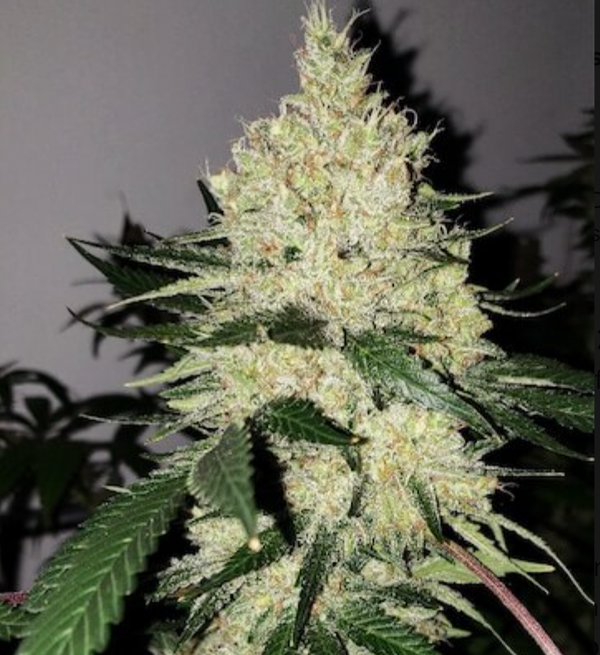
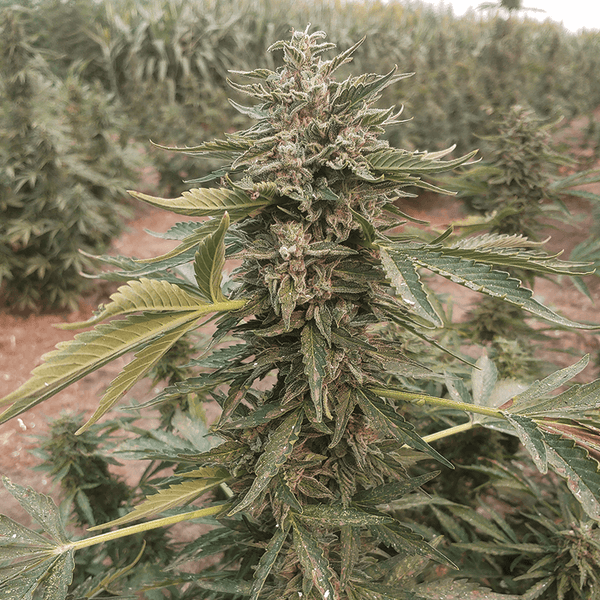
Here’s where the magic happens. True to their name, autoflowers will automatically switch from the vegetative stage to the flowering stage without you needing to change the light schedule. You’ll know it’s starting when you see tiny white hairs, called pistils, forming at the nodes where the branches meet the main stem. This stage typically lasts from six to eight weeks. During this time, your plant will focus all its energy on producing dense, resinous buds. Continue to provide consistent light and nutrients, but be prepared to adjust your feeding schedule to support bud development.
Know When It's Time to Harvest
Knowing the perfect time to harvest is key to getting the effects you want from your plant. The best way to tell is by inspecting the trichomes—the tiny, mushroom-shaped resin glands on the buds. You’ll need a jeweler’s loupe or a small magnifying tool to see them clearly. If the trichomes are still clear, it’s too early. For peak potency, you’ll want to harvest your plants when about 50-70% of the trichomes have turned a milky or cloudy white. If you wait until more of them turn amber, you’ll get a more relaxing, body-focused effect. It’s all about personal preference, so don’t be afraid to experiment.
Where to Buy Quality Autoflower Seeds
The success of your indoor grow starts long before you ever plant a seed. It begins with the genetics you choose. Sourcing your seeds from a reputable supplier is one of the most important steps you can take to ensure a healthy, high-yielding harvest. A great environment can only do so much if the seeds themselves aren't up to par. When you buy from a trusted seed bank, you’re getting more than just a seed; you’re getting the result of careful breeding, genetic stability, and a higher chance of success.
Finding the right supplier can feel overwhelming with so many options out there. To make it easier, I’ve put together a list of well-regarded seed banks known for their quality autoflower genetics. These companies have built strong reputations by consistently providing reliable seeds and supporting their customers. Whether you're looking for a specific strain, a germination guarantee, or just a massive selection, these suppliers are excellent starting points for finding the perfect autoflower seeds for your indoor garden.
Trilogene Seeds
Here at Trilogene Seeds, we specialize in premium cannabis genetics designed for cultivators who demand quality and performance. Our autoflowering feminized seeds are an excellent choice for growers looking to streamline their process. Because they flower automatically and are 99% female, you can save significant time and effort. We are deeply committed to genetic innovation, which is why we also developed groundbreaking triploid cannabis that remains seedless even around male plants. This dedication ensures you get stable, high-performing plants every time. We believe a great harvest begins with a great seed, and we stand behind the quality of our genetics.
ILGM
ILGM, which stands for I Love Growing Marijuana, has earned a strong reputation among growers for a few key reasons. They are widely known for providing seeds with high germination rates, which gives you confidence right from the start. Beyond just selling seeds, ILGM offers a wealth of resources, including detailed growing guides and responsive customer support. This makes them a particularly good choice if you’re a newer grower or just appreciate having a helping hand available. Their commitment to education helps you get the most out of your cultivation journey.
Seedsman
If variety is what you’re after, Seedsman is a fantastic place to look. They have one of the most extensive catalogs available, featuring a huge selection of autoflowering seeds from breeders all over the world. You can find both popular, classic strains and unique new genetics to experiment with. Seedsman also runs a loyalty program and frequently offers promotions and discounts, which makes it a great option for growers who are building their seed collection or working within a specific budget. Their massive selection of autoflowering seeds ensures there’s something for everyone.
Crop King Seeds
Crop King Seeds is another trusted name in the industry, known for its reliability and quality control. They offer a solid variety of autoflowering strains that perform especially well in indoor environments. One of their biggest selling points is their germination guarantee, which provides a great deal of peace of mind when you’re starting your grow. Their seeds are backed by consistently positive customer reviews, reflecting their commitment to providing a dependable product. For growers who value consistency and a guarantee, Crop King Seeds is a solid choice.
Fast Buds
As their name suggests, Fast Buds has carved out a niche by specializing in autoflowering genetics that are bred for speed and performance. Their strains are known for having rapid growth cycles and producing impressive yields in a short amount of time, making them ideal for growers who want a quick turnaround. They offer a diverse lineup of unique and potent autoflower strains you won't find elsewhere. Fast Buds also provides detailed growing information for each of their strains, helping you dial in your conditions to achieve the best possible results.
Dutch Passion
Dutch Passion is one of the original and most respected seed banks in the world. As true pioneers in the cannabis industry, they were among the first to recognize the potential of autoflowering genetics and have been developing them for decades. This long history gives them a deep understanding of breeding and stabilization. When you buy from Dutch Passion, you’re getting seeds from a company with a legacy of quality and innovation. Their autoflowering seeds are trusted by growers worldwide for their genetic stability and reliable performance, making them a go-to source for proven classics.
Solve Common Autoflower Growing Pains
Even with their straightforward nature, autoflowers can present a few unique challenges. Think of them as having their own little quirks. But don't worry—most common issues are easy to fix once you know what to look for. Getting ahead of these potential growing pains will help you keep your plants happy and on track for a fantastic harvest. Let's walk through a few common hiccups and how to handle them.
Handle Nutrient Sensitivity
One of the biggest mistakes new autoflower growers make is overfeeding their plants. Autoflowers are generally more sensitive to nutrients than their photoperiod cousins. It’s best to start with a light touch—think half the recommended dose on your nutrient bottle. This helps you avoid nutrient burn, which shows up as yellow or brown, crispy tips on the leaves. Since autoflowers have a short, fixed lifespan, they don't have much time to recover from stress. A gentle feeding schedule ensures they spend their energy on growing strong and producing buds, not fighting off nutrient overload. When you select your autoflower seeds, plan for a lighter feeding regimen from the start.
Prevent Light Stress
A huge plus for autoflowers is that you don't need to change the light schedule to make them flower. They do it automatically! This simplifies your indoor setup quite a bit. However, they still thrive on consistency. Pick a light schedule—many growers find success with 18 hours on and 6 hours off (18/6)—and stick with it for the entire life of the plant. Abrupt changes or inconsistent light can still cause stress, which can slow down growth and impact your final yield. Keeping the light cycle predictable provides a stable environment where your indoor cannabis seeds can flourish without interruption.
Manage Temperature Swings
Autoflowers, like most plants, appreciate a stable climate. Big swings in temperature can stress them out. For the best results, aim to keep your grow space between 75-77°F (24-25°C) when the lights are on. It's also important to manage humidity, especially as your plants enter the flowering stage. Keeping relative humidity below 45% during this phase is key to preventing mold and bud rot from developing on your beautiful flowers. A simple thermometer/hygrometer can be your best friend here, helping you monitor the environment and make small adjustments to keep your feminized seeds in their happy place.
Encourage Healthy Roots
A healthy plant starts with a strong root system. Giving your autoflower's roots plenty of room to grow is essential. I recommend using larger containers, like 5- to 7-gallon fabric pots or air pots. Unlike traditional plastic pots, these containers allow more oxygen to reach the roots. This "air pruning" process encourages a denser, more fibrous root ball instead of a few long roots circling the bottom of the pot. Better roots mean better nutrient and water absorption, which translates directly into a healthier, more vigorous plant. Strong roots are the foundation for everything that happens above the soil, from sturdy stems to dense buds.
Introduce Plant Training
Want to get a bigger yield from your autoflower? Try a little plant training. Low-Stress Training (LST) is a fantastic, gentle technique that works wonders for autoflowers. The idea is to carefully bend and tie down the main stem and side branches so the plant grows horizontally rather than just vertically. This creates a flat, even canopy where all the bud sites get an equal amount of light. More light equals bigger buds across the entire plant. Since autoflowers have a limited time to grow, it's best to avoid high-stress methods. LST lets you shape your plant for a better harvest without causing any recovery delays. It's a great skill to practice on some new seed releases.
Level Up with Advanced Techniques
Once you’ve mastered the fundamentals of your indoor grow, you can start exploring more advanced techniques to get even better results. These methods aren’t complicated, but they require a bit more attention to detail. When done correctly, they can significantly improve your plant’s health and the size of your final harvest. Think of these as the next steps in your growing journey, helping you fine-tune your process for truly impressive yields.
Ready to get more from your garden? Let’s look at five techniques that can take your autoflower grow from good to great.
Low-Stress Training (LST)
Low-stress training is a gentle way to shape your plant for better light exposure and bigger yields. The goal is to create a flat, even canopy where all the bud sites receive an equal amount of light. Instead of letting your plant grow into a typical Christmas tree shape, you’ll carefully bend and tie down the main stem and side branches. This encourages the plant to grow horizontally, exposing lower branches to the light they need to develop dense buds. Start when the plant is young and flexible, using soft plant ties to avoid damaging the stems. This simple adjustment can make a huge difference in your final harvest, especially with high-quality autoflower seeds that respond well to training.
The Sea of Green (SOG) Method
The Sea of Green (SOG) method is all about maximizing your grow space for a quick and efficient harvest. Instead of growing a few large plants, you’ll grow many smaller plants packed closely together. This creates a dense "sea" of green canopy that makes the most of every inch of light. Because autoflowers have a set lifecycle and don't depend on light changes to flower, you can even grow plants of different ages in the same tent. This allows for a perpetual harvest cycle. The SOG method forces plants into their flowering stage sooner, leading to a faster turnaround. It’s an ideal technique for growers who want to produce a steady supply using reliable feminized seeds to ensure every plant is a producer.
Defoliate Strategically
Defoliation is the process of selectively removing leaves to improve airflow and light penetration. By trimming away some of the large fan leaves, especially in the lower and inner parts of the plant, you allow light to reach bud sites that would otherwise be shaded. This can lead to more uniform bud development and a higher overall yield. However, it’s important to be strategic. Autoflowers have a limited time to recover from stress, so never remove too many leaves at once. A light trim during the late vegetative or early flowering stage is usually best. This technique is particularly effective for dense plants grown from indoor cannabis seeds, where air circulation can be a challenge.
Optimize Your Feeding Schedule
One of the most common mistakes with autoflowers is overfeeding them. These plants are generally more sensitive to nutrients than their photoperiod cousins. A good rule of thumb is to start with half, or even a quarter, of the nutrient dosage recommended for other cannabis plants. It’s always better to give too little than too much, as you can gradually increase the amount if you notice signs of deficiency. An overfed plant can suffer from nutrient burn, which stunts its growth and can be difficult to reverse. Pay close attention to your plants and let them tell you what they need. A careful feeding schedule will help your newly released strains reach their full genetic potential without unnecessary stress.
Perfect Your Light Cycle
While autoflowers will flower regardless of the light schedule, you can optimize their growth by giving them plenty of light. Unlike photoperiod plants that need a specific dark period to trigger flowering, autoflowers thrive with long light hours throughout their entire life. Most growers find that an 18/6 schedule (18 hours of light, 6 hours of dark) or a 20/4 schedule provides the best results. The extended light period fuels photosynthesis, leading to faster growth and larger plants. The short dark period gives the plant a brief moment to rest and carry out important metabolic processes. Experimenting with your light cycle can help you find the sweet spot for the specific strains in your seed collection.
How to Get the Best Harvest
You’ve put in the time and effort, and now the finish line is in sight. Getting a great harvest is all about paying close attention to the details in these final stages. Protecting your plants from stress, pests, and disease while perfecting your drying and curing process will ensure all your hard work pays off with high-quality, potent buds. Let’s walk through how to nail the landing.
Fine-Tune Your Environment
Your plants have been in their environment for weeks, but now is the time for a final adjustment. During the flowering stage, you want to dial things back a bit to help your buds mature perfectly. Aim for a consistent temperature of around 70°F (21°C). More importantly, lower the humidity to about 40%. This slight drop in moisture discourages mold from taking hold just as your flowers are getting dense. Think of it as creating the ideal autumn day for your plants, signaling that it’s time to put all their energy into producing amazing buds. These final tweaks are what separate a good harvest from a great one, especially with strains that are perfect for your indoor setup.
Prevent Pests
Nothing is more heartbreaking than discovering pests right before harvest. The best defense is a good offense, so stay vigilant. Continue to inspect your plants regularly, paying close attention to the undersides of leaves where pests like to hide. Since you’re so close to the end, you’ll want to avoid any harsh sprays. Instead, focus on prevention. Keeping your grow space clean and free of dead leaves or debris removes potential hiding spots for unwanted guests. If you’re not sure what to look for, it helps to familiarize yourself with common cannabis pests so you can spot trouble early and act before it becomes a major problem.
Manage Diseases
Just like with pests, disease prevention in the final weeks is critical. The number one culprit during flowering is bud rot (Botrytis), which thrives in cool, damp, and stagnant conditions. This is why managing your humidity is so important. Keeping it below 45% during the late flowering stage is one of your best strategies. Ensure your fans are still providing gentle air circulation around the canopy to prevent moist air from getting trapped within your dense colas. Starting with strong genetics from high-quality feminized seeds gives you a head start, but maintaining that ideal environment is what will carry your plants safely to harvest day.
Care for Your Plants After Harvest
You did it! The plants are chopped, but the work isn’t quite over. Properly drying and curing your buds is what develops their final flavor, aroma, and potency. Start by cutting your plants at the base and hanging them upside down in a dark room with good air circulation. Aim for a temperature of about 65°F (18°C) and a humidity level of 45%. Let them hang for 10 to 14 days until the smaller stems snap instead of bend. Once they’re dry, trim the buds and place them in airtight glass jars for curing. For the first two weeks, open the jars daily for a few minutes—a process called "burping"—then switch to opening them weekly for another month or two. This slow, patient process is the secret to enjoying the rich, complex profiles of your latest strains.
Related Articles
- What are Autoflower Seeds?
- Autoflower Seeds for Beginners: Grow Fast & Easy
- 10 Best Feminized Seeds to Grow This Year
- A Grower's Guide to Feminized Cannabis Seeds
- The Ultimate Guide to Autoflower Seeds
Frequently Asked Questions
What's the single biggest mistake to avoid when growing autoflowers? The most common pitfall is doing anything that might stunt the plant's growth, especially early on. Because autoflowers have a short, fixed lifespan, they don't have time to recover from major stress. The two biggest culprits are overfeeding and transplanting. It's best to plant your seed directly into its final pot and to start with a very light nutrient schedule, using about half of what you'd give a regular photoperiod plant.
Can I really leave my lights on for 18 hours or more? Yes, you absolutely can, and it's one of the best ways to get vigorous growth. Unlike photoperiod plants that need a specific period of darkness to start flowering, autoflowers will flower based on their age no matter the light schedule. Their hardy genetics allow them to thrive under long hours of light. Most growers find that an 18/6 or 20/4 schedule provides the perfect balance, giving the plant plenty of energy for growth while allowing a short rest period for important internal processes.
How much can I expect to harvest from one autoflower plant? This is the million-dollar question, and the answer depends on several factors, including the specific strain's genetics, your skill as a grower, and how well you control the environment. For a well-cared-for plant in a good indoor setup, a harvest of one to three ounces is a realistic goal. Instead of focusing on a specific number, concentrate on providing a stable, healthy environment. A happy plant will always reward you with the best possible yield it's genetically capable of producing.
When is the right time to start low-stress training (LST)? You can start LST once your plant is strong enough to handle it, which is usually when it has developed about three to four sets of true leaves, or nodes. At this point, the main stem is still flexible and easy to bend without snapping. Starting early allows you to shape the plant's structure from the beginning, creating an even canopy that will maximize light exposure for all your future bud sites.
You mentioned triploid seeds. How are they different from autoflowers? That's a great question that gets to the heart of cannabis genetics. The term "autoflower" describes how a plant flowers—automatically based on age. The term "triploid" describes a plant's genetic structure—it has three sets of chromosomes instead of the usual two. This makes triploid plants highly sterile, meaning they are guaranteed to produce seedless buds (sinsemilla) even if male plants are nearby. While some of our seeds are autoflowering, our triploid genetics offer a different kind of advantage focused on ensuring a seed-free harvest.