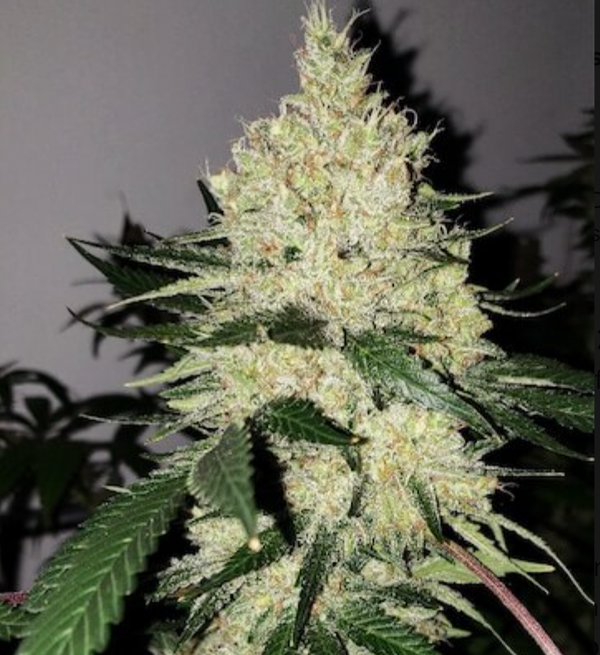
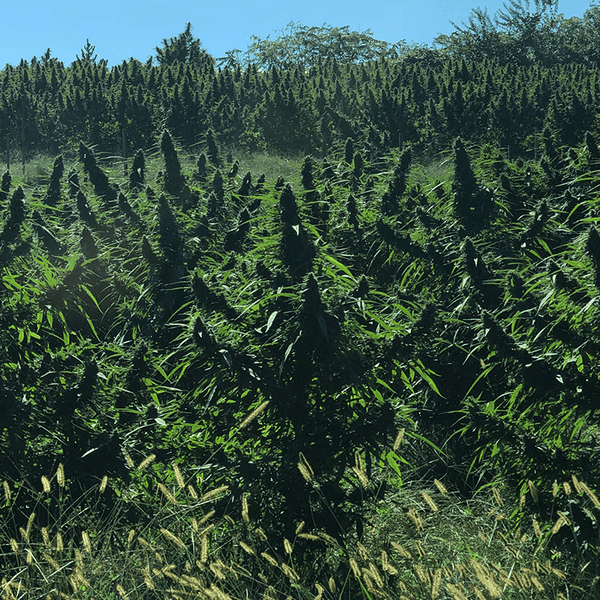
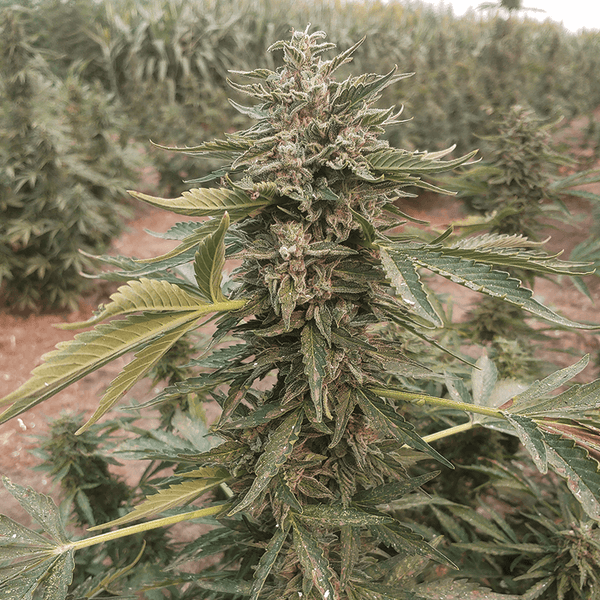
The secret behind the autoflower’s unique ability lies in its ancestry. Deep in the harsh, cold regions of Central Asia and Russia, a wild subspecies of cannabis known as ruderalis evolved a brilliant survival mechanism. With short, erratic summers, it couldn't rely on changing light cues to reproduce. Instead, it developed an internal clock, flowering automatically after reaching a certain age. Expert breeders saw the immense potential in this trait and began crossbreeding it with high-potency indica and sativa strains. This innovation led to the modern autoflower cannabis seed, which carries that same internal clock, offering growers a predictable and accelerated path to harvest.
If you’ve ever tried to grow cannabis before, you’d know that it’s not an easy task. Cultivating cannabis plants isn’t as straightforward as growing some lettuce or tomatoes. Unfortunately, it requires a lot more care, attention, and strict regulations in order to do it correctly. Thankfully, autoflower cannabis seeds make this whole process a whole lot easier.
In case you aren’t familiar with what autoflower seeds are, or how you grow them properly, we’re here to help. Below, we’re covering the ins and outs of autoflower seeds, how to grow them, how to germinate them, and so much more.
Let’s get started.
What is Autoflower Seeds?
First things first: what is autoflower seeds?
Autoflower seeds come from autoflowering strains of cannabis. These types of cannabis have the ability to switch from the vegetative stage to the flowering stage without a change in the light cycle itself.
Typical cannabis plants, also known as photoperiod plants, rely on the manipulation of the light cycle in order to flower, but this is simply not the case with autoflowering cannabis seeds.
This unique behavior is all thanks to the cannabis ruderalis genes that are found within autoflowering strains themselves.
The ruderalis species is traditionally native to places around the globe that have relatively short summers. Because the daylight hours shift so drastically in these regions, the plants have begun to develop the ability to flower based on age — not light exposure.
Having this essentially “automatic” transition out of stages allows for a much easier growth process for cultivators, as they don’t have to worry about manipulating light cycles or waiting for the changes of the seasons to get their cannabis plants to flower. Instead, the plants do it on their own.
The History and Development of Autoflowers
The autoflowering cannabis you see today didn't just appear out of thin air. It’s the result of decades of exploration, adaptation, and careful breeding. Understanding this history helps you appreciate the resilience and unique characteristics of the seeds you’re about to grow. The journey starts with a wild, hardy cannabis subspecies that evolved to survive in some of the toughest conditions on the planet. Breeders saw the potential in this plant's unique clock and worked to combine its best traits with the high-potency strains growers already loved. This fusion created the convenient, powerful, and reliable autoflowers that are now a staple in gardens everywhere.
The Ruderalis Connection
The secret behind autoflowering cannabis lies in its genetic ancestor, Cannabis ruderalis. This subspecies is native to the harsh, cold regions of Central Asia, Russia, and Eastern Europe, where the growing seasons are incredibly short and the daylight hours are erratic. To survive and reproduce, ruderalis evolved a brilliant trick: it began to flower based on its age rather than waiting for a change in the light cycle. This internal clock ensured it could complete its life cycle before the first frost hit. Early breeders recognized the immense value of this trait, seeing an opportunity to create cannabis plants that didn't require strict light management, making cultivation much more straightforward for everyone from beginners to commercial growers looking to simplify their process.
From Low Ryder to High-THC Strains
The first attempts to harness the ruderalis trait began in the 1970s, but it wasn't until a breeder known as The Joint Doctor created the 'Low Ryder' strain that autoflowers truly hit the scene. By crossing a Mexican sativa called 'Mexican Rudy' with Northern Lights #2, he stabilized the autoflowering trait in a more potent and appealing package. While early autoflowers were known more for their speed and stealthy size than their potency, that has completely changed. Today’s breeders have perfected the art, creating powerful autoflower seeds that produce plants with impressive yields and THC levels that rival their photoperiod cousins. This evolution means you no longer have to choose between convenience and quality.
Main Benefits of Autoflowering Cannabis Plants
Autoflowering cannabis plants are some of the most popular, sought-after plants on the market — and this is for various reasons.
Autoflower cannabis plants offer plenty of benefits that appeal to growers of all background types. Primarily, these plants provide a sense of ease that others don’t.
Understanding the light cycle and how it affects your plants is a tricky, delicate process that can take quite a long time to perfect. Unfortunately, this often means going through a bit of trial and error with your plants, too.
If you don’t want to risk losing any of your precious plants, sticking with autoflowering cannabis plants can help lower that worry. You don’t have to be preoccupied with understanding the best light exposure and when to switch it. Rather, these unique autoflowering seeds do all of that for you.
Another primary benefit of autoflowering strains is the rapid harvest time. Since the plants don’t rely on the changing of seasons, they have a much shorter flowering time, allowing for growers to cultivate multiple harvests per year. This helps increases overall yields, boosting plant production tenfold.
In general, autoflowering plants tend to grow up to be quite compact, as well. While this isn’t necessarily ideal for outdoor growing, it’s great for those wanting to grow some high-quality plants indoors. These compact plants aren’t going to take up too much space or light when growing.
Autoflower Stats: Timeline, Yield, and Size
Now that you understand the core benefits of autoflowering cannabis, let's get into the specifics. Knowing the typical growth cycle, potential yield, and plant size can help you plan your cultivation space and schedule. While genetics play a huge role, and every strain is a little different, autoflowers generally follow a predictable pattern. These stats give you a solid baseline for what to expect when you decide to grow autoflowers, whether you're a first-time home grower or a seasoned commercial cultivator looking for a quick and efficient crop rotation.
How Long Do Autoflowers Take to Grow?
One of the biggest draws of autoflowers is their impressive speed. From the moment you plant the seed to the day you harvest, the entire process typically takes between 8 to 15 weeks. According to research from Dutch Passion, the average grow time is around 75 days. This rapid lifecycle is possible because the plant’s transition to flowering is based on age, not light exposure. For cultivators, this means you can potentially fit multiple harvests into a single outdoor growing season or maintain a continuous cycle indoors without complex light schedule adjustments. This efficiency makes autoflowers an excellent choice for anyone wanting a consistent supply of high-quality cannabis without a long wait.
Typical Yields for Indoor and Outdoor Grows
Yield is always a top consideration, and autoflowers deliver respectable results, especially given their speed. On average, you can expect to harvest about 1 to 4 ounces (or 28 to 112 grams) of finished flower from each plant. Your growing environment is a major factor here. When you cultivate indoors, yields often range from 28 to 120 grams per plant, depending on your setup and pot size. Outdoors, where roots have more room to expand, plants can produce significantly more. Choosing high-quality genetics is key to maximizing your harvest, as premium seeds are bred for both potency and productivity, ensuring your efforts result in a generous supply of buds.
Average Plant Height
If you're working with limited space, autoflowers are a fantastic solution. These plants are known for their compact and manageable size, typically growing between 2 to 3.3 feet (about 60 to 100 cm) tall. This smaller stature makes them perfect for discreetly growing on a balcony, in a small tent, or even on a sunny windowsill. Their compact nature means you can fit more plants into a smaller area, which can help make up for the slightly smaller individual yields compared to massive photoperiod plants. This makes them ideal for outdoor growers who value discretion and for indoor cultivators who need to make the most of every square foot.
What is the Best Way to Germinate Autoflower Seeds?
Germination is the first step toward growing your own cannabis plant. So, what is the best way to germinate autoflower seeds? Thankfully, autoflower seeds require the same germination process as all other cannabis seeds.
For a quick refresh, here’s how to germinate your autoflower seeds using the most popular “paper towel” method:
- Start by taking a few paper towels and moistening them. Make sure to wring out any excess water. You want these paper towels damp, not dripping wet.
- Next, take your cannabis seeds and place them on one of the damp paper towels. Make sure you space them apart evenly to ensure their roots don’t get entangled when growing.
- Place the other damp paper towel directly over your seeds, covering them entirely.
- Then, place these paper towels on a plate and store them in a warm, dark place. Many people opt for the top of a fridge or in a closet.
- Keep an eye on your seeds and check daily for any signs of a taproot. When the root does appear, this means it’s time to transplant your seedlings to your chosen growing medium.
When it comes time to transfer your seedlings, make sure to do so as gently as possible. Do not touch the taproot and ensure that you’re delicately placing it into its new home.
It’s important to note that the entire germination process can take anywhere from 1-5 days, potentially even longer.
So, you have to be patient with your autoflowering seeds! Nothing good will come from rushing their growth, so patience is key.
## Understanding the Disadvantages of Autoflower Seeds As much as we love autoflowers for their speed and simplicity, it’s only fair to look at the full picture. Like anything in life, they come with a few trade-offs. Being aware of these potential downsides before you start your grow helps you set realistic expectations and decide if they’re truly the right fit for your goals. Knowing the challenges is the first step to overcoming them, ensuring you have the best possible cultivation experience from seed to harvest. Let's walk through some of the common disadvantages you might encounter with autoflowering cannabis. ### Smaller Yields and Plant Size One of the most significant differences you'll notice between autoflowers and photoperiod plants is their size. Because autoflowers have a fixed, shorter lifespan, they spend less time in the vegetative stage where plants do most of their growing. This shorter veg period means they don't have the time to develop the large, sprawling structures of their photoperiod cousins, resulting in more compact plants. While this is perfect for small tents or discreet balcony grows, it naturally leads to smaller yields per plant. If your primary goal is to produce a massive harvest from just a few plants, this is a crucial factor to weigh. ### Inability to Clone If you discover a plant with the perfect structure, aroma, and effects, your first instinct might be to clone it to preserve those amazing genetics. With photoperiod plants, this is a standard practice. However, you can't effectively clone an autoflower. Since autoflowers operate on a genetic timer, any cutting you take will be the same age as the mother plant and will continue its countdown to flowering. This means you won't be able to create a mother plant to provide a perpetual supply of genetically identical cuttings, so you'll need to start from seed for each new crop. ### Less Control Over the Growth Cycle The "auto" feature is a double-edged sword. While it removes the need to manage light schedules, it also takes away a lot of your control. Experienced growers often manipulate the vegetative stage of photoperiod plants, extending it to train them, increase their size, or allow them to recover from stress like nutrient burn or pest damage. With an autoflower, the clock is always ticking. If your plant experiences a setback early in its life, it doesn't have extra time to recover before it automatically begins to flower, which can severely impact its final size and yield. ### Potential for Variation and Male Flowers While breeders have made incredible progress, some autoflower strains can still show more variation between individual plants than their stable photoperiod counterparts. You might see differences in height, structure, and flowering time within the same batch of seeds. More importantly, autoflowers can be sensitive to stress, which can sometimes cause them to develop male pollen sacs. You have to be vigilant in spotting and removing these to prevent pollination. To avoid this issue entirely, you could explore innovative options like triploid cannabis, which are bred to be 99% seedless even when males are present.What is the Difference Between Autoflower and Feminized Seeds?
When learning about the different types of cannabis seeds, many people wonder, “What is the difference between autoflower and feminized seeds?” Well, there are various similarities and differences between the two.
In general, autoflower and feminized seeds represent two different approaches to cannabis cultivation.
Autoflower seeds, as we’ve mentioned automatically begin to flower with age, rather than with light exposure.
Feminized cannabis seeds, however, are genetically designed to produce only female plants. Female cannabis plants are sought after because they are the ones that produce the resinous, potent buds that we use for medical and recreational purposes.
Male cannabis plants, however, do not have these buds. Instead, they are born with pollen sacs that can actually contaminate female plants if grown too close.
When contaminated, the female plants start to produce seeds, and this can be unappealing for both growers and buyers.
Thus, feminized cannabis seeds take out the guesswork of whether or not you’re the female plants you want. Instead, you’re about 99% sure that you’re growing lovely ladies.
It’s important to note that you can, in fact, have autoflowering feminized seeds — the two are not exclusive.
Autoflowering feminized seeds are simply seeds that automatically flower with time and are guaranteed to be female. Having this combination is a great way to increase the ease with cultivation.
What is Better: Autoflower or Normal Seeds?
People often ask: what is better: autoflower or normal seeds? “Normal seeds” tend to refer to photoperiod cannabis seeds, or the seeds that grow based on the sun’s natural light cycle.
Photoperiod cannabis seeds change with the seasons, creating a longer growth process than autoflowering seeds. Because of this, these seeds can only produce one harvest per year.
When comparing these types of seeds directly, it’s clear that they both have their advantages and disadvantages, and preferences simply come down to the grower’s circumstances.
In general, photoperiod cannabis strains are going to come from naturally pollinated cannabis plants, producing both males and females.
More natural reproduction of this nature allows for greater genetic diversity. Thus, without photoperiod cannabis strains, it would be much more difficult to breed new strains or large yields.
However, as we’ve noted, photoperiod cannabis seeds take longer to cultivate. Thus, autoflowering seeds have a quick turnaround from seed to harvest, allowing for several harvests per year.
Autoflowering cannabis plants also tend to be more compact when grown; so, if you have limited space, these seeds may be a better choice. But, if you’re going outside — already under Mother Nature — photoperiod seeds may prove ideal.
What is the Minimum Setup for Autoflower Cannabis Seeds?
If you want to grow autoflower cannabis seeds, you don’t have to come up with a huge, elaborate setup (which isn’t something you can say about most cannabis seeds).
Instead, you can create a great space for your autoflowering plants with quite a modest setup.
Here is a list of all the things you will need and why:
- Grow Space: Of course, you cannot grow your autoflowering seeds without having a suitable place for your plants. This can be places like an indoor grow tent, a large closet, an extra room, or even your outdoor garden.
- Lighting: Thankfully, autoflowering cannabis strains don’t require changes in light cycles in order to trigger the flowering phase; however, you will still have to provide your plants with plenty of light in order for them to thrive. A good general rule of thumb is to give your autoflower seeds about 18-24 hours of light per day throughout the life cycle.
- Growing Medium: Whether it is soil or soilless, you have to determine what kind of growing medium to put your plants in once they have germinated. If you’re a beginner, we’d suggest sticking to soil. With this, you should also consider your ideal pots and containers. They need to have ample space and good drainage.
- Nutrients: You cannot grow healthy autoflowers without considering the proper nutrients. Cannabis plants require plenty of vitamins and nutrients to survive, so finding pre-mixed nutrient solutions will be a good option — just make sure it’s suitable for cannabis, specifically.
- Ventilation: In order to have a good grow space for your autoflowering seeds, you have to have proper ventilation. Improper airflow creates the space for mold and mildew growth, which is not only damaging but dangerous to your plants.
- Temperature and Humidity Control: Along with proper ventilation, you also have to have ways to control the temperature and humidity levels in your grow space. Usually, you want to keep your space around 70-85°F and about 70% humidity during the seedling stage, and about 40% humidity in the flowering stage.
Your grow setup will also need to consider factors like watering equipment and pH tester to ensure everything is where it should be.
However, these are all the minimum factors, and if you want your plants to truly thrive, you will go above and beyond to ensure their environment is idyllic.
After all, that’s how you grow your dream cannabis plants!
How to Grow Autoflower Seeds
If you’re wondering how to grow autoflower seeds, the process is going to look very similar to your typical cannabis plant growth process.
First, you’re going to start by germinating your autoflowering seeds. We laid out in-depth details on how to do that above.
From there, once your seed has germinated, you will need to transplant them into your chosen growing medium. You will want to dig a small hole that’s about a knuckle deep and then place the seed in, taproot-side-down.
Cover the hole gently with your growing medium and lightly water it. Over the next few weeks, you’ll notice your seedlings start to develop.
During this time, it’s essential to ensure that the environment for your plants is ideal, keeping the room warm and relatively humid.
After about 2-3 weeks, it’s time for your plants to enter the vegetative stage. During this time, your plants are going to grow much taller, taking up more space than ever.
On their own, your cannabis plants will then enter the flowering stage after about 3-5 weeks of growth. In this stage, they will start to develop their pistils, which are the crucial components of cannabis that produce the cannabinoids we love.
Finally, your autoflowering plants will be ready to harvest typically about 7-10 weeks after initial growth. You’ll know they’re ready to be harvested when the pistils have matured and the trichomes are no longer clear, but milky white.
After this, you will dry and cure the plants, and they’ll be ready for consumption.
Potting and Transplanting Best Practices
One of the most critical things to remember about autoflowers is that they have a very short lifespan and a non-negotiable internal clock. This means they don't have time to recover from stress the way photoperiod plants do. The biggest stressor for a young plant is transplanting. Ripping it from its cozy home and moving it to a new one can shock the root system, stunting growth for days or even a week. For an autoflower, that’s a significant portion of its vegetative stage. To avoid this, the best practice is to plant your germinated seed directly into its final pot. This one-and-done approach lets the plant establish its root system without interruption, ensuring it can focus all its energy on growing big and strong from day one.
Recommended Pot Sizes for Indoor vs. Outdoor
Choosing the right pot size is all about giving your plant's roots enough room to thrive without overdoing it. For an indoor grow, a 3 to 5-gallon (about 11-19 liter) pot is usually the sweet spot. This size is large enough to support healthy root development for a compact autoflower without taking up too much space in your tent. If you’re growing outdoors, you’ll want to go a bit bigger. A 5 to 10-gallon (20-40 liter) pot gives the roots more space to spread out and helps the soil retain moisture longer under the hot sun, meaning you won't have to water quite as often. Selecting the right pot is the first step in setting up your indoor or outdoor garden for success.
Soil, Nutrients, and pH Levels
Autoflowers perform best in a growing medium that is light, airy, and drains well. Heavy, compacted soil can suffocate the roots and lead to waterlogging, which is a recipe for disaster. A great starting mix often includes a base of high-quality potting soil amended with things like perlite and coco coir to improve aeration and drainage. When it comes to feeding your plants, remember that autoflowers are generally lighter feeders than their photoperiod cousins. It’s wise to start with a soil that has some nutrients already in it and then supplement with a liquid nutrient solution formulated specifically for cannabis, usually starting at a quarter or half the recommended strength. Keeping an eye on the pH of your water and soil, aiming for a range of 6.0-7.0, will ensure your plants can actually absorb all those vital nutrients you’re providing.
The Ideal Light Cycle for Autoflowers
Here’s where autoflowers really make life easy. Unlike photoperiod plants that require a switch to a 12/12 light cycle to trigger flowering, autoflowers will bloom regardless of how much light they get. However, they still use light as energy to grow. To get the best results, most growers provide a consistent 18 to 24 hours of light per day throughout the plant's entire life, from seedling to harvest. An 18/6 schedule (18 hours on, 6 hours off) is very popular as it gives the plant a short rest period and is more energy-efficient. Some growers opt for a full 24 hours of light to maximize growth, and many autoflower seeds respond well to this. The key takeaway is consistency—pick a schedule and stick with it.
Low-Stress Training (LST) for Autoflowers
Because autoflowers are sensitive to stress, high-stress training (HST) techniques like topping are generally off-limits. But that doesn’t mean you can’t shape your plant for better yields! This is where Low-Stress Training (LST) comes in. LST involves gently bending the main stem and side branches downwards and tying them in place. The goal is to break the plant's apical dominance (its tendency to grow one main central cola) and create a flatter, more even canopy. This allows light to penetrate deeper into the plant, reaching lower bud sites that would otherwise be shaded. The result is more colas of a similar size, rather than just one big one and a lot of smaller, "popcorn" buds. It’s a simple, gentle technique that can make a huge difference in your final harvest.
Managing Your Grow Room Environment
Creating the perfect environment is like giving your plants a luxury suite to grow in. Two of the most important factors to control are temperature and humidity, but you can't forget about airflow. Stagnant, humid air is a breeding ground for mold and mildew, which can destroy an entire crop. Using a few small oscillating fans in your grow space will keep the air moving, strengthen your plant's stems, and help manage temperature and humidity pockets. Think of it as creating a gentle breeze that keeps your plants happy and healthy. Getting your environment dialed in is fundamental, especially when you're working with premium genetics and want to see them reach their full potential.
Temperature and Humidity for the Vegetative Stage
During the vegetative stage, your young autoflowers are focused on building a strong foundation of leaves and roots. To support this, they enjoy a warm and humid environment that mimics a lush spring day. Aim to keep the temperature between 70-80°F (21-27°C) and the relative humidity around 60-70%. This higher humidity level allows the young plants to absorb some moisture through their leaves, taking some of the pressure off their developing root systems. A simple thermometer/hygrometer will help you monitor these levels easily.
Temperature and Humidity for the Flowering Stage
Once your autoflower begins to develop buds, it’s time to adjust the environment. While the ideal temperature remains fairly consistent at 70-80°F (21-26°C), you’ll want to significantly lower the humidity to a range of 40-50%. Drier air is crucial during the flowering stage because dense, resinous buds are highly susceptible to bud rot and mold. Reducing the humidity helps protect your precious flowers and encourages the plant to produce more resin as a defense mechanism, which is a win-win for you.
Harvesting, Drying, and Curing Your Autoflower Buds
You’ve successfully guided your plant from a tiny seed to a beautiful, mature plant. Now comes the most rewarding part: harvesting your buds and preparing them for use. This final phase is just as important as the grow itself, as it’s what develops the flavor, aroma, and smoothness of the final product. Rushing through the drying and curing process is a common rookie mistake that can undermine all your hard work. Patience here is key. By properly harvesting, drying, and curing, you ensure that the amazing characteristics of your chosen strain, whether it's a potent THCA variety or a calming CBD strain, are perfectly preserved for an exceptional experience.
How to Tell When It's Time to Harvest
Timing your harvest is more art than science, but there’s one indicator that’s more reliable than any other: the trichomes. These are the tiny, crystal-like glands that cover the buds and contain all the cannabinoids and terpenes. To inspect them, you’ll need a jeweler’s loupe or a small magnifying glass. When the trichomes are mostly clear, the plant is still immature. As they mature, they will turn a milky or cloudy white color; this is the peak for THC production. If you wait longer, they will begin to turn amber, which indicates the THC is starting to degrade into CBN, often resulting in a more sedative, body-heavy effect. Most growers harvest when the majority of trichomes are milky white with just a few starting to turn amber.
The Drying Process
Once you’ve chopped your plant, the next step is to slowly dry the buds. The goal is to remove most of the water content over a period of 7-14 days. The best way to do this is to hang the entire plant or individual branches upside down in a dark, controlled environment. You’re aiming for a temperature of around 64°F (18°C) with a relative humidity of about 45-50%. Good air circulation is important, but don’t point a fan directly at the buds, as this can cause them to dry too quickly. You’ll know they’re ready for the next step when the smaller stems snap instead of bend, but the larger stems still have a bit of flex.
Curing for Maximum Quality
Curing is the final, magical step that transforms harsh, grassy-smelling buds into a smooth, flavorful, and aromatic final product. Once your buds are dry to the touch, trim them and place them into airtight glass jars, filling them about three-quarters full. For the first two weeks, open the jars for 5-10 minutes once or twice a day. This process, known as "burping," releases moisture and replenishes the oxygen. After the first couple of weeks, you can reduce burping to once every few days. A proper cure can take anywhere from two weeks to two months or more, but your patience will be rewarded with a vastly superior product that honors the quality of the feminized seeds you started with.
How to Store Autoflower Seeds for Long-Term Viability
When you invest in premium cannabis seeds, you want to make sure they stay viable until you’re ready to plant them. Proper storage is essential for preserving the germination potential of your seeds for months or even years. The four enemies of seed viability are light, heat, moisture, and oxygen. Therefore, the ideal storage environment is cool, dark, and dry. The best method is to place your seeds in their original packaging inside a small, airtight container, like a film canister or a small mason jar. For extra protection against humidity, you can add a food-grade desiccant packet (like the ones found in vitamin bottles) to the container.
Once sealed, the best place for your container is in the refrigerator. The cold, stable temperature slows down the seed's metabolic processes, keeping it in a state of suspended animation. Avoid storing them in a freezer unless you have professional equipment, as the moisture can damage the seeds during freezing and thawing. By taking these simple steps, you can ensure that the high-quality genetics you purchased from our full seed catalog will be ready to sprout whenever you are, protecting your investment and setting you up for a successful future grow.
What is the Best Place to Buy Autoflower Seeds?
From the short growing time to the ease of it all, there are a lot of appealing factors when it comes to autoflowering cannabis seeds. Because of this, many people ask, “What is the best place to buy autoflower seeds?” Well, we’ll tell you: Trilogene Seeds.
Trilogene Seeds offers a huge selection of high-quality, top-shelf autoflowering seeds for you to choose from.
Whether you’re looking for indicas, sativas, hybrids, feminized or non-feminized, Trilogene’s seed bank has everything you need and more in your autoflowering cultivation journey.
Why Choose Trilogene Seeds for Your Autoflowers
When you're ready to grow, the quality of your seeds is everything. At Trilogene Seeds, we focus on providing premium genetics that set you up for success from the very beginning. Our customers consistently report outstanding germination rates, leading to strong, healthy plants that deliver on their potential. Beyond reliability, we offer a huge selection of strains to match your specific goals. Whether you’re looking for a relaxing indica, an uplifting sativa, or a balanced hybrid, you can find the perfect autoflower for your garden. We understand that every seed is an investment, which is why we’re committed to providing stable, high-quality genetics that make your cultivation journey rewarding and successful.
Frequently Asked Questions
Are autoflowers less potent than regular cannabis plants? That’s a common myth that comes from the early days of autoflower breeding. While the first autoflowers, like Low Ryder, were prized for their speed rather than their strength, that’s no longer the case. Modern breeders have spent years perfecting these strains, and today’s high-quality autoflowers can easily match the potency and cannabinoid profiles of their photoperiod counterparts. It all comes down to choosing excellent genetics from the start.
What's the biggest mistake beginners make when growing autoflowers? The most common misstep I see is causing the plant too much stress early in its life, especially during transplanting. Autoflowers are on a fixed schedule and don't have extra time in their vegetative stage to recover from shock. Starting your seed in a small cup and then moving it to a bigger pot can stunt its growth, leading to a much smaller plant and yield. The best approach is to plant your germinated seed directly into its final, larger pot to avoid this stress entirely.
Can I use the same nutrients for autoflowers that I use for my other plants? You can, but you need to be careful with the dosage. Autoflowers are typically more compact and have a shorter life cycle, which means they are generally lighter feeders than large photoperiod plants. A good rule of thumb is to start with about a quarter to a half of the recommended strength on the nutrient bottle. It’s much easier to fix an underfed plant than an overfed one, which can suffer from nutrient burn that it won't have time to recover from.
Since autoflowers are so fast, can I get multiple harvests in one outdoor season? Yes, and this is one of the most significant advantages for outdoor growers. Because autoflowers aren't dependent on the changing seasons to start flowering, their rapid seed-to-harvest timeline allows you to plan for multiple crop cycles. Depending on the length of your local growing season, you can easily fit in two full harvests, and in warmer climates, you might even manage a third.
If I can't clone autoflowers, how do I get consistent results with my favorite strain? Consistency comes directly from the quality and stability of the seeds you start with. While you can't keep a mother plant for cuttings, purchasing seeds from a reputable breeder ensures that the genetics are stable and predictable. This means each seed from the same batch will grow into a plant with very similar characteristics, from its size and structure to its final aroma and effects, giving you reliable results every time.
Key Takeaways
- Autoflowers run on an internal clock, not a light schedule: They automatically begin to flower based on age, which means a faster harvest (typically 8-15 weeks) and a much simpler growing process without the need to manage changing light cycles.
- A stress-free life leads to a better harvest: Because autoflowers have a short, fixed lifespan, they don't have time to recover from setbacks. Plant them directly in their final pot to avoid transplant shock and use only gentle training methods to get the best results.
- Convenience comes with a few trade-offs: While fast and easy, autoflowers generally produce smaller plants with more modest yields than photoperiod varieties, and they can't be cloned. Weigh these factors to decide if they are the right fit for your garden and goals.