Want to become a better grower, faster? Getting experience with different genetics is key, but growing one strain at a time can take seasons. An autoflower mix pack is your shortcut to a diverse harvest and accelerated learning. You get a front-row seat to see how various strains handle your specific watering, nutrients, and training techniques. This side-by-side comparison is an invaluable tool for finding what works best in your garden and what you love most. This guide will show you exactly how to manage that variety and turn your grow into an amazing, multi-strain stash.
Key Takeaways
- Use Mix Packs to Find Your Favorites: An autoflower mix pack is your personal sampler platter. It allows you to grow several different strains at once, making it easy to compare results and discover which genetics work best for your space and preferences.
- Master the Basics to Avoid Stress: Since autoflowers are on a fast track, they can't afford setbacks. Focus on getting the fundamentals right: plant seeds in their final container, let the soil dry out between waterings, and use a light hand with nutrients.
- Become a Better Grower with a Journal: The fastest way to improve is to track your process. Note what you did for each strain—watering, feeding, training—and how it responded. This simple habit turns every harvest into a valuable lesson for the next one.
What Exactly Are Autoflower Mix Packs?
If you're new to growing, the world of cannabis seeds can feel a bit overwhelming with all the different terms and options. That's where autoflower mix packs come in to make your life easier. Let's break down what they are. First, autoflower seeds are a specific type of cannabis plant that, as the name implies, flowers automatically. Unlike other plants that need a specific light schedule to start producing buds, autoflowers switch from their growth phase to their flowering phase based on age. This key trait makes them incredibly low-maintenance and a fantastic choice for beginners who are still learning the ropes.
An autoflower mix pack is simply a curated collection of different autoflower strains bundled together. Instead of committing to a full pack of a single strain you've never tried, you get a variety to experiment with. Think of it as a sampler platter for your garden. It’s an ideal way to discover different aromas, effects, and growth characteristics without a huge initial investment. This approach allows you to find what you truly enjoy growing and consuming, giving you a diverse and rewarding experience from your very first grow. It’s all about exploration and finding your favorites with less pressure.
How Do Mixed Seed Packs Work?
Mixed seed packs are designed for variety and convenience. When you're just starting, it can be tough to decide which strain to grow. A mix pack removes that guesswork by providing you with several different, high-quality options in one purchase. You might get a pack with three to five distinct types of autoflower seeds, each with its own unique profile. This approach is fantastic for beginners because it simplifies the selection process and lets you learn firsthand what you enjoy growing and consuming. It’s a low-risk, high-reward way to explore different genetics and find the perfect strains for your setup and personal taste.
Why Choose a Mixed Autoflower Pack?
One of the biggest advantages of growing autoflowers is how forgiving they are. These plants are famously resilient and can bounce back from common beginner mistakes, pests, and temperature swings more easily than other varieties. This resilience takes a lot of the pressure off while you're learning the ropes. Another major perk is their speed. Since their life cycle isn't tied to seasonal light changes, you can often achieve multiple harvests in a single year, especially if you live somewhere with a shorter warm season. A mixed pack allows you to enjoy this quick turnaround with a variety of plants, keeping your garden interesting and your jars full of different buds.
Types of Autoflower Mix Packs
Not all mix packs are created equal. When you start shopping around, you'll generally find two main categories: mystery packs and curated collections. Understanding the difference will help you pick the one that best fits your growing style and goals. One is all about the thrill of the unknown, while the other offers a more predictable, themed experience. Both are excellent ways to diversify your garden, but they cater to slightly different desires. Let's look at what makes each type unique so you can decide which adventure you want to embark on with your next grow.
Mystery Packs vs. Curated Collections
A mystery pack is exactly what it sounds like—a surprise! It’s a "lucky dip" where you get a random assortment of different autoflowering strains. This is a fantastic option if you're feeling adventurous and want to discover new genetics without overthinking it. You won't know exactly what you're planting until it starts to grow and show its unique traits. On the other hand, curated collections are thoughtfully assembled around a specific theme. These packs group together strains with similar characteristics, such as flavor profiles, effects, or growth patterns. This is the better choice if you have a particular outcome in mind, like growing a garden full of fruity-smelling plants or potent, high-THCA varieties.
Examples of Themed Packs
Curated packs can be built around almost any characteristic you can think of. For example, you might find a "Dessert Pack" featuring strains with sweet, cake-like aromas, or a "Sativa Pack" designed for growers who want energizing and uplifting effects. Other themes could focus on cannabinoid content, offering collections of high-CBD seeds for therapeutic benefits or powerful THCA seeds for a more intense experience. Some packs are even curated based on color, bringing together genetics known for producing beautiful purple or deep red buds. These themed collections take the guesswork out of the equation, allowing you to tailor your garden to your exact preferences while still enjoying a bit of variety.
What to Expect from Your Plants
Growing from a mix pack means your garden will be a vibrant tapestry of different plant expressions. While each seed holds a unique genetic code, there are some general expectations you can have for your autoflowers. From their manageable size to their rapid growth cycle, these plants share a few core traits that make them so popular. Knowing these general ranges for yield, height, and timeline will help you plan your space and manage your grow more effectively. It prepares you for the beautiful diversity you're about to witness, ensuring you can support each plant as it develops its individual characteristics.
Typical Yield and Plant Height
Autoflowers are known for being compact, but their yields can be surprisingly generous. Indoors, you can generally expect to harvest between 1.1 to 2.1 ounces per square foot. If you're growing outdoors, a single plant can produce anywhere from 2 to 12 ounces, depending on the strain and growing conditions. In terms of height, most autoflowers will stay within a manageable range of 23 to 60 inches. This makes them a great fit for growers with limited space, like a small tent or a balcony garden. In a mix pack, you'll likely see a variety of heights, creating a multi-level canopy that adds visual interest to your grow space.
Seed-to-Harvest Timeline
One of the most exciting things about growing autoflowers is their incredible speed. You can go from seed to a full harvest in as little as 8 to 11 weeks. Because their flowering cycle is determined by age rather than light exposure, you don't have to worry about changing your light schedule. Most autoflower strains take about 70 to 80 days to mature from the moment the seed sprouts. This rapid turnaround means you can potentially fit multiple harvests into a single growing season. Just remember that different strains in your mix pack might finish a week or two apart, so keep a close eye on each plant's trichomes to harvest at the perfect time.
A Spectrum of Colors and Aromas
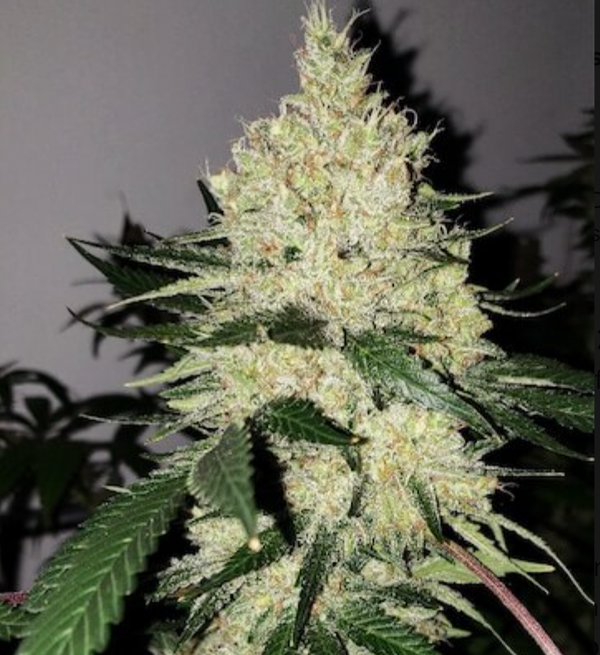
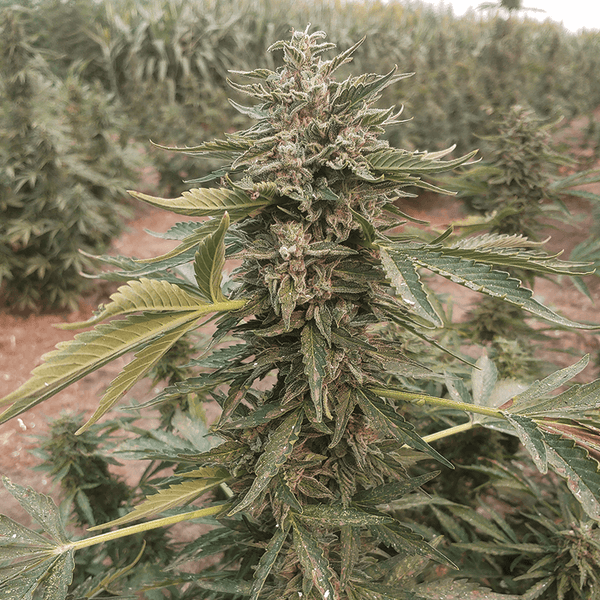
Prepare for a sensory explosion. A mix pack is the best way to experience the incredible diversity of cannabis. You can expect to see visually stunning buds in a range of colors, from deep purples and reds to vibrant, neon greens, all sparkling with a thick coat of resin. The variety doesn't stop there. Your grow space will be filled with a complex bouquet of aromas as each plant develops its unique terpene profile. You might have one plant smelling like fresh citrus, another like sweet berries, and a third with a classic earthy, pine scent. This is where the fun of a mix pack really shines through—in the beautiful and delicious variety it brings to your garden.
THC and CBD Content
The cannabinoid content in a mix pack will depend entirely on the collection you choose. Many popular autoflower packs are focused on high-THC strains, where the CBD content is typically less than 1%. However, the market is expanding to cater to all kinds of consumers. You can find curated packs specifically designed to be rich in CBD for those seeking therapeutic effects without a strong high. When you shop for seeds, always read the description of the mix pack carefully. It should give you a good idea of the expected cannabinoid profiles, whether it’s a collection of potent THCA-dominant strains or a balanced mix of CBD and THC genetics.
Autoflower vs. Photoperiod: What's the Difference?
The fundamental difference between autoflower and photoperiod strains lies in how they begin to flower. Photoperiod plants require a specific change in their light cycle to trigger the flowering stage—typically a switch to 12 hours of light and 12 hours of uninterrupted darkness. Autoflowers, however, will start producing buds automatically after just a few weeks of growth, no matter the light schedule. This makes them much simpler to manage. Furthermore, unlike regular cannabis seeds that can produce male plants, most autoflowers are also feminized seeds. This gives you a 99% guarantee that every seed you plant will grow into a bud-producing female, which is exactly what most growers are looking for.
How to Choose a Quality Autoflower Mix Pack
Picking the right autoflower mix pack is your first big step toward a successful and varied harvest. It’s about more than just grabbing a bag of random seeds; it’s about curating your future garden. A great mix pack gives you the chance to experiment with different strains, discover new favorites, and learn how different genetics perform in your specific setup. To make the best choice, you’ll want to consider the genetics inside the pack, the reputation of the seed bank, the types of varieties included, and the overall value you’re getting for your money. Let’s walk through what to look for so you can choose a pack with confidence.
Why Genetics and Strains Matter
Before you buy, get familiar with the basics of autoflower genetics. Autoflower seeds are popular because they automatically switch from vegetative growth to the flowering stage without needing a change in the light cycle. This makes them incredibly beginner-friendly, fast to finish, and great for discreet grows. However, not all autoflowers are the same. A good mix pack should provide details on the strains inside, including whether they are Indica-dominant, Sativa-dominant, or hybrids. Knowing this helps you anticipate a plant’s size, structure, and potential effects, so you can better plan your grow space and know what to expect from your harvest.
What Makes a Quality Seed Mix?
A quality mix pack is a reflection of the seed bank that sells it. Look for suppliers who are transparent about what’s in their packs. A reliable seed bank will offer a curated selection designed to meet specific needs, whether you’re looking for high yields, unique terpene profiles, or potent THCA seeds. Avoid packs with vague or missing descriptions. Instead, choose mixes that provide clear information on each strain’s lineage, expected flowering time, and potential cannabinoid content. This attention to detail shows that the supplier is confident in their genetics and wants to help you succeed.
Find the Most Popular Mix Packs
Mix packs come in all shapes and sizes, often tailored to different grower goals. Some are designed as starter kits for beginners, offering a handful of resilient and forgiving strains. Others might focus on a specific theme, like a "Dessert" pack full of sweet and fruity varieties or a "High-Potency" pack for experienced users. Exploring these different options is a fantastic way to discover new products and find strains you might not have tried otherwise. Think about what you want from your grow—do you want to relax, feel energized, or grow something with a unique flavor? Answering that question will help you find the perfect mix.
How to Balance Price and Value
While it’s tempting to go for the cheapest option, true value lies in the quality of the seeds. A low-priced pack from an unknown source might come with poor germination rates or unstable genetics, costing you time and resources in the long run. Instead, focus on the overall value. A reputable seed bank ensures high germination rates and healthy, vigorous plants. Reading reviews can give you insight into other growers' experiences. Sometimes, you can find great deals on sale seeds from trusted suppliers, which is a great way to get premium genetics without breaking the bank. Remember, investing in quality seeds is the foundation of a great harvest.
Typical Pricing for Mix Packs
When you start shopping for autoflower mix packs, you'll find that prices can vary, but you can generally expect to pay between $69 and $149 for a quality selection. While that might seem like a wide range, the price often reflects the exclusivity and stability of the genetics inside. A higher price point usually indicates premium, carefully selected strains from a breeder who has invested significant time into developing them. Think of it less as just buying seeds and more as an investment in your cultivation journey. For that price, you're getting a curated experience that allows you to test-drive multiple high-quality strains, which is far more cost-effective than buying individual packs of each one separately.
Identifying Reputable Sellers
Finding a trustworthy seed bank is crucial, and there are a few key signs that separate the great ones from the rest. A reputable seller will always prioritize a smooth and secure customer experience. This includes offering easy payment methods like major credit cards, providing fast and discreet shipping, and standing behind their products. Most importantly, a top-tier supplier is transparent about their genetics. At Trilogene Seeds, we believe that providing real, high-quality cannabis genetics is the foundation of a successful grow. Look for sellers who are passionate about their craft and dedicated to offering stable, vigorous seeds that will perform consistently in your garden.
Customer Ratings and Industry Awards
One of the best ways to vet a seed bank is to see what other growers are saying. Customer reviews are an invaluable resource for getting an honest look at a company's products and service. Look for feedback where people mention specifics, like high germination rates or that the plants produced "strong, beautiful, and tasty buds." Consistent positive ratings are a strong indicator of quality. Beyond customer feedback, industry awards can also signal excellence, especially for innovative products like pioneering triploid cannabis. For example, being recognized by organizations like the ICA Cannabis Awards shows that a company is respected by its peers and is a leader in the field. This kind of social proof helps you buy with confidence.
Germination Guarantees and Other Perks
A germination guarantee is one of the biggest signs that a seed bank has confidence in its products. This promise means the seller commits to replacing any seeds that fail to sprout, which takes a huge amount of risk off your shoulders as a grower. It shows they aren't just trying to make a quick sale; they want you to succeed. Beyond guarantees, many reputable sellers offer extra perks to provide more value. It’s common to find deals like free seeds with every order over a certain amount. These little extras not only give you more to grow but also show that the company appreciates your business and is invested in building a long-term relationship with its customers.
Setting Up Your Grow Space
Creating the right environment is one of the most important things you can do for your plants. Think of it as building the perfect home for them to thrive in. Autoflowers are pretty resilient, which is why they’re great for beginners, but they still need a solid foundation to reach their full potential. Getting your space dialed in from the start prevents a lot of headaches later on. This means thinking about everything from the pots you use to the light your plants receive and the soil they grow in.
Whether you’re converting a small closet into an indoor garden or dedicating a sunny patch in your backyard, the principles are the same. You need to control the key variables—light, temperature, humidity, and nutrition—to give your plants a consistent and stress-free life. A stable environment helps your autoflowers focus all their energy on growing strong and producing amazing buds. We’ll walk through the essentials step-by-step so you can feel confident that you’re giving your mixed pack the best possible start.
Pick the Right Pots and Space
With autoflowers, it’s best to plant your germinated seeds directly into their final pots. They have a short, fast-paced life cycle, and transplanting them can cause stress that permanently stunts their growth. Since you can’t get that time back, start them off right in a container that gives their roots plenty of room. For an indoor setup, 3- to 5-gallon pots are usually perfect. If you’re growing outdoors, give them a bit more space with 5- to 10-gallon pots. Because many autoflower seeds grow into compact plants, they’re an excellent choice for growers with limited space, like a balcony or a small grow tent.
Get Your Light and Temperature Just Right
Autoflowers aren't dependent on light cycles to start flowering, but they still need plenty of light to fuel their growth. A common and effective schedule is 18 hours of light followed by 6 hours of darkness (18/6). Some growers even push it to a 20/4 cycle. Just be sure to give them some time to rest—a constant 24-hour light cycle isn't recommended. Keep the temperature in your grow space around a comfortable 70°F (21°C). For humidity, aim for 50–60% during the vegetative stage and drop it to around 40% once they start flowering to help prevent mold. Getting these elements right is key for a successful indoor cannabis grow.
Choosing the Best Soil and Nutrients
Your plants get their nutrition from the soil, so you want to give them a mix that’s light, airy, and full of good stuff. A quality soil allows roots to breathe and access water and nutrients easily. Look for mixes that contain ingredients like perlite, coco coir, and peat moss to improve drainage and aeration. A great DIY soil recipe is a blend of 3 parts peat moss, 3 parts compost, 2 parts perlite, and 1 part vermiculite. This combination provides a fantastic foundation for your plants, giving them the nutrients they need to get started. You can always find great genetics when you shop all seeds to pair with your perfect soil mix.
Beyond Soil: Other Growing Mediums
While a high-quality soil mix is a fantastic and straightforward way to get started, it’s not your only option. Many growers, especially those looking for more control over their plant’s nutrition and environment, turn to soilless mediums. Two of the most popular choices are hydroponics and coco coir. These methods might sound a bit technical, but they offer some incredible benefits, like faster growth and the ability to fine-tune your feeding schedule with precision. If you're the type of grower who loves to experiment and optimize every detail, exploring these alternatives could be a game-changer for your garden.
Growing in Hydroponics or Coco Coir
Coco coir, which is made from coconut husks, is a fantastic middle-ground between soil and full hydroponics. It looks and feels a bit like soil but acts like a hydroponic medium. Its fibrous texture holds onto water and nutrients exceptionally well while still allowing plenty of oxygen to reach the roots, which helps prevent overwatering. Since coco coir is an inert medium—meaning it contains no nutrients on its own—you have complete control over what you feed your plants. This allows for a customized nutrient regimen that can lead to explosive growth. Many growers find that their autoflower seeds thrive in coco, as the consistent moisture and aeration support their rapid life cycle.
Indoor vs. Outdoor: Which Is Right for You?
One of the best things about autoflowers is their versatility—they do well both indoors and out. An indoor grow gives you complete control over the environment, protecting your plants from bad weather and pests. However, growing outdoors lets you take advantage of the sun’s powerful, free light. Thanks to their quick life cycle, you can plant outdoor marijuana seeds anytime between February and September, as long as you avoid frost. Many outdoor growers even stagger their planting every few weeks to create a perpetual harvest, ensuring a steady supply all season long. Their typically smaller size also makes them a discreet option for a backyard garden.
Tips for a Thriving Autoflower Garden
Once your grow space is ready, it’s time to focus on the day-to-day care that will help your plants flourish. Since autoflowers are on a fast track from seed to harvest, getting these daily practices right from the start is key. A mixed pack means you’ll be watching several different strains grow at once, but these core principles apply to all of them. Think of it as a fantastic learning opportunity to see how different genetics respond to the same great care. From watering just right to knowing the perfect moment to harvest, these steps will guide you toward a successful and rewarding grow.
Perfect Your Watering Technique
Autoflowers need water to grow, but it’s critical to supply it only when the plant needs it. Giving them too much, too soon is one of the most common mistakes new growers make. Overwatering can lead to root rot and stunt your plant’s growth, which is a big problem when their lifespan is so short. The best rule of thumb is to always check the soil moisture before watering. Stick your finger about an inch into the soil; if it feels dry, it’s time to water. If it’s still damp, give it another day. This simple check prevents you from drowning the roots and ensures your plants get the hydration they need to thrive.
Feeding Your Plants: A Nutrient Guide
When it comes to feeding your plants, remember that less is more. Due to their compact nature and quick life cycle, autoflower seeds don't require as many nutrients as photoperiod plants. In fact, they are quite sensitive to over-fertilizing, which can cause nutrient burn and damage your plants. It’s a good idea to start with a light potting mix that isn’t packed with nutrients. When you do start feeding, use about half the recommended dose on the nutrient bottle and see how your plants react. You can always add more later, but you can’t take away what’s already there. Paying close attention to your plants will tell you everything you need to know.
Gentle Training for Bigger Yields
Training can help you manage your canopy and increase your yield, but you have to be gentle with autoflowers. Their short life doesn’t give them much time to recover from stress. High-stress training (HST) methods like topping are generally off-limits. Instead, focus on Low-Stress Training (LST), which involves gently bending and tying down branches to expose more bud sites to light. If you decide to do some light pruning, a good guideline is to remove no more than 20% of the leaves. This helps improve light penetration and airflow without stressing the plant too much, making it a great technique for your indoor cannabis seeds.
Creating the Perfect Grow Environment
Autoflowers are resilient, but they perform best in a stable environment. Keeping your grow space consistent will prevent stress and encourage vigorous growth. Aim to keep the temperature between 75-85°F (21-29°C) and the relative humidity around 50-60% during the vegetative stage. As your plants begin to flower, you can gradually lower the humidity to about 40% to help prevent mold. Good air circulation is also crucial. A small oscillating fan will keep the air moving, strengthen your plant’s stems, and help manage heat and humidity. Maintaining these conditions will help your autoflowers thrive and maximize their potential.
Is It Time to Harvest? Here's How to Tell
Timing your harvest is the final step to ensuring a high-quality yield. Harvesting too early or too late can impact the potency and flavor of your buds. The best way to know when it’s time is to look at the tiny resin glands, called trichomes, on the buds with a magnifying glass or jeweler’s loupe. You’re looking for the moment when about 80% of the trichomes have turned from clear to a milky white color, with a few starting to turn amber. This milky stage indicates peak THC production. Once you’ve mastered this, you’ll be ready to check out some new releases for your next grow.
Avoid These Common Growing Mistakes
Every grower makes mistakes, especially when they're just starting out. The good news is that most common errors are easy to avoid once you know what to look for. Autoflowers are generally forgiving, but their short lifespan means they have less time to recover from stress. Getting these fundamentals right from the beginning will set you up for a much healthier, more productive harvest. Let's walk through the five most common pitfalls for new autoflower growers and how you can sidestep them.
Don't Drown Your Roots: The Overwatering Problem
It’s easy to kill a plant with kindness, and overwatering is the most common example. Autoflowers have a limited time to grow, so they can’t afford to waste days recovering from root problems. While they definitely need water, it's critical to supply it only when the plant actually needs it. A waterlogged root system can’t access oxygen, which leads to root rot and stunted growth. The best rule of thumb is to let the top inch or two of your soil dry out completely before watering again. You can check this by simply sticking your finger into the soil. If it feels damp, wait another day.
Too Much or Too Little? Spotting Nutrient Problems
More is not always better, especially when it comes to nutrients. Because of their compact size and rapid growth cycle, autoflowers typically require fewer nutrients than their photoperiod cousins. A common mistake is to follow the full recommended dosage on a nutrient bottle, which can lead to "nutrient burn"—you'll see this as yellow or brown, crispy leaf tips. To avoid this, start with half or even a quarter of the recommended amount. You can always add more later if you see signs of deficiency. Watching your plants closely is the best way to learn what your specific autoflower seeds need.
Common Light Schedule Mistakes
One of the best things about autoflowers is that they don't rely on a change in the light cycle to start flowering. This genetic trait makes them incredibly straightforward to grow. However, some new growers get confused and try to apply photoperiod light schedules, like switching to 12 hours of light and 12 hours of darkness (12/12) to trigger flowering. This isn't necessary and will only reduce your potential yield. Most autoflower growers find success with a consistent light schedule of 18 hours on and 6 hours off (18/6) or even 20/4 from seedling to harvest.
The Problem with Unstable Temps and Humidity
Cannabis plants thrive in stable environments. Wild swings in temperature and humidity can stress your autoflowers, making them more vulnerable to pests and diseases. A good target is to keep the relative humidity around 50–60% when your plants are young and in their vegetative phase. Once they start flowering, you’ll want to lower that to around 40% to help prevent mold from forming on the dense buds. Maintaining a consistent temperature within a comfortable range (typically 70-85°F or 21-29°C) will also keep your plants happy and growing strong.
Why You Should Avoid Transplanting Autoflowers
With photoperiod plants, it’s common practice to start them in a small pot and transplant them into larger ones as they grow. This is a major mistake with autoflowers. The stress of being moved to a new pot can shock the plant and temporarily halt its growth. Since an autoflower's entire life is on a fixed timeline, even a few days of stunted growth can significantly impact your final yield. The solution is simple: plant your germinated seed directly into its final container. This allows the root system to develop undisturbed, ensuring your plant uses every single day for vigorous growth.
Best Autoflower Strains for Beginners
Choosing your first strains is one of the most exciting parts of starting your cannabis cultivation journey. With an autoflower mix pack, you get to experiment with a few different types, but they all share some key traits that make them ideal for beginners. Autoflowers are bred to be resilient, quick, and manageable, taking a lot of the guesswork out of your first grow. They’re the perfect partners for learning the ropes. Let’s look at some of the characteristics that make certain autoflower strains stand out for new growers.
Easy-to-Grow Strains for First-Timers
We all make mistakes, especially when we’re trying something new. The best beginner strains are the ones that bounce back easily. Autoflowers are famously forgiving and can handle minor errors in watering, nutrients, or temperature without a major fuss. Unlike photoperiod plants that have very specific light requirements to trigger flowering, autoflowers run on their own internal clock. This built-in simplicity makes them incredibly simple to manage. If you’re worried about the learning curve, starting with a pack of high-quality autoflower seeds is the best way to build your confidence and guarantee a successful first harvest.
Want Big Yields? Try These Strains
Just because autoflowers are typically smaller and faster than their photoperiod cousins doesn’t mean you have to sacrifice yield. Many modern autoflower strains are bred specifically for impressive production. With good lighting and proper care, it’s entirely possible to harvest between one to four ounces of quality buds from a single plant. For a beginner, this is an incredibly rewarding outcome. When you shop all seeds, look for descriptions that mention generous yields or heavy production. You’ll be surprised at how much you can grow in a small space and a short amount of time.
Tough Strains That Resist Pests and Disease
One of the biggest challenges for new growers is dealing with pests and diseases. Hardy autoflower strains have strong genetics that give them natural resistance to common problems like mold, mildew, and spider mites. This resilience means you’ll spend less time troubleshooting and more time watching your plants thrive. Choosing a strain known for its toughness provides a valuable safety net as you learn to spot potential issues. Many of our feminized seeds are also selected for these robust traits, ensuring you get healthy, productive female plants every time.
In a Hurry? Grow These Fast-Finishing Strains
Patience is a virtue, but a quick turnaround is a huge plus. Most autoflower strains go from seed to harvest in just 8 to 12 weeks. This rapid lifecycle is perfect for eager beginners who want to see the fruits of their labor without a long wait. It also allows for multiple harvests in a single season if you’re growing outdoors. The quick finish reduces the time your plants are vulnerable to pests or environmental stress. If you’re excited to get started, check out some of the new releases in our autoflower collection for the latest fast-finishing genetics.
Ready to Level Up? Try These Advanced Strategies
Once you’ve completed a grow or two and feel comfortable with the basics, you might be ready to try some more advanced techniques. These strategies are all about fine-tuning your process to get more consistent results and higher-quality yields from your autoflower mix pack. Think of this as moving from simply following a recipe to becoming a chef who understands how each ingredient works.
The goal here isn't to overcomplicate things. Instead, it's about making small, intentional adjustments that have a big impact. From creating a non-stop harvest cycle to dialing in your environment with precision, these methods will help you get the absolute most out of your plants. It’s all about working smarter, not harder, and giving your garden the best possible conditions to flourish. Let’s get into a few ways you can take your autoflower grow to the next level.
How to Set Up a Perpetual Harvest
One of the best features of autoflowers is their speed, which makes them perfect for a perpetual harvest. This just means you’ll have a continuous supply of fresh flower ready on a rotating basis. The method is simple: by staggering your Autoflower Seeds, you can harvest plants every few weeks instead of all at once. As long as your area is frost-free, you can start planting new seeds from early spring through late summer. By the time you harvest one batch, the next will be well into its flowering stage, and a new set of seedlings will just be starting. This approach keeps your garden productive and your jars full all season long.
Beyond LST: Advanced Training Techniques
While autoflowers don't have much time to recover from stress, you can still use gentle training methods to improve light exposure and increase yields. Low-Stress Training (LST) is your best friend here. This involves carefully bending and tying down branches to create a more even canopy, allowing lower bud sites to receive more light. Avoid high-stress techniques like topping or aggressive pruning, as these can shock the plant and stunt its growth during its short life. The key is to be gentle and work with the plant’s natural structure. A little bit of LST can go a long way in shaping your plants for a more impressive harvest.
Stop Pests Before They Start
The best way to deal with pests and mold is to make sure they never get a foothold in the first place. Creating a clean environment with great airflow is your strongest defense. Use oscillating fans to keep air moving around your plants, which helps strengthen stems and prevents moisture from settling on the leaves—a primary cause of mold. Regularly inspect your plants, especially the undersides of leaves, for any signs of trouble. Keeping your grow space tidy by removing dead leaves and other debris also reduces the chances of pests making a home in your garden. A little prevention saves a lot of headaches later.
Mastering Your Grow Room Climate
Your plants will thrive when their environment is stable and optimized for their growth stage. For autoflowers, this means paying close attention to humidity. During the vegetative phase, aim for a relative humidity of around 50–60% to encourage lush growth. Once your plants start flowering, it’s a good idea to lower that to about 40%. This reduction in moisture helps prevent bud rot and encourages resin production. Maintaining a consistent temperature is just as important. Sudden swings can stress your plants, so use thermometers and hygrometers to monitor your space and make adjustments as needed to keep your garden happy and healthy.
What to Do After Your Harvest
Once your harvest is complete, the work isn’t quite over. Taking a few simple steps after your grow cycle will set you up for an even better experience next time. Properly storing your leftover seeds, reflecting on your process, and cleaning your space are the final, crucial steps to becoming a more confident and successful grower. Think of it as laying the groundwork for your future garden’s success. This post-grow routine ensures your valuable seeds stay viable and your equipment remains in top shape, all while helping you learn from every single plant you cultivate.
How to Store Leftover Seeds
You’ve invested in great genetics, so let’s make sure your leftover seeds last. The key to preserving them is creating a stable environment. Your enemies are light, heat, and moisture. For short-term storage (a few months), a dark, cool drawer or cupboard works just fine. For longer-term viability, the refrigerator is your best friend. Place your seeds in a sealed, airtight, and light-proof container—like a small jar or a Mylar bag—to protect them from humidity. This simple step helps maintain high germination rates for your next grow. While some people freeze seeds, it can be risky and may damage them if not done perfectly, so sticking to the fridge is a safer bet for most growers.
Why You Need a Grow Journal (and What to Include)
If you want to consistently improve, a grow journal is your most powerful tool. It doesn’t have to be complicated—a simple notebook or a spreadsheet will do. For each plant, track the strain, when you planted it, your watering and feeding schedule, and the light cycle. Make notes on how the plant responded to training, any pests or deficiencies you encountered, and your final yield. When you’re growing from a mixed pack, this is especially helpful for remembering which plants were your favorites. This record becomes an invaluable guide, helping you repeat your successes and avoid making the same mistakes twice.
Prepping Your Gear for the Next Grow
A clean grow space is a healthy grow space. Before you even think about popping your next seeds, give your equipment a thorough cleaning. This step is critical for preventing pests and diseases from carrying over to your next crop. Disassemble and scrub everything—pots, trays, fans, and your grow tent—with a non-toxic cleaning solution. It’s also the perfect time to inspect your gear for any wear and tear. Check that your lights are working, your timers are accurate, and your ventilation system is clear. A little maintenance now can save you from major headaches down the road and ensures your next plants get a fresh, healthy start.
Plan Your Next Grow Cycle
With a clean space and a journal full of insights, you’re ready to plan your next adventure. Review your notes to decide what you want to do differently. Did one strain from your mix pack outperform the others? Maybe you want to find more autoflower seeds with similar genetics. Perhaps you realized your plants needed more nutrients during the flowering stage. Use these lessons to refine your strategy. This is the fun part where you get to dream up your next garden, whether you’re trying something from our new releases or perfecting your technique with a trusted favorite. Each cycle is a new opportunity to grow better.
Understanding the Legal Side of Buying Seeds
Alright, let's talk about the legal side of things. While cannabis laws are becoming more relaxed across the country, the rules can still feel a bit like a patchwork quilt—different in every state. Before you get excited and shop all seeds, it’s really important to have a clear understanding of the regulations in your specific area. Being informed is the best way to ensure your growing journey is smooth and stress-free from start to finish. Think of it as the first step in setting yourself up for a successful harvest. A few minutes of research now can save you a lot of headaches later.
Age and Purchase Requirements
The first and most straightforward rule you’ll encounter is the age requirement. In most states that permit the sale of cannabis seeds, you need to be 21 years of age or older to legally make a purchase. This is a standard regulation that aligns with the laws for buying cannabis products from a dispensary. For example, in states like Massachusetts, the law is clear: if you're 21 or older, you can legally buy cannabis seeds. This is a hard-and-fast rule, so make sure you meet the age requirement before you start adding items to your cart. It’s the first checkpoint on your path to becoming a home grower.
Know Your Local Laws
Beyond the age limit, the laws can vary significantly from one state to the next. It's not just about whether you can buy seeds, but also about what you can do with them. Many states have specific rules about how many plants you can cultivate at one time. For instance, Massachusetts allows adults to grow up to six plants per person, with a maximum of twelve per household. These regulations are crucial to follow. A quick search for your state’s cannabis control board or official government website will give you the most accurate and up-to-date information on plant counts and whether you need to keep your outdoor marijuana seeds in a secured, private area.
Shipping Restrictions and "Souvenir" Status
Here’s where things can get a little nuanced. In some states, cannabis seeds are sold as "adult souvenirs." This classification often means that it's legal to purchase and possess the seeds, but it may not be legal to germinate and grow them into plants. This is an important distinction to be aware of, as it can affect both shipping and your legal standing. Always check your local laws to understand how seeds are classified in your area. Reputable seed banks stay on top of these regulations to ensure they comply with shipping restrictions, but the responsibility ultimately falls on you to know what’s permissible where you live before you start growing your feminized seeds.
Related Articles
- Autoflower Seeds for Beginners: Grow Fast & Easy
- The Complete Guide to Autoflower Weed Seeds
- Auto Cannabis Seeds: The Ultimate Beginner's Guide
- Auto Feminized Seeds Indoor: The Ultimate Guide
- Feminized Autoflower Seeds: A Simple Grow Guide
Frequently Asked Questions
Can I grow all the different seeds from a mix pack in the same space at the same time? Absolutely. That’s one of the best parts of a mix pack. The strains are often selected to have similar growth characteristics, like height and flowering time, so they can coexist happily in the same tent or garden bed. Since all autoflowers thrive on the same light schedule, you can care for them as a group while enjoying the variety.
What's the main reason I shouldn't transplant my autoflowers? Think of an autoflower's life as a short sprint, not a marathon. Its entire lifecycle is on a fixed, internal clock. When you transplant it, the plant experiences shock and has to pause its growth to recover. Since it can't get that time back, even a few days of stress can permanently reduce its final size and yield. Planting directly into the final pot lets it grow without interruption.
Will all the plants in my mix pack be ready to harvest at the same time? Probably not, but they should be close. Different genetics means each strain will mature at its own pace. You might find one plant is ready a week or two before its neighbor. This is why it’s so important to check the trichomes on each plant individually to determine the perfect harvest window, rather than harvesting the whole batch at once.
Do I need to feed each strain in the mix pack differently? You generally don't need to create custom nutrient plans for each plant, especially on your first few grows. The best approach is to start all of them on a light feeding schedule, using about half the recommended dose. Watch how each plant responds. You’ll learn to spot the ones that are heavier feeders and which ones are more sensitive, but a gentle, consistent approach usually works well for the whole group.
How do I know which strain is which once they start growing? This is a great question, and the answer is simple: label everything from the start. Use plant stakes or tags to mark each pot with the strain name the moment you plant the seed. You could also draw a simple map of your grow space in a journal. It’s an easy step to forget, but you’ll be so glad you did it when you’re trying to remember which amazing plant produced your favorite buds.