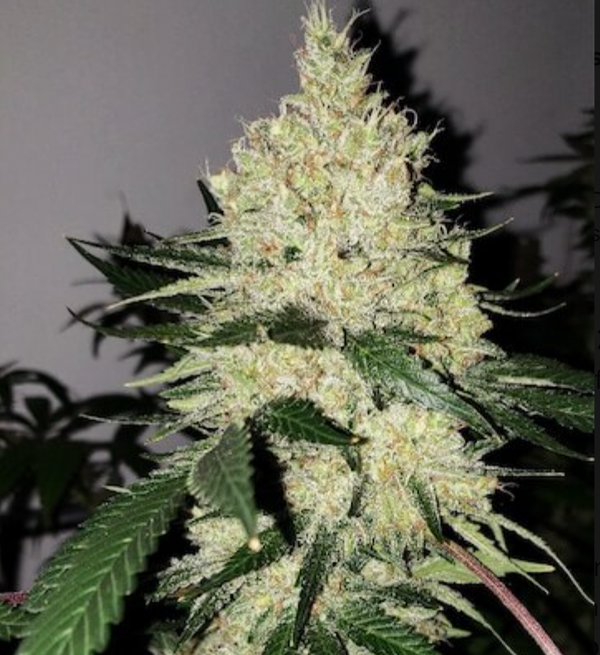
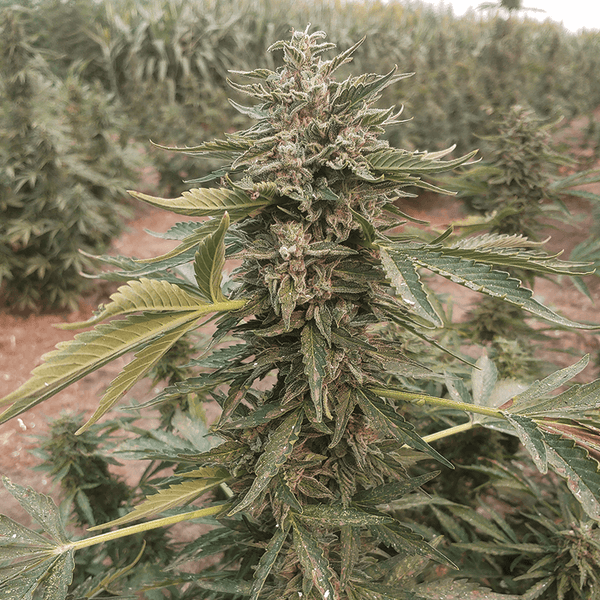
Let’s be honest about autoflowers. For years, they had a reputation for being less potent or producing smaller yields than their photoperiod cousins. While that might have been true in the early days, modern breeding has completely changed the game. Today’s autoflowers deliver incredible potency, impressive yields, and rich terpene profiles, all in a fraction of the time. This evolution has made them a top choice for smart growers. If you're ready to capitalize on these advanced genetics, buying bulk autoflower seeds is the smartest next step. It lets you lock in top-tier strains at a better price, ensuring your entire crop performs consistently.
Key Takeaways
- Vet Your Source Before Buying in Bulk: Your harvest's potential is determined by its genetics. Before making a large investment, verify your supplier's reputation, confirm they offer stable and tested strains, and understand their shipping policies to ensure you receive high-quality, viable seeds.
- Give Autoflowers a Stress-Free Environment: Autoflowers operate on a fixed timeline, so they can't recover from early mistakes. Provide a consistent 18/6 light cycle, use a light touch with nutrients, and stick to low-stress training (LST) to maximize growth without causing stunting.
- Store Your Seeds to Protect Their Potential: To maintain the viability of your bulk seed purchase for future grows, keep them in an airtight container in a cool, dark, and dry place. A refrigerator is ideal for preserving their genetic quality for years.
Thinking About Bulk Autoflower Seeds? Start Here
If you’re looking to streamline your grow cycle and get impressive results, autoflowers are a fantastic option. They’re known for being beginner-friendly, but their speed and resilience make them a favorite among commercial growers, too. Understanding what makes them tick and why buying in bulk can be a strategic move is the first step toward a successful, large-scale harvest. Let's get into what sets these plants apart and debunk a few myths along the way.
What Makes Autoflowers So Different?
Autoflowering cannabis seeds are a game-changer for many growers, and it all comes down to their unique genetics. Unlike traditional photoperiod plants that need a specific light schedule to start flowering, autoflowers operate on their own internal clock. They automatically switch from vegetative growth to the flowering stage based on their age. This special trait comes from their Cannabis ruderalis heritage, making them incredibly resilient and quick to finish. Whether you’re a new grower looking for a forgiving first crop or a seasoned pro wanting a fast turnaround, autoflower seeds offer a straightforward path to harvest. Their hardiness and simple light requirements make them a fantastic choice for a wide range of growing setups.
Should You Buy Your Autoflower Seeds in Bulk?
If you're planning a large-scale grow or just want to stock up for future seasons, buying autoflower seeds in bulk is a smart move. The most obvious benefit is the cost savings. Purchasing a large quantity at once almost always comes with a lower price per seed, which is a huge advantage for commercial operations and resellers. This allows you to get high-quality genetics for a much fairer price, stretching your budget without sacrificing the potential of your crop. When you find a strain you love, buying in bulk ensures you have a consistent and reliable supply on hand. It simplifies your planning and lets you focus on what really matters: growing healthy, productive plants from your favorite seeds.
Community Insight: The Real Costs of Growing
It’s easy to focus on the price tag of seeds, but growers will tell you that genetics are often the cheapest part of the entire operation. When you factor in the ongoing costs of nutrients, electricity, and quality soil, the initial investment in seeds looks much smaller. Think about it this way: a single autoflower seed has the potential to yield between 30 and 200 grams of flower under the right conditions. Because autoflowers grow on a fixed schedule, you only get one shot to get it right. Investing in premium genetics ensures you’re not wasting all that time, effort, and money on a plant that was never set up for success. The community consensus is clear: don't skimp on the seeds when they're just one piece of a much larger financial puzzle.
Common Autoflower Myths, Debunked
Let’s clear the air about a few myths that still follow autoflowers around. One of the biggest misconceptions is that they’re less potent than photoperiod strains. While that may have been true in the early days of breeding, it’s certainly not the case anymore. Modern autoflowers have been bred to produce incredible cannabinoid and terpene profiles, with many strains regularly testing over 25% THC. Another common myth is that you can’t transplant them. While it’s true they prefer to be planted in their final container to avoid stress, a careful and gentle transplant is definitely possible. Don’t let outdated information hold you back from exploring some truly impressive high-THCA seeds in autoflower form.
Understanding the Autoflower Trade-Offs
As great as autoflowers are, it's important to go into your grow with realistic expectations. Like any choice you make in cultivation, opting for autoflowers comes with a set of trade-offs. You're essentially swapping the massive size and potential yield of a long-season photoperiod plant for the incredible speed, resilience, and simplicity that autoflowers offer. For many growers, especially those with limited space, a shorter timeline, or a desire for multiple harvests per year, this trade is more than worth it. Understanding these compromises from the start helps you plan your grow effectively and appreciate what makes these plants so uniquely efficient.
The Main Downside: Yield Potential
Let's talk about the most significant trade-off: yield. Generally, autoflowering plants produce a smaller harvest per plant than photoperiod varieties. Because they have a shorter, fixed vegetative stage, they simply don't have the time to grow as large before they start flowering. It’s a classic case of speed versus size. While a photoperiod plant can be vegged for months to become a monster, an autoflower is on a tight schedule. However, a smaller yield doesn't mean a disappointing one. The genetics of your chosen strain play a massive role, and a high-quality autoflower in optimal conditions can still produce several ounces of top-shelf flower. Starting with premium autoflower seeds is the best way to maximize your plant's potential from day one.
How to Choose the Best Bulk Autoflower Seeds
Buying autoflower seeds in bulk is a smart move, but it’s also a big investment. You want to be sure you’re getting exactly what you pay for: healthy, viable seeds that will produce a consistent and high-quality crop. Before you add hundreds or thousands of seeds to your cart, run through this checklist. It’ll help you ask the right questions and partner with a supplier who can deliver on their promises, ensuring your next grow is your best one yet. Think of this as your pre-flight check before you take your cultivation to the next level. A little due diligence now saves you from major headaches, wasted resources, and disappointing harvests down the road. This isn't just about buying seeds; it's about investing in the foundation of your entire operation.
Look for Proven, Stable Genetics
The single most important factor in your success is the quality of your seeds. Stable genetics are the foundation of a predictable and uniform crop. When genetics are stable, you can count on consistent growth patterns, flowering times, and final results across all your plants. Look for seed banks that are transparent about their breeding processes. Reputable suppliers invest heavily in developing premium, stable genetics, which means you get reliable performance every time. This commitment is what separates top-tier cannabis seeds from the rest, saving you from the costly guesswork that comes with low-quality alternatives.
Consider Potential Yields and Flowering Times
Every grower needs a plan, and that plan revolves around time and output. Before buying in bulk, get clear on the specific strain’s expected yield and flowering time. Autoflower flowering times can vary significantly, often ranging from a speedy 45 days to a more leisurely 85 days. This information is critical for scheduling your harvests, planning your workflow, and forecasting your revenue, especially in a commercial setting. A reliable supplier will provide detailed specifications for each strain, allowing you to choose autoflower seeds that perfectly match your timeline and production goals.
Typical Autoflower Yields: What to Expect
Let's talk numbers. While genetics play a huge role, a well-cared-for autoflower plant can typically produce between 30 and 100 grams (about 1 to 3.5 ounces) of dried flower. Under perfect conditions with expert care, some high-yielding strains can even push up to 200 grams. When you're planning a larger grow, these estimates are essential for forecasting your total harvest. For example, if you plant 100 seeds, you can reasonably project a yield based on the lower end of that average to stay conservative. This helps you manage expectations and resources effectively. Remember, the final weight always depends on the specific strain, your setup, and your skill as a grower, but starting with quality autoflower seeds gives you the best possible head start.
Understanding Wet vs. Dry Yield
When you first chop down your plants, you'll be looking at the "wet yield," which includes all the water weight stored in the flowers and stems. It’s exciting to see, but it’s not the number that matters. The true measure of your harvest is the "dry yield"—the final weight after the buds have been properly dried and cured. This is the figure you'll use for inventory, sales, and planning your next cycle. As a general rule, you can expect your dry yield to be about 20-25% of your wet yield. Keeping this in mind prevents any surprises and gives you a much more accurate picture of your operation's output. Always base your business decisions on the dry weight, as it reflects the final, usable product.
Autoflower Growth Timelines from Seed to Harvest
One of the biggest advantages of autoflowers is their incredible speed. Most autoflowering strains go from seed to harvest in just 65 to 85 days. This rapid lifecycle is a massive benefit for commercial growers, as it allows for multiple harvests within a single year, maximizing the productivity of your space. Unlike photoperiod plants, this timeline is genetically predetermined and isn't dependent on changes in the light cycle. This consistency makes planning your cultivation schedule straightforward and predictable. When you can reliably forecast your harvest dates, you can streamline everything from processing to sales, creating a more efficient and profitable workflow from start to finish.
Check the Cannabinoid Profile (THC & CBD)
Gone are the days of autoflowers being less potent than their photoperiod cousins. Thanks to incredible advancements in breeding, many modern autoflowers deliver impressive cannabinoid profiles. Whether you’re growing for high-THC potency or CBD-rich therapeutic benefits, you need to verify the cannabinoid content of the seeds you’re buying. A trustworthy seed bank will provide lab-tested data or detailed strain descriptions that outline the expected percentages. This ensures you can confidently grow THCA seeds or CBD varieties that meet market demands or your personal wellness needs.
Choose Hardy, Pest-Resistant Strains
A healthy plant is a productive plant. One of the best ways to protect your investment is to choose genetics known for their resilience. Some strains are naturally hardier and better equipped to fend off common pests and diseases like powdery mildew or spider mites. This is especially important for outdoor cannabis seeds, which are exposed to more environmental variables. While a clean growing environment is always essential, starting with strong, disease-resistant genetics gives you a powerful head start and can dramatically reduce the need for interventions down the line.
Plan for Proper Seed Storage
When you buy in bulk, you likely won’t be planting every seed at once. Proper storage is key to maintaining seed viability for future grows. While we’ll cover the specifics of long-term storage later, your first step is to avoid low-quality vendors who may be selling old or improperly stored seeds. The biggest risk with bulk purchases is ending up with poor-performing genetics. Partnering with a reputable supplier who manages their inventory well ensures you receive fresh, viable seeds. This way, you can be confident that the seeds you store will be ready to go when you are.
How to Find a Reputable Supplier
Choosing where to buy your seeds is just as important as choosing which strains to grow. A great supplier provides high-quality genetics, stands behind their product, and makes the entire process smooth and secure. When you’re investing in a bulk purchase, you want a partner you can trust. Taking the time to properly vet your source will save you from potential headaches and disappointing harvests down the line. Here’s what to look for to ensure you’re working with a top-tier seed bank.
Comparing Seed Banks and Pricing
Once you have a shortlist of potential suppliers, it’s time to talk numbers. Price is obviously a huge factor in any bulk purchase, but the cheapest option isn't always the best. Your goal is to find the sweet spot between cost and quality. A slightly higher price for seeds with proven, stable genetics is a much better investment than a bargain deal on seeds that might not perform. Think about the total value you’re receiving, which includes not just the seeds themselves but also the supplier’s customer service, shipping reliability, and any extra perks they offer. A good supplier makes it easy to understand their pricing structure and provides clear value for your money.
Examples of Reputable Seed Suppliers
When you're vetting suppliers, look for transparency and a solid reputation in the community. For example, Brothers Grimm Seeds is known for its quality genetics and fair pricing. They're open about their partnerships, like sourcing autoflower seeds from Purple City Genetics, which shows a commitment to quality. Similarly, at Trilogene Seeds, we focus on providing premium, stable genetics backed by research and innovation. Our unique offerings, like our pioneering triploid cannabis seeds, are a testament to our dedication to pushing the industry forward. A reputable supplier is proud of their work and happy to share the details of their breeding process with you.
How Bulk Pricing Works
Buying in bulk is all about economies of scale. The most significant advantage is the cost savings you get per seed. When you purchase a large quantity, the supplier can offer a lower price for each individual seed, which is a massive benefit for commercial growers or even dedicated home cultivators planning several seasons ahead. This allows you to secure top-tier genetics without stretching your budget. It’s a strategic way to reduce your overall costs while ensuring you have a consistent, reliable supply of your favorite strains ready for your next grow cycle.
Look for Deals and Promotions
Who doesn’t love a good deal? Keep an eye out for special offers that can add even more value to your bulk purchase. Many seed banks run promotions, offer free seeds with certain order sizes, or have a dedicated sales section. For instance, some suppliers will throw in extra seeds for free when your order hits a certain dollar amount. These perks can make a big difference, allowing you to try new strains or simply get more for your money. Before you finalize a large order, always check for any ongoing deals or browse the sale seeds to maximize your investment.
How to Vet a Seed Bank
First, dig into a company’s reputation. Look past the generic five-star ratings and seek out trustworthy testimonials with specific details. A review that says, “The germination rate was 95%, and the plants showed incredible vigor and uniformity,” is far more valuable than one that just says, “Great seeds!” A reputable seed bank should have a proven history of reliability and quality. They’ll be transparent about their breeding process and confident in the premium cannabis genetics they offer. Check out forums and grower communities to see what real customers are saying about their experiences with consistency, customer service, and overall plant performance.
Understand the Fine Print: Payment and Shipping
One of the biggest risks with any online purchase is security. Before you add anything to your cart, carefully review the supplier’s payment options and shipping policies. Do they offer secure, encrypted payment methods? Is their shipping discreet and reliable? A trustworthy company will have clear, easy-to-find policies that protect both you and them. Look for information on shipping guarantees, what happens if a package is lost, and their process for handling customer issues. Vague or non-existent policies are a major red flag and can be a sign of a low-quality vendor you’ll want to avoid.
Don't Forget to Check Local Laws
This one is non-negotiable: you must understand the laws in your area. Cannabis legislation can vary dramatically from one state or even county to another, and it’s constantly evolving. Ignoring this step is one of the most common mistakes growers make. Before you place an order, take the time to confirm the legality of purchasing, shipping, and cultivating cannabis seeds in your specific location. Reputable seed banks operate within legal frameworks, but the responsibility ultimately falls on you, the buyer, to know and follow your local regulations. A quick search of your state’s current cannabis laws is a crucial first step.
Avoid These Common Seed-Buying Mistakes
It’s easy to assume all seed banks are created equal, but that can be a costly mistake. Avoid the temptation to simply go with the cheapest option, as a low price can often signal low-quality genetics and poor performance. Another common pitfall is not doing enough research on the strain itself. Make sure you understand a strain’s specific needs, flowering time, and ideal growing conditions before committing to a bulk purchase. Take the time to explore the different autoflower seeds available and choose one that aligns with your goals, environment, and experience level. A little research upfront ensures the seeds you buy are the right fit for a successful grow.
How to Grow Autoflowers from Seed to Harvest
Growing autoflowers is a rewarding experience, especially since they move from seed to harvest so quickly. Because their lifecycle is on a fixed schedule, giving them a strong start and a stable environment is the key to a successful grow. Unlike photoperiod plants, you don’t have the luxury of extending the vegetative stage to correct mistakes. But don’t let that intimidate you. With a few key practices, you can get amazing results. Let’s walk through the essentials for getting the most out of your autoflower garden.
Nail Your Germination
Your grow is only as good as its start, so getting germination right is crucial. The goal is to create the perfect environment for your seeds to sprout. Think of it like the Goldilocks principle: you need just the right amount of moisture. Too much water can suffocate the seed, while too little will leave it dry. A damp paper towel in a sealed bag or planting directly into a light, airy starting medium works well. Maintain a consistent, warm temperature and high humidity to signal to your autoflower seeds that it’s time to grow. A strong start here sets the foundation for a healthy, vigorous plant.
Finding the Sweet Spot for Light and Temperature
Autoflowers aren't dependent on light cycles to start flowering, which is one of their biggest advantages. You can run your lights on a consistent schedule of 18 hours on and 6 hours off (or even 20/4) from seedling to harvest. This extended light exposure fuels rapid growth. If you're growing outdoor marijuana seeds, pick a spot that gets at least six to eight hours of direct sunlight daily. Because autoflowers have a finite lifespan, you want to avoid stressing them with extreme temperature swings. Keeping their environment stable helps them focus all their energy on growing big and producing dense, resinous buds.
What (and When) to Feed Your Autoflowers
When it comes to feeding your autoflowers, less is definitely more. These plants are sensitive and can easily be overwhelmed by too many nutrients, a condition known as "nutrient burn." It’s best to start with a light, well-aerated soil and use a gentle hand with fertilizers. Begin with a quarter or half of the recommended dose and watch how your plant responds before increasing the amount. Starting with strong, stable genetics from our shop of all seeds will also give you a more resilient plant that can handle minor fluctuations. Pay attention to your plants—they’ll show you what they need.
Should You Train Your Autoflowers?
While you want to avoid stressing your autoflowers, that doesn't mean you can't train them for better yields. Low-Stress Training (LST) is your best friend here. This technique involves gently bending and tying down the main stem and side branches to create a more even canopy. This allows light to penetrate deeper into the plant, encouraging the lower bud sites to develop more fully. Avoid high-stress techniques like topping or heavy pruning, as autoflowers don't have enough time in their vegetative state to recover. With LST, you can guide the plant’s growth and significantly increase your final harvest without causing harmful stress.
Advanced Training Techniques: ScrOG and SOG
For growers looking to take their yields to the next level, Screen of Green (ScrOG) and Sea of Green (SOG) are two popular methods. With ScrOG, you use a screen to gently weave branches through it, creating a flat, even canopy where every bud site gets maximum light exposure. It's a more hands-on form of LST that can work wonders for autoflowers if you're careful. SOG, on the other hand, is all about quantity. You pack more plants into a smaller space and encourage them to grow vertically, creating a 'sea' of colas. This method involves less manipulation, which is often ideal for the fast-paced life of an autoflower. Both techniques aim to maximize your light efficiency and can lead to some seriously impressive harvests when you start with robust autoflower genetics.
How to Get Bigger Yields from Your Autoflowers
Bringing it all together is how you get a truly impressive harvest. Maximizing your yield comes down to combining all the right elements: choosing the right genetics, providing quality soil, and maintaining consistent light and nutrients. Remember that a powerful 18/6 or 20/4 light cycle will keep your plants in a constant state of productive growth. By giving your plants a stress-free environment and using LST to optimize their structure, you’re setting them up for success. High-quality THCA seeds have the genetic potential for massive yields, and with these techniques, you can help them reach it.
How to Pick the Right Strain
Choosing the perfect autoflower strain really comes down to what you want to achieve with your harvest. Are you aiming for maximum potency, therapeutic benefits, a speedy turnaround, or the heaviest yield possible? Modern cannabis breeding has created an incredible variety of autoflowers, so you no longer have to compromise. By defining your primary goal, you can narrow down the options and select genetics that are tailored to your specific needs, setting your grow up for success from the very beginning.
Want High-THC? Look for These Strains
If your goal is a powerful, high-THC harvest, you’re in luck. It’s a common myth that autoflowering strains are less potent than their photoperiod cousins, but advancements in breeding have completely changed the game. Many modern autoflowers now feature impressive THC levels that can easily compete with traditional strains. When you’re shopping, look for breeders who provide detailed cannabinoid profiles and specifically highlight high-potency genetics. By focusing on these specialized strains, you can cultivate incredibly potent flower without sacrificing the convenience of an autoflower. Explore a collection of premium THCA seeds to find genetics specifically developed for a powerful punch.
Examples of High-Potency Autoflowers
To give you a better idea of what to look for, keep an eye out for strains with legendary genetics. Cultivars like Gorilla Glue Auto and Bruce Banner Auto are renowned for their high THC levels and have been specifically bred into autoflowering versions to maintain that potency. These strains are great examples of how modern breeding has successfully combined the speed of autoflowers with the power of photoperiod classics. When you explore different autoflower varieties, look for detailed descriptions that mention parent genetics and expected cannabinoid content. This information is your best guide to finding a strain that will deliver the powerful results you’re after.
Want CBD-Rich Flowers? Try These Strains
For growers focused on wellness and therapeutic benefits, there are many excellent CBD-rich autoflowers available. Just as breeders have pushed THC levels, they have also developed autoflowering strains with significant CBD content and rich terpene profiles. These plants are perfect for creating extracts, tinctures, or simply enjoying flower with minimal psychoactive effects. When selecting a strain, check the lab reports or product descriptions for the CBD-to-THC ratio to ensure it aligns with your goals. You can find a great selection of stable, high-quality CBD seeds that deliver consistent results and robust cannabinoid profiles, making it easier than ever to grow your own medicine.
Need a Fast Harvest? Choose These Strains
One of the biggest draws of autoflowers is their incredible speed. If you want results quickly, this is the category for you. Many autoflower seeds go from germination to harvest in as little as 8 to 10 weeks. This rapid lifecycle is ideal for growers in regions with short outdoor seasons or for indoor cultivators who want to fit more harvests into a single year. The quick turnaround also means you can experiment with different strains more frequently. For anyone looking for a fast and efficient grow cycle, choosing an autoflower is a surefire way to get a quality harvest without the long wait associated with photoperiod plants.
Want the Biggest Yields? Plant These Strains
While early autoflowers had a reputation for small yields, today’s genetics can produce impressively heavy harvests. To get the most out of your plants, start by selecting a strain known for its vigorous growth and high-yield potential. From there, focus on creating the ideal growing environment. Providing a stable 18/6 light cycle, using a light hand with nutrients, and applying low-stress training (LST) techniques can all contribute to a bigger final weight. For growers looking for truly exceptional results, exploring innovative options like Triploid cannabis can lead to even more robust plants and substantial yields, proving that autoflowers can be both fast and incredibly productive.
Examples of High-Yielding Autoflowers
If your main goal is to maximize your harvest weight, you need to start with genetics that are bred for production. Breeders have made huge strides in this area, and many modern autoflowers can produce yields that rival their photoperiod counterparts. Strains like Gorilla Glue Auto, Bruce Banner Auto, and Northern Lights Auto are consistently praised for their ability to pack on weight. Under optimal conditions, it’s not uncommon for a single plant to produce between 100 and 200 grams. When you browse for autoflower seeds, look for descriptions that mention "XL" yields or provide estimates in grams per square meter—top-tier strains can often yield between 450 and 650 grams per square meter. Remember, these impressive numbers are only possible when you combine premium genetics with a dialed-in growing environment.
Storing Your Bulk Autoflower Seeds Long-Term
Buying seeds in bulk is a smart move, but it’s also an investment you need to protect. Proper storage is the key to making sure your seeds stay viable until you’re ready to plant them. Think of your seeds as living things in a state of suspended animation. To keep them that way, you need to control their environment. The main goals are to keep them cool, dry, and dark, which prevents them from losing potency or germinating before you're ready. These three factors—temperature, humidity, and light—are the biggest variables that can degrade your seeds over time. By managing them effectively, you're essentially pausing the aging process. Get these three things right, and you can preserve the genetic potential of your autoflower seeds for years to come. It’s simpler than it sounds, and a few basic steps can make all the difference between a successful future harvest and a disappointing germination rate. We'll walk through exactly how to create the perfect environment for your seeds, so your investment pays off when it's time to grow.
Keep Them Cool: The Ideal Storage Temperature
Temperature is one of the most critical factors in seed storage. You want to keep your seeds in a consistently cool, dark place to prevent them from degrading or germinating prematurely. The sweet spot for long-term storage is between 32°F and 41°F (0°C to 5°C). For most growers, a refrigerator is the perfect tool for the job. Just be sure to place them in a part of the fridge where the temperature is stable and they won’t be disturbed often. Avoid storing them on the door, where temperatures fluctuate every time it’s opened. A stable, chilly environment tells your seeds it’s not time to wake up yet, preserving their energy for when you’re ready to plant.
Keep Them Dry: Why Humidity Is the Enemy
Just as important as temperature is humidity. Moisture is the enemy of stored seeds, as it can trigger mold growth or trick the seeds into thinking it’s time to sprout. Your goal is to create a low-humidity environment. A relative humidity level of around 20% is ideal for keeping your seeds dormant and healthy. If you live in a humid climate, this is especially important. Using a desiccant packet, like the silica gel packs you find in new shoes or electronics, can help absorb any excess moisture inside your storage container. Keeping your feminized seeds dry ensures they remain viable and ready to produce a powerful, all-female crop when the time comes.
What's the Best Container for Storing Seeds?
The right container will protect your seeds from their two biggest threats: light and moisture. You need something airtight to keep humidity out and prevent fluctuations. Glass jars with a good seal, vacuum-sealed bags, or opaque Mylar bags are all excellent choices. If you use a clear glass jar, be sure to store it in a dark place like the back of a cupboard or inside a box in the refrigerator. Labeling each container with the strain name and the date you stored it is also a great habit to get into. This simple step keeps your collection organized and helps you track the age of your seeds, ensuring you use the oldest ones first.
How to Check if Your Seeds Are Still Good
Even with the best storage methods, it’s a good idea to check on your seeds every few months. This doesn’t take long and can save your collection from a potential disaster. When you check, you’re looking for any signs of moisture, condensation inside the container, or the beginnings of mold. If you spot any issues, it’s best to remove the affected seeds immediately to prevent the problem from spreading. This regular check-in helps you maintain the quality of your entire stock. It also gives you a chance to take inventory and see if it’s time to explore some new releases to add to your collection.
Creating a Long-Term Seed Storage Plan
If you’re planning to store seeds for several years, freezing is a viable option. However, this method requires extra care. Before you even think about the freezer, you must ensure your seeds are completely dry. Any moisture left inside can form ice crystals that will damage the seed’s internal structure, a lot like freezer burn on food. Once you’re certain they are bone-dry, place them in a completely airtight container. Vacuum-sealing is the best method for this. This approach is perfect for preserving valuable genetics or for commercial growers who plan their seasons far in advance with unique strains like triploid cannabis.
Ready to Go Commercial? Read This First
Thinking about turning your passion for cultivation into a full-fledged business? It’s a big step, but a rewarding one. Autoflowers are a fantastic choice for commercial operations because their quick turnaround times and hardy nature can simplify your production schedule and help you get to market faster. Scaling up means thinking bigger about everything—your space, your equipment, and your seed supply. It’s about moving from a grower’s mindset to an entrepreneur’s, where efficiency and consistency are the keys to success. Planning your commercial grow starts with a solid foundation, and that foundation is built on high-quality genetics and a smart purchasing strategy.
How to Scale Your Operation
When you’re growing at scale, your cost per plant becomes a critical metric. The most direct way to manage this is by purchasing your seeds in bulk. Most reputable seed banks, including us, offer special pricing for commercial growers and resellers who need a large quantity of seeds. This isn't just about getting a discount; it's about establishing a reliable supply chain for your business. By buying autoflower seeds in bulk, you ensure you have the inventory you need for continuous planting cycles. This simple shift in purchasing strategy can significantly lower your initial investment and improve your overall profit margins from the very first harvest.
Calculating Seeds Per Acre for Outdoor Grows
When you take your operation outdoors, the math changes completely. Instead of thinking in square feet, you're planning by the acre. A solid starting point for most cultivars is around 2,000 seeds per acre. This density gives each plant enough room to breathe and stretch, which is crucial for preventing mold and maximizing light exposure. Of course, this number isn't set in stone—you'll want to adjust it based on the specific strain, as some plants grow much bushier than others. Since a single plant can potentially produce one to two pounds of flower, this calculation is key for forecasting your yield and planning resources. It's all about finding that sweet spot between maximizing your space and ensuring the health of your outdoor cannabis seeds.
Understanding and Managing Commercial Risks
Scaling up also means scaling up your risks, so it’s essential to protect your investment. First and foremost, always check your state and local laws before buying cannabis seeds in large quantities. Compliance is non-negotiable. The second major risk is genetic quality. A bad batch of seeds with low germination rates or unstable genetics can ruin an entire crop, costing you time and money. Sourcing from a trusted vendor with a proven track record is crucial. Look for suppliers who are transparent about their breeding processes and offer innovative products like triploid cannabis, which is a sign of a commitment to quality and performance.
How to Plan Your Growing Seasons for Profit
One of the biggest advantages of autoflowers for a commercial grow is their scheduling flexibility. Unlike photoperiod strains that depend on specific light cycles, autoflowers will flower based on age. This means you aren't tied to the seasons. In many climates, you can plan for multiple, perpetual harvests throughout the year, even with outdoor marijuana seeds. This allows you to create a consistent production schedule and a steady stream of product for the market. You can stagger your plantings to ensure you’re harvesting continuously, which is a game-changer for managing cash flow and meeting market demand.
Grow More, Spend Less
At the end of the day, commercial growing is a business, and the goal is to be profitable. Buying your seeds in bulk is one of the easiest ways to reduce your overhead. When you purchase a larger quantity, the price per seed drops, allowing you to cultivate more plants for a lower initial cost. This cost-effectiveness is essential for maximizing your return on investment. Think of it as an economy of scale—the more you grow, the less it costs per unit. Explore all the shop all seeds options available to find bulk packages that fit your operational needs and budget, setting your commercial venture up for financial success.
Related Articles
- Autoflower Seeds for Beginners: Grow Fast & Easy
- Cheap Auto Flower Seeds: A Beginner's Guide
- Autoflowers Seeds: Your Complete Grower's Guide
- Auto Flower Marijuana Seeds 101: The Ultimate Guide
- Autoflower Cannabis Seed 101: Your Complete Guide
Frequently Asked Questions
What’s the main advantage of growing autoflowers instead of photoperiod plants? The biggest difference is simplicity and speed. Autoflowers don't need you to change the light schedule to start flowering; they do it automatically based on their age. This means you can keep your lights on a consistent 18/6 schedule from start to finish, which is great for beginners. It also means you can get from seed to harvest in as little as eight weeks, allowing for multiple harvests in a single season.
I've heard autoflowers aren't as potent. Is that true? That’s a common myth left over from the early days of autoflower breeding. It’s definitely not the case anymore. Thanks to years of dedicated breeding, modern autoflowers are incredibly potent and can easily compete with photoperiod strains. It's now common to find autoflower varieties with impressive cannabinoid and terpene profiles, including many that consistently test over 25% THCA.
Is buying seeds in bulk a good idea even for a small home grow? Absolutely. While the cost savings are a huge plus for commercial growers, buying in bulk is a smart move for hobbyists, too. It lowers your cost per seed, which is always a win. More importantly, when you find a strain you love, buying a larger pack ensures you have a consistent supply of reliable genetics on hand for your next few grows without having to reorder.
What’s the easiest way to store extra seeds to make sure they last? The key is to keep them cool, dark, and dry. The simplest and most effective method is to place your seeds in an airtight container, like a small glass jar or a Mylar bag. Toss in a silica gel packet to absorb any moisture, then store the container in the back of your refrigerator. This stable environment will keep them viable for years.
Are autoflowers really a good choice for a commercial operation? Yes, they are an excellent choice for many commercial grows. Their speed allows for more crop cycles per year, leading to a more consistent supply and better cash flow. Because their flowering is predictable and not tied to the seasons, you can create a perpetual harvest schedule, which is a massive advantage for planning and meeting market demand.
### DIY Seed Strategies for Practice and SavingsFor the truly hands-on grower, creating your own seeds can be a rewarding project. It’s a fantastic way to deepen your understanding of the cannabis life cycle and gain a new appreciation for the art of breeding. Whether you’re looking to save a little money or just love to experiment, making your own seeds can be a fun challenge. It gives you a chance to play with genetics and see what you can create. While it takes some practice and doesn't offer the same guarantees as professionally developed genetics, it’s a great skill to have in your back pocket. Let's look at two popular methods for building your own seed stash.
How to Create Your Own Feminized Seeds
If your goal is a garden full of bud-producing plants, creating feminized seeds is the way to go. The process, known as feminization, involves carefully stressing a female plant to encourage it to produce pollen sacs. This pollen is special because it only contains female genetics. You can then use this pollen to fertilize another female plant from the same or a different strain. The resulting seeds will be feminized, meaning they have a 99% chance of growing into female plants. It’s a clever technique for ensuring a sinsemilla harvest, but it requires precision and the right materials. For growers who prefer to skip the science project and get straight to a guaranteed all-female crop, starting with professionally produced feminized seeds is the most reliable path.
Breeding Regular Plants for a Large Seed Supply
For those interested in more traditional breeding, using regular male and female plants is the classic approach. This method is all about selection. You start by identifying a healthy male and a robust female that both display the traits you want to pass on—things like vigor, structure, aroma, or potency. By allowing the male to pollinate the female in a controlled space, you can produce a large number of regular seeds. These seeds will have a roughly 50/50 chance of being male or female. This is a great way to create a massive seed supply for future pheno-hunting and breeding projects. However, it does involve more guesswork than starting with stable, premium cannabis genetics that deliver consistent and predictable results every time.