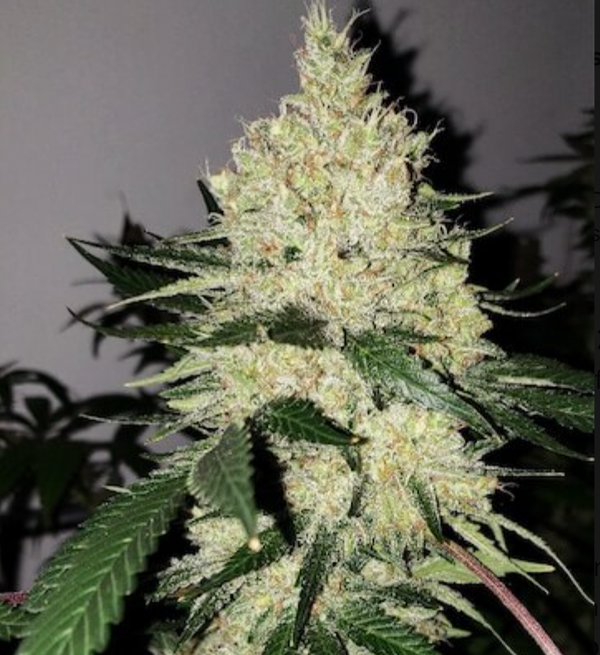
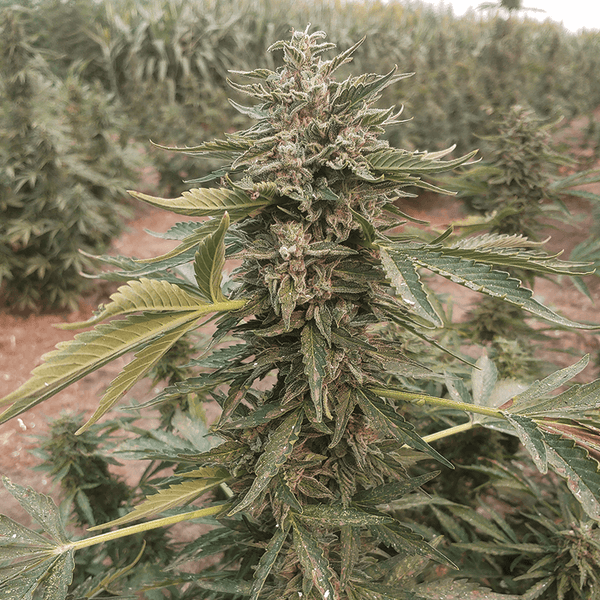
Let's be honest, the old reputation of autoflowers is hard to shake. Small and underwhelming, right? It’s time to forget everything you thought you knew. Cannabis genetics have moved on, and today’s plants are shattering those old stereotypes. Leading the charge are super autoflower seeds—a category of cannabis bred to defy expectations. These aren't your average autos. They are vigorous, fast-growing plants that produce dense, potent, and incredibly heavy yields that easily rival traditional photoperiod strains. They prove you can have it all: speed, simplicity, and a truly massive harvest.
Key Takeaways
- Combine Big Yields with Simple Growing: Super autoflowers give you the large harvests typical of photoperiod plants but flower automatically, so you don't have to worry about changing light schedules to trigger budding.
- Work with Their Fast Lifespan, Not Against It: Since these plants are on a tight schedule, avoid high-stress training and overfeeding. Instead, use gentle LST and a light nutrient schedule to help them focus all their energy on producing big buds.
- Invest in Genetics for a Predictable Payoff: Your final harvest is limited by the quality of your seed. Starting with stable, proven genetics from a trusted supplier is the most important step you can take to ensure a healthy, high-yielding crop.
What Are Super Autoflower Seeds?
If you’ve ever wished your autoflowers could produce yields like photoperiod plants, super autoflowers are your answer. Think of them as the next evolution in cannabis genetics. These are a special class of autoflowering seeds specifically bred to produce bigger plants, deliver much larger harvests, and pack a serious punch in terms of potency.
Just like their standard counterparts, super autoflowers get their name from their ability to flower automatically. They don’t rely on changes in the light cycle to start producing buds, which takes a lot of guesswork out of the growing process. This makes them a fantastic option for both new growers and seasoned cultivators who want to simplify their setup without sacrificing the quality or quantity of their final product. They combine the ease of an autoflower with the impressive output you’d expect from a much more demanding plant.
Super Autoflower vs. Regular Seeds: What's the Difference?
The main distinction between a super autoflower and a regular one comes down to the vegetative stage—the period when the plant focuses on growing leaves and stems. Super autoflowers have a longer vegetative period. This extra time allows them to grow significantly larger and develop a more robust structure before they naturally switch to flowering. A bigger, stronger plant can support more bud sites, which directly translates to a more substantial harvest. Regular autoflowers, by contrast, have a shorter veg time, resulting in smaller, more compact plants that finish a bit faster.
Why You Should Try Growing Super Autoflowers
The advantages of growing super autoflowers are pretty clear. First, their automatic flowering trait makes them incredibly straightforward to cultivate. You can set your lights on a consistent schedule from seed to harvest without worrying about triggering the flowering phase. This simplicity is a huge win for beginners. Despite their ease of care, they deliver top-tier results. You can expect some of the highest-yielding and most potent plants from our entire collection of autoflower seeds. Plus, the entire growth cycle is still impressively fast, typically wrapping up in about 8 to 10 weeks.
How Are Super Autoflower Seeds Made?
The magic of super autoflowers lies in selective breeding. Expert breeders have carefully crossed high-yielding, potent photoperiod strains with ruderalis genetics (the source of the autoflowering trait) over many generations. The goal is to retain the size and strength of the photoperiod parent while keeping the hands-off flowering of the ruderalis. This meticulous process has resulted in stable strains that can produce incredible cannabinoid profiles, with some modern THCA seeds boasting THC levels over 30%. Of course, reaching a plant's full genetic potential also depends on your growing conditions and experience.
The Best Super Autoflower Strains to Grow
Once you get a feel for growing, you start looking for seeds that offer a little something extra. That’s where super autoflowers come in. These aren’t your average autoflowering plants; they’ve been selectively bred to produce bigger plants, faster growth, and more potent results. Think of them as the premium, high-performance version of the autoflowers you already know. They deliver the same light-cycle-independent flowering you love, but with the kind of yields and quality you’d typically expect from photoperiod strains. For growers who want to maximize their space and time without sacrificing quality, super autoflowers are a game-changer. Let's look at some of the best options available and what you can expect when you grow them.
A Look at Trilogene's Elite Strains
We take genetics seriously, and our collection of super autoflowers is a perfect example of that commitment. Each strain has been carefully developed to bring out the best traits—size, speed, and potency—so you can get the most out of every plant. We focus on creating robust plants that perform reliably, whether you’re a seasoned commercial grower or just starting your first home grow. Our Autoflower Seeds are bred to flower under any light schedule, giving you the flexibility you need. By choosing stable, high-quality genetics from the start, you’re setting yourself up for a successful and rewarding harvest.
Other Top Strains You Should Know
The world of super autoflowers is full of incredible genetics, and it helps to know some of the all-stars. You’ll often hear growers talking about strains like Skywalker OG Autoflower, Mimosa Autoflower, and Forbidden Runtz Autoflower. These varieties have earned their reputation for good reasons, whether it’s their unique terpene profiles, impressive resin production, or vigorous growth. Exploring what makes these popular strains so special can help you identify the traits you value most. As you browse different options, look for genetics that match your goals, from flavor to potency. You can often find exciting new varieties in our collection of New Releases.
Examples of High-Yield Strains
When we talk about high yields, we're talking about a serious step up from traditional autos. Super autoflowers are bred specifically for size and production. Outdoors, it's not uncommon for a single plant to produce between 200 and 300 grams, with some cultivators even pulling in a pound per plant under ideal conditions. If you're growing indoors, you can expect yields in the range of 450 to 600 grams per square meter. Strains like GG4 and Bruce Banner have become legendary for their massive harvests, setting a high bar for what autoflowers can achieve. These genetics prove that you don't have to compromise on quantity when you choose the convenience of an auto, especially when growing outdoor cannabis seeds.
Examples of High-Potency Strains
Of course, a big harvest is only half the story. Potency is where super autoflowers truly shine, easily rivaling their photoperiod cousins. Thanks to dedicated breeding, many modern strains consistently test with THC levels well over 25%, with some exceptional varieties even pushing past the 30% mark. Strains like Gorilla Glue Autoflower and Sucker Punch are famous for their powerful effects and high cannabinoid content. This level of quality is what separates a good harvest from a great one. If you're looking for that top-shelf potency, exploring specialized genetics like our THCA seeds is a great place to start.
How Much Can You Really Yield?
Let’s talk numbers. With super autoflowers, you can realistically expect significantly larger harvests than with standard autos. A well-cared-for plant can produce anywhere from 100 to 200 grams, and some high-yielding strains can even push past 650 grams per square meter in an optimized setup. Potency is just as impressive. Many super autoflower strains consistently test with high THC levels, often reaching 25% or more. Of course, your final results will depend on your growing conditions and techniques. Providing your plants with the right environment is key to helping these premium genetics reach their full potential. For those specifically chasing high potency, our THCA Seeds are a great place to start.
Typical Yield, Potency, and Size
When it comes to super autoflowers, the numbers speak for themselves. You can expect a significant step up in both yield and potency compared to traditional autos. A single, well-tended plant can easily produce between 100 and 200 grams of dried flower. In a more controlled indoor setup, some of the highest-yielding strains can deliver over 650 grams per square meter. This impressive output is possible because these plants grow larger and more robust during their extended vegetative phase. Potency is equally remarkable, with many of our autoflower seeds consistently testing at 25% THC or higher, giving you top-shelf quality without the hassle of managing light cycles.
Average Harvest Time
One of the best parts about growing super autoflowers is getting massive yields without the long wait. Despite their larger size, the entire growth cycle is impressively fast, typically wrapping up in about 8 to 10 weeks from seed to harvest. This rapid turnaround means you can fit multiple harvests into a single season, which is a huge advantage for both commercial and home growers. Whether you're cultivating in a dedicated indoor space or taking advantage of a sunny spot outdoors, this speed allows you to get your final product much quicker than with photoperiod strains. You get the best of both worlds: the size and potency of a photoperiod plant with the speed of an autoflower.
How to Grow Super Autoflower Seeds: A Checklist
Getting the fundamentals right is the secret to a successful harvest. While super autoflowers are known for their resilience, they truly shine when you give them a great environment to grow in. Think of this checklist as your foundation for cultivating healthy, high-yielding plants, whether you’re setting up a small tent in your closet or planting in your backyard. We’ll walk through the essentials for both indoor and outdoor setups, covering everything from soil and nutrients to light and temperature.
Your goal is to create a stable, stress-free environment where your plants can focus all their energy on producing dense, resinous buds. The beauty of super autoflowers is that they handle the timing for you, automatically switching from vegetative growth to flowering. Your job is to provide the ideal conditions for them to perform their magic. With a little attention to detail in these key areas, you’ll be well on your way to seeing just how productive these incredible genetics can be. Let’s get your grow space dialed in.
How to Set Up Your Indoor Grow
When growing indoors, you have complete control over the environment, and light is your most important tool. Super autoflowers thrive with long light cycles, so plan on giving them 18-20 hours of light per day from seedling to harvest. Some growers even run their lights 24/7 to maximize growth. Along with powerful lighting, good air circulation is crucial. A small oscillating fan will strengthen your plants’ stems and help prevent issues like mold and mildew. Choosing the right indoor cannabis seeds that are bred for these conditions will give you a head start on a fantastic indoor crop.
Potting Strategy: Start in the Final Pot
Here’s a simple but critical tip for growing super autoflowers: plant your seed directly into its final pot. Unlike photoperiod plants that can handle being moved, these plants are on a strict timeline. Transplanting can cause stress, and even a few days of recovery can stunt their growth, which is something you can't afford with their rapid life cycle. By starting them in their permanent home, you eliminate the risk of transplant shock entirely. This allows the root system to develop undisturbed, creating a strong foundation for a bigger, more robust plant. A healthy root system is directly linked to a larger yield, so this one easy step helps your autoflower seeds reach their full genetic potential.
Tips for Growing Super Autoflowers Outdoors
Growing outdoors lets you harness the power of the sun to produce impressive yields, with some strains capable of producing up to 650 grams per square meter. The key is timing. Plant your seeds after the last frost in spring to give them the entire summer to mature. This typically sets you up for a harvest in late summer or early fall, well before the weather turns cold. Choose a spot that gets at least 6-8 hours of direct sunlight each day and is sheltered from strong winds. Using high-quality outdoor marijuana seeds ensures your plants have the genetic resilience to handle variable outdoor conditions.
Leveraging Early Harvests to Avoid Mold
One of the biggest anxieties for outdoor growers is the race against the clock in the fall. As the weather gets cooler and wetter, the risk of mold and bud rot skyrockets, threatening to ruin an entire season's hard work. This is where the speed of super autoflowers becomes a massive strategic advantage. With a complete seed-to-harvest cycle of just 8 to 10 weeks, you can get your plants chopped, dried, and cured long before the damp autumn air even becomes a concern. This predictable, rapid timeline allows you to plan your harvest for the peak of summer, ensuring your buds mature in a warm, dry environment. By choosing high-quality autoflower seeds, you’re not just getting a fast harvest; you’re actively protecting your investment from one of the most common late-season crop failures.
Choosing the Right Soil and Nutrients
One of the biggest mistakes new growers make is overfeeding their plants. Super autoflowers are efficient and generally require only about one-third to half the nutrients that traditional photoperiod plants need. Start with a light, airy soil mix that allows the roots to breathe—a blend of coco coir, peat moss, and perlite works wonderfully. When it comes to nutrients, begin with a weak solution and only increase the strength if your plant shows signs of needing more. This "less is more" approach prevents nutrient burn and keeps your Autoflower Seeds healthy and productive throughout their rapid life cycle.
Using Soil Amendments and Root Stimulants
While a light, airy soil is a great starting point, you can give your plants an extra edge by enriching it with organic amendments. Think of materials like compost, worm castings, or bat guano as a slow-release buffet for your plants. These organic additions create a nutrient-rich environment that supports vigorous root development right from the start. A strong root system is the foundation for a healthy plant, promoting better nutrient and water uptake, which leads to more robust vegetative growth and bountiful flowering. To take it a step further, consider adding a root stimulant like mycorrhizal fungi. These beneficial fungi form a symbiotic relationship with your plant's roots, extending their reach and making it even easier for them to absorb everything they need to thrive. By creating this living soil, you’re setting your autoflower seeds up for explosive growth.
Getting the Light and Temperature Just Right
Consistency is everything when it comes to your grow environment. For indoor setups, maintain a steady light schedule of 18-20 hours on and 4-6 hours off every single day. Keep temperatures comfortable, ideally between 70-85°F (21-29°C) when the lights are on, and a little cooler when they're off. Humidity is also important; aim for higher levels (60-70%) for seedlings and gradually reduce it to 40-50% during the flowering stage to encourage dense bud formation. By keeping the temperature, humidity, and airflow just right, you’ll help your plants from the Shop All Seeds collection reach their full genetic potential.
Optimal Light Schedules for Autoflowers
Unlike photoperiod plants that need a specific 12/12 light cycle to start flowering, autoflowers operate on their own internal clock. This means you can—and should—give them much more light. The most common and effective schedules are 18 hours of light followed by 6 hours of darkness (18/6) or 20 hours on and 4 hours off (20/4). This extended light exposure fuels their rapid growth, leading to bigger plants and heavier yields. Some growers even opt for a 24/0 schedule, keeping the lights on around the clock to maximize photosynthesis. The key is consistency. Whichever schedule you choose, stick with it from seedling to harvest. This simple, set-it-and-forget-it approach is one of the biggest advantages of growing our high-quality autoflower seeds.
Advanced Techniques for Bigger Yields
Super autoflowers are known for being straightforward and forgiving, which is a huge plus. But if you’re ready to move beyond the basics and see what your plants are truly capable of, a few extra steps can make a world of difference. These advanced techniques aren't complicated, but they do require a bit more attention to detail. By fine-tuning your approach, you can guide your plants to produce denser, more abundant buds.
Think of it as giving your plants the VIP treatment. From gently training their branches for better light exposure to perfecting their environment, every small adjustment helps them reach their full genetic potential. We’ll walk through some proven methods for training, environmental control, and harvesting that will help you get the most out of every seed. These strategies are designed to work with the unique lifecycle of autoflower seeds, ensuring you get a massive yield without stressing your plants.
How to Train Your Plants for Bigger Yields
Because autoflowers have a set lifespan, you want to avoid any high-stress training that could slow them down. Instead, focus on gentle methods. Low-Stress Training (LST) is your best friend here. It involves carefully bending and tying down branches to create a flat, even canopy. This allows light to reach all the bud sites, not just the ones at the top, leading to more consistent and heavier flowers.
For an even bigger harvest, you can try a Screen of Green (SCROG) setup. This involves using a screen or net to guide your plant’s growth horizontally, maximizing light exposure across the entire plant. The key is to be gentle and consistent. Start training early in the vegetative stage to help your plants grow bigger yields without causing unnecessary stress.
The Sea of Green (SOG) Method
The Sea of Green (SOG) method is another fantastic technique for maximizing your harvest. Instead of growing a few large plants, you grow many smaller plants packed closely together. This creates a uniform canopy—a "sea of green"—where every plant gets an equal share of light, ensuring no energy is wasted. This setup is especially effective for super autoflowers because it plays directly to their strengths. Their vigorous, fast growth and automatic flowering trait mean you can cycle through harvests much more quickly than with traditional photoperiods. You're essentially creating a highly efficient production line for dense, potent buds, turning your grow space into a powerhouse of productivity.
By using the SOG method, you take full advantage of your grow space and light. The close plant density ensures that light penetrates the entire canopy, encouraging all the plants to develop multiple bud sites and produce impressive yields. Because you can fit more plants into the same area and they finish their cycle so quickly, you can achieve more frequent harvests throughout the year. It's an excellent strategy for growers looking to get the most out of their autoflower seeds by focusing on density and efficiency. This approach helps you achieve a truly impressive and consistent output from your garden.
How to Perfect Your Grow Environment
Your plants are sensitive to their surroundings, and a stable environment is crucial for a heavy harvest. For your indoor cannabis seeds, you have complete control. Aim to keep the temperature, humidity, and airflow consistent. Sudden changes can stress your plants, forcing them to spend energy on recovery instead of growth. Good air circulation is especially important, as it helps prevent mold and strengthens stems.
When it comes to lighting, super autoflowers thrive when they get plenty of it. A light cycle of 18-20 hours on and 4-6 hours off from seedling to harvest is a great target. This extended light period gives them the energy they need to power through their rapid growth cycle and produce those big, dense buds you’re looking for.
Easy Ways to Prevent Pests
The best way to deal with pests is to make sure they never become a problem in the first place. Super autoflowers are naturally resilient and can handle less-than-perfect conditions, but a clean grow space is your first line of defense. Regularly remove any dead leaves or debris from around your plants to eliminate potential hiding spots for pests and mold.
Good airflow is also a powerful deterrent. Make sure your fans are circulating air effectively around the entire plant, from top to bottom. For outdoor marijuana seeds, consider companion planting with pest-repelling herbs like basil or mint. Regularly inspect your leaves—top and bottom—to catch any early signs of trouble. A proactive approach keeps your plants healthy and focused on producing a high-quality yield.
How to Time Your Harvest and Cure Properly
You’ve put in the work, and now it’s time for the reward. Most super autoflowers are ready for harvest in just 8-10 weeks from seed. To pinpoint the perfect time, get a jeweler's loupe and look at the trichomes on the buds. You’re looking for a mix of milky white and amber heads. Milky trichomes indicate peak THC, while amber ones suggest a more relaxing effect.
About a week or two before you plan to harvest, start flushing your plants by giving them only plain, pH-balanced water. This helps remove any leftover nutrients from the soil and leads to a smoother, better-tasting final product. After harvesting, a slow and steady dry and cure is essential for preserving the flavor and potency you worked so hard to cultivate.
How to Choose the Best Super Autoflower Seeds
A successful harvest begins long before you ever plant anything. It starts with choosing the right seeds. Think of it as the foundation of your entire grow—if you start with weak genetics, you’ll be fighting an uphill battle from day one. But when you invest in high-quality seeds from a reputable source, you set yourself up for healthy plants, impressive yields, and a much smoother growing experience. The key is knowing what to look for, from the genetics inside the seed to the supplier you buy from. Let’s walk through how to make the best choice for your garden.
How to Spot High-Quality Genetics
When we talk about premium genetics, we're talking about the seed's potential. It’s the genetic blueprint that determines a plant's size, yield, potency, and resilience. Super autoflowers, for example, are specifically bred to be bigger, more potent, and produce larger harvests than standard autoflowers. You can spot quality genetics by looking for detailed strain information that covers lineage, expected THC or CBD levels, and typical growth characteristics. A good breeder puts years of work into stabilizing these traits, so you get consistent, predictable results every time. Finding quality autoflower seeds with strong genetic backgrounds is the first step toward a rewarding harvest.
How to Store and Germinate Your Seeds
Even the best seeds in the world won't perform well if they aren't cared for properly. Once you have your seeds, storage is your top priority. To maintain their viability, keep them in a cool, dark, and dry place. An airtight container in the back of your refrigerator is a perfect spot. This protects them from light, temperature swings, and humidity, which can all trigger premature germination or cause the seed to lose its energy. When you’re ready to plant, follow the germination instructions provided by your seed bank. Every breeder has a slightly different recommendation, and following their method gives you the highest chance of success.
What to Look for in a Seed Supplier
Where you buy your seeds is just as important as which strain you choose. A reputable supplier makes all the difference. Look for a trusted seed bank that is transparent about its breeding process and provides detailed information for each strain. Customer reviews and a solid reputation within the growing community are also great indicators of quality. A reliable supplier will stand by their products and offer a wide variety of genetics to suit different needs, whether you're looking for seeds optimized for indoor cultivation or hardy outdoor strains. This ensures you’re not just buying a seed, but also the expertise and quality control that comes with it.
Reputable Breeders Recommended by Growers
Beyond our own catalog, it’s always smart to know the other names that seasoned cultivators trust. The growing community is a fantastic resource, and certain breeders consistently earn respect for their quality and innovation. For instance, Humboldt Seed Company has been a trusted name for over two decades, known for its massive library of genetics. You'll also see boutique breeders like Bulletproof Genetics mentioned for their premium quality. On forums and social media, names like Seed Junky Genetics frequently come up as community favorites. Others, such as Fast Buds and Barney's Farm, are highly rated for their reliable autoflowering strains and innovative breeding techniques. Knowing which breeders have a strong reputation helps you make an informed choice, ensuring you start your grow with the best possible genetics.
Shopping for Seeds: What You Need to Know
Investing in high-quality seeds is the first and most critical step toward a successful harvest. But being a smart shopper means more than just picking a popular strain; it’s about understanding the value behind the price tag and knowing how to get the most for your money. Think of it like this: you wouldn't build a house on a weak foundation, and you shouldn't start your grow with subpar genetics.
The price of seeds can vary quite a bit, influenced by the stability of the genetics, the breeder's reputation, and the strain's unique characteristics, like yield potential and potency. A higher price often reflects years of selective breeding to create a plant that is resilient, productive, and consistent. Let's break down how to approach your purchase, from understanding costs to finding the best deals, so you can feel confident you're making a smart investment in your future garden.
How Much Do Super Autoflower Seeds Cost?
When you see a pricier pack of seeds, you're often paying for superior genetics that promise a bigger payoff. For example, super autoflowers are bred to be larger and more potent, with some strains capable of producing over a pound of flower per plant. That higher initial cost is an investment in a significantly larger yield. Think about the return on investment—spending a little more upfront for seeds that produce double the flower is a savvy move. At Trilogene, we focus on developing these kinds of premium, high-performance autoflower seeds so you can get the most out of every single plant.
How to Find the Best Deals
Getting a great price on top-tier genetics is easier than you think if you know where to look. Many seed banks reward their customers with special offers. Keep an eye out for promotions where you get free seeds with your order—often, the more you spend, the more freebies you get. It’s also a good idea to regularly check the sale section for discounts on specific strains, which can be a great way to try something new. Some suppliers even offer "Buy One, Get One" (BOGO) deals or provide a discount if you pay with a specific method like a bank transfer.
Should You Buy Your Seeds in Bulk?
If you've found a strain you love or you're planning a larger grow, buying in bulk is almost always the most economical choice. The price per seed typically drops as the pack size increases, saving you money in the long run. Plus, many seed banks offer bulk-specific deals, like "buy five, get five free" on certain strains. This is a fantastic way to stock up on your go-to genetics or get enough seeds for a full season. Planning ahead and purchasing a larger quantity from the full seed collection ensures you have a consistent supply while cutting down on overall costs.
What to Know About Payment and Shipping
The final step in your purchase is just as important as the first. A reputable seed bank will make the payment and shipping process smooth and secure. Look for suppliers that offer clear shipping policies, including options for guaranteed or express delivery to ensure your seeds arrive safely and quickly. Many companies also offer free shipping once you hit a certain spending threshold, which is a great perk to take advantage of. Discreet packaging is another standard feature to look for, giving you peace of mind that your order will arrive without drawing any unwanted attention.
How to Ensure a Successful Harvest
Getting to the finish line is one of the most exciting parts of the growing process. After weeks of careful attention, you’re finally ready to reap the rewards of your hard work. To make sure everything goes smoothly, it helps to have a solid plan for harvesting, drying, and curing. A little preparation here goes a long way in preserving the quality, flavor, and potency of your final product. Let’s walk through some key tips to ensure your harvest is as successful as your grow.
Common Mistakes to Avoid
One of the most frequent missteps growers make is getting a little too generous with nutrients. It’s tempting to think more food equals bigger plants, but overfeeding can cause nutrient burn and harm your crop. It’s always better to start with a smaller amount and gradually increase it as the plant matures. Another common pitfall is using high-stress training methods like topping, especially with autoflower seeds. Because these plants have a set, shorter lifespan, they don’t have much time to recover from intense stress, which can stunt their growth and reduce your final yield. Instead, consider gentle techniques like Low-Stress Training (LST).
Essential Harvest Equipment Checklist
Having the right tools on hand makes the entire process much smoother. First, you’ll need a quality set of trimming shears—one large pair for big leaves and a smaller, more precise pair for detailed work. You’ll also want a designated drying area with good airflow, like a closet or tent equipped with a small fan. Make sure you can control the temperature and humidity in this space. Many growers use hanging racks or lines to dry their buds. Finally, for the curing stage, you’ll need airtight glass jars. These are essential for developing the flavor and aroma of your cannabis while preventing mold.
Troubleshooting Common Harvest Problems
Even with the best planning, issues can pop up. If you notice yellowing leaves, it could be a sign of nutrient burn or a pH imbalance in your soil or water. A simple fix is to flush your plants with plain, pH-balanced water for a week or two before harvest. This helps clear out any excess nutrients and leads to a smoother final product. If your buds feel too dry or brittle after a few days, you may need to reduce the airflow in your drying space. On the other hand, if they feel damp, a little more air circulation can help prevent mold from forming. Trust your senses—the look, feel, and smell of your plants will tell you a lot.
Pro-Level Growing Strategies
Once you’ve mastered the basics, you can start fine-tuning your grow environment to push your plants to their full genetic potential. While super autoflowers are known for their resilience, dialing in a few key variables can make a huge difference in your final yield and quality. Think of it as moving from simply growing a plant to actively creating the perfect conditions for it to thrive. These pro-level strategies focus on managing the unseen forces in your grow space—nutrients, pH, humidity, and airflow—to help you cultivate truly impressive buds. Getting these elements just right allows your plants to express their full genetic potential, leading to denser flowers, richer terpene profiles, and the kind of results that make all the effort worthwhile. It’s about creating a stable, optimized environment where your plants don't just survive, they flourish. This attention to detail is what separates hobby growers from true cultivators, and it's more accessible than you might think.
Perfecting Your Nutrient Schedule
One of the most common mistakes growers make is overfeeding their plants. It’s an easy trap to fall into, but more is definitely not better when it comes to nutrients. Super autoflowers are particularly efficient and generally require only about one-third to half the nutrients that traditional photoperiod plants need. The best approach is to start with a light feeding schedule and gradually increase the concentration as your plant grows and shows it can handle more. Always watch your plants for signs of nutrient burn, like yellowing or burnt-looking leaf tips. Using a quality nutrient line designed for cannabis is a great start, but always begin with a diluted solution and work your way up. Your autoflower seeds will thank you for the gentle approach.
Matching Nutrients to Vegetative and Flowering Stages
Your plant's dietary needs change as it moves through its life cycle. During the vegetative stage, it’s focused on building a strong structure of leaves and stems, so it needs a nutrient mix high in nitrogen (N) but lower in phosphorus (P) and potassium (K). Once you see the first signs of flowering, it's time to switch gears. The plant's focus shifts to producing dense buds, so you'll want to reduce the nitrogen and increase the phosphorus and potassium, which are crucial for flower development. Throughout the entire process, remember that autoflower seeds are efficient feeders. Start with a weak nutrient solution and only increase the strength if your plant shows it needs more. Always watch the leaves for yellowing tips, a classic sign of nutrient burn, and adjust your feeding schedule accordingly.
How to Keep Your pH Perfectly Balanced
You can give your plants the best nutrients on the market, but if your pH is off, they won’t be able to absorb them. The pH level of your water and soil determines which nutrients are available to the plant’s roots. When the pH is too high or too low, it can cause "nutrient lockout," where the plant is essentially starving even though food is present. For soil grows, you should aim for a pH range between 6.0 and 7.0. Investing in a simple pH testing kit or a digital pen is non-negotiable for serious growers. Get into the habit of testing your water and nutrient solution every single time you feed your plants. This simple step is one of the most effective ways to prevent deficiencies and ensure your THCA seeds develop to their full potential.
Getting Your Humidity Levels Just Right
Humidity is another critical environmental factor that needs to change as your plant matures. Getting it right helps with everything from nutrient uptake to preventing mold. Seedlings and clones love high humidity, around 60-70%, because their root systems are still developing. As your plants enter the vegetative stage, you can lower it slightly to 40-60%. Once they start flowering, it’s crucial to drop the humidity to between 40-50% to prevent bud rot and mildew from forming in your dense colas. A simple digital hygrometer will help you monitor the relative humidity in your grow space. Depending on your climate, you may need a humidifier or dehumidifier to keep your indoor cannabis seeds in the ideal range.
Getting Your Ventilation Right
Proper air circulation is the unsung hero of a healthy grow room. Good ventilation does more than just control temperature; it ensures a constant supply of fresh CO2 for photosynthesis, strengthens your plant’s stems, and is your best defense against pests and mold. The goal is to create a complete air exchange system. An exhaust fan near the top of your grow space will pull out hot, stale air, while a passive intake or a second fan at the bottom brings in cool, fresh air. Inside the tent, one or two small oscillating fans should create a gentle breeze that rustles the leaves. This constant movement helps prevent humid air pockets from forming around the buds and keeps your entire crop healthy and strong.
Related Articles
- Autoflower Seeds for Beginners: Grow Fast & Easy
- Auto Flower Marijuana Seeds 101: The Ultimate Guide
- Find the Best Autoflower Seed: A 2024 Guide
- Top Autoflower Seed Companies for High-Quality Cannabis
- Best Autoflower Seeds: A Buyer's Guide for 2025
Frequently Asked Questions
Are super autoflowers more difficult to grow than regular autoflowers? Not at all. In fact, they are just as straightforward to cultivate. The main difference is their longer vegetative stage, which allows them to grow bigger before they start flowering on their own. You still get the same hands-off benefit of not needing to change your light schedule, making them a great choice for growers at any skill level who are looking for a more substantial harvest.
You mentioned avoiding high-stress training. Does that mean I can't train my plants at all? You can and absolutely should train them, just stick to gentle methods. Because autoflowers have a limited time to grow, you want to avoid anything that could shock them and slow down their progress. Low-Stress Training (LST), where you carefully bend and tie down branches to create an even canopy, is perfect for super autoflowers. This technique encourages more light to reach lower bud sites, leading to a much bigger yield without stressing the plant.
How much bigger is the yield from a super autoflower, really? The difference can be significant. While a standard autoflower might produce a respectable amount, a well-cared-for super autoflower can easily deliver harvests comparable to many photoperiod strains. In an optimized indoor setup, some strains can produce over 650 grams per square meter. The key is that their larger plant structure can simply support more and denser buds, giving you a much more rewarding return on your time and effort.
Do super autoflowers require a special nutrient schedule? They don't need a special schedule, but they do appreciate a "less is more" approach. One of the most common mistakes growers make is overfeeding their plants. Super autoflowers are very efficient and typically only need about half the nutrients you would give to a traditional photoperiod plant. It's always best to start with a weaker nutrient solution and only increase it if the plant shows you it needs more.
Is the extra cost for super autoflower seeds actually worth it? Think of it as an investment in your final harvest. The higher price reflects the advanced breeding that goes into creating these stable, high-performance genetics. You're paying for a plant that has the genetic potential to grow larger, produce significantly more flower, and deliver higher potency. When you consider the massive increase in yield, the initial cost per seed often results in a much lower cost per gram of finished product.