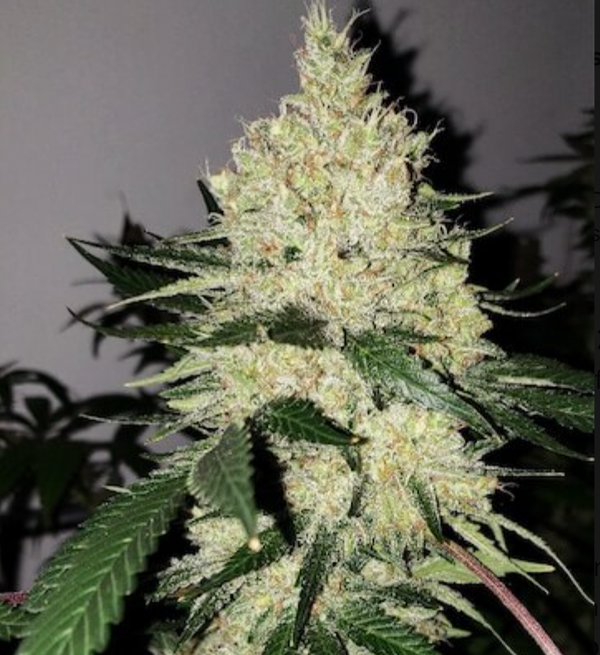
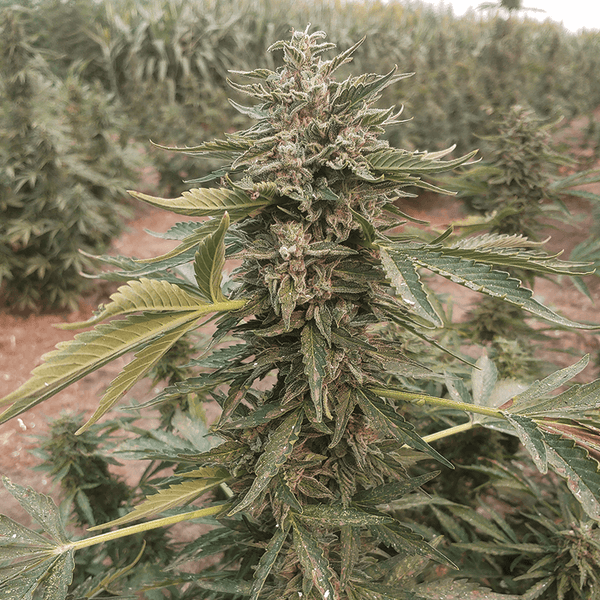
Let's clear the air: modern autoflowers are not the low-potency, low-yield plants you might remember. Thanks to huge leaps in breeding, today's autoflowering strains easily compete with photoperiods on potency, flavor, and harvest size. The secret is in the genetics, which combine the automatic flowering trait of ruderalis with elite, high-performance cannabis varieties. This guide will show you exactly how to harness their full potential. We'll cover the essential techniques for a massive harvest and help you find the best feminized autoflower seeds that deliver top-shelf quality every time.
Key Takeaways
- Simplify Your Grow with Smart Genetics: Feminized autoflowers remove the biggest variables by guaranteeing female plants and flowering on their own schedule. This means less guesswork for you and a more direct path to harvest, making them perfect for any skill level.
- A Strong Start is Non-Negotiable: Because autoflowers have a short, fixed lifespan, their early days determine their final potential. Always begin with high-quality, stable genetics and plant seeds directly in their final pot to prevent stress that can stunt their growth.
- Master the Basics by Not Overdoing It: The most common mistakes with autoflowers come from too much intervention. Water only when the soil is dry, use nutrients sparingly, and stick to gentle, low-stress training to ensure a healthy, productive plant.
What Are Feminized Autoflower Seeds?
If you're looking for a straightforward path to a successful harvest, feminized autoflower seeds are your new best friend. Think of them as the best of both worlds, combining two highly desirable cannabis traits into one tiny package. First, they are "feminized," which means they are genetically selected to grow into female plants—the ones that produce the cannabinoid-rich flowers we're all after. This eliminates the guesswork and the risk of male plants pollinating your crop.
Second, they are "autoflowers." Unlike traditional photoperiod plants that require a specific light schedule to start flowering, autoflowers operate on their own internal clock. They automatically switch from vegetative growth to flowering after just a few weeks, regardless of how much light they get. This combination makes for a plant that is not only efficient and predictable but also incredibly beginner-friendly. You get the guarantee of female plants with the simplicity of an automatic flowering cycle, making your entire growing process smoother from start to finish.
The "Feminized" Part: What Does It Mean?
A seed becomes "feminized" through a specific breeding process that ensures it will produce a female plant nearly 100% of the time. Growers achieve this by stressing a female plant to produce pollen, which is then used to pollinate another female. Since there's no male chromosome involved, the resulting seeds are genetically coded to be female. This is a huge advantage because it means you won't have to waste time, space, or nutrients on male plants that don't produce buds. When you plant feminized seeds, you can be confident that every plant in your garden is working toward a bountiful harvest of high-quality flowers.
The "Autoflower" Part: Why It's a Game-Changer
The main advantage of an autoflower is pure simplicity. These plants are ideal for beginners because they take the most complicated part of the growing process—managing light cycles—out of the equation. Autoflower seeds are bred with Cannabis ruderalis, a subspecies of cannabis that evolved to flower based on age rather than light cues. This means your plant will automatically begin to bud after about two to four weeks of growth. They also tend to have a much faster seed-to-harvest time, often finishing in as little as 8-10 weeks. Plus, they are typically more compact and resilient, making them perfect for small indoor spaces or discreet outdoor grows.
The Ruderalis Connection
So, where does this "automatic" magic come from? It all traces back to a tough little cannabis subspecies called Cannabis ruderalis. Native to the harsh climates of Central Asia and Siberia, ruderalis had to adapt to survive short, cool summers. It couldn't wait for a change in light to start flowering; it had to get the job done fast. So, it evolved to flower based on age, a trait that ensured it could reproduce before the first frost hit. Early breeders saw the potential in this unique characteristic and began crossbreeding ruderalis with potent indica and sativa strains. The goal was to keep the automatic flowering gene while incorporating the high cannabinoid content, complex terpene profiles, and impressive yields of modern cannabis. The result is the new generation of autoflowering seeds we have today—resilient, fast, and packed with all the qualities you look for in top-shelf flower.
Feminized Autoflower vs. Regular Seeds
The key difference between feminized autoflowers and regular photoperiod seeds comes down to light. Regular cannabis seeds, even feminized ones, are "photoperiod," meaning their transition into the flowering stage is triggered by a change in the light cycle. To make them flower indoors, you have to switch your lights to a 12-hours-on, 12-hours-off schedule. Feminized autoflowers, on the other hand, completely ignore light schedules when it comes to flowering. They will start producing buds based on their age, no matter if they get 16 or 20 hours of light per day. This makes the growing process much more forgiving and removes a major variable for new cultivators.
Feminized Autoflower vs. Photoperiod Seeds
When you're choosing between seeds, the biggest distinction to understand is how they flower. Photoperiod seeds are what you might consider "traditional." Their name says it all—their life cycle is dictated by the period of light they receive. As the grower, you have complete control over when they switch from vegetative growth to flowering. For an indoor grow, you trigger this change by switching your light schedule to 12 hours on and 12 hours off. This control allows you to keep plants in their vegetative stage for longer, letting them grow bigger and recover from training before you decide it's time to produce buds.
Feminized autoflowers, on the other hand, operate on a completely different timeline. They have a built-in genetic clock that tells them when to start flowering, usually just a few weeks after sprouting. This happens automatically, regardless of the light schedule. You can keep your lights on for 18 or even 20 hours a day from start to finish, and the plant will do its thing. This makes the process incredibly simple and leads to a much faster seed-to-harvest time. The choice really comes down to your goals: photoperiods offer more control and potential for massive plants, while autoflowers provide speed, simplicity, and resilience.
Why Choose Feminized Autoflower Seeds?
If you're looking for a straightforward path to a successful harvest, feminized autoflower seeds are a game-changer. They combine two incredible genetic traits into one powerful package, offering a growing experience that is simple, fast, and incredibly reliable. By taking the guesswork out of lighting schedules and eliminating the need to weed out male plants, these seeds let you focus on what really matters: growing healthy, beautiful buds.
Whether you’re a seasoned cultivator aiming for multiple harvests in a single season or a first-time grower hoping to make your initial run a success, feminized autoflowers have something to offer. Their hardy nature makes them forgiving of common mistakes, while their compact size allows them to fit into almost any space. They represent some of the most innovative advancements in cannabis breeding, designed to produce high-quality results with less effort. Let’s break down exactly why these seeds have become a favorite for growers everywhere.
Guarantee an All-Female Crop
One of the biggest hurdles for any grower is dealing with male plants. Only female cannabis plants produce the cannabinoid-rich flowers, or buds, that you’re looking to harvest. Male plants, on the other hand, produce pollen sacs. If a male pollinates your females, they’ll focus their energy on producing seeds instead of potent buds, drastically reducing the quality and quantity of your yield.
Feminized seeds solve this problem entirely. They are specifically bred to ensure that every plant you grow will be female. This means you don’t have to spend time and energy identifying and removing males from your garden. You can plant with confidence, knowing that every seed has the potential to become a bud-producing powerhouse.
Go From Seed to Harvest Faster
Patience is a virtue, but faster results are always a plus. The "autoflower" part of the name means these plants don't rely on changes in the light cycle to start flowering. Instead, they automatically begin to flower based on their age. This genetic trait comes from Cannabis ruderalis, a subspecies that evolved in harsh northern climates with short summers.
This means you can go from seed to harvest in as little as 55 to 95 days. This rapid turnaround is perfect for growers who want a quick supply or for those in regions with short outdoor growing seasons. With autoflower seeds, it’s possible to fit in multiple harvests in the time it would take to complete a single photoperiodic grow cycle.
Perfect for Compact Grow Spaces
Not everyone has a sprawling garden or a massive grow room. Autoflowers are typically smaller and more compact than their photoperiod counterparts, making them an excellent choice for growers with limited space. Their discreet size is perfect for balcony gardens, small grow tents, or even a spare closet.
This compact stature doesn't mean you have to sacrifice yield. Modern autoflower genetics have been developed to produce impressive results from a smaller plant. If you're looking to maximize your harvest in a tight area, growing indoor cannabis seeds of the autoflowering variety is one of the most efficient ways to do it. Their manageable size also makes plant care and maintenance much easier.
Typical Autoflower Size and Yield
Autoflowers are known for their compact and manageable size, typically staying much shorter than photoperiod plants. This makes them an ideal choice for growers with limited vertical space, small tents, or anyone aiming for a discreet outdoor garden. But don't let their smaller stature fool you—modern autoflowers pack a serious punch when it comes to yield. While results vary based on genetics and growing conditions, you can realistically expect to harvest between one to four ounces of quality flower per plant. The key is providing a stable environment and starting with strong genetics. High-quality autoflower seeds are bred to maximize their short lifecycle, proving that great things really do come in small packages.
Grow Hardy, Resilient Plants
Autoflowers inherit their tough, resilient nature from their ruderalis ancestry. These plants are built to withstand less-than-perfect conditions, showing a natural resistance to temperature fluctuations, pests, and mold. This hardiness makes them incredibly forgiving, which is a huge advantage for both new growers and those cultivating outdoors in unpredictable climates.
While other strains might struggle with a sudden cold snap or a humid spell, autoflowers tend to power through. This resilience means you can spend less time worrying about environmental stressors and more time watching your plants thrive. For anyone looking for reliable outdoor marijuana seeds, the durability of autoflowers is a major selling point.
Outpacing Pests and Mold
The rapid growth cycle of an autoflower isn't just about getting to harvest sooner; it's a strategic advantage against common garden threats. Pests and mold thrive over time, but the quick turnaround of an autoflower often means the plant is harvested before these issues can become a full-blown infestation. This built-in defense mechanism, combined with their natural hardiness, makes them a solid choice for growers who have struggled with these problems in the past. While no plant is completely immune, the resilience of autoflower seeds gives you a significant head start, reducing the window of vulnerability and letting you grow with greater peace of mind.
Why They're Ideal for New Growers
When you put all these benefits together, it’s easy to see why feminized autoflower seeds are so highly recommended for beginners. They remove many of the most common challenges associated with growing cannabis. You don’t have to worry about complicated light schedules, identifying male plants, or dealing with finicky genetics.
The entire process is simplified, allowing you to learn the fundamentals of cultivation without feeling overwhelmed. Their quick harvest time also provides a fast and rewarding feedback loop, building your confidence for future grows. If you’re just starting out, choosing from a collection of premium seeds designed for ease of use is the surest way to set yourself up for a successful and enjoyable experience.
Run Multiple Harvests in One Space
The speed of autoflowers isn't just about getting a quick harvest; it's about maximizing your growing potential throughout the year. Because they can go from seed to harvest in as little as 55 to 95 days, you can easily fit multiple growing cycles into the time it would take to complete a single photoperiod run. This opens the door to a perpetual harvest schedule, where you can stagger your plantings to have plants in different stages of growth at all times. Imagine starting a new batch of seedlings just as your current plants are entering their final weeks of flowering. This continuous cycle ensures a steady supply of fresh buds and makes the most of your grow space. By exploring different autoflower seeds, you can keep your garden productive and your jars full all year long.
Potential Downsides of Autoflowers
While feminized autoflowers offer a ton of advantages, especially for new growers, it's important to look at the full picture. No plant is perfect for every single situation, and autoflowers come with a few trade-offs that are worth considering before you commit. Understanding these potential downsides will help you decide if they are the right fit for your specific goals and growing style. From energy consumption to your ability to propagate plants, these factors can influence your overall experience and results. Knowing what to expect allows you to prepare properly and avoid any surprises, ensuring your grow is as successful as possible.
Being aware of these limitations doesn't mean you should avoid autoflowers. Instead, it's about making an informed choice. For many cultivators, the benefits of speed, simplicity, and resilience far outweigh any drawbacks. But if you're a grower who loves to have maximum control over your plant's development or wants to preserve a specific phenotype through cloning, these points are especially important. Let's walk through the main considerations so you can weigh the pros and cons for yourself and choose the best path for your garden.
Higher Electricity Costs
One of the most common considerations with autoflowers is the potential for higher electricity bills. Unlike photoperiod plants that need a 12/12 light cycle to flower, autoflowers perform best with long hours of light throughout their entire life. Most growers run their lights for 18 to 20 hours a day from seed to harvest to maximize growth and yield. While this constant light fuels their rapid development, it also means your grow lights, fans, and other equipment are running for more hours each day. This can add up over the course of a grow cycle, leading to a noticeable increase in your energy consumption compared to the flowering phase of a photoperiod grow.
No Cloning
A significant difference between autoflowers and photoperiod plants is that you can't effectively clone them. Cloning involves taking a cutting from a "mother plant" to create a genetically identical new plant. This is a popular method for preserving desirable traits and creating a perpetual harvest. However, because autoflowers have a predetermined lifespan that begins the moment they sprout, this technique doesn't work. If you find an autoflower with amazing characteristics, you won't be able to replicate it through cloning. This means you will need to purchase new seeds for every crop you grow.
Why You Can't Clone an Autoflower
The reason cloning is impractical for autoflowers comes down to their internal clock. A clone is an exact copy of the mother plant, including its current age. If you take a cutting from an autoflower that is three weeks old, the clone will also be three weeks old. Since most autoflower seeds are genetically programmed to start flowering around this time, the clone won't have any time to establish roots and grow vegetatively. It will immediately try to flower, resulting in a tiny, stunted plant with a minuscule yield. The clone is simply too old to go through a proper growth cycle, making the process inefficient.
Less Control Over Growth
The automatic flowering trait is a huge benefit for simplicity, but it also means you have less control over your plant's development. With photoperiod strains, you decide when to flip the switch to flowering. This allows you to extend the vegetative stage if your plant is struggling or if you want to train it to grow larger. With autoflowers, the clock is always ticking. If your plant experiences stress from overwatering, nutrient issues, or environmental problems early in its life, you can't give it extra time to recover. It will start flowering on schedule, whether it's healthy and big or small and stunted.
Less Forgiving of Early Mistakes
Because autoflowers are on such a tight schedule, the first few weeks are absolutely critical. There is very little room for error. Any stress or stunting that occurs during the seedling and early vegetative stage will have a direct and permanent impact on the final size and yield of the plant. Common mistakes like overwatering, transplant shock, or nutrient burn can significantly limit its potential. While their ruderalis genetics make them hardy, their short lifespan means they don't have time to bounce back from a rough start. This is why beginning with high-quality, stable feminized seeds is so important to ensure a strong foundation from day one.
Where to Buy the Best Feminized Autoflower Seeds
Finding the right seeds is the first and most important step in your growing journey. The quality of your genetics will determine everything from plant health and resilience to the final yield and potency of your harvest. A great seed bank doesn’t just sell seeds; they offer stable, reliable genetics backed by expertise and a solid reputation. To help you get started, I’ve put together a list of some of the most respected seed banks in the industry, each known for their high-quality feminized autoflower seeds.
Trilogene Seeds
Here at Trilogene Seeds, we believe that premium genetics are the foundation of a successful harvest. We focus on developing robust, high-performance strains, and our autoflower seeds are no exception. We always remind growers that autoflowers are on a very tight schedule from seed to harvest. Because their lifecycle is so short, any stress can stunt their growth and limit their potential. That’s why we breed our seeds for stability and vigor, giving you a strong starting point. By providing them with optimal conditions, you can help these powerful genetics reach their full, impressive potential.
Dutch Passion
If you’re looking for potency and rich flavor, Dutch Passion is a name that consistently comes up. They have been instrumental in proving that autoflowers can compete with photoperiod strains in every way. Their breeding programs focus on developing plants with high terpene levels and impressive THC content, with some strains regularly testing over 25% THC. Dutch Passion is a fantastic choice for cultivators who want to produce top-shelf flower without the long wait, proving that a quick turnaround doesn’t mean you have to compromise on quality.
Royal Queen Seeds
For those new to cultivation, Royal Queen Seeds offers a fantastic entry point. One of the biggest challenges for beginners is getting the nutrient balance right. According to their experts, autoflowering plants generally require fewer nutrients than their photoperiod counterparts. This makes them much more forgiving for novice growers who are still learning the ropes. Choosing genetics that are less demanding can simplify your grow, reduce the risk of nutrient burn, and help you build confidence as you learn to cultivate beautiful, healthy plants.
Sweet Seeds
Sweet Seeds is a great option for growers who prefer a more hands-off approach. Their philosophy centers on letting the plant do its thing with minimal interference. Because autoflowers have such a short life, they advise against high-stress training techniques like pruning, which can slow down growth and reduce your final yield. Their genetics are bred to develop a strong natural structure, making them perfect for a simple, low-stress cultivation style. If you want to plant a seed and watch it flourish without a lot of fuss, their catalog is worth exploring.
Fast Buds
Genetic stability is everything when it comes to getting consistent results, and Fast Buds has built its reputation on it. They work hard to dispel the myth that feminized seeds are inherently unstable. As they correctly point out, a seed’s stability comes down to the quality of its parent genetics. Fast Buds prioritizes rigorous breeding and selection processes to ensure their feminized autoflowers are reliable, uniform, and true to their descriptions. This commitment gives growers peace of mind, knowing their plants will grow predictably and deliver consistent results every time.
Barney's Farm
Barney's Farm is a legendary seed bank known not only for its award-winning strains but also for its practical growing advice. They understand the common hurdles growers face, especially with autoflowers. One of the most frequent mistakes they highlight is overwatering. Automatic plants can be sensitive to soggy soil, which can lead to root problems and stunted growth. By focusing on fundamental skills like proper watering, Barney’s Farm helps cultivators avoid simple errors and achieve healthier, more productive plants. Their expertise makes them a trusted resource for growers of all levels.
Mephisto Genetics
Mephisto Genetics is a boutique breeder with a cult following, and for good reason. They specialize in autoflowers and offer pro-level tips to help you get the most out of their unique genetics. For example, they recommend planting seeds directly into their final container to avoid the stress of transplanting. They also suggest keeping the root zone warm to encourage vigorous growth from the very beginning. This kind of detailed, actionable advice shows a deep understanding of what makes autoflowers thrive and can help dedicated growers take their cultivation skills to the next level.
How to Pick High-Quality Seeds
Starting with high-quality seeds is the single most important step toward a successful harvest. Think of it as the foundation of your entire grow—a weak foundation will compromise everything you build on top of it. The genetics packed inside that tiny shell determine your plant's potential for potency, yield, and resilience. While a great grower can make the most of average seeds, even the best can't work miracles with poor genetics. When you invest in premium seeds, you're not just buying a product; you're investing in a predictable outcome and a much smoother growing process.
Choosing the right seeds means looking beyond flashy names and pretty pictures. You need to consider factors like genetic stability, cannabinoid content, and suitability for your specific growing environment. A little research upfront saves you from potential headaches like low germination rates, weak plants, or a disappointing final product. This guide will walk you through exactly what to look for, so you can select seeds with confidence. By focusing on quality from the start, you set yourself up for a rewarding cultivation experience and a harvest you can be proud of.
Look for Stable Genetics
Genetic stability is all about predictability. When a strain has stable genetics, every seed will grow into a plant that reliably expresses the same traits—from its growth structure and flowering time to its cannabinoid profile and flavor. As Ethos Genetics notes, "Genetic stability (homogeneity of expression) will be determined by each parent's lineage." This consistency is the result of careful, expert breeding over multiple generations.
For you, this means no unwelcome surprises. You can count on your plants to grow uniformly, which is especially helpful for managing your canopy and light distribution. Unstable genetics, on the other hand, can lead to a frustrating grow with a wide variety of plant heights, yields, and qualities. To ensure you get what you expect, always source your feminized seeds from breeders who prioritize and are transparent about their breeding practices.
Decide on Your Ideal Cannabinoid Profile
Before you buy, have a clear idea of what you want from your final product. Are you looking for high-THC flower for potent effects, or are you more interested in the therapeutic potential of CBD? Reputable seed banks provide detailed lab reports or cannabinoid percentages for each strain, so you can make an informed choice.
Don't underestimate autoflowers when it comes to potency. While they were once known for lower THC levels, modern breeding has changed the game. As Dutch Passion points out, "newer types can have up to 20% THC." Whether you're aiming for a specific feeling or a particular therapeutic benefit, checking the cannabinoid profile is key. You can find a wide range of options, from high-potency THCA seeds to balanced, high-CBD varieties.
Choose a Strain That Fits Your Climate
A world-class seed will only reach its full potential if it’s grown in an environment where it can thrive. Some strains are bred for the controlled conditions of an indoor setup, while others are hardy enough to flourish outdoors. Consider your climate, the amount of space you have, and your experience level.
Autoflowers are known for their resilience, but they are sensitive to stress, especially early on. As we've noted on our blog, "Autoflowers are resilient, but they operate on a tight schedule. Any stress they experience can stunt their growth." If you have a short outdoor growing season or limited vertical space indoors, a compact and fast-flowering autoflower is a perfect fit. For those in humid climates, look for strains with good mold resistance. Matching the seed to your specific conditions is a critical step for a healthy grow.
Estimate Your Potential Yield
For many growers, the size of the harvest is a top priority. Breeders typically provide an estimated yield, often in grams per square meter for indoor grows or grams per plant for outdoor grows. This figure gives you a solid idea of what a strain is capable of producing under optimal conditions.
While autoflowers were once associated with smaller yields compared to photoperiod plants, that's no longer the case. According to 420 Seeds, "Top strains can produce a lot of buds quickly. For example, some can yield 500-600 grams per square meter." When browsing for autoflower seeds, look at the breeder's specifications, but remember that your growing technique, lighting, and nutrient regimen will ultimately determine your final harvest weight.
What Should a Healthy Seed Look Like?
You can tell a lot about a seed just by looking at it. Healthy, mature cannabis seeds have a distinct appearance that signals viability. As the Seedsman Blog advises, "Healthy seeds are typically dark brown with a shiny, oily appearance. Avoid seeds that are green or white." These darker seeds often have mottled, tiger-stripe patterns and a hard, protective outer shell.
When you gently squeeze a healthy seed between your fingers, it should feel firm and not crack or crumble. If a seed is pale, greenish, or feels soft and fragile, it's likely immature or damaged and has a low chance of germinating. Buying from a trusted source ensures you receive mature, viable seeds that are ready to sprout and grow into strong plants.
Why a Breeder's Reputation Matters
The quality of your seeds is directly tied to the quality of the breeder. A reputable breeder is transparent about their genetics, provides detailed information for each strain, and has a history of positive customer reviews. As 420 Seeds recommends, it's best to "Buy from seed banks that provide clear information about their seeds."
Look for breeders who are passionate about their craft and invest in genetic innovation, like developing unique offerings such as triploid cannabis. A breeder's reputation is built on consistency, customer service, and the performance of their seeds. Spending a little time researching reviews and grower forums can save you from the disappointment of a failed crop and help you find a source you can rely on for every grow.
Look for a Germination Guarantee
A germination guarantee is one of the clearest signs that you're buying from a seed bank that stands behind its products. This isn't just about getting a replacement for a dud seed; it's a statement of confidence in the quality and viability of their genetics. Reputable breeders invest heavily in creating stable, reliable seeds, and they aren't afraid to back them up. When a company offers this assurance, it means they've done the work to ensure their seeds have a high success rate. Starting with high-quality seeds is the single most important step toward a successful harvest, and a germination guarantee provides that final layer of security, ensuring your time, money, and effort are well-spent from the very beginning.
Understanding Seed Packaging
When your seeds arrive, the packaging is your first clue to the quality inside. It’s more than just a branded container; it’s a protective vessel designed to keep the delicate genetics safe from moisture, light, and physical damage. High-quality seeds typically come in sealed, professional packaging that clearly lists essential information: the strain name, the breeder, and the type of seed. This level of detail shows a commitment to quality control and transparency, assuring you that you’re getting exactly what you paid for. It’s the first sign that you’re dealing with a breeder who takes their craft, and your success, seriously.
Beyond the external packaging, the information provided is crucial. Look for details about the strain’s characteristics, such as its expected flowering time, potential yield, and cannabinoid profile. Choosing the right seeds means looking beyond flashy names; you need to find genetics that fit your goals and growing environment. A breeder who provides this data is helping you make an informed decision. This commitment to information reflects a deeper commitment to genetic stability—the predictability that ensures your autoflower seeds will grow into plants that reliably express the traits you're looking for, from flavor to potency.
Your Essential Grow Setup Checklist
While feminized autoflower seeds are known for being straightforward and forgiving, setting up your grow space correctly from the start will make all the difference in your final harvest. Think of it as giving your plants the best possible head start. Autoflowers operate on a fixed timeline from seed to harvest, so any early stress can impact their size and yield. Unlike photoperiod plants that can recover in a longer vegetative state, autoflowers don't have that luxury. Getting the fundamentals right—from your soil to your lighting—ensures your plants spend their short lives thriving, not just surviving. This checklist covers the essential elements you need to dial in for a successful grow.
Dialing In Temperature and Humidity
Autoflowers are resilient, but they perform best in a stable environment. Drastic swings in temperature or humidity can stress the plant and stunt its growth. During the seedling stage, aim for a warmer, more humid environment, typically around 75-80°F with 65-70% relative humidity. As the plant enters its vegetative stage, you can slightly lower both. Once flowering begins, it's important to drop the humidity to around 40-50% to prevent mold and mildew from developing on your precious buds. A simple thermometer and hygrometer combo will help you monitor these conditions easily.
Setting the Right Light Schedule
One of the biggest perks of growing autoflowers is their simple lighting needs. Because their flowering is determined by age, not light cycles, you don't have to worry about switching schedules. For the best results, most growers use a consistent 18 hours of light on and 6 hours off (18/6) throughout the plant's entire life. Some even run lights 24/7 to maximize growth, though giving the plant a short rest period can be beneficial. The key is consistency. Pick a schedule and stick with it to provide your plants with the steady energy they need to flourish.
Proper Light Distance for Seedlings
Getting the light distance just right for your seedlings is a simple but critical step. If the light is too close, you risk scorching their delicate new leaves—a problem known as light burn. If it's too far away, your seedlings will stretch upward, becoming tall and flimsy with weak stems. For autoflowers, this early stress can permanently limit their final size and yield. A great starting point for most LED grow lights is about 24 to 36 inches above the plant tops. The key is to watch your plants closely. If they start stretching, lower the light a bit. If the leaves look pale or burnt, raise it. Nailing this balance gives your plants the perfect start they need to thrive, which is essential when you're growing premium indoor cannabis seeds.
Choosing Your Soil and Nutrients
Your growing medium is your plant's foundation. Autoflowers thrive in a light, airy soil mix that allows their roots to breathe and expand easily. Many growers use a "super soil" that's pre-amended with all the necessary nutrients. A key point to remember is that autoflowers generally require fewer nutrients than their photoperiod counterparts. It's much easier to fix an underfed plant than an overfed one, so start light. The specific needs can vary depending on the genetics of your autoflower seeds, so always watch your plants for signs of what they need.
DIY Soil Mix Recipe
If you want to give your plants the perfect start, mixing your own soil is a great way to control exactly what they get. The goal for autoflowers is a medium that’s light, well-draining, and not packed with heavy nutrients. A simple and effective recipe you can follow is the one-third rule. Combine one part peat moss or coco coir for moisture retention, one part perlite or vermiculite for aeration to keep the roots happy, and one part high-quality compost or earthworm castings for a gentle supply of organic nutrients. This blend creates a fluffy foundation that allows roots to expand quickly and easily, which is critical during the short vegetative stage of your autoflower seeds.
A Warning About "Hot" Potting Mixes
When you're at the garden store, you might see potting mixes advertised as "nutrient-rich" or "super-charged." These are often called "hot" mixes, and while they can be great for mature, heavy-feeding plants, they can be a disaster for autoflower seedlings. These soils are loaded with nutrients that are too intense for a young plant's delicate root system, often leading to nutrient burn, which appears as yellow or brown leaf tips. Because autoflowers operate on such a tight schedule, any stress or damage in the first couple of weeks can permanently stunt their growth. They simply don't have the time to recover. Always start with a light, airy soil to give your plants a gentle and safe start.
Does Pot Size Really Matter?
Choosing the right pot size is more important than you might think. Because autoflowers have a rapid growth cycle, you want to avoid stressing them with transplants. It's best practice to plant your germinated seed directly into its final container. For most indoor setups, a 3- to 5-gallon pot provides the perfect amount of space for the root system to develop without becoming root-bound. This gives the plant a solid foundation to support vigorous growth and, ultimately, a heavier yield. Using fabric pots can also help with aeration and prevent roots from circling.
Indoor vs. Outdoor: Which Is Right for You?
Feminized autoflowers are incredibly versatile, making them a great fit for almost any environment. Their compact size is ideal for indoor tents, closets, or balconies where space is limited. Their natural resilience and pest resistance also make them excellent candidates for outdoor gardens. Many growers find that outdoor marijuana seeds of the autoflowering variety can produce multiple harvests in a single season, depending on the climate. Whether you're working with a high-tech indoor setup or a simple sunny spot in your backyard, these plants are adaptable enough to deliver impressive results.
Tips for Outdoor Autoflower Growers
Growing autoflowers outdoors is a fantastic way to take advantage of their natural resilience. Thanks to their tough ruderalis genetics, these plants can handle unpredictable weather better than many photoperiod strains, showing a natural resistance to pests and temperature swings. This hardiness makes it possible for many cultivators to achieve multiple harvests in a single season. To set yourself up for success, choose a strain that matches your local climate—if you're in a humid area, for example, look for mold-resistant varieties. It's also a great idea to plant your seed directly into its final pot to avoid the shock of transplanting, which can stunt its rapid growth. While they are forgiving, keeping an eye on extreme weather will help your outdoor marijuana seeds reach their full potential.
Tips for a Bigger, Better Harvest
Growing feminized autoflower seeds is a rewarding experience, especially since they’re so forgiving. But if you want to go from a good harvest to a great one, a little extra attention to detail goes a long way. Getting the best results isn't about complicated techniques or expensive gear; it's about creating a stable, healthy environment where your plants can thrive. Think of it as setting the stage for them to perform at their best.
From the moment you germinate your seeds to the final days before harvest, a few key practices can significantly impact the size, density, and potency of your buds. We’ll walk through the simple, actionable steps you can take to get the most out of your grow. This includes dialing in your watering schedule, providing the right amount of nutrients at the right time, and maintaining the perfect climate. By mastering these fundamentals, you’ll ensure your plants have everything they need to reach their full genetic potential, producing the high-quality yields you’re looking for.
How to Germinate Seeds the Right Way
Giving your seeds a strong start is the first step toward a successful harvest. The paper towel method is a reliable and simple way to do this. Just place your autoflower seeds between two damp—not soaking wet—paper towels and put them between two plates to create a dark, humid space. Keep them in a warm spot, aiming for a temperature between 70-79°F (21-26°C) with high humidity. Within 72 hours, you should see a tiny white root, called a taproot, emerge from the seed. Once it appears, your seed is ready for its new home in soil.
Proper Planting Depth and Technique
Once your seed has its little white taproot, it's time to plant. This step is super important because autoflowers are on a strict schedule, and a rough start can limit their final size. You'll want to plant the seed about a quarter to a half-inch deep in its final pot. Making the hole too deep forces the seedling to waste precious energy just reaching the surface, while a shallow hole can leave it unstable. Gently place the seed in the hole—taproot pointing down is ideal, but don't stress over it—and lightly cover it with soil. Avoid packing the soil down; you want the roots to have an easy path. Planting directly into the final container is the best move for autoflower seeds, as it completely avoids the transplant shock that can stunt their growth during their short, critical vegetative phase.
Creating the Perfect Watering Schedule
One of the most common mistakes new growers make is overwatering. Autoflowers, especially in their early stages, don't need much water. A good rule of thumb is to only water when the top inch of the soil feels dry to the touch. When your plant is a seedling, give it just a small amount of water in a circle around the main stem. As the plant grows larger and develops a more extensive root system, you can gradually increase the amount of water and the area you cover. This encourages the roots to spread out in search of moisture, building a stronger foundation for the plant.
The "Lift the Pot" Trick
Sticking your finger in the soil is a good start, but it doesn't tell you what's happening deeper in the pot. For a more accurate gauge, try the "lift the pot" trick. It's simple: get a feel for how heavy your pot is when the soil is completely dry, right before you water. Then, after giving it a good soak, lift it again. That significant difference in weight is your guide. Over time, you'll be able to tell just by lifting the pot if it's time to water again. This method is especially useful for autoflowers, as it helps you prevent the common mistake of overwatering, which can lead to root rot and stunt the growth of your plants during their short, critical lifecycle.
Feeding Your Plants for Optimal Growth
Autoflowers have a shorter life cycle than photoperiod plants, which means they generally require fewer nutrients. It’s much easier to fix an underfed plant than an overfed one, so always start with less. A safe bet is to use about half the amount of fertilizer recommended on the product label. It’s also critical to avoid giving any nutrients during the first couple of weeks when your plant is just a seedling. The seed itself contains all the energy it needs to get started, and the soil should provide enough food for this initial growth spurt.
Understanding N-P-K Ratios
When you grab a bottle of plant food, you’ll notice three numbers on the label, like 5-10-5. This is the N-P-K ratio, which stands for Nitrogen (N), Phosphorus (P), and Potassium (K). Think of it as a recipe for your plant's diet. Nitrogen is the key ingredient for leafy, green growth during the vegetative stage. Phosphorus is the powerhouse for strong roots and, crucially, for developing big, dense flowers. Potassium acts as the overall wellness manager, supporting essential functions and helping the plant resist stress. For autoflowers, this balance is everything. They need more nitrogen early on, but as they begin to flower, their diet must shift to higher phosphorus and potassium levels to get the most out of your autoflower seeds.
Keeping Your Soil's pH in Check
The right soil creates the perfect foundation for healthy roots and optimal nutrient absorption. Look for a light, airy soil mix that provides good drainage and aeration. Many growers have success with "super soils" that are pre-loaded with organic nutrients. High-quality potting mixes often contain ingredients like perlite, coco coir, or peat moss, which help prevent the soil from becoming compacted and waterlogged. Maintaining a neutral pH is also key, as it allows the plant’s roots to access all the available nutrients in the soil efficiently.
The Ideal pH Range for Soil
Think of pH as the gatekeeper for nutrients. If the pH of your soil is off, your plant's roots can't absorb the food you're giving them, even if it's plentiful. This is called "nutrient lockout," and it's a common issue that can lead to deficiencies and stunted growth. For cannabis grown in soil, the sweet spot is a pH range between 6.0 and 7.0. This slightly acidic environment allows the roots to access the full spectrum of essential nutrients. To get the most out of the premium autoflower seeds you've invested in, regularly check the pH of your water and nutrient solution before you feed your plants. A simple digital pH pen makes this easy and ensures your plants can actually eat the meal you're serving them.
Mastering Your Grow Environment
Autoflowers are adaptable, but they perform best in a stable environment. For an indoor cannabis seeds setup, aim to keep the temperature between 75-85°F (21-29°C) and the humidity level around 50-60%. Good air circulation is also essential. Use a small oscillating fan to create a gentle breeze in your grow space. This helps strengthen the plant's stems, prevents hot spots from your lights, and stops humid air from stagnating, which can reduce the risk of mold and pests. Consistent conditions help reduce stress on your plants, allowing them to focus their energy on producing big, resinous buds.
Simple Steps for Pest Prevention
One of the best things about autoflowers is their natural resilience. Many strains are bred to be resistant to common pests, mold, and even challenging weather, making them a great choice for outdoor marijuana seeds. However, the best defense is always a good offense. Keeping your grow area clean and maintaining proper airflow and humidity levels will make it much harder for pests and diseases to take hold. Regularly inspect your plants, especially the undersides of leaves, to catch any potential issues early before they become a serious problem. A healthy plant is a strong plant that can naturally fend off most threats.
Common Growing Mistakes (and How to Avoid Them)
Growing feminized autoflower seeds is an incredibly rewarding process, but their rapid life cycle leaves little room for error. Unlike photoperiod plants that have time to recover from stress, an autoflower is on a strict schedule from germination to harvest. A small mistake in the early stages can impact your final yield and quality. But don't let that intimidate you. By understanding a few common pitfalls, you can easily sidestep them and set yourself up for a successful grow. Think of this as your cheat sheet for avoiding the most frequent slip-ups, ensuring your plants stay happy, healthy, and productive. Whether you're growing for the first time or just need a refresher, keeping these points in mind will make all the difference.
The #1 Mistake: Overwatering
It’s easy to kill your plants with kindness, and overwatering is one of the most frequent mistakes new growers make. Drowning the roots in too much water suffocates them, preventing them from absorbing oxygen and nutrients. This can quickly lead to root rot, a serious condition that can be difficult to reverse. To avoid this, let the top inch or two of your soil dry out completely between waterings. A simple way to check is by sticking your finger into the soil. If it feels dry, it’s time to water. If it’s still damp, give it another day. Your plants will thank you for it.
Spotting and Fixing Nutrient Issues
Autoflowers are efficient and typically require fewer nutrients than their photoperiod cousins. It’s a common mistake to follow a standard feeding schedule, which can lead to over-fertilization. This causes nutrient burn, identifiable by yellow or brown, crispy leaf tips. To prevent this, start with a light feeding schedule, perhaps at one-quarter or one-half the recommended dose for your chosen nutrients. You can always add more if you see signs of deficiency, but it’s much harder to correct an excess. Pay close attention to how your autoflower seeds respond and adjust your feeding plan accordingly.
Is Your Light Setup Causing Stress?
Because autoflowers have a finite window for vegetative growth, any stress during this period can permanently stunt them. Light stress—either too much or too little—is a common culprit. Placing your lights too close can burn the leaves, while placing them too far can cause the plant to stretch and become weak. It’s also important to maintain warm root temperatures, especially in the seedling stage, to encourage vigorous growth. A stable environment is key. Find the sweet spot for your specific light setup and keep a consistent schedule to help your plants thrive without interruption.
Avoiding Common Plant Training Errors
While training techniques can increase yields in photoperiod plants, many methods are too stressful for autoflowers. High-stress training (HST) like topping or heavy pruning should generally be avoided. With their short life cycle, autoflowers simply don’t have enough time to recover from the stress, which can hinder their growth and reduce your final harvest. If you want to shape your plant, stick to low-stress training (LST). This involves gently bending and tying down branches to expose more bud sites to light without causing major stress to the plant.
A Guideline for Defoliation
Defoliation is a tricky subject with autoflowers, and the best advice is always "less is more." Because these plants are on such a tight schedule, they don't have the luxury of a long recovery period after you remove leaves. A good rule of thumb is to only remove leaves that are already yellowing and dying off at the bottom of the plant, or the occasional large fan leaf that is completely blocking a major bud site from getting light. If you do decide to snip, wait until the plant is well into its flowering stage. A much safer alternative is leaf tucking—gently moving leaves out of the way to expose the buds below. Starting with robust autoflower seeds gives you a resilient plant that can better handle minor stress, but it's always best to play it safe.
How to Know Exactly When to Harvest
Knowing when to harvest is an art, and getting the timing right is crucial for maximizing both yield and potency. Harvesting too early can result in less potent buds with an underdeveloped flavor profile. Wait too long, and the THC can begin to degrade, leading to a more sedative effect. The best way to know when your plant is ready is to inspect the trichomes—the tiny, crystal-like glands on the buds—with a jeweler’s loupe. You’re looking for a mix of milky white and amber trichomes. This indicates peak maturity for your THCA seeds and ensures you get the best possible product.
After the Harvest: Drying and Curing
You’ve successfully guided your plant from a tiny seed to a full, beautiful harvest. But the journey isn't quite over yet. The steps you take now—drying and curing—are what will transform your fresh flowers into the smooth, flavorful, and potent buds you've been working toward. Rushing this final stage is one of the biggest mistakes a grower can make, as it can undo months of hard work. Proper drying and curing are essential for preserving the cannabinoids and terpenes that give each strain its unique character. This is where the magic happens, turning a good harvest into an exceptional one that truly reflects the quality of the genetics you started with.
The Drying Process
The main goal of drying is to slowly and evenly reduce the moisture content of your buds. This is a delicate balance; drying too quickly traps chlorophyll inside, resulting in a harsh, grassy smoke. To get started, trim away the large fan leaves and hang the branches upside down in a dark, controlled space. Good air circulation is key, so a small, indirect fan can help prevent mold from forming. Make sure there's enough space between each branch so air can move freely around all the buds. The ideal environment for drying is a dark room with a consistent temperature between 60-70°F and a relative humidity of about 45-55%. This process typically takes 7 to 14 days. You'll know your buds are ready for the next step when the smaller stems snap instead of bend, feeling dry on the outside but with a slight springiness.
Curing for Flavor and Potency
Curing is the final, crucial step that truly defines the quality of your flower. Think of it as an aging process, like with fine wine or cheese. During the cure, you'll place your dried buds into airtight glass jars, filling them about three-quarters full to leave some room for air. This controlled environment allows for the slow breakdown of chlorophyll, which gets rid of any remaining harshness. At the same time, it preserves the delicate terpenes that are responsible for the strain's unique aroma and flavor profile. For the first one to two weeks, you'll need to "burp" your jars daily by opening them for a few minutes to release moisture. After that, you can reduce burping to every few days. While you'll notice an improvement after just two weeks, a patient cure of four weeks or more is what truly brings out the character of premium genetics like our feminized seeds.
Related Articles
- What are Autoflower Seeds?
- Autoflower Seeds for Beginners: Grow Fast & Easy
- 7 Best Feminized Autoflower Seed Banks of 2025
- 7 Key Differences: Autoflower vs. Feminized Seeds
- Auto Flower Marijuana Seeds 101: The Ultimate Guide
Frequently Asked Questions
Are autoflowers less potent than regular photoperiod plants? That’s a common myth that comes from the early days of autoflower breeding. While it might have been true years ago, modern genetics have completely changed the game. Reputable breeders have developed autoflower strains that are just as potent, flavorful, and resinous as their photoperiod counterparts. The key is to start with high-quality seeds from a trusted source, as the plant's genetic potential is what ultimately determines its final cannabinoid content.
What's the single biggest mistake to avoid with autoflowers? The most critical thing to avoid is stressing the plant, especially when it's young. Autoflowers are on a fixed schedule from the moment they sprout, and they don't have the extra time in a vegetative state to recover from setbacks like overwatering, nutrient burn, or the shock of being transplanted. Protecting your plant from stress during its first few weeks is the best way to ensure it grows into a healthy, productive adult.
Can I use the same soil and nutrients for autoflowers as I would for other plants? You can definitely use a similar high-quality, airy soil mix. The main difference comes down to feeding. Autoflowers are typically lighter eaters than photoperiod plants because of their shorter life cycle and smaller size. A good rule of thumb is to start with half the recommended dose of nutrients and see how the plant responds. It's always easier to add more nutrients if needed than it is to fix the damage from overfeeding.
Is it possible to train an autoflower plant for a bigger yield? Yes, but you have to be gentle. High-stress training methods like topping or heavy pruning are generally not recommended because autoflowers don't have enough time to recover from the shock. Instead, low-stress training (LST) is a perfect fit. This involves carefully bending and tying down branches to create a more even canopy, which allows more light to reach the lower bud sites and can lead to a more substantial harvest without stressing the plant.
How many harvests can I realistically get in one year with autoflowers? This is one of the best parts about growing them. Because a typical autoflower goes from seed to harvest in about 10 weeks, you can easily fit multiple cycles into a single year. For indoor growers, this could mean four or even five full harvests. For those growing outdoors, it allows for at least two successful harvests during a standard growing season, which is a huge advantage over waiting for one single photoperiod harvest in the fall.
A Note on Legality
Navigating the legal side of cannabis can feel like a maze, with rules changing from one state to the next. It's important to understand that in many places, cannabis seeds themselves are sold as novelty items or souvenirs and are perfectly legal to buy and possess because they don't contain THC. The legal line is often crossed at the moment of germination. However, the 2018 Farm Bill created a major shift by legalizing hemp at the federal level. This means that autoflower seeds bred from hemp varieties, including many CBD and industrial hemp strains, are now in a much clearer legal category across the USA.
While federal law provides a baseline, your state and local laws are what truly matter. Cannabis legalization is happening on a state-by-state basis, and the rules for home cultivation can vary dramatically. Some states allow a certain number of plants for personal use, while others still have strict prohibitions. Before you start your grow, it is absolutely essential to research the specific regulations in your area. A quick search on your state government's website or a visit to a reliable resource like NORML can give you the clear answers you need. Being informed is the best way to ensure your growing experience is successful and stress-free.