Forget the idea that bigger is better. When it comes to your garden, a short cannabis plant isn't a compromise—it's a strategy. The real win isn't a plant that touches the ceiling, but one that maximizes your yield per square foot. Why? Because compact, bushy plants get light to every bud site, not just the one at the top. This means a full canopy of dense, high-quality colas. This guide is your playbook for turning that simple principle into impressive results, transforming any grow space into a powerhouse of production.
Key Takeaways
- Choose Compact Genetics for an Easier Grow: A plant's DNA is the biggest factor in its final height. Starting with Indica or autoflower seeds that are naturally short makes managing your grow simpler from day one.
- Actively Train Your Plants to Stay Bushy: Don't just let your plant grow wild. Use techniques like low-stress training (LST) and topping to direct its energy outward instead of upward, creating a wider, more productive canopy.
- Control Your Environment to Control Height: Your setup directly influences how a plant grows. Use blue-spectrum light, ensure good airflow, and choose the right pot size to prevent unwanted stretching and keep your plants stout and healthy.
What Makes a Cannabis Plant Short?
Ever wondered why some cannabis plants shoot for the sky while others stay short and stocky? It’s not just a matter of luck. A plant’s final height is a combination of its genetic makeup and the environment you create for it. Some strains are naturally programmed to be compact, making them perfect for growers with limited space. Others might need a little guidance from you to keep their size in check.
Understanding these factors is the first step to mastering the art of the small-space grow. By choosing the right seeds and using specific cultivation techniques, you can manage your plant’s stature without sacrificing its health or yield. Let’s break down what really determines whether a cannabis plant stays short and bushy or grows tall and lanky.
Key Traits of a Compact Plant
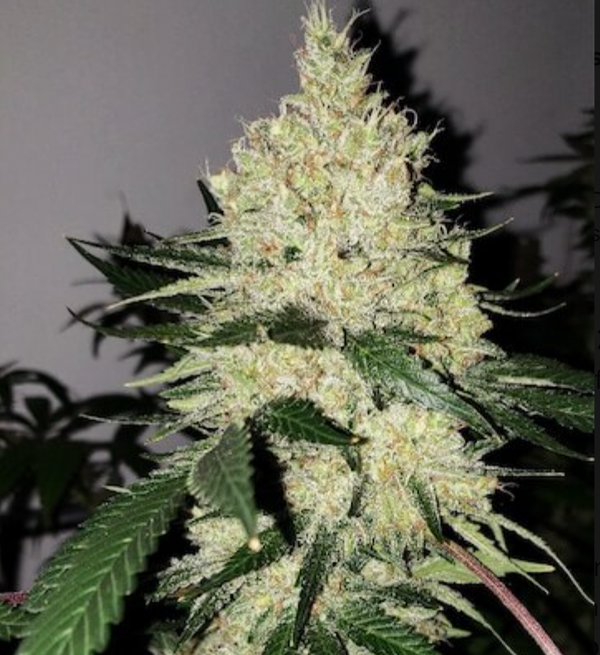
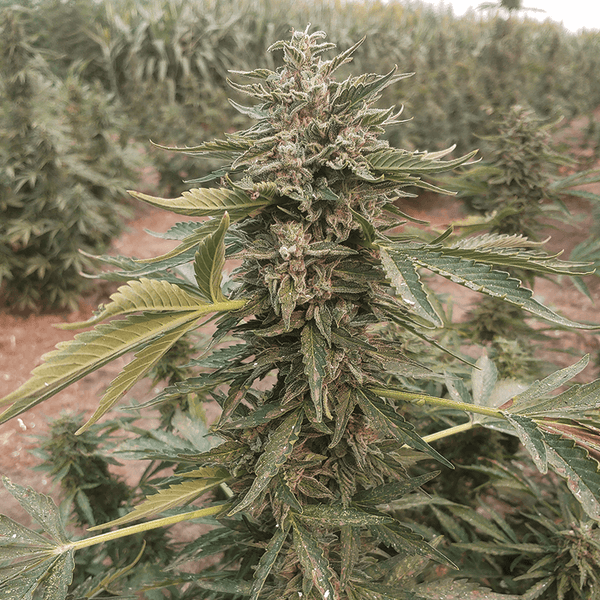
Short cannabis plants typically have a distinct look. They are often described as "bushy" or "stout," with dense foliage and short distances between nodes (the part of the stem where branches grow). This compact structure is a stark contrast to the tall, thin profile of many Sativa-dominant strains that stretch toward the light.
Genetics play a huge role here. For instance, autoflowering strains are famous for their small size, a trait they inherit from their Cannabis ruderalis ancestry. These plants automatically switch from vegetative growth to flowering after a few weeks, which naturally limits their final height. This makes them an excellent choice for closets, balconies, or any grow space where vertical room is a luxury.
Understanding Their Growth Cycle
While genetics provide the blueprint, your growing methods can significantly influence a plant's final size. You have a lot of control over how your plant expresses its genetic potential. Simple choices, like the size of the container, can make a big difference. Using smaller pots, for example, restricts the root system's growth, which in turn helps keep the plant itself more compact.
Other factors in your grow room, such as the type of light you use and how close it is to your plants, also play a part. Techniques like plant training, which we’ll cover later, are designed to manipulate the plant’s shape and direct its energy into creating a wider, bushier canopy instead of a single tall stalk.
How Genetics Dictate Plant Size
Ultimately, a plant's genetics are the most important factor determining its potential height. The genetic code of a strain dictates everything from its potential size and yield to its aroma and potency. If you want to grow a short plant, your best bet is to start with seeds that are genetically predisposed to stay compact.
Many Indica-dominant strains are naturally short and dense, a trait developed in their native mountainous regions. These plants are programmed to grow wide rather than tall. When you shop for seeds, look for descriptions that mention compact growth, Indica lineage, or suitability for small spaces. Starting with the right genetics sets you up for success from day one and makes managing plant height much easier.
Does Plant Size Affect Potency?
Let's clear this up: a bigger plant does not automatically mean more potent buds. It's a common myth that size equals strength, but the potency of your flower is primarily locked in by its genetics. A strain is specifically bred to produce certain levels of cannabinoids, like THC or CBD. This means a small, healthy plant grown from high-quality genetics will always produce more potent buds than a massive, lanky plant from a less powerful strain. The key is to start with a strong foundation, which is why selecting seeds with a proven genetic lineage is so important for your final results.
While a larger plant will likely give you a greater yield—meaning more total grams of flower—it won't change the chemical profile of the buds themselves. Extending the vegetative stage will make your plant bigger, but it won't increase the percentage of THC. Your goal should be to provide the best environment possible to allow your plant to reach its full genetic potential, no matter its size. A well-cared-for compact plant can easily produce top-shelf, highly potent flower that outshines a poorly managed giant.
Why Grow Short Cannabis Plants?
While towering cannabis plants can be impressive, there’s a lot to love about their shorter counterparts. Compact strains offer a surprising number of advantages that make them a smart choice for all kinds of growers, from hobbyists with a small tent to large-scale commercial operations. Choosing to grow short plants can make your entire cultivation process more efficient, manageable, and productive. Let’s look at the key benefits of keeping things compact.
The Downsides of Tall Plants
It’s easy to equate size with success, but when it comes to cannabis cultivation, taller isn't always better. Growing massive plants can introduce a host of challenges that impact your budget, workload, and even the quality of your final harvest. Before you commit to a strain known for its towering height, it’s worth considering the practical drawbacks. From soaring operational costs to the risk of crop loss, the disadvantages of growing tall can quickly outweigh the visual appeal. Understanding these potential issues can help you make a more strategic choice for your garden, leading to a smoother and more profitable grow cycle.
Increased Costs and Labor
Growing a towering plant requires a longer vegetative period, which means your lights are running for more hours each day. This extra time directly translates into higher electricity bills, a significant factor for any indoor or greenhouse operation. Managing these giants also becomes a physical challenge. Routine tasks like trimming and pest inspection can require ladders, which not only slows down your workflow but also introduces safety risks. Furthermore, large plants need extensive support systems, like trellising, to prevent their heavy branches from snapping, adding another layer of cost and labor to your cultivation process.
Weather Vulnerability and Waste
For those growing outdoor cannabis, tall plants are particularly vulnerable. Their height makes them susceptible to breaking in strong winds or heavy rain. According to Cannabis Business Times, their large structure can also trap moisture after a storm, creating a perfect breeding ground for mold and mildew. Even a successful harvest comes with inefficiencies. You end up with more non-marketable biomass like thick stalks and stems. Plus, those giant colas often have to be broken down to fit into standard retail packaging, meaning the effort spent growing them to that size doesn't fully translate to the final product.
Get More From Less Space
One of the most obvious perks of short plants is their ability to fit just about anywhere. If you’re working with a grow tent, a closet, or a small balcony, compact genetics allow you to make the most of every square inch. Because they stay at a manageable working height, they are much easier to trim and care for. This space efficiency also means you can grow more plants in the same area. For commercial growers, this opens the door to vertical farming setups, stacking plants on shelves to multiply the yield from a single footprint. More plants often translate to a bigger harvest, proving that good things really do come in small packages.
Make Your Grow Easier
Shorter, bushier plants are structurally sound and simplify your day-to-day work. Their sturdy branches are less likely to need the extensive trellising or support systems that taller, lankier plants require to hold up heavy buds. This saves you time, money, and the effort of setting up complex support networks. Daily tasks like watering, pruning, and inspecting for pests are also much easier when you can see and reach the entire plant without a ladder. Many autoflower seeds naturally grow into compact plants, making them a fantastic, low-maintenance option for both new and experienced cultivators.
Grow Almost Anywhere
The versatility of short cannabis plants is a game-changer. Their small stature makes them perfect for discreet growing, allowing you to cultivate on a private balcony or in a garden without drawing unwanted attention. They are the go-to choice for anyone using a compact indoor grow setup, as they can thrive in spaces where taller varieties would quickly become cramped and light-burned. Many of the smallest strains are autoflowering, which means they are resilient and flower based on age rather than light cycles. This adaptability makes them incredibly forgiving and suitable for a wide range of environments and skill levels.
Save on Water, Nutrients, and Light
Growing short plants is often more efficient and cost-effective. A compact canopy allows your grow lights to penetrate all the way down to the lower branches, ensuring all your buds receive the energy they need to develop fully. This means you can use your lighting more effectively, potentially lowering your electricity bill. Many compact strains, especially indicas and autoflowers, also have a faster seed-to-harvest time. A quicker turnaround lets you complete more grow cycles each year, which means you spend less time and money on water, nutrients, and power for each harvest.
Benefits for Mother Plants and Cloning
If you're planning to create clones, using a short, compact mother plant is a huge advantage. Smaller mothers are simply easier to manage. They're easier to keep clean and free from pests or diseases, and it's much simpler to ensure that every part of the plant gets adequate light and airflow. This healthy environment leads to healthier cuttings. When it's time to take clones, a shorter plant is at a comfortable working height, making the process faster and less strenuous. You can focus your energy on producing high-quality cannabis clones rather than wrestling with large, unwieldy branches. This efficiency streamlines your entire cloning operation, saving you time and effort while ensuring a steady supply of vigorous new plants.
My Top Picks for Short Cannabis Strains
Ready to find the perfect compact plant for your setup? Choosing the right genetics is the most important step in ensuring your cannabis plants stay a manageable size. While training techniques can help control height, starting with a strain that’s naturally programmed to stay short will make your life much easier. Whether you’re working with a small tent, a closet, or a discreet outdoor patch, there’s a short strain that will fit your needs without sacrificing quality or yield.
From fast-finishing autoflowers to stout and bushy indicas, the options are plentiful. The key is to look for genetics known for their compact structure. These plants often put their energy into developing dense, resinous colas on a sturdy frame rather than stretching for the sky. This makes them incredibly efficient for their size. Below, we’ve broken down some of our favorite types of short strains to help you find the ideal match for your garden. We’ll cover our own top picks, classic compact autoflowers, indica-dominant powerhouses, and CBD-rich varieties.
Trilogene's Best for Compact Grows
When you need to grow discreetly or simply make the most of a limited space, our collection has you covered. We’ve carefully developed a range of premium cannabis genetics that includes many cultivars with a naturally compact and manageable structure. These plants are perfect for sea of green (SOG) setups or for growers who need to keep their canopy height low and even. By choosing from our shop of all seeds, you can find varieties that stay short and stocky while still producing the impressive yields and cannabinoid profiles you’re looking for. We prioritize stable genetics, so you can grow with confidence, knowing your plants will perform as expected.
Go-To Compact Autoflower Strains
Autoflowering strains are a fantastic choice for small spaces because their growth cycle isn’t tied to light schedules, and they tend to stay naturally small. Many autoflowers finish their entire life cycle in just 9-11 weeks from seed, often reaching a final height of only one to three feet. This makes them ideal for micro-grows or quick turnovers. A classic example like Lowryder can stay as short as one foot tall. Our selection of Autoflower Seeds includes a variety of cultivars that bring this convenient, compact trait to the table, allowing you to grow potent cannabis almost anywhere.
My Favorite Short Indica Strains
If you’ve ever seen a classic indica plant, you know they are naturally built for small spaces. Characterized by their short, bushy, and dense growth, indica-dominant strains are the original compact cannabis plants. Their sturdy branches and tight internodal spacing mean they can support heavy, dense buds without needing a lot of vertical room to stretch. This makes them a perfect fit for grow tents or rooms with low ceilings. Many of our Feminized Seeds feature strong indica lineage, giving you a wide range of options for flavor, potency, and effect in a conveniently small package.
High-CBD Strains for Small Spaces
Growing for therapeutic benefits doesn’t mean you need a massive plant. In fact, many growers prefer smaller, more manageable plants for producing consistent, high-quality CBD-rich flower. Shorter plants are often easier to care for and can be less susceptible to environmental stressors like strong winds when grown outdoors. You can find excellent CBD Seeds that have been specifically bred for a compact growth habit alongside high CBD content. This allows you to cultivate your own wellness garden with ease, whether you have a spacious backyard or a small balcony.
How to Keep Your Plants Short
Even if you start with compact genetics, you have a lot of control over your plant's final height. With a few simple techniques, you can encourage your plants to grow out instead of up, creating a short, bushy canopy that’s perfect for smaller spaces. These methods not only help manage size but can also lead to more even light distribution and potentially bigger yields. Let's get into the specific techniques you can use to shape your ideal plant.
Setting Height Goals and Timelines
Before you even plant a seed, it’s helpful to have a clear picture of your ideal plant size. Proactively managing your plant's height is much more effective than trying to tame an overgrown giant later. A good rule of thumb for many growers is to aim for a final height of 24 to 36 inches for indoor plants and 48 to 60 inches for outdoor ones. This range keeps plants at a manageable working height, making tasks like pruning and inspection much simpler. Your timeline for reaching this goal is centered on the vegetative stage—this is your window of opportunity to shape the plant's structure before it starts focusing all its energy on producing buds.
Ideal Vegetative Periods
The length of the vegetative stage is your primary tool for controlling the final size of photoperiod plants. Since these plants only begin to flower when you switch the light cycle to 12 hours of darkness, you decide how long they spend growing bigger. For a compact, bushy plant, a shorter vegetative period of 3-4 weeks is often perfect. If you want a guaranteed short timeline, autoflowering strains are an excellent choice because they switch to flowering automatically after just a few weeks, regardless of the light schedule. This shorter overall cycle not only ensures a small plant but also means you use less water, nutrients, and electricity per harvest, making your grow more efficient.
Gently Guide Growth with LST
Low-Stress Training, or LST, is a gentle technique for shaping your plants without causing significant stress. It involves carefully bending the taller stems and tying them down so they grow horizontally, parallel to the soil. This simple action redirects the plant's energy, encouraging it to develop more colas along the newly exposed branches. It’s a fantastic way to create a flat, even canopy where every bud site gets plenty of light. This technique is especially effective with autoflower seeds, as it maximizes their potential without the stress of more aggressive methods. Start when the plant is young and its stems are flexible for the best results.
When and How to Prune Your Plants
Topping is a high-stress training (HST) method where you snip off the very top of the main stem. While it sounds a bit intense, it’s a proven way to stop vertical growth. Once topped, the plant will redirect its energy into the two side shoots just below the cut, creating two main colas instead of one. This results in a bushier, shorter plant. You can repeat this process to create even more colas. Some growers also strategically remove large fan leaves (defoliation) to improve light penetration and airflow to the lower parts of the plant. Just be mindful not to overdo it, as these techniques do cause some stress to your feminized seeds.
Why Your Pot Size Matters
One of the simplest ways to manage plant height is by controlling the size of its container. A plant’s root system can only grow as large as its pot allows, and the size of the roots directly influences the size of the plant above ground. For a truly compact plant, use a pot that’s one gallon or smaller. Hard-sided pots tend to restrict root growth more than fabric pots of the same size, keeping your plants even smaller. This is the perfect strategy if you’re working with a very limited footprint, like a small grow tent or a stealth cabinet. It’s an ideal approach for many indoor cannabis seeds that need to stay manageable.
Manage Light for Compact Growth
The type of light your plants receive plays a huge role in how they grow. Light on the blue end of the spectrum, often labeled as "vegetative" or "grow" lights, encourages short, stocky growth with dense foliage. In contrast, red-spectrum light can signal the plant to stretch toward the light source. To keep your plants compact, use a blue-heavy light from the seedling stage through the vegetative phase. You can also manage growth by being careful with nutrients. While nitrogen is essential for vegetative growth, too much can cause your plant to stretch. A balanced feeding schedule will help you maintain control over its size and structure as you shop all seeds.
Set Up Your Grow for Success
Creating the right environment is just as important as choosing the right strain. A well-planned setup gives your plants the foundation they need to thrive, helping you get the most out of your compact genetics. Think of it as setting the stage for a great performance—every element, from light to air, plays a crucial role. For short strains, this is especially true. Because you’re working with limited vertical space, you need to control every variable to encourage bushy, productive growth instead of unwanted stretching.
Your goal is to create a stable, consistent environment that mimics ideal natural conditions. This means dialing in your temperature, humidity, lighting, and airflow to work in harmony. Getting these elements right from the start prevents common problems like mold, pests, and nutrient deficiencies down the line. It also ensures your plants can focus all their energy on developing dense, resinous buds. Whether you’re using a grow tent, a closet, or a dedicated room, a thoughtful setup is your best tool for achieving a successful harvest from our premium cannabis seeds.
Creating the Ideal Indoor Grow Space
Your success with short cannabis plants starts with choosing the right genetics. To make the most of a small space, you should pick strains that naturally stay compact and use growing methods to control their size. Our collection of indoor cannabis seeds is a great place to find genetics bred specifically for these environments. Once you have your seeds, select a grow space you can fully control, like a grow tent or a dedicated closet. This allows you to manage light cycles, temperature, and humidity without outside interference. Make sure the space is clean, light-proof, and has enough room for your plants, lights, and fans.
Finding the Sweet Spot for Temp and Humidity
Cannabis plants are sensitive to their climate, and maintaining the right balance is key to healthy growth. For the vegetative stage, aim to keep the temperature between 72–78°F (22–26°C) and the relative humidity between 55–70%. This sweet spot encourages vigorous growth without stressing the plant. You can use a simple thermometer and hygrometer to monitor your levels. If your space is too hot or humid, consider adding an exhaust fan or a small dehumidifier. Consistency is everything, so check your readings daily and make small adjustments as needed to keep your plants happy.
Choosing the Best Lights for Short Plants
Lighting is one of the most critical factors for controlling plant height. Full-spectrum LED lights are an excellent choice because they are energy-efficient and produce less heat than traditional bulbs. During the vegetative stage, using lights with a blue-dominant or "vegetative" spectrum can help your plants stay short and bushy. As a general rule, keep your lights about 18–24 inches away from the top of your plants to provide ample energy without causing light burn. This consistent distance encourages dense, lateral growth rather than vertical stretching, which is perfect for compact strains like our autoflower seeds.
Why Good Airflow is Non-Negotiable
Good air circulation is essential for a healthy indoor garden. Stagnant air can lead to pockets of high humidity, creating a breeding ground for mold and mildew. A gentle breeze from an oscillating fan strengthens your plants' stems, preparing them to support heavy buds later on. It also helps distribute CO2 evenly and keeps temperatures consistent throughout your grow space. You don’t need a windstorm—just enough gentle fan movement to see the leaves rustling slightly. This simple step is one of the most effective ways to prevent common issues and promote robust, resilient plants.
Taking Your Short Strains Outdoors
Taking your grow outside offers the benefits of natural sunlight and plenty of space, and short strains are uniquely suited for outdoor cultivation. Their compact size makes them discreet and easier to manage than towering plants that can attract unwanted attention. With a few specific strategies, you can help your outdoor marijuana seeds thrive and produce an impressive harvest. Success comes down to choosing the right spot, protecting your plants from the elements, and giving their roots the perfect environment to flourish.
How to Choose and Prep Your Outdoor Spot
Finding the ideal location is your first step. You need a spot that gets at least six to eight hours of direct sunlight daily. To naturally manage your plant's height, consider planting your seedlings a bit later in the season. This gives them less time for vegetative growth, encouraging the plant to enter its flowering stage before it gets too tall. Before you plant, prepare the soil by clearing any weeds and amending it with quality compost. This ensures your plants have the nutrients they need from day one and establishes a healthy foundation for the entire grow cycle.
Shield Your Plants from Wind and Rain
One of the best things about short, bushy plants is their resilience. Taller plants are more likely to snap in high winds or suffer from mold during heavy rain. While compact strains are naturally sturdier, they still benefit from some protection. If you live in a windy area, consider placing a small stake next to your plant for extra support. You can also use a temporary cover, like a tarp propped up on stakes, to shield your plants during intense storms. This simple step can prevent broken branches and keep excess moisture from settling on your buds, reducing the risk of rot.
Getting the Right Amount of Sun
Short plants have a major advantage when it comes to sunlight: their compact canopy allows light to penetrate all the way down to the lower branches. This means you don't have to worry as much about underdeveloped buds at the bottom of the plant. The even light distribution helps ensure that all your colas grow dense and frosty. While you still need to pick a sunny spot, the plant’s efficient structure does a lot of the work for you, leading to a more consistent and high-quality harvest from top to bottom.
Build a Healthy Foundation with Great Soil
A plant’s growth above ground is a direct reflection of what’s happening below. As a general rule, a plant can only grow as tall as its roots can grow deep. For short strains, you want to encourage a wide and healthy root system. Create loose, airy soil by mixing in amendments like perlite or coco coir. This helps roots breathe and expand easily, supporting a robust and bushy plant structure. Whether you’re planting in the ground or in containers, focusing on root health is key to growing vigorous, productive feminized seeds.
Maintaining the Right Soil pH
Think of soil pH as the gatekeeper for your plant’s food. It’s a scale that measures how acidic or alkaline your soil is, and it directly controls which nutrients your plant can absorb. For cannabis grown in soil, the sweet spot is a slightly acidic range between 6.0 and 7.0. When the pH is within this window, your plant can easily absorb all the essential nutrients it needs to grow strong and healthy. If the pH drifts too high or too low, it can cause "nutrient lockout," where the plant can't eat the food right in front of it, leading to deficiencies and stunted growth. Regularly testing your soil and water runoff with a simple pH meter is the best way to ensure your feminized seeds have everything they need to thrive.
Troubleshooting Your Compact Grow
Even with the best genetics and a perfect setup, challenges can pop up during your grow. The good news is that most common issues are easy to fix with a little know-how. Whether your plants are stretching a bit too much or you’re worried about the weather, staying proactive is key. Here’s how you can troubleshoot some frequent problems to ensure your compact plants stay healthy, strong, and productive from seedling to harvest.
What to Do When Plants Grow Too Tall
Sometimes, even a strain meant to be short can start stretching toward the light, a sign it’s not getting enough intensity. This can lead to weaker stems and lower yields. For indoor growers, this often means higher electricity costs from running lights longer or more intensely. If you’re starting plants inside for an outdoor grow, unexpected height can complicate your timeline and space. To manage this, ensure your light source is the proper distance from your canopy. Choosing from a selection of reliable indoor cannabis seeds known for their compact structure is also a great preventative step.
How to Spot and Fix Environmental Stress
Outdoor growing comes with its own set of challenges, from strong winds to unexpected downpours. Taller plants with lanky stems are much more likely to snap or bend under this kind of pressure. They also have a higher risk of developing mold or bud rot if they get soaked during a storm without enough airflow to dry them out. The sturdy, compact structure of shorter plants makes them naturally more resilient. Their thick stems and dense foliage are better equipped to handle adverse weather, making them a less stressful choice for your outdoor garden. Many outdoor marijuana seeds are bred specifically for this kind of durability.
Diagnosing Nutrient Issues from Leaves
Your plant's leaves are its way of communicating with you. When you see yellowing, spots, or curled edges, it's often a sign of a nutrient issue. It's frustrating, but a deficiency can pop up even when you're providing a balanced feed, often because the soil's pH is off and preventing the roots from absorbing what they need. The key is to pay close attention to where the problem appears. Issues on older, lower leaves often point to a mobile nutrient deficiency, like nitrogen, because the plant is pulling resources from old growth to support new growth. In contrast, problems on new, upper leaves usually signal an immobile nutrient issue, since the plant can't move those nutrients from older parts. You can diagnose specific symptoms by comparing them to visual guides. Starting with robust genetics like our feminized seeds gives you a healthy baseline, making it easier to spot when something is amiss.
Simple Fixes for a Healthy Root Zone
A thriving plant starts with a happy root system. The health and size of your plant’s roots directly impact its ability to absorb water and nutrients, which dictates its overall growth. A plant can only grow as big as its root zone allows. To give your plants the best foundation, use a loose, airy growing medium that allows roots to expand easily. Fabric pots are an excellent choice because they air-prune the roots, preventing them from becoming root-bound and encouraging a more fibrous, efficient root mass. A strong root zone is your plant’s engine, so giving it the right environment is crucial for success.
Identifying and Preventing Common Diseases
Keeping your plants healthy is about more than just watering and light; it’s also about playing defense against common diseases. A healthy plant is a resilient plant, but even the most well-cared-for garden can face challenges from pathogens. Knowing the early warning signs of trouble can make all the difference, helping you act quickly to protect your plants and your harvest. Below, we’ll cover what to look for and the best practices to keep your garden thriving and disease-free from seedling to harvest.
Symptoms of Common Pathogens
Your plants will often tell you when something is wrong. Keep an eye out for visual cues like unusual leaf spots or a powdery mildew, which often point to fungal infections that can lead to bigger problems like root rot if left unchecked. If you notice stunted growth or the leaves are turning yellow, it could be a sign of anything from a nutrient deficiency to a pathogen. Similarly, malformed or discolored leaves can be a red flag for viral infections. Paying close attention to these symptoms is the first step in diagnosing and treating any potential issues before they take over your crop.
A Closer Look at Hop Latent Viroid (HLVd)
One specific issue that has become a major concern for cultivators is Hop Latent Viroid, or HLVd. This pathogen is sneaky because it can be present without obvious symptoms at first. When it does take hold, you might see stunted plants that just don't seem to grow with vigor, leaves that look deformed, and a noticeable drop in resin production, which impacts the final potency and quality of your buds. According to research on emerging diseases in Cannabis sativa, HLVd can lead to significant yield losses, making it something every serious grower should be aware of and test for, especially when working with clones.
Disease Prevention Best Practices
The best way to deal with diseases is to prevent them from ever starting. It all begins with a clean growing environment—that means regularly sanitizing your tools, pots, and grow space to keep pathogens out. You should also monitor your plants daily for any early signs of stress and be careful with your watering schedule, as soggy soil is a welcome mat for fungal diseases. Most importantly, you can set yourself up for success by starting with strong genetics. Choosing high-quality, resilient strains, like our feminized seeds, gives you a powerful head start, as healthy plants are naturally better at fending off infections.
A Quick Checklist for Healthy Plants
Creating a stable environment is one of the most effective ways to prevent problems before they start. Cannabis plants thrive when the temperature is kept between 72–78°F and humidity levels are between 55–70% during the vegetative stage. An oscillating fan provides gentle air movement, which helps strengthen stems and prevents stale, humid air from settling around your buds, reducing the risk of mold. Consistent conditions minimize plant stress, allowing them to focus their energy on vigorous growth. This is especially true for autoflower seeds, which appreciate a stable environment to move through their lifecycle smoothly.
Related Articles
- How to Grow a Weed Plant: 10 Simple Steps
- Autoflower Cannabis Seed 101: Your Complete Guide
- The Ultimate Guide to Autoflower Seeds
- Find the Best Autoflower Seed: A 2024 Guide
- Auto Strain 101: A Complete Grower's Guide
Frequently Asked Questions
Can I force a strain that’s supposed to grow tall to stay short? While you can certainly use techniques like aggressive training and small pots to limit the height of any plant, you’ll be fighting its natural genetics the entire time. It’s a lot more work and can stress the plant. Your best bet is to start with seeds that are already programmed to be compact, like an indica-dominant or autoflowering strain. This way, you’re working with the plant’s natural tendencies, not against them.
Does growing a smaller plant mean I’ll get a smaller harvest? Not at all. Yield is more about the efficiency of your canopy than the height of your plant. A short, bushy plant that has been trained to have multiple, evenly-lit colas can easily produce more than a tall, lanky plant with only one main bud site. The goal is to maximize your light exposure across as many bud sites as possible, and compact plants are perfect for that.
What’s the easiest way for a beginner to keep a plant small? If you’re just starting out, the two simplest and most effective methods are choosing the right genetics and using a smaller pot. Start with an autoflower seed, as they are genetically wired to stay small and finish quickly. Planting it in a one- to three-gallon container will naturally restrict its root system, which in turn limits its final size without requiring complex training techniques.
Are autoflowers the only good option for short plants? Autoflowers are a fantastic choice because their size is so predictable, but they aren't your only option. Many photoperiod indica-dominant strains are naturally short, stout, and bushy. The advantage of an indica is that you have complete control over how long it stays in the vegetative stage, giving you more time to shape the plant with training before you decide to flip it to flower.
Besides genetics, what is the most important factor in controlling height? Your lighting plays a huge role. Plants will stretch and grow tall if they feel the light source is too far away. By providing intense, full-spectrum light at the correct distance from your canopy, you encourage the plant to grow dense and bushy instead of reaching for the sky. Combining proper lighting with a compact strain is the ultimate recipe for a perfectly short plant.