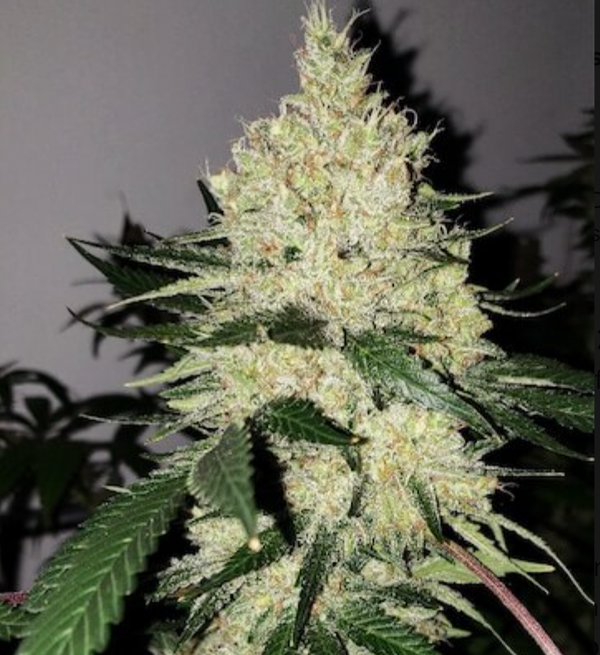
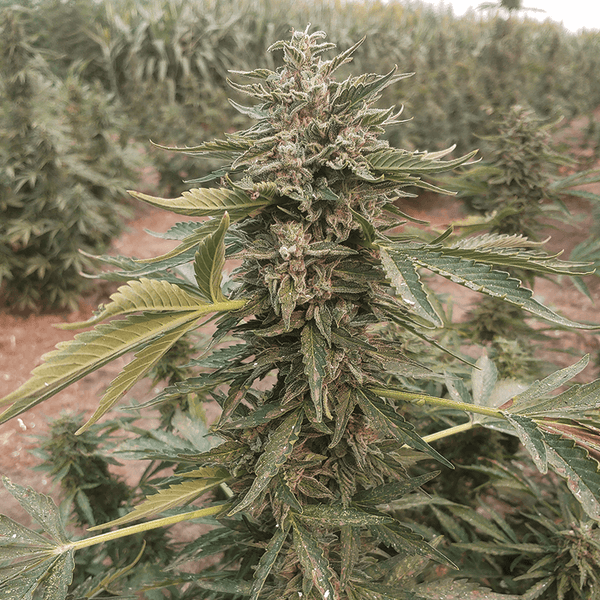
Years ago, autoflowers had a reputation for being small, low-yielding, and less potent than their photoperiod cousins. If that’s still your impression, it’s time for a second look. Modern cannabis breeding has completely transformed the game. Today’s autoflowers are robust, flavorful, and pack a serious punch, with some strains easily rivaling traditional varieties in potency and resin production. The right auto strain now offers the perfect combination of speed, simplicity, and top-shelf quality. Forget what you thought you knew; we’re here to show you how these incredible plants have evolved into a first-class choice for any cultivator.
Key Takeaways
- Autoflowers Run on Autopilot: Their key advantage is flowering based on age, not light. This simplifies the entire growing process and allows for incredibly fast harvests—often in just 8-12 weeks—making them perfect for beginners and efficient crop rotations.
- Handle with Care, Especially Early On: With a short, fixed timeline, autoflowers can't recover from early mistakes. Give them a strong start by planting in their final pot, using light soil, feeding them conservatively, and sticking to low-stress training (LST) to maximize yield without causing stunting.
- Match the Strain to Your Setup: Find the perfect autoflower by considering your specific needs. Assess your grow space for size limitations, decide on your desired effects (like high THC or CBD), and check the breeder's info for expected yield to ensure the genetics you choose will lead to a successful and rewarding harvest.
What Are Autoflowering Cannabis Strains?
If you've ever felt intimidated by managing complex light cycles, autoflowering cannabis strains might be exactly what you're looking for. Unlike traditional photoperiod strains that need specific light-to-darkness ratios to start flowering, autoflowers do it all on their own. They automatically switch from the vegetative stage to the flowering stage based on their age, not the light they receive. This unique trait makes the entire growing process much more straightforward and predictable.
This "set it and forget it" nature makes autoflower seeds a fantastic choice for both new growers learning the ropes and experienced cultivators who want a simpler, faster crop rotation. Because their life cycle is predetermined, you can plan your harvests with incredible accuracy. They are a game-changer for anyone looking to grow quality cannabis without the fuss of light management, offering a direct path from seed to harvest. This simplicity allows you to focus more on plant health and less on technical setups, which is a huge win for any grower.
The Autoflower Difference
The biggest advantage of growing autoflowers is their simplicity. You don't have to worry about switching your light schedule from 18/6 to 12/12, which is often a point of stress for growers. This single difference removes a major variable from the cultivation process. Autoflowers are also generally more compact and require less feeding than their photoperiod counterparts, making them incredibly low-maintenance. Their forgiving nature makes them an ideal starting point for anyone new to cultivation, though their pros and cons are worth considering for any setup.
How Do Autoflowers Work?
So, how does this magic happen? Autoflowering plants begin to produce buds once they reach a certain level of maturity, typically within just a few weeks of sprouting. This internal clock is a stark contrast to photoperiod plants, which can be kept in a vegetative state indefinitely as long as they receive more than 12 hours of light per day. Because their timeline is genetic, autoflowers race from seed to harvest in as little as eight to ten weeks. This rapid growth cycle allows you to achieve multiple harvests in a single season, even in climates with shorter summers.
From Ruderalis to Modern Strains
The autoflowering trait isn't new; it comes from a hardy, wild subspecies of cannabis known as Cannabis ruderalis. Native to the harsh climates of Central Asia and Siberia, ruderalis evolved to flower based on age to ensure it could reproduce before the freezing weather arrived. Early breeders saw the potential in this trait and began cross-breeding ruderalis with high-potency Indica and Sativa strains. The result was the modern autoflower, which combines the automatic flowering of ruderalis with the desirable effects and flavors of classic cannabis. The first widely available strain, 'Lowryder,' helped popularize these easy-to-grow plants, paving the way for the diverse and potent feminized seeds available today.
The Pros: Why Choose Autoflowers?
If you're looking for a straightforward path to a successful harvest, autoflowers are a fantastic choice. Their unique genetics, inherited from the hardy Cannabis ruderalis species, give them some serious advantages that appeal to both new and seasoned growers. Unlike photoperiod strains that depend on specific light cycles to start flowering, autoflowers operate on their own internal clock. This key difference makes them incredibly resilient, fast, and forgiving.
Think of them as the low-maintenance workhorses of the cannabis world. They simplify the growing process by removing some of the most complex variables, allowing you to focus on the fundamentals of plant care. Whether you’re working with limited space, a short growing season, or are just starting your cultivation journey, autoflowers offer a reliable and rewarding experience. Let’s get into the specific benefits that make these plants so popular.
Get Faster, More Frequent Harvests
One of the biggest draws of autoflowers is their impressive speed. These plants race from seed to harvest in a fraction of the time it takes for photoperiod varieties, with many strains ready in as little as seven to ten weeks. This rapid lifecycle means you aren't waiting months to see the results of your hard work. For outdoor growers, this speed allows for multiple harvests within a single season. You can plant a crop in the spring and have it ready by mid-summer, leaving plenty of time to start another. This quick turnaround makes our Autoflower Seeds collection a favorite among cultivators who value efficiency and a continuous supply.
Grow in Smaller Spaces
Don't have a sprawling garden or a massive grow tent? No problem. Autoflowers are known for their compact and discreet size, typically staying under three feet tall. This smaller stature makes them a perfect fit for growers with limited room to work with. You can easily cultivate them on a balcony, in a small closet, or tucked away in a corner of your garden. Their manageable size also means they require less training and pruning than their larger photoperiod cousins. This makes them an excellent option for anyone looking to grow high-quality cannabis without needing a large, dedicated space, especially if you're exploring indoor cannabis seeds for a stealthy setup.
Adapt to Different Climates
Autoflowers are incredibly resilient, thanks to their ruderalis heritage. These plants evolved in the harsh, short summers of Siberia and are naturally tough. They can handle temperature fluctuations and are more resistant to pests and mold than many other cannabis varieties. Their quick flowering time is also a huge advantage for growers in regions with short summers or unpredictable weather. You can get your harvest in before the first frost hits, a major concern for many who cultivate outdoor marijuana seeds. This built-in hardiness provides a valuable safety net, making your grow less stressful and more likely to succeed even when conditions aren't perfect.
Perfect for First-Time Growers
If you're new to growing, autoflowers are your best friend. The single biggest reason is that they flower automatically—it's right there in the name. You don't have to worry about switching your light schedule from 18/6 to 12/12 to trigger the flowering stage, which is one of the most common hurdles for beginners. This removes a huge layer of complexity and potential for error. Autoflowers simply do their thing on their own schedule, letting you learn the basics of watering, feeding, and plant care without the added pressure of managing light cycles. Their forgiving nature and predictable growth make them an ideal starting point for anyone looking to shop all seeds and begin their cultivation journey with confidence.
The Cons: Overcoming Common Challenges
While autoflowers offer some incredible advantages, it’s smart to go in with a clear understanding of their unique challenges. Think of these less as drawbacks and more as opportunities to refine your growing skills. With a little planning, you can easily work around these quirks and still pull off an amazing harvest.
Managing Your Yield
Let’s be direct: autoflowers typically produce smaller yields than their photoperiod cousins. Their compact size and rapid life cycle mean they simply don't have the time or structure to develop as many bud sites. But this doesn't have to be a dealbreaker. You can offset a smaller per-plant harvest by planning for multiple, successive grows throughout the season. Many growers find that the speed and simplicity are a worthy trade-off. You can also select modern autoflower seeds that have been specifically bred for more impressive yields, giving you the best of both worlds.
Getting the Light Cycle Right
The automatic flowering of these plants is their defining feature, but it also means you have less control. Unlike photoperiod strains, you can't extend the vegetative stage with light to make the plant bigger before it starts to flower. An autoflower runs on its own internal clock, usually beginning to flower after just two to four weeks. This means the first few weeks are critical. Any stunting from stress or poor conditions early on will directly impact your final yield, as the plant has no extra time to recover. Your main goal is to provide a stable, stress-free environment from the moment the seed sprouts.
Handling Nutrient Sensitivity
One of the most common mistakes growers make with autoflowers is overfeeding them. Because they are smaller and have a shorter lifespan, they require significantly fewer nutrients than larger photoperiod plants. They are particularly sensitive to nitrogen toxicity. A good rule of thumb is to start with a quarter to half of the recommended nutrient dosage and watch your plant closely for its reaction. It’s always easier to add more nutrients later than it is to fix nutrient burn. Using a light, airy soil mix will also help prevent nutrient buildup around the roots.
Working with Training Limitations
If you love to train and shape your plants, you’ll need to adjust your approach for autoflowers. High-stress training (HST) techniques like topping or FIMing are generally not recommended. The plant simply doesn’t have enough vegetative time to recover from the stress, which can severely stunt its growth and hurt your yield. Instead, focus on low-stress training (LST). Gently bending and tying down the main stem and side branches can open up the canopy to more light without shocking the plant. This gentle guidance works with the plant’s natural timeline, helping you maximize light exposure for all your potential bud sites.
What Your Autoflowers Need to Thrive
While autoflowers are famously resilient, giving them the right conditions from the start is the secret to a truly impressive harvest. Think of it as setting the stage for success. Unlike photoperiod plants that you can nurse back to health over a long vegetative period, autoflowers are on a tight schedule. Their entire life cycle is a sprint, so there’s very little time to correct mistakes. Any stress from poor conditions can permanently stunt their growth and reduce your final yield. Getting the environment, soil, and watering schedule right from day one ensures your plants can focus all their energy on growing strong and producing dense, resinous buds.
The good news is that creating the perfect setup isn’t complicated. It’s about understanding their unique needs and providing a stable, supportive environment where they can flourish. From the pot you choose to the air they breathe, every element plays a part. We’ll walk through the four pillars of a thriving autoflower garden: the overall environment, the soil and container, your watering and feeding strategy, and the ideal climate. Master these, and you’ll be well on your way to getting the most out of your autoflower seeds.
Create the Perfect Environment
The biggest difference with autoflowers is that they don’t rely on light cycles to begin flowering. They operate on an internal clock, automatically switching from vegetative growth to producing buds once they reach a certain age. This means you don’t have to worry about switching your light schedule from 18/6 to 12/12. For many growers, this simplifies the process immensely. You can keep your lights on a consistent 18/6 or 20/4 schedule from seed to harvest. The trade-off is that this fixed timeline gives you a shorter window to work with, so creating a stable, stress-free environment from the beginning is absolutely essential for a healthy plant.
Choose the Right Soil and Pots
Autoflowers do best in a light, airy soil mix that allows their roots to grow freely without becoming waterlogged. A heavy, nutrient-dense soil can overwhelm their sensitive root systems. A great DIY mix is 3 parts peat moss, 3 parts compost, 2 parts perlite, and 1 part vermiculite. This combination provides excellent drainage and aeration. When it comes to pots, it’s best to plant your germinated seed directly into its final container. Transplanting can shock autoflowers and stunt their growth, and with their short lifespan, they don’t have time to recover. A 3- to 5-gallon fabric pot is usually a perfect size.
Master Watering and pH Levels
Overwatering is one of the most common mistakes growers make with autoflowers. Their root systems are smaller and more sensitive, so they need less water than you might think. A good rule of thumb is to water only when the soil is completely dry. You can check this by lifting the pot to feel its weight or by sticking your finger an inch or two into the soil. Similarly, autoflowers are light feeders. They require fewer nutrients than photoperiod plants, so follow a lighter feeding schedule, often starting with just a quarter or half of the recommended dose and adjusting as needed.
Control Temperature and Humidity
Maintaining a consistent climate is key, especially if you’re growing indoors. Aim for a steady temperature between 70–80°F (21–27°C) throughout the plant's life. Humidity needs will change slightly as your plant matures. During the vegetative stage, keep humidity around 50–60% to encourage lush growth. Once your plant starts flowering, you’ll want to lower the humidity to about 40%. This reduction is crucial for preventing mold and mildew from forming on your developing buds. Dialing in these conditions is easiest with an indoor setup, where you have full control over your grow space for your indoor cannabis seeds.
Growing Autoflowers: Indoors vs. Outdoors
One of the best things about autoflowers is their versatility. They can thrive just about anywhere, whether you have a dedicated indoor grow tent or a sunny spot on your balcony. The choice between growing indoors or outdoors really comes down to your space, budget, and goals. An indoor setup gives you total control over every variable, from light schedules to humidity, protecting your crop from pests and unpredictable weather. This is ideal for growers who want to fine-tune every detail for maximum consistency and quality. On the other hand, an outdoor grow harnesses the power of the sun for a more natural, low-cost approach that many cultivators love. It’s a great way to get fantastic results without investing in a lot of equipment. Both methods can produce amazing flower, so it’s less about which one is "better" and more about which one is right for you. Let’s walk through what you need to know to succeed with either one, so you can feel confident setting up your grow and watching your plants flourish.
Your Indoor Grow Setup
Growing indoors is like creating a perfect, private paradise for your plants. You control the light, temperature, and humidity, which is a huge advantage. For lighting, autoflowers are incredibly flexible. You can run your lights for 18 to 24 hours a day. Many growers find an 18-hour-on, 6-hour-off cycle is the sweet spot, as it gives plants plenty of light to flourish while saving a bit on your electricity bill. Because you manage the entire environment, it’s easier to spot and handle any issues before they become big problems. If you’re looking for strains that perform exceptionally well in a controlled environment, check out some quality indoor cannabis seeds.
Tips for Outdoor Success
If you want to let nature do most of the work, an outdoor grow is a fantastic option. The sun provides a full spectrum of light that’s hard to replicate indoors, and you’ll save money on equipment and electricity. As long as you’re past the last frost, you can plant autoflower seeds outside from spring through late summer. A great strategy is to stagger your planting, putting new seeds in the ground every few weeks. This creates a perpetual harvest, giving you a steady supply of fresh flower throughout the season. Just be sure to choose a spot that gets plenty of direct sunlight. Exploring some resilient outdoor marijuana seeds is a great place to start.
Manage Your Grow Space
Worried you don’t have enough room to grow? That’s where autoflowers truly shine. These plants typically stay compact, usually growing between two and three and a half feet tall. Their smaller stature makes them perfect for discreet cultivation in small spaces like a closet, a balcony, or a small grow tent. Don’t let their size fool you, though. Modern autoflower seeds have come a long way from their early days. Today’s genetics produce impressive yields with strong plant structures, dense, resin-coated flowers, and incredible aromas. You get all the benefits of a manageable plant without sacrificing the quality of your final harvest.
Dial In Your Climate
Whether you’re growing inside or out, giving your autoflowers the right climate will help them reach their full potential. They are hardy plants, but they’ll perform best with stable conditions. Aim for a comfortable temperature of around 70°F (21°C). Humidity is also key. During the vegetative stage, keep humidity between 50% and 60% to support lush growth. Once your plants start flowering, you’ll want to lower that to around 40% to help prevent mold and encourage dense bud development. Keeping an eye on these two factors is one of the easiest ways to ensure your plants stay healthy and productive from seed to harvest.
How to Get the Best Results from Your Autoflowers
While autoflowers are famous for their simplicity, a little extra attention can make a huge difference in your final harvest. Think of it less like a strict set of rules and more like a handful of best practices that help your plants reach their full genetic potential. By fine-tuning your approach to training, feeding, lighting, and harvesting, you can consistently produce impressive yields of high-quality buds. These techniques are easy to learn and apply, whether you're growing your first plant or your fiftieth.
Getting these four areas right is the key to moving from a good harvest to a great one. It’s about working with the plant's natural tendencies, not against them. For example, since autoflowers have a limited lifespan, every day counts. Providing the right conditions from the start ensures they spend their energy on what matters most: developing dense, resinous flowers. Ready to get the most out of your autoflower seeds? Let’s walk through the simple steps that will help your plants thrive.
Use Smart Training Techniques
Because autoflowers have a short vegetative period, they don't have much time to recover from stress. That's why high-stress training (HST) methods like topping or FIMing are generally not recommended. Instead, focus on Low-Stress Training (LST). This technique involves gently bending and tying down the main stem and side branches to create a flat, even canopy. Doing this allows light to penetrate deeper into the plant, encouraging lower branches to grow upwards and develop their own colas. The result is more bud sites, better light exposure for all of them, and a bigger overall yield without stressing your plant.
Create a Simple Feeding Schedule
One of the most common mistakes growers make with autoflowers is overfeeding them. These plants are typically smaller and more sensitive to nutrients than their photoperiod counterparts. A good rule of thumb is to start with a quarter to a half of the nutrient dosage recommended for photoperiod cannabis. Use a nutrient-rich, airy soil mix to give them a strong start, and only begin adding liquid nutrients after the first couple of weeks. Always watch your plants for signs of nutrient burn (like yellow or brown leaf tips) and adjust your feeding schedule accordingly. With autoflowers, less is almost always more.
Optimize Your Lighting
Unlike photoperiod plants, autoflowers will begin to flower automatically without a change in the light cycle. However, they still need plenty of light to fuel their rapid growth. The most common and effective light schedule for autoflowers is 18 hours of light followed by 6 hours of darkness (18/6). Some growers prefer a 20/4 schedule to give their plants an extra light. Both options provide ample energy for photosynthesis while also giving the plants a short rest period. While a 24-hour light cycle is possible, it can be stressful for some strains and is generally best avoided unless you're a more experienced grower working with specific indoor cannabis seeds.
Know When to Harvest
Harvesting at the perfect moment is crucial for maximizing the potency and flavor of your buds. While breeders provide an estimated seed-to-harvest timeline, the best way to know when your plant is ready is by inspecting the trichomes. These are the tiny, crystal-like resin glands that cover the flowers. Using a jeweler's loupe or a small microscope, look at their color. Clear trichomes mean the plant isn't ready. For peak potency and the strongest effects from your THCA seeds, harvest when about 50-70% of the trichomes have turned a milky or cloudy white. If you wait until more trichomes turn amber, the effect will become more relaxing and sedative.
Explore Popular Autoflower Varieties
Once you decide to grow autoflowers, the next exciting step is choosing your strain. The world of autoflowering cannabis is incredibly diverse, with options tailored to just about every preference. Whether you’re looking for high-potency flowers, therapeutic CBD, or something in between, there’s a strain for you. The key is to match the plant’s characteristics with your personal goals and growing environment. Let’s look at some popular varieties to help you find the perfect fit for your garden.
High-THC Options
If a powerful psychoactive experience is what you’re after, high-THC autoflowers deliver. These strains are bred for maximum potency and often produce dense, resin-covered buds. A classic example is GG Autoflowering, which can reach THC levels of 20-24%. It moves from seed to harvest in about nine weeks, offering a strong head high that melts into full-body relaxation. Another popular choice is Zkittlez Autoflowering, known for its deeply relaxing effects that are perfect for unwinding. You can find a wide variety of potent autoflower seeds designed to produce impressive cannabinoid profiles in a short time.
CBD-Rich Strains
For growers more interested in the therapeutic potential of cannabis without an intense high, CBD-rich strains are an excellent choice. These varieties are cultivated to have high levels of cannabidiol (CBD) and minimal THC. A great example is Stress Killer Autoflowering CBD, which features a balanced profile with 11% THC and high CBD levels. This creates a gentle, clear-headed effect suitable for daytime use. It grows a bit taller and takes around 11 weeks to mature, but the result is a functional, calming flower. Exploring CBD seeds can open up a new world of wellness-focused cultivation right in your own home.
Balanced THC:CBD Varieties
Some of the most sought-after strains offer a well-rounded experience, blending enjoyable effects with manageable potency. Wedding Cake Automatic is a perfect example of a strain that provides a balanced feeling. While it has high THC and low CBD, its effects are what make it feel so harmonious—it starts with a happy, uplifting sensation that gently transitions into warm body relaxation. Plus, it’s a robust plant that’s ready for harvest in about nine weeks. These types of balanced strains are ideal for users who want a pleasant, multi-layered experience complemented by rich flavors and aromas.
Industrial Hemp Autoflowers
Beyond personal cultivation, autoflowers are making a significant impact in large-scale agriculture, particularly with industrial hemp. These autoflowering varieties are bred for compliance, containing less than 0.3% THC, and are optimized for producing fiber, grain, or CBD biomass. The autoflowering trait is a game-changer for farmers because it ensures a predictable, uniform harvest schedule that isn't dependent on seasonal light changes. This allows for multiple crop cycles in a single year. When you shop for industrial hemp seeds, you’ll find genetics engineered for specific commercial outcomes, reflecting a new frontier in efficient and sustainable farming.
Where to Find Quality Autoflower Seeds
The quality of your harvest starts with the quality of your seeds. Sourcing your autoflowers from a reputable seed bank is one of the most important steps you can take to ensure a successful grow. A good supplier provides stable, reliable genetics, so you know exactly what to expect from your plants. When you’re ready to buy, you’ll find plenty of options out there. Here are some of the most trusted names in the game, known for their excellent autoflower selections and commitment to quality.
Trilogene Seeds
If you're looking for proven genetics from a US-based seed bank, Trilogene Seeds is a fantastic place to start. They offer a solid lineup of autoflower seeds designed for reliability and quality. Their Auto Alpha CBD strain, for example, is known for its impressive yields and top-notch results. Customers consistently mention the fast shipping and secure packaging, which means your seeds arrive safely and ready for planting. When you’re investing time and energy into a grow, starting with a dependable source like Trilogene gives you peace of mind from day one.
Dutch Passion
A true veteran in the cannabis world, Dutch Passion has been a go-to source for growers for decades. They have a stellar reputation and an extensive catalog of autoflowering seeds, including several award-winning varieties. Based in the Netherlands, they were one of the first companies to pioneer feminized seeds and have applied that same expertise to their autoflower lines. If you value experience and a long track record of producing high-quality genetics, Dutch Passion is a name you can trust to deliver consistent and powerful results for your garden.
Sweet Seeds
For growers who prioritize flavor and aroma, Sweet Seeds is a top contender. This Spanish seed bank is celebrated for its innovative breeding projects that focus on creating unique and delicious terpene profiles. Their autoflower collection is packed with strains that are not only fast and potent but also bursting with distinct tastes, from fruity and sweet to earthy and spicy. They’ve won numerous awards for their genetics, making them a popular choice for cultivators who want their final product to be as flavorful as it is effective.
Fast Buds
As their name suggests, Fast Buds specializes in one thing: top-tier autoflowering cannabis. This focus has allowed them to become experts in producing some of the quickest and most potent autoflowers on the market. Based in the US and Spain, they are known for developing resilient strains with high THC content that are relatively easy to cultivate, making them a favorite among both new and experienced growers. If your main goals are speed and strength, exploring the Fast Buds catalog is a great move.
Royal Queen Seeds
Royal Queen Seeds is another European powerhouse with a massive selection of high-quality cannabis seeds, including a robust autoflower lineup. They are highly regarded for their commitment to quality control and excellent customer service. What sets them apart is their wealth of educational content; their website is full of detailed growing guides that can help you through every stage of cultivation. This makes them an excellent choice for beginners who want both premium seeds and a reliable resource to support their growing journey.
Mephisto Genetics
If you're looking for something truly special, Mephisto Genetics is a must-see. They are a small team of dedicated breeders who operate more like a craft brewery than a large-scale seed bank. Mephisto focuses exclusively on creating unique and exceptional autoflower strains from scratch. They don’t just resell seeds; they breed their own distinctive lines, and the quality shows. Their seeds are highly sought after by connoisseurs for their incredible flavors, potent effects, and stable genetics, making them perfect for the grower who wants to cultivate something extraordinary.
How to Choose the Right Autoflower Strain for You
Picking the perfect autoflower strain is all about matching the plant's characteristics to your specific goals and setup. With so many incredible options available, it can feel a little overwhelming at first. But don't worry—breaking it down into a few key questions makes the process simple and fun. Think about your grow space, what you hope to harvest, and the kind of effects you're looking for. Answering these questions will help you narrow down the choices and find the ideal strain to ensure a successful and rewarding grow.
Assess Your Growing Environment
First, take a look at where you plan to grow. Are you working with a compact tent, a closet, or a sunny balcony? Autoflowers are fantastic for smaller spaces because they typically stay quite short, often between two and three feet tall. This compact size makes them a great fit for discreet or limited setups. Before you buy your seeds, measure your available height and width. This will help you choose a strain that won’t outgrow its home, ensuring your plants have enough room to flourish without getting cramped.
Define Your Desired Yield
It’s important to have realistic expectations for your harvest. A single autoflower plant can yield anywhere from one to four ounces of dried flower, but this depends heavily on the strain’s genetics and your growing conditions. Some autoflowers are bred specifically for bigger yields than others. When browsing different autoflower seeds, check the breeder’s description for estimated yield information. If a massive harvest is your top priority, look for strains labeled as "high-yielding" or "XL" to get the most out of your efforts.
Decide on Potency and Effects
What kind of experience are you after? Modern autoflowers are incredibly diverse, offering a wide range of potencies and effects. Some strains now pack a serious punch with THC levels exceeding 25%. If you’re looking for a powerful psychoactive experience, our THCA seeds collection is a great place to start. On the other hand, if you prefer the therapeutic benefits of cannabis without the intense high, you might lean toward a strain rich in cannabidiol. We offer a fantastic selection of CBD seeds perfect for wellness-focused growers.
Consider Your Timeline
One of the biggest perks of growing autoflowers is their speed. Most strains go from seed to harvest in just 8 to 12 weeks. This rapid turnaround is perfect if you’re eager to see results or want to fit multiple harvests into a single year. Think about your personal schedule and when you’d like to be harvesting. If you live in a region with a short outdoor growing season, a fast-finishing autoflower can be a game-changer. This quick lifecycle makes planning your grow simple and predictable.
Look for Stable Genetics
Finally, always prioritize quality. The best way to ensure a great outcome is to start with stable, proven genetics from a reputable breeder. Stable genetics mean you can count on consistent results—plants that grow as expected, deliver on their promised potency, and express reliable flavors and aromas. Choosing a proven strain with a strong track record removes a lot of guesswork. It’s the foundation of a successful grow, giving you the confidence that your time and effort will pay off with beautiful, high-quality buds.
Related Articles
- Autoflower Seeds for Beginners: Grow Fast & Easy
- Autoflower Seed 101: A Complete Beginner's Guide
- Autoflowers Seeds: Your Complete Grower's Guide
- Auto Flower Marijuana Seeds 101: The Ultimate Guide
- Best Autoflower Seeds: A Buyer's Guide for 2025
Frequently Asked Questions
What's the best light cycle for autoflowers? I've heard everything from 18 to 24 hours. While you can technically run your lights 24 hours a day, most experienced growers find the sweet spot is an 18/6 schedule, meaning 18 hours of light and 6 hours of darkness. This gives your plants plenty of light to fuel their rapid growth while also providing a crucial rest period. This short break allows the plant to process nutrients and strengthen its root system, which often leads to healthier, more robust growth. A 20/4 cycle is also a great option, but the 18/6 schedule is a reliable standard that balances great results with energy efficiency.
Since autoflowers are smaller, how can I get the biggest possible yield from a single plant? Maximizing your yield comes down to giving your plant a perfect, stress-free start. Since autoflowers have a short life, the first two to three weeks are critical. Use a light, airy soil mix and plant your seed directly into its final, larger pot to avoid the shock of transplanting. Also, focus on low-stress training (LST) by gently bending branches to expose more bud sites to the light. This simple technique can significantly increase your final harvest without stunting the plant's growth.
I'm worried about stunting my plant. What are the most common mistakes that cause this? The two biggest culprits for stunting an autoflower are overwatering and overfeeding. Their root systems are more sensitive than photoperiod plants, so it's easy to give them too much of a good thing. Always let the soil dry out completely between waterings and start with a light nutrient schedule, about a quarter to half of the recommended dose. The other common mistake is high-stress training, like topping the plant. Stick to gentle, low-stress methods to avoid shocking the plant during its short vegetative stage.
Are autoflowers really as potent as traditional photoperiod strains? Absolutely. While early autoflowers had a reputation for lower potency, modern genetics have completely changed the game. Breeders have spent years cross-breeding hardy ruderalis with elite, high-THC photoperiod strains. Today, you can easily find autoflower varieties that consistently produce THC levels well over 20%, rivaling some of the most powerful photoperiod plants on the market. The speed and simplicity of autoflowers no longer come with a sacrifice in quality or potency.
How exactly do I set up a perpetual harvest with autoflowers? A perpetual harvest is a fantastic way to keep a steady supply, and it's surprisingly simple with autoflowers. The key is to stagger your planting schedule. Start by germinating one or two seeds. Then, about three to four weeks later, start another one or two. By the time your first plants are ready for harvest, your second set will be well into their flowering stage. You can continue this cycle, planting new seeds every few weeks, to create a continuous rotation of plants at different stages of growth.