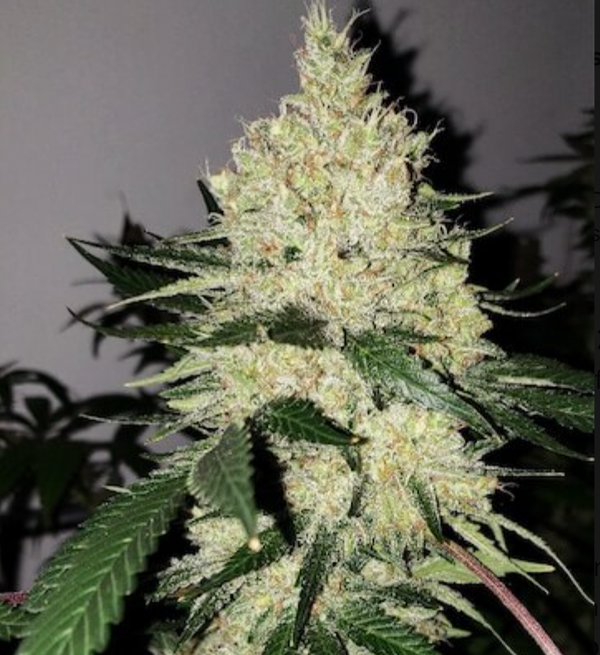
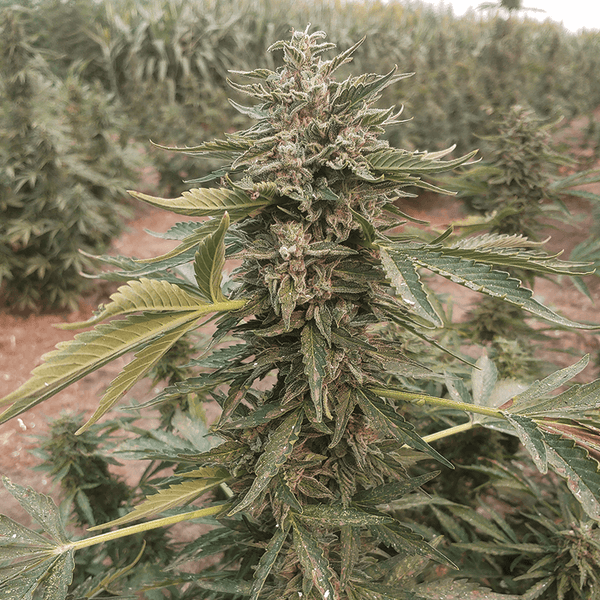
Your first harvest is an incredible feeling, but what about the harvests that follow? Your long-term growing style often comes down to the choice between autoflower vs feminized seeds, and the key difference is cloning. If you dream of finding that one perfect plant and replicating it for years of consistent results, feminized photoperiod seeds are your ticket. They allow you to create genetically identical copies. Autoflowers, with their fixed lifespan, can't be cloned. This makes them ideal for growers who love the variety of starting from seed and want the fastest possible path to harvest.
Key Takeaways
- Understand the Terminology: Autoflower seeds flower based on age, not light, while feminized seeds are guaranteed to be female. These aren't mutually exclusive; many modern seeds are both, giving you fast-growing, bud-producing plants.
- Choose Based on Your Priorities: Pick autoflowers if your goal is a fast, simple grow in a small space. Go with feminized seeds if you want to maximize yield and have full control over the plant's growth cycle, even if it takes longer.
- Think Beyond One Harvest: Feminized seeds are your only option for cloning and preserving your favorite genetics for future grows. Autoflowers, with their rapid life cycle, are better suited for achieving multiple, varied harvests throughout the year.
Autoflower vs. Feminized Seeds: What's the Real Difference?
When you start shopping for cannabis seeds, you’ll immediately run into two key terms: autoflower and feminized. It’s easy to think you have to choose one or the other, but they actually describe two different things about the seed. "Autoflower" tells you how the plant will flower, while "feminized" tells you its likely sex. Understanding this distinction is the first step to picking the perfect seeds for your setup.
Many modern seeds are actually both feminized and autoflowering, giving you the best of both worlds: a plant that flowers automatically and is guaranteed to be female. Think of it this way: one term describes the plant's internal clock, and the other describes its gender. Let's break down what each one means for you and your garden.
What Exactly Is an Autoflower Seed?
An autoflower seed grows into a plant that doesn't rely on a change in the light cycle to start producing buds. Instead, it flowers automatically once it reaches a certain age. This unique trait comes from a hardy cannabis subspecies called Cannabis ruderalis, which evolved to grow and reproduce quickly in the short summers of its native regions.
This means you get a much faster turnaround from seed to harvest, often in as little as 10 weeks. For growers looking for a quick cycle or hoping to fit in multiple harvests per season, autoflower seeds are an incredible option. They are generally smaller and more compact, making them ideal for growers with limited space.
And What Does "Feminized" Mean for Your Grow?
Feminized seeds are exactly what they sound like: they are genetically selected to grow into female plants nearly 100% of the time. Why does this matter? Because only female cannabis plants produce the cannabinoid-rich flowers, or buds, that most growers are after. A male plant not only fails to produce buds but can also pollinate your female plants, causing them to produce seeds and significantly reducing the quality and quantity of your harvest.
Using feminized seeds takes all the guesswork out of the equation. You won’t have to waste time, nutrients, and space on male plants that you’ll eventually have to identify and remove. It’s the most straightforward way to guarantee a garden full of bud-producing plants.
How Are Feminized Seeds Created?
The process behind creating feminized seeds is a fascinating bit of plant science. Breeders essentially encourage a female cannabis plant to produce pollen, which is something only male plants typically do. This is achieved by introducing a specific type of stress to a healthy female plant, most commonly by spraying it with a solution like colloidal silver. This stress triggers the plant to develop pollen sacs. Because this pollen comes from a female plant, it only contains female genetics. When this special pollen is used to fertilize another female plant, the resulting feminized seeds are guaranteed to be female. This innovation saves growers the hassle of identifying and removing male plants, ensuring every plant in the garden contributes to the final harvest.
How Genetics Dictate Their Growth
The core genetic difference lies in what each term describes. "Feminized" refers to the chromosomes—these seeds are bred to lack the male Y chromosome, ensuring they develop as females. It’s a specific breeding technique that gives you control over the sex of your plants.
"Autoflower," on the other hand, refers to a specific genetic trait that dictates the plant's flowering behavior. This trait is recessive, meaning breeders have to carefully cross-breed plants to create stable autoflowering varieties. You can have regular (non-feminized) autoflower seeds, but most growers prefer feminized autoflowers to get that fast, guaranteed harvest. This combination offers a simple and efficient growing experience, which is why you'll find so many options when you shop all seeds.
What About Other Seed Types?
Beyond the mechanics of flowering and sex, cannabis seeds are also categorized by their genetic purpose. While most growers focus on feminized seeds for their guaranteed flower production, other types serve entirely different goals. Regular seeds are the foundation of all breeding projects, offering the genetic diversity needed to create new strains. On the other hand, high-CBD seeds are cultivated specifically for their therapeutic potential, providing wellness benefits without a strong psychoactive high. Understanding these options helps you look beyond just the next harvest and choose seeds that align with your long-term vision, whether that's creating unique hybrids or growing your own supply of calming, clear-headed cannabis.
Regular Seeds: The Traditional Choice for Breeders
If you've ever dreamed of creating your own unique cannabis strains, regular seeds are your starting point. Unlike their feminized counterparts, regular seeds have a natural 50/50 chance of growing into either male or female plants. This genetic lottery is essential for breeding, as you need pollen from male plants to fertilize females and produce new seeds. The main challenge is that you must be vigilant. Around the fifth week of growth, you’ll need to carefully inspect your garden to identify and remove the males before they release pollen. If you miss them, they’ll pollinate your females, resulting in a crop full of seeds instead of the potent, resinous flowers you were hoping for. For breeders, this is the objective, but for most growers, it’s a risk that requires close attention.
High-CBD Seeds: For Wellness-Focused Cultivation
For many people, the goal of cultivation isn't a powerful high but rather the therapeutic and calming effects of the cannabis plant. This is where high-CBD seeds shine. These strains are specifically bred to produce flowers rich in cannabidiol (CBD), a non-intoxicating compound celebrated for its wellness benefits. The result is a clear-headed, relaxing experience without the intense psychoactive effects associated with high-THC varieties. Some strains contain almost no THC, while others offer a balanced 1:1 ratio of CBD to THC. This makes CBD-rich strains a fantastic choice for daytime use or for anyone looking to enjoy the plant's benefits without disrupting their daily routine.
Growing Autoflowers vs. Feminized Seeds: Key Differences
Choosing between autoflower and feminized seeds comes down to understanding how each type interacts with its environment. Their fundamental differences in genetics lead to very distinct requirements for light, time, and space. While one isn't inherently better than the other, one will likely be a better fit for your specific setup, schedule, and experience level. Getting a handle on these needs is the first step to planning a successful grow and ensuring you pick the right seed for the job. Let's break down the three biggest factors that will shape your cultivation journey.
Do They Need Different Light Schedules?
The most significant difference between these two seed types is how they approach flowering. Think of autoflowers as having a built-in, automatic timer. Thanks to their Ruderalis genetics, they will switch from vegetative growth to flowering on their own after just a few weeks, typically regardless of the light schedule. This makes them incredibly straightforward, especially for new growers.
On the other hand, feminized seeds (which are photoperiod) depend on you to tell them when to flower. You control their life cycle by changing the light schedule. To trigger the flowering stage indoors, you'll need to switch your lights to a 12-hour on, 12-hour off cycle. This mimics the changing seasons and gives you complete control over how long your plant stays in the vegetative phase.
How Fast Will They Grow? A Timeline Comparison
If speed is what you’re after, autoflowers are the clear winner. Many autoflower seeds can go from seedling to a harvest-ready plant in as little as 8 to 10 weeks. This rapid life cycle means you can potentially fit multiple harvests into a single outdoor season or maintain a continuous cycle indoors. It’s perfect for growers who want a quick turnaround and a steady supply.
Feminized seeds require a bit more patience. Because you decide when to initiate flowering, their total timeline is longer and more flexible. You can allow them to vegetate for an extended period to grow a much larger plant before flipping the lights. While this means a longer wait for a single harvest, that harvest is often significantly bigger than what an autoflower can produce.
Prepping Your Grow Space for Each Seed Type
Your available space can heavily influence your seed choice. Autoflowers tend to stay small and compact, rarely exceeding a few feet in height. Their bushy stature makes them ideal for growers with limited room, such as a small grow tent, a closet, or even a discreet balcony garden. Their manageable size means you can often fit more plants into a smaller footprint.
Feminized plants have the genetic potential to grow much larger, especially when given a long vegetative period. They can become tall and wide, requiring more vertical and horizontal space to thrive. This makes them a great choice for growers with ample room, both indoors and out. To manage their size, you'll often use training techniques like topping and pruning, which are essential skills when cultivating indoor cannabis seeds.
Autoflower vs. Feminized: Which One Is Right for You?
Choosing between autoflower and feminized seeds really comes down to what you value most in your grow: speed and simplicity, or control and long-term potential. Both can lead to an amazing harvest, but they take different paths to get there. Understanding the specific advantages and disadvantages of each will help you pick the perfect seed for your setup, goals, and growing style. It’s not about one being definitively "better" than the other; it's about which one is better for you.
For some growers, the goal is a quick turnaround and a perpetual harvest cycle, making the rapid growth of autoflowers a perfect fit. For others, the priority is finding that one-in-a-million plant with the perfect combination of flavor, potency, and growth structure, and then preserving those genetics for years to come—a job tailor-made for feminized seeds. This section will help you weigh these trade-offs. We’ll look at the practical benefits of each seed type, from their light requirements and harvest timelines to their potential for cloning. We'll also compare the overall cost and value to help you decide which option makes the most sense for your budget and your ambitions as a grower. Let's break down what each type brings to the table so you can make a confident choice.
Why You Might Choose Autoflower Seeds
The biggest draw for autoflower seeds is their incredible speed. These plants race from seed to harvest in as little as 9 to 12 weeks. They do this because their flowering is based on age, not light cycles. You can keep your lights on for 18-24 hours a day for their entire life without ever needing to make an adjustment. This simplicity makes them a fantastic option for beginners who don't want to manage complex lighting schedules. The downside? That constant light can lead to higher electricity bills. You also can't take clones from autoflowers, so you'll need to purchase new seeds for every grow cycle.
Their Resilience and Forgiving Nature
Beyond their speed, autoflowers are known for being incredibly tough. This hardiness comes from their ruderalis lineage, which evolved to survive in harsh, unpredictable climates with short growing seasons. This genetic background makes many autoflower seeds more resilient to environmental stress compared to photoperiod strains. For new growers still learning the ropes, this forgiving nature is a huge advantage. A minor mistake in feeding or a slight temperature swing that might stunt a more sensitive plant is something an autoflower can often power through, making the entire process less stressful and more rewarding for beginners.
The Advantages of Feminized Seeds
With feminized seeds, the name says it all: they are genetically selected to grow into female plants nearly 100% of the time. This is a huge advantage because female plants produce the cannabinoid-rich buds you're after. You won't have to waste time, space, or nutrients on unwanted male plants that could pollinate and ruin your crop. The best part for many growers is the ability to take cuttings. If you find a plant with genetics you absolutely love, you can create identical cannabis clones to grow again and again, preserving those traits for future harvests without ever buying another seed.
Cost vs. Value: Which Seed Is the Better Investment?
When you look at the numbers, the better investment depends on your timeline. Autoflowers can have higher running costs due to longer light hours and the recurring expense of buying seeds for each new crop. Feminized seeds offer more long-term value, as the ability to clone your best plants can save you a significant amount of money over time. However, don't forget to consider yield. While a single feminized plant often produces a larger harvest, you can complete multiple autoflower harvests in the time it takes to finish one feminized cycle. Over a year, your total yield could be quite similar, making the choice more about your personal workflow and priorities.
Solving Common Problems with Each Seed Type
Every grower, no matter how experienced, runs into a few bumps along the road. The key isn’t to avoid challenges entirely—it’s to know what to look for and how to respond when they pop up. Both autoflower and feminized seeds come with their own unique quirks. Understanding these ahead of time will help you anticipate issues and keep your plants healthy and productive from seedling to harvest.
Think of this as your cheat sheet for managing the most common hurdles. Whether you’re dealing with a sensitive autoflower or trying to prevent stress in your feminized plants, a little preparation goes a long way. With the right approach, you can handle these limitations and fine-tune your process for a successful grow.
Tips for Working Around Autoflower Challenges
One of the best things about autoflower seeds is that they operate on their own schedule, flowering automatically after a few weeks. This is great for beginners, but it also means their lifecycle is set in stone. If you make a mistake early on—like overwatering or providing the wrong nutrients—you can’t just extend the vegetative stage to help the plant recover. The clock is always ticking.
Because of this fixed timeline, autoflowers can be less forgiving of errors. The best way to handle this is to be extra diligent during the first few weeks. Start with a quality soil mix, be careful not to overfeed your seedlings, and ensure they have a stable environment. Getting things right from the start is crucial for helping your autoflowers reach their full potential.
Managing the Risks of a Short Lifespan
The incredible speed of autoflowers is their main selling point, but it's also their biggest risk. With photoperiod plants, you can extend the vegetative stage to fix mistakes, but an autoflower's internal clock is always ticking. If your seedling experiences stress from overwatering, nutrient burn, or an unstable environment in those first few critical weeks, it simply doesn't have time to bounce back. The plant will switch to flowering on its predetermined schedule, no matter its size or health. This means a stunted seedling almost always leads to a small, underdeveloped plant with a disappointing yield. The key to success with your autoflower seeds is to be extremely diligent from day one. Get your environment dialed in, use a light and airy soil mix, and be gentle with water and nutrients to give your plant the strongest possible start.
How to Troubleshoot Common Feminized Seed Issues
The biggest advantage of using feminized seeds is knowing you’ll get bud-producing female plants. However, even these reliable seeds can have a hiccup. Under significant stress, a feminized plant can become a "hermaphrodite," developing both male and female flowers. If the male pollen sacs open, they can pollinate your crop, resulting in seedy buds instead of high-quality sinsemilla.
To avoid this, focus on creating a stable, low-stress environment. This means no drastic temperature swings, no interruptions to their dark cycle during flowering, and gentle handling. Light leaks are a common culprit, so make sure your grow space is completely dark when the lights are off. By keeping your plants happy and stress-free, you can prevent them from going hermaphrodite and protect your harvest.
Simple Mistakes to Avoid with Any Seed
Regardless of which seed type you choose, mastering the fundamentals is the best way to prevent problems. Your plants depend on a consistent environment, and any major fluctuations can cause issues. Pay close attention to your light schedule, especially with photoperiod-sensitive feminized plants that need a strict 12 hours of darkness to flower properly.
Temperature and humidity are just as important. Keep them within the ideal range for each growth stage to avoid stressing your plants. When it comes to feeding, remember that less is often more. It’s much easier to fix an underfed plant than an overfed one suffering from nutrient burn. By dialing in these core elements, you’ll build a strong foundation for any of the premium cannabis genetics you choose to grow.
Harvest Time: How Do They Compare?
After weeks of careful cultivation, harvest is where your hard work pays off. But the results you see will differ quite a bit depending on whether you grew autoflower or feminized seeds. From the size of your haul to its potency and flavor, understanding these differences helps you set the right expectations and choose the best seed for your goals. Let’s break down what you can anticipate when it’s time to trim.
Yield Potential: Quantity vs. Quality
If your main goal is a massive harvest, feminized seeds are usually the way to go. Because they have a longer vegetative stage, these plants grow larger and more robust, which translates to a significantly higher yield. You can expect bigger, denser, and more resinous buds compared to what most autoflowers produce. Autoflowers, on the other hand, trade quantity for speed. Their quick life cycle means a more modest harvest, but you can often fit multiple autoflower harvests into the time it takes to complete one feminized grow cycle. It’s a classic trade-off between a larger, single harvest and smaller, more frequent ones.
Expected Yields: A Numbers Breakdown
So, what does that trade-off look like in practice? Indoors, a well-cared-for autoflower might yield between 1 to 3 ounces per plant. In contrast, a photoperiod feminized seed, given a longer vegetative time, can easily produce 4 to 8 ounces or more under the same conditions. The difference becomes even more dramatic when you grow outdoor marijuana seeds, where a single feminized plant can yield a pound or more. While the per-plant numbers favor feminized seeds, remember the timeline. You could complete three separate harvests of autoflower seeds in the time it takes to finish one large feminized plant, potentially evening out your total annual yield.
Comparing Potency and Flavor Profiles
The extended growth time of feminized plants doesn’t just affect yield; it also gives them more time to develop cannabinoids and terpenes. This often results in higher potency and more complex flavor profiles. If you’re chasing the highest THC levels or a specific taste, you’ll find that many premium THCA seeds are photoperiod strains. While autoflower genetics have improved dramatically, and many now offer impressive potency and flavor, feminized varieties still tend to have an edge. The longer development window simply allows for a more robust and nuanced final product.
Modern Autoflower Potency and Terpenes
It wasn't long ago that autoflowers had a reputation for lagging behind in potency and flavor. That's ancient history now. Thanks to incredible advancements in breeding, many of today's autoflower seeds can easily compete with photoperiod strains. Breeders have spent years stabilizing genetics that deliver impressive cannabinoid levels and rich terpene profiles, all within that signature rapid growth cycle. While the absolute highest-testing strains on the market are often still photoperiods, the gap has narrowed significantly. For most growers, the quality you can achieve with a modern autoflower is more than enough to produce a top-shelf final product that defies old stereotypes.
Which Seed Type Gives More Consistent Results?
For growers who find a plant they absolutely love, consistency is key. This is where feminized seeds have a major advantage. You can keep a favorite feminized plant as a "mother plant" and take cuttings from it to create genetically identical cannabis clones. This process allows you to replicate your best results harvest after harvest, ensuring every plant has the same growth patterns, yield, and effects. Autoflowers cannot be effectively cloned because their internal clock is already ticking from the moment they sprout. This means you’ll be starting from seed every time, which introduces natural genetic variation from one plant to the next.
Which Seed Matches Your Skill Level?
Choosing the right seed is a lot like picking a new plant for your garden—some are low-maintenance and perfect for getting started, while others require a bit more finesse to truly flourish. Your experience level, the amount of time you can dedicate, and your overall goals for the harvest all play a huge part in deciding whether autoflower or feminized seeds are the right fit for you.
Think of it this way: are you looking for a quick, straightforward grow with less room for error, or are you ready to take full control to maximize your plant’s potential? There’s no wrong answer, but understanding how each seed type aligns with your skills and setup will set you up for a much more successful and enjoyable cultivation experience. Let’s break down which seed type makes the most sense for where you are on your growing journey.
Are You a Beginner? Start Here
If you're just starting out, I almost always recommend beginning with autoflower seeds. They are incredibly forgiving and take a lot of the guesswork out of the growing process. Their main advantage is that they automatically switch from the vegetative stage to the flowering stage based on age, not light cycles. This means you don’t have to worry about changing your light schedule at the perfect time—a common trip-up for new growers. Their quick seed-to-harvest timeline also means you get to see the results of your efforts faster, which is a fantastic confidence builder. While their rapid growth requires you to be on your toes, their simplicity makes them an ideal entry point into the world of cannabis cultivation.
What Experienced Growers Should Consider
For cultivators who have a few grows under their belt and are ready for more hands-on involvement, feminized seeds are the way to go. Because they are photoperiod-dependent, you have complete control over how long the plant stays in the vegetative stage. Want a massive plant? Just keep it under a vegetative light cycle for longer. This control allows you to implement advanced training techniques to shape the plant and maximize bud sites, leading to significantly larger yields. Feminized plants demand more attention and a solid understanding of light management, but the reward is a bigger harvest and higher-potency flowers that reflect your skill and dedication as a grower.
What Commercial Growers Prefer
When you look at large-scale commercial operations, a clear pattern emerges. The vast majority of commercial growers lean on photoperiod feminized seeds for their main crops, and the reasons are all about control and consistency. The ability to dictate the length of the vegetative stage allows them to grow larger plants, which directly translates to bigger yields—a critical factor for profitability. More importantly, it enables them to create mother plants from their best performers and produce thousands of identical clones. This ensures a uniform crop with predictable quality and harvest times. While autoflowers have their place for quick turnaround cycles or filling gaps between harvests, the long-term value and scalability of feminized seeds make them the undisputed workhorse of the commercial cannabis industry.
Choosing a Seed for Your Space and Schedule
Your physical environment and personal schedule are just as important as your experience. Autoflowers are a fantastic solution for growers with limited space. Their compact, bushy stature makes them perfect for grow tents, closets, or discreet outdoor marijuana seeds setups. Plus, their rapid life cycle allows for multiple harvests in a single year. On the other hand, if you have ample vertical space and a more flexible timeline, feminized seeds can grow into tall, tree-like plants. They typically yield one large harvest per year outdoors, making them a great choice for growers who prefer to put all their energy into a single, massive crop. Consider whether you're growing with indoor cannabis seeds or outside to make the best choice.
Techniques to Get the Most from Your Seeds
Once you’ve chosen your seeds, your success depends on your cultivation techniques. While the fundamentals of growing are the same, autoflower and feminized plants respond differently to light, nutrients, and training. Understanding these nuances is the key to maximizing your plant’s potential and achieving a harvest you can be proud of. Fine-tuning your approach for your specific seed type will make all the difference in the final yield and quality of your buds.
How to Get Your Lighting Just Right
Lighting is arguably the most critical factor where these two seed types diverge. Feminized seeds are "photoperiod" plants, meaning their transition from vegetative growth to flowering is triggered by a change in the light cycle. To initiate flowering, you’ll need to switch your lights to a 12-hour-on, 12-hour-off schedule. In contrast, autoflower seeds operate on their own internal clock. They will begin to flower automatically after a few weeks, regardless of how much light they receive. Many growers keep autoflowers on a consistent 18/6 or 20/4 light schedule from seedling to harvest to support vigorous growth.
Getting the Nutrients Right for Each Seed
When it comes to feeding your plants, less is often more, especially with autoflowers. Because they have a much shorter life cycle, they generally require fewer nutrients than their feminized counterparts. A common mistake is overfeeding, which can lead to nutrient burn and stunted growth. It’s best to start with a lighter nutrient solution and observe how the plant responds. Feminized seeds, with their longer vegetative phase, can handle a more robust feeding regimen. This extended period gives you more time to tailor the nutrient mix to support their size and prepare them for a productive flowering stage.
Plant Training Methods for a Bigger Harvest
Plant training can significantly increase your final yield, but your approach should match your seed type. Feminized plants are perfect candidates for both high-stress (HST) and low-stress training (LST). Techniques like topping and FIMing work well because the plant has ample time in the vegetative stage to recover and grow bushier. For autoflowers, it’s best to stick to LST. Because their lifecycle is so compact, they don’t have the time to recover from the stress of topping, which can end up hurting your yield. Gently bending and tying down branches will open up the canopy to more light without slowing down growth.
Specific Tips for Autoflower Success
While autoflowers are known for their simplicity, their rapid growth cycle means they have a few unique needs. Unlike photoperiod plants, they don't have extra time in the vegetative stage to recover from early mistakes. This makes the first few weeks of their life absolutely critical. By dialing in a few key details from the very beginning—like their container, your germination method, and their environment—you can help your plants reach their full genetic potential and ensure a smooth, successful grow from start to finish.
Choosing the Right Container
Because autoflower seeds grow into plants that tend to stay small and compact, you don't need a massive container. Their bushy stature makes them perfect for growers with limited room, so a 3- to 5-gallon pot is usually the sweet spot. This gives the roots enough space to develop without wasting soil or nutrients. I highly recommend using fabric pots. They allow for excellent aeration, which helps prevent the roots from becoming constricted or "root-bound." Healthy roots are the foundation of a healthy plant, and for a fast-growing autoflower, giving them the best possible start is essential for a great harvest, whether you're growing indoor cannabis seeds or outdoors.
Germination and Transplanting Advice
Here’s one of the most important rules for autoflowers: avoid transplanting them if you can. Their life cycle is a sprint, not a marathon, and any stress can permanently stunt their growth. Transplant shock can cause a plant to pause its development for several days, and with an autoflower, that’s precious time it can’t get back. For this reason, it's best to plant your seeds directly into their final grow container. This allows the taproot to grow downward without interruption, establishing a strong foundation from day one. If you're growing outdoors, you can start seeds indoors for a couple of weeks in their final pot to give them a protected start before moving them outside.
Ideal Environmental Conditions
Because of their fixed timeline, autoflowers can be less forgiving of errors. The best way to handle this is to be extra diligent during the first few weeks. Your main goal should be creating a stable, stress-free environment. This means keeping your temperature and humidity levels consistent and avoiding any major swings. Start with a quality, well-aerated soil mix and be very careful not to overfeed your seedlings, as they are sensitive to nutrient burn. Getting these environmental factors right from the beginning is the most effective way to support your plants and help them thrive throughout their short but productive life, allowing you to get the most out of any seeds you shop all seeds for.
Thinking Long-Term: Cloning and Breeding
Once you’ve got a few successful grows under your belt, you might start thinking about the bigger picture. Your choice between autoflower and feminized seeds doesn't just affect your next harvest—it shapes your long-term potential as a cultivator. Are you interested in preserving a specific plant's genetics for years to come? Or maybe you're curious about creating your own unique strains? The path you choose now will open up different possibilities down the road. Let's look at how these two seed types stack up when you think beyond a single growing cycle, from breeding and cloning to overall value.
Can You Create Your Own Strains?
If you're dreaming of creating your own cannabis strains, your seed choice is critical. Breeding requires both male and female plants to produce new seeds, which is something feminized seeds are specifically designed to avoid. They produce only female, bud-bearing plants, making them ideal for harvesting but not for breeding projects. While some advanced techniques can reverse a female plant, it's a complex process. Autoflowers can be used for breeding, but their ruderalis genetics add another layer of complexity. For most growers focused on creating new genetics, starting with regular seeds is the most straightforward path. This allows you to "pheno hunt" for the best male and female plants to create your next generation.
How to Clone Your Favorite Plants
Have you ever grown a plant that was just perfect—the yield, the aroma, the effects—and wished you could grow it again and again? With feminized, photoperiod plants, you can. Cloning involves taking a cutting from a mother plant to create a new, genetically identical one. This is a fantastic way to preserve your favorite genetics and guarantee consistent results with every harvest. You can keep your best plants going for years without ever buying new seeds. Unfortunately, this isn't really an option for autoflowers. Because their lifecycle is predetermined, a clone taken from an autoflower will be the same age as its mother, leaving it no time to grow before it flowers. If you want to replicate a specific plant, you'll want to work with cannabis clones or feminized seeds.
Cloning from Feminized vs. Regular Plants
So, what’s the difference when it comes to taking cuttings? The physical act of cloning is the same whether the mother plant came from a feminized or a regular seed. The real difference lies in the efficiency and certainty of the process. When you start with feminized seeds, you are working with a guaranteed female plant from day one. This means every seed you germinate is a potential keeper that could become your next mother plant. It completely streamlines your hunt for the perfect genetics, saving you the time, space, and resources you would otherwise spend tending to plants that might turn out to be males.
With regular seeds, you're playing a game of chance. You have to invest weeks growing them out until they're mature enough to show their sex, and then you have to identify and remove all the males. Only then can you select a female to become a mother plant. While this process is essential for breeders who need male pollen, it’s an extra, time-consuming step for growers who simply want to find and replicate a high-quality female. Feminized seeds let you skip the gamble and get straight to the goal: preserving the exact traits you love for future harvests.
Which Seed Offers More Long-Term Value?
Deciding which seed type offers better long-term value really comes down to your personal goals. If your priority is consistency and cost savings over time, feminized seeds have a clear edge. The ability to clone your best performers means you can stop buying seeds altogether once you find a plant you love. On the other hand, if your goal is to maximize your total yield over the course of a year, autoflower seeds present a compelling case. You can fit multiple autoflower harvests into the time it takes to complete one photoperiod cycle. While a single feminized plant may produce more, the cumulative yield from several autoflower runs can easily catch up, giving you a steady supply and the chance to try new strains more often.
How to Make Your Final Decision
Deciding between autoflower and feminized seeds can feel like a major crossroads in your growing journey, but it doesn’t have to be complicated. The best choice really comes down to you—your goals, your space, and the resources you have on hand. There isn't a universally "better" seed; there's only the seed that's a better fit for your specific situation. Think of it less like a test and more like matching a plant to its perfect home.
To figure this out, we're going to walk through three key areas. First, we’ll get clear on what you want to achieve with your grow. Are you looking for a quick turnaround, or are you playing the long game for a massive harvest? Next, we’ll take a realistic look at your growing environment. Do you have a small tent in a closet or a sprawling backyard? Finally, we’ll consider your resources—not just money, but your time and equipment. By the end of this section, you’ll have a much clearer picture of which path is right for you. And remember, you can always explore our full collection of cannabis seeds once you know what you're looking for.
First, What Are Your Growing Goals?
Let's start with what you hope to accomplish. Your experience level and desired outcome are the biggest factors here. If you're new to growing or simply want a straightforward process with a quick harvest, autoflower seeds are an excellent choice. They are incredibly forgiving, grow fast, and don't require complex light schedule changes, making them perfect for learning the ropes.
On the other hand, if you're an experienced grower who wants to maximize yields and have complete control over the plant's life cycle, feminized seeds are your best bet. They allow for a longer vegetative stage to grow larger plants, which often translates to bigger harvests and higher potency. This path is for the cultivator who enjoys fine-tuning every variable to achieve specific results.
Next, Consider Your Grow Space
Where will your plants live? The physical space you have available will heavily influence your decision. Autoflowering plants tend to be small and bushy, a trait that makes them ideal for growers with limited space. They fit perfectly in small grow tents, on a discreet balcony, or tucked away in a compact garden. Their compact size is a huge advantage if you need to keep your grow low-profile.
Feminized plants, however, have the genetic potential to grow much taller and wider. They thrive when they have room to stretch out, making them a great fit for dedicated indoor cannabis grow rooms or spacious outdoor plots. If you choose feminized seeds for a smaller area, be prepared to use training techniques to manage their size.
Finally, Review Your Time and Budget
Finally, let's get practical about your time, budget, and equipment. The most significant resource to consider is your lighting setup. Feminized photoperiod plants require a strict and consistent light schedule to begin flowering—typically 12 hours of uninterrupted darkness each day. This means you'll need a light-proof grow space and reliable timers.
Autoflowers, true to their name, will flower automatically regardless of the light cycle, which simplifies things immensely. While they still need plenty of light to produce a good yield, they aren't as demanding about the schedule. Autoflowers also have a much shorter seed-to-harvest time, usually around 10-13 weeks. This means you can get your harvest sooner and potentially fit more growing cycles into a single year.
Related Articles
- 7 Key Differences: Autoflower vs. Feminized Seeds
- Autoflower vs Feminized Seeds: Your Growing Guide
- 7 Best Feminized Autoflower Seed Banks of 2025
- Autoflower Cannabis Seed 101: Your Complete Guide
- What are Autoflower Seeds?
Frequently Asked Questions
Can a seed be both autoflowering and feminized? Yes, and most modern autoflowers are! These two terms describe different traits. "Autoflower" refers to the plant's internal clock that makes it flower automatically based on age. "Feminized" refers to its sex, meaning it's been bred to grow into a female, bud-producing plant. When you buy a feminized autoflower, you're getting the best of both worlds: a fast-finishing plant that is guaranteed to produce flowers.
Which type of seed will give me a bigger harvest? This depends on your timeline. If you're comparing a single plant to another, a feminized (photoperiod) plant will almost always produce a larger harvest because you can let it grow bigger before you trigger flowering. However, autoflowers are so fast that you can complete two or even three harvests in the time it takes to finish one feminized cycle. Over an entire year, your total yield from multiple autoflower runs could easily equal that of a single, larger feminized crop.
Why can't I take clones from an autoflower plant? It all comes down to the plant's predetermined lifespan. A clone is an exact copy of the mother plant, including its age. Since an autoflower is genetically programmed to start flowering after just a few weeks, any cutting you take will be on that same schedule. The clone simply won't have enough time to develop roots and grow to a decent size before its internal clock tells it to start budding, leaving you with a tiny, unproductive plant.
I'm a total beginner. Which seed is easier to grow? For anyone just starting out, I almost always suggest autoflowers. They take the most complicated variable—managing light schedules—out of the equation. You don't have to worry about switching your lights to a perfect 12/12 cycle to make them flower, as they do it all on their own. This allows you to focus on mastering the fundamentals like watering and feeding, and their quick results are a great confidence builder.
If I buy feminized seeds, is there still a chance I could get a male plant? Feminized seeds are extremely reliable, giving you a female plant more than 99% of the time. The small risk that remains isn't usually about getting a true male plant, but rather a female plant that develops male parts (a "hermaphrodite") due to stress. Things like light leaks during the dark cycle or major temperature swings can cause this. The best way to ensure a crop of pure female flowers is to provide a stable, low-stress environment.