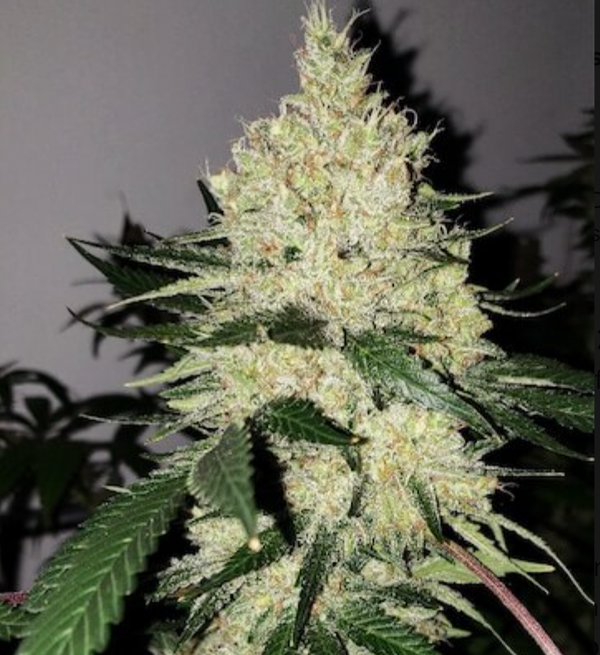
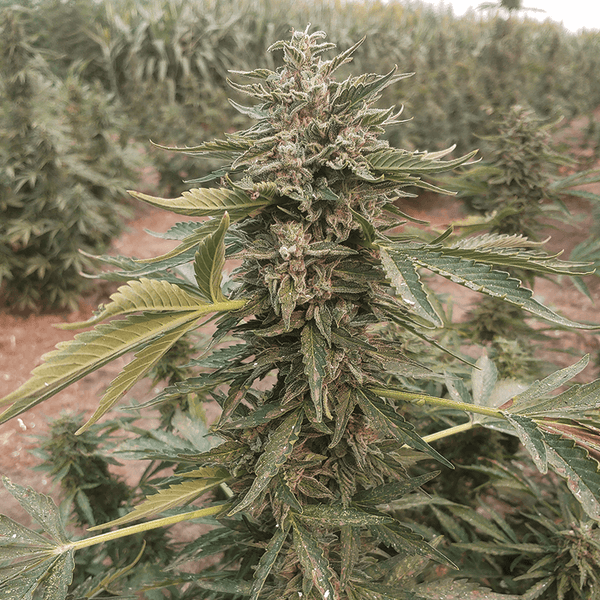
Let’s clear the air on one of the most misunderstood terms in cannabis: sensimilla. The word gets thrown around a lot, often making people think it’s some exotic, hard-to-find strain. This confusion sends many cultivators searching online for a sensimilla seed, hoping to grow the legendary bud themselves. The truth is much simpler and more empowering for you as a grower. Sensimilla isn’t a type of plant; it’s a condition. It’s what happens when a female plant lives its entire life without being pollinated, resulting in a seedless, high-potency flower. Any strain can be grown as sensimilla.
Key Takeaways
- Focus on the Process, Not the Strain: Sensimilla refers to any seedless female cannabis plant, which is achieved by preventing pollination. Start with reliable genetics like feminized or triploid seeds to eliminate the risk of male plants and simplify your grow from day one.
- A Controlled Environment is Your Best Tool: Your primary goal is to create a stable, stress-free, all-female space. This means mastering your light cycles, maintaining consistent temperature and humidity, and ensuring no male pollen can reach your crop.
- Finish Strong with Proper Harvesting and Curing: The quality of your seedless harvest is locked in after you cut the plant. Monitor trichomes to harvest at peak potency, then commit to a slow drying and curing process to develop the full flavor, aroma, and smoothness of your buds.
What is Sensimilla? Let's Clear the Air
If you’ve spent any time in the cannabis world, you’ve probably heard the term “sensimilla” used to describe high-quality weed. But what does it actually mean? It’s a common point of confusion, surrounded by a fair bit of myth. The good news is, the concept is pretty simple once you break it down. Understanding sensimilla isn't just about trivia; it's fundamental to growing potent, top-shelf cannabis. Let's get into what it is, what it isn't, and how you can grow it yourself.
The True Meaning of Sensimilla
The name itself gives you the biggest clue. "Sinsemilla" comes from the Spanish words "sin semilla," which literally translates to "without seed." That’s exactly what it is: a female cannabis plant that has reached full maturity without being pollinated by a male plant. Because it never gets fertilized, it doesn't produce seeds. So, what does that mean for you as a grower? It means the plant pours all its energy into producing large, resinous flowers packed with cannabinoids (like THC and CBD) and aromatic terpenes. This is why sensimilla is associated with higher potency and better flavor—the plant’s resources aren’t wasted on making seeds.
Debunking Common Myths
One of the most persistent myths is that sensimilla is a specific, exotic strain of cannabis. This isn't true at all. Sensimilla is a condition, not a variety. Any female cannabis plant from any strain can be grown as sensimilla. The key is to prevent pollination. Whether you're growing a classic OG Kush or one of our new THCA seed varieties, you can achieve a sensimilla harvest by carefully managing your grow environment. It’s all about the process, not the plant’s name. The goal is to create a controlled, all-female space where your plants can focus on what they do best: producing incredible buds.
Why "Sensimilla Seeds" Don't Exist
Since sensimilla is the result of a specific growing technique, you can't actually buy "sensimilla seeds." It’s a bit like trying to buy "cake batter cookies"—you buy the ingredients, not the finished product. What you can buy are the right genetics to make growing sensimilla much easier. This is where feminized seeds come in. These seeds are bred to produce only female plants, taking the guesswork out of identifying and removing males. For an even more foolproof method, our innovative triploid cannabis seeds are naturally sterile, guaranteeing a 99%+ seedless crop even if a male plant is nearby. Starting with the right seeds is the first step to a successful sensimilla harvest.
How to Grow Seedless Cannabis
Growing seedless cannabis, or sinsemilla, is the goal for nearly every cultivator. Why? Because when a female plant remains unpollinated, it pours all its energy into producing large, resinous buds packed with cannabinoids and terpenes. Seeds not only get in the way of a smooth smoke, but they also represent wasted energy that could have gone into creating more potent flowers. The good news is that achieving a seedless harvest is entirely within your control. It all comes down to understanding a little plant biology and being strategic from the very beginning. By preventing pollination, you ensure your plants can reach their full genetic potential, giving you the high-quality yield you’re working toward.
Understand Female Plant Anatomy
Let's start with the star of the show: the female cannabis plant. The term "sinsemilla" literally means "without seeds" in Spanish, and it refers to a female plant that has not been pollinated by a male. When left to its own devices, a female plant develops flowers (buds) in hopes of being pollinated to create seeds and reproduce. If no male pollen reaches her, she goes into overdrive, producing more resin and cannabinoids like THC and CBD. This is her last-ditch effort to catch any available pollen. As a grower, this is exactly what you want. A sinsemilla harvest results in more potent, flavorful, and aromatic buds because the plant’s resources aren’t diverted to seed production.
A Quick Look at Plant Genetics
At its core, preventing seeds is all about managing plant sex. Cannabis is a dioecious plant, meaning it produces separate male and female plants. Female plants grow the cannabinoid-rich flowers we want, while male plants produce pollen sacs. If pollen from a male plant reaches the pistils of a female flower, pollination occurs, and the female plant starts making seeds. This genetic process is great for creating new strains but terrible for your final harvest. A single male plant can pollinate an entire crop, turning your beautiful buds into a seedy mess. The key to a successful sinsemilla grow is to ensure no male plants are ever allowed to mature near your females.
Why Feminized Seeds Are Key
The most straightforward way to guarantee a crop of female plants is to start with feminized seeds. These seeds are specially bred to eliminate the male chromosome, ensuring that every plant they produce will be female 99.9% of the time. This takes all the guesswork out of the equation. You won’t have to spend the early weeks of flowering anxiously inspecting your plants for signs of being male. Using feminized seeds saves you time, space, and resources that would otherwise be wasted on unwanted male plants. It’s the smartest starting point for any grower focused on producing high-quality, seedless buds, whether you're growing indoors or outdoors.
How to Spot and Remove Male Plants
If you’re not using feminized seeds, you’ll need to be vigilant about identifying and removing male plants before they can release pollen. Males typically show their sex a week or two before females, usually during the pre-flowering stage. Look at the nodes on the plant's stalk, where the branches meet the main stem. Male plants will develop small, round pollen sacs that look like tiny bunches of grapes. Female plants, on the other hand, will produce a calyx with one or two white, hair-like pistils emerging from it. As soon as you positively identify a male, carefully remove it from your grow space immediately to prevent any accidental pollination.
Master the Basics for a Seedless Harvest
Growing seedless cannabis is all about control. Once you understand the fundamentals of plant biology, your main job is to create an environment where your female plants can thrive without ever meeting a male. It’s less about complex techniques and more about mastering the simple, daily practices that keep your plants happy and, most importantly, unpollinated. Think of yourself as a protector of your grow space, carefully managing light, air, and nutrients to guide your plants toward producing potent, resinous buds instead of seeds.
This process starts with a solid foundation. By dialing in the core elements of your grow—from the air your plants breathe to the food they eat—you eliminate the stressors and variables that can lead to problems. A stable environment is a predictable one, making it easier to spot issues before they get out of hand. The goal is to prevent pollination entirely. When a female plant remains unpollinated, it pours all its energy into developing large, cannabinoid-rich flowers. This is the essence of sinsemilla, and achieving it consistently comes down to getting the basics right every single time.
Create the Perfect Environment
Your grow space is the first line of defense against pollination. The most critical step is to physically separate male plants from your females as soon as you identify them. An indoor setup gives you the ultimate advantage here, as you can create a sealed environment that prevents stray pollen from drifting in on a breeze or your clothing. Keep your grow room clean and tidy to reduce the risk of pests and mold, which can stress your plants. A well-organized space also makes it easier to inspect your plants daily for any signs of trouble, including the early indicators of male flowers. For a truly controlled setting, growing with indoor cannabis seeds is the most reliable way to manage every variable.
Dial in Temperature and Humidity
Cannabis plants are resilient, but they perform best within specific temperature and humidity ranges. During the vegetative stage, aim for a warmer, more humid environment (around 70-85°F with 40-60% humidity) to encourage lush growth. As your plants enter the flowering stage, it's best to lower both temperature and humidity slightly (65-80°F with 40-50% humidity) to prevent mold from forming on your dense buds. Using simple tools like a thermometer and a hygrometer will help you monitor these conditions. Maintaining a stable climate reduces plant stress, which is key to preventing hermaphroditism and ensuring your plants focus their energy on producing high-quality flowers.
Manage Your Light Cycles
Consistent lighting is non-negotiable for photoperiod cannabis strains. During the vegetative stage, your plants will need around 18 hours of light and 6 hours of complete darkness each day. To trigger the flowering stage, you’ll switch to a strict 12/12 cycle—12 hours of light followed by 12 hours of uninterrupted darkness. Any light leaks during the dark period can confuse and stress your plants, potentially causing them to turn into hermaphrodites and pollinate themselves. Using a quality timer is the easiest way to automate your light schedule and ensure consistency. If managing light cycles sounds like a hassle, consider using autoflower seeds, which flower based on age rather than light exposure.
Feed Your Plants the Right Nutrients
Just like any living thing, your cannabis plants need a balanced diet to thrive. Their nutritional needs change as they grow. In the vegetative stage, they crave nitrogen to build strong leaves and stems. Once they begin to flower, their needs shift to phosphorus and potassium, which are essential for developing dense, resinous buds. It’s crucial to avoid both underfeeding and overfeeding, as nutrient imbalances can cause stress. Follow a reputable nutrient schedule and pay close attention to how your plants respond. Healthy, well-fed plants are better equipped to fight off pests and diseases, allowing them to dedicate all their resources to flower production.
Stop Pollination in its Tracks
The entire goal of growing sinsemilla is to prevent pollination. When a female flower is pollinated, the plant’s energy shifts from producing cannabinoids and terpenes to creating seeds. This results in a less potent and less desirable harvest. The most effective way to guarantee a seedless crop is to ensure no male plants are present. You can do this by diligently identifying and removing males early on. For an even simpler approach, start with feminized seeds, which are bred to produce only female plants. For ultimate peace of mind, our innovative triploid cannabis varieties are virtually sterile, guaranteeing a 99%+ sinsemilla harvest even if male pollen is nearby.
Level Up with Advanced Growing Methods
Once you’ve mastered the fundamentals of creating a seedless harvest, you can start refining your techniques to get even better results. These methods are all about giving your female plants the VIP treatment they deserve, ensuring they focus all their energy on producing potent, resin-coated buds instead of seeds. It’s less about complicated new steps and more about fine-tuning what you’re already doing to maximize quality and yield. Think of it as moving from a good grower to a great one.
Choose Your Arena: Indoor vs. Outdoor
Where you decide to grow plays a huge role in your ability to prevent pollination. For anyone just starting out, growing indoors is often the easier path. An indoor setup gives you complete control over the environment, from light cycles to airflow, making it simple to create a sealed-off space free from rogue pollen. You can confidently cultivate a crop of indoor cannabis seeds without worrying about a neighbor’s male plant ruining your hard work. If you’re growing outdoors, you have to be more vigilant. You’ll need to scout the surrounding area to make sure no male plants are nearby, as pollen can travel for miles on the wind.
Train Your Plants for Bigger Yields
Training techniques are designed to shape your plant’s growth, improve light exposure to lower branches, and ultimately, produce more bud sites. When a female plant isn't pollinated, it directs all its energy into producing resin—the sticky stuff packed with cannabinoids and terpenes—instead of making seeds. By using methods like Low-Stress Training (LST) to gently bend branches or topping to encourage a bushier structure, you help every part of the plant get the light it needs. This focus on resin production is exactly what you want for a high-quality sinsemilla harvest, and it all starts with reliable feminized seeds.
Keep Your Plants Stress-Free
A happy plant is a productive plant. Environmental stress from things like inconsistent light schedules, extreme temperature swings, or nutrient problems can sometimes cause a female plant to develop male flowers in a last-ditch effort to reproduce. This is known as hermaphroditism, and it can lead to self-pollination and a seeded crop. Maintaining a stable, stress-free environment is your best defense. For an extra layer of security, you can explore genetics specifically bred for stability. Our innovative triploid cannabis varieties are a game-changer, guaranteeing a 99%+ sinsemilla harvest even when male plants are present.
Defend Against Pests and Disease
Healthy plants are naturally better at fending off unwanted guests. While sinsemilla plants are often quite resilient and can show resistance to drought and pests, they aren't invincible. An infestation or disease outbreak puts immense stress on your plants, which can compromise their health and potentially trigger hermaphroditism. The best approach is a proactive one. Implement an Integrated Pest Management (IPM) strategy from the start, keeping your grow space clean and regularly inspecting your plants for any signs of trouble. Starting with strong, vigorous genetics from a trusted source gives your plants the healthy foundation they need to thrive.
Get the Most From Your Harvest
You’ve nurtured your plants from tiny sprouts to towering, bud-filled beauties. Now comes the most rewarding part: the harvest. But don't rush it! The final steps of harvesting, drying, and curing are what separate decent cannabis from a truly exceptional product. This is where you lock in all the amazing aromas, flavors, and effects you’ve worked so hard to cultivate. Think of it as the final victory lap. A rushed harvest can compromise months of careful work, leading to a harsh smoke, muted flavors, or even mold. By giving this stage the attention it deserves, you ensure that every bit of your effort translates into high-quality, seedless buds that are a joy to experience. It’s time to bring your grow home and turn that beautiful plant into a finished product you can be proud of. This final phase is all about patience and precision, transforming your green canopy into a stash of perfectly preserved flower. Let's walk through how to nail each step, from identifying the perfect harvest window to achieving that slow, even cure that makes all the difference in your final yield.
Check for Quality at Every Stage
As you approach harvest day, your focus should be on preserving the quality of your sinsemilla. Seedless buds are prized for a reason: they generally have higher cannabinoid content, a richer flavor profile, and a much smoother smoke. Plus, nobody enjoys picking seeds out of their flower. To get this premium result, you need to remain vigilant. Continue to inspect your plants for any signs of male pollen sacs, especially if you have other plants nearby. A single rogue male flower can undo months of work. This is why starting with stable, feminized seeds is a grower’s best friend. Also, be mindful not to overwater during the late flowering stage, as this can stress the plant and affect final bud quality.
Watch for Peak Trichome Development
The secret to knowing when to harvest lies in the trichomes. These are the tiny, frosty, mushroom-shaped glands covering your buds that produce cannabinoids and terpenes. When a female plant remains unpollinated, it pours all its energy into producing this precious resin. To see them up close, you’ll need a jeweler’s loupe or a small microscope. You’re looking for a color change. Clear trichomes mean it’s too early. When they turn a milky or cloudy white, THC levels are at their peak. If you wait until they become amber, you’ll get a more relaxing, body-centric effect. The choice is yours, giving you amazing control over the final experience.
Know Exactly When to Harvest
Once your trichomes give you the green light, it’s time to chop. The ideal harvest window can be short, so check your plants daily as they get close. Besides looking at the trichomes, you can also check the pistils (the small "hairs" on the buds). Most of them should have darkened and curled inward. When you’re ready, you can either cut the entire plant at the base of the stalk or remove individual branches. Many growers prefer harvesting branch by branch, as it can make the trimming and drying process more manageable. Have your sharp, clean pruning shears ready and get to work.
Perfect Your Curing and Drying Process
Don’t skip this final step! Properly drying and curing your cannabis is essential for developing its full flavor and aroma while ensuring a smooth smoke. First, hang your trimmed branches upside down in a dark, cool space with good air circulation. Aim for a temperature around 60-70°F and humidity around 50-60%. After 7 to 14 days, the smaller stems should snap instead of bend. Now you can trim the buds off the branches and place them in airtight glass jars. For the next few weeks, "burp" the jars by opening them for a few minutes each day to release moisture. This slow cure, which can take four weeks or more, is what creates a top-shelf final product.
Set Up Your Grow Space for Success
Creating the right environment is one of the most important things you can do for your plants. A well-planned grow space isn't just about having the right gear; it's about building a stable, controlled home where your cannabis can thrive without stress. Think of this as laying the foundation for a successful, seedless harvest. When you get the setup right from the beginning, you spend less time troubleshooting problems and more time watching your plants flourish. Whether you're working with a small closet or a dedicated room, a thoughtful approach to your space, genetics, and equipment will make all the difference. It’s your best strategy for preventing pollination and ensuring every plant reaches its full potential. Let’s walk through the key steps to get your grow space dialed in.
Start with High-Quality Genetics
Your final harvest is only as good as the seeds you start with. To grow sensimilla, your goal is to cultivate only female plants, and the most straightforward way to do that is by using seeds bred for the job. High-quality feminized seeds are genetically selected to produce female plants nearly 100% of the time, taking the guesswork out of identifying and removing males. This is a game-changer for both new growers and seasoned experts because it saves time and space. For an even more foolproof option, our innovative triploid cannabis seeds are virtually sterile, guaranteeing a seedless harvest even if a stray male plant shows up in the neighborhood. Starting with superior genetics is the first and most critical step toward a successful grow.
Gather Your Essential Gear
You don't need a lab-grade setup to grow great cannabis, but you do need a few key pieces of equipment. Your essential gear list should include grow lights, containers, a growing medium (like soil or coco coir), and fans for air circulation. The right lighting is crucial for photosynthesis and bud development, while proper airflow helps prevent mold and strengthen stems. You’ll also need basic supplies for watering and feeding your plants. Investing in reliable equipment from the start prevents headaches later on. Think of these items as your toolkit—having the right tools on hand makes the entire process smoother and helps you create the stable environment your plants need to produce a high-quality, seedless harvest.
Plan Your Space and Layout
Where you decide to grow has a big impact on your success. An indoor setup, like a grow tent or a dedicated closet, gives you complete control over the environment. This is ideal for beginners because you can easily manage light cycles, temperature, and humidity while keeping your plants isolated from any potential outdoor pollinators. If you choose to grow outdoors, you need to be much more vigilant. You’ll have to make sure there are no male cannabis or hemp plants nearby, as wind can carry pollen for miles and accidentally seed your entire crop. Carefully consider your layout to ensure easy access to your plants for watering, training, and inspection. A well-planned space makes daily maintenance much simpler.
Master Your Environmental Controls
Cannabis plants are sensitive to their surroundings. Maintaining a consistent environment is key to preventing stress, which can lead to hermaphroditism and a seeded harvest. Your main focus should be on temperature, humidity, and light. Aim for a comfortable temperature range and adjust humidity levels based on the plant's growth stage—higher for seedlings, lower for flowering. A simple timer for your lights will ensure your plants get a consistent daily cycle, which is critical for flowering photoperiod strains. Using thermometers, hygrometers, and fans will help you monitor and maintain a stable climate. Mastering these controls is what separates a good grower from a great one, allowing you to produce consistently potent, seedless buds.
Grow Like a Pro: Upholding High Standards
Growing truly exceptional, seedless cannabis isn't just about following a recipe; it's about adopting a professional mindset. Whether you're tending to a few plants in a closet or managing a commercial operation, upholding high standards at every step is what separates an average harvest from a spectacular one. This means paying close attention to quality, understanding the rules of the game, and committing to best practices. It’s how you guarantee your final product is not only potent and pure but also safe and compliant. Let's walk through the key pillars of growing like a pro.
Implement Quality Assurance Checks
Think of quality assurance as your personal promise that what you're growing is top-notch. It’s a system of checks and balances to ensure your cannabis is clean, safe, and effective. This goes beyond just eyeballing your plants. Implementing the best cannabis quality assurance practices means regularly testing your crops for potency and potential contaminants like pesticides or mold. For home growers, this could be as simple as keeping detailed logs and using a microscope to check trichomes. For commercial cultivators, it involves formal lab testing to verify that every batch meets strict safety and quality standards before it ever reaches a consumer.
Understand Testing Protocols
Every region has its own set of rules, and getting familiar with your local testing protocols is non-negotiable. These regulations are in place to protect consumers and ensure product consistency across the market. For example, some states specify that all usable cannabis provided to retailers must pass a series of quality checks. This often includes tests for cannabinoid profiles (THC and CBD levels), terpenes, microbials, and heavy metals. As a grower, it's your responsibility to know what tests are required, find a certified lab, and factor testing into your timeline and budget. Staying on top of these requirements keeps you compliant and builds trust in your product.
Follow Industry Best Practices
Great results start with great ingredients. In cultivation, that means beginning with high-quality genetics. The best growers know that a successful harvest is nearly impossible without a strong start. As a rule of thumb, seeds of high quality should be firm and dark, not flimsy or pale. Beyond seed selection, best practices include maintaining a sterile environment to prevent contamination, using proper pruning techniques to improve airflow and light exposure, and keeping meticulous records of your feeding schedules and plant progress. Adhering to these industry standards is a fundamental part of producing a consistently excellent, seedless crop.
Stay on Top of Compliance
The cannabis industry is constantly evolving, and so are the regulations that govern it. Staying informed about compliance is crucial for running a smooth and legal operation. Before you even buy or sell seeds, it's important to check for any special requirements or regulations that might apply in your area. This can include rules about sourcing genetics, plant counts, and transportation. Keeping up with these legal details helps you avoid costly fines or shutdowns. Make it a habit to check for updates from your local and state regulatory bodies to ensure your grow is always on the right side of the law.
Solve Common Growing Problems
Even with the best genetics, every grower runs into a few bumps in the road. Don’t worry—it’s all part of the learning process! Most issues that pop up during a grow cycle are completely manageable if you know what to look for. Keeping your female plants happy and stress-free is the ultimate goal for a seedless harvest, and that means staying on top of their environment, nutrition, and overall health. Think of it as being a plant detective. By learning to spot the early signs of trouble, you can solve problems before they threaten your beautiful, resinous buds. Let’s walk through some of the most common challenges and how to handle them like a pro.
Fix Environmental Issues
Your grow space is your plant's entire world, so getting the environment right is non-negotiable. Cannabis plants are sensitive and thrive on consistency. Wild swings in temperature or humidity can stress them out, potentially causing them to develop seeds. Aim for a comfortable temperature range and use a hygrometer to monitor humidity levels, adjusting with fans or dehumidifiers as needed. Proper lighting is just as critical. Make sure your light cycles are consistent—18 hours on during veg, 12 hours on during flower—and that your timers are working correctly. Light leaks during the dark period are a common culprit for stressing female plants. Perfecting these conditions is especially important when growing high-quality indoor cannabis seeds.
Correct Nutrient Imbalances
Feeding your plants can feel like a delicate dance, but it doesn’t have to be complicated. Nutrient issues, whether from too much or too little, are one of the most common problems growers face. Watch your leaves, as they’ll often tell you what’s wrong. Yellowing leaves can signal a nitrogen deficiency, while burnt tips might mean you’re overdoing it with the nutrients. Start with a quality nutrient line and follow the recommended feeding schedule, but always pay attention to how your plants respond. It’s also a great idea to check the pH of your water and nutrient solution. If the pH is off, your plants can’t absorb the food you’re giving them, even if it’s in the soil.
Handle Pest Intrusions
Nothing is more frustrating than finding unwanted guests in your grow room. The best way to deal with pests is to prevent them from showing up in the first place. A clean and tidy grow space is your first line of defense. Avoid leaving dead leaves or standing water around, as these can attract pests. Get into the habit of inspecting your plants regularly, especially the undersides of leaves where bugs like spider mites love to hide. If you do spot an issue, act fast. Many growers who cultivate outdoor marijuana seeds rely on beneficial insects or organic sprays like neem oil to keep pests in check without harming their plants or the environment.
Prevent Common Plant Diseases
Plant diseases like root rot and powdery mildew can quickly ruin a harvest, but they are almost always preventable. The two biggest culprits are improper watering and poor airflow. Overwatering is a classic rookie mistake that suffocates the roots and invites rot. A good rule of thumb is to let the top inch or two of your soil dry out completely before watering again. At the same time, make sure you have good air circulation in your grow space. A couple of oscillating fans can work wonders by strengthening stems and preventing mold spores from settling on your leaves. Starting with robust genetics like our triploid cannabis gives you a more resilient plant, but these foundational practices are still key to success.
Related Articles
- How to Plant Feminized Seed for Max Yields | Trilogene Seeds
- What is a Feminized Weed Seed? Pros, Cons & How to Grow | Trilogene Seeds
- 10 Best Feminized Seeds to Grow This Year | Trilogene Seeds
- Feminized Seeds: A Complete Guide for Growers | Trilogene Seeds
- What Is a Triploid Cannabis Seed? A Grower's Guide | Trilogene Seeds
Frequently Asked Questions
Is all high-quality cannabis considered sensimilla? For the most part, yes. When people talk about top-shelf, potent, and flavorful cannabis, they are almost always describing sensimilla. The absence of seeds allows the female plant to dedicate all of its energy to producing the cannabinoids and terpenes that create the desired effects and aromas. While a plant with seeds can still be grown well, it will never reach the same peak quality as its unpollinated counterpart.
What's the biggest mistake to avoid when trying to grow seedless cannabis? The single biggest mistake is accidental pollination. This can happen in two main ways: either you miss a male plant in your crop and it releases pollen, or you stress a female plant to the point where it develops male flowers and pollinates itself. Vigilance is key. Always start with reliable genetics and maintain a stable, stress-free environment to prevent your plants from getting confused.
If my plant gets pollinated by accident, is the whole harvest a loss? It's not a total loss, but the quality will definitely be compromised. Once a female plant is pollinated, its primary mission shifts from producing resinous flowers to creating seeds. This means your buds will be less potent, less flavorful, and the smoke will be harsher. You'll still have a usable product, but it won't be the premium, seedless harvest you were working toward.
Can my feminized seeds still produce seeds? Yes, it is possible. Feminized seeds are bred to produce female plants, but they can't make a plant immune to severe stress. If a female plant is exposed to major issues like an inconsistent light schedule, extreme temperature swings, or other environmental stressors, it can develop male flowers in a survival response. This is called hermaphroditism, and it can lead to self-pollination and a seeded crop.
Why would I choose triploid seeds if feminized seeds already produce female plants? Think of it as an extra layer of insurance for a perfect harvest. Feminized seeds are fantastic for ensuring you get female plants, but those plants can still be pollinated by a neighbor's male plant or a hidden hermaphrodite. Triploid cannabis, on the other hand, is virtually sterile. This means that even if rogue pollen finds its way into your garden, your triploid plants are extremely unlikely to produce seeds, guaranteeing a 99%+ sensimilla crop every time.