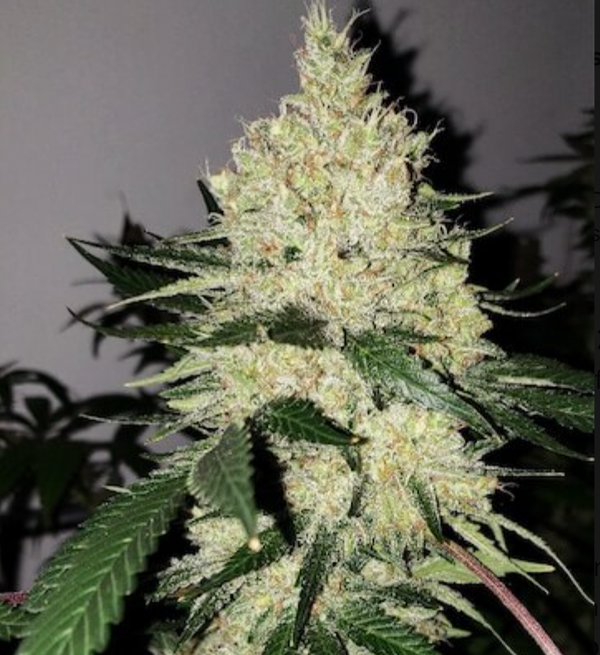
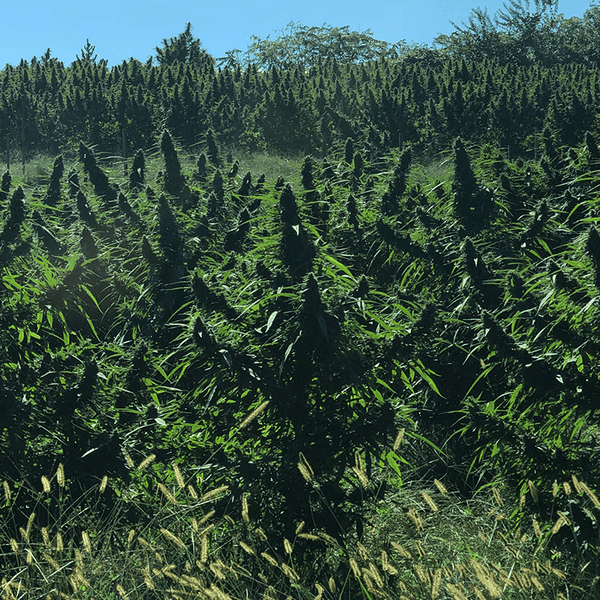
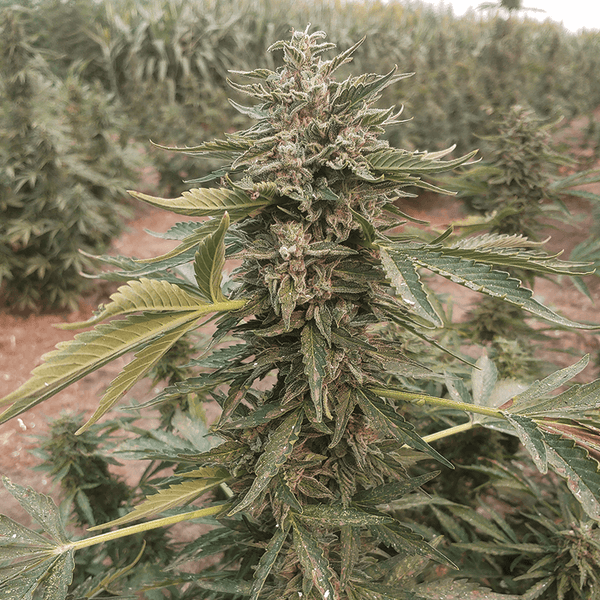
If you use regular seeds, you know the drill. You anxiously inspect each plant, hoping to spot and remove the males before they ruin your crop. It’s a 50/50 gamble that wastes your time, nutrients, and space on plants that won't produce flower. A feminized weed seed takes that risk off the table. It provides a nearly 100% guarantee of an all-female garden, so all your resources go toward a bigger harvest. This guide breaks down the science, the clear benefits, and why these seeds are the gold standard for modern growers.
Key Takeaways
- Guarantee an All-Female Crop: Feminized seeds are the most efficient path to a successful harvest. They save you from wasting time and resources on unwanted male plants, ensuring every plant in your garden contributes to your final yield of potent, seedless flower.
- A Stable Environment is Your Best Defense: The biggest risk with any grow is stress, which can cause female plants to develop pollen sacs. Prevent this by maintaining a consistent environment—avoid light leaks, extreme temperature changes, and watering issues—to keep your plants focused on producing buds.
- Choose Your Genetics Wisely: The quality of your harvest starts with the seed. First, select a strain with the effects and growing traits that fit your goals. Second, always buy from a trusted seed bank to ensure you get stable, reliable genetics that will perform as expected.
What Are Feminized Weed Seeds?
If you’ve spent any time looking for cannabis seeds, you’ve definitely come across the term “feminized.” So, what does it actually mean? Simply put, feminized seeds are genetically engineered to produce female plants almost 100% of the time. Unlike regular seeds that give you a 50/50 shot at growing a male or female plant, feminized seeds take the guesswork out of the equation. For most growers, this is a game-changer.
The primary goal for cultivators is typically to harvest sinsemilla—potent, seedless flowers. This is only possible with female plants. By starting with feminized seeds, you can dedicate your time, space, and resources to the plants that will actually deliver the buds you’re after. It’s a straightforward way to streamline your grow operation from the very beginning, ensuring you don’t waste weeks nurturing a plant only to discover it’s a male that needs to be culled. Think of it as a reliable shortcut to a successful harvest.
What Makes a Cannabis Plant Female?
In the world of cannabis, it’s the female plants that do the heavy lifting. They are the ones that produce the dense, resinous buds packed with the cannabinoids we all know and love, like THC and CBD. When you buy flower from a dispensary or admire a photo of a glistening cola, you’re looking at the product of a female plant. Male plants, on the other hand, have a different job: they produce pollen sacs.
While essential for breeding, male plants are the enemy of a sinsemilla harvest. If a male plant releases its pollen and fertilizes a nearby female, she will switch her energy from producing potent buds to creating seeds. This results in a lower-quality, seedy harvest with diminished potency and flavor. That’s why identifying and removing males early is a critical step for anyone using regular seeds. With feminized seeds, you can almost completely avoid this risk.
The Science That Makes a Seed Female
The creation of feminized seeds isn’t magic; it’s a clever application of plant science. The process is designed to guarantee that nearly every seed you plant will grow into a bud-producing female. It all comes down to genetics. In cannabis, sex is determined by X and Y chromosomes, just like in humans. Plants with two X chromosomes (XX) are female, while those with one X and one Y (XY) are male.
The feminization process works by tricking a female plant into producing pollen. Because this mother plant is a female (XX), the pollen she creates only contains female genetics. When this special pollen is used to fertilize another female plant (also XX), the resulting seeds have no male chromosomes. Every seed will be an XX, female seed. This technique gives growers a reliable way to cultivate a crop of exclusively female plants, maximizing the potential for a high-quality flower harvest.
How the Feminization Process Works
So, how do you get a female plant to make pollen? It involves carefully stressing the plant in a controlled way. One of the most common and reliable methods uses a solution of colloidal silver. When a female plant is treated with this solution at the right stage of its flowering cycle, it triggers a hormonal response that causes it to develop male-like pollen sacs instead of female buds.
This isn't a true male plant, but rather a female that’s been induced to express male characteristics. The pollen it produces is then carefully collected and used to pollinate a different, untreated female plant. Because the pollen came from a genetic female, it only carries the X chromosome. The resulting seeds from this pollination are feminized, giving them a more than 99% chance of growing into the bud-producing female plants you want for your garden. This process is a cornerstone of modern cannabis cultivation.
The 99.9% Female Guarantee
That 99.9% success rate isn't just a marketing claim; it's the result of precise science. Because feminized seeds are created using pollen from a female plant, they only carry female (XX) genetics. This nearly eliminates the risk of a male plant showing up unexpectedly in your garden. For any cultivator, this is a huge relief. It means you can confidently pour your resources—space, nutrients, and time—into plants that will actually produce the resinous buds you want. You're not just buying seeds; you're investing in a predictable and successful harvest. This reliability is exactly why premium feminized seeds are now the go-to for growers focused on maximizing their yield of high-quality, seedless flower.
How Are Feminized Seeds Made?
Creating a feminized seed is a fascinating process that relies on a bit of botanical ingenuity. At its core, the goal is to encourage a female cannabis plant—one that would normally produce buds—to create pollen instead. But this isn't just any pollen. Because it comes from a female plant, it only contains female (X) chromosomes. When this special pollen is used to fertilize another female plant, the resulting seeds have no male (Y) chromosome, meaning they will grow into female, bud-producing plants 99.9% of the time. Let’s walk through the most common techniques breeders use to make this happen.
Creating Female Seeds with Colloidal Silver
One of the most popular ways to create feminized seeds is with colloidal silver. This is a simple solution of pure, microscopic silver particles suspended in distilled water. When a female plant is ready to start flowering, breeders will spray a few of its branches with this solution. The silver acts as an ethylene inhibitor—it blocks the key hormone that tells the plant to produce female flowers (buds). In response, the plant redirects its energy and starts producing male pollen sacs on the treated branches. This pollen is then carefully collected and used to pollinate an untreated female plant, resulting in a batch of high-quality feminized seeds.
Using Silver Thiosulfate (STS) for Feminization
The Silver Thiosulfate (STS) process works on the same scientific principle as colloidal silver but is often considered more stable and potent by professional breeders. STS is a chemical compound that is also highly effective at blocking ethylene production in cannabis plants. By applying an STS solution to select branches of a mother plant, growers can reliably trigger the development of pollen sacs. This method is prized for its consistency and efficiency, making it a go-to for producing large, commercial-scale batches of seeds. The resulting pollen carries only female genetics, ensuring that when it fertilizes another female, you get a crop of powerful THCA seeds without any males.
The Rodelization Method: A Natural Approach
Rodelization is the most natural approach to feminizing seeds, as it requires no chemicals or sprays. This technique relies on a plant's natural survival instincts. When a female cannabis plant goes unpollinated for a long time and nears the end of its life cycle, it can get stressed. As a last-ditch effort to reproduce, it may grow a few male flowers, a phenomenon sometimes called "herming." This pollen can then be used to fertilize other female plants. While it’s a completely organic method, rodelization is less reliable and can sometimes pass on the tendency to become hermaphroditic to the offspring, which is why most professional breeders avoid it.
Checking for Quality in Your Seeds
Simply making a feminized seed isn’t enough—the quality of the genetics behind it is what truly counts. The feminization process is only as good as the parent plants and the breeder's attention to detail. Poorly executed feminization can result in unstable seeds that may still produce hermaphrodites or even the occasional male plant, which can ruin an entire crop. That’s why we put so much work into our breeding programs. We start with elite, stable parent genetics and use precise, controlled methods to ensure every seed is reliable. When you shop all seeds from a trusted source, you’re investing in peace of mind and the promise of a consistent, all-female harvest.
Why Grow with Feminized Seeds?
For most growers, the goal is simple: produce a healthy crop of potent, resinous flowers. Feminized seeds are the most straightforward way to get there. They are genetically designed to eliminate male chromosomes, ensuring that nearly every seed you plant will grow into a bud-producing female. This simple fact creates a cascade of benefits that can completely change your cultivation experience, making it more efficient, productive, and enjoyable. If you're focused on the final harvest rather than breeding new strains, choosing feminized seeds is one of the smartest decisions you can make for your garden. Let’s look at exactly why they are a favorite among both new and experienced growers.
Guaranteeing an All-Female Harvest
The biggest advantage of using feminized seeds is the near-certainty that you’ll get a garden full of female plants. Female cannabis plants are the ones that produce the cannabinoid-rich flowers, or buds, that most people are after. Male plants, on the other hand, produce pollen sacs. If a male pollinates your females, they will focus their energy on creating seeds instead of developing large, potent buds, which can compromise an entire harvest.
Using feminized seeds removes this risk almost entirely. You won’t have to spend weeks nurturing plants only to discover half of them are males that need to be culled. Every plant in your garden becomes a productive member of the team, dedicated to yielding the high-quality flowers you’ve been working toward.
Make the Most of Your Grow Space
Every grower knows that space, light, and nutrients are precious resources. When you plant regular seeds, you have to account for the fact that about 50% will turn out to be males. This means you're dedicating half your resources to plants that won't contribute to your final harvest and will eventually be thrown out. It’s an inefficient use of everything from soil and water to electricity and your own valuable time.
Feminized seeds let you maximize your setup from day one. You can fill your entire grow tent or garden plot knowing each plant is a keeper. This is especially critical for those with limited space, like anyone using an indoor cannabis seeds setup. You can plan your garden for optimal canopy coverage and light distribution without worrying about leaving gaps after removing males.
Get Bigger, More Reliable Harvests
When every plant in your garden is a female producing buds, your overall yield potential naturally increases. You simply get more flowers from the same amount of space. Beyond just quantity, feminized seeds from a reliable breeder offer genetic stability. This means your plants will grow more uniformly, with similar structures, heights, and flowering times, making crop management much easier and the final harvest more predictable.
Since the plants aren't spending energy fighting off pollination or producing seeds, they can pour all their resources into developing bigger, denser, and more potent buds. Female plants that remain unpollinated (sinsemilla) typically produce higher concentrations of cannabinoids and terpenes, resulting in a more powerful and aromatic final product. For growers seeking top-shelf THCA seeds, this is a massive advantage.
Why Most Commercial Growers Use Feminized Seeds
In commercial cultivation, predictability and efficiency are non-negotiable. Growers are running a business, and leaving a harvest to the 50/50 chance of regular seeds is a risk most operations can't afford. This is precisely why feminized seeds have become the industry standard. They guarantee that every plant in a large-scale facility is a female, dedicated to producing the valuable, cannabinoid-rich flowers that drive revenue. This eliminates the massive labor cost of identifying and culling males, maximizing the return on investment for every square foot, every light, and every nutrient. The genetic stability from a trusted breeder also ensures a uniform crop, making canopy management and harvesting far more streamlined and predictable. For a commercial grower, it’s all about minimizing risk and maximizing the yield of high-quality, seedless buds.
A Simpler, Faster Grow Cycle
One of the most tedious tasks for growers using regular seeds is sexing the plants. This involves carefully inspecting each one during the early flowering stage to identify and remove the males before they can release pollen. It’s a stressful process that requires a keen eye and perfect timing—a single missed male can pollinate your entire crop. Feminized seeds completely eliminate this chore.
This frees you up to focus on what really matters: nurturing your plants to their full potential. You can spend your time fine-tuning their environment, perfecting their feeding schedule, and training them for better light exposure. This makes the entire growing process less stressful and more rewarding, especially for beginners. Combining this benefit with autoflower seeds can make for an incredibly streamlined and hands-off cultivation experience.
Are There Downsides to Feminized Weed Seeds?
While feminized seeds are a fantastic tool for growers, it's smart to know the trade-offs. The benefits of a guaranteed female crop are huge, but they aren't the perfect solution for every situation. Understanding the potential downsides ensures you can choose the right seeds for your goals. Here are the main considerations to keep in mind.
Are They More Expensive Upfront?
You'll notice feminized seeds cost more than regular seeds, and that’s due to the specialized process required to make them. Think of it as an investment in reliability. While the upfront spend is higher, you save time, space, and nutrients by not having to weed out male plants later. For most cultivators, the value of a guaranteed sinsemilla harvest makes our feminized seeds a cost-effective choice that pays for itself by maximizing your final yield.
What About Genetic Diversity?
The consistency of feminized seeds comes at the cost of genetic variety. Because they don't produce males, they don't give breeders the chance to create new genetic combinations. This is a key consideration if your goal is to pheno-hunt for a one-of-a-kind mother plant or develop your own strains. For growers who want unique traits without the breeding work, exploring a seed bank's diverse catalog is the best approach. We're always adding exciting genetics to our collection of new releases.
Can Feminized Seeds Turn Hermie?
Even with quality feminized seeds, there's a small chance a plant can develop both male and female flowers (a "hermie"). This usually happens when a plant is under significant stress from things like light leaks or temperature swings, and it can pollinate your crop. The key to prevention is a stable growing environment. Starting with strong genetics from a trusted source is your first line of defense, and our indoor cannabis seeds are bred for resilience in controlled settings.
Can You Breed with Feminized Seeds?
Simply put, you can't use feminized seeds for breeding projects. Creating a new strain requires pollen from a male plant to fertilize a female. Since feminized seeds produce a crop of 99%+ females, you won't have the male genetics needed for cross-pollination. If you're a breeder, you'll need regular seeds. For everyone else focused on producing top-shelf flower, feminized seeds are the most direct path. For even greater crop security, our innovative triploid cannabis seeds are virtually sterile.
Are They Suitable for Creating Mother Plants?
This is a common question, and the answer is a bit nuanced. While you can technically grow a mother plant from a feminized seed, many experienced cultivators advise against it for long-term projects. A mother plant is an investment—you keep it in a vegetative state for months or even years to provide a steady supply of clones. Because of this, you need absolute genetic stability. The process used to create feminized seeds, while highly effective, can introduce a slight risk of instability. The constant stress of being a mother plant, like regular pruning, could potentially trigger hermaphroditic traits in less resilient genetics.
For this reason, serious breeders often prefer to hunt for a mother plant from a pack of regular seeds. This allows them to find a truly exceptional female phenotype with proven stability before committing to it. While our feminized seeds are perfect for producing a reliable, all-female crop of flower, their primary design isn't for long-term genetic preservation. If you want to skip the pheno-hunting process entirely, you can always start with proven cannabis clones from a trusted source to guarantee you're getting elite, stable genetics from day one.
Feminized vs. Regular Seeds: Which Is Right for You?
Choosing between feminized and regular seeds is one of the first big decisions you'll make as a grower, and the right answer really comes down to your end goal. Are you looking to cultivate a crop of potent, smokable flowers, or are you interested in breeding your own unique cannabis strains? Your objective will point you directly to the best seed for the job. Think of it this way: feminized seeds are for producers, while regular seeds are for creators.
For most growers, especially those cultivating for personal use or commercial flower production, feminized seeds are the go-to choice. They are genetically engineered to produce female plants nearly 100% of the time, which means every plant you nurture will develop the cannabinoid-rich buds you’re after. Regular seeds, on the other hand, are a genetic coin toss, giving you a roughly 50/50 chance of growing a male or female plant. While essential for breeding, male plants are a hassle for anyone whose main goal is a bountiful harvest of sinsemilla (seedless) flower. Let’s break down the key differences to help you decide which path is right for your garden.
How Do They Grow Differently?
The most significant difference between these two seed types is the sex of the plants they produce. Feminized seeds are your ticket to an all-female garden. Since female plants are the ones that grow the coveted, cannabinoid-packed buds, using feminized seeds ensures that every plant you cultivate is a productive one. This is a huge advantage for growers focused purely on harvesting high-quality flower.
Regular seeds are cannabis in its most natural state. They will sprout into a mix of male and female plants, just as they would in the wild. Male plants don't produce buds; instead, they develop pollen sacs. If you’re not careful, a male can pollinate your entire crop, causing your female plants to focus their energy on producing seeds instead of potent THCA-rich flowers.
Which Type Yields More?
When it comes to yield, feminized seeds have a clear advantage for the average grower. Because you can count on every plant being a bud-producing female, you can maximize your grow space. You won’t waste time, nutrients, or light on male plants that you’ll eventually have to identify and remove. This efficiency directly translates to a larger, more consistent harvest from the same square footage.
With regular seeds, you have to assume that about half of your crop will be male. This means you either need to plant twice as many seeds as you intend to harvest or risk having a much smaller yield. For anyone growing in a limited space, like with an indoor cannabis setup, dedicating resources to plants that won't contribute to the final harvest just isn't practical.
Which is Better for Creating New Strains?
This is where regular seeds truly shine. If you have ambitions of becoming a breeder and creating your own strains, you absolutely need regular seeds. To create new genetics, you need pollen from a male plant to fertilize a female plant. Regular seeds are the only way to get the male genetics necessary for these projects. They provide the genetic diversity required to hunt for specific traits and develop stable, unique crosses.
Feminized seeds, by their very nature, are not suitable for breeding projects. They are designed to eliminate male genetics, which is precisely what you need to create new varieties. So, if your dream is to see your own custom strain in our New Releases one day, you’ll want to start your journey with regular seeds.
Which Seed Offers a Better Return?
For most cultivators, the better return on investment comes from feminized seeds. While they may have a slightly higher upfront cost per seed, they save you an incredible amount of time, space, and resources in the long run. You don't have to spend the first few weeks of flowering anxiously sexing your plants or worry about culling half your crop. Every bit of energy and every dollar you spend goes directly toward producing a high-quality, seedless harvest.
For breeders, the return from regular seeds isn't measured in grams of flower but in genetic potential. The value comes from discovering a standout male plant that can be used to create the next legendary strain. For everyone else, the efficiency and predictability of feminized seeds make them the more practical and profitable choice.
Feminized vs. Autoflower Seeds
Once you decide to grow with feminized seeds, another question often comes up: should you choose a photoperiod or an autoflower variety? Both are fantastic options that simplify the growing process, but they get you to the finish line in very different ways. Photoperiod seeds rely on light cues to start flowering, while autoflowers run on their own internal clock. Understanding the distinction is key to picking the perfect seed for your setup, experience level, and harvest goals. Both paths lead to a garden full of bud-producing females, but the journey for each is unique.
Key Differences in Growth and Lifecycles
The biggest difference between these two types of seeds is what triggers them to flower. Standard feminized seeds are "photoperiod" plants, meaning their life cycle is dictated by how much light they receive. They will stay in a vegetative growth phase as long as they get more than 12 hours of light per day. To make them start producing buds, you have to switch their light schedule to 12 hours of light and 12 hours of uninterrupted darkness. This gives you complete control over how big your plants get before you flip them to flower. On the other hand, autoflower seeds are genetically programmed to begin flowering automatically after a certain amount of time, usually just 2-4 weeks after sprouting, regardless of the light cycle. This results in a much faster seed-to-harvest timeline.
Yield and Potency Comparison
When it comes to harvest size, photoperiod feminized plants generally have the upper hand. Because you control when they start to flower, you can keep them in the vegetative stage for weeks or even months, allowing them to grow into massive plants with the potential for huge yields. Autoflowers have a fixed and much shorter vegetative period, which means they typically stay smaller and produce more modest, though still respectable, yields. In the past, autoflowers had a reputation for being less potent, but modern breeding has completely changed the game. Today’s high-quality autoflowers can easily compete with their photoperiod cousins in terms of cannabinoid content. Potency ultimately comes down to the specific strain’s genetics, not whether it’s an auto or a photoperiod.
Pros and Cons for Beginner Growers
For new growers, autoflowers are often recommended because of their simplicity and speed. Their quick lifecycle means you see results faster, and you don't have to worry about the complexities of managing light schedules. They are known for being resilient and forgiving, which is a huge plus when you're just learning the ropes. However, photoperiod feminized seeds also have a unique advantage for beginners: they offer more room for recovery. Because you decide when to initiate flowering, you can give a plant extra time in the vegetative stage to bounce back if you make a mistake, like overwatering. With an autoflower, the clock is always ticking, so a major stress event early on can permanently stunt its growth and reduce your final yield.
How to Grow Feminized Seeds Successfully
Alright, you’ve got your feminized seeds, and you’re ready to see them flourish. This is where the fun really begins! Growing cannabis from feminized seeds is incredibly rewarding because you’re almost guaranteed a garden full of bud-producing female plants. But getting those beautiful, resinous flowers requires a bit of care and attention. Think of it like following a recipe—get the core ingredients and steps right, and you’ll be set up for a successful harvest.
The key is to create a stable and nurturing environment where your plants can thrive without unnecessary interruptions. We’ll walk through the most important parts of the process, from setting up your space to fine-tuning your plant care routine. By focusing on the fundamentals—environment, stress prevention, and proper feeding—you can guide your feminized seeds from tiny sprouts into healthy, high-yielding plants. Let’s get your grow space ready.
Understanding the Growth Timeline
Patience is a grower's best friend. While it’s tempting to want to rush from seed to harvest, giving your plants the time they need to mature is essential for a great yield. The total timeline can vary quite a bit depending on the specific strain you choose and your growing method, but most photoperiod plants follow a predictable path. Understanding these key stages will help you know what to expect and how to best care for your plants as they develop from a tiny seed into a beautiful, bud-producing powerhouse.
Germination Stage (24-72 Hours)
This is where it all begins. The germination stage is the very first step, where your dormant seed wakes up and sprouts its first root, called a taproot. This initial phase is quick, typically taking just 24 to 72 hours. A successful germination is your first sign that you’re on the right track, and it all starts with a viable seed. When you begin with high-quality genetics, you give yourself the best possible chance for a strong start. Once that little white taproot appears, your seed is ready to be planted, and the real growth journey can get underway.
Vegetative Stage (6-8+ Weeks)
Once your seedling is established, it enters the vegetative stage. Think of this as the plant's childhood and adolescence. During this phase, its entire focus is on structural growth—developing a strong root system, a sturdy main stalk, and plenty of fan leaves to soak up light. For photoperiod plants like most feminized seeds, this stage can last anywhere from six to eight weeks, or even longer if you choose. Indoor growers often extend the vegetative period to grow larger plants, which can lead to bigger yields. During this time, you’ll want to provide at least 18 hours of light per day to encourage vigorous, leafy growth.
Flowering Stage (10-12 Weeks)
The flowering stage is the moment every grower waits for—this is when your plant shifts its energy from growing bigger to producing buds. For photoperiod strains, this transition is triggered by a change in the light cycle. By switching your lights to a 12-hours-on, 12-hours-off schedule, you mimic the changing seasons and signal to your plant that it's time to reproduce. This phase typically lasts between 10 and 12 weeks, depending on the strain's genetics. This is when you'll see those beautiful, resinous flowers develop, packed with the potent compounds that make for a top-shelf harvest of THCA seeds.
Outdoor Growing Seasons
When you're growing outdoors, your timeline is set by the sun and the seasons. The process starts in the spring, after the last frost has passed and the days are getting longer. This gives your plants the entire summer to grow big and strong during their vegetative stage. As summer turns to fall and the daylight hours naturally decrease, your plants will automatically begin to flower. Harvest time typically lands somewhere between late September and early November, depending on your climate and the specific strain. Choosing robust outdoor marijuana seeds bred for your region is the key to a successful and bountiful autumn harvest.
Creating the Perfect Grow Environment
Your first step is to decide where your plants will live. Whether you grow indoors or outdoors will determine how you manage their light cycle, which is what tells photoperiod plants when to start flowering. If you’re growing indoors, you have complete control. During the vegetative stage, you’ll typically provide 18 hours of light. To trigger the flowering phase, you simply switch your timer to a strict schedule of 12 hours of light and 12 hours of complete darkness. This mimics the changing seasons and signals to your plants that it’s time to produce buds.
For an outdoor grow, nature handles the light schedule for you. Plant your outdoor marijuana seeds in the spring after the last frost has passed. As the summer days shorten into autumn, the decreasing sunlight will naturally trigger the flowering process. Your main job will be to ensure they’re in a spot that gets plenty of direct sunlight and is protected from harsh weather.
Ideal Humidity Levels by Growth Stage
Humidity is more than just moisture in the air; it directly impacts how your plants breathe and absorb water. Getting it right is crucial for healthy development and preventing issues like mold. For young seedlings, aim for a high humidity level of 65–70%. This tropical environment helps them absorb moisture through their leaves while their root systems are still getting established. As your plants enter the vegetative stage, you can gradually lower this to a range of 50–70%. Once they begin to flower, it's critical to drop the humidity to 40–50%. This lower level helps prevent bud rot and mildew from forming on your dense, beautiful flowers, which is especially important when cultivating high-quality THCA seeds.
Maintaining Proper pH Levels
Think of pH as the gatekeeper for nutrients. If the pH of your soil or water is off, your plants can’t absorb the food they need to grow, even if it’s plentiful. This is a common issue known as nutrient lockout. For soil-based grows, you want to keep the pH level between 6.0 and 7.0. This is the sweet spot where your plants can easily access the full spectrum of essential nutrients. You can manage this by using a quality soil mix with good drainage and always testing the pH of your water before feeding your plants. Maintaining this balance is a simple but powerful step to ensure your feminized seeds grow into strong, healthy plants without deficiencies.
Simple Ways to Prevent Plant Stress
One of the biggest goals when growing feminized seeds is to prevent them from turning into hermaphrodites. A "hermie" is a female plant that develops male pollen sacs due to stress, which can lead to seedy, lower-quality buds. The best way to avoid this is by creating a calm, consistent environment. Common stressors include light leaks during the dark period of the flowering cycle, extreme temperature fluctuations, over or under-watering, and pest infestations.
A controlled environment is your best defense. For an indoor grow, make sure your tent or room is completely dark during the "off" cycle. Double-check for any light leaks from equipment or outside sources. Maintain a stable temperature and humidity level, and handle your plants gently. A stress-free plant is a happy, productive plant that can focus all its energy on growing the beautiful buds you’re after.
Nailing Your Nutrient and Feeding Schedule
Just like us, cannabis plants need a balanced diet to grow strong. Their main nutrients are nitrogen (N), phosphorus (P), and potassium (K). You’ll find that most commercial cannabis nutrients are formulated for two distinct phases: vegetative growth and flowering. During the vegetative stage, your plants crave more nitrogen to build strong leaves and stems. Once you switch to the flowering stage, their needs change, and they’ll require more phosphorus and potassium to develop dense, resinous buds.
When using commercial nutrients, it’s always a good idea to follow the instructions on the package, or even start with a slightly diluted mixture to avoid nutrient burn. You can always give them more later if needed. Properly feeding your plants ensures they have the fuel they need to reach their full genetic potential, especially when growing premium THCA seeds.
Harvesting, Drying, and Curing Your Buds
You’ve nurtured your plants from seed to full bloom, and now the finish line is in sight. But the work isn’t over just yet. The final steps—harvesting, drying, and curing—are what transform your beautiful plants into the top-shelf flower you’ve been waiting for. Rushing this stage is a common mistake, but a little patience here will make all the difference in your final product's potency, flavor, and smoothness. Let's get this last, crucial part right.
How to Know When It's Time to Harvest
Timing your harvest is less about the calendar and more about listening to your plants. The most reliable way to know when they're ready is by inspecting the trichomes—the tiny, crystal-like glands on the buds. You'll need a jeweler's loupe or a small magnifier to see them clearly. Early on, they'll be clear, but as the plant matures, they'll turn a milky or cloudy white. For peak THC levels, most growers harvest when about 70% of the trichomes are milky. You can also look at the pistils (the small "hairs" on the buds), which will darken from white to orange or brown as the plant matures.
The Importance of Drying and Curing
Once you've chopped your plants down, the drying and curing process begins. This two-step finale is essential for preserving the quality of your buds. First, drying slowly removes most of the moisture from the flowers, which prevents mold and mildew from forming. After they're dry to the touch, you'll move them into airtight jars for curing. This slow, controlled process allows the remaining chlorophyll to break down, which gets rid of any harsh, grassy taste. It also allows the terpenes to fully develop, enhancing the flavor and aroma of your final product. This is how you preserve the incredible cannabinoid profile of your premium THCA seeds and ensure a long shelf life.
My Top Tips for a Healthy Harvest
Beyond the big three—light, stress, and food—a few extra tips can make a huge difference in your final harvest. First, pay attention to the pH of your water. If you’re growing in soil, the ideal pH range for your water is between 6.0 and 7.0. If the pH is too high or too low, your plants can’t properly absorb the nutrients you’re giving them, even if they’re present in the soil. A simple pH testing kit can help you keep things in the right range.
Second, start with great soil. Your growing medium should be light, airy, and well-draining to prevent water from pooling around the roots. You can find pre-made soil mixes designed specifically for cannabis, or you can amend a standard potting mix with additives like perlite and compost to improve its texture and nutrient content. Starting with quality genetics from our full shop of seeds and giving them a great home is the perfect recipe for success.
How to Choose the Best Feminized Seeds
Once you’ve decided that feminized seeds are the right fit for your garden, the next step is picking the perfect ones. With so many options available, this can feel like a big decision, but it doesn’t have to be overwhelming. Choosing the best seeds comes down to understanding what makes a quality seed, what you want out of your final harvest, and where you source your genetics from. By focusing on a few key factors, you can confidently select seeds that will set you up for a successful and rewarding grow. Think of it as laying the foundation for your future harvest—the stronger the start, the better the finish. Let’s walk through exactly what to look for to ensure you get the best possible results from your plants.
How to Spot a High-Quality Feminized Seed
A quality seed is the starting point for a healthy plant. While regular cannabis seeds give you a 50/50 chance of growing a male or female plant, high-quality feminized seeds are specifically bred to produce bud-bearing female plants nearly 100% of the time. This is a huge advantage for growers who want to maximize their harvest. Physically, a viable seed should feel firm and look healthy. Look for seeds that are dark brown or gray, some with mottled patterns, and have a slightly waxy sheen. They should be hard to the touch; if a seed feels flimsy or crushes easily between your fingers, it’s likely not viable. Avoid pale green or white seeds, as they are typically immature and unlikely to germinate.
Visual Inspection vs. Genetic Certainty
It’s true that you can learn a lot about a seed just by looking at it. A quick visual check can tell you if a seed is mature, healthy, and likely to germinate—dark color, a hard shell, and a waxy sheen are all good signs. But here’s the catch: even the most perfect-looking seed can’t tell you its biggest secret—whether it will grow into a male or a female plant. Visual inspection is all about checking for viability, but it offers zero clues about the plant's sex. This is the fundamental gamble every grower takes with regular seeds, where you’re always up against a 50/50 chance.
This is where genetic certainty steps in to change the game entirely. The value of a feminized seed isn’t in its appearance, but in its DNA. These seeds are the result of a precise breeding process that ensures they are genetically programmed to become female plants nearly 100% of the time. This takes all the guesswork out of your grow. You won’t have to plant extra seeds to account for males or waste weeks of resources on plants you’ll eventually have to throw away. That’s a guarantee that no amount of visual inspection can ever provide. When you choose quality feminized seeds, you’re investing in a predictable, efficient, and successful harvest from the start.
Finding the Right Strain for Your Grow
The "perfect" strain is different for everyone, so start by thinking about your end goal. Are you growing for recreational enjoyment or for specific wellness benefits? Strains high in THC deliver the potent, psychoactive effects many people seek, while CBD-rich strains are often chosen for their therapeutic properties without the intense high. Beyond cannabinoids, consider the terpene profile, which determines the plant’s aroma and flavor. You should also think about your growing environment. Some strains are better suited for indoor setups, while others thrive outdoors. If you’re looking for a faster harvest with less fuss, an autoflower seed might be your best bet, as it flowers automatically without needing a specific light schedule.
Beyond Indica vs. Sativa: The Role of Terpenes
For years, the cannabis world has relied on the simple indica vs. sativa labels to predict a strain's effects. But modern science shows us that it's much more nuanced than that. The real stars of the show are terpenes, the aromatic compounds that give cannabis its incredible range of scents and flavors—from the zesty citrus of a Haze strain to the earthy pine of an OG. These are the same compounds found in things like lavender and lemons, and they play a huge role in shaping your overall experience.
Terpenes do more than just create a pleasant aroma; they work together with cannabinoids like THC and CBD to influence a strain's specific effects. This is why two strains with similar THC levels can feel completely different. For example, a strain rich in myrcene might feel more relaxing, while one high in limonene could be more uplifting and energizing. When you're choosing your next grow, looking at the terpene profile is the best way to find a strain that truly matches the experience you're after. Understanding the role of these compounds is key to finding the right strain for your grow.
How to Store Your Seeds to Keep Them Viable
Think of your seeds as tiny, dormant life forms waiting for the right conditions to sprout. To protect your investment and ensure they remain viable until you’re ready to plant, proper storage is essential. The three biggest enemies of seed viability are light, heat, and moisture. Your goal is to keep your seeds in a cool, dark, and dry place. An airtight container, like a small jar or a sealed bag, is perfect for this. For long-term storage, many growers place this container in the back of a refrigerator. This stable, cool environment preserves the seed’s internal energy, ensuring it’s ready to germinate and grow into a vigorous plant when you decide it’s time.
Choosing a Reputable Seed Bank
Where you get your seeds matters just as much as the strain you choose. A reputable seed bank is your partner in cultivation, providing genetically stable seeds that grow true to their description. When you shop for seeds, look for a supplier that is transparent about their breeding processes and offers detailed information for each strain. Even with feminized seeds, there's a very small chance of a plant developing male flowers (becoming a hermaphrodite), but this risk is significantly lower when you buy from a trusted source with rigorous quality control. Reading reviews and choosing a company with a solid reputation ensures you’re starting your grow with the best genetics possible.
Beyond Feminized Seeds: Innovations in Cannabis Genetics
Feminized seeds were a massive leap forward for cannabis cultivation, but the science of genetics is always moving. While feminized seeds solve the problem of male plants, the next frontier is about creating even more resilient, potent, and reliable crops. This is where the focus shifts from just ensuring the sex of the plant to enhancing its fundamental genetic makeup. Innovations are leading to plants that are more resistant to pests, produce higher yields, and offer unique cannabinoid profiles that were previously difficult to achieve. It’s an exciting time for growers, as these advancements are making it easier than ever to cultivate top-tier cannabis with predictable, high-quality results. At Trilogene Seeds, we are at the forefront of this genetic exploration.
An Introduction to Triploid Cannabis
One of the most exciting advancements in modern cannabis breeding is the development of triploid genetics. Most cannabis plants are diploid, meaning they have two sets of chromosomes. Triploid plants, however, are bred to have three sets. This small genetic change has a huge impact on the plant's characteristics, most notably making it virtually sterile. This sterility is a game-changer because it means the plant can't produce seeds, even if it's exposed to pollen from a male plant. For growers, this offers an unprecedented level of crop security, completely eliminating the risk of accidental pollination and a seedy harvest.
At Trilogene Seeds, we're always exploring the cutting edge of cannabis genetics. Our triploid seeds are a great example, bred to be highly potent and virtually sterile, which guarantees a sinsemilla harvest even with males nearby.
This innovation means you can achieve a perfect, seedless harvest with less stress and worry. Our triploid cannabis seeds are designed for growers who demand the highest level of consistency and quality. Because the plant doesn't expend energy on seed production, it can focus all its resources on developing larger, more potent, and more aromatic flowers. This is the next evolution in cultivation, offering a level of reliability that goes a step beyond traditional feminized seeds.
Are Feminized Seeds Legal to Buy?
The legality of buying cannabis seeds is a common question, and the answer can be a bit complex. In the United States, the legal landscape has shifted significantly, creating a distinction between the seeds themselves and the plants they can become. Generally, cannabis seeds exist in a legal gray area because they contain little to no THC, the psychoactive compound that is federally regulated. This has opened the door for people to purchase them online. However, the legality of purchasing, possessing, and especially germinating these seeds depends heavily on where you live. It's a patchwork of federal, state, and local laws that every grower needs to understand before making a purchase.
Understanding the 2018 Farm Bill
The 2018 Farm Bill was a landmark piece of legislation that federally legalized hemp, which is defined as cannabis containing less than 0.3% delta-9 THC by dry weight. Because cannabis seeds themselves fall below this THC threshold, they are widely considered legal hemp products under federal law. This is why you can legally purchase seeds online and have them shipped across state lines. The law makes a clear distinction between the seeds, which are non-psychoactive, and a mature, flowering cannabis plant, which may produce THC levels that classify it as marijuana. This federal protection is what allows seed banks to operate legally in the U.S.
The Importance of Checking Local Laws
While the 2018 Farm Bill provides a federal framework, it does not override state or local laws. This is the most critical point for any grower to understand. Some states have fully legalized recreational cannabis cultivation, while others only permit it for medical purposes or ban it entirely. It is your responsibility to check and follow the specific regulations in your area. These laws can dictate how many plants you can grow, where you can grow them, and whether you can grow them at all. Always research your local and state laws before you germinate any seeds to ensure you are cultivating in full compliance.
Troubleshooting Common Growing Problems
Even with the best genetics in hand, every grower faces challenges. Think of it less as a crisis and more as your plants communicating what they need. Learning to read the signs and respond quickly is what separates good growers from great ones. The good news is that most common issues are easy to fix once you know what to look for. From spotting unwanted pollen sacs to dialing in your environment, a little proactive care goes a long way in ensuring a healthy, heavy harvest. Let’s walk through some of the most frequent hurdles and how you can clear them with confidence.
How to Spot Early Warning Signs
While high-quality feminized seeds give you a massive head start by nearly guaranteeing female plants, it’s smart to stay observant. On rare occasions, a male or hermaphroditic plant (one with both male and female flowers) can pop up. If left unchecked, these plants can release pollen and turn your beautiful, resinous buds into a crop full of seeds. Make it a habit to inspect your plants daily, especially as they enter the flowering stage. Look for small, grape-like clusters, which are male pollen sacs. If you spot any, carefully remove the plant from your grow space immediately to protect your other females.
Correcting Common Environmental Stress
Your plants’ environment is everything. If they’re uncomfortable, they’ll show it through stunted growth or other issues. The two biggest factors to control are temperature and humidity. Cannabis plants are happiest with moderate temperatures, right around 70°F (21°C). Extreme heat or cold will stress them out. Humidity needs change as your plants grow; seedlings and vegetative plants enjoy higher humidity, but you’ll want to lower it to the 40-50% range during flowering. This simple adjustment is one of the best ways to prevent mold and mildew from forming on your dense buds, especially when growing dense indoor cannabis seeds.
How to Prevent Hermaphrodites
A hermaphrodite plant develops both female buds and male pollen sacs. This is almost always a response to significant stress in the grow environment. Things like inconsistent light cycles (especially light leaks during their dark period), major temperature swings, or pest infestations can trigger this survival mechanism. The best prevention is a stable and consistent environment. Double-check that your grow tent is light-proof and keep your timers, fans, and temperature controllers in good working order. For complete peace of mind, you can also grow triploid cannabis, which is bred to be 99% seedless even in the presence of male pollen.
Helping Your Plants Recover from Stress
Not all stress is bad. Intentional training techniques like topping or low-stress training (LST) can help you shape your plants for better light exposure and bigger yields. When you top a plant, you remove the main stalk, which encourages it to grow more side branches and create a wider, bushier canopy. Photoperiod plants are resilient and bounce back from this kind of training with vigorous new growth. However, this approach isn’t recommended for autoflower seeds. Because they operate on a fixed, rapid timeline from seed to harvest, they don’t have the extra time to recover from high-stress training.
Related Articles
- 10 Best Feminized Seeds to Grow This Year
- Feminized Seeds: A Complete Guide for Growers
- A Grower's Guide to Feminized Cannabis Seeds
- How to Plant Feminized Seed for Max Yields
Frequently Asked Questions
What’s the difference between feminized and autoflower seeds? This is a great question because the two terms describe different traits. "Feminized" refers to the plant's sex, meaning the seed is bred to produce a female, bud-bearing plant. "Autoflower" refers to how the plant begins to flower. Autoflowers will start flowering automatically after a few weeks, regardless of the light schedule. A seed can be both feminized and an autoflower, which gives you a plant that is guaranteed to be female and will flower on its own fixed timeline.
Can I get seeds from my feminized plants? The entire point of growing feminized seeds is to produce a sinsemilla, or seedless, harvest. If your female plant is pollinated, it will switch its energy from producing potent buds to creating seeds, which is something you want to avoid. If you do find seeds in your harvest, it likely means the plant was stressed and became a hermaphrodite, pollinating itself. The resulting seeds aren't ideal because they may carry that same tendency to become hermaphroditic.
Is it really a 100% guarantee I'll get female plants? While the feminization process is incredibly reliable, it's more accurate to say it's a 99%+ guarantee. There is always a very small chance that a seed could produce a male or a hermaphroditic plant, especially if the plant is under significant stress. This is why starting with high-quality genetics from a reputable breeder is so important. It minimizes this risk and gives you the best possible odds for an all-female crop.
Why are feminized seeds more expensive than regular seeds? The higher price reflects the extra work and science that goes into creating them. Producing feminized seeds requires a specialized, multi-step breeding process to ensure every seed carries only female genetics. You're essentially paying for the convenience and security of knowing you won't have to waste time, space, and nutrients on male plants that you'll eventually have to discard. The investment pays for itself with a larger, more efficient harvest.
If I'm a new grower, should I start with feminized seeds? Absolutely. Feminized seeds are the perfect choice for new growers because they remove one of the biggest and most stressful hurdles: identifying and removing male plants. This is a tricky process that can easily go wrong and ruin a first harvest. By starting with feminized seeds, you can focus all your attention on learning the fundamentals of watering, feeding, and creating a healthy environment for your plants.