Cannabis is an incredibly diverse plant, shaped by thousands of years of evolution across the globe. When you're growing hemp outdoors, this diversity is your greatest asset—if you know how to use it. Choosing the right hemp genetics for your specific ecosystem is the single most important decision you'll make. A strain perfected for one climate can easily fail in another. This guide will help you select seeds that are not just likely to survive, but are built to thrive in your unique outdoor environment, ensuring a successful and rewarding harvest.
Hemp genetics have played a significant role in the plant’s lifecycle. To ensure you will produce the highest yield possible, you need to choose genetics that will adapt well to your region. Temperate regions around the equator are great for growing hemp outdoors, but you will still benefit from choosing seeds that thrive in a hot, humid environment.
What is Hemp? Clearing Up the Confusion
Let's start with the basics, because there's a lot of mixed information out there. Hemp and marijuana are both varieties of the cannabis plant, but they are not the same thing. Think of them as cousins in the same plant family with one critical distinction: their chemical makeup. This difference is what separates a legal agricultural crop from a controlled substance in the eyes of the law. Understanding this is the first step for any aspiring cultivator, as it dictates everything from what you can grow to how you can sell it. It’s less about the plant's appearance and more about what’s inside.
The primary distinction comes down to the concentration of Tetrahydrocannabinol (THC), the compound responsible for the "high" associated with marijuana. This single chemical component is the dividing line. For growers, this means that the genetics you choose are incredibly important, as they will determine whether your crop is classified as legal hemp or as marijuana. This isn't just a botanical detail; it's the foundation of the entire legal hemp industry and a crucial piece of knowledge for anyone looking to enter the space, whether for fiber, grain, or cannabinoids.
Hemp vs. Marijuana: The 0.3% THC Rule
The main legal difference between hemp and marijuana is simple: THC content. According to federal law, hemp is defined as a cannabis plant that contains 0.3% or less THC by dry weight. As Michigan State University clarifies, this tiny amount of THC means hemp will not produce intoxicating effects. Anything above that 0.3% threshold is legally considered marijuana. This rule is the cornerstone of the 2018 Farm Bill, which federally legalized hemp cultivation. For you as a grower, this means that regular testing and sourcing from a reliable seed bank are non-negotiable steps to ensure your crop remains compliant and legal throughout its entire growth cycle.
Understanding Hemp Products: From Seed Oil to CBD
The term "hemp product" can be confusing because it covers a wide range of items derived from different parts of the plant. For instance, hemp seed oil is made by pressing hemp seeds. It's a nutritional supplement, rich in healthy fats, but it doesn't contain CBD or other cannabinoids. On the other hand, CBD oil is extracted from the plant's flowers, leaves, and stalks, which are rich in cannabinoids. When you're growing hemp for cannabinoid extraction, you're focused on the flower, not the seeds. Knowing what your end product will be helps you select the right industrial hemp seeds for your goals.
The Power of Hemp Genetics
The success of your hemp crop begins long before you plant a single seed; it starts with genetics. The genetic code within each seed dictates the plant's potential for yield, cannabinoid profile, disease resistance, and overall resilience in your specific climate. In the past, growers had to work with whatever landrace strains were available. Now, thanks to incredible advancements in plant science, we can be much more intentional. Modern breeders use sophisticated techniques to create stable, high-performance cultivars tailored for specific outcomes, whether that's high-CBD flower, strong fiber, or nutritious grain. This focus on genetics gives growers unprecedented control over their harvest.
Choosing premium genetics is an investment in predictability and quality. It reduces the risk of crop failure and ensures you are growing plants that are compliant with federal THC regulations. Companies at the forefront of this science, like us at Trilogene Seeds, are dedicated to developing innovative and reliable genetics. By focusing on creating robust plants through both traditional breeding and modern science, we provide growers with the tools they need to maximize their potential. This means you can cultivate with confidence, knowing your seeds are designed for success from the very beginning.
Innovations in Hemp Breeding
The world of hemp breeding is moving at a rapid pace. Top breeders are no longer just crossing plants and hoping for the best. They are using advanced scientific methods, including genomics, to map out the plant's DNA and identify the genes responsible for desirable traits. This allows for the creation of specialized hybrid seeds that produce plants with specific characteristics, like higher yields or unique cannabinoid profiles. This scientific approach takes the guesswork out of cultivation, leading to more uniform and reliable crops that meet the specific needs of farmers and product manufacturers.
Genomic Science and New Varieties
Genomic science is changing the game for hemp cultivation. By understanding the plant's genetic blueprint, breeders can develop new varieties with precision. For example, the USDA recently approved a genetically modified hemp plant called 'Badger G,' which was specifically designed to produce high levels of CBG while containing no THC or CBD. This level of specialization opens up new markets and possibilities for growers. As research continues, we can expect to see even more unique cultivars developed to produce minor cannabinoids, stronger fibers, or other valuable compounds, giving farmers more options than ever before.
The Advantage of Feminized and Triploid Seeds
One of the most significant innovations for cannabinoid-focused growers is the development of feminized seeds. Since only female plants produce the cannabinoid-rich flowers, ensuring a crop is female-dominant is crucial for maximizing yield. Feminized seeds are bred to produce almost entirely female plants, effectively doubling a farmer's potential harvest of smokable flower or biomass for extraction. Taking this a step further, Trilogene Seeds has pioneered triploid cannabis seeds. These seeds create plants that are 99%+ sterile, meaning they produce sinsemilla (seedless) flower even when exposed to pollen. This innovation provides an extra layer of crop security and ensures a premium, seed-free final product.
How Advanced Genetics Benefit Growers
Ultimately, advanced genetics translate into tangible benefits for you, the grower. High-quality seeds lead to stronger, more uniform plants that are easier to manage and harvest. They offer improved resistance to pests and diseases, reducing the need for chemical interventions and lowering operational costs. Furthermore, specialized genetics allow you to target high-value markets, whether it's for premium CBD flower, CBG biomass, or durable industrial fiber. Some modern hemp varieties are even bred to improve soil health and reduce carbon pollution, making your farm more sustainable. Investing in superior genetics is a direct investment in the productivity and profitability of your operation.
Beyond CBD: The Many Uses of Hemp
While CBD has certainly been the star of the show for the past few years, it's just one piece of the puzzle. Hemp is an incredibly versatile plant with a history of use spanning thousands of years for food, fiber, and fuel. The entire plant can be utilized, making it a highly sustainable and efficient crop. From the stalks to the seeds, every part of the hemp plant has commercial value, opening up diverse revenue streams for cultivators. As the market matures, we're seeing a renewed interest in these other applications, which is great news for growers looking to diversify their operations beyond cannabinoid production.
This versatility means you can tailor your crop to meet different market demands. You might choose to grow a dual-purpose crop, harvesting the flowers for cannabinoids and the stalks for fiber. Or you could focus entirely on producing hemp grain for the booming health food market. The key is to select genetics that are optimized for your intended purpose. A plant bred for high-CBD flower will have a different structure and growth cycle than one bred for long, strong fibers. Understanding these differences and the wide array of applications for hemp will allow you to make strategic decisions for your farm.
Hemp for Fiber and Grain
Hemp is one of humanity's oldest cultivated crops, long valued for its strong fibers and nutritious seeds. The stalks can be processed into textiles, paper, and building materials like hempcrete, offering sustainable alternatives to traditional products. The seeds, or hemp hearts, are a nutritional powerhouse, packed with protein, omega fatty acids, and essential vitamins. Modern genetics allow farmers to grow dual-purpose varieties, where they can harvest both the grain and the stalks from the same crop. This maximizes the value of every plant and creates opportunities in the food, textile, and construction industries.
Hemp for Cannabinoids
Growing hemp for cannabinoids like CBD remains a popular and profitable venture. The market for CBD products continues to expand, from tinctures and topicals to edibles and beverages. However, it's important to understand the legal landscape. While hemp-derived CBD is federally legal thanks to its low THC content, some state laws can create a legal "gray area." This makes it essential for growers to stay informed about their local regulations. By choosing stable, high-CBD genetics from a trusted source, you can confidently produce a compliant and valuable crop that meets the demands of this thriving market.
Understanding the Legal Framework for Hemp Cultivation
Navigating the legal landscape is a critical part of being a successful hemp cultivator. The rules and regulations surrounding hemp are relatively new and can vary between federal, state, and local levels. Staying compliant is not just about following the rules; it's about protecting your investment and ensuring the long-term viability of your business. From licensing and testing to transportation and sales, every step of the process is governed by a specific set of laws. Taking the time to understand this framework is just as important as learning how to care for your plants.
The good news is that the legal structure is becoming more established, providing a clearer path for farmers. The federal government, primarily through the USDA, has set the baseline for what constitutes legal hemp and has created programs to support the industry's growth. However, states have the authority to implement their own plans, which can add another layer of requirements. As a grower, your best strategy is to be proactive. Connect with your state's department of agriculture, consult with legal experts, and partner with suppliers who prioritize compliance and transparency.
The 2018 Farm Bill and Its Impact
The game changed for hemp in 2018. That year, the Agriculture Improvement Act, commonly known as the 2018 Farm Bill, was signed into law. This landmark legislation officially removed hemp from the list of controlled substances and made it a legal agricultural commodity across the United States. It defined hemp based on the 0.3% THC threshold and gave the USDA the authority to oversee its cultivation. This bill was the catalyst that launched the modern hemp industry, creating a legal pathway for farmers to grow, process, and sell hemp and its derived products, like CBD, on a national scale.
The USDA's Role and Future Regulations
Since the 2018 Farm Bill passed, the U.S. Department of Agriculture (USDA) has been the primary federal body responsible for regulating hemp cultivation. The agency established the U.S. Domestic Hemp Production Program, which provides a consistent regulatory framework across the country. The USDA approves state and tribal hemp production plans and has created a federal plan for producers in states or territories without their own approved program. As the industry evolves, the USDA continues to work closely with growers, researchers, and other stakeholders to refine regulations, ensuring the safe and fair growth of the hemp market.
The Advantages of Growing Hemp Outdoors
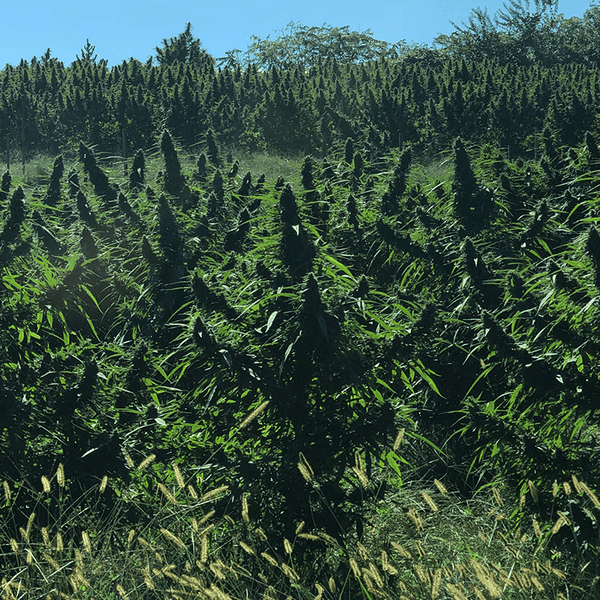
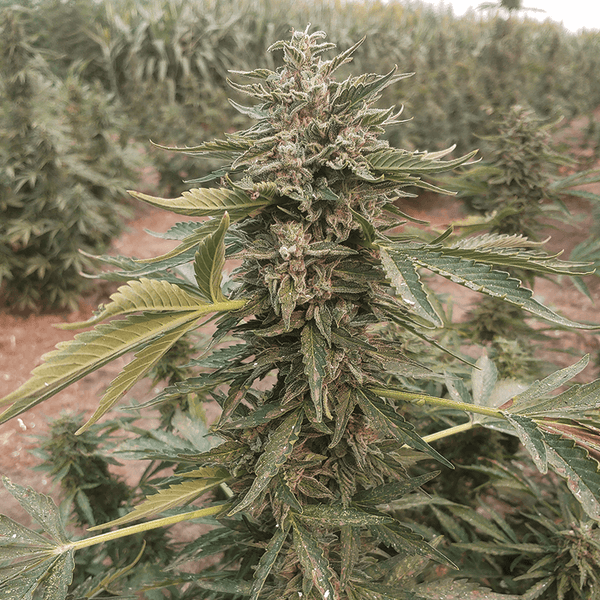
Utilizing your natural environment is the best way to produce hemp at the lowest price possible. There is also an increase in demand for sun-grown cannabis. Using the Earth’s natural resources to grow hemp puts less of a strain on the environment. There are many parts of the world where indoor grows is the only option, but regions close to the equator have sufficient environmental conditions to produce hemp. However, it is still crucial to choose the right seeds.
While there are clear advantages of growing hemp outdoors, choosing the right genetics is essential for success. Many hemp genetics can be traced back to high elevation areas with dramatic temperature changes. These strains won’t thrive to the fullest potential in equatorial regions.
Hemp Genetics that Thrive in Equatorial Regions
At Trilogene Seeds, we have a plethora of hemp genetics to choose from; our selection includes seeds that are adaptive to tropical temperatures and will thrive in equatorial regions. Below are a few of our autoflower choices that are perfect for growing outdoors in temperate climates:
Auto Bot
- 20-25:1 CBD: THC ratio
- 10.3% potential CBD potency
- Above 99% feminization
Auto Alpha
- 20-25:1 CBD: THC ratio
- 10.8% potential CBD potency
- Above 99% feminization
Auto Magik
- 20-25:1 CBD: THC ratio
- 8.1% potential CBD potency
- Above 99% feminization
Trilogene Seeds Hemp Genetics
At Trillogene, we specialize in developing feminized hemp seeds with high concentrations of CBD. When you purchase our CBD seeds, we guarantee a feminization rate of above 99%, ensuring your seeds produce valuable hemp flower.
The Nutritional Value of Hemp Seeds
While most cultivators focus on the flower or fiber, it's worth remembering that the entire hemp plant offers value, right down to its seeds. Hemp seeds are a nutritional powerhouse, often called a "superfood" for their rich profile of healthy fats, protein, and various minerals. They are an excellent source of omega-3 and omega-6 fatty acids and contain all nine essential amino acids, making them a complete protein source. This is great news for anyone interested in plant-based diets or simply looking to add more nutritional density to their meals. The seeds can be eaten raw, roasted, or pressed into oil, offering a versatile ingredient for the kitchen.
Beyond the macros, hemp seeds pack a serious micronutrient punch. According to Vytal Health, "Hemp seeds are great for zinc, and chia seeds have both. Try sunflower, pumpkin, and sesame seeds too." This makes them a fantastic addition to a balanced diet for overall wellness. For cultivators, understanding the full value of your crop, including the nutritional benefits of the seeds, opens up another dimension of appreciation for the plant. While the CBD seeds we provide are bred for cannabinoid production, the resulting seeds from any unpollinated or intentionally pollinated plants carry this inherent nutritional value, highlighting the incredible versatility of hemp.
The Growing Demand for Hemp Expertise
The hemp industry is expanding at an incredible pace, and with that growth comes a significant need for skilled professionals. It’s no longer enough to just know how to plant a seed and water it; the market now demands a deeper understanding of the plant's genetic potential. As noted by eCornell, "The hemp industry in the United States is growing very fast. Because of this growth, there's a high demand for people who know how to breed hemp and work with seeds." This creates a fantastic opportunity for both seasoned cultivators looking to refine their craft and newcomers wanting to build a career in a dynamic field. Expertise in genetics is what separates good growers from great ones.
This demand for knowledge is what drives innovation in the market. Understanding the science behind different strains allows growers to make informed decisions that directly impact their success, from yield size and cannabinoid profiles to crop resilience. Companies at the forefront of genetic development, like Trilogene Seeds, are constantly pushing the boundaries with offerings like feminized seeds that guarantee female plants or pioneering triploid cannabis that offers unique cultivation advantages. To get the most out of these advanced genetics, a solid foundation of knowledge is key, making skilled breeders and cultivators more valuable than ever before.
Educational Pathways in Hemp Genetics
So, how do you gain this in-demand expertise? Thankfully, educational pathways are becoming more accessible. Formal programs and courses are designed to equip you with the scientific principles needed to excel. According to eCornell, a comprehensive program teaches you how to "understand how plant traits are passed down through generations, use both old and new breeding methods to create hemp plants with specific desired qualities, and design a plan to grow a successful hemp crop in different environments." This level of education can transform your approach to cultivation, turning it from a process of trial and error into a precise, predictable science.
Investing in your education allows you to work smarter, not just harder. Whether you're managing a small indoor grow or acres of industrial hemp, understanding genetics helps you select the perfect cultivars for your goals and environment. It empowers you to troubleshoot issues, improve crop consistency, and even develop your own unique strains. This knowledge is the foundation upon which successful, sustainable, and profitable cultivation operations are built, ensuring you stay ahead in a competitive and evolving industry.
Growing in equatorial regions is challenging, and choosing the right hemp genetics is the first step to a successful harvest. If you have any questions regarding what seeds will perform best for your grow environment, contact our team for a free consultation.
Frequently Asked Questions
Why is choosing the right genetics more important than my growing technique? Think of it this way: your skill as a grower can help a plant reach its full potential, but genetics determine what that potential is. You can be the best cultivator in the world, but if you start with a seed that's genetically prone to disease or low yields, you're fighting an uphill battle. Starting with premium genetics gives you a plant that is already designed to be resilient, productive, and packed with the specific compounds you want. It sets a higher ceiling for success before you even plant the seed.
I keep hearing about feminized and triploid seeds. What's the practical difference for a grower? Both are huge steps forward for anyone growing for flower. Feminized seeds are a game-changer because they almost entirely eliminate the risk of growing male plants, which don't produce flowers and can pollinate your crop. This means nearly every plant you grow will be a productive female. Triploid seeds offer an extra layer of security. They create plants that are almost completely sterile, so even if a stray male plant does appear in your field or a neighbor's, your female plants won't produce seeds. This ensures a premium, sinsemilla (seedless) flower, which is what the market values most.
If I'm growing hemp for CBD, how do I make sure my crop stays legal? This is a huge and valid concern, and it comes back to starting with the right seeds. The legal line between hemp and marijuana is a THC content of 0.3% or less. Reputable breeders invest heavily in creating stable genetics that consistently produce high levels of CBD while staying well below that THC threshold. When you buy from a trusted source, you're not just buying a seed; you're buying the assurance that the plant has been bred specifically for legal compliance, taking the guesswork and anxiety out of the process.
Can I use the same seeds to grow for strong fiber as I would for high-CBD flower? Technically you could, but you would be very disappointed with the results. Plants bred for fiber are completely different from those bred for cannabinoids. Fiber hemp is grown to be tall and lanky with very strong stalks and minimal flower production. A plant bred for CBD is shorter, bushier, and puts all its energy into producing large, resinous flowers. Using the wrong type of seed for your goal will result in a low-quality, inefficient harvest. It's essential to match the genetics to your end product.
My main goal is a high yield. What type of seed gives me the best chance for a big harvest? For a high yield of flower, your best bet is to start with feminized or triploid seeds. Since only female plants produce valuable flowers, ensuring your entire crop is female immediately doubles your potential output compared to using regular seeds. Furthermore, genetics bred for your specific climate will be more resilient against local pests and stressors, meaning you'll lose fewer plants and each one will grow stronger. A plant that doesn't have to waste energy fighting off disease or producing seeds can put all its resources into creating a larger, more potent harvest.
Key Takeaways
- Start with the Right Genetics: Your entire crop's potential is locked inside the seed. Choosing genetics specifically suited to your climate and end-product—whether that's cannabinoids, fiber, or grain—is the most critical step for a successful harvest.
- Match Your Crop to Your Market: Decide on your final product before you plant a single seed. A plant bred for high-CBD flower is fundamentally different from one grown for strong industrial fiber, and your choice of genetics must reflect that goal.
- Know the Rules and the Science: A successful hemp operation depends on staying compliant with the 0.3% THC limit. Pairing this legal diligence with a practical understanding of plant science will help you produce a valuable and legitimate crop.