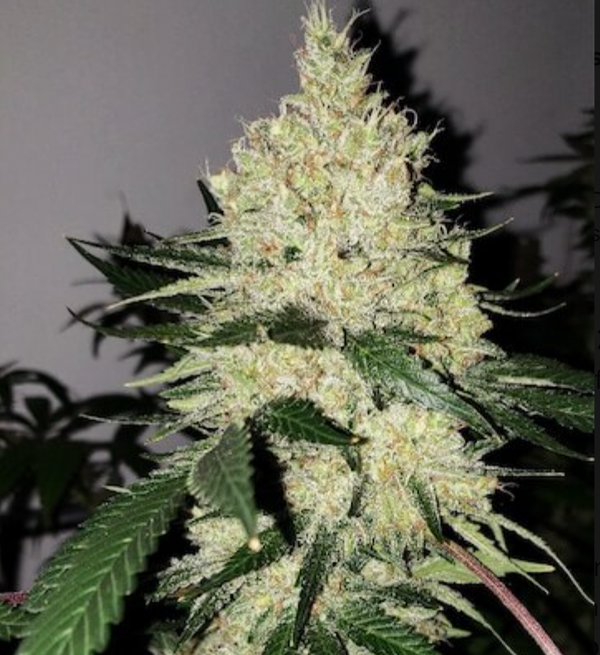
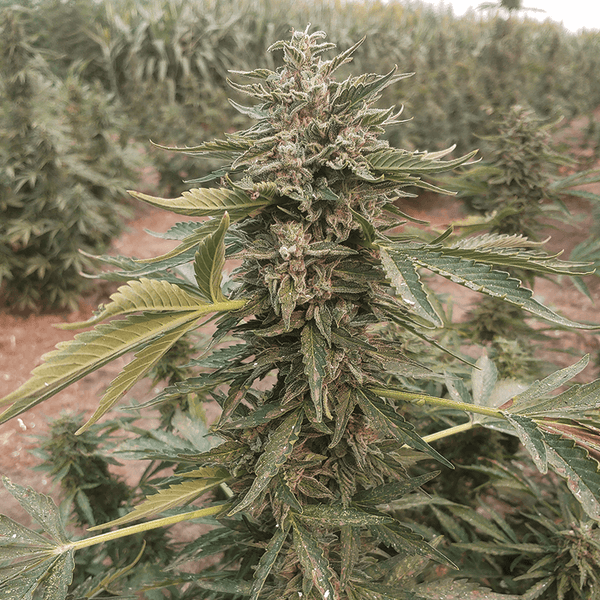
Let’s be honest: early autoflowers had a reputation for being small and less potent. But that was then. Today’s autoflower genetics are a completely different story. Thanks to expert breeding, they now deliver the high yields, incredible flavors, and potent effects you’d expect from top-tier photoperiod strains, all in a fraction of the time. They're no longer a novelty; they are a powerhouse for growers who value quality and speed. If you've been hesitant, it's time to reconsider. This guide will help you buy autoflower seeds with confidence in today's best high-performance genetics.
Key Takeaways
- Autoflowers offer a faster, simpler grow: Their unique genetics allow them to flower automatically based on age, not light schedules. This makes them incredibly beginner-friendly and can get you from seed to harvest in as little as eight weeks.
- A low-stress environment is crucial: Because of their short lifecycle, autoflowers have little time to recover from mistakes. Avoid transplanting by planting in a final container, and be careful not to overwater or overfeed to prevent stunting your plant's growth.
- Your success starts with the right seed: The quality of your genetics is the most important factor in your harvest. Choose a reputable seed bank, select feminized seeds to guarantee bud-producing plants, and always check your local laws before you begin growing.
What Are Autoflower Seeds?
If you're looking for a straightforward path to a quick harvest, autoflower seeds are your answer. Unlike traditional cannabis seeds, autoflowers don't rely on a change in the light cycle to start producing buds. Instead, they operate on their own internal clock, automatically beginning to flower after just a few weeks of growth. Think of them as the express lane of cannabis cultivation. This unique trait comes from their genetic lineage, which includes Cannabis ruderalis, a hardy subspecies that adapted to grow in the harsh climates of Central Asia and Eastern Europe, where summers are short and daylight hours are long.
This built-in timer means you can go from seed to harvest in as little as eight to ten weeks. For growers, this is a game-changer. You don't have to worry about meticulously managing light schedules to trigger the flowering stage. The plant handles that part for you, making the entire process much simpler and more forgiving, especially if you're just starting out. This makes them perfect for balconies, small tents, or discreet corners of your garden. Whether you have limited space, a short outdoor growing season, or simply want to see your results faster, exploring a collection of autoflower seeds is a great first step. Their reliability and speed make them a favorite for both home growers and commercial cultivators alike.
Autoflower vs. Photoperiod: What's the Difference?
The main distinction between autoflower and photoperiod plants is how they begin to flower. As we've covered, autoflowers do it automatically based on age. Photoperiod plants, on the other hand, are sensitive to light—the "photo" in their name. They require a specific change in their daily light exposure to start flowering. For indoor growers, this means switching your light timer to a 12-hours-on, 12-hours-off schedule. Outdoors, they naturally start to flower as the days get shorter after the summer solstice. This light dependency gives growers more control over the plant's vegetative growth phase but also adds a layer of complexity that autoflowers simply don't have. Many popular photoperiod varieties are available as feminized seeds to ensure a crop of bud-producing female plants.
What Makes a Seed an Autoflower?
The secret to an autoflower's magic lies in its genetics. These seeds are hybrids, bred by crossing indica or sativa strains with Cannabis ruderalis. The ruderalis parent contributes the "auto-flowering" gene, which is a dominant trait. This genetic programming tells the plant to start flowering after it reaches a certain maturity, typically around three to four weeks after sprouting, no matter how much light it's getting. This makes them incredibly resilient and adaptable. Because they aren't tied to seasonal light changes, you can plant and harvest them at almost any time of year, even achieving multiple harvests in a single season. This combination of speed and simplicity is why so many growers consider autoflowers a must-have in their garden.
Why Choose Autoflower Seeds for Your Grow?
If you're looking for a straightforward path to a successful harvest, autoflower seeds are a fantastic choice. Their unique genetics, derived from Cannabis ruderalis, allow them to flower automatically based on age rather than light cycles. This single trait makes them incredibly resilient and forgiving, which is why they’re loved by new growers and seasoned cultivators alike.
But the benefits don’t stop at simplicity. Autoflowers are known for their rapid growth, compact size, and surprising efficiency. They remove much of the guesswork and complex light management required by photoperiod strains, letting you focus on the fundamentals of plant care. Whether you have limited space, a short growing season, or simply want to get to harvest day faster, growing with autoflower seeds offers a reliable and rewarding experience. They are a perfect solution for anyone wanting to streamline their cultivation process without sacrificing quality.
Speed Up Your Harvest Cycle
One of the biggest draws of autoflowers is their speed. These plants operate on a fast-tracked schedule, typically going from seed to harvest in just 55 to 95 days. For comparison, many photoperiod strains require that much time for the flowering stage alone. This rapid turnaround means you won’t have to wait long to see the results of your hard work. For home growers, this means a quicker path to a personal supply, while commercial cultivators can benefit from more crop cycles per year. It’s an efficient way to grow that respects your time and effort.
Faster Growth, Faster Harvests
The quick turnaround of autoflowers is a massive advantage, especially if you're an outdoor grower dealing with a short season. Instead of putting all your hopes into one large harvest at the end of summer, you can fit in two or even three smaller ones. This strategy spreads out your risk from pests or unpredictable weather and gives you a more consistent supply. The benefits are just as great indoors, where a perpetual harvest setup becomes much simpler to manage with plants on a predictable 8-to-10-week schedule. This incredible efficiency makes trying out different autoflower seeds an exciting option for anyone looking to get more out of their growing season.
Simplify Your Growing Process
Autoflowering cannabis plants are famous for being easy to grow, making them an excellent starting point for beginners. Because they flower automatically after a few weeks of growth, you don't need to worry about changing the light schedule from 18 hours a day to 12 to trigger the budding phase. This resilience makes them more forgiving of common first-timer mistakes. While experienced growers also appreciate the low-maintenance nature of autoflowers, their simple requirements give new cultivators a much smoother learning curve and a higher chance of a successful first harvest.
Keep Your Grow Compact and Discreet
If you’re working with limited space, autoflowers are your best friend. These plants tend to grow smaller and more compact than their photoperiod counterparts, rarely exceeding a few feet in height. Their modest size makes them ideal for growing in small tents, closets, or even on a sunny balcony. This compact stature also offers an element of discretion, which can be a major advantage for home growers. You can easily cultivate a few indoor cannabis seeds without dedicating an entire room to your setup, making them a practical choice for almost any living situation.
Harvest Multiple Times a Year
The quick lifecycle of autoflowers opens the door to something truly exciting: multiple harvests in a single year. Because you can go from seed to harvest in about three months, it’s possible to plan for a continuous supply. In warmer climates with long summers, you can even pull off up to four separate harvests with outdoor marijuana seeds. Indoors, you can create a perpetual harvest by simply staggering when you plant your seeds. This consistent production is a game-changer for anyone who wants to keep their jars full year-round.
Expect Resilient, High-Yielding Plants
Beyond their speed and compact size, today's autoflowers are bred for impressive resilience and productivity. The days of sacrificing yield for a quick harvest are long gone. Thanks to advanced genetics, you can now expect robust plants that are not only easy to manage but also capable of producing a surprisingly generous harvest. This combination of toughness and high performance makes them a reliable choice for any cultivator, removing much of the risk and uncertainty from the growing process.
Average Yield and Genetic Stability
Let's clear the air about yields. While early autoflowers were known for smaller harvests, modern genetics have completely changed the game. Today’s premium autoflower seeds are bred to produce dense, resinous buds, delivering yields that can easily compete with many photoperiod varieties. A huge part of this improvement comes down to genetic stability. These plants are incredibly reliable and rarely exhibit hermaphroditic traits—meaning they won't unexpectedly grow male parts and pollinate your crop. This stability ensures you get consistent, high-quality results from every seed, taking the guesswork out of your grow.
Natural Resilience to Pests and Climate
Autoflowers get their toughness from their Cannabis ruderalis heritage, which adapted to survive in harsh climates. This built-in resilience makes them remarkably hardy. They can thrive indoors or outdoors, even in less-than-ideal conditions, and are naturally more resistant to common pests and diseases. This means you’ll spend less time troubleshooting problems and more time watching your plants flourish. For new growers, this forgiving nature is a huge advantage, but even experienced cultivators appreciate a plant that can handle a bit of stress. This combination of speed and simplicity is exactly why so many growers find autoflowers to be an essential part of their garden.
Where to Buy High-Quality Autoflower Seeds
Once you’ve decided to grow autoflowers, the next big step is finding a reliable source for your seeds. The quality of your genetics is the single most important factor in determining the success of your harvest, so this isn’t a decision to take lightly. A reputable seller provides seeds that are viable, stable, and true to their advertised strain characteristics. This means you get the flavors, effects, and growth patterns you’re expecting. It's the difference between nurturing a thriving plant and struggling with one that's prone to issues.
Sourcing your seeds from a trusted provider also gives you access to a wealth of information and support. Good seed banks offer detailed descriptions for each strain, including expected flowering times, potential yields, and THC or CBD content. This helps you make an informed choice that fits your specific goals and growing environment. Whether you’re a beginner looking for a forgiving strain or an experienced cultivator chasing a specific terpene profile, starting with high-quality seeds from a dependable source sets you up for a rewarding growing experience from day one. It's the best investment you can make in your future garden.
Why a Specialized Seed Bank Matters
At Trilogene Seeds, we’re obsessed with genetics. We believe that a great harvest starts with a great seed, which is why we’re dedicated to providing premium, non-GMO cannabis seeds for every type of grower. Our collection of autoflower seeds is carefully curated to ensure genetic stability, high germination rates, and impressive results. Whether you’re looking for high-potency THCA seeds or therapeutic CBD varieties, you’ll find strains that are easy to manage and deliver consistent quality. We provide all the details you need to choose with confidence, helping you find the perfect genetic match for your garden.
What to Look for in a Reputable Supplier
When you're shopping for seeds, it’s important to know what to look for in a seller. A reputable seed bank is transparent about its genetics and breeding processes. Check for customer reviews and testimonials to get a sense of other growers' experiences with their products and service. The best suppliers provide detailed strain information, including lineage, expected effects, and ideal growing conditions. Look for a company that stands behind its products, offers reliable customer support, and provides clear policies on shipping and handling. A trustworthy seed bank isn't just a store; it's a partner in your cultivation journey.
Germination Guarantees
A germination guarantee is one of the clearest signs that a seed bank is confident in its products. It’s their way of saying, "We stand behind our genetics." This provides a crucial safety net for your investment and gives you peace of mind, especially when you're excited to try a new strain. While no one can promise that every single seed will sprout, a guarantee shows that the supplier takes quality seriously, from breeding to storage. Ultimately, the best seed banks aim to provide such stable and vigorous autoflower seeds that you'll likely never need to think about the guarantee. It's simply there as a mark of quality and a promise to support your grow from the very first step.
Should You Buy Seeds Online or at a Dispensary?
You generally have two options for buying seeds: online seed banks or local dispensaries. Buying online from a specialized seed bank like Trilogene often gives you a much wider selection of strains to choose from. You can take your time researching different genetics and find exactly what you need, often at a better price. Plus, it’s discreetly shipped right to your door. On the other hand, visiting a local dispensary allows you to get your seeds the same day and ask a budtender for recommendations. However, their selection is usually much more limited, and you may not get the same level of genetic detail as you would from a dedicated breeder.
How to Find Your Perfect Autoflower Strain
With so many options available, picking your first autoflower strain can feel like a big decision. The best way to narrow it down is to think about three key things: the effects you want, where you plan to grow, and your experience level. Answering these questions will help you find the perfect genetic match for your garden and your goals. Let’s walk through how to select a strain that will set you up for a successful and rewarding grow.
THC vs. CBD: What's Your Goal?
First, consider what you want from your final harvest. Are you looking for potent, psychoactive effects, or are you more interested in the therapeutic, non-intoxicating benefits of CBD? Strains are bred to have specific cannabinoid profiles. Some, like Blue Dream Auto, are cultivated for high THC content. Others, such as CBD Cheese Auto, are known for a more balanced and mellow experience. Thinking about your desired outcome is the most important first step. If you’re seeking potent effects, you’ll want to explore THCA seeds. If you prefer wellness without the high, a high-CBD strain is your best bet.
Will You Grow Indoors or Outdoors?
Next, think about your growing space. One of the biggest advantages of autoflowers is their versatility. Most take about "8 to 10 weeks to go all the way from seed to harvest," and they flower automatically without needing a specific light schedule. This makes them a great fit for both indoor and outdoor setups. However, some strains are better suited to one environment over the other. If you’re working with a small tent, look for a compact strain. If you’re growing outdoors in a humid climate, you’ll want a mold-resistant variety. Matching the strain to your environment will help prevent problems and ensure your plants thrive, whether you're growing with indoor cannabis seeds or outdoors.
Top Autoflower Strains for Beginners
If you’re new to cultivation, choosing a forgiving, easy-to-grow strain can make all the difference. Starting with a resilient plant helps build your confidence and skills. Many breeders recommend specific strains for beginners because they can handle common mistakes and still produce a great harvest. Some popular, user-friendly options include Mimosa Cake Auto and Bruce Banner Auto. For those who appreciate classic flavors, a strain like Auto Blueberry offers that "old-school dark fruity dankness" and is known for being straightforward to grow. Exploring autoflower seeds bred for simplicity is a smart way to begin your growing journey.
Using Website Filters to Narrow Your Search
Once you have an idea of what you're looking for, browsing a large seed catalog can feel a lot less intimidating. This is where website filters become your best friend. Reputable seed banks provide detailed filtering options to help you sort through their collection and pinpoint the perfect match. You can dial in your search by cannabinoid content to find high-potency THCA seeds, or sort by your experience level, the plant's final size, and how long it takes to grow. You can even filter by specific flavor profiles, like fruity or spicy. Using these tools is the quickest way to move from browsing to buying with confidence, ensuring you find a strain that fits your specific needs and preferences.
What to Look for When You Buy Autoflower Seeds
Once you’ve found a reputable seed bank, the next step is picking the right seeds. It can feel a bit like standing in a candy store—so many choices! But knowing what to look for will help you separate the duds from the superstars. A little attention to detail before you buy can make all the difference in your final harvest. Focus on the quality of the genetics, the type of seed, and the seller’s policies to ensure you’re setting yourself up for a successful grow from day one.
What Do Healthy Seeds Look Like?
First, let's talk genetics. The best seeds come from stable, proven parent plants. Reputable breeders invest time and resources into developing strong genetics, resulting in seeds that produce healthy, predictable plants. Look for sellers who provide detailed strain information and lab testing results. Visually, healthy seeds are typically dark brown or gray, sometimes with mottled patterns. They should feel hard and firm when you gently squeeze them. Avoid pale, greenish, or soft seeds, as they’re likely immature and won’t germinate. Shopping from a trusted source ensures you get viable, high-quality seeds with the genetic potential to thrive.
Feminized vs. Regular: Which Is Right for You?
For most growers, especially beginners, the answer is simple: go with feminized seeds. Here’s why. Cannabis plants can be male or female. Female plants produce the cannabinoid-rich buds you’re looking to harvest. Male plants produce pollen, and if they pollinate your females, your plants will focus their energy on making seeds instead of buds. Feminized seeds are specifically bred to produce female plants over 99% of the time, taking the guesswork out of the equation. This means you can dedicate your space and resources to growing bud-producing plants without worrying about rogue males.
Why Shipping and Storage Policies Matter
Don’t click “buy” just yet. Take a moment to review the company’s shipping and storage policies. A professional seed bank will be transparent about how they handle and ship their products. Look for information on discreet packaging, shipping times, and what to do if there’s an issue with your order. Proper storage is also crucial for seed viability. Reputable sellers store their seeds in cool, dark, and dry conditions to preserve them until they reach your door. Clear policies and good customer service are strong indicators that you’re buying from a company that stands behind its products and cares about your success.
Shipping and Payment Options
When you're ready to check out, you'll find that most reputable seed banks offer a variety of secure payment options to protect your information. It's common to see major credit cards accepted, and many suppliers also provide alternatives like bank transfers or even cryptocurrency for added discretion. Once your order is placed, you should receive an email confirmation with your shipping details and a tracking number. Look for sellers that offer stealth shipping, which means your seeds will arrive in plain, discreet packaging. This ensures your privacy is respected when you purchase your seeds. Just remember to double-check the laws in your area before placing an order to make sure you're compliant.
Understanding Seed Pack Sizes
You'll notice that seeds are typically sold in packs of different sizes, from single seeds to packs of 10 or more. Choosing the right quantity comes down to your space, experience, and goals. If you're a beginner or have a small tent, starting with a 3 or 5-pack is a smart move. It gives you enough seeds to learn with, plus a backup or two, without overwhelming you. For more experienced growers or those with larger setups, buying in bulk can be more cost-effective. The most important thing to remember is to prioritize quality over quantity. A small pack of premium genetics will always outperform a large pack of unreliable seeds. It's better to invest in a few great plants than to waste time on many mediocre ones.
How Much Do Autoflower Seeds Cost?
Let's talk about one of the most common questions beginners have: how much should you expect to spend on seeds? The price of autoflower seeds can vary quite a bit, but understanding what goes into the cost will help you make a smart purchase. Generally, you can find quality seeds for around $10 to $20 each. However, for rare or highly sought-after genetics, prices can climb to $60 or more per seed. Think of it as an investment in your final harvest—starting with great genetics sets you up for success from day one.
It's tempting to go for the cheapest option, but a slightly higher upfront cost for reliable seeds often pays for itself with a healthier, more abundant yield. The price reflects the expertise, time, and care that went into developing a stable and potent strain. A cheap seed from an unknown source might not germinate, or it could produce a weak plant with a disappointing harvest. A well-bred seed from a trusted bank gives you a much stronger starting point, ensuring your time, effort, and resources aren't wasted. The cost is directly tied to the quality of the genetics, the reputation of the breeder, and the rarity of the strain, all of which we'll cover next.
Why Do Some Seeds Cost More?
Several key factors influence the price tag on a pack of seeds. The most important is the quality of the genetics. Strains that are stable, potent, and have unique characteristics often cost more because of the time and expertise required to develop them. The reputation of the breeder or seed bank also plays a big role; established companies with a history of producing reliable seeds can command higher prices. Finally, rarity matters. Limited-edition drops or strains that are difficult to breed will naturally be more expensive. You're paying for the innovation and exclusivity that comes with these premium cannabis genetics.
Buying in Bulk to Save Money
If you're planning more than one grow or just want to have some extra seeds on hand, buying in bulk is a fantastic way to save money. Most seed banks offer a lower price per seed when you purchase larger quantities. This approach is especially helpful for new growers, as it gives you a buffer in case some seeds don't germinate or a plant doesn't make it. It also allows you to experiment with a few different plants without breaking the bank. Keep an eye out for sale seeds, as these sections often feature great deals on multi-seed packs, helping you stock up for less.
How to Find the Best Deals
Finding a great deal feels good, but you never want to sacrifice quality for a lower price. The best strategy is to shop around at reputable seed banks and compare your options. Sign up for newsletters or follow your favorite brands on social media to be the first to know about promotions and special offers. Reading reviews from other growers can also give you confidence that you're getting high-quality seeds that are worth the price. By doing a little research, you can find top-tier autoflower seeds at a price that fits your budget, ensuring you get the best of both worlds.
From Seed to Sprout: Germination and Planting
You’ve done the research and picked out the perfect autoflower seeds. Now for the exciting part: bringing them to life. Germination is the very first step in your growing journey, and it’s where a strong foundation is built. For autoflowers, this stage is especially important. Because they operate on a fixed timeline, they don’t have the luxury of a long recovery period if things go wrong early on. A healthy, stress-free start is the best way to ensure your plant reaches its full potential. Getting this right sets the stage for vigorous growth and a rewarding harvest, so let’s walk through the most reliable ways to get your seeds started.
Popular Germination Methods
One of the most popular and straightforward ways to germinate your seeds is the paper towel method. Simply place your seeds between two damp—not soaking wet—paper towels and put them between two plates to create a dark, humid environment. In a few days, you should see a small white taproot emerge. Another great option, and one that’s ideal for autoflowers, is planting directly into the soil. This method completely avoids the risk of transplant shock, which can stunt an autoflower’s growth. You can also use starter plugs or peat pellets, which offer a stable medium and make moving the seedling into its final pot much gentler. Each method works well, but for autoflowers, minimizing stress is always the top priority.
Planting Your Sprouted Seed
Once your seed has sprouted a taproot, it’s time to plant it. Handle it with extreme care, as the taproot is incredibly delicate. Using a pair of clean tweezers is the best way to avoid damage. Plant the seed about a half-inch deep in your soil or growing medium with the taproot pointing down. If you didn't germinate directly in the final pot, this is the moment to move it. For autoflowers, it’s highly recommended to plant the sprouted seed directly into its final container. This prevents the stress of transplanting later on, which can trigger premature flowering and limit your plant's size and yield. A low-stress environment from day one is the secret to a happy autoflower.
Choosing the Right Pot Size
The size of your pot has a direct impact on the final size of your autoflower. Because their vegetative stage is so short, their root system develops rapidly. If the roots reach the bottom of a small container too quickly, it can signal the plant to stop growing vertically and start flowering, resulting in a much smaller plant. To give your plant plenty of room to establish a strong root system, a 3- to 5-gallon pot is ideal. This size provides enough space for healthy development without being so large that the soil stays waterlogged. Fabric pots are an excellent choice, as they promote air pruning and better drainage, helping you grow robust and healthy indoor cannabis seeds.
Setting Up Your Autoflowers for Success
Once you have your seeds, the next step is creating a happy home for them to grow. Autoflowers are pretty low-maintenance, but giving them the right environment from the start will make a huge difference in your final harvest. Think of it like setting the stage for a great performance. A little attention to detail with temperature, soil, and light will help your plants reach their full potential without much fuss. Let's walk through the key elements you need to get right.
Dialing In Your Temperature and Humidity
Autoflowers thrive when they're comfortable, just like us. During their early growth phase (the vegetative stage), they prefer a warmer, more humid environment. Aim for temperatures between 75–85°F and keep the humidity around 50–60%. Once you see those beautiful buds start to form (the flowering stage), it's time to cool things down a bit. Lower the temperature to 70–80°F and drop the humidity to 40–50%. This simple adjustment helps prevent mold and encourages dense, resinous flower development, ensuring your plants stay healthy and productive.
Choosing the Right Soil and Nutrients
The foundation of a healthy plant is healthy soil. For autoflowers, you’ll want a light, airy soil mix that drains well. Look for blends that contain perlite, coco coir, or peat moss. A nutrient-rich "super soil" with a neutral pH is a great choice because it can feed your plants for most of their life. When it comes to added nutrients, remember that autoflowers are sensitive. They need less food than photoperiod plants. It’s always best to start with half the recommended dose from your nutrient brand to avoid burning them. You can always add more later if needed.
Soil Type and pH Levels
Your soil is your plant's home, so you want to make it as comfortable as possible. Autoflowers do best in a light, airy soil mix that allows their roots to breathe and grow without resistance. Look for potting soils that contain ingredients like perlite, coco coir, or peat moss to improve drainage and aeration. A pre-amended "super soil" is an excellent option because it comes packed with organic nutrients that can feed your plant for most of its life, simplifying your routine. Just as important is maintaining a neutral pH, ideally between 6.0 and 7.0. This sweet spot ensures your plant can properly absorb all the available nutrients, which is crucial for the healthy development of your cannabis seeds.
Nutrient Ratios for Each Growth Stage
When it comes to feeding your autoflowers, the golden rule is "less is more." Because of their short lifecycle and sensitive nature, they require fewer nutrients than their photoperiod relatives. It’s always best to start with half the recommended dose on your nutrient bottle to avoid nutrient burn, which can stunt their growth. During the first few weeks of vegetative growth, your plant will appreciate a bit more nitrogen to fuel leaf and stem development. Once it starts flowering, you’ll want to switch to a bloom-specific formula that is higher in phosphorus and potassium to support bud production. By starting light and paying attention to your plant's needs, you'll keep your autoflower seeds happy and on track for a great harvest.
Getting the Lighting Right for Autoflowers
Light is your plant's main source of energy, so getting this right is key. Unlike photoperiod plants that need a change in light schedule to flower, autoflower seeds will bloom automatically. For the best results, give them a consistent 18 hours of light and 6 hours of darkness (18/6) each day. Some growers even use a 20/4 cycle.
While it might seem like a good idea, avoid giving them 24 hours of light. A little downtime helps prevent stress. If you're growing with indoor cannabis seeds, investing in a quality full-spectrum LED grow light will give your plants the energy they need to produce a fantastic harvest.
Proper Lighting Distance for Seedlings
When your seedlings first sprout, they are delicate and need just the right amount of light to get a strong start. Position your grow lights about 18 to 24 inches above the tops of your seedlings. If the light is too close, you risk burning their sensitive new leaves. If it's too far away, the seedlings will stretch upward trying to reach it, resulting in long, weak stems. Keep a close eye on them as they grow and adjust the light’s height as needed to maintain that sweet spot. This simple step prevents stress and encourages your plants to grow stout and healthy from the very beginning.
Ensuring Good Air Circulation
Think of air circulation as your plant's personal trainer. A gentle, consistent breeze from an oscillating fan does more than just move air around; it strengthens your plant's stems, preparing them to support heavy buds later on. Good airflow is also your number one defense against common grow room problems like mold and mildew, which thrive in stagnant, humid conditions. By keeping the air moving, you prevent moisture from settling on the leaves and creating a breeding ground for pathogens. This is especially important in a compact indoor setup, where a little bit of prevention goes a long way in protecting your crop of indoor cannabis seeds.
Tips for Growing Autoflowers Outdoors
Growing autoflowers under the sun can be incredibly rewarding, and a few simple tips will help you make the most of the great outdoors. Wait to plant your seeds until after the last frost has passed to give them a warm, welcoming start. Choose a location that gets at least six to eight hours of direct sunlight each day. For soil, use a light, airy mix that drains well to prevent waterlogged roots. Amending your soil with a slow-release fertilizer can provide a steady stream of nutrients throughout the plant's life. Finally, keep an eye out for pests and protect your plants from harsh weather like heavy rain or strong winds. With a little care, your outdoor marijuana seeds will flourish.
Managing Odor for Indoor Grows
While the aroma of flowering cannabis is a delight for any grower, you might want to keep it contained for the sake of discretion. The most effective way to manage strong odors during the flowering stage is by installing a carbon filter and an exhaust fan in your grow space. The fan pulls the fragrant air out of your tent, and the carbon filter scrubs the odor molecules before the air is vented out. This combination is the industry standard for a reason—it works. Make sure your grow tent is properly sealed to create negative pressure, which ensures all the air passes through the filter. It’s a simple setup that gives you peace of mind and keeps your hobby private.
Common Mistakes to Avoid with Autoflowers
Growing autoflowers is incredibly rewarding, especially for beginners. Their speed and resilience make them a fantastic choice, but their short lifecycle means they have less time to recover from mistakes. A small misstep that a photoperiod plant could easily bounce back from can have a bigger impact on your final yield with an autoflower. Don't let that intimidate you! By being mindful of a few common pitfalls, you can set your plants up for a successful and bountiful harvest.
Think of it as giving your plant the best possible start so it can race to the finish line without any hurdles. The key is to provide a stable, low-stress environment where your autoflower can thrive on its own schedule. Unlike photoperiod plants that you can keep in a vegetative state to recover from stress, an autoflower marches to the beat of its own drum, flowering automatically after just a few weeks. This means any time lost to stunting or recovery is time that can't be regained. From watering habits to training techniques, a gentle approach is always best. We’ll walk through the most frequent errors new growers make and give you simple, actionable steps to help you sidestep them completely. With a little know-how, you’ll be well on your way to growing healthy, happy plants.
How to Avoid Overwatering and Nutrient Burn
It’s easy to kill your plants with kindness, and overwatering is one of the most common ways it happens. Autoflowers have smaller root systems than their photoperiod cousins and are particularly sensitive to soggy soil. Too much water suffocates the roots, invites rot, and can stop growth in its tracks. The fix is simple: let the top inch or two of soil dry out completely before watering again. If you’re unsure, stick your finger in the soil to check. It’s better to underwater slightly than to overdo it.
Similarly, autoflowers are light feeders. They don’t need the heavy nutrient schedules that some other plants require. Giving them too much, too soon can cause nutrient burn, which you’ll see as yellow or brown tips on the leaves. Start with a light, airy soil mix and use only a fraction of the recommended nutrients. You can always add more nutrients later if needed, but it’s much harder to correct a burn.
Why You Should Go Easy on Pruning and Transplanting
Because autoflowers operate on a fixed timeline from seed to harvest, they have very little time to recover from stress. This is why you should avoid high-stress activities like pruning or transplanting. Chopping off leaves or branches can shock the plant, forcing it to spend precious energy on recovery instead of growth. If you want to shape your plant for better light exposure, stick to gentle low-stress training (LST) by carefully bending and tying down branches.
Transplanting is another major source of stress. The best practice for autoflowers is to plant your germinated seed directly into its final container. This completely eliminates the risk of transplant shock, which can stunt your plant for a week or more—a significant setback in its short life. By starting in the final pot, you give your plant an uninterrupted path to maturity.
Preventing Shock for Healthy Growth
The theme for successful autoflower growing is consistency. Any sudden change in the environment can shock your plant and lead to stunted growth, which is the number one enemy of a great autoflower harvest. Shock can come from big temperature swings, inconsistent lighting schedules, overwatering, or physical damage from transplanting. Since an autoflower won't wait for conditions to improve before it starts flowering, any time lost to stunted growth directly reduces your final yield.
To prevent this, create a stable environment from day one. Keep your temperature and humidity levels consistent, put your lights on a timer, and follow a careful watering schedule. By providing a calm and predictable home for your plant, you allow it to focus all its energy on what it does best: growing fast and producing beautiful buds. Ready to start with genetics built for success? Check out our collection of premium autoflower seeds.
Harvesting, Drying, and Curing Your Autoflowers
You’ve successfully guided your plant from a tiny seed to a full-grown, bud-covered beauty. Congratulations! Now comes the final and most critical phase: the harvest. These last few steps are what transform your hard work into a top-shelf product. Rushing through the drying and curing process is a common mistake that can undo months of effort, so a little patience here goes a long way. By carefully timing your harvest and properly drying and curing your buds, you’ll preserve the incredible flavors, aromas, and potency that you worked so hard to cultivate. This is where the magic really happens.
Knowing When to Harvest
Timing your harvest is more of an art than an exact science, but the best way to know when your plant is ready is by looking at the trichomes. These are the tiny, crystal-like glands that cover the buds and contain all the good stuff—cannabinoids and terpenes. You’ll need a jeweler’s loupe or a small magnifying glass to see them clearly. Early on, trichomes are clear. As the plant matures, they’ll turn a milky or cloudy white, and finally, they’ll become amber. The perfect time to harvest your autoflower is when most trichomes are milky white, with about 30% having turned amber. This indicates peak potency and a well-rounded effect.
The Drying Process
Once you’ve chopped down your plant, the next step is to slowly and evenly dry the buds. This process is crucial for preserving their flavor and preventing mold. Start by trimming away the large fan leaves, then hang the branches upside down in a dark, cool, and well-ventilated space, like a closet or a grow tent. You want to maintain a temperature of around 60–70°F and a humidity level of 50–60%. Good air circulation is important, but don’t point a fan directly at the buds, as this can dry them out too quickly. The drying process usually takes about 7 to 14 days. You’ll know they’re ready when the smaller stems snap instead of bend.
How to Cure Your Buds for Better Flavor
Curing is the final step that truly brings out the quality of your harvest. It allows the buds to develop their full flavor and aroma while making the smoke much smoother. Once your buds are dry, carefully trim them from the branches and place them into airtight glass jars, filling them about 75% of the way to leave room for air. For the first week, open the jars once or twice a day for a few minutes to release moisture and let in fresh air—this is called "burping." After the first week, you only need to burp them every few days. Store your jars in a cool, dark place for at least two weeks, though four to six weeks will produce an even better result.
Before You Buy Autoflower Seeds: Know the Law
Before you get excited about picking out the perfect strain, let’s talk about the less glamorous but incredibly important part of the process: the legal side of things. Cannabis laws can feel like a tangled web, varying wildly from one state to another, and even between cities. Taking a few minutes to understand the rules in your specific area is the first step to a successful and stress-free grow.
Think of it as part of setting up your grow space—just like you’d check your lighting and soil, you need to check your local regulations. This ensures you can enjoy the entire process, from germination to harvest, without any unwelcome surprises. The responsibility ultimately falls on you, the grower, to know what’s permitted where you live.
Check Your Local and State Laws
First things first: you need to become an expert on your local cannabis laws. In some places, buying, selling, and possessing cannabis seeds is perfectly legal, often because they don't contain THC and are sold as adult novelty souvenirs. However, the act of germinating those seeds can change their legal status entirely. It’s crucial to know the specific rules for cultivation in your state and municipality.
Many states have limits on how many plants you can legally grow at home. Be sure to check these plant counts before you start. A great resource for this is your state’s official government website or a trusted advocacy group that tracks cannabis legislation. Remember, seed banks operate under the assumption that you will follow all applicable laws.
Understand Shipping Restrictions
Once you’ve confirmed the laws in your area, the next step is to check the seed bank’s shipping policies. Reputable companies are very clear about where they can and cannot send their products. Due to the patchwork of laws across the country, many seed banks have restrictions on shipping to certain states to remain compliant. You can usually find this information on their FAQ or shipping policy page.
Before you fill your cart with exciting autoflower seeds, take a moment to verify that the company ships to your address. This simple check saves you the headache of a canceled order and ensures a smooth purchasing experience from the start. A transparent shipping policy is a good sign you’re buying from a trustworthy source.
Related Articles
- Autoflower Seeds for Beginners: Grow Fast & Easy
- How to Start Autoflower Seeds: The Ultimate Guide
- How to Grow Autoflowering Seeds: A Simple Guide
- The Complete Guide to Autoflower Weed Seeds
- What are Autoflower Seeds?
Frequently Asked Questions
Are autoflowers less potent than photoperiod plants? This is a common myth that comes from the early days of autoflower breeding. While the first autoflowers might have sacrificed some potency for speed, that’s no longer the case. Thanks to expert breeding, modern autoflower strains from a quality source can be just as potent, flavorful, and resinous as their photoperiod counterparts. It all comes down to choosing high-quality genetics from the start.
How much can I expect to harvest from one autoflower plant? Your final yield will depend on several factors, including the specific strain you choose, your growing conditions, and your skill level. Generally, you can expect anywhere from one to six ounces per plant. A grower with a well-tuned indoor setup and a high-yielding strain will naturally get more than someone growing a smaller plant on a balcony. The key is to provide a stable, low-stress environment to help the plant reach its full genetic potential.
Can I take clones from an autoflower? While you can technically take a cutting from an autoflower and get it to root, it isn't a practical way to grow. Autoflowers operate on an internal clock that starts ticking the moment they sprout. A clone will be the exact same age as the mother plant, meaning it will start to flower on the same schedule, resulting in a very small plant with a minimal harvest. For this reason, it's always best to start each autoflower from a seed.
I heard you shouldn't transplant autoflowers. Is that really true? Yes, this is one of the golden rules of growing autoflowers. Because their lifecycle is so short, they have very little time to recover from stress. Transplanting can shock the root system and stunt the plant's growth for a week or more. In an autoflower's world, that's a significant setback that can directly reduce your final yield. The best practice is to plant your germinated seed directly into its final container.
What's the best light schedule for autoflowers? One of the biggest perks of growing autoflowers is that you don't need to change the light schedule to trigger flowering. For the entire life of the plant, from seedling to harvest, a consistent schedule of 18 hours of light on and 6 hours off is perfect. Some growers even push it to 20 hours on and 4 hours off. The most important thing is to keep it consistent to provide a stable environment for your plant to thrive.