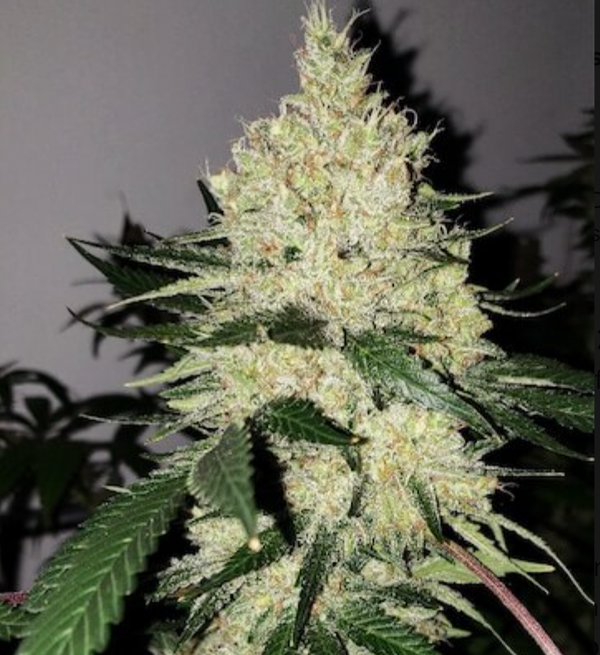
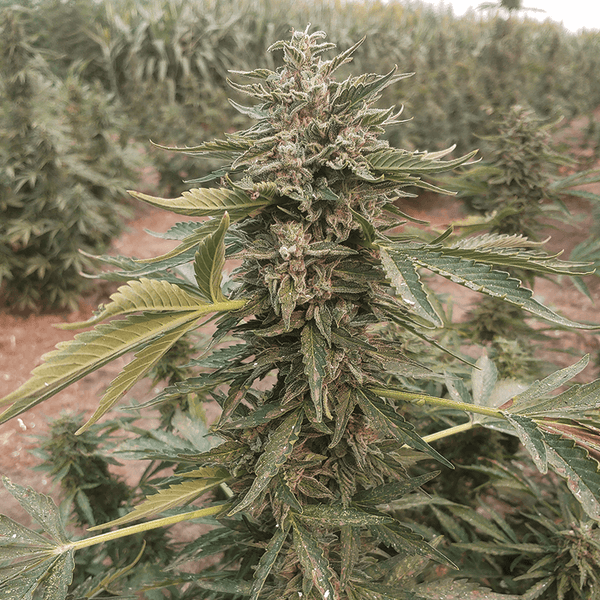
Let's clear the air about autoflowers. For years, they had a reputation for being less potent and producing tiny yields. While that may have been true for early varieties, modern genetics have completely rewritten the rules. Today’s breeders have developed powerful, high-yielding strains that can stand tall next to their photoperiod cousins. These plants combine the resilience and speed of their ruderalis heritage with the impressive cannabinoid profiles you want. This guide will walk you through the truth about modern auto flower marijuana seeds and show you why they are a top choice for discerning cultivators.
Key Takeaways
- Autoflowers work on their own schedule: They flower based on age, not light cycles, which means you can go from seed to harvest in as little as 8-10 weeks. This makes them a fast, simple, and forgiving option for any grower.
- Gentle handling is key for a healthy harvest: Because their lifecycle is so short, autoflowers can't recover from stress. Avoid overwatering, start with a light nutrient schedule, and plant your seed directly in its final pot to prevent stunting its growth.
- A great harvest begins with a great seed: The quality of your seeds determines your plant's potential. Sourcing from a reputable breeder with stable genetics and a germination guarantee is the best way to ensure you start with a vigorous plant capable of producing a rewarding yield.
What Are Autoflower Seeds?
If you're looking for a straightforward path to a successful harvest, autoflower seeds are your new best friend. Think of them as the low-maintenance, high-reward option in the world of cannabis cultivation. Unlike traditional photoperiod seeds that require a strict light schedule to start producing buds, autoflowers operate on their own internal clock. They automatically switch from vegetative growth to the flowering stage based on their age, regardless of how much light they receive. This one simple trait makes growing cannabis significantly easier, especially if you're just starting out or don't have a perfectly controlled indoor setup.
This unique characteristic comes from a hardy, wild cannabis subspecies called Cannabis ruderalis, which evolved to survive the short summers and long daylight hours of its native regions. Breeders have skillfully crossed this resilient plant with popular Indica and Sativa strains, creating autoflowering versions of all your favorite classics. The result is a plant that combines the potency and flavor you want with the speed and simplicity you need. For cultivators, this means you can achieve multiple harvests in a single outdoor season or enjoy a much quicker turnaround time indoors. They are a game-changer for anyone wanting to grow quality cannabis without the complex light management.
The Genetics Behind Autoflowers
The secret behind autoflowers lies in their unique genetic makeup. They get their automatic flowering trait from Cannabis ruderalis, a tough and scrappy cannabis variety native to the harsh climates of Central Asia and Eastern Europe. To survive short growing seasons, ruderalis evolved to flower based on age rather than changes in daylight. Modern breeders have harnessed this incredible trait by crossing ruderalis with high-performance Indica and Sativa genetics. This process creates autoflower seeds that deliver the desirable effects and aromas of traditional strains but with a much faster life cycle. Most autoflowers go from seed to harvest in just 7 to 10 weeks, making them one of the quickest options available.
What Makes Them Different?
The primary difference between autoflowers and traditional photoperiod strains is how they initiate flowering. Photoperiod plants are sensitive to light cycles and require a switch to 12 hours of darkness per day to begin producing buds. This means you have to carefully manage timers and light-proof your grow space. Autoflowers completely remove that variable from the equation. They will flower automatically once they reach a certain age, usually within a few weeks of sprouting. This makes them incredibly forgiving for new growers. Their compact size is another key differentiator. Autoflowers tend to stay smaller and more discreet, making them perfect for balcony gardens, small tents, or any grow where space is a concern.
Busting Common Autoflower Myths
Let's clear up a few misconceptions about autoflowers. One of the oldest myths is that they produce tiny yields. While early autoflowers were less productive, modern genetics have come a long way. Today’s high-quality autoflower strains can produce impressive harvests that rival many photoperiod plants. Another common belief is that they are less potent. This is also outdated. Breeders have successfully developed autoflowers with incredibly high cannabinoid content, including potent high-THCA seeds and CBD-rich varieties. Finally, some see their smaller size as a drawback, but it’s actually a huge advantage. Their compact stature means they require less water, fewer nutrients, and less overall maintenance, making your grow easier and more efficient.
Pros and Cons of Growing Autoflowers
Deciding whether to grow autoflowers comes down to weighing their unique advantages against their limitations. These plants are a fantastic option for many growers, but it’s smart to understand the full picture before you buy your seeds. Their special traits, inherited from Cannabis Ruderalis, create a growing experience that’s quite different from traditional photoperiod strains. For some, these differences are a huge benefit, while for others, they might be a deal-breaker. Let's walk through the main pros and cons to help you figure out if autoflowers are the right fit for your garden and your goals.
The Benefits: Fast, Compact, and Flexible
The biggest advantage of autoflowers is their speed. These plants race from seed to harvest in as little as 8 to 10 weeks. This is possible because they flower based on age, not a change in the light cycle. You don't have to worry about switching your lights from 18/6 to 12/12, which makes them incredibly beginner-friendly. Their compact size is another major plus, especially if you’re working with limited space like a small tent or a balcony. On top of that, autoflower seeds tend to produce hardy plants with a natural resistance to pests and cooler temperatures, giving you a little more room for error. This combination of speed, simplicity, and resilience makes them a solid choice for anyone looking for a quick and straightforward grow.
The Drawbacks: Yields and Potency
The trade-off for that incredible speed is typically a smaller yield. Because autoflowers have a shorter vegetative stage and stay relatively small, they don't have as much time to bulk up as photoperiod plants. A typical autoflower might produce between 10 and 50 grams per plant. While some high-performance "super autos" can yield much more under perfect conditions, they generally won't match the massive harvests possible from a large, long-growing photoperiod plant. Historically, autoflowers also had a reputation for lower potency, but modern genetics have largely closed that gap. Breeders are constantly developing powerful new releases that deliver impressive THC and CBD levels, so this is becoming less of a concern.
Are Autoflowers Right for Your Grow?
So, should you choose autoflowers? If your main goals are a fast harvest, a simple growing process, and a plant that stays a manageable size, the answer is a definite yes. They are perfect for growers who want multiple harvests in a single season or for beginners who want to learn the ropes without the complexity of managing light cycles. However, if your number one priority is getting the absolute maximum yield from each plant and you have the space and patience for a longer grow cycle, a photoperiod strain might be a better fit. Ultimately, the best plant for you depends on your personal goals. Take some time to shop all seeds and compare different strain characteristics to find your perfect match.
How to Grow Autoflowers from Seed to Harvest
Growing autoflowers is a rewarding experience, especially because you get to see the results so quickly. Their lifecycle is a sprint, not a marathon, so getting your setup right from the beginning is key. From the soil you choose to your watering habits, every detail matters in helping these speedy plants reach their full potential. Think of this as your roadmap to a successful harvest, guiding you through each critical stage of the autoflower journey. Let's get your grow space ready.
Set Up Your Grow Space
One of the best things about autoflowers is their compact size, making them perfect for smaller, discreet setups like a grow tent or a sunny corner on a balcony. Because they flower based on age, not light cycles, you don't have to worry about changing your light schedule. Just give them a consistent 18-20 hours of light per day. A crucial tip for success is to plant your germinated autoflower seeds directly into their final container. Autoflowers have a short vegetative stage and don't like the stress of being transplanted, so letting them settle into their permanent home from day one helps them thrive without interruption.
Get Your Soil and Nutrients Right
Autoflowers perform best in a light, airy soil mix that allows their roots to breathe and grow freely. Look for soil that contains ingredients like coco coir, perlite, or peat moss to ensure excellent drainage. Unlike photoperiod plants, autoflowers are sensitive to nutrient burn, so less is definitely more. When you start feeding them, begin with half or even a quarter of the recommended dose on the nutrient label. You can always add more later if needed. Starting with high-quality genetics from a trusted seed bank gives your plants the strong foundation they need to handle nutrients and grow vigorously from the start.
Master Your Watering Schedule
Overwatering is one of the most common mistakes growers make, especially with autoflowers. Their root systems are smaller and more sensitive, so it’s important to let the soil dry out between waterings. A good rule of thumb is to stick your finger about an inch into the soil. If it feels dry, it’s time to water. When your plant is just a seedling, water a small circle around the stem. As it grows larger, expand the watering area to encourage the roots to spread out and search for water. This simple technique helps prevent root rot and ensures your plant stays healthy and hydrated.
Dial In Temperature and Humidity
Creating a stable environment is essential for a healthy grow. During the vegetative stage, your autoflowers will be happiest with temperatures between 75–85°F (21–29°C) and a humidity level of 50–60%. This warm, moist air mimics ideal growing conditions. Once your plants begin to flower, you’ll want to adjust the climate slightly. Lower the temperature to around 70–80°F (21–26°C) and reduce the humidity to 40–50%. This decrease in moisture helps prevent mold from forming on your developing buds, ensuring your feminized seeds produce a clean and potent harvest.
Keep Pests Away
Fortunately, autoflowers are known for being tough. Many strains have robust genetics that make them naturally resistant to common pests and diseases. This resilience makes them a great choice if you're new to growing or just want a lower-maintenance crop. The best defense, however, is a good offense. A clean grow space is your first line of defense against pests. Starting with vigorous, healthy plants is also critical, as they are better equipped to fend off any potential issues. For an extra layer of resilience, consider growing innovative triploid cannabis strains, which are bred for exceptional vigor and hardiness.
What to Look for in Quality Autoflower Seeds
The success of your harvest begins long before you ever break ground. It starts with the quality of the seeds you choose. Sourcing high-quality seeds is the single best thing you can do to set yourself up for a great growing experience and a rewarding yield. When you know what to look for, you can avoid the frustration of low germination rates or unhealthy plants and invest your time and energy with confidence. From the genetics inside the shell to the promises made by the breeder, here’s how to spot the best autoflower seeds for your garden.
Stable Genetics and High Germination Rates
The foundation of any great plant is its genetics. When you buy seeds, you’re buying genetic potential. Look for autoflower seeds from breeders who prioritize stable genetics. Stability means the plant will grow predictably, expressing the traits the breeder intended, from its compact size and rapid flowering time to its final aroma and potency. Reputable seed banks achieve this through meticulous breeding programs. A high germination rate is the first sign of this quality. When a breeder has confidence in their genetics, you can be sure you’re getting seeds that are viable, vigorous, and ready to grow into healthy, consistent plants.
What Healthy Seeds Look Like
You can often tell a lot about a seed just by looking at it. Healthy, mature cannabis seeds have a distinct appearance. They are typically dark brown, gray, or almost black, and many have mottled, tiger-stripe patterns on their outer shell. They should feel hard and firm; if you gently press a seed between your fingers, it shouldn't crack or feel soft. A healthy seed will also have a slight sheen, indicating a waxy outer coating that protects the embryo inside. Be wary of seeds that look pale, white, or greenish—these are often immature and unlikely to germinate. A bag full of dark, firm seeds is a great first sign of quality.
Proper Storage and Breeder Guarantees
How a seed is stored is just as important as how it was bred. To maintain viability, seeds must be kept in a cool, dark, and dry environment. Reputable seed banks understand this and take great care with their storage, ensuring the product you receive is fresh and ready to pop. Beyond storage, look for a breeder who stands behind their product. A germination guarantee is a powerful indicator of a company's confidence in its genetics and handling procedures. When a breeder offers to replace seeds that don’t sprout, it provides you with peace of mind and shows they are committed to your success. It’s a promise of quality you can count on.
Where to Find the Best Autoflower Seeds
Finding the right seed bank is just as important as choosing the right strain. A reputable supplier is your partner in cultivation, providing you with stable genetics, high germination rates, and the support you need for a successful harvest. The quality of your seeds sets the foundation for everything that follows, from seedling health to final yield. When you buy from a trusted source, you’re investing in the genetic potential of your plants and setting yourself up for a much smoother growing experience. It’s the difference between a grow that’s a constant struggle and one that’s a genuine pleasure.
To help you get started, I’ve put together a list of some of the most respected seed banks in the industry. These companies are known for their commitment to quality, innovation, and customer satisfaction. Whether you're looking for speed, potency, or unique flavor profiles, you’ll find a reliable option here. Each has its own strengths, so think about what matters most for your specific grow as you explore your options. This isn't an exhaustive list, but it's a fantastic starting point for finding a supplier you can count on for years to come.
Trilogene Seeds
Here at Trilogene, we’re passionate about pushing the boundaries of cannabis genetics. We focus on state-of-the-art breeding to give growers access to truly innovative plants. Our autoflower seeds are a perfect example of this, bred for rapid growth and a quick turnaround from seed to harvest, typically in just 7 to 10 weeks. We believe that a fast cycle shouldn't mean compromising on quality. That’s why we put so much care into developing stable, high-performing genetics that deliver consistent results. We’re here to provide the foundation for a grow you can be proud of.
Royal Queen Seeds
Royal Queen Seeds has built a strong reputation for its extensive catalog and user-friendly experience. They offer a massive selection of autoflowering cannabis seeds, covering a wide range of indicas, sativas, and hybrids. This makes them a great one-stop shop if you’re looking to experiment with different types of strains. They are particularly well-regarded for offering seeds that are easy to grow, which is a huge plus for anyone just starting their cultivation journey. Many growers also appreciate practical perks like their free shipping offers, which makes getting started even easier.
Dutch Passion
As one of the original seed banks from Amsterdam, Dutch Passion has decades of experience and a legendary status in the cannabis community. They were among the first to popularize autoflowering genetics and continue to be a trusted source for reliable seeds. They stand by the idea that autoflowers are the simplest and quickest way to grow your own cannabis. Most of their strains are ready for harvest about 11 weeks after sprouting, a timeline they are very transparent about. Their long history gives them a deep understanding of cannabis genetics, which is reflected in the stability of their strains.
Humboldt Seed Company
If you value transparency and sustainable practices, Humboldt Seed Company is a fantastic choice. Based in California, they are deeply committed to environmental stewardship and scientific precision. Their autoflower seeds are lab-tested and come with a 99% germination guarantee, giving you peace of mind that you’re starting with viable, healthy seeds. Their focus on eco-friendly cultivation resonates with many modern growers who want to ensure their hobby is as green as their plants. This dedication to quality control and sustainability makes them a standout in the industry.
Fast Buds
As their name suggests, Fast Buds specializes in high-quality autoflowering genetics designed for speed. They have dedicated their entire brand to perfecting autoflowers, and it shows. Their strains are known for being incredibly quick and easy to manage, making them a favorite among growers who want a fast turnaround without a lot of fuss. They have a huge following with both beginners who need a straightforward growing experience and seasoned cultivators who want to fit more harvests into their year. Their extensive catalog offers a wide variety of modern autoflowering strains with impressive potency and flavor.
Sweet Seeds
For growers who prioritize flavor and aroma, Sweet Seeds is a top contender. This Spanish seed bank is celebrated for developing strains with unique and delicious terpene profiles. While they offer a wide range of genetics, their autoflowering collection is particularly popular with those looking for something special. Many of their strains are also known for being beginner-friendly and producing surprisingly high yields for autoflowers. If the sensory experience of your final product is a top priority, exploring the diverse catalog from Sweet Seeds is a great move.
Find the Perfect Autoflower Strain for You
Once you’ve decided that autoflowers are the right fit for your garden, the fun part begins: choosing your strain. The best autoflower for you depends entirely on your goals. Are you looking for sky-high potency, therapeutic relief, a forgiving plant for your first grow, or the biggest possible harvest? By matching a strain’s characteristics to your desired outcome, you can set yourself up for a successful and rewarding cultivation experience. Let’s explore some popular categories to help you find your perfect match.
High-THC Strains
If maximum potency is your top priority, you’ll want to focus on high-THC strains. These cultivars are bred specifically for their powerful psychoactive effects, making them a favorite among seasoned consumers looking for a strong experience. When you explore THCA seeds, you're looking at genetics selected for their ability to produce high concentrations of cannabinoids. These potent plants are perfect for growers who want to get the most punch out of every flower. Just be mindful that their intensity is best suited for those with a higher tolerance and a good understanding of their own limits.
CBD-Rich Strains
For growers more interested in therapeutic benefits than a psychoactive high, CBD-rich autoflowers are an excellent choice. These strains are cultivated to produce high levels of cannabidiol (CBD) while keeping THC content minimal, offering relaxation and relief without intense effects. Many growers find that autoflower CBD seeds are especially convenient because they combine the benefits of CBD with a faster, simpler growing cycle. This makes it easier than ever to cultivate your own wellness garden at home, providing a steady supply of CBD-rich flower for tinctures, topicals, or direct use.
Strains for Beginners
If you’re new to growing, your best bet is to start with a forgiving and resilient strain. The best strains for beginners are typically those that can handle a few common mistakes without sacrificing the entire harvest. Cultivars like Northern Lights and White Widow are legendary for their toughness and adaptability. Their rapid growth cycle also means there’s less time for problems to arise. Choosing a hardy autoflower allows you to learn the ropes of watering, feeding, and training on a plant that won’t hold a grudge, building your confidence for future grows.
High-Yielding Strains
Want to maximize your harvest? Look for autoflower strains specifically bred for high yields. While autoflowers were once known for smaller outputs, modern genetics have changed the game. Today’s high-yielding strains can produce impressive harvests in a fraction of the time it takes for photoperiod plants. Because they flower based on age rather than light cycles, you can fit more harvests into a single year. This makes them an incredibly attractive option for both home growers wanting to stock up and commercial cultivators looking for a faster turnaround on their crops.
Solve Common Autoflower Growing Problems
Growing autoflowers is a rewarding experience, but even seasoned cultivators can run into a few bumps along the way. Because their lifecycle is so short, there’s little room for error. A small mistake that a photoperiod plant could easily recover from might stunt an autoflower for good. Don’t worry, though. Most common issues are easy to prevent with a little know-how. By understanding their unique needs, you can sidestep potential problems and guide your plants toward a healthy, heavy harvest. Let’s walk through the most frequent challenges and how to solve them.
Avoid Overwatering
One of the quickest ways to stress an autoflower is by giving it too much water. Their root systems are typically smaller and less established than those of photoperiod plants, making them more susceptible to root rot and other issues from waterlogged soil. The key is to let the soil dry out almost completely between waterings. A simple way to check is by lifting the pot—it should feel noticeably lighter than it did when freshly watered. If you’re unsure, wait another day. Giving your plants’ roots access to oxygen is just as important as providing them with water.
Manage Nutrients Carefully
Autoflowers are sensitive to nutrients, and it’s much easier to overfeed them than underfeed them. Because of their Ruderalis genetics and compact size, they simply don’t require as much food as larger, longer-living plants. A good rule of thumb is to start with half, or even a quarter, of the dose recommended on your nutrient product’s label. You can always add more later if you see signs of deficiency. Nutrient burn can permanently damage an autoflower because it doesn’t have a long vegetative period to recover. Starting with high-quality autoflower seeds gives you a plant with robust genetics that can better handle slight variations.
Prevent Transplant Shock
This is a big one: plant your autoflower seed in its final pot. Unlike photoperiod plants that can be transplanted multiple times, autoflowers should not be moved. The stress from transplanting, known as transplant shock, can cause their growth to pause or stop entirely. Since their internal clock is always ticking, any time spent recovering from shock is time taken away from vegetative growth, which ultimately leads to smaller plants and lower yields. Start your germinated seed in a container that’s large enough to accommodate the mature plant, usually between 3 and 5 gallons.
Optimize Your Light Schedule
Here’s some great news for your electricity bill and your yields. Autoflowers don’t need a change in light schedule to start flowering. In fact, reducing their light to a 12/12 cycle will significantly reduce your final harvest. For the best results, keep your plants on a consistent schedule of 18 hours of light and 6 hours of darkness (18/6) from seedling to harvest. This extended light period provides the energy they need to power through their rapid life cycle. This simple, set-it-and-forget-it lighting approach is one of the biggest perks of growing autos.
Use Gentle Training Techniques
While training can dramatically increase yields in other cannabis plants, you need to be very careful with autoflowers. High-stress training (HST) techniques like topping or fimming are generally not recommended, as the plants don’t have enough time to recover from the stress. If you want to train your autos, stick to low-stress training (LST), which involves gently bending and tying down branches to expose more bud sites to light. Even then, perform LST early and carefully. For growers who enjoy experimenting with more intensive training methods, traditional feminized seeds are a much better fit.
How to Buy Seeds Safely and Securely
Buying cannabis seeds online is the most convenient way to access a world of amazing genetics, but it’s smart to be careful. You’re not just buying a product; you’re investing in your future harvest. Taking a few extra steps to ensure you’re purchasing from a reputable source will give you peace of mind and set your grow up for success from day one. A trustworthy seed bank will make the entire process smooth, from browsing their catalog to the moment your package arrives. It all comes down to doing a little homework on the company, understanding your rights and responsibilities, and knowing what to look for in their policies.
Vet Your Seed Bank
Before you add anything to your cart, take some time to get to know the seed bank. Think of it as a background check for your future plants. A reliable company will have a solid reputation built on quality and customer satisfaction. Look for genuine customer reviews on their site and on third-party forums. See what other growers are saying about their experience. A great seed bank is also transparent about its genetics. They should provide detailed information about their strains, from THC and CBD content to expected flowering times. Companies that invest in genetic innovation, like developing stable triploid cannabis, are often a sign of a serious, science-backed operation.
Protect Your Payment and Privacy
Your security is paramount. When you’re ready to buy, make sure the website is secure. A quick glance at the URL bar for "https://" and a padlock icon is a good first step. Reputable seed banks offer secure payment options and are very clear about their privacy policy. They understand the importance of discretion and will explain exactly how they handle your personal information. Read through their policy to ensure they won’t share your data. A company that respects your privacy will be upfront about its practices, helping you feel confident and secure with your purchase. This transparency is a hallmark of a professional and trustworthy business that values its customers.
Understand the Law
This is a big one. Cannabis laws can differ dramatically depending on where you live. Before you shop for seeds, you need to have a clear understanding of the regulations in your specific state and city. Some areas may allow you to purchase seeds but have restrictions on germination or the number of plants you can grow. A quick search for your state’s cannabis laws on an official government website or through a resource like NORML can provide the clarity you need. Being a responsible grower means staying informed and operating within the legal framework of your community. This protects you and helps support the continued progress of cannabis legalization.
Check Shipping Policies
A seed bank’s shipping policy can tell you a lot about their service. Look for companies that offer discreet shipping to protect your privacy. This usually means your seeds will arrive in a plain, unmarked package without any branding that indicates the contents. Many top-tier seed banks also offer germination guarantees. This is a huge vote of confidence in their own product—it means they stand behind the quality and viability of their seeds. If a seed bank guarantees their seeds will sprout, it shows they are committed to your success as a grower. Always read the shipping and return policies before finalizing your order so you know exactly what to expect.
Related Articles
- Autoflower Seeds for Beginners: Grow Fast & Easy
- What are Autoflower Seeds?
- Auto Cannabis Seeds: The Ultimate Beginner's Guide
- Autoflower Seed 101: A Complete Beginner's Guide
- Best Autoflower Seeds: A Buyer's Guide for 2025
Frequently Asked Questions
How much can I realistically expect to harvest from one autoflower plant? Your final yield depends heavily on the strain's genetics and your growing conditions. A typical autoflower grown with care might produce anywhere from 30 to 90 grams (about 1-3 ounces) of dried flower. Some "super autos" can yield much more under an expert hand, while a small plant on a windowsill might give you a bit less. The best way to get a bigger harvest is to choose high-yielding genetics and focus on providing a stable environment with plenty of light from day one.
Since autoflowers don't need a 12/12 light cycle, can I just leave the lights on 24/7? While you technically can give autoflowers 24 hours of light, most experienced growers find that a short rest period is beneficial. A light schedule of 18 hours on and 6 hours off (18/6) is the most common and effective approach. This gives the plant a brief window to rest and carry out important biological processes that happen in the dark. It also saves you a little on your electricity bill without sacrificing much, if any, growth.
When is the right time to start low-stress training (LST) on an autoflower? Timing is everything with autoflowers. You should only begin low-stress training once the plant is well-established and has developed at least 3 to 4 sets of true leaves, or nodes. Starting too early can stress a fragile seedling. The goal is to gently bend the main stem and side branches to create a more even canopy, but you must do this during the short vegetative stage. Once you see the first signs of flowering, it's best to stop training and let the plant focus all its energy on producing buds.
What's the difference between an autoflower seed and a feminized seed? Can a seed be both? This is a great question that often confuses new growers. "Feminized" refers to the plant's sex, meaning the seed is bred to produce a female, bud-producing plant 99% of the time. "Autoflower" refers to how the plant flowers—based on age instead of light cycles. The two traits are not mutually exclusive. In fact, most autoflower seeds on the market today are also feminized, giving you the best of both worlds: a plant that flowers automatically and is guaranteed to be female.
I've heard autoflowers are sensitive. Does that mean I can't reuse my soil for the next grow? It's generally best to start each autoflower with a fresh, light, and airy soil mix. Because their lifecycle is so fast, they need optimal root conditions right from the start, and used soil can be compacted or depleted of key nutrients. Reusing soil also carries a risk of passing on pests or diseases from the previous plant. For the small amount of soil an autoflower needs, starting fresh gives your plant the cleanest and healthiest foundation for its sprint to the finish line.