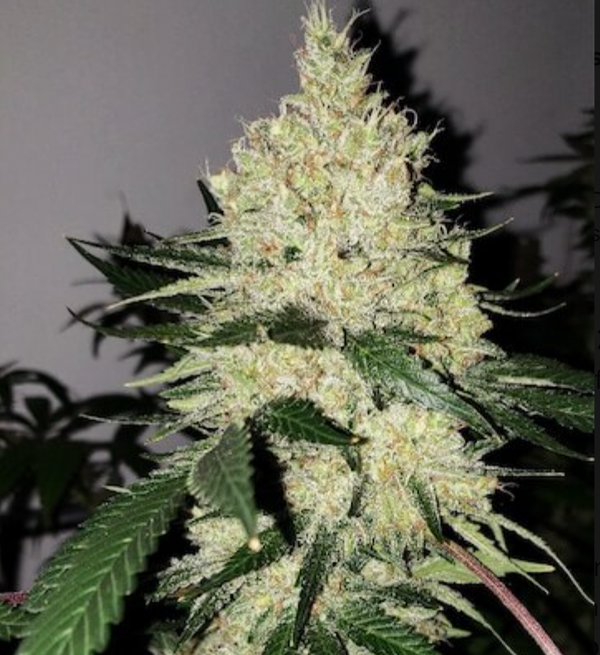
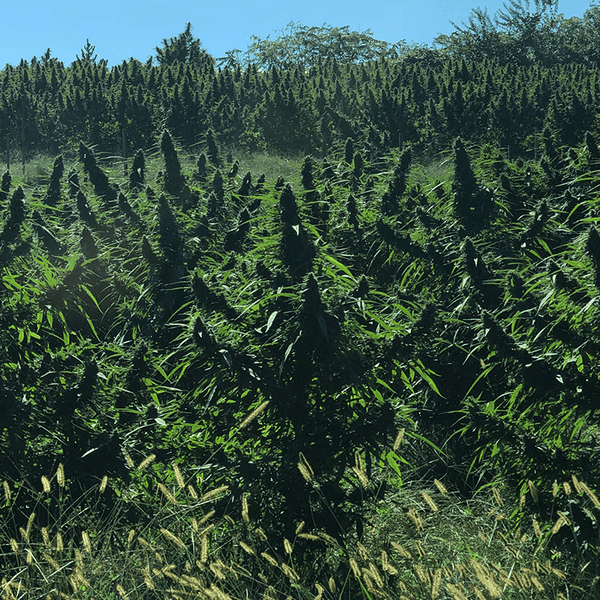
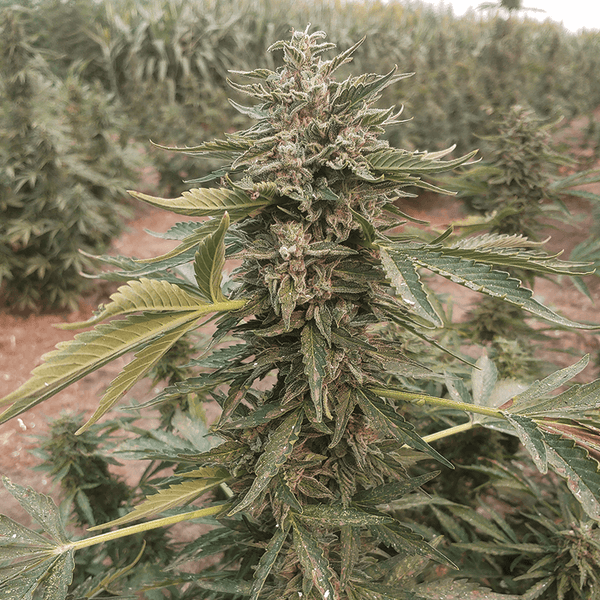
Let’s clear the air about autoflowers. For years, they had a reputation for being small, low-yielding, and less potent. That reputation is officially outdated. Thanks to incredible breeding advancements, today’s autoflowers are genetic powerhouses. They now compete with—and often surpass—traditional strains in potency and harvest size, delivering top-shelf quality in a fraction of the time. If you've been hesitant, it's time for a second look. This guide will show you how to find the best autoflower cannabis seeds that are shattering old expectations and producing truly exceptional results.
Key Takeaways
- Embrace the simplicity of autoflowers: These plants flower automatically based on age, not light cycles, which means a faster harvest and a more straightforward growing experience.
- Prioritize quality genetics: Your harvest potential is determined by your seeds. Select them from trusted breeders who are transparent about stability, yield, and cannabinoid content.
- Create the ideal growing conditions: Autoflowers thrive on consistency. Provide a stable 18/6 light cycle, use a light hand with nutrients, and use low-stress training to maximize your yield.
What Are Autoflower Cannabis Seeds?
If you've ever felt intimidated by the complex light schedules required for growing cannabis, autoflowers might be your new best friend. Simply put, autoflower seeds grow into plants that begin to flower all on their own, without any change in their light exposure. Unlike traditional photoperiod plants that need a specific light-dark cycle to trigger their budding phase, autoflowers operate on an internal clock. They will automatically switch from vegetative growth to flowering after just a few weeks, regardless of how many hours of light they receive each day.
This unique characteristic makes them a fantastic choice for both new and seasoned growers. For beginners, it removes a major variable from the growing process, making it much easier to achieve a successful harvest without worrying about timers and light-proofing your space. For experienced cultivators, their rapid seed-to-harvest time opens up possibilities for multiple harvests in a single outdoor season or a perpetual indoor cycle. Their typically compact size also makes them ideal for discreet grows or gardens with limited space. They are a testament to how smart breeding can create plants that are not only potent and high-yielding but also incredibly user-friendly. Understanding what makes them tick is the first step to adding these efficient plants to your garden.
Autoflower vs. Photoperiod: What's the Difference?
The main distinction between autoflowering and photoperiod cannabis lies in how they initiate flowering. Photoperiod strains, which include most traditional cannabis varieties, depend on changes in the light cycle. They stay in a vegetative state as long as they receive long days of light (like 18+ hours). To trigger flowering, growers must switch the light schedule to 12 hours of light and 12 hours of uninterrupted darkness. Autoflowers, on the other hand, completely ignore light cues for flowering. Their transition is determined by age. After about two to four weeks of growth, they automatically start producing buds, making them a "set it and forget it" option when it comes to lighting.
Why Choose to Grow Autoflowering Cannabis?
Autoflowers offer a host of benefits that appeal to a wide range of growers. If you're just starting, their simplicity is a huge advantage. You can focus on learning the basics of watering and feeding without the added complexity of managing light cycles. Their quick turnaround from seed to harvest—often in as little as 8 to 10 weeks—provides fast results and valuable experience. For veteran growers, the speed of autoflowers allows for perpetual harvests or squeezing in an extra crop outdoors before the season ends. Their compact stature makes them perfect for smaller indoor cannabis setups or discreet balcony gardens, proving that great things can come in small packages.
Potential Downsides of Autoflowers
While today's autoflowers are impressive, it's good to know about their trade-offs. Their speed comes with a fixed lifecycle, meaning you have less control. If a plant gets stressed early on, you can't give it extra time to recover in the vegetative stage, which can affect its final size and yield. This also means their overall harvest size can be smaller than a photoperiod plant that you've allowed to grow for an extended period. While breeders have made huge strides, the ruderalis genetics responsible for the auto-flowering trait can sometimes result in slightly lower potency or less complex terpene profiles compared to their specialized feminized photoperiod counterparts. For many growers, these are minor points when weighed against the convenience and speed, but they are worth considering.
Understanding Autoflower Genetics
The secret behind the autoflower's automatic blooming ability comes from a unique cannabis subspecies called Cannabis ruderalis. Native to the harsh climates of Central Asia and Siberia, ruderalis evolved to survive short, cool summers by flowering quickly based on age, not sunlight. It had to reproduce before the first frost hit. Early ruderalis plants weren't known for their potency or yield, but clever breeders saw their potential. By crossbreeding ruderalis with high-potency indica and sativa strains, they created the modern autoflowers we have today. These hybrids, like our feminized seeds, combine the automatic flowering trait of ruderalis with the desirable flavors, aromas, and effects of classic cannabis varieties.
The Role of Cannabis Ruderalis
The magic of autoflowers is rooted in their unique ancestry, specifically from a hardy subspecies called Cannabis ruderalis. This plant is a true survivor, native to the unforgiving climates of Central Asia and Siberia where growing seasons are short and summers are cool. To ensure its survival, ruderalis evolved a brilliant trick: it flowers based on its age, not the amount of light it receives. This allowed it to reproduce quickly before the first frost arrived. While original ruderalis plants weren't celebrated for their potency, visionary breeders recognized the value of this automatic flowering trait. By carefully crossbreeding ruderalis with flavorful and potent indica and sativa strains, they created the incredible cannabis seeds we have today, blending resilience and speed with top-tier quality.
Feminized vs. Regular Autoflower Seeds
When you shop for autoflower seeds, you'll mostly encounter "feminized" options. This means the seeds have been bred to produce only female plants—the ones that grow the cannabinoid-rich flowers you want to harvest. For growers whose goal is a bountiful harvest of buds, feminized seeds are the perfect choice because they eliminate the risk of male plants pollinating your crop and filling your flowers with seeds. On the other hand, "regular" autoflower seeds produce a mix of male and female plants. These are primarily used by breeders who need male pollen to create new crosses and develop new strains. For an even greater guarantee of a seedless harvest, advanced options like triploid cannabis offer enhanced sterility, ensuring your plants focus all their energy on producing potent, high-quality flowers.
How to Spot High-Quality Autoflower Seeds
With so many options out there, it can be tough to tell the difference between a dud seed and a genetic masterpiece. But knowing what to look for is the first step toward a successful harvest. Premium autoflower seeds aren't just about a flashy name; they're about the promise of a healthy, vigorous plant that delivers on its potential. Think of it like choosing ingredients for a favorite recipe—the better the starting materials, the better the final result.
When you invest in high-quality seeds, you're setting yourself up for success from day one. You're getting genetics that have been carefully selected and stabilized, meaning you can expect consistent growth, predictable flowering times, and reliable outcomes. This is especially important for autoflowers, where the entire life cycle is compressed into just a few months. There's simply no time to waste on subpar genetics. By focusing on a few key indicators of quality, you can confidently choose seeds that will produce the potent, high-yielding plants you're looking for.
Look for Stable, High-Quality Genetics
The foundation of any great plant is its genetics. Stable genetics mean your plants will grow uniformly and predictably, without unpleasant surprises. The best way to ensure this is to buy from a reputable breeder or seed bank that is transparent about their breeding process. Look for companies that have a solid track record and positive reviews from other growers. A reliable source will provide quality seeds with stable traits, ensuring the plant you grow matches the description. Checking out winners from events like the Autoflower World Cup can also point you toward breeders known for their top-tier genetics.
What Kind of Yield Can You Expect?
While autoflowers were once known for smaller yields, modern genetics have changed the game entirely. If a big harvest is your goal, you need to check the strain’s potential yield before you buy. Breeders typically provide an estimate, often in grams per square meter (g/m²). Top-tier autoflower seeds can produce impressive harvests, with some strains yielding between 500 and 600 g/m² under the right conditions. This information helps you set realistic expectations and choose a strain that aligns with your production goals, whether you're growing for personal use or for a larger market.
Typical Yield Per Plant
While grams per square meter is a great metric for planning larger grows, many cultivators want to know what a single plant can produce. On average, you can expect a healthy autoflower to yield between 1 to 4 ounces (about 28 to 112 grams) of dried flower. Of course, this is a general range. Your final harvest size is influenced by the strain’s genetics, your growing conditions, and your experience. A well-cared-for plant in an optimized setup will naturally produce more than one in a less-than-ideal environment. Plants grown in spacious outdoor settings with ample sunlight often reach the higher end of this spectrum, but with the right techniques, indoor growers can achieve impressive results too.
Finding the Right THC and CBD Profile
What kind of experience are you looking for? The answer lies in the cannabinoid profile. Different strains produce vastly different levels of THC, CBD, and other compounds, which directly impacts the final effect. Reputable seed banks will always list the typical cannabinoid content for each strain. If you’re seeking potent effects, look for high-THCA strains. If you prefer therapeutic benefits without the intense high, a high-CBD content is a better fit. Taking a moment to research the cannabinoid profile ensures the plant you cultivate will deliver the experience you desire.
Common THC and CBD Ranges
Forget the old myth that autoflowers are weak. Modern breeding has pushed their potential to incredible heights, allowing you to find autoflowers with cannabinoid profiles that rival the most potent photoperiod strains. It's not uncommon for today's top-shelf autoflowers to test with THC levels well above 20%, with some elite varieties even reaching past the 25% mark. On the other end of the spectrum, you'll find strains specifically bred for a balanced experience. Many of these offer a 1:1 THC to CBD ratio, typically hovering around 7% to 12% for each cannabinoid, perfect for those who want clear-headed relief. So whether you're after powerful THCA seeds or prefer gentle CBD-rich varieties, there's an autoflower that fits your needs perfectly.
Prioritize Strong Disease and Pest Resistance
A healthy plant is a productive plant. Autoflowers are naturally quite resilient, but choosing a strain specifically bred for disease and pest resistance can make your life much easier. This is a huge advantage for both new growers and those cultivating in less-than-ideal conditions, like humid climates or outdoor setups. Hardy genetics mean your plants can better fend for themselves against common threats like mold, mildew, and pests. This resilience translates to less stress for you and a greater chance of reaching harvest day with beautiful, healthy buds, especially when growing outdoor cannabis seeds.
Does the Breeder Offer a Germination Guarantee?
A germination guarantee is one of the clearest signs that a seed company stands behind its product. It’s a vote of confidence in their genetic quality and storage methods. Reputable suppliers often promise a high germination rate, sometimes as high as 99%, which means you won't waste time or money on seeds that never sprout. This assurance is invaluable, as it removes one of the biggest variables in the early stages of cultivation. When a company offers a guarantee, you can feel confident that you’re investing in viable, high-quality feminized seeds that are ready to grow.
Understanding Germination Rates
The germination rate is simply the percentage of seeds in a batch that successfully sprout into seedlings. This number is a crucial indicator of seed quality and viability. A high rate means you get what you paid for, and your garden starts strong. A low rate, however, can be frustrating and costly, leaving you with empty pots and wasted time. Look for breeders who are confident enough in their genetics and storage practices to advertise high germination rates. While 100% is never guaranteed in nature, a rate of 90% or higher is a strong indicator of fresh, viable seeds. This is why investing in genetics from a trusted source is so important—it ensures you're starting your grow with the best possible chance of success.
7 Top-Tier Autoflower Strains to Grow Next
Ready to find your next favorite strain? The world of autoflowers is packed with incredible genetics, but some just stand out from the crowd. I’ve put together a list of seven top-tier strains that consistently deliver on potency, flavor, and yield. Whether you’re looking for a fast-finishing plant, a massive harvest, or sky-high THC levels, there’s something on this list for you. These strains are celebrated by growers for their reliability and exceptional results, making them a fantastic starting point for anyone looking to add some powerhouse autoflower seeds to their collection. Let’s get into the strains that are making waves in the cultivation community.
Bruce Banner Auto
If you’re looking for a strain that’s a true superhero in the garden, meet Bruce Banner Auto. This powerhouse is famous for its incredible strength, with THC levels that can reach between 27% and 30%. But it’s not just about potency; this strain is also a massive producer. When grown indoors, you can expect impressive yields of over 600 grams per square meter. It combines this high productivity with a fast flowering time, so you won’t have to wait long to enjoy your harvest. Bruce Banner Auto is the perfect choice for growers who want top-shelf, potent buds and a heavy harvest without compromising on speed.
Gorilla Glue Auto
Gorilla Glue Auto lives up to its legendary name, delivering a knockout combination of yield and effect. This strain is particularly well-suited for outdoor cultivation, where it can produce staggering yields of over 750 grams per plant under the right conditions. With a THC content that hovers between 22% and 25%, it offers a beautifully balanced experience, known for sparking feelings of happiness and deep relaxation. It’s a go-to for growers who want a reliable, high-yielding plant that produces sticky, resin-coated buds. If you have the outdoor space, Gorilla Glue Auto is a rewarding strain that’s sure to impress.
Wedding Cake Auto
For growers who prioritize speed, Wedding Cake Auto is a dream come true. This strain is one of the fastest on the market, often ready for harvest in just seven to eight weeks from seed. But don’t let its speed fool you—it packs a significant punch with THC levels around 23%. Wedding Cake is celebrated for its calming and therapeutic effects, making it a popular choice for those looking to ease anxiety, pain, or depression. Its sweet, dessert-like aroma is just the icing on the cake. This is an excellent option if you want a quick turnaround without sacrificing the quality and soothing effects of your final product.
Runtz Auto
Runtz Auto is a modern favorite that checks all the boxes: amazing flavor, potent effects, and impressive yields. Known for its incredibly sweet, candy-like taste, it’s a true treat for the senses. This strain tends to stay compact, making it an ideal choice for growers with limited space or those who need a more discreet setup for their indoor cannabis seeds. Despite its smaller size, Runtz Auto is a surprisingly generous producer, capable of yielding up to 700 grams per square meter indoors. With a THC content that can climb as high as 28%, it delivers a powerful, well-rounded high that’s both uplifting and relaxing.
Granddaddy Purple Auto
A timeless classic, Granddaddy Purple Auto brings the legendary indica experience to the world of autoflowers. This strain is perfect for anyone who loves deep relaxation and rich, fruity flavors. It’s known for its distinct notes of grape and berry, making every session a flavorful one. With THC levels around 23%, it provides a profoundly calming body high that’s perfect for unwinding after a long day. Outdoor growers will be pleased with its generous yields, which can reach about 600 grams per plant. If you’re looking for a reliable, easy-to-grow indica with classic appeal, Granddaddy Purple Auto is an unbeatable choice.
Mendo Breath Auto
If you’re chasing maximum potency, look no further than Mendo Breath Auto. This strain is a true heavyweight, with tested THC levels reaching an incredible 30.33%. It’s designed for the experienced cultivator and consumer who wants to grow something truly exceptional. The flavor profile is just as unique as its potency, offering a delightful blend of sweet vanilla and earthy pine. The effects are deeply relaxing, melting away stress and tension with ease. Mendo Breath Auto is a top-tier choice for anyone wanting to cultivate some of the strongest THCA seeds available in autoflower form, delivering a premium, tranquil experience.
The Perm Auto
Looking for something to brighten your day? The Perm Auto delivers a vibrant and uplifting experience, powered by a potent 25.65% THC content. This strain stands out with its bold and zesty flavor profile, bursting with tangy citrus and sweet tropical fruit notes. It’s the perfect choice for daytime use or any time you need a creative and energetic spark. The effects are known to be happy and uplifting, making it a fantastic mood-lifter. Combined with a quick flowering time, The Perm Auto is a well-rounded strain that offers a refreshing alternative to more relaxing varieties, bringing a taste of the tropics right to your garden.
Where to Buy the Best Autoflower Seeds Online
Once you know what you’re looking for, the next step is finding a reputable seed bank. The quality of your genetics is the foundation of your entire grow, so it’s worth sourcing your seeds from a trusted supplier. Below are some of the best places to find premium autoflower seeds, each known for their quality, stability, and customer satisfaction.
Trilogene Seeds
We’re proud to be a leading source for premium cannabis genetics in the USA. At Trilogene Seeds, we focus on developing unique and high-quality autoflower strains that deliver for both new and experienced growers. Our commitment to innovation means you get robust yields, potent effects, and stable, non-GMO genetics you can count on. We cater to a wide range of cultivation goals, offering everything from high-THCA and CBD varieties to groundbreaking triploid cannabis. When you choose Trilogene, you’re investing in a successful harvest backed by cutting-edge breeding and a passion for quality.
Fast Buds
If you’re looking for award-winning genetics, Fast Buds is a name you’ll see often. They made a huge impression at the 2025 Autoflower World Cup, where they were recognized as a top leader in autoflowering cannabis. The company took home awards for Best Sativa Dominant Autoflower, Highest THC, and the coveted Best Autoflower Breeder title. Their reputation is built on producing consistently potent and high-performing strains that have been celebrated by judges and growers alike. For cultivators who want to grow with championship-caliber genetics, Fast Buds is an excellent choice.
Mephisto Genetics
Mephisto Genetics has carved out a serious reputation within the autoflower community. They are highly specialized, focusing exclusively on creating unique and potent autoflower strains from scratch. Their dedication paid off when they were named the Best Autoflower Seed Bank in 2024. They continued their strong performance in 2025, winning Best New Autoflower and proving they are a consistent competitor in the space. For growers who appreciate a breeder that is deeply invested in the craft of autoflowers, Mephisto Genetics is a fantastic source for top-tier, artisanal seeds.
Dutch Passion
As one of the oldest and most respected seed banks in the world, Dutch Passion has a long history of providing reliable genetics. They were among the pioneers of feminized seeds and have applied that same expertise to their autoflower collection. Dutch Passion is known for its high-quality autoflower seeds, with a catalog full of popular strains that consistently produce great yields and strong potency. They are a go-to for growers who value experience, stability, and a proven track record of excellence in cannabis breeding.
Royal Queen Seeds
For growers who love having plenty of options, Royal Queen Seeds (RQS) is a fantastic resource. They offer a massive variety of autoflower strains, ensuring there’s something for just about every preference and growing environment. RQS has built a strong reputation for quality and high yields, making them a popular choice among cultivators across the globe. Whether you’re looking for a classic strain in an auto version or something new and exciting, their extensive catalog is a great place to explore and find the perfect fit for your garden.
Sweet Seeds
Sweet Seeds stands out for its focus on creating innovative and aromatic autoflower strains. They are recognized for developing genetics that not only provide excellent yields but are also remarkably easy to grow. This makes them a great option for both beginners who want a straightforward experience and seasoned growers looking for reliable, high-quality results. Their catalog features a wide range of autoflowering seeds with unique terpene profiles, appealing to cultivators who prioritize flavor and aroma just as much as potency and yield.
Humboldt Seed Company
Rooted in the legendary cannabis culture of Northern California, Humboldt Seed Company is a trusted source for premium American genetics. They proudly offer what they call "California’s Best Autoflower Cannabis Seeds," emphasizing stable genetics and exceptional yields. Known for their award-winning, high-yield seeds, they are a go-to for growers seeking that distinct West Coast quality. If you want to buy autoflower seeds that carry the legacy of one of the world's most famous cultivation regions, Humboldt Seed Company delivers.
Seedsman
Seedsman is a global seed bank known for its incredibly extensive selection of cannabis genetics from breeders all over the world. Their catalog of autoflower seeds is vast, providing countless options for different climates, growing conditions, and personal preferences. This makes them a great one-stop-shop for cultivators who want to compare strains from various breeders. By offering such a wide range, Seedsman ensures that growers can find high-quality genetics that are perfectly suited to their specific needs, whether they’re growing indoors, outdoors, or in a greenhouse.
Getting Started: Germination and Planting
You’ve selected your seeds, and now the real fun begins. Germination is the very first step in bringing your cannabis plant to life, and it’s a genuinely exciting moment. While autoflowers are known for their resilience, giving them a strong, healthy start is the single best thing you can do to ensure a bountiful harvest. Because their entire life cycle is so compressed, they don't have much time to recover from early stress. A smooth start sets the stage for vigorous growth, while a rocky one can impact your final yield. This is why it’s so important to get this initial phase right.
Before you even think about popping a seed, make sure you have your final pot ready. One of the golden rules of growing autoflowers is to plant them directly into their final container. Unlike photoperiod plants, autoflowers don't respond well to being transplanted. The shock of moving from a small pot to a larger one can stunt their growth for several days, and with their short lifespan, they simply can't afford that lost time. By starting your autoflower seeds in the pot they’ll finish in, you give them an uninterrupted path to a fast and healthy life.
The Paper Towel Germination Method
The paper towel method is a classic for a reason—it’s simple, effective, and lets you see exactly when your seeds have sprouted. All you need are two plates, a couple of paper towels, and your seeds. Start by moistening two paper towels with water; they should be damp, not dripping wet. Place one towel on a plate and gently arrange your seeds on top, leaving some space between them. Cover the seeds with the second damp paper towel, then place the other plate on top to create a dark, humid dome. Keep this setup in a warm spot, ideally between 70-79°F. Check on them daily, and within 24 to 72 hours, you should see a tiny white taproot emerge from your feminized seeds, signaling they’re ready for soil.
How Deep to Plant Your Seed
Once you see that little taproot, it’s time to move your sprouted seed to its new home. Prepare a light, airy soil mix in your final pot—a blend of peat moss, compost, and perlite works wonderfully. Using a pencil or your finger, make a small hole in the soil about one inch deep. This is the perfect depth to protect the delicate seedling without making it work too hard to reach the surface. Very carefully, pick up the germinated seed (tweezers work great for this) and place it in the hole with the taproot pointing down. Gently cover it with soil, being careful not to pack it down too tightly. Lightly water the spot, and in a few days, you’ll see your seedling break through the soil, ready to grow your next crop of indoor cannabis.
How to Create the Perfect Autoflower Environment
Once you’ve picked out your seeds, the next step is creating an environment where they can truly flourish. Autoflowers are known for being resilient, but giving them the right conditions from the start will make a huge difference in your final yield and potency. Think of it as setting the stage for a stellar performance. Getting these core elements right—light, nutrients, climate, and soil—is your ticket to a healthy, happy harvest. Let's walk through how to build the perfect home for your plants.
Getting Your Lighting Just Right
Your autoflowers need a consistent light schedule to thrive. The sweet spot is an 18/6 cycle, meaning 18 hours of light followed by 6 hours of complete darkness. That dark period is crucial for the plant's metabolism, so don't be tempted to run your lights 24/7. When your plants are young seedlings, position your grow lights about 18 to 24 inches above them. As they stretch and grow taller, you’ll need to adjust the height to maintain that distance. This prevents light burn while ensuring they get all the energy they need for vigorous growth. A simple timer can make managing this cycle effortless.
Alternative Light Cycles
While the 18/6 cycle is the gold standard, you’ll find growers who experiment with other schedules like 20/4 or even 24 hours of continuous light. The idea is that more light equals more photosynthesis and faster growth. However, this approach often comes with higher electricity bills and can risk stressing your plants. That dark period is crucial for their health, allowing them to carry out important metabolic processes. Because autoflowers operate on an internal clock and don't need light cues to flower, they offer some flexibility. Still, the 18/6 schedule provides the best balance of vigorous growth and a necessary rest period, making it the most recommended path to consistent, healthy results.
What Nutrients Do Your Autoflowers Need?
When it comes to feeding your autoflowers, less is definitely more. These plants have a shorter life cycle and are generally more compact than their photoperiod cousins, so they don't need as many nutrients. A common mistake is overfeeding, which can lead to nutrient burn and stress the plant. Start with half the recommended dose on your fertilizer package and see how your plants respond. During the vegetative stage, use a formula higher in nitrogen (like a 10-7-5 NPK ratio) to support leaf and stem growth. Once they start flowering, switch to a bloom fertilizer with more phosphorus and potassium (around 5-10-10 NPK) to help develop dense, resinous buds. All of our autoflower seeds respond well to this gentle feeding approach.
Nutrient Schedule by Growth Stage
Here’s a simple breakdown of what to feed your plants and when. For the first week or two (the seedling stage), your plant doesn't need much. It's living off the energy stored in the seed and the light nutrients in your soil, so stick to plain, pH-balanced water. Around week two or three, as it enters the vegetative stage, you can introduce a nitrogen-rich fertilizer to encourage strong leaves and stems. Start with just a quarter or half of the recommended dose to avoid overwhelming the plant. As soon as you see the first signs of flowers, it’s time to switch to a bloom nutrient. This formula should be lower in nitrogen and higher in phosphorus and potassium, which fuels the development of big, dense buds on your feminized seeds. In the final week or two before harvest, stop all nutrients and give your plants only water. This flushing process helps ensure a clean, smooth final product.
Dialing in Temperature and Humidity
Creating a stable climate is key to preventing stress and encouraging healthy development. Aim to keep the temperature in your grow space between 75-85°F (21-29°C). For humidity, a range of 50-60% is ideal for most of the plant's life. Maintaining good airflow is just as important. Use oscillating fans to keep the air moving, which helps strengthen stems and prevents pockets of stale, humid air from forming around the leaves. This simple step is one of your best defenses against common problems like mold, mildew, and pests, ensuring your plants stay healthy from seedling to harvest.
Specific Climate Needs for Growth Stages
While that 75-85°F range is a great rule of thumb, you can really optimize your grow by adjusting the climate for each stage. Seedlings love higher humidity, around 65-70%, because their root systems are still tiny and they absorb moisture through their leaves. A simple humidity dome can work wonders here. As your plant enters the vegetative stage, you can bring the humidity down to that sweet spot of 50-60%. The most critical adjustment comes during flowering. To prevent bud rot and encourage resin production, you’ll want to lower the humidity to about 40-50%. This careful management ensures your indoor cannabis seeds develop into healthy, dense flowers without running into common moisture-related problems.
Soil vs. Hydro: Choosing a Growing Medium
The foundation of a healthy plant is its root system, and the right growing medium gives those roots the perfect place to grow. Autoflowers do best in a light, airy soil mix that allows for excellent drainage and oxygen flow. Look for a high-quality potting soil, often called "super soil," that contains ingredients like perlite, coco coir, or peat moss. These amendments prevent the soil from becoming compacted, which can suffocate the roots. A good medium holds just enough moisture without getting waterlogged and typically has a neutral pH, creating the ideal environment for nutrient uptake and strong, rapid root development.
Our Recommended Soil Recipe
If you want to give your autoflowers the best start, mixing your own soil is a great way to control exactly what your plants are getting. A light, airy soil is non-negotiable for healthy root development. Here’s a simple, effective recipe that provides the perfect balance of drainage, aeration, and nutrients: combine 3 parts peat moss, 3 parts compost, 2 parts perlite, and 1 part vermiculite. The peat moss and compost create a rich, organic base, while the perlite and vermiculite work to keep the mixture from compacting, allowing roots to breathe and expand easily. This blend ensures your plants get the oxygen they need without becoming waterlogged, setting the stage for vigorous growth from the very beginning.
Choosing the Right Pot Size
Because autoflowers have a short and fast life cycle, it’s best to plant them directly into their final container. This avoids the stress of transplanting, which can stunt their growth and reduce your final yield. The ideal pot size is a sweet spot—big enough to allow for a healthy root system but not so large that you're wasting soil and water. For most autoflower strains, an 11-liter (or 3-gallon) fabric pot is perfect. Fabric pots are a fantastic choice because they promote air pruning, which encourages a denser, more efficient root ball instead of roots circling the bottom of the pot. This simple choice can make a big difference, especially when you grow indoor cannabis seeds in a controlled space.
Proper Watering Technique
One of the most common mistakes new growers make is overwatering. Autoflowers are particularly sensitive to this, as soggy soil can lead to root rot and other issues. The golden rule is to let the soil dry out almost completely between waterings. Instead of following a strict schedule, learn to read your plant's needs. A great way to check is by lifting the pot—it will feel noticeably lighter when it's time to water. You can also stick your finger about an inch into the soil; if it feels dry, it’s time for a drink. Start with small amounts of water when the plant is a seedling and gradually increase the volume as it grows larger and gets thirstier. This careful approach will keep your roots healthy and happy.
Should You Grow Indoors or Outdoors?
Autoflowers are incredibly versatile, making them a great fit for almost any setup. Growing indoor cannabis seeds gives you complete control over every aspect of the environment, from light cycles to temperature, allowing for year-round cultivation and consistent results. It's a perfect choice if you want to fine-tune your process. On the other hand, growing outdoor marijuana seeds can lead to larger plants and bigger yields, especially if you have a sunny, favorable climate. Their natural resilience and quick turnaround time mean you can often fit in multiple harvests in a single season. Whether you're a beginner or a seasoned pro, autoflowers offer the flexibility to succeed in the garden or the grow tent.
How to Choose the Right Seeds for You
Picking the perfect autoflower seeds goes beyond just choosing a cool strain name. The best results come from matching the right genetics to your specific growing environment and skill level. Think of it like this: you wouldn't plant a tropical flower in a desert. The same logic applies here. By taking a moment to consider your space, climate, and experience, you can set yourself up for a successful and rewarding harvest. Let’s walk through the key factors to help you find the ideal cannabis seeds for your unique situation.
Assess Your Grow Space and Environment
Before you buy a single seed, take a good look at your growing area. How much space do you really have? If you’re working with a small tent, closet, or balcony, you’ll want a strain that stays compact. Many autoflower seeds are a great fit because they tend to grow into smaller plants. This makes them perfect for discreet or space-limited setups. On the other hand, if you have a large room or a dedicated outdoor plot, you can opt for a strain known for its vigorous growth. Being realistic about your spatial constraints from the start will prevent headaches later and ensure your plants have enough room to flourish.
Find a Strain That Matches Your Climate
Your local climate plays a huge role in your grow, especially if you’re planting outdoors. Some strains are bred to withstand cooler temperatures and humidity, while others thrive in hot, dry conditions. Autoflowers are famously resilient; they are often tough enough to handle pests and diseases and can even grow in colder regions. When browsing for outdoor marijuana seeds, always check the strain description for information on its climate preferences. Choosing a seed that’s genetically suited to your environment gives your plants a natural advantage and increases your chances of a healthy, bountiful harvest.
Are You a Beginner or a Pro?
Be honest about your gardening skills. Are you a complete beginner or a seasoned cultivator? If you're just starting, you’ll want a forgiving strain that can handle a few rookie mistakes. Autoflowers are known for being simple to grow, making them an excellent choice for beginners. Most autoflower seeds sold are also feminized seeds, which means they are guaranteed to grow into bud-producing female plants. This eliminates the tricky step of identifying and removing male plants, streamlining the entire process so you can focus on learning the basics of plant care.
How Much Do You Want to Spend?
While it can be tempting to go for the cheapest seeds available, it’s better to think of your purchase as an investment. High-quality genetics from a reputable seed bank might cost a bit more upfront, but they pay off in the long run with higher yields, better potency, and greater resilience. Top-tier autoflower strains can produce impressive harvests, with some yielding 500–600 grams per square meter. A larger, healthier crop means you get more value from each plant. If you're working with a tight budget, keep an eye out for sale seeds from trusted suppliers to get great genetics at a lower price.
Preparing for Common Growing Pains
A little preparation can go a long way in preventing common growing issues. Autoflowers grow fast, so you don’t have much time to correct problems. Before you plant, make sure your setup can maintain a stable environment. Keep the growing area at a comfortable temperature, ideally between 70–85°F (21–29°C). Good air circulation is also crucial. Use fans to keep the air moving, which helps prevent humidity buildup, mold, and pests. By creating a healthy environment from day one, you give your plants the best possible start and reduce the risk of problems down the road.
Simple Training Techniques for Bigger Yields
Plant training can help you maximize light exposure and increase your yields, but it’s important to use the right methods for autoflowers. Because they have a short, fixed lifespan, they don’t have much time to recover from stress. For this reason, you should avoid heavy pruning or high-stress training techniques like topping. Instead, stick to low-stress training (LST), which involves gently bending and tying down branches to create a more even canopy. This encourages light to reach the lower bud sites without stressing the plant, helping you get the most out of your harvest.
Pruning and Defoliation Guidelines
While heavy pruning is a no-go, some light defoliation can be beneficial. The goal is to improve airflow and light penetration without causing stress. As your plant enters the flowering stage, you can carefully remove a few of the largest fan leaves that are casting shadows on the developing bud sites below. Think of it as a very selective haircut, not a full shave. Only remove leaves that are clearly blocking light. This allows the lower buds to receive more energy, potentially increasing your overall yield. Always use clean, sharp scissors, and never remove more than a few leaves at a time. This gentle approach ensures your plant stays focused on producing buds, not on recovering from stress.
Outdoor Growing Considerations
Growing autoflowers outdoors can be incredibly rewarding, letting you take advantage of the sun's powerful energy to produce large, healthy plants. Their natural resilience and quick life cycle make them an excellent choice for outdoor gardens. However, success depends on timing and preparation. Unlike an indoor setup where you control the environment, you'll be working with Mother Nature. This means paying close attention to the seasons, protecting your young plants from unexpected weather, and planning your planting schedule to maximize your harvest potential. With a little bit of foresight, you can create a thriving outdoor garden that produces impressive results.
Best Time to Plant Outdoors
Timing is everything when you're growing outdoors. You want to give your plants as much sunlight as possible during their short life. For growers in northern regions (above 45° N latitude), the ideal time to plant your outdoor marijuana seeds is from mid-to-late May. This timing helps you avoid the last of the spring frosts and ensures your plants are flowering during the sunniest part of the summer. If you live in a warmer, Mediterranean-style climate (south of 45° N latitude), you have a bit more flexibility and can often start planting a little earlier in the season, giving you a head start on your grow.
Tips for a Continuous Harvest
One of the biggest advantages of growing autoflowers is the potential for multiple harvests in a single season. Because they aren't dependent on changing light cycles, you can plant them from early spring to late summer. As long as there's no risk of frost, you're good to go. For a continuous supply of fresh buds, try staggering your plantings. Plant a few new autoflower seeds every couple of weeks from February through September. This simple strategy ensures that as one batch of plants is ready for harvest, another is just beginning to flower, giving you a rolling harvest all season long.
Protecting Young Plants
Young autoflowers are at their most vulnerable during the early stages of growth. The biggest threat when planting outdoors early in the season is a sudden cold snap. An unexpected spring frost can easily stress or even kill a delicate seedling, stunting its growth permanently. To protect your young plants, keep a close eye on the weather forecast. If temperatures are predicted to drop, you can cover your plants overnight with a bucket or a cloche. This simple barrier can trap enough warmth to shield them from the cold and ensure they continue to grow strong and healthy.
Getting a Head Start Indoors
If you live in a region with a short growing season, you can give your plants a valuable head start by germinating them indoors. Around mid-March, you can sprout your seeds inside under a simple LED light. This controlled environment protects them from the unpredictable spring weather. Let them grow for a couple of weeks until they are strong and well-established. Once the danger of frost has passed and the outdoor weather becomes more stable, usually around April, you can carefully transplant your young plants into your garden. This method extends your growing season and gives your indoor cannabis seeds a robust start before they face the elements.
Harvesting, Drying, and Curing Your Autoflowers
Congratulations, you’ve guided your plant from a tiny seed to a beautiful, bud-laden wonder. But the work isn’t quite over yet. The final steps of harvesting, drying, and curing are just as important as the entire growing process. This is where you lock in the flavor, aroma, and potency of your buds. Rushing this stage is a common mistake that can undo months of hard work, leaving you with a harsh-tasting product. By giving these final steps the care and patience they deserve, you’ll transform your beautiful harvest into top-shelf cannabis that is smooth, flavorful, and potent. Let's walk through how to do it right.
When and How to Harvest
Knowing the perfect moment to harvest is an art, but there’s a science to it, too. The best way to tell if your plant is ready is by looking at the trichomes—the tiny, crystal-like resin glands covering the buds. You’ll need a magnifying glass or a jeweler’s loupe to see them clearly. You’re looking for the point when about 80% of these trichomes have turned from clear to a milky or cloudy white color. Some will even start to turn amber. This milky stage indicates peak THC production. Once you hit that sweet spot, it’s time to chop. Use a sharp, clean pair of shears to cut the plant at its base.
The Drying Process
After harvesting, the next step is to slowly dry your buds. This process removes moisture and preserves the cannabinoids and terpenes. Find a dark, well-ventilated space like a closet or a grow tent. Hang the entire plant, or individual branches, upside down, making sure there is plenty of space between them for air to circulate. You need to maintain a controlled environment: keep the temperature cool, between 60-65°F (15-18°C), and the humidity below 50%. This slow and steady drying process should take about 14 days. You’ll know the buds are ready for the next step when the smaller stems snap instead of bend.
Curing for Flavor and Potency
Curing is the final, crucial step that develops the rich flavor and aroma of your cannabis while increasing its potency and smoothness. Once your buds are dry, carefully trim them from the branches and place them into airtight glass jars, filling them about three-quarters full. For the first week, open the jars for a few minutes several times a day. This process, known as "burping," releases moisture and brings in fresh air. After the first week, you only need to burp the jars once every few days. A proper cure can take anywhere from two weeks to a month or more, but your patience will be rewarded with a far superior final product.
A Note on Legality and Age Requirements
Before you begin your cultivation journey, it’s essential to understand the legal landscape. Cannabis laws vary dramatically from one state to another, and it is your responsibility to know and follow the regulations in your specific location. This includes rules about how many plants you can legally grow and where you can grow them. Furthermore, you must be 21 years of age or older to purchase any cannabis seeds from a reputable seed bank in the United States. Always cultivate responsibly and within the bounds of the law. By staying informed and compliant, you can enjoy the rewarding process of growing your own cannabis with peace of mind.
Related Articles
- Autoflower Seeds for Beginners: Grow Fast & Easy
- Autoflower Cannabis Seed 101: Your Complete Guide
- Autoflower Seed 101: A Complete Beginner's Guide
- Auto Cannabis Seeds: The Ultimate Beginner's Guide
- Best Autoflower Seeds: A Buyer's Guide for 2025
Frequently Asked Questions
Are autoflowers as potent as traditional cannabis plants? Absolutely. While the original ruderalis plants that gave autoflowers their unique timing weren't very potent, that's ancient history now. Modern breeders have spent years crossbreeding them with high-potency indica and sativa strains. Today's premium autoflowers are just as strong as their photoperiod counterparts, with some strains reaching THC levels of 30% or more. You get all the potency and flavor without the complicated light schedules.
What's the biggest mistake to avoid when growing autoflowers? The most common mistake is treating them like photoperiod plants and causing too much stress. Autoflowers are on a very tight schedule from the moment they sprout, and they don't have time to recover from major setbacks. Avoid high-stress training techniques like topping, transplanting them multiple times, or overfeeding them with nutrients. A gentle approach is always best to ensure they stay healthy and productive throughout their short life.
Can I transplant my autoflower seedlings? It's highly recommended that you don't. The best practice is to plant your autoflower seed directly into its final container. Transplanting can cause shock to the root system, which temporarily stunts the plant's growth. For a traditional plant with a long vegetative period, this isn't a big deal. But for an autoflower with a fixed lifespan of only a few months, even a week of recovery time can significantly reduce your final yield.
How much can I realistically expect to yield from one autoflower plant? This can vary quite a bit, but modern genetics have made impressive yields very achievable. Your final harvest depends on the specific strain, your growing conditions, and your skill level. A small plant in a simple setup might yield an ounce or two, while a well-cared-for plant from a high-yielding strain grown under optimal lights can produce several hundred grams. Always check the breeder's information for a potential yield estimate to set a good target.
Do autoflowers need a dark period, or can I leave the lights on 24/7? While autoflowers will grow and flower even with 24 hours of light, giving them a rest period is generally better. A light cycle of 18 hours on and 6 hours off is the standard for a reason. This dark period allows the plant to carry out important metabolic processes that contribute to its overall health and vigor. Most experienced growers find that providing this downtime results in stronger plants and a better final harvest.