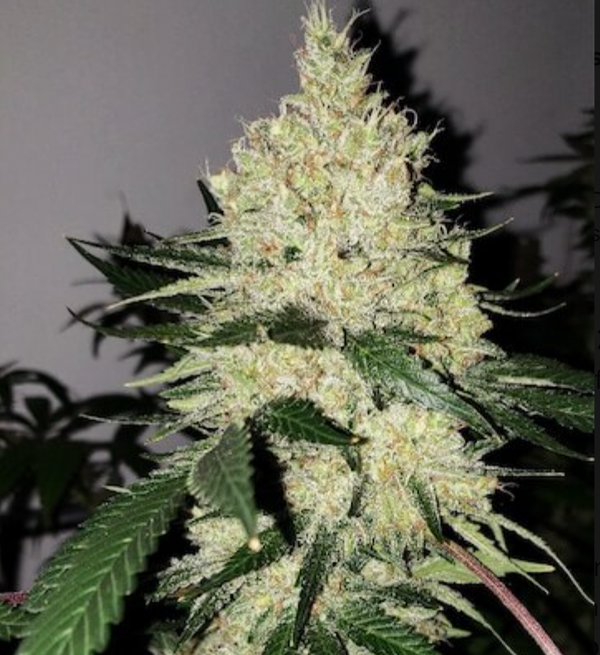
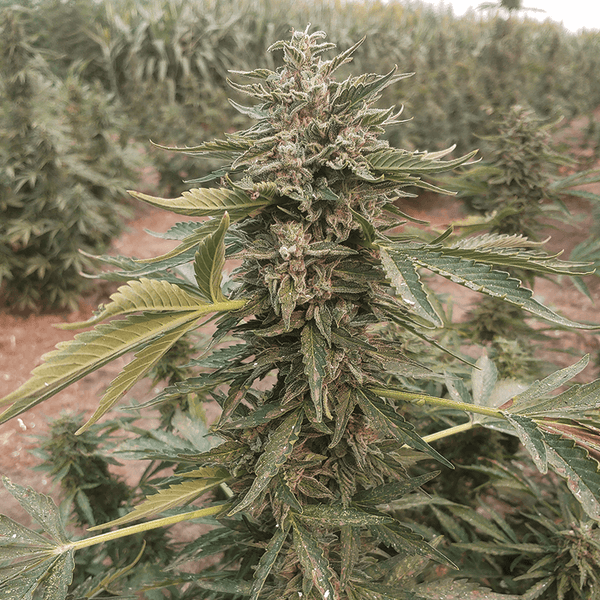
A great harvest doesn't start in the soil—it starts with the source. The quality of your genetics is the single biggest factor in your crop's potential, and that quality comes directly from the seed bank you choose. But with countless options online, how do you separate the great from the mediocre? You need a partner who provides trust and support, especially when you're investing in a premium Feminized Autoflower Seed. This guide breaks down exactly what to look for, from solid germination guarantees and discreet shipping to the stable, potent genetics that truly set you up for success.
Key Takeaways
- Choose Autoflowers for an Easier Grow: Feminized autoflowers simplify cultivation by guaranteeing female plants and flowering automatically. This means you can get from seed to harvest in as little as 8-10 weeks without managing complex light cycles.
- Vet Your Seeds and Your Supplier: Your harvest potential is determined by your starting material. Learn to spot healthy seeds (dark, hard, and patterned) and choose a reputable seed bank that provides genetic details, discreet shipping, and reliable customer service.
- Match Your Strain to Your Setup: Select a strain based on the effects, potency, and yield you want. Prepare the right environment for that specific strain—whether indoors or out—and avoid common mistakes like overwatering to ensure your plants can reach their full potential.
What Are Feminized Autoflower Seeds?
If you're looking for a straightforward path to a successful harvest, feminized autoflower seeds are your best friend. Let's break down what this term actually means. When you buy these seeds, you're getting two major benefits packed into one. The "feminized" part means the seeds are bred to produce only female plants—the ones that grow the cannabinoid-rich buds you're after. This eliminates the guesswork and the risk of male plants pollinating your crop.
The "autoflower" part refers to the plant's ability to flower automatically once it reaches a certain age, rather than depending on a specific light cycle. Most autoflower seeds on the market today are feminized, combining convenience with guaranteed results. This powerful combination makes them a top choice for growers who value efficiency and simplicity without sacrificing the quality of their final product. It’s a modern cultivation marvel that streamlines the entire growing process from start to finish.
How Are Cannabis Seeds Feminized?
It might sound like complex science, but the process of creating feminized seeds is quite clever and direct. To create them, cultivators carefully stress a healthy female cannabis plant, often using a colloidal silver solution, which encourages it to produce pollen sacs, just like a male plant would. This female-derived pollen is then used to fertilize another female plant.
Because both parent plants are female, the resulting seeds have no male chromosomes. This ensures that nearly every seed you germinate will grow into a bud-producing female. This technique gives growers complete control over their garden, maximizing space and resources by ensuring every plant contributes to the final harvest. It’s a reliable method for producing a crop of high-quality, sinsemilla (seedless) buds.
What Makes Autoflowers So Special?
The "auto" in autoflower is where the real magic happens, especially for new or busy growers. Unlike traditional photoperiod plants that require a strict change in the light schedule to trigger their flowering stage, autoflowers operate on their own internal clock. They will automatically begin to flower after just a few weeks of vegetative growth, regardless of how much light they receive.
This trait comes from a wild cannabis subspecies called Cannabis ruderalis, which evolved to flower based on age to survive harsh, short summers. This genetic advantage means you can go from seed to harvest in as little as 8 to 10 weeks. Their compact size and rapid growth cycle make them incredibly versatile for various setups, from a small indoor tent to a discreet corner of your balcony.
Perfect for Beginners and Pros Alike
Whether you're setting up your first grow tent or you're a commercial cultivator looking for a quick turnaround, feminized autoflowers have something to offer. For beginners, they are incredibly forgiving. Small mistakes with nutrients or lighting that might stunt a photoperiod plant are often less detrimental to a hardy autoflower. Their resilience and simple light requirements remove a lot of the initial learning curve.
For experienced growers, the main appeal is speed. The fast life cycle means you can fit multiple harvests into a single season, which is a huge advantage for anyone growing outdoor marijuana seeds. This rapid production allows for more frequent harvests and the opportunity to experiment with different strains throughout the year. Their compact stature also makes them ideal for growers with limited space, proving that great things really do come in small packages.
Key Characteristics of Autoflower Plants
Before you commit to growing autoflowers, it’s helpful to know what to expect in terms of their physical traits. Their unique genetics, derived from Cannabis ruderalis, give them a distinct size and production capacity that sets them apart from other cannabis varieties. These characteristics are not just interesting facts; they directly influence how you'll manage your grow space and what kind of harvest you can anticipate. Understanding their typical height and yield will help you plan your setup effectively and set realistic goals for your cultivation journey, ensuring you make the most of these fast-growing plants.
Typical Height
One of the most noticeable traits of autoflowers is their compact size. Most of these plants grow to a manageable height of about two to three feet, making them an excellent choice for growers with limited space. If you're working with a small indoor tent, a balcony, or just want to keep your garden discreet, their shorter stature is a significant advantage. This compact growth habit means you can fit more plants into a smaller area without them competing for light, allowing you to maximize your available space while keeping your operation low-profile and easy to manage.
Expected Yield
While autoflowers are smaller, they can still produce a respectable harvest. On average, you can expect a yield of about one to four ounces of dried bud per plant. The final amount often depends on the specific strain and growing conditions. Plants grown outdoors with plenty of direct sunlight may stretch a bit taller and yield more than their indoor counterparts. The key is providing a healthy environment to help them reach their full genetic potential within their short lifespan. For many growers, the trade-off for a slightly smaller yield is well worth the speed and simplicity that autoflowers offer.
Autoflowers vs. Other Seed Types
Autoflowers are a fantastic option, but they're not the only type of seed out there. To make the best choice for your garden, it helps to see how they stack up against other popular options, like feminized photoperiod seeds and regular seeds. Each type has its own set of characteristics, benefits, and ideal use cases. Whether you prioritize speed, yield, or genetic diversity will largely determine which seed type is the right fit for your specific goals and growing style. Let's compare them so you can decide with confidence.
Feminized Photoperiod Seeds
Feminized photoperiod seeds are the other go-to for growers who want a guaranteed crop of female plants. Like their autoflowering cousins, these feminized seeds are bred to eliminate male chromosomes. The key difference is the "photoperiod" part—these plants depend on changes in the light cycle to start flowering. Indoor growers typically switch their lights to a 12/12 schedule (12 hours of light, 12 hours of darkness) to trigger the budding phase. This gives you more control over the plant's vegetative growth, allowing you to grow larger plants for bigger yields, but it also requires more hands-on management.
Regular Seeds
Regular seeds are cannabis in its most natural form, producing a mix of both male and female plants at roughly a 50/50 ratio. These seeds are the top choice for breeders who need male plants for their pollen to create new strains and hybrids. They also offer a wider range of genetic diversity. However, for growers whose goal is a harvest of smokable flower, regular seeds require an extra step: you must identify and remove the male plants early on to prevent them from pollinating the females, which would result in a crop full of seeds instead of potent buds.
Potential Downsides to Consider
As much as we love autoflowers for their speed and simplicity, it's important to look at the full picture. Like any plant, they have a few trade-offs that might influence whether they're the right choice for you. Being aware of these potential downsides isn't meant to discourage you, but to help you make an informed decision and prepare for a successful grow. Knowing the challenges ahead of time allows you to plan accordingly and avoid any surprises, ensuring your cultivation experience is as smooth and rewarding as possible.
Higher Electricity Costs
Because autoflowers aren't dependent on light cycles to flower, many growers keep them under lights for 18 hours or more per day for their entire lifecycle to maximize growth. While this helps them flourish, running high-intensity grow lights for that long can lead to higher electricity bills compared to the 12-hour flowering cycle of photoperiod plants. It's a factor to consider when budgeting for your indoor cannabis seeds grow, especially if you plan on cultivating multiple plants or running a perpetual harvest setup. Weighing the cost against the convenience and speed is key.
No Cloning Capabilities
One significant difference with autoflowers is that you can't clone them. Cloning involves taking a cutting from a "mother plant" to create a genetically identical new one. Since autoflowers have a predetermined, short lifespan and flower automatically based on age, any cutting you take will be on the same timeline as the parent. It won't have time to root and grow properly before it starts to flower. This means you'll need to start from a new seed for every plant you grow, making a reliable seed supplier essential for consistent results.
Less Control and Higher Sensitivity
The automatic internal clock of an autoflower is a double-edged sword. While it adds convenience, it also removes your control over when the plant begins to flower. If your plant runs into issues like nutrient deficiencies or pest problems during its short vegetative stage, you can't delay flowering to give it more time to recover. This condensed timeline makes the first few weeks incredibly important. Any significant stress during this period can permanently stunt the plant's growth and reduce its final yield, making a healthy start absolutely critical for success.
Limited Training Options
If you're a fan of advanced cultivation techniques, you'll need to be gentle with autoflowers. Their rapid growth cycle leaves very little time for them to recover from stress. Aggressive training methods like high-stress training (HST) or heavy pruning are generally not recommended, as the plant may not have enough time to bounce back before it enters the flowering stage. Instead, most growers stick to low-stress training (LST), which involves gently bending and tying down branches to expose more bud sites to light without causing significant stress to the plant.
How to Tell if a Seed is High-Quality
Before you can grow great plants, you need to start with great seeds. Knowing how to identify a high-quality cannabis seed is one of the most fundamental skills a grower can have. It’s your first line of defense against a disappointing harvest. While a reputable seed bank is your best bet, being able to physically inspect your seeds and understand the markers of quality gives you an extra layer of confidence. From the way a seed looks and feels to the genetic history behind it, several key indicators can tell you if you’re holding a winner. Let’s walk through exactly what to look for.
What a Healthy Seed Looks Like
You can tell a lot about a seed just by looking at it. Healthy, mature cannabis seeds have a distinct appearance. They are typically dark brown, grey, or even black, often with mottled or striped patterns, sometimes called "tiger stripes." Their shape should be a full, rounded teardrop or oval. Avoid seeds that are pale, white, or green, as this is a sign of immaturity, meaning they likely won't germinate.
Beyond looks, give the seed a gentle squeeze between your thumb and forefinger. A viable seed will have a hard, firm shell that doesn't crack or crumble under light pressure. If it feels flimsy or crushes easily, it’s probably not a good candidate for growing. A healthy seed should also have a slight waxy sheen, indicating it has been stored properly and hasn't dried out.
Why Stable Genetics Matter
A seed’s quality goes far beyond its shell; its true potential is locked in its DNA. Stable genetics are the key to a predictable and successful grow. When a breeder has stabilized a strain, it means you can count on every seed to produce a plant with consistent traits—from its height and structure to its flowering time and cannabinoid profile. This consistency is what separates premium feminized seeds from a random bagseed that gives you unpredictable results.
Modern autoflowers are sophisticated hybrids, and achieving genetic stability is a science. It ensures that the desirable Sativa, Indica, and Ruderalis traits are reliably passed down. Without it, you might end up with wildly different plants from the same batch of seeds, making your grow difficult to manage. Investing in seeds with stable genetics is an investment in a uniform, reliable harvest.
How to Properly Store Your Seeds
How seeds are stored has a massive impact on their viability. Light, heat, and humidity are the enemies of fresh seeds, and exposure to any of them can quickly degrade their quality. Reputable seed banks understand this and keep their inventory in cool, dark, and dry, climate-controlled environments to preserve the germination potential for as long as possible.
When you receive your seeds, you should continue this practice. If you aren't planting them right away, store them in a sealed, airtight container. A labeled baggie inside a small jar works perfectly. For long-term storage, the refrigerator is an excellent option, as the cold temperature slows down the seed's metabolic processes. Just be sure the container is moisture-proof to protect them from humidity changes. Proper seed storage is a simple step that protects your investment.
Why Strain Documentation Matters
Knowing where your seeds come from is incredibly important. Reputable breeders and seed banks will always provide detailed documentation about their strains. This information, often called a strain profile or lineage report, should include details about the parent genetics, the breeder who created the strain, and what you can expect during cultivation. This transparency is a huge green flag.
This documentation helps you make an informed decision and set realistic expectations for your grow. It gives you insight into the plant’s potential THC or CBD levels, flavor and aroma profiles, expected yield, and flowering time. When you can trace your THCA seeds back to their genetic roots, you can better anticipate their needs and plan your grow cycle accordingly. It’s a sign that the seed bank is confident in its product and committed to your success.
Should You Pay More for Quality Seeds?
While it can be tempting to hunt for the cheapest seeds available, price is often a reflection of quality. Developing stable, potent, and high-yielding genetics takes time, expertise, and significant resources. The price of premium seeds accounts for the rigorous breeding, testing, and selection processes that go into creating a reliable product. Think of it as an investment in your final harvest—starting with cheap, unreliable seeds can cost you much more in wasted time and resources down the line.
That said, a higher price doesn't automatically guarantee success, but an unusually low price should be viewed with caution. Look for a balance. A great seed bank will offer competitive pricing without compromising on genetic quality. Check customer reviews and look for signs of a premium selection, like the new releases from established breeders. This approach ensures you get the best possible value for your money.
What Makes a Great Seed Bank?
With so many seed banks online, it can be tough to know who to trust. The best ones stand out by offering more than just a product—they provide a reliable, secure, and supportive experience from start to finish. Think of it as finding a partner for your cultivation journey. A great seed bank is built on a foundation of trust, which they earn through consistent quality, excellent customer care, and respect for your privacy. Before you add any seeds to your cart, it’s worth looking at these key factors that separate the great from the merely good.
Does Your Seed Bank Offer a Guarantee?
A germination guarantee is a seed bank’s promise that its seeds are viable and will sprout under the right conditions. It’s one of the strongest indicators of a company that stands behind its genetics. When a bank offers this, it shows they have total confidence in their breeding and storage processes. While some companies don't explicitly advertise a germination guarantee, their reputation for providing premium selections and consistently positive reviews often serve the same purpose. Ultimately, you want to buy from a source that is committed to providing you with healthy, viable autoflower seeds that have the best possible chance of success.
Why Discreet Shipping is a Must
For many growers, privacy is non-negotiable. Reputable seed banks understand this and make discreet shipping a standard practice. This means your order arrives in plain, unmarked packaging without any logos or branding that would give away the contents. It’s a simple but crucial service that provides peace of mind. A seed bank known for its discreet and trustworthy service demonstrates a deep respect for its customers' privacy. This commitment ensures that your purchase is your business and no one else's, from the moment you click "buy" to the second the package lands on your doorstep.
Can You Get Help When You Need It?
Sooner or later, you’ll have a question. Maybe it’s about your order, a specific strain’s needs, or payment options. When that happens, you want to know there’s a knowledgeable and friendly human ready to help. Great customer service is a hallmark of a reliable seed bank. Look for companies with accessible support channels, whether it's email, a phone number, or a live chat. Some of the best seed banks have earned thousands of positive reviews specifically highlighting their responsive support and user-friendly websites, proving they are just as invested in your growing success as you are.
Keeping Your Purchase Private and Secure
Beyond discreet shipping, a top-tier seed bank prioritizes your digital privacy and security. This includes using secure, encrypted payment gateways to protect your financial information and having a clear privacy policy that explains how your data is handled. Your personal details should be treated with the same care as your order. Positive customer experiences, which often mention fast order fulfillment and high-quality strains, reflect a company’s broader commitment to customer privacy and professionalism. When a seed bank runs a tight ship, you can feel confident that your information is in safe hands.
Check for Easy and Secure Payment Options
A great online shopping experience is a smooth one. Having flexible payment options makes the buying process much easier. The best seed banks accept a variety of payment types, from major credit cards to bank transfers and sometimes even cryptocurrency, giving you the freedom to choose what works for you. On top of that, some companies offer loyalty programs that reward you for being a repeat customer. These programs often let you earn points with every purchase, which you can redeem for discounts on future orders of your favorite feminized seeds. It’s a great perk that shows a company values your business.
Is it Legal to Buy Cannabis Seeds in the U.S.?
The legal status of cannabis seeds in the U.S. was a gray area for a long time, but things have recently become much clearer. Thanks to a clarification from the DEA, cannabis seeds are now considered federally legal hemp as long as their THC content is below 0.3%. This is a huge development because it means high-quality seeds can be legally shipped across state lines, opening up a national market for growers. This federal protection makes it easier and safer than ever to access top-tier genetics from reputable American seed banks. Just remember that while the federal government has given the green light, state laws still play a huge role in what you can legally do with those seeds once they arrive.
Understanding Federal and State Laws
So, how do federal and state laws work together? The foundation for this legal shift is the 2018 Farm Bill, which federally legalized hemp and its derivatives. Since cannabis seeds themselves don't contain significant THC, they fall under this hemp classification. But federal law is only half the story. Each state has its own set of rules for cannabis, and these local laws always take precedence. While you can legally purchase seeds online from a compliant U.S. seed bank like Trilogene Seeds, what you can do with them—specifically, whether you can germinate and grow them—depends entirely on your state's regulations. Before you start growing, always check your local laws to make sure you're in the clear.
Where to Buy the Best Feminized Autoflower Seeds
Finding the right seed bank is just as important as choosing the right strain. A great supplier offers more than just seeds; they provide genetic quality, reliable shipping, and the support you need for a successful grow. While many options exist, a few consistently stand out for their quality feminized autoflowers and excellent customer experience. We’ve gathered some of the top contenders to help you make an informed choice for your next cultivation project.
Trilogene Seeds
When your goal is to grow with the best possible genetics, starting with a science-first company makes all the difference. We pride ourselves on offering premium, non-GMO cannabis seeds backed by a deep commitment to genetic innovation. Our catalog includes a robust selection of high-performance autoflower seeds and reliable feminized seeds, ensuring you get vigorous, healthy plants. For growers interested in the cutting edge of cannabis cultivation, we also developed pioneering triploid cannabis, which produces 99%+ sinsemilla flower. This focus on creating superior, stable genetics means you can grow with confidence.
Royal Queen Seeds
A user-friendly experience can make the buying process much smoother, and Royal Queen Seeds is frequently praised for it. With a massive number of positive reviews, customers often point out that their "customer service is great" and the website is "easy to navigate." This reputation for excellent support and a seamless shopping experience makes them a reliable choice, especially if you value having a helpful team to turn to with questions. Their extensive catalog of classic and new strains gives growers plenty of high-quality options to explore.
ILGM
ILGM (I Love Growing Marijuana) has earned a strong reputation, particularly among new growers. They are well-known for their germination guarantees, which provide a safety net and peace of mind when you’re just starting. Beyond seeds, their site is a resource hub filled with detailed grow guides and tips tailored to beginners. This combination of reliable seeds and educational support makes them an excellent starting point for anyone looking to build their cultivation skills from the ground up with feminized autoflowers.
Seedsman
Seedsman is a long-standing player in the industry with a massive library of genetics from breeders all over the world. While they may not always advertise a formal germination guarantee, their reputation is built on quality. As one publication notes, their "premium selection and customer reviews suggest a high level of quality." For growers who want access to a diverse, global marketplace of strains, including rare and popular feminized autoflowers, Seedsman offers a one-stop shop with a proven track record of excellence.
Crop King Seeds
Sometimes, a straightforward recommendation from a fellow grower is the most trustworthy review you can get. Crop King Seeds often comes up in community discussions for its reliability. One cultivator shared that a friend who bought from the Canadian seed bank said the "strains were very good and very fast in receiving his order." This kind of word-of-mouth praise highlights their consistent quality and efficient service, making them a solid choice for growers who value dependability and speedy delivery.
Dutch Passion
For those who appreciate history and expertise, Dutch Passion is a legendary name. As one of the oldest seed banks in Amsterdam, they have been at the forefront of cannabis breeding for decades. In fact, they are widely credited with inventing feminized seeds back in the 1990s. This deep-rooted experience is evident in the stability and quality of their genetics. Choosing Dutch Passion means you’re buying from pioneers who have shaped the industry and continue to offer time-tested, top-tier autoflower strains.
Fast Buds
As their name suggests, Fast Buds has carved out a niche by specializing in autoflowering genetics. If you are dedicated to growing autoflowers, their catalog is one of the most extensive you’ll find. They focus exclusively on developing potent, high-yielding, and fast-finishing strains, offering an incredible variety of terpene profiles and effects. This specialization means they are always pushing the boundaries of what autoflowers can do, making them a go-to source for growers who want the latest and greatest in autoflowering innovation.
Tips for Buying Seeds Without Overpaying
Finding the right seeds is just the first step—getting them at a fair price from a reliable source is just as important. A little bit of savvy shopping can save you money and set you up for a better growing experience from the start. Think of it as your first investment in a successful harvest. Here are a few simple tips to help you become a smarter seed shopper.
What Should You Expect to Pay?
Before you add anything to your cart, it’s helpful to get a feel for the average market price of feminized autoflower seeds. Since most autoflowers on the market are feminized, this gives you a solid baseline for what to expect. Knowing the typical price range helps you spot a great deal when you see one and avoid overpaying. A quick browse through a few reputable seed banks will give you the data you need. This isn't about finding the cheapest option, but about understanding the value you're getting for the genetics you choose from our full collection of seeds.
Why Buying in Bulk Can Save You Money
If you’re planning to grow more than one or two plants, buying seeds in larger quantities can be a really smart move. Many seed banks offer better per-seed pricing on larger packs. This approach saves you money upfront and ensures you have enough seeds on hand for your entire grow space, maximizing your potential yield. It’s a simple way to lower your overall costs and get a better return on your investment. Growing several plants of the same strain also helps you get to know its characteristics inside and out, making you a better cultivator in the process.
Look for Loyalty and Rewards Programs
Many seed banks value their repeat customers and show it through loyalty programs. These programs often let you earn points for every purchase, which you can then redeem for discounts on future orders. It’s a fantastic way to get more for your money over the long term, especially if you’ve found a seed bank you trust. Before you check out, take a moment to see if the company offers a rewards or loyalty scheme. Signing up is usually free and easy, and the savings can add up quickly, letting you try new strains or stock up on your favorites for less.
Take Advantage of Seasonal Sales
Patience can pay off, especially when it comes to seasonal sales and promotions. Keep an eye out for deals around holidays like 4/20 or Black Friday, as many seed banks offer significant discounts. Subscribing to your favorite seed bank’s newsletter is one of the best ways to stay in the loop. You’ll get exclusive access to coupon codes, flash sales, and announcements about new genetics. It’s a low-effort way to make sure you never miss a chance to save, and you might even find some great deals on our sale seeds page.
Ask About Purchase Protection
Your peace of mind is priceless. Before you commit to a purchase, make sure you’re buying from a reputable company that stands behind its products and services. A trustworthy seed bank will have clear policies on shipping and handling, ensuring your order is sent discreetly and securely. Look for accessible customer support that can answer your questions and resolve any issues that might come up. When you shop with us, you can be confident that you’re getting not only premium genetics but also the support and protection you deserve for a worry-free experience.
How to Choose Your Perfect Strain
Picking the right strain is one of the most exciting parts of planning your grow. It’s your chance to decide exactly what kind of experience you want to cultivate, from the flavor profile and aroma to the final effects. With so many incredible options available, the key is to match the plant’s characteristics to your environment, skill level, and personal goals. Before you even look at a single seed, take a moment to visualize your ideal harvest. Are you dreaming of a sweet, fruity flavor or a classic earthy, piney scent? Are you looking for an energetic, creative buzz for daytime activities or a deeply relaxing calm to unwind in the evening?
Your growing conditions are just as important. Are you working with a compact indoor tent or a sprawling outdoor garden? Your available space, climate, and equipment will all influence which strains will thrive. Thinking through these questions first will help you narrow down the choices from hundreds to a handful of perfect candidates. This simple process will help you find a strain that you’ll not only love to grow but also enjoy. Below, we’ll break down the key factors to consider so you can choose with confidence.
Not Sure Where to Start? Try These Strains
The world of autoflowers is packed with variety. You can find auto versions of legendary strains as well as brand-new hybrids with unique traits. Before you get lost in the options, think about the effects you’re after. Are you looking for an energetic, creative buzz typical of sativas, or a relaxing, body-focused calm from an indica? Maybe a balanced hybrid is more your speed. Most autoflower seeds are also feminized, which means they’re bred to grow into bud-producing female plants. This takes the guesswork out of cultivation and lets you focus on nurturing your plants to their full potential.
Decide on Your Ideal THC and CBD Levels
Forget the old myth that autoflowers are less potent. Today’s auto strains are just as powerful as their photoperiod cousins, with many reaching THC levels of 20% or more. When browsing, pay close attention to the cannabinoid profile. If you’re seeking strong psychoactive effects, look for high-potency THCA seeds. If you prefer the therapeutic qualities of cannabis without an intense high, a strain rich in cannabidiol might be a better fit. Reputable seed banks provide detailed lab reports or descriptions, so you can choose a strain with a THC-to-CBD ratio that produces your desired outcome.
Match the Strain to Your Skill Level
One of the best things about autoflowers is how accommodating they are. They are fantastic for beginners because they’re more forgiving of common mistakes. Since they flower based on age rather than light cycles, you don’t have to manage complicated lighting changes. This built-in resilience makes them a great starting point for anyone new to growing. For seasoned cultivators, the challenge lies in pushing these fast-growing plants to their absolute limit. You can experiment with training techniques and nutrient schedules to see just how much quality you can produce from your cannabis clones or seeds.
How Much Can You Expect to Harvest?
It’s important to set realistic expectations for your harvest. Because autoflowering plants are typically smaller and have a shorter life cycle, they usually produce a slightly smaller yield than larger, photoperiod plants. Think of it as a trade-off: you get a much faster harvest in exchange for a little less volume per plant. Seed banks almost always provide an estimated yield, often in grams per plant or grams per square meter. Checking this information helps you plan your grow space and know what to expect. Exploring different feminized seeds will show you the range of potential yields available.
Don't Forget to Check the Flowering Time
The speed of autoflowers is their superpower. Most varieties go from a tiny seed to a harvest-ready plant in about 8 to 10 weeks. They live up to their name by automatically beginning to flower within two to four weeks of sprouting, regardless of the light schedule. This rapid turnaround is perfect for impatient growers or those in climates with short summers who need to fit a full cycle into a tight window. Always check the specific "seed-to-harvest" time for the strain you’re considering, as this allows you to precisely plan your cultivation calendar, especially if you’re growing outdoor marijuana seeds.
Set Yourself Up for a Successful Grow
Choosing high-quality feminized autoflower seeds is the perfect first step, but what you do next is just as important. Creating the right environment for your plants will make all the difference between a disappointing grow and a rewarding harvest. Whether you’re growing in a dedicated indoor space or taking advantage of your backyard, a little planning goes a long way. Think of it as building a happy home for your plants to thrive in.
Your setup doesn’t need to be complicated or expensive, but it does need to cover the basics: light, water, nutrients, and space. Autoflowers are known for being resilient, but they still need your help to reach their full potential. By understanding their specific needs and avoiding a few common slip-ups, you can guide your plants from seedling to harvest with confidence. Let’s walk through what you need to consider for both indoor and outdoor cultivation to ensure your grow is a success from the start.
Your Indoor Setup Checklist
Growing indoors gives you complete control over your plant's environment, which is a huge advantage. You get to play Mother Nature, dialing in the perfect conditions. For your pots, a 3- to 5-gallon container is usually the sweet spot for autoflowers, giving their roots enough room to develop without taking up too much space. You’ll have full command over the light schedule, temperature, and airflow, allowing you to create an ideal climate. This controlled setting makes it easier to grow year-round and protect your plants from pests and bad weather. If you're looking for strains that perform exceptionally well inside, check out some purpose-bred indoor cannabis seeds.
Prefer to Grow Outdoors? Start Here
There’s something special about growing cannabis under the natural sun. When growing outdoors, opt for larger pots—around 5 to 10 gallons—to accommodate more extensive root growth. One of the best parts about growing autoflower seeds outside is their quick life cycle. Because they mature so fast, you can often squeeze in multiple harvests within a single growing season, especially in climates with long summers. While autoflowers tend to be smaller and may produce slightly less than their photoperiod cousins, their speed and simplicity make them a fantastic choice for outdoor growers who want a reliable and fast turnaround.
The Ideal Soil Mix for Autoflowers
Autoflowers have a short and fast life, so they do best in a soil that gives their roots plenty of room to breathe and grow quickly. Unlike some larger plants that can handle dense, nutrient-packed soil, autoflowers prefer a light, airy medium that isn't too "hot" with fertilizers. A heavy soil can suffocate the roots, and too many nutrients early on can cause nutrient burn, which is tough for these speedy plants to recover from. A great DIY mix to start with is 3 parts peat moss, 3 parts compost, 2 parts perlite, and 1 part vermiculite. This blend provides a perfect balance: the compost offers gentle, slow-release nutrients, while the perlite and vermiculite ensure excellent drainage and aeration, creating the ideal foundation for your autoflower seeds to flourish.
Watering, pH, and Nutrient Guide
Once you have your soil sorted, the next step is mastering the trifecta of plant care: watering, pH, and nutrients. These three elements are deeply interconnected, and getting them right is what separates an average harvest from an amazing one. Autoflowers are particularly sensitive to their environment due to their rapid growth cycle, so they don't have much time to bounce back from mistakes. The key is to be attentive but not overbearing. You want to provide exactly what the plant needs, when it needs it, without overwhelming it. This means learning to read your plants, understanding the signs of thirst, and providing a balanced diet that supports them through their short but productive lives.
Maintaining the Correct pH Level
The pH level of your water and soil determines which nutrients your plant can actually absorb. If the pH is off, you can be feeding your plants perfectly, but they'll still show signs of deficiency because they're locked out from the nutrients. For growing in soil, you should aim for a pH range of 6 to 7 in your water and nutrient solution. It’s a good idea to invest in a simple pH testing kit to check your levels before every feeding. Alongside pH, keep an eye on the environment. A stable temperature around 70°F (21°C) is ideal. You’ll also want to adjust humidity: keep it between 50-60% during the vegetative stage and lower it to around 40% during flowering to help prevent mold and support dense bud growth.
Nutrient Ratios for Each Growth Stage
Autoflowers don't need heavy feeding, but they do need the right nutrients at the right time. During the first few weeks of vegetative growth, your plant is focused on building strong leaves and stems, so it needs more nitrogen. A fertilizer with an NPK (Nitrogen-Phosphorus-Potassium) ratio around 10-7-5 works well. Once it automatically switches to the flowering stage, its needs change. The focus shifts to bud production, which requires more phosphorus and potassium. At this point, you should switch to a bloom fertilizer with an NPK ratio around 5-10-10. Always start with a half or quarter dose of the recommended amount to avoid nutrient burn, as it's much easier to add more nutrients than to fix an overfed plant. This careful approach will support your feminized seeds through every stage of their rapid development.
Getting Your Light and Space Right
Autoflowers aren't dependent on light cycles to start flowering, but they still love plenty of light to fuel their growth. The most common light schedule for indoor growers is 18 hours of light followed by 6 hours of darkness (18/6). This gives them abundant energy to grow big and strong while also providing a short rest period. Some growers even push it to a 20/4 schedule for potentially faster growth. Whichever you choose, consistency is key. Make sure your grow space has enough room for your plants to stretch a bit, with good airflow to prevent moisture buildup and keep them healthy.
Maintaining Temperature and Humidity
Think of temperature and humidity as the climate you create for your plants. While autoflowers are tough, they perform best when their environment is dialed in. During the vegetative stage, when your plants are young and growing leaves, they prefer a slightly warmer and more humid setting. Aim for temperatures between 70-85°F (21-29°C) and keep the humidity around 50-60%. Once they begin to flower, it's crucial to adjust these conditions. Lower the humidity to 40-50% to prevent mold and mildew from forming on your dense buds. Maintaining a slightly cooler temperature, around 70-80°F (21-26°C), will help preserve terpenes and ensure a high-quality finish. Getting these levels right is one of the most effective ways to support healthy plant development from start to finish.
Does Your Climate Suit Your Strain?
If you’re growing outdoors, your local climate is a major factor. The good news is that autoflowers are famously tough and generally show strong resistance to pests and diseases. However, they can be a bit sensitive to extreme weather. A sudden cold snap or a week of non-stop rain can stress them out. It’s a good idea to have a plan in place to protect them if the weather turns sour, like using a tarp or moving potted plants to a sheltered spot. Choosing robust outdoor marijuana seeds that are well-suited for your region will give you a great head start.
Common Growing Mistakes to Avoid
It’s easy to kill your plants with kindness, especially when you’re just starting out. Two of the most common mistakes with autoflowers are overwatering and overfeeding. Autoflowers generally require less water and fewer nutrients than photoperiod plants. Always let the top inch or two of soil dry out completely before watering again. When it comes to fertilizer, start with a lower dose than what’s recommended for regular cannabis plants and see how they respond. Listening to your plants and giving them only what they need is the best way to keep them happy and productive.
Avoiding Transplant Shock
Because autoflowers have such a short and fast-paced life, they don't have time to recover from major stress. One of the biggest stressors for any plant is being moved, which can lead to transplant shock. To avoid this, the best strategy is to plant your germinated seed directly into its final container. Don't start it in a small pot with plans to move it later; this interruption can permanently stunt its growth, leading to a smaller plant and a reduced yield. By giving your plant its forever home from day one, you allow its root system to establish itself without disturbance, setting it up for vigorous, uninterrupted growth throughout its entire, rapid life cycle.
Harvesting, Drying, and Curing for Best Results
You’ve nurtured your plant from a tiny seed into a beautiful, bud-covered wonder. Congratulations! But the work isn’t quite over yet. The final steps of harvesting, drying, and curing are what transform your raw flower into the high-quality product you’ve been waiting for. This post-harvest process is where the magic really happens, developing the full spectrum of flavors, aromas, and effects locked within the plant’s genetics. Rushing these stages is one of the most common mistakes growers make, and it can undo months of hard work.
Think of it like aging a fine wine or cheese. Patience is your greatest tool here. Proper drying and a slow, careful cure will dramatically improve the smoothness of the smoke, enhance the complexity of the terpene profile, and even increase the perceived potency of your buds. It’s the final, crucial phase that separates decent homegrown cannabis from a truly top-shelf harvest. By giving this stage the attention it deserves, you ensure that the premium feminized seeds you started with can deliver on their full potential.
When to Harvest Your Plants
Timing your harvest is more of an art than a science, but there’s one tool that will make you a master: a jeweler’s loupe or a small magnifying glass. You need to get a close look at the trichomes—the tiny, crystal-like glands covering the buds. These trichomes will tell you everything you need to know. When they are clear, the plant is still immature. As they mature, they will turn a milky or cloudy white, which indicates peak THC production. If you wait longer, they will turn amber, which produces a more relaxing, body-focused effect. For the most potent and balanced high, the ideal time to harvest is when about 80% of the trichomes have turned milky white, with the rest being a mix of clear and amber.
The Drying and Curing Process
Once you’ve chopped your plant, the drying process begins. The goal is to dry the buds slowly and evenly. Cut the main branches and hang them upside down in a dark, well-ventilated room. A closet or a grow tent works perfectly. You need to control the environment: aim for a temperature between 60-65°F (15-18°C) and a humidity level below 50%. This process typically takes about 14 days. You’ll know the buds are ready for the next step when the smaller stems snap instead of bend. This slow dry is essential for preserving the delicate terpenes that give your flower its unique aroma and flavor.
After drying, it’s time to cure. This is the final step that will take your harvest to the next level. Trim the buds from the branches and place them into airtight glass jars, filling them about three-quarters full. For the first couple of weeks, open the jars for a few minutes every day to release moisture and let in fresh air—a process known as "burping." After that, you can reduce burping to once a week. While you can sample your buds after a week or two, a proper cure can take several months. This patient process will result in a smoother, more flavorful, and more potent final product, making all your hard work on your cannabis seeds worthwhile.
Related Articles
- Feminized Seeds: A Complete Guide for Growers
- 10 Best Feminized Seeds to Grow This Year
- 7 Key Differences: Autoflower vs. Feminized Seeds
- Auto Flower Marijuana Seeds 101: The Ultimate Guide
- A Grower's Guide to Feminized Cannabis Seeds
Frequently Asked Questions
Are feminized autoflowers less potent or lower-yielding than other seeds? This is a common myth that comes from the early days of autoflowers. Modern genetics have completely changed the game. Today’s high-quality autoflowers are bred to be just as potent as their photoperiod counterparts, often reaching THC levels well over 20%. While a single autoflower plant might yield slightly less due to its smaller size, its incredibly fast life cycle means you can fit more harvests into a single year. This rapid turnaround can lead to a greater total yield over the course of a season compared to a single, long-running photoperiod grow.
What's the single biggest mistake new growers make with autoflowers? The most frequent mistake is trying to do too much. It’s easy to kill these plants with kindness, especially by overwatering or transplanting them. Autoflowers have a very short life, and they don't have time to recover from major stress like root damage from a transplant or suffocating from too much water. The best approach is to plant your seed in its final container and be mindful with your watering and feeding schedule. A gentle, less-is-more approach will almost always give you better results.
Are feminized seeds really 100% female? While the feminization process is incredibly effective, it's more accurate to say it's about 99% successful. Reputable breeders who have stabilized their genetics achieve this high rate consistently. On very rare occasions, a plant may express male traits due to environmental stress or a genetic anomaly. This is precisely why buying from a trusted seed bank is so important. You are paying for the expertise and rigorous testing that minimizes this risk, ensuring nearly every seed you plant grows into the bud-producing female you expect.
Can I grow the same autoflower strain both indoors and outdoors? Absolutely. Most autoflower strains are bred for versatility and will perform well in either setting. However, the environment will influence how the plant grows. An outdoor plant might get bigger and bushier with unlimited sunlight and root space, while an indoor plant will grow in a perfectly controlled climate that you manage. The key is to adapt your care to the specific conditions. The same great genetics will thrive in both places, but your setup will shape the final outcome.
How are triploid seeds different from the feminized autoflowers you've described? These are two separate and exciting advancements in cannabis genetics. Feminized autoflowers solve two problems: they flower automatically based on age and they guarantee nearly all plants will be female. Triploid cannabis, on the other hand, is a breakthrough focused on preventing pollination. These plants have three sets of chromosomes, which makes them highly resistant to becoming seeded, even if male pollen is present. This is a huge advantage for commercial growers or anyone growing outdoors where stray pollen is a risk, ensuring a 99%+ sinsemilla (seedless) harvest.