As a cultivator, you know the search for that perfect strain. It needs to be reliable, resilient, and produce a beautiful, high-quality harvest without constant troubleshooting. While the market is full of options, finding a plant that truly delivers is a challenge. This is where Type 5 cannabis seeds enter the picture. Bred specifically for a premium, all-around experience, this strain was designed to check all the boxes: stunning appearance, a unique aroma, and a straightforward cultivation process. It’s the perfect choice for growers who want impressive results and a plant that’s a genuine pleasure to cultivate.
Key Takeaways
- Understand that "Type 5" is a strain name, not a scientific class: Think of "Type 5" like a specific brand name, not a broad category like feminized or autoflower. This helps you search for its unique genetic traits—a cross of 'Spritzer' and 'Hellcat #15'—rather than a general type of cannabis.
- Prioritize genetics and a stable environment for a successful grow: The potential of your harvest is locked into the seed's genetics, so always start with a reputable supplier. From there, your job is to provide a consistent environment with stable temperatures, proper lighting, and a balanced nutrient schedule to help the plant thrive.
- Choose your seeds based on your goals and grow space: Before you buy, read the seed description carefully. Match the strain’s needs (like flowering time and ideal climate) to your specific setup, and check its cannabinoid and terpene profile to ensure it will deliver the experience you’re looking for.
What Are Type 5 Cannabis Seeds?
When you first hear "Type 5," you might think it's a scientific classification like Indica or Sativa, or a functional category like autoflower. In reality, Type 5 is the brand name for a specific hybrid strain developed by a breeder. It’s not a broad category of cannabis but rather a unique genetic creation, much like other named strains you might find on the market. Think of it as a specific model of car rather than the general concept of a sedan.
Understanding this distinction is key. While you'll find major seed types like feminized, autoflowering, and regular seeds, Type 5 refers to a particular product with its own set of characteristics. It was bred to deliver a specific experience for the grower and user, from its appearance and aroma to its effects. Let's break down what makes this strain stand out and how it fits into the wider world of cannabis genetics.
What Makes Type 5 Seeds Different?
Type 5 seeds are designed for growers who want a high-quality cannabis plant that checks all the boxes. The primary goal behind its creation was to offer a plant that looks great, has a unique smell and taste, and is relatively easy to cultivate for a satisfying harvest. This makes it an appealing option for both new growers who want a straightforward experience and seasoned cultivators looking for reliable and impressive results. Its resilience and predictable growth pattern mean you can spend less time troubleshooting and more time watching your beautiful plants flourish. The focus is on a premium, all-around experience from seed to smoke.
A Look at Type 5 Genetics
Genetically, Type 5 is a hybrid cannabis strain, which means it blends characteristics from both Indica and Sativa plants. Specifically, it’s a cross between the parent strains ‘Spritzer’ and ‘Hellcat #15.’ This lineage is what gives Type 5 its distinct profile. Hybrids are popular because they can offer a balanced experience, combining the relaxing body effects often associated with Indicas with the cerebral, uplifting high of Sativas. By understanding its parentage, you get clues about its potential growth structure, flavor profile, and effects, helping you anticipate what to expect from your grow. Exploring new genetic releases like this is part of the fun of cultivation.
Understanding Breeding Terminology
When you start exploring cannabis genetics, you'll quickly run into terms like F1, F2, and S1. These aren't just random codes; they're a shorthand that tells you about a seed's family tree. Think of it as a blueprint for what you can expect from your plant. The term "F1" stands for "Filial 1," which simply means it's the first-generation offspring of two different parent strains. These F1 seeds are often prized because they can exhibit something called "hybrid vigor." This means they tend to grow stronger, faster, and show more resilience than either of their parents, giving you a robust plant right from the start. It’s a great example of how quality genetics can set you up for a successful harvest.
F1, F2, S1, and IBL Seeds Explained
Once you understand F1, the other terms fall into place. F2 seeds are the second generation, created by crossing two plants from the same F1 generation. This can lead to more genetic variety, meaning the plants might show a wider range of traits. S1 seeds are a bit different; the "S" stands for "selfed." This happens when a female plant is reversed and pollinates itself, creating seeds that are essentially a clone of the mother plant. Breeders use this technique to stabilize desirable traits. Finally, you might see IBL, or "Inbred Line," which refers to a strain that has been bred with itself over many generations to become extremely stable and predictable. Each type offers a different path for cultivation, whether you're looking for the raw power of an F1 or the consistency of feminized seeds.
The Power of Hybrid Vigor
Let's talk more about hybrid vigor, also known as heterosis. This is one of the most exciting aspects of growing F1 hybrids. When you cross two distinct and stable parent strains, their offspring often inherit the best qualities of both, resulting in a plant that outperforms them. This can manifest as faster growth, larger yields, and increased resistance to pests and stress. For a cultivator, this is a huge advantage. It means a more forgiving growing process and a more rewarding outcome. This natural phenomenon is why breeders put so much effort into creating powerful F1 hybrids, giving growers access to plants with exceptional vitality and production, like many of the high-potency THCA seeds available today.
Advanced Techniques: Backcrossing and Poly-Hybrids
Breeders have a few more tricks up their sleeves to create amazing strains. One key technique is backcrossing (often abbreviated as BX). This involves crossing a hybrid plant back with one of its original parents. The goal is to reinforce a specific, desirable trait—like a unique flavor or a strong branch structure—making it more dominant in future generations. Then you have poly-hybrids, which are created by crossing multiple different strains together. This complex process allows breeders to combine a wide range of characteristics, resulting in truly unique plants with layered aromas and effects. These advanced methods are how we get resilient outdoor cannabis seeds and new, exciting flavor profiles.
Innovations in Modern Genetics
All of these breeding techniques are pushing cannabis cultivation forward, leading to stronger, more reliable, and unique plants. The goal is always to provide growers with better genetics that solve common problems and deliver incredible results. At Trilogene Seeds, we’re passionate about this kind of innovation. That’s why we pioneered triploid cannabis seeds, a major leap in cannabis genetics. These seeds produce plants that are 99%+ seedless, even when exposed to male pollen. For growers, this eliminates the risk of accidental pollination ruining a harvest, ensuring a top-quality, sinsemilla crop every time. It’s just one example of how modern science is creating a better experience for cultivators.
Type 5 vs. Other Cannabis Seeds
It’s important to know where Type 5 fits in with other seeds. The main types of cannabis seeds are regular, feminized, and autoflowering. These terms describe how the seed will grow—for instance, feminized seeds are bred to produce only female, bud-producing plants. Type 5, as a specific strain, can be offered as a feminized seed. The key difference is that "feminized" describes the seed's function, while "Type 5" describes its specific genetic makeup and resulting traits. Similarly, innovations like triploid cannabis represent another leap in seed technology, offering benefits like seedlessness. A grower chooses a strain like Type 5 for its specific aroma and effects, and then selects a seed type based on their cultivation goals.
Unique and Specialized Seed Types
Beyond modern hybrids like Type 5, the cannabis world is rich with unique and specialized seeds that offer a different kind of growing experience. For cultivators interested in history and distinct effects, landrace strains are a fascinating path to explore. These are cannabis varieties that have adapted over centuries to a specific geographic region, resulting in pure genetics untouched by modern crossbreeding. Strains like Malawi Gold or Panama Red are prized not just for their unique flavors and effects, but for their scarcity and cultural significance. Growing these rare strains can be a rewarding project for a dedicated grower, producing a harvest that stands out and connects you to the very roots of cannabis history.
Mutant Cannabis Strains for Discreet Growing
For some growers, privacy is the top priority. If you need to cultivate your plants without attracting unwanted attention, mutant cannabis strains are an incredible tool for discreet growing. These plants have been selectively bred to display unusual physical traits that make them look nothing like a typical cannabis plant. Strains like Freakshow, with its fern-like leaves, or Duckfoot, whose webbed leaves resemble the footprint of a duck, can easily blend into a garden of ornamental plants. This camouflage is their greatest strength, allowing you to grow with more peace of mind. Exploring these mutant cannabis seeds shows just how innovative breeding can be, offering practical solutions for cultivators in all types of environments.
Top Breeders for Type 5 Cannabis Seeds
Finding the right genetics is the most important first step in your growing journey. The quality of your seeds determines the potential of your plants, from their cannabinoid profile to their resilience in the garden. While the term "Type 5" is still emerging in the mainstream, several forward-thinking breeders are already working with these unique genetics. When you’re looking for seeds that produce little to no THC or CBD, you need to source them from a company known for its meticulous breeding, genetic stability, and clear product descriptions. Here are some of the most reputable breeders and seed banks where you can start your search for high-quality Type 5 cannabis seeds.
Trilogene Seeds
When you’re looking for cutting-edge genetics, it’s best to go straight to the source of innovation. We specialize in developing stable, high-performance seeds for both commercial and home growers. Our commitment to science-backed breeding means you get reliable, non-GMO seeds with consistent results. While we are known for pioneering triploid cannabis that is 99% seedless, our catalog also includes a wide range of genetics tailored for specific outcomes. You can explore our collections of THCA seeds and CBD-dominant varieties to find plants with unique cannabinoid profiles, which is exactly what you need when hunting for Type 5 traits.
Pioneering Triploid Cannabis Genetics
Beyond our diverse catalog, we're especially proud of our work in pioneering triploid cannabis genetics. For growers, this is a significant breakthrough. Triploid seeds produce plants that are 99%+ sterile, making them highly resistant to accidental pollination from stray males or even hermaphroditic tendencies within your crop. This sterility means you get true sinsemilla (seedless) flower, protecting the potency and quality of your harvest. It removes a major variable from the cultivation process, ensuring a more reliable and consistent yield of high-value buds. This innovation makes achieving a top-tier, seed-free harvest more straightforward, letting you focus on nurturing your plants to their full potential.
Humboldt Seed Company
Humboldt Seed Company has built a strong reputation by focusing on proven, dependable genetics. Based in one of the most famous cultivation regions in the world, they are deeply connected to the cannabis community and its history. According to MG Magazine, "Humboldt Seed Company is known for its high-quality genetics and a wide variety of strains, making it a top choice for cannabis enthusiasts." This dedication to quality means their catalog is a great place to look for stable seeds. For growers seeking Type 5 plants, their focus on breeding for specific traits and extensive strain selection increases the chances of finding unique cannabinoid profiles that fit the bill.
Mephisto Genetics
If you’re interested in growing Type 5 cannabis with a quick turnaround, Mephisto Genetics is a name you should know. They have carved out a niche in the community by focusing exclusively on autoflowers. As noted by Seeds Here Now, "Mephisto Genetics is celebrated for its autoflowering strains and has gained a loyal following for its unique and potent genetics." Their dedicated approach has resulted in a collection of fast-growing plants that don't compromise on quality. For anyone hoping to cultivate Type 5 traits in an autoflowering variety, Mephisto’s innovative and specialized catalog is an excellent starting point.
Exotic Genetix
For growers who love to experiment with new and exciting varieties, Exotic Genetix is a go-to breeder. They are well-known for creating award-winning strains with complex terpene profiles and striking visual appeal. Their reputation is built on pushing the boundaries of what's possible in cannabis breeding. Seeds Here Now recognizes that "Exotic Genetix is recognized for its innovative breeding techniques and a diverse selection of strains that cater to various preferences." This commitment to innovation makes them a breeder to watch for unique Type 5 genetics, as they are constantly developing new crosses that could lead to the next breakthrough in cannabinoid profiles.
Royal Queen Seeds
Reliability is key when you’re investing time and resources into a grow, and Royal Queen Seeds has established itself as a pillar of dependability in the European market and beyond. They offer a massive selection of classic and modern strains, backed by solid customer support. The Washington City Paper highlights them as a "trusted seed bank with a wide range of high-quality strains and excellent customer service, making it a reliable source for cannabis seeds." For growers looking for Type 5 seeds, a large and trusted seed bank like Royal Queen Seeds provides a secure purchasing experience and a diverse catalog to explore.
Introducing F1 Hybrids to Home Growers
You may have seen "F1 Hybrid" on seed packets and wondered what it means. F1 stands for "Filial 1," or the first-generation offspring from two distinct parent plants. When breeders cross two different, stable parent strains, the resulting F1 seeds inherit the best traits from both sides. This often leads to a phenomenon called hybrid vigor, where the plants grow faster, stronger, and more uniformly than either parent. For you as a grower, this means a crop of plants that are remarkably consistent in size, structure, and flowering time. This predictability takes a lot of the guesswork out of cultivation, giving you a reliable path to a successful harvest.
F1 hybrids are an excellent choice for home growers because they combine this reliability with top-tier performance. Breeders create F1s to produce specific, desirable outcomes, like unique terpene profiles, high cannabinoid content, or enhanced resilience to pests and stress. Because they are so stable, you can trust that the plant you grow will closely match the breeder's description. These advanced genetics are available in various formats, including popular feminized seeds that guarantee a crop of flowering female plants. Ultimately, choosing F1 seeds is about investing in genetic stability, which gives you the best possible foundation for cultivating a truly impressive plant.
Clearwater Genetics
Clearwater Genetics has quickly made a name for itself by working with some of the most hyped and sought-after genetics on the market. They are known for creating potent, flavorful strains that attract discerning growers. Their rising star status is a testament to the quality of their seeds and the impressive results they produce. As one Reddit user noted, "Clearwater Genetics is gaining popularity among growers for its premium quality seeds and a selection that includes some of the most sought-after strains." If you're looking for Type 5 genetics with a modern twist, keeping an eye on Clearwater’s latest drops is a smart move.
Pioneers of the Industry
While many great seed banks contribute to the cannabis world, some individuals have left an indelible mark on the industry through their lifelong passion and groundbreaking work. These pioneers are the visionaries who traveled the world, collected rare landrace strains, and dedicated themselves to breeding the stable, award-winning genetics that growers rely on today. Their work goes beyond just creating new products; they’ve helped shape cannabis culture, advocate for its acceptance, and set the standards for quality and innovation. Understanding their stories gives you a deeper appreciation for the seeds you cultivate and the rich history behind each unique strain.
Arjan Roskam: The "King of Cannabis"
Arjan Roskam, often called the "King of Cannabis," is one of the most influential figures in modern cannabis breeding. As the founder of the Green House Seed Company, he has been a force for genetic innovation for decades. His incredible record of over 38 High Times Cannabis Cup wins is a testament to his dedication and the quality of his work. Roskam’s breeding philosophy focuses on creating strains that offer a complete sensory experience, emphasizing unique aromas and flavors as much as potency. Through his Strain Hunters documentary series, he has also been instrumental in educating the public and preserving rare landrace genetics, solidifying his legacy as a true champion of cannabis culture.
What Do Type 5 Plants Need to Thrive?
Think of your Type 5 cannabis plant as a high-performance athlete. To get a winning result—in this case, a beautiful, bountiful harvest—you need to provide the perfect conditions. Nailing the environment, nutrients, and lighting from the start sets your plants up for success and helps them reach their full genetic potential. While Type 5 seeds are known for their unique characteristics, their fundamental needs are rooted in classic cultivation principles.
Getting these elements right isn't about complicated formulas or expensive gear; it's about creating a stable and supportive environment where your plants can flourish. Whether you're a seasoned commercial grower or setting up your first tent, paying close attention to these core needs will make all the difference. From the air they breathe to the light they absorb, every detail contributes to the final quality of your buds. Let’s walk through exactly what your Type 5 plants need to grow strong and healthy.
Creating the Perfect Growing Environment
Your cannabis plants are sensitive to their surroundings, so creating the right climate is your first priority. For seedlings and clones, aim for high humidity, around 65-70%, to help them establish roots without drying out. As for temperature, a comfortable range of 68-77°F when the lights are on is perfect. When the lights go off, the temperature can drop by about 8-9°F.
As your plants mature, they can handle slightly warmer conditions. Generally, cannabis thrives in daytime temperatures between 70-85°F. Keeping your grow space within these ranges prevents stress and encourages vigorous growth. Consistent conditions are key, so use thermometers and hygrometers to monitor your space and make adjustments as needed.
Ideal Humidity Levels by Growth Stage
Just like temperature, your plant's humidity needs will change as it grows. When your plants are just starting as seedlings or clones, they love high humidity—aim for 65-70%. This moist air helps them develop strong roots without drying out before they're fully established. As they move into the vegetative stage, you can gradually lower the humidity to a wider range of 40-70%. This sweet spot supports vigorous leaf growth while keeping potential issues like mildew in check. The most critical adjustment comes during the flowering stage. You must lower the humidity to 40-50% to prevent bud rot and other moisture-related problems. Matching the humidity to each phase is a simple but powerful way to guide your plant to a healthy, successful harvest.
Soil, Nutrients, and Feeding Your Plants
The foundation of a healthy plant is healthy soil. Your growing medium should be rich in organic matter and allow for good drainage. While your plants need consistent moisture, overwatering is a common mistake that can drown roots and invite fungal diseases. The goal is to keep the soil damp, not waterlogged. Let the top inch of soil dry out between waterings to ensure the roots get enough oxygen.
When it comes to nutrients, a balanced approach is best. Your plants will need a mix of nitrogen (N), phosphorus (P), and potassium (K), along with other micronutrients. Start with a light feeding schedule and watch how your plants respond. You can always add more nutrients later, but it’s much harder to fix the damage from overfeeding.
Perfecting Your Light and Water Routine
Consistency is your best friend when it comes to water and light. During germination, you can aim for a warmer temperature of around 85°F to encourage the seeds to crack. Once they sprout, you can gradually lower the temperature to a more moderate range. For watering, create a regular schedule based on how quickly your soil dries out. This helps prevent the stress that comes from both under and overwatering.
Light schedules are critical, especially for photoperiod plants. During the vegetative stage, most growers use an 18/6 schedule (18 hours of light, 6 hours of darkness). To trigger the flowering stage, you’ll switch to a 12/12 schedule. For autoflower seeds, the light cycle is more flexible, but consistency still helps the plant thrive.
The 20/4 Light Cycle for Seedlings
For seedlings, some growers use a 20/4 schedule—that’s 20 hours of light followed by 4 hours of darkness—to give young plants an extra edge. This approach offers a great middle ground. It provides more light than the traditional 18/6 cycle, which helps your plants establish strong roots and encourages faster vegetative growth. At the same time, it gives them a short but crucial rest period. Many cultivators believe this dark period is essential for the plant to process energy and carry out other metabolic functions, unlike a constant 24-hour light schedule. This cycle is especially popular for autoflowering strains, since they can handle the extended light to maximize their growth potential without disrupting their internal flowering clock. Using this schedule is a fantastic strategy to get your seedlings off to a vigorous start.
Should You Grow Indoors or Outdoors?
Choosing between an indoor and outdoor grow depends on your climate, space, and goals. Growing outdoors allows your plants to soak up the full sun, which can lead to massive yields. Choose a spot that gets 6 to 12 hours of direct sunlight and is protected from strong winds. Trilogene offers a great selection of outdoor marijuana seeds bred to withstand the elements.
Growing indoors gives you complete control over the environment. You can dial in the exact temperature, humidity, and light cycle your plants need. This is ideal for growers in less-than-perfect climates or those who want to cultivate year-round. With a quality grow light and proper ventilation, you can create the perfect microclimate for your indoor cannabis seeds to flourish.
How to Grow Type 5 Seeds From Start to Finish
Growing your own cannabis is an incredibly satisfying journey, from tiny seed to beautiful, aromatic flower. While Type 5 plants have their own unique qualities, the fundamental process of cultivation follows a clear path. Think of it as a four-act play: germination, vegetative growth, flowering, and harvest. Each stage has specific needs for light, water, and nutrients. By understanding and providing what your plants require at every step, you set yourself up for a successful and rewarding grow. Let’s walk through the entire process, covering the essentials and how to handle any bumps along the way.
Step 1: Germinating Your Seeds
The first step is waking your seeds from their slumber. Germination requires two key things: consistent moisture and warmth. You can place your seeds between moist paper towels inside a plastic bag or plant them directly into a starter plug. Aim for a warm spot, around 85°F, to encourage them to crack open. Once you see the tiny white taproot emerge, it’s time to gently plant it about a quarter-inch deep in your chosen growing medium. Starting with strong genetics is the foundation of a great harvest, so always begin with high-quality cannabis seeds from a trusted source. Patience is key here; some seeds pop in a day, while others might take a little longer.
The Reliability of Feminized Seeds
Once your seed has sprouted, the next big question is whether it will grow into a male or female plant—unless you've planned ahead. This is where the value of feminized seeds really shines. Feminized seeds are specifically bred to grow into female plants with over a 99% success rate. Since female plants are the ones that produce the cannabinoid-rich buds you're after, this reliability is a game-changer. You won’t waste time, space, or nutrients on male plants that you’d eventually have to identify and remove to prevent pollination. For growers of all levels, this simplifies the entire process, guaranteeing that every plant in your garden is working toward a beautiful, smokeable harvest. Choosing high-quality feminized seeds from the start ensures your efforts are rewarded with a crop full of potent flowers.
Step 2: Nurturing the Vegetative Stage
After your seedling sprouts, it enters the vegetative stage. This is all about growth. Your plant will focus its energy on developing a strong root system and lush, green foliage. During this phase, your plant is a light-worshipper, needing 18 to 24 hours of light per day. If you're growing indoors, a quality grow light is essential. For an outdoor grow, pick a spot that gets at least six hours of direct sunlight. You’ll also want to ensure good airflow and some protection from harsh winds. Keep the soil moist but not waterlogged, and maintain mild humidity to help your young plant thrive. This is the stage where you build the framework for a heavy harvest later on.
Step 3: Flowering, Harvesting, and Curing
This is where the magic happens. To trigger the flowering stage in photosensitive plants, you need to change the light schedule. Indoor growers should switch to a strict 12 hours of light followed by 12 hours of uninterrupted darkness. This mimics the changing seasons and signals to the plant that it's time to produce buds. During this period, you’ll also adjust your nutrient mix to support flower development. As harvest approaches, watch for visual cues like the color of the trichomes (from clear to milky or amber) and the browning of the pistils. Using feminized seeds is a great way to ensure every plant you nurture through this stage will produce flowers.
Expected Flowering Times
Once you've switched your lights to a 12/12 cycle, the countdown to harvest begins. For a hybrid strain like Type 5, you can generally expect the flowering stage to last about 8 to 10 weeks. Keep in mind that this is an estimate; the exact timing can vary depending on the specific genetics and your unique growing environment. From seed to harvest, a full indoor grow can take around 3.5 months. To make sure all your effort pays off, starting with reliable genetics is crucial. Using feminized seeds, for example, gives you a 99.9% guarantee that your plants will be female and produce the buds you're waiting for, making the entire process more predictable and rewarding.
Troubleshooting Common Growing Issues
Even with the best care, challenges can arise. Common issues like powdery mildew or pests can be managed with a preventative strategy. Using organic options like neem oil can help keep your plants healthy without harsh chemicals. However, one of the biggest factors in a successful grow happens before you even plant a seed. Subpar genetics can lead to lower yields and other problems. Starting with robust, innovative seeds, like triploid cannabis which is resistant to accidental pollination, gives you a significant advantage. By addressing issues proactively and starting with a strong foundation, you can solve most problems before they even begin.
The Type 5 Experience: Flavor, Aroma, and Effects
Growing your own cannabis is a sensory journey, and the final harvest is so much more than just its THC or CBD content. The real character of a strain comes from its unique combination of scents, tastes, and effects. This is all thanks to tiny aromatic compounds called terpenes, which work together to create a distinct experience for every plant.
Understanding what to expect from your Type 5 plants can help you appreciate the nuances of your harvest and choose the perfect seeds for your next grow. When you browse different Type 5 seeds, pay close attention to the described terpene profiles to find the experience you’re looking for.
Decoding the Aromas: A Guide to Terpenes
If you’ve ever wondered what gives cannabis its distinct smell, the answer is terpenes. These are the aromatic oils secreted in the plant’s resin glands, the same glands that produce cannabinoids like THC and CBD. Each terpene has a unique scent, and their specific combination is what gives a strain its signature aroma. Some of the most common cannabis terpenes include Myrcene, which has an earthy and musky scent; Limonene, which smells bright and citrusy; and Caryophyllene, known for its spicy, peppery notes. The moment you open a cured jar of your home-grown flower, it’s this complex bouquet of terpenes that greets you.
What Do Type 5 Strains Taste Like?
The aroma of a strain is directly linked to its taste. The same terpenes that create the scent also define the strain’s flavor profile when it's consumed. A strain rich in Limonene won't just smell like lemons—it will likely have a zesty, citrus-like taste on the inhale. Similarly, a strain dominant in Myrcene might have more earthy, herbal flavors. The incredible diversity in cannabis comes from the countless ways these terpenes can combine. This is why some strains taste sweet and fruity while others are skunky, piney, or spicy. Understanding a strain’s potential flavor profile helps you cultivate a final product that truly matches your personal preference.
Strain Profile Example: Category 5
To give you a clearer picture of what a Type 5 plant can offer, let's look at a specific example: the Category 5 strain. This particular variety has gained attention for its standout characteristics, which perfectly illustrate what breeders aim for when developing new genetics. By examining its profile, you can get a tangible sense of the unique traits that set these plants apart. It’s one thing to talk about great flavor and appearance in general, but seeing how those qualities come to life in a real-world strain makes it much easier to visualize what you could achieve in your own garden. This is why reading strain descriptions is so important when you shop for seeds.
Flavor and Aroma: Fizzy Grape and Gas
One of the most talked-about features of the Category 5 strain is its unforgettable flavor and aroma profile. It delivers a unique combination of fizzy grape, reminiscent of sweet tarts, paired with a powerful "gas" scent. This gassy aroma, often described as a sharp, diesel-like smell, is highly prized by connoisseurs for its pungency and complexity. The blend of candy-like sweetness with an intense, fuel-driven undertone creates a truly distinct sensory experience. This profile is a perfect example of how specific terpene combinations can produce flavors that are both surprising and delightful, making it a top choice for growers who want to cultivate something memorable.
Bud Appearance: Chunky and Resin-Coated
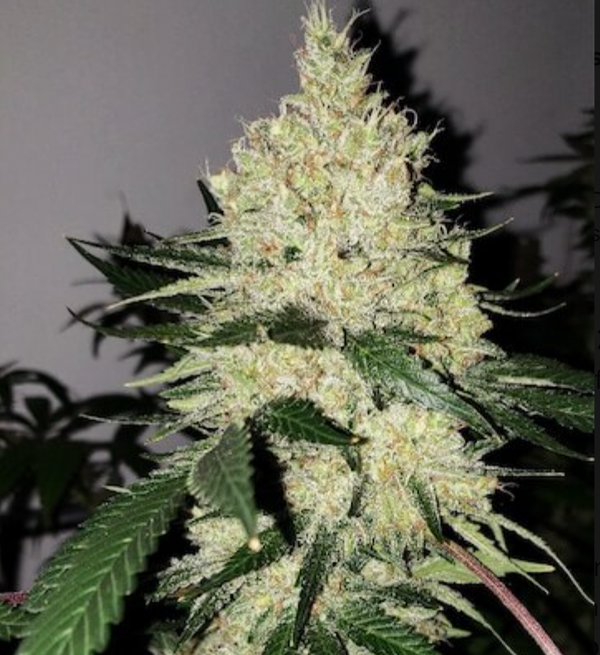
Beyond its unique aroma, the Category 5 strain is also known for its stunning visual appeal. The plants produce chunky, dense buds that are absolutely coated in a thick, shiny layer of resin. This heavy trichome coverage not only makes the flowers sparkle but is also a strong indicator of their potency and rich cannabinoid content. For a grower, dense and resinous buds are a sign of a successful harvest and high-quality genetics at work. This "bag appeal" is something many cultivators strive for, and Category 5 delivers it in spades. Achieving this kind of structure and resin production is often easier when starting with genetically stable seeds, like our premium feminized seeds, which are bred for consistent, top-tier results.
Understanding the Effects of Type 5 Cannabis
Terpenes do more than just create pleasant aromas and flavors; they also play a crucial role in shaping the effects of a strain. This synergy between terpenes and cannabinoids is known as the entourage effect. Instead of working in isolation, these compounds interact to modify and enhance the overall experience. For example, Myrcene is often associated with relaxing and sedative effects, making it common in strains recommended for evening use. In contrast, Limonene is thought to provide a more uplifting and energizing feeling. By learning about a strain’s terpene content, you can better anticipate whether it will offer a calming, creative, or focused experience.
How to Choose the Right Type 5 Seeds
Picking the right seeds can feel like the most important decision you'll make, and honestly, it is. The genetics you start with set the entire potential for your grow. But don't let that pressure you! Thinking through a few key points will help you find the perfect match for your garden and your goals. It’s all about pairing your unique situation with the right genetics.
What to Look For in a Type 5 Strain
First, think about your growing environment. Are you planning to grow indoors or outdoors? This choice dictates the kind of light your plants will receive. When you grow cannabis outdoors, flowering is triggered by the changing seasons when daylight hours naturally shorten to about 12-14 hours. For an indoor setup, you have complete control. You’ll need to create a strict schedule of 12 hours of light and 12 hours of total darkness to initiate the flowering stage. Also, consider your experience level. Some strains are more forgiving for beginners, while others require a more experienced hand to reach their full potential.
Read Seed Descriptions Like a Pro
Every seed tells a story, and the description is your cheat sheet. Before you add anything to your cart, take the time to really get to know the strain. A good product description will tell you everything from the estimated flowering time and potential yield to its specific flavor and aroma profile. Look for details on its lineage, which can give you clues about its growth patterns and effects. By carefully reading through the descriptions of different cannabis seeds, you can determine which one you’d be most excited to grow and ensure it’s a good fit for your setup.
Making Sense of THC and CBD Levels
What kind of experience are you looking for? This is where cannabinoids come in. The two most famous are THC and CBD. As a simple rule, THC is the compound primarily responsible for the psychoactive "high" feeling. Strains with higher THC levels generally produce stronger, more potent effects. On the other hand, CBD is non-intoxicating and is often sought for its therapeutic and wellness applications. Many modern strains offer a rich mix of both. If you want a classic cannabis experience, browse THCA seeds. If you’re more interested in the benefits without the high, check out CBD-dominant varieties.
How to Spot Top-Quality Seeds
Finally, the quality of your seeds is non-negotiable. The best way to ensure a successful grow is to start with strong, stable genetics from a trusted source. Always buy from a seed bank with a solid reputation, transparent practices, and positive customer reviews. High-quality seeds should look healthy—dark in color, with a hard shell, and free of cracks. Reputable breeders invest heavily in developing stable feminized seeds that produce consistent, reliable results. This initial investment in quality genetics will save you countless headaches and pay off beautifully at harvest time.
Where to Buy Type 5 Cannabis Seeds
Finding the right seeds is the first and most critical step in your cultivation journey. The genetics you choose will define everything from your plant’s resilience to its final flavor profile. Since Type 5 cannabis is all about those unique, non-intoxicating cannabinoids and rich terpenes, sourcing your seeds from a trusted supplier is non-negotiable. You want a seed bank that stands behind its genetics, offers detailed strain information, and provides excellent customer support. Whether you prefer the convenience of online shopping or the personal touch of a local dispensary, there are plenty of great options available to help you get started on the right foot.
Shopping at Online Seed Banks
The best online seed banks are transparent about their genetics and dedicated to quality. Here at Trilogene Seeds, we specialize in industrial hemp seeds that fit the Type 5 profile, focusing on stable, high-performance cultivars for both home and commercial growers. When you’re exploring your options, look for seed banks that feature well-known breeders and provide comprehensive strain details. Reputable sources are often highlighted in industry publications that review the best cannabis seed banks, giving you a solid starting point. A trustworthy supplier will always be clear about the lineage, potential cannabinoid content, and ideal growing conditions for their seeds, ensuring you know exactly what you’re getting.
Can You Find Them at a Local Dispensary?
While online seed banks offer a massive selection, don’t overlook your local dispensaries. Shopping in person has its own unique advantages. You get to speak directly with knowledgeable budtenders who can offer personalized recommendations based on what’s popular and grows well in your specific region. It’s also a great way to inspect the packaging and get a feel for the brand’s quality firsthand. Plus, you can walk out with your seeds the same day—no waiting for shipping. Not all dispensaries carry seeds, so it’s a good idea to call ahead or check their online menu before you make the trip.
Finding the Best Deals on Seeds
Everyone loves a good deal, and with a little planning, you can get top-tier seeds without breaking the bank. The easiest way to stay in the loop is by subscribing to newsletters from your favorite seed banks (like ours!) and following them on social media. That’s where you’ll find announcements for flash sales, holiday promotions, and new product drops. Another fantastic resource is online grower communities. Cultivators in forums are always happy to share information about which companies are running the best promotions. These communities are also a great place to ask questions and get honest feedback from other growers.
A Guide to Growing Legally and Responsibly
Growing your own cannabis is an incredibly rewarding experience, but it comes with a responsibility to yourself, your plants, and your community. A successful harvest starts long before you germinate a seed; it begins with understanding the rules and committing to being a thoughtful, responsible cultivator. By taking a few extra steps to ensure you’re growing legally and considerately, you set yourself up for a smooth, stress-free process from start to finish. This approach not only protects you but also contributes to a positive and professional image for the entire cultivation community. Let’s walk through the key things you need to know to grow with confidence and care.
First, Check Your Local Growing Laws
While cannabis seeds containing less than 0.3% THC are federally legal in the US as hemp products, the laws around cultivating them into mature plants vary wildly from state to state, and even by county or city. Before you buy your seeds, your first step should always be to check your local regulations. Some areas may have limits on the number of plants you can grow, while others might require you to grow indoors only or obtain a specific license. A quick search on your state government’s official website or a visit to a trusted resource like NORML can provide the clear, up-to-date information you need to stay compliant and grow with peace of mind.
The 2018 Farm Bill and THC Limits
The 2018 Farm Bill was a landmark piece of legislation that fundamentally changed the game for cannabis growers in the United States. It federally legalized the cultivation of hemp by defining it as any cannabis plant containing less than 0.3% delta-9 THC on a dry weight basis. This single rule is what separates legal hemp from federally controlled marijuana. For you as a cultivator, this means the responsibility is on you to ensure your plants stay compliant. According to the USDA, any cannabis that tests over this limit must be disposed of following strict enforcement rules. This is why starting with stable, reliable genetics, like those found in our industrial hemp or CBD seed collections, is so critical for a compliant and successful harvest.
What to Know About International Shipping
For growers outside of the United States, it’s essential to understand your country’s specific laws regarding cannabis seeds. International shipping regulations can be complex and differ significantly from one nation to another. Before placing an order, take the time to research the rules for importing cannabis seeds into your destination country. This due diligence is your responsibility as the buyer and is crucial for avoiding any legal complications, customs seizures, or other issues. Ensuring you are fully compliant with your local import laws is a non-negotiable step for a successful international cultivation journey.
Tips for Being a Responsible Grower
Being a responsible grower goes beyond just following the law—it’s about being a good steward of the plant and a considerate neighbor. It all starts with your genetics. When you choose a trusted supplier, you’re investing in stable, high-quality seeds that produce predictable results. This prevents issues down the line. Another key practice is planning a preventative program for pests and mildew. Using gentle, effective options like neem oil can help you manage common problems before they start. If you’re growing outdoors, consider how your garden might affect your neighbors, particularly regarding odor, and always ensure your plants are secure and not visible to the public.
Level Up Your Type 5 Grow
Once you have your Type 5 seeds, the real fun begins. Growing exceptional cannabis is a craft, and a few key adjustments can make a huge difference in your final harvest. Whether you’re a seasoned pro or just starting, these tips will help you produce a crop you can be proud of. It’s all about giving your plants the best possible environment and care from seed to cure.
Your success starts with the right genetics, but it’s your technique that brings out their full potential. Let’s walk through some methods to help you achieve bigger yields and top-shelf quality.
Pro Techniques for Better Results
To give your plants a head start, focus on creating the perfect germination environment. Cannabis seeds need consistent moisture and warmth to sprout successfully. Try to maintain a temperature of around 85°F until the seeds crack open or the taproot appears. Once they’ve emerged, you can gradually lower the temperature to your target vegetative range. This initial warmth signals to the seed that it’s safe to begin its life cycle.
For growers looking to manage plant size and speed up their timeline, consider a shorter vegetative period. The main idea is to let your seedlings grow for only four to five weeks before you switch them to the flowering stage. This technique, often used with autoflower seeds, keeps plants compact and can allow for more harvests per year.
How to Increase Your Yield
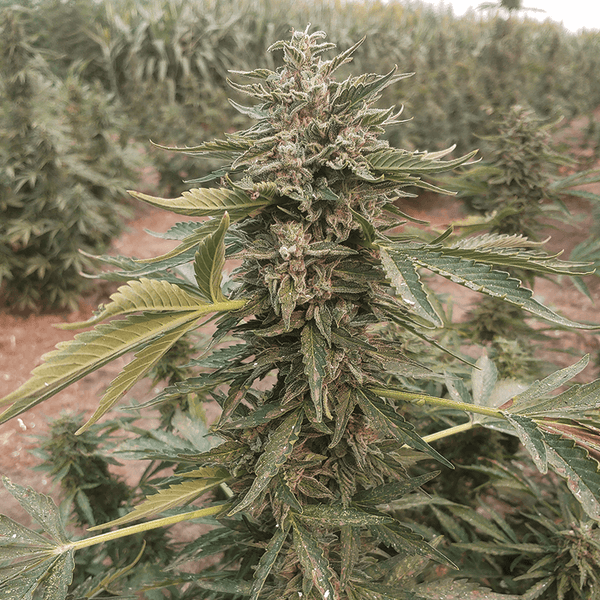
Every grower wants a bountiful harvest, and it all begins with your choice of genetics. Starting with high-quality cannabis seeds is the single most important step you can take. From there, creating a stable climate is crucial. Type 5 strains thrive with daytime temperatures between 70–80°F and slightly cooler nights. This consistency prevents stress and allows the plant to focus its energy on growth.
To give your plants the best chance, start your seeds indoors where you can control the environment. Once they are strong enough, you can move them to their final home. If you’re growing outside, make sure you plant them in a spot that gets plenty of direct sunlight. Proper spacing between your outdoor marijuana seeds is also key, as it ensures each plant gets enough light and airflow, which helps prevent mold and mildew.
Tips for Growing Top-Shelf Quality Buds
A big yield is great, but high-quality flower is what truly sets a grow apart. One of the main causes of disappointing results is poor quality management. This starts with genetics but extends to how you care for the plant throughout its life. Implementing a preventative care plan is a smart move. For example, you can use fungicides like neem oil to handle issues like powdery mildew, but always be mindful of how any treatment might affect your plant’s ecosystem.
Investing in superior genetics from the start is your best defense against common problems. Innovative options like triploid cannabis seeds are a game-changer for quality, as they are bred to be 99%+ seedless, even when exposed to pollen. This genetic stability means the plant directs all its energy into producing potent, resinous flowers instead of seeds, guaranteeing a top-shelf sinsemilla harvest.
Related Articles
- Type 1 Cannabis Seeds: The Ultimate Grower's Guide
- List of the Best Feminized Seeds
- 5 Best Seed Breeders of 2024: A Grower's Guide
- 8 Best Weed Seed Banks in the USA: 2024 Review
- Tips and Tricks for Growing Weed Easily: Excellent Results With Minimal Effort
Frequently Asked Questions
So, is 'Type 5' a new kind of cannabis like Indica or Sativa? That's a great question because the name can be a bit confusing. Think of it this way: "Type 5" isn't a broad scientific category like Indica or Sativa. Instead, it's the brand name for a specific hybrid strain, much like 'Blue Dream' or 'OG Kush' are names for other unique strains. It was developed by a breeder to have a very particular set of traits, from its aroma to its growth structure.
Are Type 5 seeds a good choice for a first-time grower? Absolutely. In fact, Type 5 was bred with reliability in mind. Its genetics were selected to create a plant that is resilient and follows a predictable growth pattern. This means you can spend less time worrying about common cultivation problems and more time enjoying the process. It’s a very approachable strain that still delivers the high-quality results that more experienced growers look for.
What's the main difference between a 'Type 5' seed and a 'feminized' seed? This is a key distinction to understand. "Type 5" tells you what the plant is—its specific genetic identity, which determines its flavor, aroma, and effects. "Feminized" tells you how the seed will grow—it's been bred to ensure it grows into a female, bud-producing plant. You can, and often will, buy Type 5 seeds that are also feminized to guarantee a flower harvest.
What kind of smell and taste can I expect from Type 5 plants? Because Type 5 is a cross of the parent strains 'Spritzer' and 'Hellcat #15,' you can anticipate a complex and appealing profile. It often carries a unique blend of aromas, combining spicy and peppery notes from terpenes like caryophyllene with brighter, citrusy scents. This translates directly to the flavor, offering a rich taste that is both distinctive and enjoyable.
Since Type 5 is a hybrid, what kind of effects should I anticipate? As a hybrid, Type 5 is designed to offer a balanced experience. It pulls characteristics from both its Indica and Sativa lineage. This means you can generally expect a pleasant combination of effects—often a relaxing feeling in the body without being overly sedative, paired with a clear-headed, uplifting mental state. It’s a versatile profile that many people find suitable for various situations.