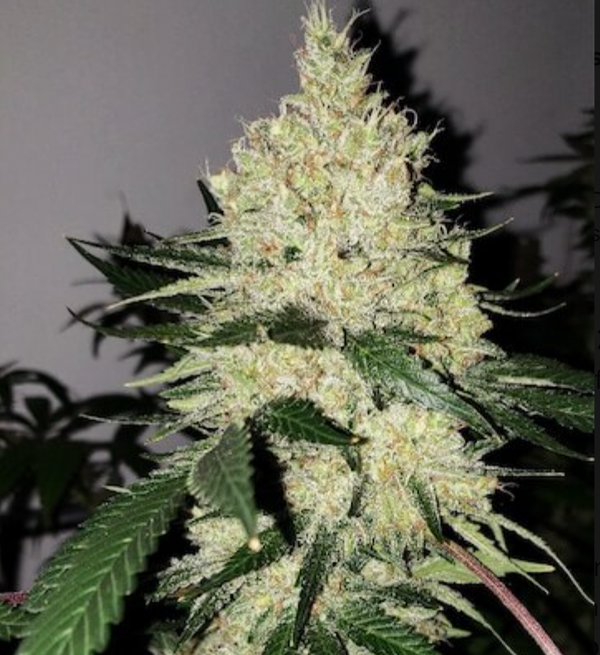
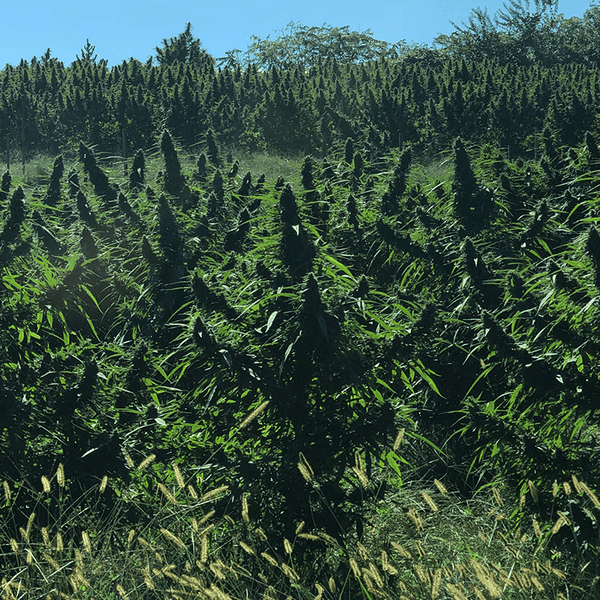
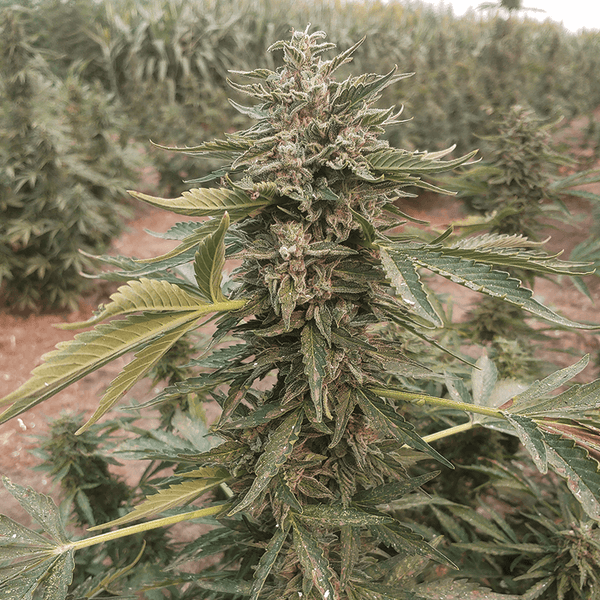
The quality of your harvest is determined long before you ever break ground; it’s locked inside the genetics of your seed. For growers seeking maximum potency, the search often leads directly to Type 1 cannabis seeds. These aren't your average seeds. They are the product of intentional, science-backed breeding designed for one primary purpose: to produce high concentrations of THC. This focus results in plants with powerful effects and desirable traits like hybrid vigor and impressive resilience. Choosing Type 1 genetics means you're not leaving your harvest to chance. You're starting with a stable foundation built to perform.
Key Takeaways
- Choose Type 1 Seeds for Potency: This chemotype is your go-to for cultivating high-THC, low-CBD cannabis, ensuring you get the powerful psychoactive effects you're aiming for in your final harvest.
- Prioritize F1 Hybrids for Better Performance: Look for first-generation (F1) hybrid seeds, as they often exhibit "hybrid vigor," which leads to stronger, more uniform plants with bigger yields and improved resilience.
- Your Growing Practices Unlock Genetic Potential: Premium seeds need proper care to thrive. A stable environment, a consistent feeding schedule, and correct seed storage are essential to help your plants reach their full potential.
So, What Exactly Are Type 1 Cannabis Seeds?
When you start exploring the world of cannabis genetics, you'll quickly come across terms like "Type 1," "Type 2," and "Type 3." These categories, also known as chemotypes, are simply a way to classify cannabis based on its dominant cannabinoid profile. Think of it as a helpful cheat sheet that gives you a good idea of a plant's potential effects before you even plant a seed. In this system, Type 1 cannabis seeds are the THC powerhouses.
These are the strains growers turn to when their goal is to cultivate potent, resinous flower with strong psychoactive properties. If you're aiming for that classic cannabis experience, Type 1 seeds are exactly where you should start your search. They are the result of generations of careful breeding, all focused on one primary goal: maximizing the production of Tetrahydrocannabinol (THC) and its raw form, THCA. At the same time, these genetics are selected to keep other cannabinoids, especially CBD, at minimal levels. This highly specific genetic profile is what makes Type 1 strains so popular and reliable for both recreational consumers and cultivators who want predictable, high-potency results from their gardens.
Breaking Down Their Genetics and Key Traits
The defining characteristic of Type 1 cannabis is its cannabinoid content. These plants consistently produce high levels of THC—often exceeding 20%—and minimal amounts of CBD, typically less than 1%. This profile is the result of careful and selective breeding. Growers have spent generations isolating and stabilizing genetics to maximize THC production, resulting in the potent and reliable THCA seeds available today. Many of these are F1 hybrids, meaning they are the first-generation offspring of two distinct parent strains. This often results in what's known as "hybrid vigor," giving you stronger, more resilient plants with uniform growth patterns and impressive yields.
Decoding Their THC and CBD Ratios
The easiest way to understand cannabis chemotypes is by looking at their THC-to-CBD ratio. For a plant to be classified as Type 1, its THC:CBD ratio must be greater than 1:1, meaning THC is the dominant cannabinoid by a significant margin. While some strains aim for a balanced 1:1 ratio for a mix of effects, Type 1 varieties are bred to put THC in the spotlight. This cannabinoid dominance is directly responsible for the strong psychoactive effects these plants are known for. When you shop for seeds, paying attention to this chemotype helps you know exactly what kind of plant you'll be growing and what to expect from your final harvest.
Why Should You Grow Type 1 Cannabis Seeds?
When you’re planning a grow, the seeds you choose are the foundation for your entire harvest. If you’re aiming for potent, THC-rich results, Type 1 cannabis seeds are an excellent choice. But their benefits go far beyond just high THC levels. Growers who opt for high-quality Type 1 genetics often find their plants are more vigorous and their outcomes are more predictable. Let’s get into what makes these seeds a go-to for both home cultivators and commercial operations.
Grow Stronger Plants and Get Bigger Yields
One of the biggest advantages of growing premium Type 1 seeds is experiencing what’s known as "hybrid vigor." Many of the best THCA seeds are F1 hybrids, meaning they are the first-generation offspring of two carefully selected, distinct parent strains. This genetic cross often results in plants that are simply stronger and more productive. They tend to grow faster—sometimes up to 25% faster—and produce larger yields than later generations. This vigor also translates into improved resilience, giving your plants a better chance of standing up to common pests and diseases. For any grower, that means a healthier crop and a more rewarding harvest.
Enjoy Consistent, Predictable Grows Every Time
Beyond sheer size and strength, Type 1 hybrid seeds deliver remarkable consistency across your crop. Because they are a direct cross of two stable parents, the resulting plants share a very uniform genetic profile. This means you can expect your plants to grow to similar heights, develop a consistent canopy structure, and reach maturity around the same time. This predictability is a game-changer for managing your grow space, as it simplifies everything from lighting and nutrient schedules to your final harvest plan. When you use high-quality feminized seeds, you also eliminate the guesswork of sexing plants, ensuring every plant is a flower-producing female for a uniform, sinsemilla crop.
How Do Type 1 Seeds Stack Up?
When you're looking for the perfect seeds, you'll come across terms like "Type 1," "Type 3," and "F1." These labels can seem confusing, but they're just simple ways to classify seeds based on what they produce (their chemical profile) and how they were bred (their genetic generation). Understanding these distinctions is the key to choosing a plant that will deliver exactly what you're looking for, whether it's high potency, specific therapeutic benefits, or superior growing performance. Let's clear up the terminology so you can shop for seeds with confidence.
Type 1 vs. Type 2 vs. Type 3: What's the Real Difference?
Think of these "types" as categories based on a plant's cannabinoid ratio. It’s a straightforward system that tells you what to expect from your final harvest.
- Type 1: These are your high-THC, low-CBD varieties. If you're cultivating for potent psychoactive effects, you're looking for Type 1 seeds. These plants are bred to maximize THC content, making them the go-to for recreational users and medical patients seeking strong relief. Our collection of THCA seeds falls squarely into this category.
- Type 2: This is the balanced middle ground. Type 2 plants produce a more even mix of THC and CBD. This creates a nuanced effect that many find ideal for therapeutic use without overwhelming psychoactivity.
- Type 3: These are high-CBD, low-THC plants, often classified as hemp. They are perfect for growers who want the wellness benefits of cannabinoids without the high. Our CBD seeds are excellent examples of Type 3 genetics.
Expanding the System: Type IV and V Cannabis
While Types I, II, and III cover the most common cannabis varieties you'll encounter, the classification system actually extends further to include Types IV and V. These categories are reserved for plants with more unusual cannabinoid profiles. Type IV cannabis, for example, is defined by its very low levels of both THC and CBD. Instead, these plants are often rich in other, less common cannabinoids like Cannabigerol (CBG), making them a fascinating target for specialized breeding projects. Type V is even more of a frontier, essentially serving as a category for plants with zero cannabinoids or other unique chemical makeups that don't fit neatly anywhere else. These classifications really highlight the incredible diversity within the cannabis genus and point toward the exciting future of genetic innovation, where new traits are constantly being discovered and developed.
Are Type 1 Seeds and F1 Hybrids the Same Thing?
This is a common point of confusion, but the answer is simple: no, they are not the same. "Type 1" describes the plant's chemical output (high THC), while "F1 hybrid" describes its genetic lineage. An F1 hybrid is the first-generation offspring of two different, stable parent strains.
The major advantage of F1 seeds is something called "hybrid vigor." This means they often grow faster, yield more, and show better resilience against pests and diseases compared to later generations. You can have a Type 1 seed that is also an F1 hybrid—this would give you a potent, high-THC plant with the added benefits of superior growth. Many of our feminized seeds are F1 hybrids bred for these exact traits.
Clarifying F1 Hybrid Technology
So, what does "F1" actually stand for? It simply means "First Generation." These seeds are the direct result of crossing two different, stabilized parent plants. For example, a breeder might take pollen from a male plant of one strain and use it to fertilize a female plant of another strain. The seeds produced from that cross are F1 hybrids. The real magic here is "hybrid vigor." Because the parent strains are genetically distinct, their offspring often grow faster, stronger, and more uniformly than plants from later generations. This is a huge advantage for cultivators, as it leads to healthier plants and more predictable, bountiful harvests from your feminized seeds.
The Difference Between F1, F2, and S1 Seeds
While F1 seeds are the first cross, the story doesn't end there. If you were to grow out F1 plants and then cross them with each other, you would create F2 seeds. These second-generation seeds tend to show much more genetic variation, meaning the plants will be less uniform than their F1 parents. Then there are S1 seeds, which are created through a process called "selfing." This involves inducing a female plant to produce its own pollen and fertilize itself. Because S1 seeds come from a single parent, they produce incredibly stable and predictable offspring that are essentially clones of the mother plant in seed form.
Understanding IBL, Poly-Hybrid, and Open-Pollinated Seeds
As you explore genetics, you might also encounter a few other terms. IBL, or "Inbred Line," refers to seeds that have been created by breeding plants from the same family for five or more generations. This intensive process results in extremely stable and consistent genetics, so you know exactly what to expect. Poly-hybrids are crosses of two different hybrid strains, which can result in a wide variety of traits. Finally, Open-Pollinated (OP) seeds come from plants that are pollinated naturally by the wind or insects. These seeds produce plants very similar to their parents, carrying on traits in a more natural, less controlled way than a dedicated breeding project.
Beyond Chemotypes: Exploring Mutant Genetics
While chemotypes tell you about a plant's cannabinoid profile, the world of cannabis genetics is also full of fascinating physical variations. These are often called "mutant genetics," but don't let the name fool you. These unique traits are the result of rare genetic expressions that change a plant's appearance, sometimes dramatically. For growers, these variations can be more than just a novelty; they can offer practical advantages, especially for those who need to keep their gardens discreet. Instead of the classic, recognizable cannabis leaf, these plants might grow leaves that look like parsley, a fern, or even a duck's foot, helping them blend in seamlessly with other garden plants.
These unique leaf shapes and growth structures are a testament to the incredible diversity within the cannabis genome. Cultivators who enjoy experimentation or want to add something truly unique to their garden often seek out these rare genetics. They offer a chance to grow a piece of cannabis history and showcase the plant's amazing adaptability. While we at Trilogene focus on breeding for stable, high-performance traits like potency and yield, exploring these unique varieties is a fun way to deepen your appreciation for the plant. You can always check our new releases to see what innovative genetics we're working on next.
Duckfoot and SWAG Varieties
Two of the most well-known stealth varieties are Duckfoot and SWAG. The Duckfoot strain gets its name from its webbed leaves, where the individual leaflets are fused, creating a shape that looks like a duck's foot. This simple change makes the plant much harder to identify as cannabis at a glance. SWAG, which stands for Smooth-edged Australian Webbed, takes this a step further with smooth, non-serrated leaves that are also webbed. Beyond its unique appearance, SWAG genetics are known for being exceptionally tough, showing great resilience against heat, pests, and stress, making them a solid choice for challenging outdoor grows.
ABC and Freakshow Varieties
For growers who want something even more unconventional, there are ABC and Freakshow varieties. ABC, or Australian Bastard Cannabis, looks nothing like a typical cannabis plant. It grows like a shrub with small, smooth, and non-serrated leaves that resemble parsley. This strain is also known for its impressive resilience. Freakshow is perhaps the most visually stunning of all. Developed by a breeder named Shapeshifter, this variety has feathery, fern-like leaves that are truly unique. While these mutant traits are primarily aesthetic, they offer a fun and discreet growing experience for cultivators who love to collect and cultivate rare and unusual plants.
How Are These Unique Cannabis Seeds Created?
Breeding Type 1 cannabis isn’t about luck; it’s a science rooted in patience and precision. The goal is to create a stable, predictable plant that consistently produces high levels of THC alongside other desirable qualities like specific aromas, flavors, and growth patterns. It all starts with a process called hybridization, where breeders carefully cross two different parent plants. Think of it like creating a "greatest hits" album—the aim is to take the best traits from each parent and combine them into one superior offspring.
This process involves deep knowledge of plant genetics and a clear vision for the final product. Breeders don't just cross any two plants. They select parent stock based on rigorous criteria, looking for specific markers for potency, resilience, and yield. The resulting seeds, especially the first-generation (F1) hybrids, carry the genetic blueprint for a new and improved strain. When you browse a collection of premium THCA seeds, you're seeing the result of this meticulous work. Each seed represents a carefully crafted genetic line designed to deliver a specific experience for the grower and consumer.
The Art of Creating Stable, Reliable Hybrids
When breeders cross two distinct and stable parent strains, the first generation of offspring is known as an F1 hybrid. These seeds are highly sought after because they often display something called "hybrid vigor." This means the resulting plants tend to be stronger, grow more uniformly, and produce higher yields than later generations or their parent strains. For you as a grower, this translates to a more predictable and productive crop.
This stability is a game-changer. Instead of worrying about massive variations between plants, you get a field of consistent performers. This is especially important when creating feminized seeds, where the goal is a reliable, all-female crop that maximizes bud production. The F1 hybrid approach is a cornerstone of modern breeding that helps ensure the seeds you plant will grow into the healthy, potent plants you expect.
Advanced Breeding Techniques Explained
Creating a standout hybrid is just the beginning. To ensure a new strain is stable and consistently expresses its best qualities, breeders use more advanced techniques. These methods are all about refining the genetics, locking in the traits that make a plant special—like its potency, flavor, or resilience—and ensuring those traits appear reliably in every seed. It’s this dedication to genetic fine-tuning that separates good seeds from great ones. Let's look at a couple of the key techniques that expert breeders use to perfect their creations.
The Role of Backcrossing in Stabilizing Traits
Once a breeder creates a promising F1 hybrid, the work isn't over. To truly stabilize the genetics, they often turn to a technique called backcrossing. This involves crossing the hybrid plant back with one of its original parents. The goal is to reinforce and lock in a specific desirable trait from that parent, whether it's exceptional resin production, a unique terpene profile, or robust disease resistance. By repeatedly backcrossing over several generations, breeders can create a very stable strain that consistently produces the qualities they're aiming for. This is how you get reliable genetics that perform predictably, grow after grow, which is essential for cultivators who depend on consistent results from their outdoor cannabis seeds.
Predicting Outcomes: The 1:2:1 Genetic Ratio
Breeding isn't a guessing game; it's a science of prediction. Breeders use principles of genetics to forecast the traits of their offspring. A classic tool for this is the 1:2:1 genetic ratio, which comes from Mendelian genetics. In a simple cross, this ratio helps predict how a single trait will appear. It suggests that roughly 25% of the offspring will purely express one parent's trait (like tall height), 25% will purely express the other's (short height), and 50% will carry the genetic code for both. Understanding this allows breeders to make informed decisions, selecting the right plants for future breeding projects to further refine their lines. This predictive power is crucial for developing specialized seeds, like our pioneering triploid cannabis, where genetic precision is everything.
How Breeders Pinpoint the Best Traits
The selection process is where a breeder’s expertise truly shines. It begins with identifying two parent plants that each have exceptional, yet different, characteristics. For example, one parent might have an incredibly high THC content, while the other shows remarkable resistance to mold and pests. The breeder’s goal is to cross them and find an offspring that inherits both of these elite traits.
After making the cross, breeders grow out the F1 seeds and begin the critical work of observation and testing. They analyze everything from cannabinoid and terpene profiles to growth speed, plant structure, and overall health. Only the plants that meet their exacting standards are selected to move forward. This commitment to selecting for the best traits is how groundbreaking innovations like triploid cannabis are born, pushing the boundaries of what's possible in cultivation.
Ready to Grow? How to Choose Your Type 1 Seeds
Picking the right seeds can feel like the most important decision you'll make—and it is. The genetics you start with set the stage for your entire grow cycle. But don't worry, it's not as complicated as it sounds. When you know what to look for, you can confidently choose seeds that match your goals and your growing setup. Let's walk through the key things to consider.
What to Look for When Buying Your Seeds
When you're browsing for seeds, keep an eye out for F1 hybrids. These are the first-generation offspring of two different parent strains, and they come with a special advantage called "hybrid vigor." Think of it as getting the best of both worlds. These plants are often more resilient, grow more uniformly, and can produce higher yields than later generations. F1 seeds tend to grow faster and larger, giving you a head start. This built-in strength also means they have better resistance to common pests and diseases, which is a huge relief for any grower. When you shop for seeds, looking for these traits will set you up for a successful harvest.
Choosing Between Hybrids and Open-Pollinated Seeds
While you're browsing, you'll likely see terms like "F1 hybrid" and "open-pollinated." F1 hybrid seeds are created by carefully crossing two different, stable parent plants to combine their best qualities into one superior plant. As the experts at West Coast Seeds explain, plants grown from F1 seeds "tend to be more dependable and look more alike (uniform)." This means you get a crop that grows consistently, which is a huge advantage for managing your space, lighting, and feeding schedule. Open-pollinated seeds, on the other hand, are pollinated naturally by wind or insects, which can lead to much more genetic variation in your plants. For a predictable, high-performance grow, choosing F1 hybrids is almost always your best bet.
Why Buying from a Trusted Supplier Matters
The success of your harvest begins and ends with the quality of your seeds. It can be tempting to hunt for a bargain, but your genetics are not the place to cut corners. As the team at Dutch Passion UK wisely puts it, "Good seeds are essential for a good harvest." Always source your genetics from a reputable company with a proven track record of quality, positive customer feedback, and a commitment to innovation. A trusted supplier is transparent about their breeding practices and invested in creating stable, reliable seeds. When you invest in premium genetics, you're not just buying a seed; you're investing in a predictable outcome and protecting all the time and effort you're about to put into your grow.
Top Strain Recommendations for Beginners
If you're new to cultivation, the sheer number of strains can feel overwhelming. The best advice is to start with genetics known for being resilient and forgiving. You want a plant that can handle a few learning mistakes while you get the hang of things. For this reason, many beginners find great success with autoflower seeds. These plants are fantastic because they don't rely on a change in the light cycle to start flowering—they do it automatically based on their age. This removes a major variable and simplifies your grow from day one. Look for strains described as hardy, mold-resistant, and easy to manage. Starting with a forgiving plant helps build your confidence and sets you up for a successful first harvest.
Growing Indoors vs. Outdoors: Key Differences
Your growing environment plays a huge role in which seeds will perform best. If you're growing indoors, you have total control over light, temperature, and humidity. This means you can choose indoor cannabis seeds bred to maximize their potential in a perfect setting, often leading to incredible yields and potency. For an outdoor grow, your priority should be resilience. You'll want to select outdoor marijuana seeds known for their ability to withstand fluctuating weather and fend off local pests. Choosing a strain that’s tough and adaptable is your best bet for a thriving outdoor crop.
Your Guide to Growing Healthy Type 1 Cannabis
Growing Type 1 cannabis is an incredibly rewarding process, especially when you’re aiming for high-THCA flower. These plants are bred for performance, but they need the right care to reach their full potential. Think of it as a partnership: you provide the ideal conditions, and your plants will deliver impressive results. Focusing on three key areas—environment, feeding, and protection—will set you up for a successful harvest from your THCA seeds. Let’s walk through how to give your plants everything they need to thrive.
Setting Up the Ideal Environment for Your Plants
Your grow space is your plant's entire world, so making it perfect is the first step. Consistency is everything. Type 1 plants perform best when they aren’t stressed by wild swings in temperature or humidity. For indoor grows, aim for a comfortable temperature range and maintain good air circulation to keep things fresh. Whether you’re growing with indoor cannabis seeds or cultivating outdoors, the goal is to create a stable and supportive environment. A high-quality seed is the foundation, but a well-managed environment is what allows its superior genetics to truly shine through from seedling to harvest.
A Simple Guide to Feeding and Plant Care
Type 1 plants, especially F1 hybrids, are known for their vigorous growth. They often grow faster and larger than other varieties, which means they have a healthy appetite. To support this rapid development, you’ll need a consistent feeding schedule with a quality nutrient line. Don’t be afraid to follow a robust feeding regimen, as these plants can handle it and will use the extra fuel to produce bigger yields and more potent flowers. Pay close attention to your plants' signals and adjust as needed, but remember that their genetic potential for faster growth rates requires steady fuel.
Keeping Your Plants Safe from Pests and Disease
While many Type 1 hybrids are bred for improved resistance to common issues, they aren't invincible. The best defense is a good offense. Start by keeping your grow area impeccably clean. Good airflow is also critical, as it helps prevent mold and other fungal issues from taking hold. If you’re growing our innovative triploid cannabis, you already have an advantage with plants that are naturally more resilient. For any strain, regularly inspect your plants for any signs of trouble. Catching a problem early makes it much easier to manage and ensures a small issue doesn’t threaten your entire harvest.
Let's Bust Some Common Myths About Type 1 Seeds
Let's clear the air. When you're investing time and energy into your grow, the last thing you need is bad advice. The world of cannabis cultivation is full of old tales and "bro science," especially when it comes to seeds. It's easy to get tripped up by myths that sound convincing but don't hold up. We're going to walk through some of the most common misconceptions about Type 1 seeds so you can separate fact from fiction and grow with confidence. From judging a seed by its cover to misunderstandings about feminization, let's get these myths sorted out for good.
The Truth About THC Levels and Plant Uniformity
One of the most persistent myths is that you can predict a plant's quality or THC levels just by looking at the seed. People claim that darker, patterned, or larger seeds are somehow superior. The truth is, a seed's appearance—its color, texture, or size—is not a reliable indicator of its genetic potential. A small, pale seed can produce a powerhouse plant, while a big, beautifully striped one might not. The real quality is locked inside the genetics, which is why starting with seeds from a reputable breeder is what truly matters.
Another common belief is that cannabis requires a highly specific, complicated soil mix to thrive. While creating an optimal environment will certainly help your plants flourish, cannabis is remarkably resilient. These plants can grow well in a variety of soil types. The key isn't a secret, magical soil recipe but rather providing good drainage, proper nutrients, and the right pH balance. Don't let the fear of getting the soil "wrong" stop you; focus on the fundamentals, and your THCA-rich plants will have a great foundation for growth.
Are Feminized Type 1 Seeds Worth It?
Let's tackle a big one: the idea that feminized seeds are GMOs or are somehow unnatural and weak. This is simply not true. Feminization is a breeding technique that uses colloidal silver or other methods to stress a female plant, causing it to produce pollen. This pollen is then used to fertilize another female, resulting in seeds that are 99%+ female. It's a clever use of the plant's natural processes, not genetic modification. High-quality feminized seeds produce plants that are just as vigorous and fruitful as their regular counterparts.
Another myth you might hear is that feminized seeds are genetically unstable and prone to hermaphroditism. The stability of any seed, feminized or not, comes down to the quality of its parent genetics. If a breeder starts with unstable parent plants, the resulting seeds will also be unstable. However, when breeders use stable, proven genetics, the feminization process creates equally stable offspring. Reputable seed banks prioritize genetic stability to ensure you get consistent, predictable results without unwanted surprises. The goal is a uniform crop of sinsemilla, and that's exactly what well-bred feminized seeds deliver.
How to Properly Store Your Type 1 Seeds
You’ve selected your perfect Type 1 seeds, and now it’s time to protect that investment. Proper storage is the key to making sure your seeds remain viable until you’re ready to plant. Think of your seeds as living organisms in a deep sleep. Your job is to provide a stable environment that keeps them dormant, preserving their genetic potential and ensuring high germination rates when the time comes. Storing them correctly is simple, but it makes all the difference between a successful future harvest and a disappointing start. Let's walk through the best practices for keeping your seeds safe and sound for the long haul.
Easy Steps for Safe, Long-Term Seed Storage
To keep your seeds in top condition, you need to control their environment. The goal is to mimic a cool, dark, and dry winter. Start by placing your seeds in a small, airtight container—a labeled bag inside a dark jar or a purpose-built seed vault works perfectly. This protects them from their two biggest enemies: light and moisture. Store the container in a stable, cool location, like the back of your refrigerator. Aim for a consistent temperature between 32°F and 41°F. This slows the seeds' metabolism way down, preserving their energy for germination. Just be sure to label your container with the strain and date so you know exactly what you have when you’re ready to grow your newest seeds.
Keeping Your Seeds Viable for Future Grows
Maintaining seed viability is all about preventing your seeds from thinking it's time to sprout. Any exposure to light, warmth, or humidity can signal the start of germination, which is exactly what you want to avoid during storage. Keeping temperatures consistently cool (around 43-47°F is a great target) ensures the seeds remain dormant and their internal energy stores don't deplete. Using an airtight container is non-negotiable, as it keeps humidity out and minimizes air exposure. By following these steps, you can confidently store your premium THCA seeds for years, knowing they’ll be ready to perform when you are. A little care now guarantees a strong start for your future plants.
What's Next for Type 1 Seeds and Cannabis Laws?
The world of cannabis is anything but static. As a grower, staying informed about what’s on the horizon is just as important as perfecting your cultivation technique. The future of Type 1 cannabis is being shaped by two powerful forces: incredible scientific breakthroughs in breeding and a legal landscape that continues to shift. These changes bring exciting new possibilities for creating unique, high-THCA cultivars, but they also underscore the need to be diligent and informed. Understanding these trends will help you make smarter choices for your garden, ensuring you’re growing the best possible plants while staying on the right side of the law.
Exciting Innovations on the Horizon
Cannabis breeding has evolved from a passionate art into a precise science. Gone are the days of simply crossing two promising plants and hoping for the best. Today, breeders are using advanced technology to map the cannabis genome, leading to some game-changing developments. Scientists have identified specific genetic markers that influence cannabinoid and terpene production. This means we can now develop strains with incredible accuracy, targeting specific traits to create more potent and stable THCA seeds. Innovations like our Triploid Cannabis, which are nearly 100% seedless, are a direct result of this progress, offering growers bigger yields and more consistent results than ever before.
Market Diversification and the Rise of Minor Cannabinoids
While high-THC strains remain a top choice for many, the cannabis market is broadening in exciting ways. The conversation is moving beyond a simple focus on THC percentage as consumers become more educated about the unique effects of minor cannabinoids like CBG, CBN, and THCV. This curiosity is pushing breeders to innovate beyond just maximizing THC levels. The future of cannabis genetics is about creating a rich tapestry of options, from potent Type 1 strains to therapeutic high-CBD varieties and new chemotypes rich in other compounds. This diversification meets the growing demand for specific, nuanced experiences, ensuring there's a perfect chemotype for every kind of cultivator.
Stay Informed: Legal Tips for Home Growers
As exciting as new breeding techniques are, it’s crucial to remember the legal context of growing Type 1 cannabis. Because these plants are bred for high THC content, they are legally classified as marijuana, not hemp. For hemp to be legal in the U.S., its THC level must remain below the 0.3% threshold—a number your Type 1 plants will easily surpass. Cannabis laws vary dramatically from one state to another, and even by county or city. Before you plant a single seed, take the time to research your local regulations for both personal and commercial cultivation. Staying informed is the best way to protect yourself and your passion project, allowing you to grow with confidence and peace of mind.
Seeds vs. Cultivation: Know Your Local Laws
It’s essential to understand that the legality of possessing cannabis seeds and the legality of growing them are often two separate issues. While the 2018 Farm Bill federally legalized hemp, Type 1 seeds are designed to grow into marijuana plants with THC levels far exceeding the 0.3% hemp threshold. This means that once you germinate a seed, you are cultivating a plant that is regulated differently. The laws governing cannabis cultivation can change drastically from one state to the next, and sometimes even from one city to another. Before you plant anything, take the time to research your local regulations for both personal and commercial cultivation. Being an informed grower is the first step to a successful and stress-free harvest.
The "Souvenir" Status of Cannabis Seeds
You might wonder how it's possible to buy seeds in places where growing is still restricted. This is because cannabis seeds themselves contain virtually no THC and are often sold as "souvenirs" or "adult novelty collectibles." In this form, they are legally considered hemp products in many areas. However, the moment you decide to germinate that seed, its legal status changes. The act of cultivation is what falls under a different set of laws. For many enthusiasts, the ability to collect these genetics is a way to preserve rare and valuable strains for a future when cultivation laws may become more permissive. It’s a way of safeguarding the incredible genetic diversity that breeders have worked so hard to create.
Related Articles
- List of the Best Feminized Seeds
- 5 Best THCV Strains for Energy & Appetite Control
- Best THCA Seeds: Potent, Legal & Easy to Grow
- 5 Best Seed Breeders of 2024: A Grower's Guide
- How to Germinate Marijuana Seeds Successfully
Frequently Asked Questions
What's the simplest way to understand the difference between Type 1 and Type 3 cannabis? Think of it in terms of your end goal. If you are growing for potency and a strong psychoactive experience, you want Type 1 seeds, which are bred to produce high levels of THC. If you are growing for wellness benefits without the intense high, you want Type 3 seeds, which are bred to be rich in CBD and contain very little THC.
Are 'Type 1' and 'F1 Hybrid' the same thing? No, but they often go together. "Type 1" describes the plant's chemical profile—what it produces, which in this case is high THC. "F1 Hybrid" describes the plant's genetic background—how it was bred, specifically as the first-generation cross of two distinct parents. You can have a Type 1 seed that is also an F1 hybrid, which gives you a potent plant with the added benefits of hybrid vigor, like faster growth and better resilience.
If I buy high-quality feminized Type 1 seeds, am I guaranteed a successful harvest? Starting with excellent genetics is the most important step toward a great harvest, but it's a partnership. Premium seeds provide the potential for strong, potent plants, but they can't do it alone. Your role as the grower is to provide a stable environment with the right light, temperature, and nutrients to help that genetic potential become a reality.
Why are Triploid seeds mentioned with Type 1 cannabis? What makes them special? Triploid cannabis is a cutting-edge innovation in breeding, and these plants are often bred to have a Type 1 (high-THC) profile. What makes them so special is their structure; they are almost entirely seedless, even when exposed to pollen. For a grower, this means you get exceptionally large, dense, and consistent flowers without the risk of accidental pollination ruining your crop.
I've heard that feminized seeds can be unstable. Is that true? The stability of any seed, feminized or not, comes down to the quality of its parent genetics. The feminization process itself doesn't create instability. When a breeder starts with strong, stable parent plants, the resulting feminized seeds will be just as reliable. This myth usually comes from experiences with seeds from breeders who cut corners, but when you source from a reputable seed bank, you can trust that the genetics are solid.