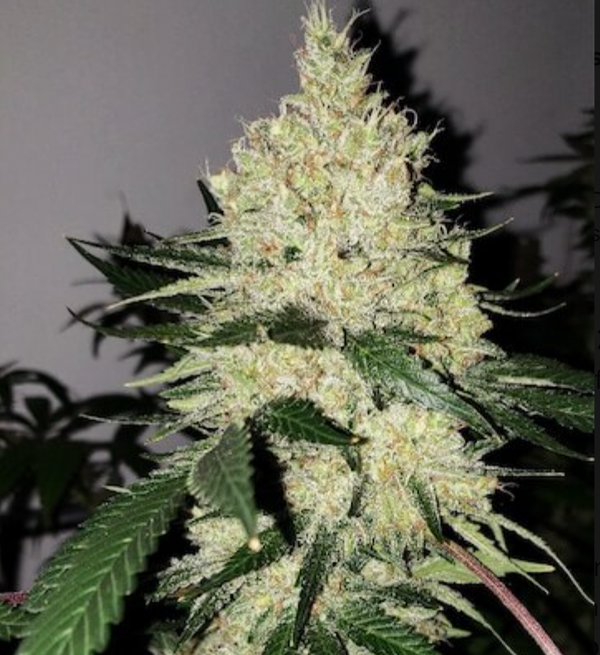
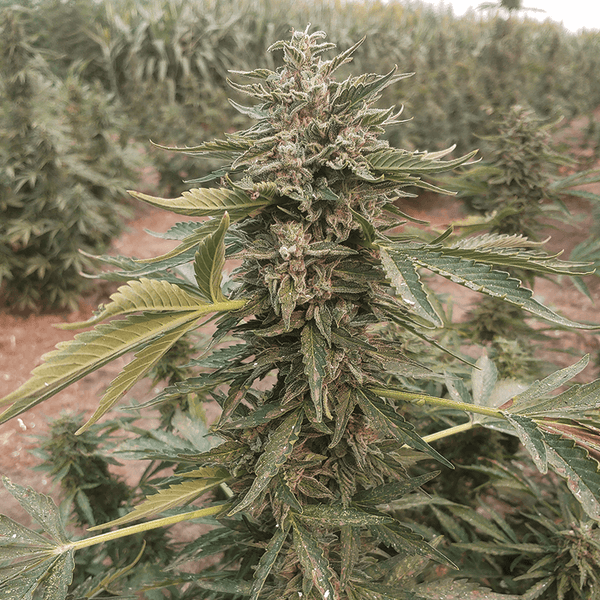
Let's be real: today's cannabis consumer knows exactly what they want, and it’s not always the highest THC percentage. They’re seeking specific experiences tailored to their lifestyle, whether for creative focus or daytime energy. This is where THCV shines. It offers a clean, motivating high without the couch-lock or intense hunger, making it a perfect fit. For cultivators, this shift in preference is a massive opportunity. By adding high-THCV strains to your lineup, you can meet this demand head-on and offer a premium product that truly sets your harvest apart.
Key Takeaways
- Choose THCV for a functional high: It delivers a clear-headed, energetic experience that can suppress appetite, making it ideal for daytime productivity and focus, unlike the classic THC high.
- Prioritize quality and mindful dosing: Since THCV's effects are dose-dependent, it's essential to start with a small amount to find your sweet spot. Always verify a strain's potency with a Certificate of Analysis (COA) from a trusted source.
- Time your harvest for peak potency: For cultivators, maximizing THCV content comes down to timing. Harvest when trichomes are mostly cloudy but before they turn amber, as THCV levels are thought to peak earlier in the flowering cycle.
What Is THCV, and How Is It Different from THC?
You’ve probably heard of THC and CBD, but there’s another cannabinoid gaining serious attention: THCV, or Tetrahydrocannabivarin. Think of it as THC’s lesser-known but fascinating cousin. While both are compounds found in the cannabis plant, they interact with your body in very different ways, leading to unique effects that have growers and consumers excited. The main difference comes down to how THCV engages with your brain's CB1 receptors—the same ones THC activates to produce a high.
Unlike THC, which reliably produces psychoactive effects, THCV is a bit of a shapeshifter. Its effects are dose-dependent. At lower doses, it can actually block CB1 receptors, potentially counteracting some of THC's effects. At higher doses, it switches roles and activates those same receptors, but the resulting high is typically much milder and more stimulating than what you’d expect from THC. This unique, two-sided nature is what sets THCV apart and makes it a target for cultivators looking to grow specialized cannabis strains with very specific benefits.
A Brief History of THCV's Discovery
While cannabis has been part of human history for centuries, our scientific understanding of it is much more recent. The story of THCV really begins with the legendary cannabis researcher Raphael Mechoulam. In 1964, his team first isolated THC, pinpointing it as the plant's primary psychoactive component. This discovery cracked the code of the cannabis plant, and just six years later, in 1970, the same team identified THCV as a distinct cannabinoid. They noticed it appeared in specific cannabis varieties, particularly landrace strains from Africa. This breakthrough was a crucial step, revealing that the cannabis plant held a far more complex and nuanced profile than previously imagined and setting the stage for today's exploration of its unique, energizing effects.
Why Do They Call It "Diet Weed"?
THCV has earned the nickname "diet weed," and for good reason. Early research suggests it may act as an appetite suppressant, which is the opposite of the famous "munchies" effect caused by THC. But its potential goes far beyond appetite control. Studies are exploring THCV for its ability to help regulate blood sugar, reduce inflammation, and even ease anxiety. When it does produce a high, it’s often described as energetic, focused, and clear-headed. This makes it an appealing option for daytime use or for anyone seeking a creative spark without the heavy, relaxing effects of traditional THC.
How Does THCV Work in Your Body?
The way THCV works is a perfect example of how complex the cannabis plant is. At low doses, it acts as a CB1 antagonist, which means it can block THC from binding to receptors in your brain. This might explain why it can sometimes reduce the intensity of a THC high. As the dose increases, THCV becomes a CB1 agonist, activating the receptors and producing its signature uplifting effects. Your final experience also depends on the other cannabinoids and terpenes in the strain and your consumption method. This intricate dance of compounds is what makes exploring different cannabis genetics so rewarding.
Why Everyone's Talking About THCV's Benefits
You've probably heard the buzz around THCV, often nicknamed "diet weed." But this unique cannabinoid offers so much more than just appetite control. From a clear-headed, energetic high to promising therapeutic potential, THCV is carving out its own space in the cannabis world. It interacts with your body differently than THC, leading to a distinct set of effects that have cultivators and consumers excited. Let's look at the specific reasons why THCV is quickly becoming a cannabinoid you need to know about.
Can THCV Help Manage Your Appetite?
Let's get the big one out of the way: its nickname, "diet weed," isn't just clever marketing. Unlike THC, which is famous for inducing the munchies, THCV can have the opposite effect. Early studies suggest THCV may act as an appetite suppressant, which could be a game-changer for anyone looking to manage their weight or simply avoid raiding the pantry after a session. This unique property comes from how THCV interacts with your body's cannabinoid receptors. For growers, cultivating high-THCV strains means you can offer a product that provides a fantastic experience without the side effect of intense hunger, a benefit many modern consumers are actively seeking.
Experience an Energetic, Clear-Headed High
If you're looking for a high that keeps you sharp and motivated, THCV is your friend. Users often describe the experience as a clean, stimulating lift that's perfect for daytime use. Unlike the sometimes heavy or sedative effects of high-THC strains, THCV produces a faster-acting, more focused sense of euphoria. Think of it as the espresso shot of cannabinoids. It can help you power through a creative project, tackle your to-do list, or just enjoy a more alert and engaged social experience. The high also tends to be shorter-lived, which is a plus for those who want to enjoy the effects without committing their entire day.
How THCV Helps You Find Calm and Focus
Beyond the energy, THCV has a fascinating effect on mood and mental clarity. It works in a complex way, and at low doses, it can actually block the same receptors that THC activates. This interaction is why some people find THCV helps reduce the anxiety or paranoia that can sometimes accompany high-THC strains. Instead of a racing mind, you might experience a sense of calm focus. This makes it an excellent choice for those who are sensitive to THC's more intense psychoactive effects but still want to enjoy the therapeutic and uplifting qualities of cannabis. It’s a way to find a balanced, clear-headed state without the mental fog.
Does THCV Affect Blood Sugar Levels?
The "diet weed" moniker isn't just about appetite. Emerging research points to THCV's potential role in metabolic health. Some animal studies have shown that THCV can help with blood sugar regulation and improve insulin sensitivity. While more human research is needed, these early findings are incredibly promising. For consumers interested in the wellness aspects of cannabis, this is a huge point of interest. The ability to potentially help maintain balanced blood sugar and support metabolic function adds another powerful layer to THCV's appeal, moving it far beyond a purely recreational cannabinoid and into the realm of functional wellness.
Could THCV Have Brain-Protecting Benefits?
Perhaps the most exciting frontier for THCV is its potential to protect the brain. This is still in the very early stages of research, but scientists are exploring THCV for its neuroprotective properties. This means it could help shield brain cells from damage. For example, some preliminary research suggests it may have benefits for conditions like Parkinson's disease by reducing tremors and protecting dopamine-producing neurons. While it's crucial to remember this is not a cure, the possibility that a naturally occurring cannabinoid could play a role in managing such serious conditions is a powerful testament to the plant's potential. It's a key reason why scientists and medical researchers are watching THCV so closely.
Neuroprotection for Cognitive Conditions
Perhaps the most exciting frontier for THCV is its potential to protect the brain. While research is still in the early stages, scientists are exploring THCV for its neuroprotective properties, meaning it could help shield brain cells from damage. For example, some preliminary research suggests it may have benefits for conditions like Parkinson's disease by helping reduce tremors and protect the neurons that produce dopamine. It's important to be clear that this isn't a cure, but the possibility that a natural cannabinoid could support brain health is a powerful testament to the plant's potential and a key reason researchers are watching THCV so closely.
Reducing Panic Attacks and PTSD Symptoms
Because THCV can provide a clear-headed, functional experience, it’s often suggested for daytime use when you need to stay focused. This same clarity may also help reduce stress and prevent or lessen anxiety and panic attacks. This quality makes it a cannabinoid of interest for those managing conditions like Post-Traumatic Stress Disorder (PTSD). By potentially offering a sense of calm without heavy sedation, THCV allows for a more functional approach to managing symptoms, providing relief while allowing the user to remain present and engaged in their day.
Potential for Seizure Reduction and Bone Growth
Beyond its more well-known effects, THCV is also being studied for other unique therapeutic roles. Some research indicates that THCV might help reduce seizures, making it a compound of interest for people with epilepsy. This aligns with broader research into how various cannabinoids interact with the neurological system. In a completely different area of health, THCV has also shown potential to stimulate bone growth and healing. This fascinating property could one day be significant for treating conditions related to bone health. For cultivators, these diverse benefits underscore the value of growing specialized genetics that offer more than just a traditional high.
Anti-inflammatory and Skin Health Properties
Inflammation is at the root of many health issues, from chronic pain to skin conditions, and THCV is showing promise as a powerful anti-inflammatory agent. Research suggests that THCV could help reduce swelling and pain, offering a natural way to manage discomfort. This property extends to skin health, where studies indicate it might even help with acne by reducing the inflammation that causes breakouts. As consumers increasingly seek out wellness products with clean, plant-based ingredients, strains high in THCV are perfectly positioned to meet the demand for cannabis that supports both internal balance and external radiance.
5 High-THCV Strains to Know and Grow
Ready to add some THCV-rich genetics to your garden? While this cannabinoid is still gaining traction, several legendary strains have been celebrated for their unique, energizing properties long before we had the science to explain why. Exploring these varieties is a great way to experience the clear-headed, focused buzz that THCV is known for. From landrace classics to potent hybrids, each strain offers a distinct profile of effects, flavors, and growing characteristics.
Finding the right strain is about matching its profile to your goals, whether you’re seeking creative inspiration, daytime energy, or appetite management. The five strains below are famous for their notable THCV content and have become favorites among cultivators and consumers alike. As you plan your next grow, remember that a successful harvest starts with strong genetics. Sourcing high-quality cannabis seeds is the most important first step in cultivating plants that express these desirable traits. Let’s look at some of the best high-THCV strains out there.
Understanding THCV Potency and Variability
One of the most fascinating things about THCV is that its effects aren't always straightforward—they can change depending on how much you consume. At a low dose, THCV acts as a CB1 antagonist, meaning it can actually block the receptors that THC binds to, potentially softening the intensity of a traditional high. At higher doses, it flips the script and activates those same receptors, producing its signature clear-headed, stimulating buzz. This variability is also influenced by the strain's full profile of other cannabinoids and terpenes. For cultivators, timing your harvest is key; THCV is thought to peak when trichomes are cloudy but not yet amber. Because of this complexity, it’s always a good idea to start with a small amount to find what works for you and to check for a Certificate of Analysis (COA) to confirm a strain's potency.
Durban Poison
If you’ve been around the cannabis scene for a while, you’ve heard of Durban Poison. This pure sativa is a true classic, hailing from the South African port city of Durban. It’s renowned for its sweet smell and the uplifting, energetic effects that make it a perfect daytime strain. With a THCV content that can reach nearly 1%, it delivers a stimulating experience without the heavy feeling some other strains can produce. Users love its earthy and spicy aroma, which makes for a pleasant and invigorating session. Its resilient genetics also make it a rewarding plant to cultivate, especially for those looking for a reliable and productive harvest.
Doug's Varin
Doug's Varin is a bit of a unicorn in the cannabis world, but it’s famous for one thing: its high THCV content. This sativa-dominant strain was specifically bred to maximize the cannabinoid, making it a top choice for anyone seeking its unique effects. It’s particularly known for its potential to suppress appetite, earning it a reputation as a go-to for those who want to avoid the munchies. Users often report a wave of creativity accompanied by a refreshing citrus and pine aroma. While the genetics can be somewhat challenging to find, growers who get their hands on Doug's Varin are in for a special treat and a truly unique cultivation project.
Red Congolese
Celebrated for its clear-headed and focused high, Red Congolese is another fantastic choice for daytime use. This strain is perfect for those moments when you need to buckle down and be productive, as it provides a burst of energy that can help you power through your to-do list. It’s a favorite among artists and thinkers who want to stay sharp and motivated. The flavor profile is just as distinctive as its effects, featuring a memorable blend of spicy and nutty notes. If you’re looking for a strain that promotes focus without the anxiety or raciness that can sometimes accompany potent sativas, Red Congolese is an excellent one to grow.
Willie Nelson
Named for the legendary musician, the Willie Nelson strain is known for inspiring creativity and happy, clear-headed effects. It’s a fantastic social strain, perfect for sharing with friends or enjoying before a creative project. One of its most appreciated qualities is that it typically doesn’t trigger a strong appetite, allowing you to enjoy the euphoric buzz without constantly reaching for snacks. This makes it a popular choice for users who want to stay productive and in control while still benefiting from the uplifting effects of cannabis. For growers, it’s a rewarding plant that produces beautiful buds worthy of its iconic namesake.
Jack the Ripper
Don’t let the name intimidate you; Jack the Ripper is a powerhouse strain loved for its intensely stimulating effects. It’s also one of the most potent THCV strains available, with some tests showing a THCV level of up to 5%. This makes it a top-tier choice for anyone specifically seeking a strong THCV experience. The high is often described as a focused and energetic sense of euphoria that’s perfect for getting things done or enjoying an active day. Given its potency, it’s a great option for more experienced users. For cultivators, Jack the Ripper is a fast-flowering sativa that offers a truly impressive cannabinoid profile.
Girl Scout Cookies (GSC)
You can’t talk about popular hybrids without mentioning Girl Scout Cookies, or GSC. While it isn't known for having the highest THCV content, its legendary status comes from a perfectly balanced profile of effects. GSC contains a rich variety of cannabinoids and terpenes that work together to create a feeling of happy euphoria and full-body relaxation. This makes it an incredibly versatile strain that appeals to a wide range of users. For cultivators, offering a reliable and beloved strain like GSC is always a smart move. Its complex profile is a great example of how the overall experience is about more than just one cannabinoid, making it a staple in any garden of high-quality feminized seeds.
Pineapple Purps
If you want to grow something with a truly unique flavor, Pineapple Purps is an excellent choice. This hybrid stands out by combining the sweet, fruity taste of pineapple with the classic relaxing effects of purple strains. While it might not have the highest THCV levels compared to strains bred specifically for it, Pineapple Purps offers a wonderfully balanced and enjoyable high that isn't overwhelming. Its distinct flavor profile is a major draw for consumers looking for a pleasant and memorable experience. For growers, cultivating a strain with such a standout taste can set your harvest apart and attract customers who appreciate a more nuanced and flavorful smoke.
Skunk #1
As a true cornerstone of modern cannabis genetics, Skunk #1 is a classic for a reason. This strain is known for its resilient genetics and consistently balanced effects. It has been reported to contain THCV, and it’s often sought after for providing a focused and uplifting experience that’s well-suited for daytime activities. While its effect on appetite can vary from person to person, its reputation for promoting mental clarity is solid. For cultivators, Skunk #1 is a reliable choice that delivers on its promises, and its genetics are so stable that it's a popular parent for many new hybrids. It's a fantastic option if you're looking for dependable autoflower seeds that produce a functional, energetic high.
Tangie
Celebrated for its incredible citrus aroma, Tangie is a sativa-dominant strain that smells just like a freshly peeled tangerine. While it’s not specifically bred for high THCV levels, its energizing properties deliver a similar experience. Users love Tangie for the creative boost and clear-headed focus it provides, making it a go-to for artists, writers, or anyone needing a spark of inspiration without mental fog. It’s a fantastic choice for daytime use when you want to stay productive and engaged. For growers with the space, Tangie can thrive as one of your outdoor cannabis seeds, rewarding you with a harvest that’s as aromatic as it is uplifting.
THCV vs. THC: What to Expect from the Experience
If you’ve grown or consumed cannabis, you’re familiar with THC. It’s the famous compound behind the classic high. THCV, its molecular cousin, shares a similar name but delivers a completely different experience. Think of them as siblings with distinct personalities. While both interact with your body's endocannabinoid system, the way they do so results in unique effects on your mind, energy levels, and even your appetite. Understanding these differences is key to choosing the right strain for your goals, whether you're cultivating for personal use or for a specific market. Let's break down what you can expect when you try a high-THCV strain compared to a traditional THC-dominant one.
How Quickly Does THCV Work (and For How Long)?
One of the first things you'll notice about THCV is its speed. It tends to produce a faster-acting high than THC, getting to work quickly to create a focused and stimulating sense of euphoria. This makes it a great option when you want an immediate shift in your mindset without a long wait. However, the experience is also shorter-lived. While a THC high can linger for hours, the effects of THCV typically fade more rapidly. This can be a huge plus if you’re looking for a productive buzz during the day without committing your entire afternoon to it.
What Does a THCV High Actually Feel Like?
The feeling you get from THCV is where it really stands apart. While traditional THC-dominant strains are often associated with relaxation, deep thought, and sometimes a heavy body sensation, THCV offers something else entirely. Users describe the THCV high as energetic, clear-headed, and motivating. Instead of sinking into the couch, you might feel inspired to tackle a creative project, clean the house, or go for a hike. It’s a more functional, stimulating experience that keeps your mind sharp and focused, which is why some people compare its effects to a strong cup of coffee.
The Key Difference: More Energy, Less Appetite
Here’s the difference that earned THCV the nickname "diet weed." While THC is famous for inducing "the munchies," THCV has the opposite effect for many people. Studies suggest that THCV can act as an appetite suppressant, helping you feel full and potentially curbing cravings. This unique property makes it a fascinating cannabinoid for those interested in wellness and metabolic health. It’s a complete reversal of what many expect from cannabis, offering a way to get an energetic lift without the accompanying urge to raid the pantry. This makes high-THCV strains a compelling choice for daytime use.
How to Get the Most from Your THCV
So, you've picked out a promising high-THCV strain and you're ready to see what it can do. How do you make sure you have the best possible experience? It’s not just about choosing the right seeds; it’s also about understanding what’s in your final product and how your body responds to it. A little know-how goes a long way in helping you achieve that clear-headed energy and focus THCV is known for. Let's walk through how to verify your strain's potency, find the right amount for you, and choose the best way to consume it.
How to Spot THCV on a Lab Report
When you're looking for quality, don't just trust the strain name—trust the data. The best way to confirm the THCV content in your flower is by looking at its Certificate of Analysis, or COA. This is a lab report that breaks down the exact cannabinoid and terpene profile of a specific batch. On the COA, find the section listing cannabinoids and look for "THCV" or "Δ⁹-THCV." This percentage tells you precisely how much is in the product. Reputable sellers and seed banks will always make these reports available, giving you the confidence that you’re getting exactly what you paid for. It’s the smartest way to ensure your cultivation efforts yield the effects you’re after.
Finding Your Perfect THCV Dosage
Here’s the thing about cannabis: everyone’s body is different. What works for your friend might not be the right fit for you. That’s why the golden rule for trying any new cannabinoid, including THCV, is to "start low and go slow." Begin with a very small amount, like a single puff, and wait to see how you feel. Pay attention to the effects on your energy levels, appetite, and mental clarity. You can even keep a small journal to track your experience. This careful approach allows you to understand your personal tolerance and find the sweet spot where you get all the benefits without any discomfort. It’s about listening to your body and adjusting until you find what feels right.
Smoking, Vaping, or Edibles: What's the Best Way to Use THCV?
While pure THCV extracts are still pretty rare, you can easily access it through high-THCV flower. Smoking or vaping the flower will give you the fastest effects, usually within minutes. If you prefer edibles, just remember they take longer to kick in but the effects last much longer. For all the growers out there, getting the most from your plant starts in the grow room. To help your indoor cannabis seeds reach their full potential, make sure you're using high-quality LED or HPS lights. This ensures your plants get the energy they need for robust growth and, most importantly, for developing those beautiful, THCV-rich buds. Your cultivation choices directly impact your final experience.
Vaporizing THCV: The Importance of Temperature
If you prefer vaping your flower, there’s a key detail you need to know to get the full THCV experience: temperature matters. THCV has a much higher boiling point than its famous cousin, THC. To activate it properly, you need to set your vaporizer to a higher temperature. Specifically, THCV becomes active at around 428°F (220°C), while THC vaporizes at a much lower 315°F (157°C). If your vape is set too low, you might get the THC effects but miss out on the clear-headed energy of THCV. So, turn up the heat. Using a vaporizer with precise temperature controls is the best way to ensure you’re hitting that sweet spot and unlocking the full potential of your carefully cultivated buds.
Exploring Other THCV Products: Tinctures, Capsules, and More
While growing and enjoying high-THCV flower is a fantastic way to experience its effects, the market is full of other convenient options. You can find THCV in a variety of products, including gummies, tinctures, and pure distillates or isolates. This variety allows you to choose a method that fits your lifestyle, whether you prefer the precision of a tincture or the simplicity of a gummy. No matter which product you choose, the golden rule remains the same: start with a small amount to see how your body reacts, then slowly increase your dose if needed. For cultivators, remember that all great products begin with great plants. Starting with high-quality outdoor cannabis seeds known for their THCV content is the first step to creating flower worthy of extraction.
A Grower's Guide to Cultivating High-THCV Strains
So, you've picked out a promising high-THCV strain and you're ready to grow. That's fantastic! Cultivating for a specific cannabinoid like THCV isn't about some secret formula; it's about giving your plant the best possible environment to express its unique genetic potential. Consistently growing high-quality cannabis is a skill, but with a little attention to detail, you can fine-tune your process to get the most out of your harvest. Let's walk through the key steps to help your plants thrive and produce plenty of that energizing THCV you're looking for.
How to Create the Ideal Growing Environment
Getting the environment right is the foundation of a successful grow. High-THCV strains, which are often sativa-dominant, tend to flourish in conditions that mimic their native climates. When growing indoors, using high-quality LED or HPS lights is a great start. For the vegetative stage, an 18 to 20-hour light cycle helps build a strong, robust plant structure. Keep temperatures steady between 70-85°F (21-29°C) and maintain a moderate humidity level. Understanding the best cannabis cultivation techniques for your setup, whether you're growing in a tent or a larger space, will make all the difference in producing top-tier buds.
Feeding Your Plants for Higher THCV Yields
A well-fed plant is a happy and productive plant. While there's no magic nutrient that specifically increases THCV, providing balanced nutrition ensures your plant has everything it needs to reach its full potential. Start with a quality base nutrient formula and pay close attention to how your plants respond. Some strains can be sensitive, so it’s wise to start with a slightly lower dose and adjust as needed to avoid nutrient burn. The goal is to keep your plants healthy and stress-free through both the vegetative and flowering stages. This consistent care is just as important as the quality of your feminized seeds.
When to Harvest for Maximum THCV Content
Timing your harvest is perhaps the most critical step for maximizing THCV content. Cannabinoid profiles change as the plant matures, and THCV is thought to peak relatively early in the flowering cycle. If you wait too long, THCV levels might begin to decline as THC converts to CBN. To nail the timing, invest in a jeweler's loupe or a digital microscope to inspect the trichomes on your buds. You'll want to harvest when most trichomes are milky or cloudy, but before a large number of them turn amber. This is your window for peak THCV. These challenges with the supply of THCV are often due to improper harvest timing, so getting this right puts you ahead of the game.
What Makes the Science of THCV So Unique?
So, what’s happening on a molecular level that gives THCV its unique reputation? Unlike its more famous cousin, THC, this cannabinoid has a fascinating and complex relationship with our bodies. It doesn’t just produce one consistent effect; its behavior changes depending on how much you consume. This dual nature is what makes it such an interesting compound for both recreational users and researchers.
Understanding this science helps you appreciate why certain strains feel the way they do. It’s not just about a simple on/off switch for feeling high. Instead, THCV engages with your internal systems in a more nuanced way, offering a different kind of cannabis experience. This interaction is centered around your body's endocannabinoid system, a vital network that influences everything from your mood to your metabolism. By getting to know the mechanics, you can better predict how a high-THCV strain might work for you and what makes it a standout choice in your garden.
The Biphasic Effect: THCV's Two Personalities
One of the most intriguing things about THCV is its biphasic effect—meaning it does two different things at low and high doses. Think of your brain's CB1 receptors as locks. At lower doses, THCV acts as a CB1 antagonist; it fits into the lock but doesn't turn it, effectively blocking other cannabinoids like THC from binding. This is why small amounts of THCV won't produce a high and may even curb the psychoactive effects of THC.
However, once you cross a certain threshold, THCV switches its role. At higher doses, it becomes a CB1 agonist, meaning it finally turns the key and activates the receptor. This produces a psychoactive effect, but it’s described as being much clearer and more stimulating than the high from THC. This two-sided nature is key to understanding how to dose THCV for your desired outcome.
How THCV Interacts with Your Endocannabinoid System
THCV’s effects all come down to its interaction with your endocannabinoid system (ECS). This system is your body’s master regulator, and cannabinoids from plants fit into its receptors like keys. As we covered, THCV’s ability to block CB1 receptors at low doses is what sets it apart. This unique mechanism is why research suggests it may have several potential benefits, including appetite suppression and anti-inflammatory properties.
Scientists are also exploring its potential for neuroprotection, bone health, and even anxiety reduction, though more studies are needed to confirm these effects. By engaging with the ECS in such a specific way, THCV offers a different path to wellness and a unique buzz, making strains rich in this cannabinoid a prized addition for any cultivator looking for variety and specific effects.
The Role of Terpenes and the Entourage Effect
It’s easy to focus on just the cannabinoids, but the full picture of a strain’s effects includes another group of powerful compounds: terpenes. These are the natural aromatic oils that give cannabis its distinct smells and flavors—from the citrusy punch of limonene to the earthy notes of myrcene. But they do more than just delight your senses. Terpenes also play a crucial role in shaping your experience through what’s known as the "entourage effect." This is the idea that all the compounds in cannabis work better together than they do alone. Think of it as a team effort, where cannabinoids and terpenes synergize to enhance or moderate each other's effects.
For instance, if you're growing a high-THCV strain to capitalize on its appetite-suppressing qualities, finding one that's also rich in the terpene humulene could be a winning combination. Humulene is also known to help curb appetite, so together, they might create a more powerful effect. This is why paying attention to a strain's full chemical profile is so important for cultivators aiming to produce a specific, reliable experience. It's how you move from simply growing a plant to crafting a product with predictable and desirable outcomes for your customers.
What to Know Before You Try THCV
Before you dive into the world of THCV, it’s smart to get familiar with what to expect. Like any cannabinoid, its effects can vary from person to person, and being informed is the best way to ensure a positive experience. Here are a few key things to keep in mind as you explore strains high in this unique compound.
Is THCV Legal and Will It Show Up on a Drug Test?
Two of the biggest questions that come up with any new cannabinoid are about legality and drug testing. The answers for THCV aren't exactly black and white, as laws are still catching up with the science. The legal landscape can be tricky, and it often depends on where you live. Similarly, while standard drug tests aren't looking for THCV specifically, there are some important details to consider before you consume, especially if your job requires regular screening. Let's clear up the confusion so you can make an informed decision.
Federal vs. State Legality
The legal status of THCV is a bit of a gray area. Federally, it isn't a scheduled substance on its own, but because it's found in the cannabis plant, products with significant amounts of THCV could be considered illegal marijuana under federal law. However, the situation is much clearer at the state level. If you live in a state where cannabis is legal for recreational or medical use, you'll likely find that THCV products are perfectly legal to purchase and possess. The key is to always check your local laws to be sure.
THCV and Drug Screening
Here's the good news: standard drug tests are designed to look for THC, not THCV. However, you should still be cautious. Because THCV and THC have similar molecular structures, there's a small chance that some tests might not be able to tell the difference, potentially leading to a false positive. The risk may increase depending on the sensitivity of the test and how much THCV you've consumed. If you are subject to drug testing for your job, it's probably best to err on the side of caution and avoid THCV altogether.
Who Should Be Cautious with THCV?
While THCV's appetite-suppressing qualities are a major draw for many, they also mean it isn't the right choice for everyone. If you are struggling with an eating disorder like anorexia or have any condition that causes a loss of appetite, you should avoid using THCV. Since it can make you feel less hungry, it could interfere with your health goals. As with any cannabinoid, it's always a good idea to talk to a healthcare professional if you have any underlying health conditions or concerns. Your well-being should always come first, and making sure a product is a good fit for your body is a crucial step.
Are There Any Side Effects to Watch For?
How THCV affects you really comes down to the dose. It has a unique biphasic effect, meaning it behaves differently at low versus high concentrations. At low doses, THCV can actually block the CB1 receptors that THC activates, which may reduce some of THC’s psychoactive intensity. At higher doses, however, it flips the switch and activates those same receptors, producing its own clear-headed, stimulating high. While it’s gained fame as "diet weed" for its potential to reduce appetite, more research is needed to confirm these benefits. Start with a small amount to see how your body responds before going further.
Simple Precautions for Using THCV Safely
First things first: it’s always a good idea to talk to a doctor before adding a new cannabinoid to your routine, especially if you have any underlying health conditions. It’s also crucial to be mindful of where you get your products. The market is expanding quickly, but not all THCV is created equal. Stick to reputable brands and licensed dispensaries to avoid low-quality or counterfeit products. Finally, be aware that the legal status of THCV is still a bit of a gray area at the federal level. Its safety and legality depend on your location, the product's quality, and your individual health, so always do your homework.
What's on the Horizon for THCV?
The future for THCV is bright, with both scientists and cultivators exploring its unique properties. While it’s still an emerging cannabinoid, the initial findings and breeding advancements are creating a lot of excitement. Researchers are working to understand its full therapeutic potential, while growers are developing new genetics that make this once-rare compound more accessible than ever. This dual-front progress means we’re likely to see a lot more of THCV in the coming years, both in medical studies and in the garden. As our understanding grows, so will the opportunities to experience its distinct effects.
What the Latest THCV Research Says
Much of the buzz around THCV comes from its potential to influence appetite and metabolism. Early scientific studies suggest it might help people feel full and even support weight management goals. However, it's important to remember that this research is still in its early stages. Most of the promising results come from preclinical trials on animals, and we need more robust human studies to confirm these effects. While the nickname "diet weed" is catchy, science hasn't yet given THCV its official stamp of approval for weight loss or any other medical condition. The current evidence is a promising starting point, not a final conclusion.
The Next Wave of THCV Products
As researchers uncover more about THCV, breeders are getting to work. The cannabis industry is constantly innovating, and right now, a major focus is on creating strains with higher concentrations of rare cannabinoids like THCV. This means you no longer have to hunt for specific landrace strains to find it. Seed banks are actively developing and releasing new genetics that reliably produce high levels of THCV, making it easier for you to cultivate at home or on a commercial scale. Keep an eye on new releases from forward-thinking breeders, as the next generation of high-THCV strains is just getting started.
How to Find High-Quality THCV Strains
Finding genuine high-THCV strains requires a bit of detective work, but it’s completely worth it to ensure you get the effects you’re after. By focusing on transparency and doing a little homework, you can confidently select seeds and products that deliver on their promises.
What to Look For When Buying THCV
When you're on the hunt for THCV, quality should be your number one priority. Your best friend here is the Certificate of Analysis (COA). As the experts at NuggMD note, this lab report details the different cannabinoids and terpenes in the product, so you know exactly what you’re getting. Just as important is where you buy from. The Bluntness puts it perfectly: "Choose products from reputable sources that have been tested for purity and content." Starting with high-quality cannabis seeds from a trusted provider sets you up for a successful harvest that actually contains the cannabinoid profile you want.
How to Decode Lab Reports Before You Buy
Getting your hands on a COA is the first step; knowing how to read it is the next. It’s not always as simple as finding "THCV" on a list. According to NuggMD, "THCV levels are not always listed on products; you may need to do some math using the total active cannabinoids (TAC) and THC levels listed on the COA." Don't let this intimidate you. Taking a moment to understand the lab results helps you confirm you've found a true high-THCV strain. As you explore different options, make it a habit to research specific strains and their typical lab reports. This little bit of homework ensures the seeds you cultivate will deliver the energetic and focused effects you're looking for.
Related Articles
- Exploring the Nuances: THCA Hemp Flower vs. THC Marijuana Flower
- Benefits of CBDV and Other Minor Cannabinoids
- Benefits of Growing CBG Cultivars
Frequently Asked Questions
Will THCV get me high like regular THC? It can, but the experience is very different. Unlike the relaxing or sometimes heavy feeling from THC, the high from THCV is often described as clear-headed, focused, and energetic. It's more of a stimulating buzz. Also, its effects depend on the dose. A small amount might not produce a high at all, while a larger dose will activate that signature uplifting feeling.
Is the "diet weed" nickname for real? Will THCV help me lose weight? The nickname comes from early research suggesting THCV can act as an appetite suppressant, which is the opposite of the "munchies" from THC. While many users report feeling less hungry, it's important to know that the science is still developing. Think of it as a potential benefit rather than a guaranteed weight-loss tool.
How can I be sure the seeds I buy will produce plants high in THCV? Your best bet is to start with a trusted seed bank that provides detailed information on their genetics. Look for strains that are specifically bred for high THCV content. Once you've harvested, you can confirm the cannabinoid profile by getting a lab test, or Certificate of Analysis (COA), which will show the exact percentage of THCV in your final product.
What's the best way to try THCV for the first time? The golden rule is to start with a very small amount. Since THCV's effects are so dependent on the dose, beginning with a single puff or a tiny piece of an edible allows you to see how your body responds. Pay attention to how you feel over the next hour before considering more. This helps you find your personal sweet spot for that clean, focused energy.
I heard harvest timing is important for THCV. Can I mess it up? Yes, timing is critical. THCV is thought to develop earlier in the flowering stage than some other cannabinoids. If you wait too long to harvest, the THCV levels can begin to decrease as the plant continues to mature. For the best results, you'll want to harvest when the trichomes are mostly milky or cloudy, just before they start turning amber.