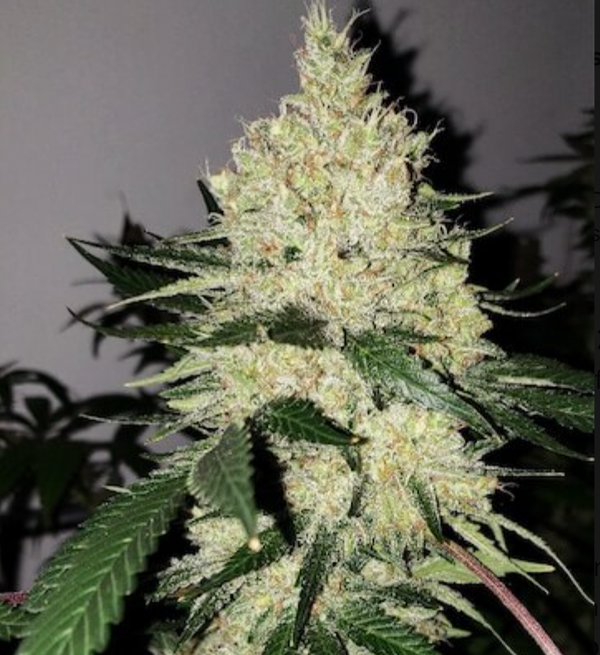
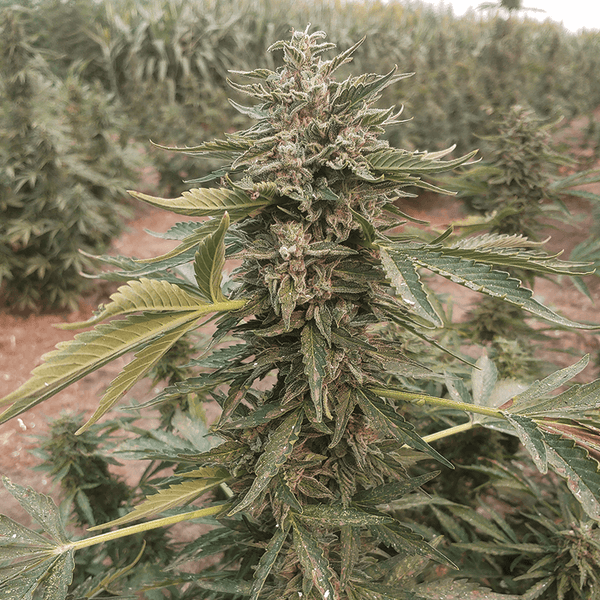
For a long time, choosing autoflowers felt like a trade-off. You got incredible speed and simplicity, but often at the cost of size and potency. That compromise is officially over. Think of super autos as the next evolution in cannabis genetics. They take the core principle of autoflowering—a plant that flowers on its own schedule—and push it to the absolute limit. These plants are specifically bred for vigor, size, and potency that far surpass early autos. For cultivators ready to maximize their garden’s potential, growing super auto seeds is the clear next step for a faster, bigger harvest.
Key Takeaways
- Choose Super Autos for Big Yields and Simplicity: These plants give you the heavy harvests typical of photoperiod strains but flower automatically, saving you the effort of managing light cycles.
- Prioritize a Stress-Free Environment: Super autos have a short lifespan with no time to recover from mistakes. Start seeds in their final pots, use gentle low-stress training (LST), and feed them lightly to prevent stunting and maximize growth.
- Match Your Seeds to Your Goals: Your final harvest is determined by the genetics you start with. Before buying, decide if you want high yields, maximum potency, or specific cannabinoids, then select seeds from a reputable breeder that fit your needs.
What Are Super Auto Seeds?
If you’ve been around the cultivation scene, you’ve probably heard the buzz about autoflowers. They’re a fantastic starting point for many growers, but what if you want something more? That’s where super autos come in. Think of them as the next evolution of autoflowering cannabis, specifically bred to deliver bigger plants, more potent buds, and much higher yields than their predecessors.
Super autos combine the ease and speed of regular autoflowers with the impressive size and output you’d typically expect from photoperiod strains. They represent a sweet spot for cultivators who want a fast turnaround without sacrificing the quality or quantity of their final harvest. Whether you're a home grower with limited space or a commercial operator looking to improve efficiency, super autos offer a compelling advantage. They are designed to give you the best of both worlds, making them an exciting option for your next grow cycle.
First, What Are Autoflowers?
Before we get into the "super" part, let's cover the basics. Unlike traditional photoperiod cannabis plants that require a specific light schedule to trigger their flowering stage, autoflower seeds are genetically programmed to start producing buds automatically after a few weeks of growth. This unique trait comes from Cannabis ruderalis, a hardy subspecies native to harsh climates that evolved to flower based on age, not light.
This automatic flowering cycle makes them incredibly straightforward to grow, especially for beginners. You don't have to worry about changing your light timers from an 18/6 to a 12/12 schedule. The plant handles the transition on its own, moving from seed to harvest in a relatively short time.
What Makes Super Autos So Special?
Super autos are the result of expert breeders taking the best qualities of autoflowers and pushing them to the next level. By carefully crossbreeding high-performing autoflowers with potent, high-yielding photoperiod strains over several generations, breeders created a new class of plant. These "super" versions retain the automatic flowering trait but grow significantly larger and produce much more impressive results than their smaller cousins.
The goal was to overcome the main limitations of early autoflowers, which were often criticized for their small stature and lower potency. Super autos successfully address these points, offering robust plants that can compete with many photoperiod varieties in both yield and cannabinoid content. They are a testament to how far cannabis genetics have come.
Faster Growth Timelines
One of the most significant advantages of growing super autos is their incredible speed. While they grow larger than standard autoflowers, they still complete their entire life cycle in a remarkably short period. Most super auto strains go from seed to harvest in just 8 to 10 weeks. This rapid turnaround is a game-changer for cultivators who want to maximize their productivity. Instead of waiting months for a single harvest, you can fit multiple growing cycles into a single year. This efficiency means you can experiment with different strains more often or simply enjoy a more consistent supply of fresh flower without the long wait associated with photoperiod plants.
Taller Plant Structure
Early autoflowers were known for being small and discreet, but that often came at the cost of yield. Super autos solve this problem by introducing vigorous growth genetics that result in a much taller and more robust plant structure. This increased size is crucial because it directly translates to higher yields. A larger plant can support more branches and develop more bud sites, leading to the kind of heavy harvests you’d expect from a photoperiod strain. You get the benefit of a big, productive plant without having to manage complex light schedules, making these autoflowering genetics an ideal choice for growers who want size and simplicity.
Built-In Genetic Hardiness
Thanks to their Cannabis ruderalis heritage, super autos are exceptionally resilient. These plants are built to withstand less-than-ideal growing conditions, including temperature fluctuations and resistance to common pests and molds. This built-in hardiness makes them incredibly forgiving, which is great news for both new growers who are still learning and experienced cultivators looking for a low-maintenance crop. Their natural toughness means you can spend less time troubleshooting problems and more time watching your plants thrive. This resilience is a key feature in many modern cannabis strains, ensuring a more reliable and successful harvest.
Super Autos vs. Regular Autoflowers: What's the Difference?
So, what really sets a super auto apart from a regular one? The primary differences come down to three key areas: size, yield, and lifecycle length. While a standard autoflower might stay compact and finish its cycle in about 8-10 weeks, a super auto will grow taller and wider. It often takes a bit longer—around 10-14 weeks—to fully mature and reach its maximum potential.
This extended growth period allows the plant to develop a more extensive root system and a sturdier frame, which in turn supports much heavier bud production. You can expect significantly higher yields from a super auto compared to a standard auto grown in the same conditions. When you shop for seeds, you'll notice this distinction in the strain descriptions.
Yield Comparison
Let's talk about the main reason growers get excited about super autos: the yields. The difference here is night and day compared to regular autoflowers. Because they're bred for size and output, super autos can deliver harvests that seriously compete with photoperiod strains. Under the right indoor conditions, you could see yields as high as 500 grams per square meter. A single, well-cared-for plant might even produce up to 200 grams on its own. When you browse different autoflower seeds, you'll notice that this potential for a massive harvest is what truly sets the 'super' varieties apart from their standard counterparts.
So, how do they pull this off? It comes down to their extended growth cycle. While a standard auto rushes to the finish line in 8-10 weeks, a super auto takes its time, usually maturing over 10-14 weeks. This extra time isn't wasted; the plant uses it to build a much stronger root system and a bigger, more solid frame. This stronger foundation is exactly what allows it to support the development of denser, heavier buds. Essentially, you're trading a few extra weeks of patience for a much bigger payoff at harvest time. It’s a smart trade-off for growers who want the convenience of an autoflower without sacrificing the impressive results of a larger plant.
Why Grow Super Auto Seeds?
The main reason to grow super autos is to get large yields with the convenience of an autoflowering light cycle. You get the simplicity of a plant that flowers on its own schedule without sacrificing the potential for a heavy harvest. Because they still have a relatively quick seed-to-harvest time, you can often fit multiple growing cycles into a single season, especially when growing outdoors.
These plants are also bred for potency, producing strong, resinous buds packed with cannabinoids and terpenes. For growers who want top-shelf results without the hassle of managing light cycles, super autos are an ideal solution. Check out some new releases to see the latest innovations in super auto genetics and find a strain that delivers the powerful effects you’re looking for.
Expected Yield and Potency
How Much Can You Harvest?
One of the biggest draws of growing super autos is their impressive yield potential, which often rivals that of traditional photoperiod plants. While results always depend on your specific environment and growing technique, these plants are bred for abundance. A home grower providing great care can realistically expect to harvest between 100 to 300 grams per plant. For those with a more optimized indoor setup, some super auto strains can produce up to 500 grams per square meter. This impressive output makes them a highly efficient choice for cultivators who want to maximize their space and get a heavy return without managing complex light schedules.
Potency Levels: How Strong Are They?
If you’re worried that convenience comes at the cost of quality, you can put those fears to rest. Super autos were specifically developed to overcome the lower potency of early autoflowers, and modern genetics pack a serious punch. Many of these strains consistently produce buds with THC levels reaching 25% or higher, with some elite varieties even pushing past the 30% THC mark. This level of potency is competitive with top-shelf photoperiod cannabis, ensuring your final harvest is not only large but also incredibly powerful. When you combine that strength with their generous yields, it’s clear why these autoflowering plants are a top choice for serious growers.
Setting Up for Success: Your Grow Room Essentials
Setting up your grow space is one of the most exciting parts of the cultivation journey. For super autos, getting your environment dialed in from the beginning is key to a successful harvest. Because these plants grow so quickly, they don't have much time to recover from early mistakes. Think of it as giving your plant a strong, healthy start so it can reach its full potential without any setbacks.
Your setup doesn’t need to be complicated, but it does need to be consistent. The main things to focus on are your lighting, nutrient plan, and climate control. Whether you’re growing in a tent in your closet or have a dedicated room, creating a stable environment is the goal. We’ll walk through the essentials to make sure your indoor cannabis seeds have everything they need to thrive from day one. Getting these elements right will set the stage for vigorous growth and a rewarding yield.
What's the Best Light Cycle for Super Autos?
One of the best things about growing autoflowers is that you don’t have to worry about changing the light schedule to trigger flowering. Super autos, in particular, love a lot of light. More light equals more energy, which fuels their rapid growth and helps produce dense, resinous buds. For the entire life cycle of your plant, you can stick to a consistent schedule.
Most growers find success with an 18/6 schedule (18 hours of light, 6 hours of darkness) or a 20/4 schedule. Some even run their lights 24 hours a day. A 20/4 schedule is a great middle-ground that provides plenty of light for robust growth while giving the plant a short rest period. This consistent, high-intensity light is exactly what your autoflower seeds need to power through their vegetative and flowering stages.
Choosing the Right Type of Light
Selecting the right grow light is one of the most important decisions you'll make for your super autos. Your light acts as the sun, providing the energy your plants need to grow big and strong. While there are several options out there, full-spectrum LED lights are the top choice for most modern growers. They are energy-efficient, run cooler than older HPS lights, and provide the ideal light spectrum to support your plants through every stage of growth, from seedling to harvest. A quality light will directly affect your final yield and potency, so it's an investment that pays for itself.
How Much Light Do They Need?
Super autos are light-hungry plants. Because their lifecycle is so short, you want to give them as much energy as possible to fuel their explosive growth. Unlike photoperiod plants, you don't need to change the light schedule to make them flower. Most cultivators growing autoflower seeds find the sweet spot with an 18/6 or 20/4 light cycle. This means 18-20 hours of light followed by a 4-6 hour dark period. This schedule provides ample light for vigorous growth while giving the plant a short break to rest and carry out important metabolic processes, leading to healthier plants and denser buds.
A Warning About 12/12 and 24/0 Light Cycles
While a 12/12 light cycle is the standard for flowering photoperiod strains, it's not a good choice for super autos. Since they flower automatically, you don't need to reduce the light to trigger budding. Running a 12/12 cycle will simply starve your plant of the energy it needs, resulting in smaller plants and lower yields. On the other end of the spectrum, a 24/0 cycle (constant light) can work, but it often leads to diminishing returns. It increases your energy costs and can sometimes stress the plants. Sticking to an 18/6 or 20/4 schedule is the most reliable way to grow your indoor cannabis seeds for a massive harvest.
A Simple Guide to Feeding Your Plants
When it comes to feeding super autos, a gentle hand is best. These plants are known for being sensitive to overfeeding, and giving them too many nutrients too soon can cause nutrient burn, which stresses the plant and can stunt its growth. Since their lifespan is so short, there’s little time to recover from this kind of stress.
A good rule of thumb is to start with about one-third to one-half of the nutrient dosage you’d typically use for a photoperiod plant. You can gradually increase the amount as the plant grows and shows you it needs more. Always watch your plants for signs of distress, like yellowing or burnt leaf tips. With super autos, less is often more, and a careful feeding strategy will help you grow a healthy, productive plant.
Creating the Perfect Climate for Your Plants
Creating a stable environment is crucial for helping your super autos flourish. Keeping your temperature and humidity within the ideal ranges will prevent stress and help your plants focus their energy on growing. Aim for a temperature between 70–85°F (21–29°C) when the lights are on.
Humidity needs will change slightly as your plant matures. Seedlings and vegetative plants prefer higher humidity (around 60-70%), while flowering plants do better in a drier environment (around 40-50%) to reduce the risk of mold. Good airflow is also essential. A small oscillating fan can help strengthen stems, prevent pests, and keep mold from taking hold, ensuring your plants stay healthy from start to finish.
Choosing the Best Pot and Soil
Because super autos grow so fast, it’s best to avoid stressing them out whenever possible. One of the biggest sources of stress for any plant is transplanting. That’s why we recommend planting your super auto seed directly into its final pot. This allows the root system to develop undisturbed, preventing the shock that can slow down growth and ultimately reduce your final yield.
A 3- to 5-gallon fabric or air pot is a great choice, as it provides plenty of room for roots to expand and promotes good drainage. For your growing medium, choose a light, airy soil or coco coir mix. This will ensure the roots get plenty of oxygen and prevent waterlogging, giving your plant the perfect foundation for vigorous growth.
Should You Direct Sow or Transplant?
For super autos, the answer is clear: direct sow every time. Planting your seed directly into its final container is the best way to avoid transplant shock. These plants operate on a tight schedule, automatically switching from vegetative growth to flowering in just a few weeks. There’s simply no time in their short life to recover from the stress of being moved from one pot to another. Any stunting during the early stages will have a direct impact on your harvest size.
It’s also important to remember that you can’t take clones from autoflowering plants. Each plant must be grown from a new seed. This makes starting with high-quality genetics absolutely essential. When you shop for seeds, you're investing in the full potential of your next harvest.
Other Germination Methods
While direct sowing is our top recommendation for super autos, it's worth knowing about other common techniques. Many growers use the paper towel method—placing seeds between damp paper towels until a taproot appears—or soak them in water for a day to soften the shell. The main issue with these approaches is that you have to handle the fragile, sprouted seedling to plant it. This handling introduces a risk of shock or damage to the taproot, a setback a fast-growing super auto can't afford. These methods are generally safer for traditional feminized seeds, as their longer vegetative stage gives them plenty of time to recover from any early stress.
The Super Auto Growth Cycle: A Week-by-Week Guide
Watching a super auto grow is a fast-paced and rewarding experience. While the exact timeline can vary depending on the specific strain and your growing conditions, this week-by-week guide will give you a general idea of what to expect. From the moment your seed sprouts, its internal clock is ticking, and it’s on a mission to produce big, beautiful buds. Let's walk through the key stages of its life so you know what to look for and how to support your plant every step of the way.
Week 1: Germination and Seedling Stage
This first week is all about a gentle start. Once your seed has germinated and you see the first set of round cotyledon leaves, your plant is officially a seedling. During this delicate stage, it’s focused on developing its first true leaves and establishing a taproot. Because autoflower seeds get their automatic flowering trait from Cannabis ruderalis genetics, they are programmed to flower based on age, not light. This means their lifecycle begins the moment they sprout, so providing a stable, low-stress environment from day one is essential for a strong finish.
Weeks 2-4: Vegetative Growth
Get ready for an explosion of growth. During these few weeks, your super auto will shift into high gear, rapidly developing new leaves, branches, and a robust frame. This is where the "super" part really starts to show, as the plant builds the structure needed to support the heavy yields you’re aiming for. Keep the environment stable and stick to a light feeding schedule to avoid overwhelming the plant. If you plan on doing any training, now is the time for gentle low-stress training (LST) to open up the canopy and expose more bud sites to light.
Weeks 5-6: Pre-Flowering Stretch
As your plant enters its second month, you’ll notice it beginning to transition from vegetative growth to flowering. This phase often starts with a significant vertical stretch, where the plant can double in height in a short period. You’ll also see the first signs of flowers, or "preflowers," appearing at the nodes where the branches meet the main stem. Since most super autos are also feminized seeds, you won't have to worry about identifying and removing male plants. This is the plant’s final push to gain size before it puts all its energy into producing buds.
Weeks 7-9: Bud Development
This is when the real magic happens. The small preflowers will swell into full-fledged buds, and you’ll see them getting denser and more substantial each day. Your grow space will start to fill with a rich, aromatic scent as the plant ramps up production of trichomes—the tiny, sticky resin glands that contain cannabinoids and terpenes. During this time, it’s important to keep humidity levels in check (around 40-50%) to prevent mold. This is the stage where the plant’s genetic potential for high THCA content is fully realized, so providing optimal conditions is key.
Week 10 and Beyond: Ripening and Harvest
In the final weeks, your plant’s focus shifts from growing bigger buds to ripening them. You’ll notice the white pistils on the flowers start to darken, and the trichomes will change from clear to milky and then to amber. Most growers harvest when the majority of trichomes are cloudy, which indicates peak potency. While standard autos can finish in 8-10 weeks, super autos often need a little more time, typically around 10-14 weeks, to reach their full potential. Be patient during this final stage—it’s well worth the wait. Once your plant is perfectly ripe, it’s time to harvest and enjoy the results of your hard work.
Pro Tips for a Massive Super Auto Harvest
Once you have your basic setup dialed in, you can start exploring more advanced methods to get the most out of your plants. These techniques are all about working smarter, not harder, to guide your plants toward their full potential. From gentle training to precision harvesting, a few extra steps can make a significant difference in the quality and size of your final yield. Think of these as the pro-level moves that separate a good harvest from a great one. By paying closer attention to your plant’s development and needs, you can achieve truly impressive results.
Gently Guide Your Plants with LST
Low-stress training is a fantastic way to increase your yield without stressing your super autos. The goal of LST is to gently bend and tie down the main stem and branches to create a flat, even canopy. This exposes more bud sites to direct light, encouraging them to develop into full, dense colas instead of small, secondary buds. Since super autos have a limited lifespan, gentle methods like LST are ideal because they don’t require a long recovery period. You can use soft plant ties or coated wire to carefully guide growth, starting when the plant has developed four or five nodes. This simple technique is one of the most effective ways to improve the output of your autoflower seeds.
Creating a Simple Feeding Schedule
Super autos are notoriously sensitive to nutrients, and overfeeding is a common mistake. These plants generally require only about a quarter to a half of the nutrients you would give a standard photoperiod plant. The best approach is to start with a very light feeding schedule and gradually increase the concentration as the plant grows. Watch your plants closely for signs of nutrient burn, like yellowing or burnt-looking leaf tips, and be ready to scale back if you see them. A "less is more" philosophy will serve you well here. A careful feeding strategy is essential for getting the best expression from high-quality genetics, including potent THCA seeds.
Fine-Tuning Your Grow Environment
Your grow environment plays a huge role in your plant's health and productivity. Maintaining stable conditions is key. Aim for a consistent temperature and humidity level appropriate for the plant's current growth stage—typically warmer and more humid for seedlings, and cooler and drier during flowering. Good airflow is also critical. Use oscillating fans to create a gentle breeze that strengthens stems and helps prevent issues like mold and mildew from taking hold. Perfecting your environment is especially important when growing indoor cannabis seeds, as you have complete control over every variable that influences your plant’s development.
Exploring SCROG and SOG for Bigger Yields
For growers looking to maximize their space, the Screen of Green (SCROG) and Sea of Green (SOG) methods are excellent options. With SCROG, you use a screen or net to train your plants to grow horizontally, creating a wide, flat canopy where every bud site gets optimal light. SOG involves growing many smaller plants close together to create a dense "sea" of colas that mature quickly. Both techniques are highly efficient and work well with super autos. These methods are particularly effective when you know you're working with all-female plants, making them a great pairing with reliable feminized seeds.
Know When to Harvest
Timing your harvest is perhaps the most critical step in the entire process, as it directly impacts the potency and effects of your final product. Don’t rely on the breeder’s timeline alone; instead, inspect the trichomes—the tiny, crystal-like glands on the buds. Using a jeweler's loupe or a small microscope, watch for the trichomes to shift from clear to a milky or cloudy white. This cloudy stage indicates peak THC levels. If you wait until they turn amber, the effect will be more sedative. Harvesting at the right moment ensures you capture the full potential of the genetics you’ve worked so hard to cultivate from your cannabis seeds.
The Importance of Flushing Before Harvest
Just before you cross the finish line, there's one last step that can make a world of difference in the quality of your buds: flushing. Think of it as a final cleanse for your plants. For about ten days to two weeks before you plan to harvest, you’ll stop feeding your plants any nutrients and give them only plain, pH-balanced water. This process encourages the plant to use up any remaining nutrients stored in its tissues. By removing this excess, you get a much smoother, cleaner final product. Leftover salts and minerals can lead to a harsh taste and an unpleasant chemical flavor, which is the last thing you want after months of hard work.
Estimating Your Final Dry Weight
After you’ve chopped down your plants, it’s easy to get excited by the sheer weight of your harvest. Those heavy, dense branches look impressive, but it’s important to remember that most of that weight is water. As your buds dry and cure, they will lose a significant amount of mass. A good rule of thumb is to expect your final dry weight to be around 20-25% of the initial wet weight. So, if you harvest 100 grams of wet buds, you can anticipate having about 20-25 grams of dried flower. This is just an estimate, as the final density of your buds depends heavily on the quality of the cannabis seeds you start with, but it helps set realistic expectations for your final stash.
How to Solve Common Growing Problems
Even with hardy genetics, every grower faces a few hurdles. The key is knowing how to spot issues early and react quickly. Super autos are resilient, but their fast lifecycle means there’s less time to correct mistakes. Paying close attention to your plants will help you catch problems before they impact your final harvest. From nutrient burn to unexpected pests, most issues are manageable with the right approach. We’ll walk through some of the most common challenges and give you straightforward solutions to keep your grow on track. Think of this as your troubleshooting cheat sheet for a healthy, thriving garden.
What to Do About Nutrient Burn
Super autos can be a bit particular about their diet. They have specific nutrient requirements, and giving them too much, too soon can lead to nutrient burn and stunted growth. It’s best to start with a lighter feeding schedule than you would for photoperiod plants and gradually increase the concentration as the plant matures. Always watch how your plants respond after each feeding. Yellowing or burnt-looking leaf tips are a classic sign you’re overdoing it. Using a high-quality, well-aerated growing medium can also help prevent nutrient lockout, ensuring your autoflower seeds can absorb everything they need to thrive without being overwhelmed.
How to Spot and Fix Environmental Stress
Your grow room's environment is just as important as nutrients and light. Super autos thrive in stable conditions, and sudden swings in temperature or humidity can cause significant stress. Aim to keep your daytime temperature between 70-85°F (21-29°C) and your humidity around 40-60%, lowering it slightly during the flowering stage to prevent mold. Good air circulation is also crucial. Use fans to create a gentle breeze that strengthens stems and prevents stale, humid air from settling around your buds. Consistent environmental control is one of the best ways to ensure your plants stay healthy and productive from seed to harvest.
Common Training Mistakes (And How to Avoid Them)
While training can increase your yield, it’s easy to get carried away. Super autos have a limited vegetative period, so they don’t have much time to recover from high-stress training (HST) methods like topping or fimming. Stick to gentle techniques like low-stress training (LST), where you carefully bend and tie down branches to expose more bud sites to light. This method encourages a wider, more even canopy without causing the plant to pause its growth. The goal is to guide the plant’s shape, not to shock it. Start LST early, once the plant has a few nodes, and adjust your ties as it grows.
Keeping Pests and Diseases Away
The best way to deal with pests and diseases is to stop them from showing up in the first place. A clean and tidy grow space is your first line of defense. Regularly inspect your plants, paying close attention to the undersides of leaves where pests like spider mites and aphids love to hide. If you do spot an issue, act immediately. Many organic pest control options, like neem oil or insecticidal soap, can handle minor infestations without harming your plants. Maintaining good airflow and managing humidity will also make your garden a less inviting place for mold and mildew to take hold.
Solving Common Growth Problems
One of the most frustrating issues for any grower is finding seeds in what should be a sinsemilla (seedless) harvest. This happens when a female plant develops male flowers—a condition known as hermaphroditism—and pollinates itself or other females. Check your plants for small, banana-shaped sacs from the second to the fifth week of flowering. If you find any, carefully remove them to prevent pollination. For growers who want to eliminate this risk entirely, our innovative triploid cannabis seeds are bred to be 99%+ sinsemilla, even when male plants are present nearby, giving you total peace of mind.
How to Choose the Best Super Auto Strain for You
Now for the fun part—choosing your seeds! The best super auto strain for you really depends on what you want to achieve. Are you aiming for a massive harvest, sky-high THC levels, or something more mellow and CBD-focused? Thinking about your goals first will help you narrow down the options and find the perfect genetic match for your garden. Let's look at some of the most popular categories to help you decide.
Want Big Harvests? Try These Strains
If your main goal is to fill your jars, look for strains specifically bred for size and production. Super autos are a huge step up from traditional autoflowers, with some plants capable of producing between 200 and 450 grams outdoors. These genetics have been carefully selected for vigorous growth, meaning you get a bigger plant and a heavier harvest without sacrificing the speed of an auto. When you browse for autoflower seeds, check the descriptions for estimated yield information to find the most productive varieties for your setup.
Examples: Auto Pounder and Juicy Lucy
When you start exploring the world of super autos, you’ll notice a few legendary names pop up, like Auto Pounder and Juicy Lucy. These strains are perfect examples of what happens when breeders focus on pushing autoflower genetics to their limits. They were designed to maximize both size and potency, making them fantastic choices for growers who want a massive harvest without the extra work of managing a photoperiod light cycle.
Strains like Auto Pounder are famous for their ability to produce incredibly heavy yields, showcasing the true potential of modern autoflowers. They combine speed with sheer bulk in a way that appeals to both new and seasoned cultivators. Meanwhile, varieties like Juicy Lucy are celebrated not just for their generous output but also for their exceptional flavor profiles and potent effects. The careful breeding behind these powerhouse strains ensures they are resilient and can thrive in a variety of setups. Choosing proven autoflower seeds is a great way to experience the best of what super autos have to offer: fast growth, big yields, and top-shelf quality.
The Best Strains for First-Time Growers
Just starting out? Super autos are a fantastic choice. They are known for being resilient and forgiving, which takes a lot of the stress out of your first few grows. Because they grow quickly and flower automatically, you don't have to worry about managing complex light cycles. They are bred to be strong and produce potent buds with less hands-on effort. This makes them a great way to learn the ropes of cultivation while still getting an impressive result. You can find many easy-to-grow options among our feminized seeds that take the guesswork out of the process.
Looking for Potency? Top High-THC Strains
For those who prioritize potency, many super auto strains deliver incredible THC levels. Thanks to dedicated breeding, it’s not uncommon to find varieties that test over 25% THC, with some even pushing 30%. These plants produce dense, resin-coated buds that pack a serious punch. If you're looking for powerful effects, you'll want to explore strains known for their high cannabinoid content. Our collection of THCA seeds is the perfect place to start your search for a potent, fast-flowering plant that meets your needs.
Examples: Sucker Punch and Gorilla Glue Auto
To give you a better idea of what to expect, let's look at a couple of heavy hitters in the super auto world. Strains like Sucker Punch and Gorilla Glue Auto are prime examples of what happens when breeders focus on pushing potency to the max. Sucker Punch lives up to its name, often producing dense, resin-drenched buds with THC levels that can easily exceed 25%. Similarly, Gorilla Glue Auto is famous for its incredibly sticky flowers and powerful effects, delivering the same knockout quality as its photoperiod parent but on a much faster timeline. These strains demonstrate how modern autoflower seeds have been developed to compete with the strongest photoperiod varieties, offering growers top-shelf results without the wait.
Our Favorite High-CBD Super Auto Strains
THC isn't the only cannabinoid in town. If you're more interested in the therapeutic potential and mellow effects of CBD, there are super auto strains for you, too. Breeders have developed autoflowering varieties that are rich in CBD, often with minimal THC content. This allows you to grow your own high-quality CBD flower quickly and efficiently. These strains are perfect for creating your own wellness products or simply enjoying a clear-headed experience. You can explore a wide range of CBD seeds to find a profile that suits your personal preferences and cultivation goals.
Popular All-Around Strains
If you're looking for a strain that does a little bit of everything well, you've found it. All-around super autos are the workhorses of the garden, delivering a satisfying balance of yield, potency, and straightforward growth without demanding expert-level attention. These are the strains you choose when you refuse to compromise on quality or convenience. You get impressive bud production and powerful effects, all in a resilient, autoflowering package. It’s the perfect middle ground, making these strains a solid choice for both new growers and seasoned cultivators who want a reliable performer in their rotation.
Examples: Amnesia Haze Auto, Skywalker OG Auto, and More
When you start looking for these balanced performers, a few names consistently come to mind. Strains like Amnesia Haze Auto are legendary for a reason, bringing that classic, uplifting sativa experience and respectable yields in a surprisingly manageable auto format. On the other side of the spectrum, Skywalker OG Auto offers a robust, resinous experience with the deep, earthy OG flavor profile so many people love. These strains are popular because they reliably deliver the best traits of their photoperiod parents with the speed and simplicity of an autoflower. They are perfect examples of how you can get a top-tier harvest without complex light management, proving that great genetics make all the difference when you shop for autoflower seeds.
Growing Super Autos for Industrial Hemp
Beyond personal cultivation for cannabinoids, super autos also have a place in the world of hemp. For cultivators interested in fiber, grain, or biomass, certain autoflowering varieties offer a rapid growth cycle and efficient harvest. These plants are bred for specific industrial applications and meet the legal definition of hemp, containing 0.3% or less THC. If your operation is focused on large-scale production, exploring industrial hemp seeds can provide a fast and reliable crop. These specialized genetics are designed for performance in a commercial setting.
Where to Buy Super Auto Seeds
Finding the right seeds is the first and most critical step in your growing journey. The genetics you start with will determine your plant's potential for yield, potency, and resilience. While many companies sell seeds, a handful of breeders have earned a reputation for their commitment to quality, innovation, and stable genetics. Choosing a trusted source means you’re investing in a plant that has been carefully bred and selected to perform.
Whether you're looking for high-THC powerhouses, CBD-rich therapeutic strains, or reliable workhorses for a commercial farm, there's a breeder that specializes in what you need. Each has a unique philosophy, from small-batch craft breeding to large-scale innovation that pushes the boundaries of what autoflowers can do. Let's look at some of the top names in the game, so you can find the perfect super auto seeds for your next grow.
Trilogene Seeds
Here at Trilogene Seeds, we're obsessed with genetic innovation and quality. We offer a diverse lineup of autoflower seeds designed for stability and performance. Our catalog includes a wide range of feminized seeds, from CBD and CBG-rich strains to high-THC varieties and multi-purpose hemp. We are particularly proud of our pioneering work with triploid cannabis, which offers unmatched stability. By focusing on rigorous in-house breeding and testing, we ensure every seed we sell has the genetic foundation to thrive, whether you’re a home grower tending to a few plants or a commercial cultivator managing a large operation. Our goal is to provide you with reliable, high-performing seeds that deliver consistent results.
Fast Buds
Fast Buds has been a major force in making autoflowers as popular as they are today. They are widely considered a leader in the autoflower world and have a massive catalog of over 55 unique, high-quality strains to prove it. Their focus has always been on creating potent, fast-finishing plants that don't sacrifice flavor or yield. If you're looking for variety and a breeder with a long track record of success in the autoflower space, Fast Buds is a fantastic place to start. Their extensive selection means you can find just about any combination of flavor, effect, and growth characteristics you can imagine.
Mephisto Genetics
If you're a grower who appreciates an artisanal approach, Mephisto Genetics is a name you need to know. They operate on a "craft cannabis" philosophy, which means they handle all their breeding in-house and work in small batches. This allows them to maintain incredible control over quality, ensuring every strain is a masterpiece. Instead of churning out dozens of new varieties, they prioritize quality over quantity, focusing on creating unique and stable genetics. For cultivators who want something special and are willing to seek out limited-edition drops, Mephisto offers some of the most sought-after autoflower genetics on the market.
Twenty20 Mendocino
Twenty20 Mendocino beautifully marries old-school cultivation wisdom with modern breeding science. Based in the legendary growing region of Mendocino County, California, they create robust and reliable plants that perform well in a variety of settings. Their genetics are known for being tough and vigorous, making them a solid choice for both new growers and large-scale farms. By blending tradition with innovation, Twenty20 Mendocino produces seeds that carry the legacy of their heritage while meeting the demands of the modern cultivator. Their strains are a testament to careful selection and a deep understanding of the cannabis plant.
Dutch Passion
As one of the oldest and most respected seed banks in the world, Dutch Passion brings decades of experience to the autoflower market. They were one of the first to recognize the potential of autoflowering genetics and have been innovating in the space ever since. Their catalog is extensive, featuring a wide range of autoflowering seeds that are known for their stability and high-quality genetics. Dutch Passion is a great choice for growers who value a long-standing reputation and a commitment to pioneering new breeding techniques. They offer time-tested classics alongside exciting new varieties, all backed by a legacy of excellence.
Sweet Seeds
For growers who prioritize flavor and aroma, Sweet Seeds is a top contender. This Spanish seed bank is renowned for its focus on creating autoflowering strains with unique and intense terpene profiles. While they are celebrated for their delicious flavors, they don't skimp on performance. Many of their strains are also bred for high yields, offering the best of both worlds: a heavy harvest that smells and tastes incredible. If you want your grow room filled with the scent of sweet fruits, candy, or exotic spices, exploring the diverse selection from Sweet Seeds is a must.
Simple Ways to Get a Bigger Harvest
Super autos are bred for impressive results, but a little extra attention can take your harvest from great to truly outstanding. Think of it as giving a star athlete the perfect training conditions—they’re already talented, but the right environment helps them reach their full potential. Maximizing your yield isn’t about complicated, time-consuming techniques. It’s about fine-tuning the fundamentals: space, light, food, and timing. By dialing in these key elements, you create an ideal setting that encourages your plants to focus all their energy on producing dense, resinous buds. Let’s walk through the simple, actionable steps you can take to get the most out of every seed.
Make the Most of Your Grow Space
Super autoflowers are vigorous growers, and they need room to stretch out. While they are hardy plants that can handle less-than-perfect conditions, giving them adequate space is one of the easiest ways to support a bigger yield. Overcrowding your plants can lead to competition for light and poor air circulation, which invites pests and mold. A good rule of thumb is to ensure there’s enough space between each plant so that their leaves aren’t overlapping once they reach maturity. This allows light to penetrate the lower branches and encourages fuller, more robust growth all around. Whether you're growing in a tent or a dedicated room, planning your layout for mature plants will pay off.
Perfecting Your Light Setup
Unlike photoperiod strains that require a change in light cycle to start flowering, super autos thrive on a consistent schedule from seedling to harvest. For the best results, keep your lights on for 18 to 20 hours per day. This extended light period provides the constant energy your plants need to power through their rapid life cycle and develop to their maximum potential. The remaining 4 to 6 hours of darkness give them a short but essential period to rest and process nutrients. Maintaining this schedule consistently is key, as it provides the stability that autoflower seeds love, allowing them to focus on what they do best: growing big and fast.
Timing Your Nutrients for Max Growth
One of the most common mistakes growers make with super autos is overfeeding them. Remember, less is more. These plants are incredibly efficient and typically only need about one-third to half the amount of nutrients you’d give a standard photoperiod plant. Start with a light feeding schedule and carefully watch how your plants respond. If they look healthy and green, you’re on the right track. You can always add more nutrients later if you spot signs of a deficiency, but it’s much harder to correct nutrient burn from overfeeding. Using high-quality soil with some pre-mixed nutrients can also provide a great starting point, reducing the need for heavy liquid feeding.
Dial In Your Environment
Creating a stable environment is crucial for a stress-free grow. Your plants will be happiest with temperatures between 70-85°F (21-29°C) and relative humidity around 40-60%. Good airflow is just as important; a couple of oscillating fans will keep the air moving, which helps strengthen stems and prevent issues like mold and mildew. Consistency is your goal. Wild swings in temperature or humidity can stress your plants, slowing down their growth and potentially reducing your final yield. Investing in a simple thermometer and hygrometer will help you monitor your space and make small adjustments to keep your indoor cannabis seeds happy.
Perfect Your Harvest Timing
Knowing exactly when to harvest is the final step to securing a top-quality yield. The best way to tell is by looking at the trichomes—the tiny, crystal-like glands on the buds. Using a jeweler's loupe or a small microscope, check their color. For peak potency, you’ll want to harvest when most of the trichomes have turned from clear to a milky or cloudy white. If you wait until they turn amber, the effect will be more sedative. Harvesting too early when trichomes are still clear will result in lower potency. Timing it just right ensures you capture the plant’s potential from your THCA seeds at their absolute peak, preserving the flavor, aroma, and effects you’ve worked so hard to cultivate.
What to Look for When Buying Seeds
Finding the right seeds is the first and most critical step in your growing journey. The quality of your seeds directly impacts everything from germination rates to the final yield and potency of your harvest. But with so many options out there, how do you choose the best ones? It comes down to knowing what to look for in a seed and a seed bank. Let’s walk through the key factors to consider, from identifying top-tier genetics to understanding the fine print of shipping and local laws.
How to Spot High-Quality Super Auto Seeds
Your success starts with strong genetics. High-quality seeds are mature, hard, and typically have a dark brown color, sometimes with mottled patterns. They shouldn't be pale green or white, as that indicates they're immature and unlikely to sprout. More importantly, they come from a reputable breeder who has stabilized the genetics. This ensures you get a reliable plant that grows as expected and delivers the advertised traits. When you shop for seeds, look for detailed strain descriptions that cover lineage, expected effects, and growing characteristics. A trustworthy source will always be transparent about the genetics they offer, giving you the confidence you need to invest in your grow.
What to Expect from Shipping and Delivery
Once you’ve picked your seeds, you need to get them safely to your door. Before you click "buy," take a moment to review the seed bank’s shipping policies. Check where they ship to, what the costs are, and if they offer discreet packaging to protect your privacy. Many reputable seed banks also provide tracking so you can follow your order’s journey. Some companies even offer great perks, like including free seeds with your purchase. This is an excellent way to try out new strains without any extra cost. Keep an eye out for these deals on a company's sale page to get the most value from your order.
How to Store Your Seeds Correctly
If you aren't planting your seeds right away, proper storage is essential to keep them viable for the future. The three biggest enemies of seed health are light, heat, and moisture. To protect your investment, keep your seeds in a cool, dark, and dry place. An airtight container, like a small jar or a sealed bag, is perfect for this. Many growers store their seeds in the refrigerator, which is a great way to maintain a consistent, cool temperature. Just be sure to keep them away from the freezer, as freezing can damage the cells inside the seed. With proper care, your seeds can remain viable for years.
Getting the Best Value for Your Money
It’s tempting to go for the cheapest seeds you can find, but price isn’t the only thing that matters. True value comes from a combination of cost, quality, and potential. Seeds are usually sold in packs of 3, 5, or 10, and prices can vary widely based on the rarity and potency of the strain. Instead of just looking at the sticker price, consider the reputation of the breeder and the quality of the genetics. Investing a little more in premium feminized seeds from a trusted source often leads to higher germination rates, healthier plants, and a much more rewarding harvest, giving you a better return on your investment.
A Quick Guide to the Legal Stuff
Before you purchase any cannabis seeds, it’s vital to understand the laws in your specific location. Cannabis legislation varies significantly from state to state, and even from county to county. It is your responsibility to research and comply with all local regulations regarding the purchase, germination, and cultivation of cannabis. While seeds themselves are often sold as novelty items or for genetic preservation, cultivating them may be restricted. As laws continue to evolve, staying informed is key to a successful and stress-free growing experience. For a federally legal option, you can always explore growing industrial hemp seeds, which are legal to cultivate in many areas.
Related Articles
- Autoflower Seeds for Beginners: Grow Fast & Easy
- Autoflower Cannabis Seed 101: Your Complete Guide
- Autoflower Seed 101: A Complete Beginner's Guide
- Best Autoflower Seeds: A Buyer's Guide for 2025
- Autoflowers Seeds: Your Complete Grower's Guide
Frequently Asked Questions
Is a super auto just a bigger, slower autoflower? In a way, yes, but that's what makes them so great. Think of the slightly longer grow time—usually an extra two to four weeks—as the investment your plant makes to achieve its impressive size and yield. That extended period allows it to build a stronger frame and root system, which directly translates into a much heavier harvest than you'd get from a standard autoflower. It’s a trade-off that most growers find is well worth the wait.
Can I use high-stress training methods like topping on my super autos? I would strongly advise against it. Super autos operate on a very tight schedule, and they don't have the luxury of a long vegetative period to recover from intense stress. High-stress techniques like topping or fimming can shock the plant and permanently stunt its growth, which will significantly reduce your final yield. Instead, stick to gentle methods like low-stress training (LST), where you carefully bend and tie down branches to create a more even canopy.
What's the biggest mistake growers make with super autos? Hands down, the most common mistake is overfeeding them. Because they grow so large so quickly, it’s tempting to give them a lot of nutrients, but their root systems are actually quite sensitive. Giving them too much, especially early on, can cause nutrient burn and lock them out from absorbing what they actually need. Always start with a light feeding schedule, about one-third to one-half of what you’d give a photoperiod plant, and only increase it if the plant shows you it needs more.
Do I need a special light schedule for super autos? No, and that’s one of their best features. You can keep your lights on a consistent schedule from the day your seed sprouts until the day you harvest. Most growers find the sweet spot is a schedule of 18 hours of light on and 6 hours off (18/6) or even 20/4. This provides the plant with plenty of energy to fuel its rapid growth without the hassle of changing timers to trigger the flowering stage.
How do I know which super auto strain is right for me? The best way to choose is to first think about your personal goals for the harvest. Are you looking to get the heaviest yield possible? Or is your priority finding a strain with the highest THC content for powerful effects? Maybe you're more interested in a CBD-rich plant for wellness. Once you know what you want, you can easily find a strain bred specifically for that trait, whether it's massive production, beginner-friendly resilience, or a specific cannabinoid profile.