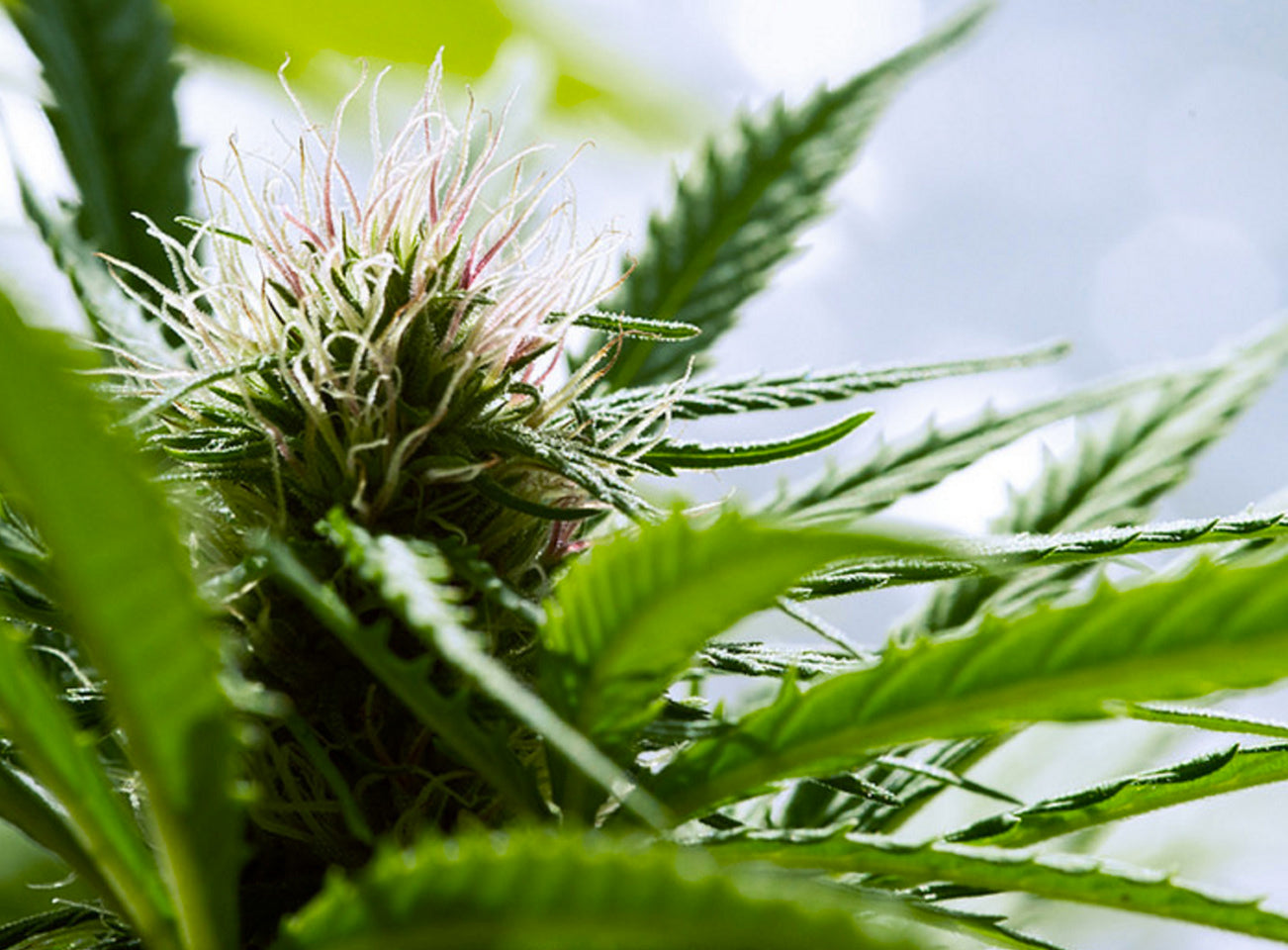
Magnesium Deficiency in Cannabis: A Complete Guide
Your cannabis plants communicate with you through their leaves, and learning their language is key to a successful harvest. When you see yellowing between the veins of older, lower leaves, your plant is sending a very specific signal. This classic symptom points directly to a Magnesium Deficiency in Cannabis, a condition where the plant can't produce enough chlorophyll to thrive. Instead of guessing, you can become a plant detective. This guide will teach you how to read these signs confidently, diagnose the underlying cause, and take clear, actionable steps to correct the issue, ensuring your plants get exactly what they need.
Our post will cover how magnesium helps plant development, causes of deficiencies, identification, and treatment. Worry no longer if you are struggling with this issue because we’ve got you and your plants covered!
Why Your Cannabis Plant Needs Magnesium
Magnesium is a naturally occurring mineral essential in the development, growth, and differentiation of cells in cannabis plants. Without magnesium, cells in leaves begin to die, which causes discoloration and withering.
Magnesium's Role in Photosynthesis
Think of magnesium as the central gear in your plant's engine. It’s a core component of chlorophyll, the pigment that gives plants their vibrant green color. More importantly, chlorophyll is what allows the plant to capture sunlight and convert it into energy through photosynthesis. As noted by the experts at Royal Queen Seeds, "Without enough magnesium, plants can't make enough chlorophyll and won't grow well." This means a lack of magnesium directly impacts your plant's ability to feed itself. When photosynthesis slows down, so does growth, vigor, and ultimately, your potential yield. Ensuring your plant has enough magnesium is fundamental to its ability to thrive and produce healthy, robust buds.
A Key Secondary Macronutrient
While nitrogen, phosphorus, and potassium (NPK) often get all the attention as primary macronutrients, magnesium is a critical secondary macronutrient that your cannabis plant can't live without. It's just as essential for plant survival and development. The team at Sensi Seeds puts it perfectly: "Without enough magnesium, plants can't use light to grow and will eventually die." Secondary nutrients are simply needed in slightly smaller quantities than primary ones, but a deficiency can be equally devastating. Starting with strong, stable genetics from our feminized seed collection gives you a great foundation, but providing balanced nutrition is the key to helping those genetics reach their full potential.
Understanding Magnesium as a Mobile Nutrient
One of the most helpful clues for diagnosing a magnesium deficiency is understanding that it’s a "mobile nutrient." This means the plant can relocate it from one part of itself to another. As the resource Grow Weed Easy explains, the plant can "move it from older leaves to newer ones." When the plant senses a shortage, it pulls magnesium from the older, lower leaves to support fresh, new growth at the top. This is why the first signs of a deficiency, like yellowing between the leaf veins, almost always appear on the bottom of the plant first. This is a distinct sign that helps you differentiate a magnesium issue from other nutrient problems that affect new growth first.
What Causes Magnesium Deficiency in Cannabis?
Nutrient delivery is more complex than simply adding enough of a particular mineral to your grow medium. Therefore, there are multiple causes for magnesium deficiencies. We discuss them briefly below:
- Soil – Poor soil composition without enough magnesium-rich organic matter.
- Water – Overwatering, poor drainage, and using hard water affect how plants absorb nutrients.
- pH – High acidic conditions prevent cannabis plants from taking up enough magnesium.
- Nutrients – Insufficient or inconsistent feeding can lead to magnesium deficiencies.
Incorrect pH and Nutrient Lockout
Often, the primary suspect behind a magnesium deficiency isn't a lack of magnesium in the soil but an issue with your pH balance. Think of pH as the gatekeeper for nutrient absorption. If the pH level around your plant's root zone is too low (too acidic), it effectively locks the gate, preventing the roots from taking up available magnesium. This is a classic case of "nutrient lockout." You could be providing the perfect amount of nutrients, but if the pH is off, your plant simply can't access them. This is why you'll often see the first signs of trouble, like yellowing between the veins, appear on the lower, older leaves, even when your feeding schedule seems correct.
Water Quality and Mineral Content
The water you use plays a huge role in your plant's health. Many growers opt for filtered or Reverse Osmosis (RO) water to eliminate chlorine and other contaminants, which is a great step. However, this purification process also strips out essential minerals, including calcium and magnesium. If you're using this type of "blank slate" water, you must add those minerals back into your feeding regimen. This is why Cal-Mag supplements are so common in cannabis cultivation. Without this supplementation, you're starting with a deficit, making it difficult for your plants to get the magnesium they need to thrive and express the full potential of their genetics, especially with high-quality autoflower seeds that have a set lifecycle.
Nutrient Imbalances in Your Feed
Creating a balanced diet for your cannabis plant is a delicate act. Sometimes, providing too much of one nutrient can unintentionally block the absorption of another. This is known as nutrient antagonism. For instance, an excess of potassium or calcium in your nutrient solution can compete with magnesium, making it harder for the plant to absorb. It’s a bit like a crowded room where magnesium gets pushed to the back. On the flip side, adding too much magnesium can create its own problems by locking out other vital nutrients. The key is to follow a consistent and balanced feeding schedule designed for cannabis to ensure every mineral is available in the right proportion.
Growing Medium and Environmental Factors
Your plant's immediate environment—its growing medium and root zone conditions—is critical. Magnesium is a mobile nutrient, which means it can be easily washed out of the soil. If you are overwatering your plants or "flushing" the medium too aggressively or frequently, you might be rinsing away the available magnesium before the roots can absorb it. Furthermore, constantly saturated or waterlogged soil creates an anaerobic (low-oxygen) environment where roots can't function properly. Healthy roots need to breathe to perform their job of nutrient uptake. Ensuring your pots have good drainage and allowing the medium to dry out slightly between waterings is fundamental to preventing this issue and supporting your indoor cannabis plants.
What Does a Magnesium Deficiency Look Like in Cannabis?
Most worrisome conditions are visible through the plant’s appearance. Magnesium deficiencies are among the easiest to spot. You’ll notice your lower leaves becoming yellow and beginning to curl downwards.
In the early stages of magnesium deficiencies, the edges of your leaves will begin subtle yellowing around the edges. This is when you need to catch the problem; therefore, it's essential to regularly monitor your plants.
Early Signs on Lower, Older Leaves
Because magnesium is a mobile nutrient, your plant will move it from older growth to new growth when there isn't enough to go around. This means the first warning signs will almost always appear on the lower, older leaves first. Making a habit of inspecting the bottom of your plants during watering can help you spot these early signals before the issue escalates. Think of it as your plant sacrificing its oldest parts to try and save the newest ones. This predictable pattern is a huge help for diagnosis, allowing you to intervene quickly and prevent the deficiency from spreading throughout the entire plant.
Interveinal Chlorosis (Yellowing Between Veins)
One of the most classic signs of a magnesium deficiency is interveinal chlorosis. This is just a technical term for when the areas between the leaf veins turn yellow, while the veins themselves stay green, creating a distinct visual cue. You might see a striped, mottled, or marbled pattern emerge on those lower leaves, which is a dead giveaway. This happens because magnesium is a central atom in the chlorophyll molecule—the very thing that makes leaves green and powers photosynthesis. Without enough magnesium, chlorophyll production falters, and that vibrant green color begins to fade, starting with the tissue furthest from the nutrient-transporting veins.
Changes in Leaf Texture and Color
As the deficiency takes hold, you'll notice more than just a pattern. The overall color of the affected leaves will shift from a healthy, deep green to a pale, washed-out green and eventually a bright yellow. This widespread yellowing, known as chlorosis, is a clear signal that your plant is in distress and needs help. Beyond color, the texture will change too. The edges of the leaves may start to feel dry or crispy to the touch and might even begin to curl upwards or downwards. It’s crucial to act when you see these changes on the lower leaves, as it’s a sign the problem is becoming more established and will soon affect new growth.
Advanced Symptoms and Impact on Buds
If left untreated, a magnesium deficiency will progress up the plant, and the symptoms will become much more severe. The yellowing will intensify, and brown, dead spots (necrosis) will appear. Eventually, the affected leaves will become dry and crunchy before dying and falling off the plant. This has a devastating impact on your harvest. Since the plant can't photosynthesize properly, its growth will be stunted. During the flowering stage, this can lead to small, airy, and underdeveloped buds. It's heartbreaking to see a plant with amazing genetic potential, like our potent THCA seeds, fail to produce quality flowers due to a fixable nutrient issue.
How to Fix and Prevent Magnesium Deficiency
Prevention starts with using resilient genetics so plants can adjust to changes without losing leaves. However, the plant’s environment must be optimized to prevent magnesium deficiencies. Follow these three areas of cultivation best practices to ensure magnesium is being delivered to your plants.
- Soil amendments – Use high-quality, magnesium-rich fertilizers and ensure pH levels are in a specific range according to your strain’s preference.
- Water management – Practice proper irrigation techniques and regularly monitor water quality.
- Environmental control – Maintain temperature and humidity and ensure adequate ventilation. If your plants are stressed due to an inadequate environment, they won’t absorb nutrients.
Step 1: Check and Correct pH Levels
Before you add any supplements, your first move should always be to check the pH level of your growing medium. Think of pH as the gatekeeper for nutrient absorption. Even if your soil or water has plenty of magnesium, your plant can't access it if the pH is out of whack—a condition known as nutrient lockout. For soil grows, the ideal pH range is typically between 6.0 and 7.0. In hydroponic or coco coir setups, you’ll want to aim for a slightly more acidic range of 5.5 to 6.5. Use a quality pH meter to test the water going in and the runoff coming out. If the numbers are off, you'll need to adjust your water’s pH accordingly before you do anything else. This simple step often solves the problem on its own.
Step 2: Flush Your Growing Medium
If you’ve corrected the pH but suspect a buildup of nutrient salts is still causing issues, it’s time to flush your system. Flushing is essentially hitting the reset button for your plant's roots. It involves watering your plant with a generous amount of pH-balanced water to wash away any excess mineral salts that have accumulated in the growing medium. For a thorough flush, you’ll want to use enough water to equal two to three times the volume of your pot. Some growers prefer to use a light, full-spectrum nutrient solution in their flush water to avoid completely stripping the medium. This process resets the root zone, ensuring that when you reintroduce nutrients, your plant can absorb them effectively without interference.
Step 3: Introduce Magnesium Supplements
Once you’ve corrected the pH and flushed the medium, your plant is ready to receive the magnesium it’s been missing. There are several ways to reintroduce this vital nutrient, each with its own benefits depending on your setup and how quickly you need to see results. The most common solutions include commercial Cal-Mag supplements, simple Epsom salts, or organic amendments like dolomite lime. Choosing the right one depends on whether you need a quick fix, a long-term solution for your soil, or a supplement tailored for a soilless medium. Let’s look at how to use each one correctly to get your plants back to vibrant health.
Using Cal-Mag Supplements
Cal-Mag products are a go-to for many growers because they provide a balanced ratio of calcium and magnesium, two nutrients that work hand-in-hand. These supplements are especially crucial if you're growing in a medium like coco coir or using a hydroponic system, as these setups don't contain their own minerals. They are also beneficial when using reverse osmosis (RO) or distilled water, which is stripped of all minerals. When using a Cal-Mag supplement, always follow the dosage instructions on the bottle. It’s easy to overdo it, which can create a new set of nutrient imbalances. Start with a half-dose if you’re unsure and see how your plant responds before increasing the amount.
Applying Epsom Salts as a Foliar Spray
For a fast-acting fix, Epsom salts (magnesium sulfate) can be a lifesaver. Applying it as a foliar spray allows the leaves to absorb the magnesium directly, bypassing the roots for immediate relief. This is a great way to address the deficiency quickly while you work on fixing the underlying issue in the root zone. To make a spray, mix one teaspoon of Epsom salt into a gallon of water and shake it until it’s fully dissolved. Spray the solution lightly on your plant’s leaves, making sure to cover the undersides as well. It’s best to do this when the lights are off or dim to prevent the water droplets from acting like tiny magnifying glasses and burning the leaves.
Amending Soil with Dolomite Lime
If you’re a soil grower looking for a long-term, organic solution, dolomite lime is an excellent choice. This soil amendment is made from pulverized limestone and contains both calcium and magnesium. It works by breaking down slowly over several months, providing a steady supply of these nutrients while also helping to stabilize the soil's pH. To use it as a preventative measure, mix about 6-7 teaspoons of fine dolomite lime into each gallon of your soil before planting. If you're treating an existing plant, you can carefully top-dress the soil with the lime and water it in, allowing it to gradually work its way down to the roots.
Monitoring Plant Recovery
After you’ve taken steps to fix the deficiency, you’ll need to be patient and watch for signs of recovery. It’s important to understand that the already-damaged leaves will not turn green again. Instead, you should focus on the new growth at the top of the plant. If your fix was successful, the yellowing and discoloration should stop spreading to other leaves, and any new leaves that emerge should look healthy, green, and vibrant. It may take a few days to a week to see a noticeable improvement. With a little care, your plants will get back on track to producing the high-quality results you expect from starting with premium, resilient genetics from our collection of cannabis seeds.
Start with Strong Genetics to Prevent Deficiencies
While magnesium deficiencies are typically caused by growers failing to regulate their grow environment, all problems start with genetics. Resilient strains are less affected by soil, water, humidity, and temperature changes.
Shop our selection of premium cannabis seeds, and feel free to reach out if you have any questions about magnesium deficiencies or how to ensure your plants reach their full potential.
Frequently Asked Questions
My lower leaves are yellowing. Should I just add Cal-Mag right away? Before you reach for any supplements, your first move should always be to check the pH of your growing medium. More often than not, the magnesium is already available in the soil, but an incorrect pH level is blocking your plant's roots from absorbing it. This is called nutrient lockout. Test your runoff, and if the pH is off, correct that first. This simple step often solves the entire issue without needing to add anything else.
Will the yellow leaves on my plant recover and turn green again? Unfortunately, the leaves that have already turned yellow and become damaged will not return to their healthy green state. The goal of treatment is to stop the deficiency from spreading further up the plant. You'll know your efforts are successful when the yellowing stops progressing and, most importantly, all the new growth at the top of the plant comes in looking vibrant and healthy.
How can I tell if it's a magnesium issue and not something else? The location of the symptoms is your biggest clue. Magnesium is a mobile nutrient, which means the plant can move it from older parts to newer parts when it's in short supply. Because of this, the first signs of a magnesium deficiency—like yellowing between the leaf veins—will almost always appear on the lower, older leaves first. If the problem starts on new growth at the top of the plant, you are likely dealing with a different nutrient issue.
I use filtered or reverse osmosis (RO) water for my plants. Could that be part of the problem? Yes, that's a very common cause. Using filtered or RO water is a great practice for removing chlorine and other impurities, but the process also strips out naturally occurring minerals, including calcium and magnesium. If you start with this type of "blank slate" water, you must add those essential minerals back into your feeding schedule with a good Cal-Mag supplement.
What's the fastest way to give my plant magnesium if it needs it badly? For the quickest possible relief, a foliar spray is your best option. Mixing Epsom salt (magnesium sulfate) with water and spraying it directly onto the leaves allows for immediate absorption, bypassing the root system entirely. This is an excellent way to give your plant a fast-acting dose to help it recover while you work on fixing the long-term issue in the soil or nutrient solution.
Key Takeaways
- Check the Bottom Leaves First: Magnesium deficiency shows up on older, lower leaves as yellowing between the green veins. This is your plant's early warning system, as it moves this mobile nutrient from old growth to support new growth at the top.
- Test Your pH Before Adding Anything: An incorrect pH level is the most common cause of magnesium deficiency, creating a "nutrient lockout" that prevents your plant from absorbing available minerals. Correcting your pH is the most important step to solving the problem.
- Follow the Right Recovery Sequence: To fix the issue effectively, first adjust your pH, then flush the growing medium with pH-balanced water to reset the root zone. Only after these steps should you introduce a magnesium source like a Cal-Mag supplement or Epsom salt spray.
Related Articles


Featured collection
-

Auto Glu CBD Seeds
Original price $20.00 - Original price $175.00Original price$20.00 - $175.00$20.00 - $175.00Total Price: $20.00Parent Strains: Auto Alpha x Purple Thai Cannabinoid Profile: CBD Dominant Potential THC:CBD Ratio: 30:1 *Pre-Harvest CBD: 9.35%, THC: 0.24% *Post-...
View full details
Auto Face Gas Feminized Cannabis Seeds
Original price $15.00 - Original price $350.00Original price $15.00 - Original price $350.00Original price $50.00$15.00 - $350.00$15.00 - $350.00Total Price: $15.00Parent Strains: Gorilla Glue x OG Cannabinoid Profile: THC Indica-Dominant Hybrid Potential CBD: THC Ratio: 25:1 *Post-Harvest CBD: 0%, CBG...
View full details
Auto EZ Bake Feminized Cannabis Seeds
Original price $15.00 - Original price $350.00Original price $15.00 - Original price $350.00Original price $50.00$15.00 - $350.00$15.00 - $350.00Total Price: $15.00Parent Strains:¬†Sour Auto X Cookie Dog Cannabinoid Profile:¬†THC Indica-Dominant Hybrid Potential CBD: *Post-Harvest¬†CBD:¬†0%,¬†CBD:¬†1%,¬†THC:¬...
View full details
Auto Magik CBD Seeds
Original price $30.00 - Original price $175.00Original price $30.00 - Original price $175.00Original price $30.00$20.00 - $175.00$20.00 - $175.00Total Price: $20.00Parent Strains: Auto Magik x Auto Magik Cannabinoid Profile: CBD Dominant Auto Flower Potential CBD:THC Ratio: 20-25:1 CBD Content: 6%-10% Aroma: S...
View full details
Auto Alpha CBD Seeds
Original price $30.00 - Original price $175.00Original price $30.00 - Original price $175.00Original price $30.00$20.00 - $175.00$20.00 - $175.00Total Price: $20.00Parent Strains: Auto Alpha x Auto Alpha Cannabinoid Profile: CBD Dominant Auto Flower Potential CBD:THC Ratio: 20-25:1 CBD Content: 6%-10% Aroma: C...
View full details
STAY UP TO DATE
Submit your email to get updates on products and special promotions.