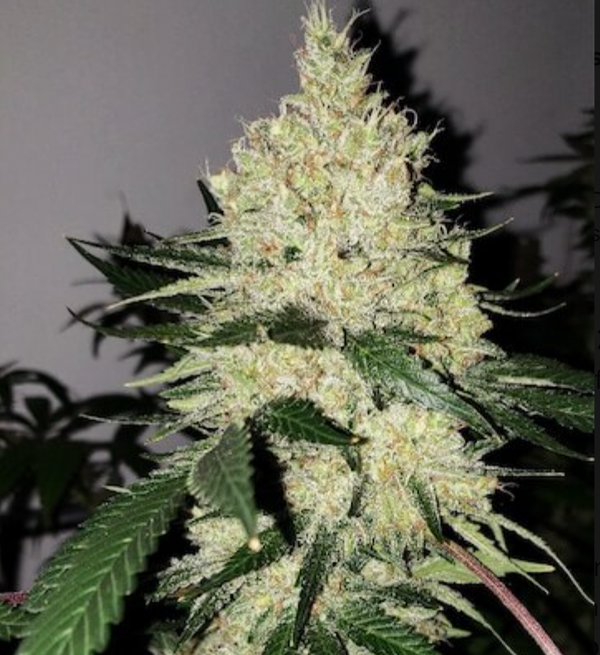
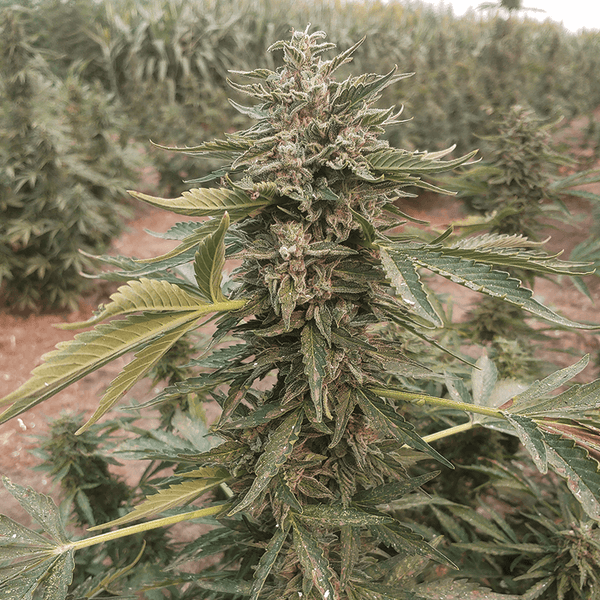
Let's clear the air: autoflowers used to have a reputation for being less potent. Those days are over. Thanks to incredible advancements in breeding, today’s autos are powerhouses of flavor and potency, rivaling some of the best traditional strains. When you choose modern feminized autoflower seeds, you get genetics that deliver top-shelf quality without compromise. You get the speed and simplicity of an auto, plus the high THC or CBD content you're looking for. This guide will show you exactly how to grow these impressive genetics for a truly premium harvest.
Key Takeaways
- Choose Simplicity and Speed: Feminized autoflower seeds remove the need to identify male plants and manage complex light cycles, offering a faster and more forgiving path from seed to harvest.
- Less Is More for Autoflower Care: These fast-growing plants thrive when you avoid common stressors. Plant them directly in their final pot, use a light hand with nutrients, and let the soil dry out between waterings to ensure healthy growth.
- Invest in a Predictable Outcome: The quality of your harvest is determined by the quality of your seeds. Sourcing from a reputable breeder guarantees stable genetics, leading to consistent plants that deliver the potency and traits you expect.
What Are Feminized Autoflower Seeds?
If you’re looking for a straightforward path to a successful harvest, feminized autoflower seeds are a game-changer. Think of them as the best of both worlds, combining two powerful cannabis traits into one tiny package. First, they are "feminized," which means they are bred to produce only female plants. This is a huge advantage because female plants are the ones that grow the cannabinoid-rich, seedless buds (sinsemilla) that most cultivators are after. You won't have to spend time identifying and removing male plants to prevent pollination, which can turn a great harvest into a seedy disappointment.
The second part of the equation is "autoflower." Unlike traditional photoperiod plants that need a specific light schedule to start flowering, autoflowers operate on their own internal clock. They automatically switch from growing leaves and stems to producing buds after just a few weeks, regardless of how many hours of light they get. This unique characteristic makes the entire growing process faster and simpler. For you, this means less guesswork and a quicker turnaround from seed to harvest, making them a fantastic choice for beginners and seasoned growers who want multiple harvests in a single season.
Feminized vs. Regular Seeds: What's the Difference?
When you buy cannabis seeds, one of the first choices you’ll make is between feminized and regular. Regular seeds are just that—natural and unsexed, producing roughly a 50/50 mix of male and female plants. While this is great for breeding projects, it requires you to carefully monitor your garden and remove the males before they release pollen. If you miss one, it can pollinate your females, causing them to focus their energy on making seeds instead of potent buds. Feminized seeds remove that risk entirely. They are specifically created to grow into female plants 99% of the time, guaranteeing a garden full of bud-producing powerhouses.
The Role of Regular Autoflower Seeds in Breeding
While feminized seeds are the go-to for a guaranteed sinsemilla harvest, regular seeds are the foundation of all cannabis breeding. That roughly 50/50 split of male and female plants is exactly what breeders need to create new and exciting strains. The male plants provide the pollen necessary to cross-pollinate a chosen female, which is the first step in developing a new hybrid. This process allows breeders to introduce valuable genetic diversity, combining the autoflowering trait with other desirable characteristics like unique terpene profiles or high cannabinoid content. It’s this careful selection and cross-breeding that leads to the innovative and stable autoflower seeds available today.
What Makes Autoflowering Genetics Special?
The "autoflower" trait is what makes these plants so incredibly convenient. It comes from a subspecies of cannabis called Cannabis ruderalis, which evolved in harsh northern climates with short summers. To survive, it learned to flower based on age, not the changing seasons. Modern breeders have skillfully combined this trait with high-potency genetics. The result is a plant that doesn't wait for you to change the light cycle to 12 hours of light and 12 hours of darkness. Instead, autoflower seeds will begin to flower on their own in just a matter of weeks, leading to a full harvest in as little as 8 to 12 weeks from when you first planted them.
The Cannabis Ruderalis Origin Story
The secret behind autoflowering cannabis lies with Cannabis ruderalis, a tough subspecies that adapted to survive in the harsh, short summers of northern regions like Siberia. Unlike its cousins, which rely on changing light cycles to know when to flower, ruderalis evolved a brilliant survival trick: it flowers based on its age. This built-in biological clock ensures it can complete its life cycle and produce seeds before the first frost hits. This unique characteristic is the genetic foundation for every autoflower on the market today, allowing growers in all climates to benefit from its incredible resilience and speed.
Modern breeders saw the genius in this trait and began skillfully crossing Cannabis ruderalis with high-potency Cannabis sativa and Cannabis indica strains. The goal was to keep the automatic flowering ability while introducing the impressive cannabinoid profiles and flavors of classic photoperiod varieties. The result has completely transformed cannabis cultivation. Today’s autoflowers are a new generation of plants that not only flower on their own schedule but also produce buds with high levels of THC and CBD, easily rivaling their photoperiod counterparts. This innovation has made growing top-shelf cannabis faster and more accessible than ever before.
As a testament to these breeding advancements, today’s feminized autoflower seeds offer a perfect blend of speed, resilience, and potency. This makes them an incredibly attractive option for both new growers and experienced cultivators looking for a quick turnaround. The ability to go from seed to a high-quality harvest in as little as 8 to 12 weeks is a true game-changer, and one of the biggest pros of autoflowering seeds. You get all the benefits of the hardy ruderalis lineage combined with the premium quality you expect from modern genetics, proving that you don't have to sacrifice potency for convenience.
What to Look for in a Quality Seed
Feminized autoflowers have a reputation for being beginner-friendly, but their benefits appeal to growers of all skill levels. As you explore different strains, here are a few key characteristics that make them so popular:
- Fast Harvests: Their quick lifecycle means you can often fit multiple grows into one outdoor season or get a faster turnaround indoors.
- Compact Size: Autoflowers tend to stay smaller and more manageable than their photoperiod cousins, making them perfect for tents, balconies, or discreet gardens.
- Impressive Resilience: Many autoflower strains are naturally hardy and show strong resistance to common pests and mold, which is a huge plus for outdoor growers.
- Ease of Growth: With no need to manage complex light schedules, the growing process is much more forgiving and straightforward.
Understanding Germination Rates
When you buy a pack of seeds, you expect them to sprout. The germination rate tells you how many of them are likely to succeed. Think of it as a measure of seed viability—a high rate means you’re starting with fresh, healthy genetics that are ready to grow. Quality breeders work hard to ensure their seeds have excellent germination rates, often over 90%, because it’s a direct reflection of their breeding and storage practices. Investing in seeds from a trusted source means you’re not just buying a potential plant; you’re buying predictability. It minimizes the frustrating experience of planting duds and gives you a solid foundation for a successful garden, ensuring you get the most out of every autoflower seed you plant.
While a 100% germination rate is never guaranteed—nature always has a say—starting with premium feminized seeds puts the odds firmly in your favor. These seeds are bred for vigor and stability, which translates to a higher likelihood of sprouting into strong, bud-producing female plants. This reliability is key, especially for autoflowers, where every day of their short lifecycle counts. By choosing seeds with a proven track record for high germination, you reduce variables and set yourself up for a garden full of thriving plants instead of empty pots. It’s the first and most important step toward a heavy, high-quality harvest.
Are Feminized Autoflowers Worth It?
Choosing the right seeds is one of the most important decisions you'll make for your garden. Feminized autoflowers have become incredibly popular, and for good reason. They combine the ease of autoflowering genetics with the efficiency of feminized seeds, offering a straightforward path to a successful harvest. This powerful combination means you get plants that flower automatically based on age, not light cycles, and are guaranteed to be female. For many cultivators, this is the best of both worlds, simplifying the grow process while maximizing the potential for a heavy yield of high-quality buds.
However, like any choice in cultivation, they come with their own set of advantages and limitations. Understanding both sides of the coin helps you decide if these seeds align with your specific goals. Are you aiming for a simple, fast turnaround of top-shelf flower, or are you interested in the long-term project of breeding and creating your own unique strains? Before you commit, it's worth taking a closer look at what makes these seeds a go-to for so many growers and what you should keep in mind before you buy. Let's walk through the key points to help you make an informed choice for your garden.
Why You'll Love Growing Autoflowers
The biggest advantage of using feminized seeds is that they are bred to produce only female plants. This is a game-changer because female plants are the ones that grow the cannabinoid-rich flowers, or buds, that you’re looking for. With feminized autoflowers, you can count on every plant in your garden contributing to your final yield.
This eliminates the guesswork and extra work of sexing your plants. You won’t waste time, space, or nutrients on male plants that you’d eventually have to remove. It also prevents accidental pollination, ensuring your harvest consists of potent, seedless buds (sinsemilla). For growers who want to maximize their harvest and simplify their process, the efficiency and predictability of feminized autoflowers are hard to beat.
Naturally Higher CBD Content
Beyond their practical growing advantages, many autoflower varieties offer a unique cannabinoid profile. Thanks to their Cannabis ruderalis heritage, they often have a naturally higher concentration of CBD. This is a significant benefit for anyone interested in the therapeutic qualities of cannabis without an overwhelming psychoactive effect. For medical users or those who simply prefer a more balanced, clear-headed experience, these genetics are an ideal choice. If you're specifically looking to cultivate plants for wellness, exploring CBD-rich strains is a great place to start, as they are bred to maximize these sought-after compounds while maintaining the ease and speed of an autoflower.
Potential Drawbacks to Keep in Mind
While feminized autoflowers are fantastic for producing flower, they aren’t the right choice if you’re interested in breeding. To create new strains or your own seeds, you need both male and female plants for pollination. Since feminized seeds only produce females, they don’t offer the genetic material needed for breeding projects. This is a specific drawback that really only affects cultivators with advanced, long-term breeding goals.
Another point to consider is that you’ll need to purchase seeds for each new crop. You can’t create a self-sustaining seed supply from a garden of feminized plants. This means you’ll rely on a trusted source like Trilogene to shop for all your seeds before every grow cycle. For most growers, this is a small price to pay for guaranteed quality and consistency.
Lower Yields Compared to Photoperiods
One of the trade-offs for the incredible speed of autoflowers is their final size and yield. Because they are small and grow fast, they typically produce fewer buds compared to larger, slower-growing photoperiod cannabis plants. A photoperiod plant can be kept in its vegetative stage for months, allowing it to grow into a massive bush before it's flipped to flower. Autoflowers don't have that luxury; their internal clock is ticking from day one. While the yield per plant might be smaller, many growers find that the ability to complete multiple harvests in the time it takes to grow one photoperiod crop more than makes up for the difference.
Less Room for Error
The rapid lifecycle of an autoflower is its greatest strength, but it also means there's less time for the plant to recover from stress. If a grower makes a mistake—like overwatering, causing nutrient burn, or damaging the plant during training—there's very little time for it to bounce back before it's deep into its flowering stage. This is why it’s so important to be gentle and attentive. Starting with high-quality autoflower seeds from a trusted breeder gives you a resilient genetic foundation, but you still need to be careful. Plan your grow, get your environment dialed in, and handle your plants with care to avoid setbacks they can't outgrow.
Are These Seeds Right for Your Grow?
So, how do you know if feminized autoflowers are the right fit for you? It really comes down to your primary goal. If you want to grow high-quality cannabis for consumption as efficiently as possible, the answer is a resounding yes. These seeds are perfect for beginners who want to avoid the complexities of identifying and removing males, as well as for experienced growers who value a quick and predictable harvest.
If your passion lies in creating new genetics and pheno-hunting, you’ll want to work with regular seeds instead. But for the vast majority of home and commercial cultivators, the benefits of autoflower seeds that are also feminized are undeniable. They streamline the growing process from start to finish, letting you focus on what matters most: nurturing healthy plants and enjoying a bountiful harvest.
Setting Up Your Perfect Grow Space
Creating the right environment is one of the most important things you can do for your plants. Think of it as setting the stage for a great performance. Autoflowers are resilient, but they’ll truly shine when you give them the light, temperature, and airflow they need to thrive. A little effort here goes a long way, helping you avoid common problems and leading to a much healthier, more rewarding harvest. Getting these basics right from the start will make the entire growing process smoother and more successful.
Dialing In Your Light and Temperature
One of the best things about autoflower seeds is that they don’t rely on a change in the light cycle to start flowering. This gives you some flexibility, but consistency is still key. Most growers find success with a light schedule of 18 hours on and 6 hours off (18/6) or 20 hours on and 4 hours off (20/4). While you might be tempted to run your lights 24/7, giving your plants a short dark period helps prevent stress. For temperature, aim to keep your grow space around 70°F (21°C). Humidity should be between 50–60% during the vegetative stage and drop to around 40% during flowering to support dense bud development.
Light Cycles and Distance for Indoor Grows
For your indoor setup, consistency is your best friend. Stick with an 18/6 or 20/4 light schedule throughout the entire grow. This gives your plants plenty of energy for vigorous growth while allowing them a crucial rest period to process nutrients and build strong roots. Just as important as the schedule is the distance of your light from the plant canopy. This will vary depending on your light's power and type, but a good starting point is to follow the manufacturer's recommendation. A simple trick is the hand test: place your hand at the top of your plant for 30 seconds. If it feels too warm for you, it's too hot for your plant, and you should raise the light. Keep an eye on your plants; if they start stretching tall and thin, the light is too far away. If the top leaves look bleached or curled, it might be too close. Finding that sweet spot is key for growing healthy, dense buds with any premium indoor cannabis seeds.
Getting Humidity and Airflow Just Right
Stagnant, humid air is an open invitation for mold and pests, which is the last thing any grower wants to deal with. Good air circulation is your best defense. A few oscillating fans placed strategically in your grow space will keep the air moving gently around your plants. This not only helps manage humidity but also strengthens the stems as they sway in the breeze. Proper airflow ensures your plants can breathe easily and helps create an environment where they can truly flourish without the threat of common cultivation issues.
Choose the Right Pot and Soil
Autoflowers prefer a light, airy soil that allows their roots to breathe and grow without restriction. A high-quality potting mix containing perlite, coco coir, or peat moss is an excellent choice because it provides great drainage. When it comes to pot size, the right container gives your roots plenty of room to expand. If you’re growing with indoor cannabis seeds, a 3- to 5-gallon pot is usually perfect. For a larger outdoor setup, give your plants more space to stretch out with 5- to 10-gallon pots.
Plan Your Nutrient Schedule
It’s easy to overdo it with nutrients, but autoflowers generally need a lighter touch than their photoperiod cousins. A good rule of thumb is to start with half the amount recommended on your nutrient bottle and see how your plants respond. During the vegetative stage, they’ll need more nitrogen, so look for a fertilizer with an NPK ratio around 10-7-5. Once they begin to flower, their needs will shift. Switch to a bloom-focused nutrient with less nitrogen and more phosphorus and potassium, something around a 5-10-10 ratio, to support healthy bud formation.
Planning Your Outdoor Grow
Taking your grow outdoors lets you harness the power of the sun, but it also means working with Mother Nature. Planning is key to a successful outdoor season. Unlike an indoor setup where you control the environment, growing outside requires you to think about your local climate, the length of your growing season, and how to make the most of the space you have. With autoflowers, you have a lot of flexibility, but a little foresight will help you maximize your yield and enjoy a steady supply of fresh buds all season long.
Best Time to Plant Outdoors
One of the best features of autoflowers is their forgiving timeline. You can plant them outdoors anytime from early spring to late summer, as long as the last frost has passed. The main rule is to avoid freezing temperatures, which can damage or kill young seedlings. For most climates, this means you can start planting in April or May and continue through August. To get the most out of your plants, aim to have them flowering during the sunniest months of the year when the days are longest. Choosing the right outdoor marijuana seeds for your specific climate will give you a great head start for a successful season.
Tips for a Continuous Harvest
Why settle for one harvest when you can have several? The fast lifecycle of autoflowers makes a continuous harvest incredibly easy to achieve. The strategy is simple: stagger your planting. Start by planting a few seeds, then wait two to three weeks and plant a few more. By repeating this process, you’ll create a cycle where you’re harvesting one batch of mature plants just as the next batch is beginning to flower. Because most autoflower seeds go from seedling to harvest in just 8 to 12 weeks, you can keep this rotation going all season long. This is an especially great technique for growers with short summers or limited space, ensuring a steady supply without being overwhelmed by a single massive harvest.
Proven Techniques for a Healthy Harvest
Once your grow environment is set, your focus shifts to caring for your plants. Autoflowers are pretty low-maintenance, but a few smart techniques can make a huge difference in your final yield and quality. It’s all about working with the plant's natural, rapid growth cycle, not against it. From watering just right to knowing the perfect moment to harvest, these simple steps will help you get the most out of your grow.
Germinating and Planting Your Seeds
Germination is the first exciting step, where you wake your seed from its slumber. A popular and reliable method is the paper towel technique. Simply moisten a paper towel—it should be damp, not soaking wet—and place your seeds on it. Fold the towel over, place it in a plastic bag or between two plates to lock in moisture, and store it in a warm, dark place. In a few days, you should see a tiny white taproot emerge. Be incredibly gentle with this root; it’s the beginning of your plant’s entire support system. Once the taproot is about a quarter-inch long, it’s time to plant.
Because autoflowers have a short and fast-paced life, they don't like being stressed. Transplanting can shock them and slow down their growth, which is something you want to avoid. That’s why it’s best to plant your germinated seed directly into its final pot. This gives the roots an uninterrupted space to grow and establish themselves from day one. Fill your pot with a light, airy soil mix that drains well, and you’ll be giving your autoflower seeds the perfect foundation to get started on the right foot.
Proper Planting Depth for Seedlings
When you’re ready to plant your germinated seed, depth is everything. A good rule of thumb is to plant it about a quarter to a half-inch deep, with the taproot pointing down. This is the sweet spot. If you plant it too shallow, the seedling might struggle to anchor itself and could dry out. Plant it too deep, and the tiny seedling will exhaust all its energy trying to break through the soil surface before it can reach the light. Make a small hole with your finger or a pencil, gently place the seed inside, and lightly cover it with soil. Don’t pack the soil down; just let it rest loosely on top.
Mastering Your Watering Technique
This sounds simple, but it's one of the most common areas where new growers go wrong. With autoflowers, the golden rule is to only water when the soil feels dry. Stick your finger about an inch into the soil; if it’s dry, it’s time to water. If it’s still damp, wait another day. Overwatering is a much bigger risk than underwatering because it suffocates the roots and can lead to root rot—a problem your fast-growing plant won't have time to recover from. Letting the soil dry out promotes a healthy root system.
Train and Prune for Bigger Yields
Because autoflowers grow so quickly, they don't have much time to recover from stress. This means you need to be gentle with training and pruning. Heavy-handed techniques like topping or significant defoliation can do more harm than good. If you want to improve light penetration, stick to light trimming. A good guideline is to remove less than 20% of the leaves, and only during the first few weeks of flowering. This careful approach helps your autoflower seeds focus their energy on producing big, dense buds instead of healing.
Prevent Common Pests and Diseases
Here’s some great news: autoflowers are incredibly resilient. Their genetics make them naturally good at resisting common pests, diseases, and temperature fluctuations. This forgiving nature is one of the main reasons they’re such a great choice for new growers. While you should always maintain a clean grow space, you can rest a little easier knowing your plants have a built-in defense system. This hardiness is a key trait we select for when we develop our seeds, giving you a head start on a healthy grow from day one.
Know Exactly When to Harvest
Timing your harvest is crucial for getting the potency and flavor you want. The best way to know when your plants are ready is to look at the trichomes—the tiny, crystal-like glands on the buds. You’ll need a magnifying glass to see them clearly. You're looking for the moment when about 80% of the trichomes have turned from clear to a milky white color. If you wait until they turn amber, you’ll get a more sedative effect. Harvesting when they are mostly milky white gives you the peak THC content and the most vibrant effects.
Understanding the Autoflower Flowering Time
One of the most exciting things about growing autoflowers is their incredible speed. Unlike photoperiod plants that can take months, most autoflower strains go from seed to harvest in as little as 8 to 12 weeks. This isn't just the flowering period—that's the entire lifecycle. They automatically begin to flower after just a few weeks of vegetative growth, thanks to their unique ruderalis genetics. This rapid timeline is a massive advantage, allowing you to fit multiple harvests into a single outdoor season or achieve a much faster turnaround indoors. It’s this efficiency that makes them such a popular choice for cultivators who value both quality and speed.
How to Spot High-Quality Seeds
Starting with the right seeds is the single most important step toward a successful harvest. Think of it as the foundation of your entire grow—a weak foundation leads to problems down the line, while a strong one sets you up for healthy, thriving plants. High-quality seeds have better germination rates, more vigorous growth, and stable genetics that deliver the traits you’re looking for. But how can you tell the good from the bad?
It’s not just about looks; it’s about understanding the genetics and the reputation of the breeder. A great seed comes from a carefully bred parent plant, ensuring it carries the potential for impressive yields, specific cannabinoid profiles, and consistent performance. Learning to identify these top-tier seeds will save you time, money, and the frustration of a failed crop. It’s about investing in potential and giving your garden the best possible start.
What to Look For (And What to Avoid)
Your first clue to a seed’s quality is its appearance. Healthy, mature cannabis seeds are typically dark brown, gray, or almost black, often with mottled patterns or "tiger stripes." They should feel hard and firm to the touch; if you gently squeeze one between your fingers, it shouldn't crack or crumble. A plump, solid feel is a great sign of a viable embryo inside. Most importantly, you’ll want to ensure you’re starting with feminized seeds, which are bred to produce only female, bud-producing plants.
On the flip side, avoid seeds that are pale green or white, as this indicates they are immature and unlikely to germinate. Steer clear of seeds that are small, feel brittle, or look damaged. If a seed is soft or easily crushed, it’s a dud. Reputable seed banks discard these duds, so you should only receive seeds that look healthy and ready to grow.
Why Genetic Stability Matters
Beyond physical appearance, the most critical factor is genetic stability. Stable genetics mean your plants will grow predictably and consistently, expressing the traits advertised by the breeder. This consistency applies to everything from plant height and structure to flowering time and final cannabinoid content. When you buy seeds with stable genetics, you can trust that the plant you grow will match the strain’s description. This is why working with breeders who perform extensive lab testing and research is so important.
Unstable genetics, on the other hand, can lead to a host of problems. You might see unwanted variations between plants, poor yields, or even hermaphroditism. Innovations like triploid cannabis are a direct result of breeding for ultimate stability, guaranteeing a seedless crop. Investing in stable genetics is investing in a reliable, predictable harvest.
How Professional Breeders Ensure Quality
Professional breeders don't leave quality to chance; they build it into the seed's DNA through a meticulous process. It all starts with selecting parent plants that show the exact traits they want to pass on—like high potency, impressive yields, and strong resilience. They then spend generations cross-breeding and stabilizing these genetics to ensure every seed produces a plant that grows predictably. This commitment is what separates professional-grade feminized seeds from the rest, guaranteeing you get the characteristics you were promised. When you source from a reputable breeder, you're not just buying a seed; you're investing in years of scientific work designed to give you a consistent, reliable, and successful harvest every single time.
How to Store Your Seeds Properly
Proper storage is key to preserving the viability of your seeds until you’re ready to plant them. Seeds are living organisms in a dormant state, and they need the right conditions to stay that way. The three biggest enemies of seed viability are light, moisture, and heat. To protect them, keep your seeds in a cool, dark, and dry place. An airtight container, like a small jar or a sealed bag, is perfect for preventing moisture and air exposure.
For short-term storage, a dark cupboard or drawer works well. If you plan on keeping your seeds for more than six months, the refrigerator is your best bet. Aim for a temperature between 43-46°F (6-8°C). Just be sure they are in a truly airtight container to protect them from humidity fluctuations inside the fridge. Stored correctly, high-quality seeds can remain viable for years.
Find a Strain That Fits Your Goals
Once you know how to identify and store quality seeds, the fun part begins: choosing the right strain for your goals. Autoflowers are fantastic because they race from seed to harvest in about 8 to 12 weeks, often allowing for multiple harvests in a single outdoor season. Before you buy, think about what you want from your plant. Are you looking for high-potency THCA seeds for a powerful effect, or are you more interested in the therapeutic potential of CBD seeds?
Consider your growing environment as well. If you have limited vertical space, look for a compact, bushy indica-dominant strain. If you have plenty of room to work with, a taller sativa might be a great fit. Read the strain descriptions carefully to learn about their expected flavors, aromas, effects, and growing characteristics. Matching the strain to your goals is the final step in ensuring your grow is a rewarding one.
Common Mistakes to Avoid
Growing feminized autoflower seeds is incredibly rewarding, but a few common slip-ups can keep you from getting the results you want. Because these plants operate on a fast, fixed timeline, they have less time to recover from stress than their photoperiod cousins. The good news is that these mistakes are easy to sidestep once you know what to look for.
By paying close attention to watering, light, nutrients, and transplanting, you can create a stable environment where your plants can thrive. Think of it as giving them a smooth, clear runway for their rapid journey from seed to harvest. Let’s walk through the four most common issues growers face and how you can handle them like a pro.
How to Avoid Overwatering
It’s tempting to shower your plants with love, but overwatering is one of the quickest ways to cause problems. Autoflowers have a more compact root system and are particularly sensitive to waterlogged soil, which can lead to root rot and stunted growth. The golden rule is simple: only water when the soil feels dry. A great way to check is to stick your finger about an inch into the soil. If it comes out dry, it’s time to water. If it’s still damp, give your plant another day or two. Getting this right ensures your autoflower seeds develop a strong, healthy foundation.
Getting Your Light Cycle Right
One of the biggest perks of autoflowers is that they don’t rely on light cycle changes to start flowering. However, that doesn’t mean light isn’t important. While they can grow under 24 hours of light, this can sometimes stress the plants. Most growers find the sweet spot with a cycle of 18 hours of light and 6 hours of darkness (18/6) or 20/4. This brief dark period gives your plants a chance to rest and carry out important biological processes. Providing a consistent light schedule is key to maximizing the potential of your indoor cannabis seeds and achieving a dense, resinous harvest.
How to Fix Nutrient Imbalances
Autoflowers are efficient plants with a short life cycle, which means they generally require fewer nutrients than photoperiod varieties. A common mistake is giving them too much, too soon, which leads to nutrient burn and can permanently stunt their growth. As a general guideline, start with half the amount recommended on your nutrient bottle. You should also avoid giving any nutrients during the first couple of weeks when the plant is just a seedling. Let it use the nutrients already in the soil first. This "less is more" approach will help your feminized seeds grow strong without being overwhelmed.
How to Transplant Seedlings Safely
Transplanting can be a stressful event for any plant, but for an autoflower, it can be a major setback. The shock from being moved can pause their growth for several days, and with their limited lifespan, they don’t have time to recover. To avoid this, it’s best to plant your seed directly into its final container. This eliminates the risk of transplant shock entirely. Choosing the right pot size from the very beginning allows the roots to establish themselves without interruption, setting your plant up for a smooth and productive life. When you shop for seeds, plan ahead for the final home your plant will live in.
Why You Shouldn't Clone Autoflowers
While cloning is a fantastic technique for preserving the genetics of photoperiod plants, it’s a strategy you’ll want to skip with autoflowers. The reason lies in their internal clock. An autoflower’s entire life is on a predetermined schedule, and it will begin to flower based on its age, not its environment. A clone is a genetic copy of the mother plant, which means it’s also the exact same age. If you take a cutting from a three-week-old autoflower, the clone is also three weeks old and is already getting ready to flower. It won't have nearly enough time to develop a healthy root system, let alone grow to a size that can support a decent harvest.
The result is almost always a tiny, stunted plant that yields very little. The stress of being cut and re-rooted is also a major issue. As we’ve discussed, autoflowers have a very limited time to recover from any kind of shock, and the cloning process is highly stressful. Instead of trying to replicate a plant, the most reliable path to a great harvest is to start fresh with a new seed for every grow. This ensures each plant gets to live out its full, uninterrupted lifecycle. Sourcing high-quality autoflower seeds from a reputable breeder gives you the consistency and vigor you need for a successful crop every time.
Find Your Perfect Feminized Autoflower Seeds
Choosing the right strain is one of the most exciting parts of planning your grow. With so many options out there, it’s all about matching the plant’s genetics to your goals, environment, and experience level. Are you looking for a fast turnaround, a specific cannabinoid profile, or the familiar flavors of a classic strain? The beauty of modern breeding is that you don’t have to compromise. You can find an autoflower that ticks all your boxes.
Whether you’re a commercial cultivator planning multiple harvests or a home grower with limited space, there’s a perfect seed waiting for you. We’ve put together a few of our favorite categories to help you find a strain that will thrive in your garden and deliver the results you’re looking for. Let’s explore some of the incredible autoflower seeds available and find the right fit for your next grow cycle.
Finding Your Strain in the Trilogene Collection
One of the biggest draws of autoflowers is their incredible speed. Most are ready to harvest in just 8 to 12 weeks from the day you plant the seed. This rapid growth cycle means you can fit multiple harvests into a single year, maximizing your yield without extending your timeline. For growers who value efficiency, this is a game-changer. Our collection of feminized seeds is curated to give you reliable, high-performing plants that move from seedling to harvest on a predictable schedule, making it easier to plan your cultivation calendar.
Our Favorite High-THC Strains
If you think autoflowers can’t compete with photoperiod plants on potency, think again. Thanks to incredible advancements in breeding, modern autoflowers can produce buds that are just as strong and flavorful as their traditional counterparts. It’s now common to find strains with THC levels hitting 26% or even higher. This means you can get the convenience and speed of an autoflower without sacrificing the quality of your final product. Check out our high-potency THCA seeds to find genetics that deliver powerful effects and impressive terpene profiles.
Top Picks for CBD-Rich Strains
For growers focused on therapeutic benefits, there’s a wide world of CBD-rich autoflowers to explore. These strains are bred to produce high levels of CBD and other beneficial plant compounds, offering a different kind of experience. Because they’re so easy to grow, autoflowers make it simple for anyone to cultivate their own supply of high-CBD cannabis. Whether you’re looking for a 1:1 THC to CBD ratio or a strain with virtually no THC, you can find dozens of options. Our collection of CBD seeds includes stable, reliable genetics perfect for any wellness-focused garden.
Must-Try Hybrid Strains
Do you love the unique flavors and effects of classic strains like OG Kush or Haze but want an easier growing experience? Hybrid autoflowers offer the best of both worlds. Breeders have skillfully crossed iconic photoperiod strains with ruderalis genetics, creating plants that carry the same beloved traits in a simple, compact, and fast-flowering package. This allows you to enjoy legendary aromas and effects without the complexities of managing light cycles. These hybrid autoflowers are perfect for growers who appreciate timeless genetics but need the straightforward performance of an auto.
How to Buy Seeds Safely and Securely
Once you’re ready to start growing, the next step is getting your hands on high-quality seeds. Buying online is convenient, but it’s smart to be careful and informed. A little bit of research goes a long way in ensuring you get exactly what you pay for without any headaches. From picking the right supplier to understanding the fine print, here’s how to make your purchase safely and securely.
How to Find a Reputable Seed Bank
Your final harvest depends entirely on the quality of your seeds, so choosing a reputable seed bank is the most important step. Look for suppliers with a proven track record, transparent information about their genetics, and positive customer reviews. A trustworthy company will stand by its products and offer support. Most autoflower seeds on the market are feminized, meaning they are bred to produce cannabinoid-rich female plants. A good seed bank will be clear about this, ensuring you get the genetics you need for a successful grow without any unwanted male plants.
Understand Your Shipping Options
Discretion and reliability are key when it comes to shipping. Before you place an order, check the seed bank’s shipping policies. Reputable suppliers understand the need for privacy and will use discreet packaging that doesn’t advertise its contents. Look for companies that offer fast and reliable shipping options to ensure your seeds arrive promptly and in good condition. Many top-tier banks provide tracking numbers, so you can follow your package from their facility to your doorstep. This peace of mind is invaluable, especially when you're eagerly awaiting your delivery and want to make sure everything arrives smoothly.
Review Available Payment Methods
Protecting your financial information is crucial. Always review the payment methods a seed bank offers before you commit to a purchase. Legitimate businesses provide secure, encrypted payment options to keep your data safe. Look for familiar processors and be wary of sites that only accept untraceable payment methods without offering standard alternatives like credit cards. Choosing a supplier with a professional and secure checkout process is a good indicator that you’re dealing with a company that values its customers' security and privacy. It shows they've invested in a safe and trustworthy shopping experience for you.
Know the Local Laws
Cannabis laws can be complex and vary significantly from one state or country to another. Before you buy any seeds, it is your responsibility to research and understand the regulations in your specific area. Being informed about your local laws regarding the purchase and cultivation of cannabis seeds will help you make responsible decisions and avoid any potential legal issues. A quick search on your local government or state websites is usually all it takes to find the information you need. Taking this simple step ensures your growing journey starts off on the right foot and stays stress-free.
The 2018 Farm Bill and Seed Legality
The 2018 Farm Bill was a landmark piece of legislation that completely changed the game for cannabis cultivation in the United States. It federally legalized the regulated production of hemp by creating a clear legal distinction between it and marijuana. Under this law, hemp is defined as any part of the cannabis plant containing 0.3% or less THC on a dry weight basis. This simple but powerful definition removed hemp from the list of controlled substances, officially reclassifying it as an agricultural commodity, just like corn or soybeans.
For growers, this means that hemp seeds are legal to buy, sell, and possess at the federal level. The Farm Bill places no restrictions on the sale or transport of hemp-derived products across state lines, which is why you can order seeds online with confidence. This legal framework is what makes it possible for you to transfer seeds from a national seed bank and have them delivered right to your door. It’s the foundation that supports a thriving, accessible market for high-quality genetics.
Age Requirements for Purchase
While the 2018 Farm Bill legalized hemp, it didn't set a national age limit for purchasing seeds. This means that age requirements are typically determined by state and local laws, which can vary quite a bit. To ensure you’re following all the rules, it’s always a good idea to do a quick check on your local regulations before you buy. This simple step helps you stay compliant and confident as you start your grow, ensuring a smooth and stress-free experience from the very beginning.
As a general rule, most reputable seed banks have their own age policies to ensure responsible sales. Here at Trilogene Seeds, we require all customers to be 21 years of age or older to purchase seeds from our collection. This is a standard practice in the industry that aligns with the legal age for cannabis consumption in many states. It ensures that we are providing our high-quality genetics to adult cultivators who are prepared for the responsibility of growing.
Related Articles
- What are Autoflower Seeds?
- Autoflower vs Feminized Seeds: Your Growing Guide
- Autoflower Seeds for Beginners: Grow Fast & Easy
- 7 Best Feminized Autoflower Seed Banks of 2025
- Best Feminized Autoflower Seeds: 7 Premium Seed Banks
Frequently Asked Questions
Are feminized autoflowers less potent than regular photoperiod plants? That’s a common myth that used to have some truth to it, but modern genetics have completely changed the game. Early autoflowers sometimes sacrificed potency for speed, but today’s strains are a different story. Thanks to expert breeding, you can find autoflowers that are just as potent, flavorful, and resinous as their photoperiod counterparts, often reaching THC levels well over 25%. You get the fast and simple growing experience without compromising on quality.
How much can I expect to yield from one autoflower plant? The final yield depends on several factors, including the specific strain you choose, your pot size, and the overall health of your plant. Generally, you can expect anywhere from one to four ounces of dried flower per plant. A skilled grower with an optimized setup can certainly achieve higher yields, but the compact size and rapid growth of autoflowers make them more about speed and efficiency than producing massive, tree-sized plants.
Can I transplant my autoflower seedling if I start it in a small pot? It’s highly recommended that you avoid transplanting autoflowers. These plants have a very short and fixed lifespan, and the shock from being moved can stunt their growth for several days. Unlike photoperiod plants that have time to recover, an autoflower doesn't have that luxury. Any time lost to stress can directly impact your final harvest size. For the best results, plant your seed directly into its final container.
Since they flower automatically, does the light schedule even matter? Yes, it absolutely does. While you don't need to change the light schedule to trigger flowering, the amount and quality of light your plant receives directly fuels its growth and bud production. Think of light as its food. Most growers find the sweet spot with a consistent schedule of 18 hours of light on and 6 hours off (18/6) throughout the plant's entire life. This gives it plenty of energy to grow while also providing a short rest period.
Why can't I use these seeds for breeding my own strains? Breeding new cannabis strains requires both a male and a female plant to create pollen and produce seeds. Feminized seeds are specifically designed to produce only female plants nearly 100% of the time. This is fantastic for growing buds because it eliminates the risk of accidental pollination. However, without a male plant to provide pollen, you won't be able to create your own seeds for future grows or breeding projects.