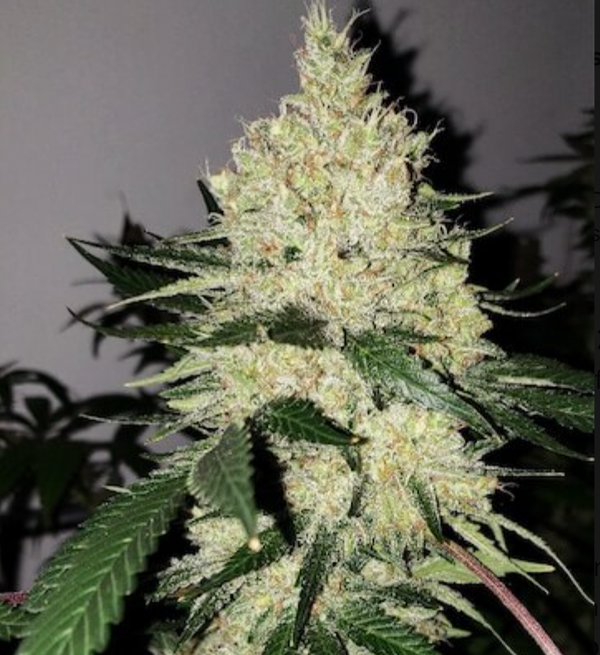
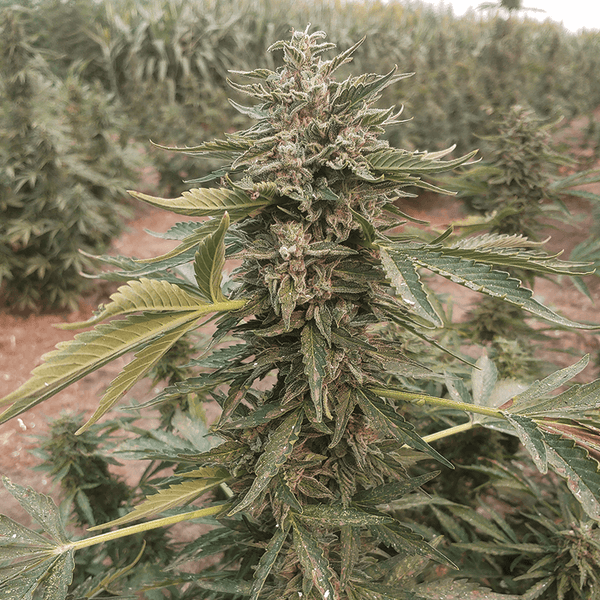
Let's get straight to it: growing cannabis can be a headache. You're juggling complicated light schedules and worrying about male plants ruining your entire crop. But what if you could skip all that drama? Enter auto feminized seeds. They combine two game-changing traits to give you an autoflower plant that is not only guaranteed to be female but also flowers on its own schedule. No timers, no guesswork. This guide will show you exactly how these incredible seeds streamline the entire cultivation process, making your path to a successful harvest easier than ever.
Key Takeaways
- Get a Faster, Simpler Harvest with Auto Feminized Seeds: These seeds are your shortcut to a successful grow because they flower automatically based on age and are guaranteed to be female. This removes the guesswork of light schedules and the hassle of dealing with male plants.
- Give Your Autoflowers a Strong Start: Their life cycle is short, so there's no time to recover from early mistakes. Plant your seed directly into its final pot with light, airy soil to avoid transplant shock and give it the best possible foundation for rapid growth.
- Use Low-Stress Training (LST) for a Bigger Harvest: Gently bend and tie down branches to create a flat, even canopy. This simple technique exposes more bud sites to direct light without stressing the plant, leading to significantly better yields from your compact autoflowers.
What Makes Auto Feminized Seeds So Special?
If you're looking for a straightforward path to a successful harvest, auto feminized seeds are your answer. They combine two incredible genetic traits that simplify the growing process from start to finish. Think of them as the express lane to producing your own high-quality buds, removing some of the most common hurdles growers face. By understanding what makes these seeds special, you can decide if they’re the right fit for your garden, whether it’s a small indoor tent or a sunny spot on your balcony. Let's break down exactly what "auto" and "feminized" mean and how they work together to make cultivation easier.
What Do 'Auto' and 'Feminized' Actually Mean?
Let’s start with the "feminized" part. Cannabis plants can be male or female, but only female plants produce the cannabinoid-rich flowers (buds) that most people want. Feminized seeds are genetically selected to grow into female plants over 99% of the time. This is a huge advantage because it eliminates the need to identify and remove male plants, which can otherwise pollinate your females and fill your buds with seeds.
The "auto" in autoflower seeds refers to their automatic flowering cycle. Unlike traditional photoperiod strains, which require a specific light schedule to trigger flowering, autoflowers switch from vegetative growth to producing buds based on their age. This built-in timer makes them incredibly predictable and resilient.
How Do Autoflowering Genetics Work?
The magic behind autoflowering cannabis comes from a hardy subspecies called Cannabis ruderalis. Native to harsh climates with short summers, ruderalis evolved to flower automatically after just a few weeks, ensuring it could reproduce before the first frost. Modern breeders have skillfully crossed ruderalis genetics with popular, high-potency indica and sativa strains. The result is a plant that maintains the desirable traits of its famous parents—like flavor, aroma, and effect—but flowers based on a predetermined timeline, not on light cues. This makes them exceptionally easy to manage, as you don't have to worry about changing your light cycle from 18 hours a day to 12 to initiate budding.
The History and Evolution of Autoflowers
The autoflowering cannabis we know and love today didn't just appear out of thin air. It has a fascinating history rooted in survival and adaptation, followed by decades of dedicated breeding to refine its best qualities. Understanding this journey helps you appreciate the resilience and power packed into each tiny seed. From a wild, hardy plant to the high-potency strains available now, the evolution of autoflowers is a story of turning a unique survival trait into one of the most convenient features for modern cultivators. Let's look at how these remarkable plants came to be and how they've been perfected over time.
From Wild Ruderalis to the First Autoflower
The story begins with Cannabis ruderalis, a tough subspecies that adapted to the harsh, cold climates of Central Asia and Siberia. With extremely short summers, these plants didn't have the luxury of waiting for changing light cycles to start flowering. Instead, they evolved to flower automatically based on age, ensuring they could produce seeds and reproduce before the first frost hit. For a long time, ruderalis was overlooked by cultivators because of its small size and low THC content. That all changed when pioneering breeders saw the potential in its unique flowering trait, leading to the creation of the first commercial autoflower, Lowryder, which brought this incredible genetic feature into the spotlight.
The Recessive Gene: How it Works
The autoflowering trait is what geneticists call recessive. This means that for a plant to flower automatically, it needs to inherit the autoflowering gene from both of its parents. When breeders first crossed a traditional photoperiod strain (like an indica or sativa) with a ruderalis plant, the first generation of offspring wouldn't autoflower. It took further breeding of those offspring to stabilize the trait. This process required patience and a deep understanding of plant genetics, as breeders worked to combine the automatic flowering of ruderalis with the high potency, flavor, and yield of classic cannabis strains, eventually creating stable and reliable feminized seeds with the autoflower characteristic.
Modern Autoflowers: Potency and Power
Early autoflowers got the job done, but they often couldn't compete with photoperiod strains in terms of potency or yield. Thankfully, that's ancient history. Through years of selective breeding, today's autoflowers are a completely different story. Modern breeders have successfully created strains that deliver high THC and CBD levels, rich terpene profiles, and impressive harvests, all while maintaining that signature fast-growing, automatic flowering cycle. You can now find powerful autoflower seeds that produce effects and flavors on par with their photoperiod cousins, offering a perfect blend of convenience and quality for any grower.
Autoflower vs. Photoperiod: What's the Difference?
When choosing your seeds, the main alternative to autoflowers is photoperiod strains. The biggest difference is control versus convenience. Photoperiod plants will stay in a vegetative state as long as they receive long days of light (18+ hours), allowing growers to determine their final size before flipping them to a 12/12 light cycle to induce flowering. This control often leads to larger plants and bigger yields.
In contrast, autoflowers are all about speed and simplicity. Their compact size makes them perfect for discreet grows or limited spaces. Because they race from seed to harvest in as little as 8-10 weeks, you can often fit multiple harvests into a single outdoor season. While they may yield less per plant than a massive photoperiod, the quality of modern feminized seeds means you won't sacrifice potency or flavor.
Is Growing an Autoflower Plant Right for You?
Deciding whether to grow autoflowers comes down to your personal goals, your setup, and your growing style. Like any plant, they come with a unique set of strengths and weaknesses. Understanding these trade-offs is the key to a successful harvest and will help you figure out if these speedy plants are the right fit for your garden. Let’s break down what you can expect.
Why They're Fast, Easy, and Discreet
If you’re looking for a fast and straightforward growing experience, autoflowers are your best friend. Their main advantage is their rapid lifecycle; many strains go from seed to harvest in as little as 8 to 12 weeks. Unlike photoperiod plants, they don’t rely on changes in the light cycle to begin flowering. They operate on their own internal clock, which simplifies your job immensely. This makes them a fantastic choice for beginners. Their compact size is another major plus, allowing for discreet cultivation on a balcony, in a small tent, or tucked away in a garden bed. Their natural resilience to pests also means less troubleshooting for you.
The "Beginner-Friendly" Debate: A Word of Caution
While autoflowers are often marketed as the perfect entry point for new growers, let's be real: that label comes with a few important caveats. Their greatest strength—their rapid growth cycle—is also their biggest challenge. Because they race from seedling to harvest in a matter of weeks, there is virtually no time to recover from early mistakes. An issue like overwatering, nutrient burn, or transplant shock in the first couple of weeks can permanently stunt the plant. Unlike a photoperiod plant where you can extend the vegetative stage to let it bounce back, an autoflower waits for no one; it will start flowering on schedule, whether it's healthy and robust or small and struggling.
This unforgiving timeline means you need to have your environment dialed in from day one. Autoflowers require a lot of consistent light to fuel their rapid development, and skimping on it will lead to smaller plants and disappointing yields. Furthermore, the harvest window is tight and crucial. Harvesting just a week too early or too late can significantly alter the potency and terpene profile of your final buds. So, while they are simple in theory, they demand careful attention to detail in practice. Think of them not as "beginner-proof," but as a great way to learn quickly, as long as you're prepared to get things right the first time.
The Downside: Smaller Plants, Smaller Harvests
The trade-off for that incredible speed is typically a smaller plant and, consequently, a smaller yield per plant. Because an autoflower’s life is on a fast track, it has a shorter vegetative period and less time to grow big and bushy before it starts producing buds. If your primary goal is to get the absolute maximum weight from a single plant, a photoperiod strain might be a better choice. For growers who measure success by the pound, this is a significant factor to consider. You can partially offset this by planting more seeds, but it’s important to set realistic expectations for what each individual plant can produce.
Enjoy Multiple Harvests in a Single Season
Here’s where autoflowers really shine, especially for outdoor growers. Their quick turnaround time means you can fit multiple harvests into a single growing season. While your neighbors are still waiting for their photoperiod plants to start flowering in late summer, you could already have your first harvest cured and ready. By staggering your planting every few weeks, you can create a perpetual harvest cycle that keeps your jars full all year long. For indoor growers, this means more crop rotations annually, maximizing the productivity of your space. This potential for continuous cultivation can easily make up for the smaller individual yields.
You'll Have Less Control (and Cloning is Tricky)
The automatic flowering trait is a double-edged sword. While it adds simplicity, it removes a layer of control. With photoperiod plants, you decide when to trigger the flowering stage, allowing you to extend the vegetative phase to grow a larger plant or help it recover from stress. Autoflowers are on a fixed schedule, and there’s no pausing it. Any early stunting from overwatering or nutrient issues will directly impact your final harvest since the plant has no extra time to bounce back. Furthermore, you cannot take clones from an autoflowering plant. This means if you find a perfect phenotype, you can’t replicate it. You’ll always be starting from new autoflower seeds, making it crucial to start with stable, high-quality genetics every time.
Find Your Perfect Auto Feminized Strain
With so many options out there, choosing the right strain can feel like the hardest part of starting your grow. The great thing about auto feminized seeds is the incredible variety available. Whether you’re growing for relaxation, wellness, or simply to see how much you can harvest from a single plant, there’s a perfect strain waiting for you. Before you shop all seeds, it’s helpful to define your primary goal. Are you chasing potent, high-THC flower for a powerful experience? Or are you more interested in the therapeutic potential of CBD for clear-headed relief? Maybe you’re a brand-new grower just looking for a forgiving plant to learn with, where resilience is more important than anything else.
Your environment also plays a role. A grower with a small indoor tent might prioritize a compact plant, while someone with a large outdoor space could focus on maximizing yield. By answering these key questions about your personal goals and growing conditions, you can effectively narrow down your search from hundreds of options to a select few that are perfectly suited for you. This focused approach not only saves you time but also sets you up for a more successful and rewarding cultivation experience from seed to harvest. Below, we’ll walk through some of the most common goals for growers and highlight the types of strains that will help you meet them.
Looking for Potency? Try These High-THC Strains
If your goal is to cultivate powerful, high-THC cannabis, don't let old myths about autoflowers fool you. Modern auto genetics have come a long way, and today’s top-tier strains can easily compete with photoperiod varieties in potency. In fact, THC levels in some autoflowers are easily on par with the best feminized photoperiod strains. When browsing for seeds, look for strains specifically bred for high THC content. You can find detailed lab reports and descriptions on our THCA seeds page to help you select a cultivar that delivers the powerful effects you’re looking for.
Seeking Wellness? Check Out CBD-Rich Strains
For those cultivating cannabis for its therapeutic and wellness benefits, CBD-rich autoflowers are an excellent choice. These strains are bred to produce high levels of cannabidiol (CBD) while keeping THC levels low, offering clear-headed relief without intense psychoactive effects. This makes them perfect for daytime use or for anyone sensitive to THC. Growing a CBD-rich autoflower gives you a fast, straightforward path to producing your own wellness-focused flower. At Trilogene Seeds, you can explore a variety of high-yield, CBD-rich varieties that are perfect for both beginners and seasoned growers looking to add some balance to their garden.
New to Growing? Start with These Easy Strains
Just starting your cultivation journey? Autoflowers are your best friend. Many strains are naturally resilient and forgiving, which is a huge advantage when you’re still learning the ropes. As the experts at Humboldt Seed Co. note, "Autoflower seeds are great for new growers because they are tough against pests and diseases." Their compact size also makes them ideal for small, discreet setups like a balcony or a small grow tent. Choosing a beginner-friendly strain means you can focus on mastering the basics of watering and feeding without worrying as much about common cultivation pitfalls. Our collection of autoflower seeds includes many robust options that will help you build confidence and achieve a successful first harvest.
Want a Big Harvest? Pick These High-Yielding Strains
If your main goal is to maximize your harvest, look for autoflower strains specifically described as "high-yielding." While autoflowers are naturally smaller than their photoperiod cousins, breeders have developed incredible genetics that produce surprisingly heavy yields in a short amount of time. With the right strain and proper care, you can expect a rewarding harvest. On average, one plant can produce between one and four ounces of dried flower, with outdoor plants often yielding more than those grown indoors. To get the most out of your space, browse our full catalog of feminized seeds and pay close attention to the yield information provided for each autoflower strain.
Where to Find High-Quality Autoflower Seeds
When you’re ready to buy seeds, the source matters just as much as the strain. The internet is full of seed banks, but not all of them are committed to genetic quality and stability. The last thing you want is to spend weeks nurturing a plant only to be disappointed by the results. Poor genetics can lead to low germination rates, inconsistent growth, and underwhelming yields, turning an exciting project into a frustrating one. The key is to find a reputable breeder who is transparent about their process and known for producing reliable, high-performance seeds.
A trustworthy breeder invests heavily in genetic research and stabilization. This means the seeds you buy will grow into plants that consistently express the traits you’re looking for—whether that’s a specific cannabinoid profile, flavor, or growth structure. Look for breeders who provide detailed information about their strains, share germination test results, and showcase a commitment to innovation. When you find a source that prioritizes quality genetics, you’re setting yourself up for a successful and rewarding grow. That’s why we recommend exploring our collection of autoflower seeds, which are bred for stability and performance from the start.
Why Choose Trilogene for Your Autoflowers
We stand behind our genetics because we’re growers and breeders ourselves. Our focus is on creating stable, high-yielding, and potent autoflower strains that deliver consistent results for both new and experienced cultivators. We’re dedicated to pushing the boundaries of cannabis genetics, which is why we develop unique strains using innovative breeding techniques.
Our work with triploid cannabis, for example, showcases our commitment to creating more resilient and productive plants. This dedication to quality and innovation means you can trust that our seeds will perform. With a diverse selection of autoflowers, you can find the perfect genetics to match your specific goals and growing style, ensuring your next harvest is your best one yet.
What Your Autoflower Plant Needs to Thrive
One of the best things about autoflowers is their resilience. They’re tough and can handle less-than-perfect conditions, which is why so many new growers love them. But if you want to see what these plants can really do, giving them an environment where they can flourish is key. Think of it like this: anyone can survive on junk food, but we perform our best when we get proper nutrition and a comfortable place to rest. Your plants are no different.
Getting the fundamentals right from the start will pay off in bigger, healthier buds. It’s not about complex techniques or expensive gear; it’s about creating a stable and supportive home for your plants. By dialing in the light, nutrients, soil, and climate, you give your autoflower seeds the foundation they need to grow quickly and produce an impressive harvest. We’ll walk through the essentials your autoflowers need to not just survive, but truly thrive.
What's the Best Light Schedule for Autoflowers?
Unlike photoperiod plants that require a specific light change to trigger flowering, autoflowers will bloom based on their age. This gives you more flexibility. Most growers find the sweet spot with an 18/6 schedule, meaning 18 hours of light and 6 hours of darkness. Some even push it to a 20/4 cycle to encourage more vigorous growth. While you can technically run lights 24/7, giving your plants a short "rest" period in the dark allows them to process nutrients and can reduce stress. The key is consistency—pick a schedule and stick with it.
Feeding Your Autoflower: A Nutrient Guide
When it comes to feeding autoflowers, less is more. Their quick life cycle makes them more sensitive to nutrient burn than their photoperiod cousins. A good rule of thumb is to start your seedlings in plain water for the first week or two. As the plant develops, you can begin introducing nutrients at a much lower dose than recommended on the bottle—start with 1/8 or 1/4 strength and slowly work your way up to 1/2 strength if the plant seems to need it. Always watch your plants for signs of over or under-feeding and adjust accordingly.
Nutrient Timing from Seedling to Flower
Your plant's nutritional needs will change as it grows. For the first one to two weeks, your seedling is self-sufficient, so stick with plain, pH-balanced water. Once it develops a few sets of leaves, you can introduce a nitrogen-heavy vegetative nutrient at just 1/4 strength, slowly increasing the dose as it grows. The moment you see the first signs of flowering—those tiny white pistils—it's time to switch to a bloom formula rich in phosphorus and potassium to support bud development. Always pay close attention to the leaves for any signs of stress. Observing your specific autoflower strain is the best way to learn its unique needs and ensure a healthy, productive life cycle.
Choosing the Right Pot for Your Plant
Because autoflowers have a short vegetative stage, it’s best to plant them directly into their final container. Transplanting can shock the plant and stunt its growth, which is something you want to avoid with their limited timeline. For indoor cannabis seeds, a 3- to 5-gallon (11-19 liter) pot is usually perfect. If you’re growing outdoors, give the roots more room to expand with a 5- to 10-gallon (20-40 liter) pot. Fabric pots are a great choice as they promote air pruning and prevent roots from becoming bound.
Picking the Perfect Soil or Medium
Autoflowers prefer a light, airy soil that allows their roots to breathe and grow freely. Avoid heavy, dense garden soils, which can become compacted and waterlogged. Look for a high-quality potting mix that contains ingredients like perlite, peat moss, or coco coir to improve drainage and aeration. You should also avoid soils that are packed with nutrients (often called "hot" soils), as they can easily burn young autoflower seedlings. Starting with a lighter mix gives you more control over your plant’s nutrient intake from the beginning.
Getting the pH Right for Soil
Think of pH as the gatekeeper for nutrients. If the pH of your soil is too high or too low, it essentially locks the gate, preventing your plant's roots from absorbing the food they need to grow, even if it's plentiful. This common issue is called nutrient lockout. For autoflowers growing in soil, you want to keep the pH of your water and nutrient solution between 6.0 and 7.0. This is the sweet spot where all the essential nutrients are readily available to the plant. You can easily check your pH with a simple digital pen or testing kit. Keeping your pH in the correct range is one of the easiest ways to prevent problems and ensure your plants stay healthy and well-fed from start to finish.
A Go-To Soil Recipe for Autoflowers
As we mentioned, autoflowers thrive in a light, airy soil that doesn’t suffocate their roots. Heavy, dense garden soil can hold too much water and become compacted, which is a recipe for disaster. Instead, you want a medium that promotes excellent drainage and aeration. You can buy high-quality potting mixes, or you can easily make your own. A simple and effective recipe is to combine equal parts peat moss (or coco coir), compost, and perlite. This blend provides a perfect balance of moisture retention, drainage, and organic matter to feed your plant. Starting your autoflower seeds in the right soil gives them the strong foundation they need for rapid, healthy growth.
Finding the Sweet Spot for Temperature and Humidity
Maintaining a stable environment is crucial for healthy plant development. Autoflowers perform best in temperatures between 70-80°F (21-26°C). During the flowering stage, it’s especially important to keep humidity levels in check, aiming for a range of 40-50%. This helps prevent issues like bud rot and powdery mildew from taking hold. Using a simple thermometer and hygrometer will help you monitor your grow space and make adjustments as needed to keep your plants happy and productive. A stable climate is one of the easiest ways to ensure your feminized seeds reach their full potential.
How to Grow Autoflowers Indoors
Growing autoflowers indoors is a fantastic way to get consistent, high-quality results because you have total control over their environment. Unlike outdoor growing, you’re not at the mercy of unpredictable weather, pests, or seasons. You get to play Mother Nature, creating the perfect conditions to help your plants reach their full potential. This controlled setting is ideal for nurturing everything from potent THCA seeds to therapeutic CBD strains. By dialing in a few key environmental factors, you can create a thriving garden right inside your home.
The main advantage here is predictability. When you manage the light, temperature, and humidity, you remove the guesswork. This means you can follow a schedule, anticipate your plant's needs, and consistently produce dense, resinous buds harvest after harvest. It’s especially beneficial for autoflowers, which have a set, non-negotiable lifespan. You want to give them the absolute best conditions from day one to maximize their short time with you. An indoor setup allows you to do just that, ensuring every day of their growth cycle is optimized for health and yield. It's the surest path to getting the most out of the premium genetics you've invested in. Ready to set up your space for success? Let’s get started.
Setting Up Your Indoor Grow Space
One of the best things about autoflowers is their compact size. Most plants stay between two and three feet tall, making them perfect for growers who are short on space. You don’t need a massive, dedicated room to get a great harvest. A small grow tent, a repurposed closet, or even a discreet corner of a room can work beautifully. This smaller stature also makes them a great choice if you want to keep your grow on the down-low. When you’re planning your setup, just make sure you have enough room for your pots, a light, and a small fan. Choosing the right autoflower seeds from the start will help you predict plant size and manage your space effectively.
Simplify Your Setup: No Need for Separate Grow Spaces
One of the biggest logistical headaches for indoor growers using photoperiod strains is managing different light cycles. To maintain a continuous harvest, you typically need two separate areas: one for seedlings and vegetative plants running on an 18/6 light schedule, and another for flowering plants on a 12/12 schedule. This is where autoflowers completely change the game. Since their transition to flowering is based on age, not light, you can keep the same light schedule (like 18/6) from start to finish. This means you can have seedlings, vegging plants, and flowering plants all thriving together in the same tent. It simplifies your setup, saves money on equipment, and makes growing much more manageable, especially if you're working with limited space. It's this incredible flexibility that makes autoflower seeds a top choice for efficient indoor cultivation.
How to Control Your Indoor Temperature
Cannabis plants are a bit like Goldilocks—they don’t like it too hot or too cold. For your autoflowers, the sweet spot is a consistent temperature between 70–80°F (21–26°C) while the lights are on. This range encourages vigorous growth without stressing the plant. If your space gets a little cooler when the lights are off, that’s perfectly fine, but try to avoid dramatic temperature swings. A simple digital thermometer in your grow space will help you keep an eye on things. Maintaining this ideal climate is one of the biggest advantages of growing indoor cannabis seeds and is crucial for a healthy crop.
Keeping Indoor Humidity in Check
Just as important as temperature is humidity. Your autoflower’s humidity needs will change as it grows. Seedlings and young plants in the vegetative stage love a more humid environment, around 60–70%. This helps them absorb water through their leaves while their root systems are still developing. Once they start flowering, you’ll want to lower the humidity to 40–50%. This is super important because it helps prevent mold and mildew from forming on your precious buds. A hygrometer is an inexpensive tool that measures relative humidity, making it easy to track and adjust levels as your plants mature.
Why Good Airflow is a Must
Don’t underestimate the power of a gentle breeze. Good air circulation is essential for a healthy indoor grow. Using a small, oscillating fan on a low setting provides two key benefits. First, the constant air movement helps strengthen your plant’s stems, preparing them to support heavy, dense buds later on. Second, it prevents stale, humid air from settling around your plants, which is a major invitation for pests and mold. You’re not looking to create a windstorm—just a light, consistent airflow that keeps the environment fresh and your plants happy. This simple step can make a huge difference in the overall health of your garden.
Taking Your Autoflower Plant Outdoors
Taking your autoflower grow outside is one of the best ways to get a feel for cultivation. Nature does a lot of the heavy lifting for you, and autoflowers are especially well-suited for the great outdoors thanks to their hardy genetics and quick turnaround time. Their compact size also makes them a discreet option for a backyard or balcony garden. With a little planning, you can set your plants up for a successful season and enjoy a beautiful, sun-grown harvest. The key is to work with your environment, not against it, by choosing the right spot, timing your plant, and protecting it from the elements.
Is Your Climate Right for Outdoor Growing?
One of the biggest perks of autoflowers is their resilience. These plants are tough and have a natural resistance to pests and mold, which makes them a fantastic choice for growers in a wide range of climates. While they can handle less-than-perfect conditions, they truly shine in a spot with plenty of direct sunlight and mild temperatures. When you’re scouting a location, look for a place that gets at least six to eight hours of direct sun each day. This will give your plants the energy they need to grow strong and produce dense buds. If you’re looking for strains specifically bred for resilience, check out some quality outdoor marijuana seeds that are known to perform well under the sun.
When is the Best Time to Plant Outdoors?
The speed of autoflowers gives you incredible flexibility with your outdoor growing schedule. Since they don’t rely on changing light cycles to flower, you can plant them anytime from late spring to late summer, as long as the last frost has passed. A great strategy is to stagger your planting. By starting a few new autoflower seeds every couple of weeks, you can create a perpetual harvest, giving you a fresh supply of buds throughout the season. The most important rule is to avoid frost at all costs, both at the beginning and end of your plant’s life. A hard frost can easily damage or kill a young seedling or a flowering plant, so keep an eye on your local weather forecast.
A Major Perk: Tolerance to Light Pollution
If you’ve ever tried growing outdoors in a suburban or urban setting, you know the anxiety that comes with light pollution. A single streetlight or a neighbor's bright porch light can be enough to confuse a photoperiod plant, preventing it from flowering or causing it to stress. This is one area where autoflowers have a massive, often overlooked, advantage. Because they switch to flowering based on age rather than light cycles, they are incredibly tolerant of inconsistent light. That pesky security light that flicks on and off all night won’t faze them. This unique resilience makes autoflower seeds the perfect choice for balcony gardens, backyards, and any grow spot where you can’t guarantee 12 hours of perfect, uninterrupted darkness.
How to Protect Your Plants from Bad Weather
While you can’t control the weather, you can take simple steps to protect your plants from extremes. Autoflowers are happiest in temperatures between 70–80°F with good airflow. If you’re expecting a heatwave, you might want to provide some temporary shade during the hottest part of the day. For unexpected cold snaps or heavy rain, a small, portable greenhouse or even a simple tarp can make a huge difference. Proper spacing between your plants is also crucial, as it ensures good air circulation, which helps keep humidity down and prevents mold from taking hold, especially as the buds start to fatten up. Choosing robust genetics from the start, like some of the new releases, can also give you an edge against unpredictable weather.
Keeping Pests Away, the Natural Way
Autoflowers are naturally hardy and can often fend for themselves against common pests and diseases. This built-in defense makes them a forgiving choice for new growers. However, it’s always smart to be proactive with pest prevention. Companion planting is a fantastic, all-natural method. Planting things like basil, marigolds, or lavender around your cannabis can help deter common garden pests. You can also use a preventative spray like neem oil during the vegetative stage to keep bugs at bay. The best defense is a good offense, so make a habit of checking your plants regularly for any signs of trouble. Catching a problem early is much easier than dealing with a full-blown infestation.
Why Quick Action is Crucial for Autoflowers
The very thing that makes autoflowers so appealing—their incredible speed—is also their biggest challenge. These plants are on a strict, non-negotiable timeline, often racing from seed to harvest in as little as eight weeks. This rapid lifecycle means there is virtually no room for error. Unlike photoperiod plants, where you can extend the vegetative stage to fix issues, an autoflower starts flowering on its own internal clock, healthy or not. Any stress during its short vegetative phase, especially transplant shock, will directly impact your final yield. This is why it's crucial to plant your autoflower seeds directly into their final pot. A strong, stress-free start isn't just a recommendation; it's essential for a successful harvest.
Ready for a Bigger Harvest? Try These Techniques
Once you've mastered the fundamentals of light, water, and nutrients, you might be wondering how to get even more from your plants. While autoflowers are known for their speed, a few simple, advanced techniques can make a big difference in your final harvest. These methods are all about working with the plant's natural tendencies, not against them. By fine-tuning your approach to watering, training, and harvesting, you can help your autoflower seeds reach their full genetic potential. Let's look at a few key strategies that can take your grow from good to great.
How to Water Your Autoflower Plant Like a Pro
Watering seems simple, but getting it just right is an art. The golden rule is to water only when the soil feels dry. Overwatering is one of the most common mistakes and can lead to root rot, which is a fast track to a failed crop. Instead of watering on a strict schedule, check your plants daily. A good method is to stick your finger about an inch into the soil. If it feels dry, it’s time to water. Another trick is to get a feel for the weight of the pot when it's fully watered versus when it's dry. This helps you gauge moisture levels without disturbing the roots. Proper watering ensures your plants get the oxygen and hydration they need to build a strong foundation for heavy buds.
Try Low-Stress Training (LST) for Bigger Yields
Low-stress training is a fantastic way to increase your yield without stressing your plant. Since autoflowers have a short life, they don't have time to recover from intense training methods. LST is the perfect solution. The goal is to gently bend and tie down the main stem and side branches so they grow horizontally. This breaks the plant's natural tendency to grow one main cola and encourages a flatter, wider canopy. As a result, more light can reach all the lower bud sites, which would otherwise be shaded. This even light distribution encourages more buds to develop, leading to a much more impressive harvest. Just remember to be gentle and use soft plant ties to avoid damaging the branches.
A Word of Caution: Why to Avoid High-Stress Training
While techniques like topping or FIMing (high-stress training) can work wonders for photoperiod plants, they are generally a bad idea for autoflowers. The reason is simple: time. Your autoflowering plant is on a strict, non-negotiable schedule from seed to harvest, and it doesn't have a single day to spare for recovery. High-stress methods intentionally damage the plant to encourage bushier growth, but this requires a healing period. With an autoflower, that recovery time eats directly into its short vegetative phase, resulting in a stunted plant and a much smaller final yield. Unlike photoperiods, you can't just add an extra week of veg time to let it bounce back. To get the most out of your autoflower seeds, you need to avoid any significant stress, which is why gentle LST is the only training method we recommend.
Is It Time to Harvest? Here's How to Tell
Patience at the end of your grow is crucial. Harvesting too early or too late can dramatically affect your buds' potency and flavor. Forget counting days on a calendar; the real indicators are the trichomes. These are the tiny, mushroom-shaped resin glands that cover the buds. You’ll need a jeweler's loupe or a small magnifying glass to see them clearly. For peak potency, you should harvest your plants when about 80% of the trichomes have turned from clear to a milky white color. A few amber trichomes are fine, but too many can lead to a more sedative effect. Watching your trichomes is the most reliable way to ensure you’re harvesting your buds at their absolute best.
Decoding Trichome Colors for Your Desired Effect
Think of trichome color as a dial you can turn to select your preferred effect. If the trichomes are still mostly clear, the plant isn't mature, and the cannabinoid profile is underdeveloped. When they turn a cloudy or milky white, THC levels are at their absolute peak, which is the ideal time to harvest for a potent, energetic high. This is the window most growers of THCA seeds are aiming for. If you wait longer, you'll start to see them turn amber or golden. This color indicates that the THC is beginning to degrade into CBN, a cannabinoid known for its sedative properties. Harvesting when a good portion of trichomes are amber will result in a more relaxing, body-focused effect. It’s all about personal preference, so use that magnifying glass to harvest exactly what you want.
Other Clues Your Plant is Ready
While trichomes are your most accurate guide, the plant offers other visual clues that it's nearing the end of its life cycle. Take a look at the pistils—the small hairs covering the buds. Early in flowering, they are white and straight, but as the plant matures, they will darken to an orange, red, or brown color and begin to curl inward. You may also notice some of the large fan leaves turning yellow and falling off. Don't panic; this is a natural process called senescence. The plant is simply redirecting its final energy away from the leaves and into the flowers. These signs, combined with the state of your trichomes, give you a complete picture of when your plant is ready for a successful harvest.
What Stresses Out an Autoflower Plant? (And How to Avoid It)
Autoflowers are resilient, but they operate on a tight schedule. Any stress they experience can stunt their growth and reduce your final yield because they don't have time to recover like photoperiod plants do. One of the biggest stressors is transplanting. To avoid this, plant your germinated seeds directly into their final container. You should also be careful not to overfeed them with nutrients, as this can cause nutrient burn. Drastic changes in temperature or humidity can also slow them down. By providing a stable environment and minimizing stress, you allow your feminized seeds to dedicate all their energy to what matters most: producing dense, resinous flowers.
The Risk of Premature Flowering
The automatic flowering trait is a double-edged sword. While it makes growing incredibly simple, it also means the plant is on a non-negotiable timeline. Any major stress—like overwatering, nutrient burn, or transplant shock—can trigger the plant to flower prematurely. This is the biggest risk with autoflowers. If a plant gets stressed when it's only a few inches tall, it will start making buds right then and there, resulting in a tiny plant with a disappointing harvest. There's no time for it to bounce back and recover from early stunting.
With photoperiod plants, you have the power to extend the vegetative stage to help them recover from a rough start. Autoflowers don't offer that luxury. Their internal clock is always ticking, and once the flowering process begins, there's no stopping it. This is why a strong, stress-free start is so critical for your autoflower seeds. By avoiding common mistakes in the seedling stage, you ensure the plant uses its limited vegetative time to build a strong frame capable of supporting a heavy, rewarding harvest.
After the Harvest: Drying and Curing for Quality
Congratulations, you’ve made it to harvest! But don't put your feet up just yet—the final and most critical steps are still ahead. Drying and curing are what transform your freshly cut branches into the smooth, flavorful, and potent buds you’ve been working toward. This is where the magic really happens. Rushing this stage is one of the biggest mistakes a grower can make, as it can undo months of hard work. Proper drying and curing will preserve the delicate terpenes that give your cannabis its unique aroma and flavor, while also enhancing its effects. It’s the difference between a harsh, grassy-smelling product and a top-shelf experience that showcases the true genetic potential of your seeds.
The Drying Process: How to Hang Your Plants
The goal of drying is to slowly and evenly reduce the moisture content of your buds. To start, find a dark, cool space with good air circulation, like a closet or a grow tent. The ideal conditions are around 60-70°F (15-21°C) with about 60% humidity. After trimming away the large fan leaves, hang your branches upside down, making sure they have enough space between them for air to flow freely. A small, indirect fan can help circulate the air, but never point it directly at your buds, as this can dry them out too quickly. The process usually takes 7 to 14 days. You’ll know they’re ready for the next step when the smaller stems snap instead of bend.
The Curing Process: Unlocking Flavor and Potency
Curing is the final step that develops the complex flavors and aromas of your cannabis. Once your buds are properly dried, trim them from the branches and place them into airtight glass jars, filling them about three-quarters full. Store these jars in a cool, dark place. For the first week or two, you’ll need to "burp" the jars daily by opening them for a few minutes to release moisture and let in fresh air. This process allows the remaining moisture to distribute evenly while chlorophyll breaks down, resulting in a much smoother smoke. While a minimum cure of two weeks will make a big difference, many growers find that curing for four weeks or longer brings out the absolute best in their high-quality THCA seeds.
What Makes a High-Quality Autoflower Seed?
Starting your grow with the right seeds is the single most important decision you'll make. Think of it as the foundation of your entire project—strong genetics give you the best possible chance for a healthy, high-yielding harvest. A great seed is a promise of potential, but a bad one can lead to disappointment, no matter how perfect your growing conditions are. So, how do you tell the difference?
It comes down to a few key factors: the seed's physical appearance, its genetic traits, the germination guarantee from the seller, and how you care for it before it even touches the soil. Choosing seeds from a trusted source that prioritizes genetic quality and stability is your first step. A reputable breeder invests time and expertise into creating strains that are vigorous, predictable, and packed with the characteristics you’re looking for, whether that’s high THC content, specific terpene profiles, or resilience to pests. Getting this part right saves you time, money, and a lot of potential headaches down the road.
Spotting a Healthy Seed: What to Look For
When your seeds arrive, give them a quick inspection. Healthy, mature cannabis seeds are typically dark brown, grey, or black, often with mottled "tiger" stripes. They should feel hard and firm when you gently squeeze them between your fingers. If a seed is pale green or white and crushes easily, it's likely immature and won't germinate. Beyond looks, consider the genetics. If you want a simpler, faster grow cycle, autoflowering seeds are a fantastic choice because they flower based on age, not a change in the light schedule. This makes them incredibly forgiving for new growers and efficient for experienced ones.
How to Get the Best Germination Rates
Nothing is more frustrating than a seed that fails to sprout. That’s why it’s crucial to buy from a reputable seed bank that stands by its products. Top-tier breeders often have germination rates of 99% or higher because they only sell fresh, properly stored seeds from stable genetic lines. While no one can guarantee every single seed will pop—nature has its own plans—starting with a high success rate puts the odds firmly in your favor. Reading reviews and choosing a company with a strong reputation for quality and customer support is a smart way to protect your investment and ensure you’re getting viable genetics.
The Right Way to Store Your Seeds
Proper storage is key to preserving the viability of your seeds until you're ready to plant. The goal is to protect them from their three biggest enemies: light, heat, and moisture. For short-term storage (up to six months), keep your seeds in their original packaging or an airtight container in a cool, dark, and dry place like a drawer or cupboard. If you plan to store your valuable feminized seeds for longer, the refrigerator is your best bet. Place them in a sealed container (a small jar or a Ziploc bag) and keep them in a fridge set to around 43-46°F (6-8°C) to maintain their germination potential for years.
Your Essential Grower's Checklist
Before you start the germination process, make sure you have your initial supplies ready to go. Having everything on hand creates a smooth transition for your seedlings once they sprout. For soil-based indoor growing, you’ll want a light, airy medium that drains well to prevent waterlogging the delicate new roots. A high-quality potting mix containing ingredients like perlite, coco coir, and peat moss is an excellent choice. You’ll also need your starting pots or containers, a spray bottle for misting, and your lighting setup ready to welcome the new arrivals. Being prepared ensures your seedlings get the best possible start in life.
Related Articles
- Autoflower Cannabis Seed 101: Your Complete Guide
- A Grower's Guide to Feminized Cannabis Seeds
- What Is an Autoflowering Seed? A Beginner's Guide
- Autoflower Seed 101: A Complete Beginner's Guide
Frequently Asked Questions
Can I really get a good harvest from such a small plant? Absolutely. While a single autoflower plant won't typically yield as much as a massive photoperiod plant, their speed is the real advantage. You can fit multiple harvests into one season, which often leads to a greater total yield over the year. The key is to focus on quality genetics and provide a stable environment. With good care, you can easily pull several ounces from a single plant, and modern autoflower strains are bred for impressive density and potency.
What's the biggest mistake new growers make with autoflowers? The most common pitfall is stressing the plant early in its life. Autoflowers are on a fixed timeline and don't have extra weeks to recover from issues like overwatering, nutrient burn, or transplant shock. Planting your seed directly into its final pot and starting with a light hand on nutrients are the two best things you can do. A little bit of stress can permanently stunt an autoflower and significantly reduce your final harvest.
Do autoflowers need different nutrients than regular cannabis plants? They use the same types of nutrients, but the strategy is different. Because of their rapid growth and compact size, autoflowers are much more sensitive to overfeeding. It's best to start with a light, airy soil that isn't packed with nutrients. When you do start feeding, begin with a much weaker solution—about a quarter of the recommended dose—and only increase it if the plant shows it needs more. Always let the plant guide you.
Can I take a clone from my favorite autoflower plant? Unfortunately, you can't. A clone is a genetic copy of the mother plant, which means it's also the same age. Since autoflowers operate on an internal clock, a clone taken from a flowering plant will try to continue flowering immediately, resulting in a tiny, unproductive plant. This is why starting with stable, high-quality seeds is so important each time you grow—it's your only way to replicate a great experience.
Is it better to grow autoflowers indoors or outdoors? There's no single "better" way; it really depends on your goals. Growing indoors gives you complete control over the environment, which often leads to more consistent, high-quality results because you can optimize light, temperature, and humidity. Growing outdoors lets you take advantage of the sun's power, which can lead to larger plants and bigger yields with less equipment. Both methods work wonderfully, so choose the one that best fits your space and lifestyle.