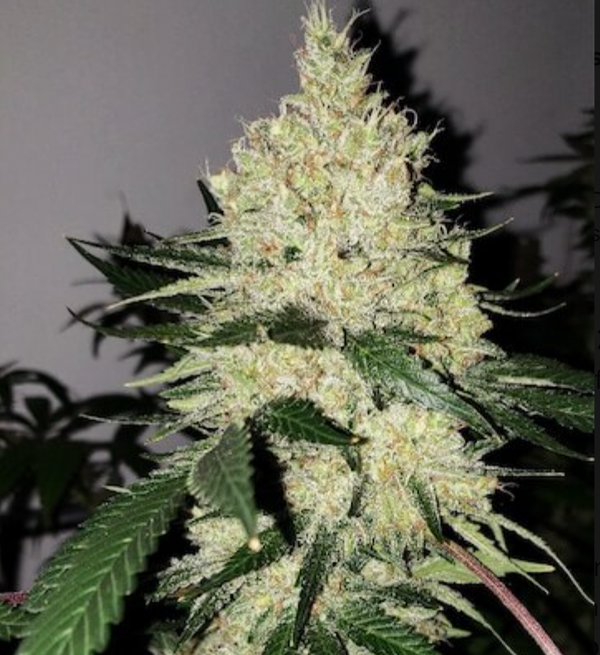
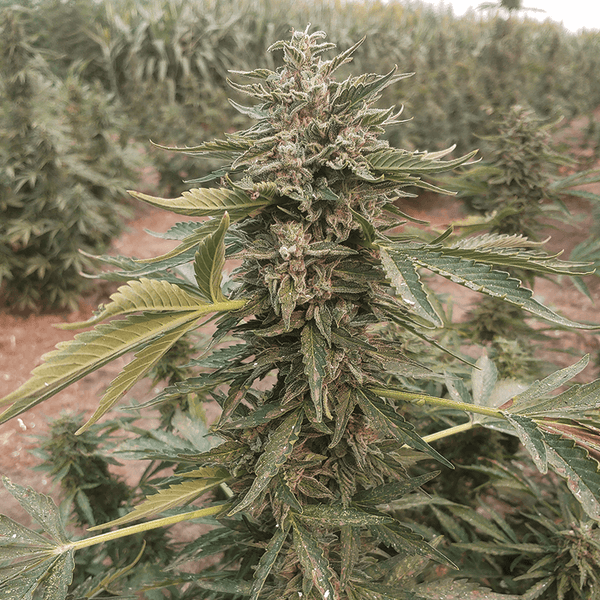
For any cultivator, time is a valuable resource. Waiting months for a single harvest requires a lot of patience, and for many, the long timeline of traditional photoperiod plants can be a major drawback. This is where a different kind of cannabis genetics changes the entire equation, offering a much faster path from seed to harvest. These plants are prized for their efficiency, allowing for multiple harvests in a single outdoor season or a continuous cycle indoors. So, what is an autoflowering seed and how does it achieve such a rapid turnaround? It all comes down to a unique genetic trait that programs the plant to flower on its own schedule, making it a game-changer for growers who value speed and productivity.
Key Takeaways
- Get Faster, Simpler Harvests: Autoflowers operate on their own internal clock, flowering automatically based on age instead of light. This means you can go from seed to harvest in as little as nine weeks without managing complex light schedules.
- Treat Them with a Gentle Hand: Their short, fixed lifecycle means autoflowers don't have time to recover from stress. For the best results, plant them in their final pot, use nutrients sparingly, and avoid high-stress training techniques.
- Don't Compromise on Quality: Modern autoflower genetics have busted the old myths about low potency. Today’s strains offer impressive cannabinoid profiles, rich flavors, and great yields, making them a smart choice for any grower.
What Are Autoflowering Seeds?
If you've ever felt a little overwhelmed by the idea of managing complex light schedules for your cannabis plants, I have some great news for you. Meet autoflowering seeds—a type of cannabis that has completely changed the game for home growers and commercial cultivators alike. These seeds grow into plants that operate on their own internal clock, flowering automatically without needing a change in their light cycle. This makes them incredibly straightforward to grow.
Their simplicity and speed are what make autoflower seeds such a popular choice. You can achieve multiple harvests in a single outdoor season or maintain a perpetual harvest cycle indoors with minimal fuss. Whether you're just starting out and want a forgiving first grow or you're an experienced cultivator looking for a fast and efficient turnaround, autoflowers offer a practical and rewarding path to a successful harvest.
What Makes an Autoflower Seed Unique?
The single most important trait of an autoflower is that it switches from vegetative growth to the flowering stage based on its age, not on the light-dark cycle. Think of it like this: a traditional photoperiod plant needs you to signal that it's time to produce flowers by changing the light schedule to 12 hours of darkness. An autoflower, on the other hand, just knows. This unique characteristic is what allows them to grow so quickly. Many autoflowering varieties are ready to harvest in as little as 8 to 10 weeks after the seed germinates. This incredible speed makes them ideal for growers who value efficiency and a quick turnaround.
How Do Autoflowers Work?
The magic of an autoflower is coded right into its genetics. These plants are programmed to begin producing flowers automatically, typically just three to four weeks after you plant the seed. You don't have to do anything to trigger this process—the plant handles it all on its own. From there, the entire life cycle is a sprint to the finish line, usually lasting between 8 and 12 weeks from seed to harvest. This condensed timeline removes the guesswork and stress of managing light cycles, making them a fantastic choice for growing with indoor cannabis seeds where you control the entire environment and want a predictable, fast-growing plant.
The Ruderalis Origin Story
So, where did these amazing plants come from? The autoflowering trait comes from a wild and hardy subspecies of cannabis known as Cannabis ruderalis. First identified in 1924, this plant evolved to survive the harsh climates and short growing seasons of places like Russia and Central Asia. To reproduce quickly, it developed the ability to flower based on age. The first widely available autoflowering strain, 'Lowryder,' was created by crossing a Mexican cannabis plant with a Russian ruderalis. This history is why modern autoflowers are so resilient and forgiving—they have that tough, survivalist DNA baked right in, making them a robust choice for any garden.
Autoflower vs. Photoperiod: What's the Difference?
When you’re ready to shop for seeds, one of the first choices you'll make is between autoflowering and photoperiod varieties. While both can produce incredible results, they operate on fundamentally different internal clocks. Understanding this difference is key to picking the right plant for your goals, your setup, and your schedule. Think of it less as one being "better" than the other, and more about which one is the right fit for you. Let's break down what sets them apart so you can grow with confidence.
Light Needs: The Main Distinction
The biggest difference between these two types of cannabis comes down to how they know when to start flowering. Photoperiod plants are sensitive to light cycles. They stay in a vegetative growth state as long as they receive long days of light (like 18+ hours). To trigger their flowering phase, you have to switch their environment to a schedule of 12 hours of light and 12 hours of uninterrupted darkness. Autoflower seeds, on the other hand, flower based on their age. They will automatically begin to produce buds after a few weeks of growth, regardless of the light schedule. This makes them incredibly straightforward to grow, especially for beginners or anyone who wants a simpler process.
Growth Speed and Flowering Time
If you're looking for a quick turnaround, autoflowers are your answer. Because their lifecycle isn't dependent on light changes, they move from seed to harvest in a remarkably short time, often in as little as 9 to 12 weeks. This speed allows for multiple harvests in a single outdoor season. Photoperiod plants offer more flexibility but require more time. A grower can keep a photoperiod plant in its vegetative state for weeks or even months to grow it larger before flipping the lights to induce flowering. This means their total time from seed to harvest can range from 10 to 32 weeks, giving you more control over the plant's final size.
Comparing Yield and Potency
It used to be that autoflowers had a reputation for lower potency and smaller yields. That’s simply not the case anymore. Thanks to incredible advances in breeding, modern autoflower genetics regularly compete with, and sometimes even surpass, photoperiod strains in terms of cannabinoid content and flavor. While a large photoperiod plant grown for months can produce a massive single harvest, the compact size of autoflowers is perfect for smaller spaces. Plus, their rapid growth cycle means you can fit more harvests into a year. Ultimately, the quality and quantity of your yield depend more on the specific strain you choose and the care you provide than on the flowering type alone.
Your Autoflower Growth Timeline
One of the best things about growing autoflowers is their predictable and speedy lifecycle. Unlike photoperiod plants that depend on light changes to start flowering, autoflowers operate on their own internal clock. This means you can map out your grow from seed to harvest with a good degree of accuracy. Most autoflower strains go from seedling to ready-to-harvest in about 9 to 12 weeks, with some super-fast varieties finishing in as little as seven.
This quick turnaround is a game-changer. It allows for multiple harvests in a single outdoor season or a continuous cycle of cultivation indoors. Because their schedule is based on age, you can provide a consistent light schedule (like 18 hours on, 6 hours off) throughout their entire life without worrying about triggering flowering. This simplicity makes the entire process much more straightforward, especially if you're just getting started or want a low-maintenance grow. Ready to see how it all breaks down? Let’s walk through the timeline.
A Week-by-Week Guide from Seed to Harvest
While every strain is a little different, most autoflower seeds follow a similar path. In the first week, you’ll focus on germination and seeing the first set of round leaves (cotyledons) appear. By weeks two and three, your plant enters its vegetative stage, focusing all its energy on growing bigger and developing more traditional fan leaves. This is a period of rapid growth. Around week four, you’ll notice the first signs of flowering as the plant automatically makes the switch. From weeks five to eight, the buds will start to fatten up and become frosty with trichomes. The final weeks are all about ripening, where buds get denser and aromas become more intense before it's time to harvest.
Key Growth Stages to Watch For
Instead of getting lost in the weekly details, it helps to focus on the four main growth stages. First is germination and the seedling phase, which lasts for the first couple of weeks. Your main job here is to be gentle. Next is the vegetative stage, typically weeks two through four, where the plant builds its structure. This is your window for any light training. The most exciting part is the flowering stage, which begins automatically around the one-month mark. This is when you’ll see pistils emerge and buds begin to form. This stage lasts about four to six weeks. Finally, you have the late flowering or harvest stage, where you’ll watch the trichomes for signs of peak maturity.
How Much to Expect and When to Harvest
Let’s talk results. While autoflowers might produce slightly smaller yields per plant compared to a massive photoperiod, their speed is the great equalizer. A faster harvest means you can fit more growing cycles into a year, leading to a greater overall yield over time. Most growers find their plants are ready between 9 and 12 weeks after the seed sprouts. To know exactly when to harvest, get a jeweler's loupe and look at the trichomes on the buds. When they turn from clear to mostly milky white with a few amber ones mixed in, your plant has reached peak potency. Checking out some new releases can also give you access to the latest genetics, which often feature improved yield and potency.
Why Grow Autoflowers? The Top Advantages
If you're looking for a straightforward path to a successful harvest, autoflowers have some serious perks. Their unique genetics make them a fantastic choice for all kinds of growers, whether you're working with limited space, a tight timeline, or are just getting your hands dirty for the first time. They remove a lot of the guesswork from cultivation, letting you focus on the fun part: watching your plants thrive. Let's get into the main reasons why so many growers are adding autoflowers to their gardens.
Faster Harvests, More Often
Patience is a virtue, but a quick turnaround is a huge plus. Autoflowers are famous for their speed, switching from vegetative growth to flowering based on their age, not a change in the light cycle. Many autoflower seeds go from sprout to harvest-ready in under 10 weeks. For outdoor growers, this incredible speed can mean squeezing in multiple harvests in a single season. If you’re growing indoors, it allows for a perpetual harvest cycle, giving you a steady supply of fresh flower. This efficiency is a game-changer, letting you see the results of your hard work much sooner than with traditional photoperiod plants.
Perfect for Small or Stealthy Setups
Don’t have a huge backyard or a dedicated grow room? No problem. Autoflowers are your best friend when space is tight. These plants typically stay compact and discreet, usually growing to a manageable height of one to three feet. Their small stature makes them perfect for growing on a balcony, in a small garden patch, or inside a closet or grow tent. This stealthy size means you can cultivate your own cannabis without drawing unwanted attention. You get all the benefits of a home grow without needing a massive, dedicated setup, making cultivation accessible to almost anyone.
A Forgiving Plant for New Growers
Getting started with growing can feel intimidating, but autoflowers are incredibly beginner-friendly. Their hardy Ruderalis genetics make them resilient and tough, so they can handle minor mistakes and environmental fluctuations better than more sensitive plants. The biggest advantage for new growers is that you don't have to worry about managing a strict light schedule to trigger flowering—the plant does it for you. This lets you focus on learning the fundamentals, like proper watering and feeding, without the stress of a complex lighting setup. They offer a forgiving learning curve, helping you build confidence as you grow.
Common Autoflower Challenges (And How to Handle Them)
Autoflowers are incredibly rewarding to grow, but they play by their own set of rules. Because they operate on a fixed timeline from seed to harvest, they don't have much time to bounce back from stress or mistakes. Don't let that intimidate you! Understanding their unique needs is the key to a successful grow. Let's walk through a few common hurdles and the simple ways you can handle them.
Getting Nutrients Right
One of the most common mistakes growers make is overfeeding their autoflowers. Remember, these plants are typically smaller and have a much shorter life than photoperiod varieties, so they simply don’t need as much food. If you’re using liquid nutrients, a good rule of thumb is to start with half or even a quarter of the recommended dose. If you’re using a pre-fertilized or “hot” soil, you likely won’t need to add any extra nutrients until your plant starts flowering, usually around week three or four. Less is definitely more here; you can always add a little more food later, but you can’t take it away.
To Train or Not to Train: Managing Stress
If you’ve grown photoperiod plants, you might be used to training techniques like topping or heavy defoliation to manage shape and yield. With autoflowers, it’s best to take a hands-off approach. These high-stress training (HST) methods can shock the plant, and because an autoflower’s life is on a strict schedule, it doesn’t have the extra weeks to recover. A stressed autoflower often results in stunted growth and a smaller final harvest. If you want to gently guide its shape for better light exposure, stick to low-stress training (LST) only. For most growers, letting your feminized seeds grow naturally is the surest path to a great result.
Choosing the Right Pot Size
Because autoflowers don't like stress, you should avoid transplanting them. The shock of moving from a small pot to a larger one can be enough to stunt their growth for good. The best practice is to plant your germinated seed directly into its final container. Since these plants stay relatively compact—often under three feet tall—you don’t need a massive pot. A container between 2 to 4 gallons (about 7-15 liters) is usually the sweet spot. This gives the roots enough room to develop without wasting soil and nutrients, making it a perfect setup for anyone growing indoor cannabis seeds where space is a consideration.
Create the Perfect Environment for Your Autoflowers
While autoflowers are known for their resilience, you can’t just plant them and hope for the best. Giving your plants the right conditions from the start is the secret to a truly impressive harvest. Think of it as setting the stage for a great performance. When you dial in the light, soil, and climate, you’re giving your autoflowers everything they need to thrive without stress. This is especially important because their lifecycle is so short; there’s little time to correct major mistakes. A stable, nurturing environment allows the plant to focus all its energy on producing dense, high-quality buds. We’ll walk through the key elements you need to control for a successful grow, whether you’re setting up a small tent in your closet or planting in your backyard.
Your Checklist: Light, Soil, and Nutrients
Getting the basics right is everything. For light, most indoor growers find the sweet spot with an 18/6 schedule—that’s 18 hours of light on and 6 hours off—throughout the entire grow cycle. For soil, your autoflowers will thank you for a light, airy mix that drains well. You can easily improve a standard potting mix by adding perlite to prevent the soil from becoming too dense. When it comes to nutrients, remember that less is more. Autoflowers are sensitive to overfeeding. If you’re using liquid nutrients, start with a quarter or half of the recommended dose. If your soil is already enriched with fertilizer, you likely won’t need to add anything until your plants begin flowering, usually around week three or four. Explore our collection of autoflower seeds to find the perfect strain for your setup.
Growing Indoors vs. Outdoors
One of the best things about autoflowers is their versatility. Their compact size, typically staying between one and three feet tall, makes them ideal for growing indoors, especially if you’re working with a small tent or need to keep your garden discreet. You have complete control over the environment, protecting your plants from bad weather and pests. If you prefer growing outdoors, autoflowers offer incredible flexibility. Since they don’t rely on changing light cycles to flower, you can plant them any time of year as long as the weather is consistently above freezing. Their quick turnaround means you can plant seeds every few weeks and enjoy multiple harvests from your outdoor marijuana seeds in a single season.
Finding the Sweet Spot for Temp and Humidity
Your plants are happiest in a stable climate. Aim to keep your grow space around a comfortable room temperature, about 70°F (21°C). Drastic temperature swings can stress the plant, so consistency is key. Humidity needs change as your plant matures. Young seedlings and plants in the vegetative stage prefer higher humidity, as it helps them absorb water through their leaves. Once your autoflowers start to show their first flowers, it’s time to lower the humidity to around 40–50%. This is a crucial step. Reducing moisture in the air during the flowering stage helps prevent mold and bud rot from developing, ensuring your hard work results in a clean, healthy harvest.
Tips for an Amazing Autoflower Harvest
Growing autoflowers is incredibly rewarding, and with a few key strategies, you can ensure your plants thrive from seedling to harvest. It all comes down to choosing the right genetics and creating a stable, supportive environment. Let’s walk through some straightforward tips to help you get a fantastic yield and high-quality buds. These aren't complicated rules, just simple guidelines to set you and your plants up for success.
How to Choose the Best Strain for You
The first step to a great harvest is picking a strain that fits your goals. Think about what you want from your final product. Are you looking for the relaxing effects of a Kush, the creative energy of a Haze, or the sweet flavors of a Cookies variety? Many classic and popular strains are now available as autoflowers, giving you a ton of options. Consider your experience level and growing space, too. Some strains are more compact, while others might grow a bit taller. Taking a moment to browse different autoflower seeds and read their descriptions will help you find the perfect match for your setup and desired outcome.
Simple Rules for a Successful Grow
Autoflowers love consistency. One of the best things you can do is use a light, airy soil mix that drains well; adding some perlite is a great way to achieve this. For lighting, a simple 18 hours on and 6 hours off (18/6) schedule works perfectly from start to finish. Some growers even run lights 24/7. When it comes to watering, let the top inch of soil dry out before you water again to prevent overwatering. It’s also a good idea to check your water’s pH level, aiming for a range between 6.0 and 7.0 for soil grows. Following these simple rules provides the stable foundation your plants need to flourish whether you're growing indoors or outdoors.
Pro Tips for Better Yield and Quality
Want to take your harvest to the next level? Start by remembering that autoflowers are on a tight schedule. Their short life cycle means you can get multiple harvests in a single year, which is a huge advantage for any grower. Because their timeline is so compact, it’s best to avoid high-stress training techniques that could slow them down. Most importantly, start with strong genetics. The vast majority of modern autoflower seeds are feminized, which means they are bred to grow into bud-producing female plants. This removes the guesswork and ensures your time and energy go toward growing beautiful, resinous flowers. A quality seed is the blueprint for a quality plant.
Busting Common Autoflower Myths
Autoflowers have been around for a while, and just like anything with a history, they’ve picked up a few rumors along the way. You might have heard that they’re less potent, produce tiny yields, or are only good for first-time growers. It’s time to clear the air. Modern autoflower genetics have come a long way, and many of the old criticisms simply don’t hold up anymore. Let’s look at some of the most common myths and separate the fiction from the facts.
The Myth of Lower Quality and Potency
Let's get this one out of the way first. The idea that autoflowers are weak is based on the very first attempts at creating them years ago. Early ruderalis crosses weren't known for their impressive cannabinoid profiles. But that was then. Today, expert breeders have spent years refining genetics, crossing elite photoperiod clones with high-performing autoflowers. The result? Modern autoflower seeds produce plants with incredible potency, rich terpene profiles, and dense, resinous buds that can easily compete with, and sometimes even surpass, traditional photoperiod strains. The quality is absolutely there.
Setting Realistic Yield Expectations
Another common misconception is that autoflowers always produce small yields. While a single autoflower plant is typically smaller and may yield less than a giant photoperiod plant grown outdoors for a full season, that’s not the whole story. The real advantage is speed. Because their life cycle is so short, you can fit multiple harvests into a single year. An indoor grower can run back-to-back cycles, and an outdoor grower can often get two or three harvests in one season. When you think about yield per year instead of yield per plant, you’ll see that autoflowers offer amazing productivity.
Are They Really Just for Beginners?
It’s true that autoflowers are fantastic for new growers. Their resilience against pests, forgiving nature with nutrients, and the fact that you don’t need to manage a complex light schedule makes them very approachable. However, calling them "just for beginners" misses the point. Experienced cultivators and commercial growers love them for their rapid turnaround time, which allows for quicker testing of new strains and more frequent harvests. Their compact size is also a huge plus for anyone working with limited space or who wants a discreet grow. They aren’t just an easy option; they’re a smart and versatile one for any skill level.
What's Next for Autoflowers?
The world of autoflowers is moving fast, and it’s an exciting time to be a grower. Gone are the days when choosing an auto meant sacrificing potency or flavor. Thanks to dedicated breeders, today’s autoflowers are a far cry from their early ancestors. The focus is now on refining genetics to create plants that are not only fast and resilient but also rich in cannabinoids and terpenes. We're seeing a huge expansion in the variety of strains available, from high-THCA powerhouses to balanced CBD options that cater to every type of consumer.
Innovation is the name of the game. Breeders are constantly experimenting, crossing popular photoperiod strains with robust ruderalis genetics to capture iconic flavors and effects in an autoflowering package. This means you can grow classic favorites on a much shorter timeline. The future is pointing toward even more specialized traits, like unique cannabinoid profiles and enhanced disease resistance. For cultivators, this opens up a world of possibilities, making it easier than ever to find the perfect autoflower seeds for any goal or environment. This progress isn't just about convenience; it's about making top-shelf cannabis accessible to everyone, regardless of their experience level or growing space.
New Trends in Autoflower Genetics
The genetic evolution of autoflowers is impressive. Early versions were often criticized for being less potent, but modern breeding has completely changed that narrative. Today’s autoflowers regularly compete with photoperiod strains in terms of THC and CBD content, aroma, and overall quality. Breeders are pushing the boundaries to develop autos with complex terpene profiles that deliver incredible flavor and nuanced effects. You can find new releases that mirror the characteristics of legendary strains, all packed into a compact, fast-flowering plant. This continuous improvement means growers no longer have to choose between speed and quality—they can truly have both.
How They're Changing the Game for Growers
Autoflowers are a game-changer for cultivators of all skill levels. Their speedy growth cycle is one of the biggest draws, allowing for multiple harvests in a single year. Imagine finishing a full cycle in as little as 63 days from seed. This rapid turnaround is a massive advantage for commercial growers seeking efficiency and home growers wanting a constant supply. Their compact size and hardy genetics also make them incredibly versatile. They are perfect for small indoor spaces, discreet balcony gardens, or growers in regions with short summers. This adaptability gives you the freedom to grow cannabis almost anywhere, without the strict light schedule management required by photoperiod plants.
Related Articles
- Autoflower Seeds for Beginners: Grow Fast & Easy
- What are Autoflower Seeds?
- Autoflower Seed 101: A Complete Beginner's Guide
- Best Autoflower Seeds: A Buyer's Guide for 2025
- 10 Best Autoflowering Seeds for Fast Harvests
Frequently Asked Questions
Since autoflowers are on a fixed timeline, what's the single biggest mistake I should avoid? The most common pitfall with autoflowers is causing them stress, especially early in their life. Because they have a set amount of time to grow, they don't have the luxury of a long recovery period like photoperiod plants do. Simple mistakes like overwatering, overfeeding with nutrients, or transplanting them can be enough to permanently stunt their growth, leading to a much smaller harvest. It's best to be gentle, start with a light hand on nutrients, and plant your seed directly in its final pot.
I've heard autoflowers aren't as potent. Is that still true? That's a myth based on the very first autoflowers from years ago. Thanks to incredible work by modern breeders, that idea is completely outdated. Today’s autoflower genetics are on par with high-quality photoperiod strains. You can find autoflowers with impressive cannabinoid levels and rich terpene profiles that deliver amazing flavor and effects. The quality of the seed genetics you start with is what truly determines the final potency, not the flowering type.
What's the ideal light schedule for an autoflower from start to finish? One of the best things about growing autoflowers is the simple light schedule. Since they flower based on age, you don't need to change the lighting to trigger buds. Most growers find the sweet spot is an 18/6 schedule, meaning 18 hours of light on and 6 hours off, for the plant's entire life. This gives them plenty of light to fuel their rapid growth while also providing a short rest period.
Can I use training techniques like topping to get a bigger yield? It's best to avoid high-stress training (HST) methods like topping or FIMing with autoflowers. These techniques can shock the plant and cause it to pause its growth to recover. Since an autoflower's life is so short, it doesn't have the extra time to bounce back, and the stress can lead to a smaller plant and a reduced yield. If you want to manage the plant's shape, stick to gentle, low-stress training (LST) by carefully bending and tying down branches.
Why is it so important to plant my autoflower seed in its final pot? Autoflowers are sensitive to root disturbance, and the shock from being transplanted can be enough to stunt their growth for good. Because their entire life cycle is a sprint, any time they spend recovering is time they aren't spending on vigorous growth. By planting your germinated seed directly into its final container, you eliminate that risk entirely and allow the plant to establish its root system without interruption, setting it up for a healthy and productive life.