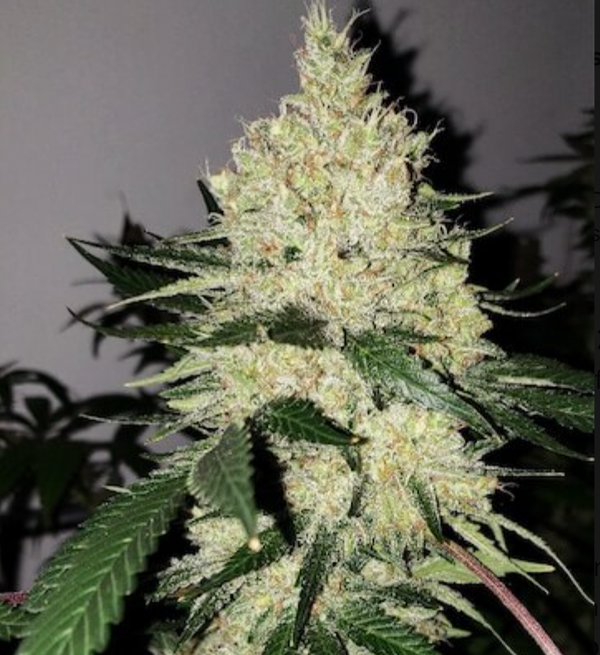
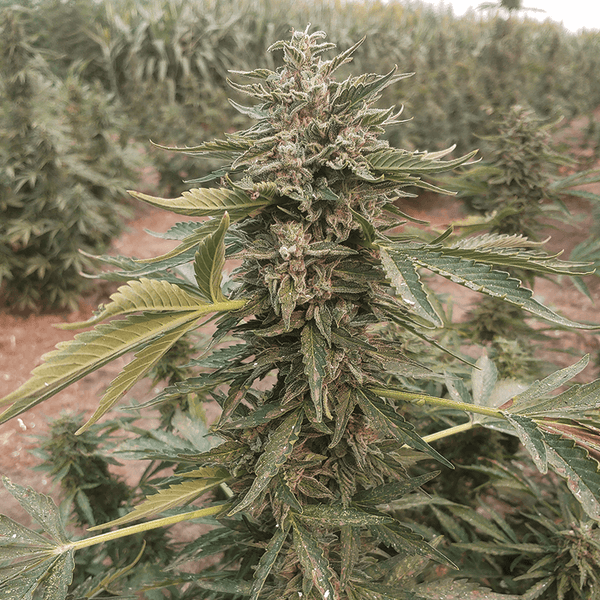
You’ve probably heard CBG called the “mother of all cannabinoids,” and for a good reason. It’s the chemical precursor from which other famous compounds like THC and CBD are made. So what happens when a plant is bred to hold onto its CBG? You get Type 4 cannabis. Through smart breeding, these plants are designed to halt the conversion process, producing flowers packed with CBG and minimal THC. This unique profile offers a clear-headed, non-psychoactive experience, opening up a new frontier for wellness. For cultivators, growing Type 4 Cannabis Seeds means tapping into the very source of the plant's power.
Key Takeaways
- Focus on CBG Without the High: Type 4 cannabis is defined by its high Cannabigerol (CBG) content and minimal THC. This offers a way to experience the plant's wellness properties without any intoxicating effects, making it a clear-headed alternative.
- Meet a Growing Market Demand: Cultivating Type 4 strains allows you to serve a unique market of consumers seeking non-intoxicating cannabis. The extremely low THC levels can also simplify regulatory compliance, making it a strategic addition to your garden.
- Prioritize Genetic Stability: The success of your CBG crop hinges on the quality of your seeds. Choosing genetically stable Type 4 seeds from a trusted source is the best way to guarantee consistent growth, predictable cannabinoid levels, and a high-quality final product.
So, What Exactly Are Type 4 Cannabis Seeds?
If you’ve been exploring the world of cannabis cultivation, you’ve likely heard about strains high in THC or CBD. But there’s another player gaining attention: Type 4 cannabis. So, what exactly is it? Type 4 cannabis seeds grow into plants that are dominant in a cannabinoid called Cannabigerol, or CBG. Think of CBG as the “mother” cannabinoid from which others, like THC and CBD, are synthesized. In Type 4 strains, this conversion process is naturally halted, resulting in plants with high levels of CBG and very low levels of both THC and CBD.
This unique cannabinoid profile sets Type 4 cannabis apart. It offers a different experience, one that isn’t defined by the psychoactive high of THC or the well-known effects of CBD. Instead, it carves out its own niche, appealing to cultivators and consumers interested in exploring the specific properties of CBG. For growers, cultivating Type 4 plants is an opportunity to diversify their gardens with something truly distinct. It's a chance to meet the growing demand for cannabinoid-rich, non-intoxicating options. If you're looking to expand your crop beyond the usual, exploring different cannabis seeds is a great place to start.
Decoding the Science of CBG-Dominant Strains
The buzz around CBG isn’t just hype; it’s backed by growing scientific interest. Early research suggests that CBG may have several therapeutic properties, including anti-inflammatory and pain-relieving effects. What makes it particularly appealing is that it delivers these potential benefits without the intoxicating high associated with THC. This makes CBG-dominant strains an excellent choice for people who want to experience the wellness aspects of cannabis without any psychoactive effects. As the industry continues to mature, the focus is expanding beyond THC and CBD to lesser-known cannabinoids like CBG, opening up new possibilities for both medicinal and recreational users.
The Role of CBD and THC Alleles
The genetic blueprint for a cannabis plant is written in its alleles. Think of these as tiny biological switches that act as a set of instructions, telling the plant which cannabinoids to produce. The genetic architecture of cannabinoid inheritance is fascinatingly complex, but it all comes down to this: in most strains, specific enzymes are programmed to convert CBG into either THC or CBD. This is why finding a naturally high-CBG plant in the wild is so rare. The plant’s default programming is to use CBG as a building block for other compounds, leaving very little of the "mother cannabinoid" behind in the final flower. It's a highly efficient process, but one that masks the full potential of CBG itself.
Type 4 strains are the result of intentional and sophisticated genetic selection. Breeders have meticulously identified plants with unique alleles that essentially turn off the enzymes responsible for that conversion process. This genetic quirk means the plant holds onto its CBG, resulting in a flower rich in the mother cannabinoid and extremely low in everything else. The stability of these genetics is absolutely key; it’s what ensures your feminized seeds will consistently produce the high-CBG, low-THC profile you’re looking for, harvest after harvest. This predictability is vital for meeting consumer demand for non-intoxicating options and is why starting with a trusted genetic source is so important for a successful and reliable outcome.
Type 4 vs. Other Strains: What's the Difference?
To really understand what makes Type 4 special, it helps to know how cannabis is classified. Scientists often categorize cannabis into five main chemotypes based on their dominant cannabinoids:
- Type I: High THC
- Type II: A balanced ratio of THC and CBD
- Type III: High CBD
- Type IV: High CBG
- Type V: Near-zero cannabinoids
Creating stable Type 4 genetics is more complex than simply crossing two plants. It requires sophisticated breeding techniques to isolate and stabilize the CBG-dominant trait, often by modifying the genes that would normally produce THC and CBD. This advanced genetic work is what makes innovative products like triploid cannabis possible and highlights the unique value of Type 4 seeds in the modern cannabis landscape.
Understanding Cannabis Chemotypes I, II, and III
When you're choosing seeds, you're essentially picking a chemotype. The first three types are the ones most growers are familiar with. Type I cannabis is what many people traditionally associate with marijuana; it’s bred for high THC content and delivers potent psychoactive effects. If you're looking to cultivate classic high-THC strains, you're working with Type I genetics. Type II offers a more balanced approach, containing a mix of both THC and CBD. This creates a milder experience, perfect for those who want the therapeutic qualities of both cannabinoids without an overwhelming high. Finally, Type III is all about CBD. These plants are bred to have high levels of CBD and minimal THC, making them ideal for producing wellness-focused, non-intoxicating products. Understanding these foundational types helps you better define your cultivation goals.
Beyond the Basics: Type IV, V, and Emerging Cannabinoids
While Types I, II, and III cover the most common ground, the world of cannabis genetics is much broader. As we've discussed, Type IV is defined by its high CBG content, offering unique, non-psychoactive properties. Then there's Type V, which is characterized by having virtually no cannabinoids at all. These plants are typically cultivated as industrial hemp for their fiber and grain rather than their flowers. The innovation doesn't stop there, either. Breeders are constantly pushing the envelope, developing new chemotypes rich in minor cannabinoids like THCV or CBC. This ongoing genetic exploration is what makes cultivation so exciting, opening the door for growers to experiment with plants that offer entirely new profiles and benefits beyond the familiar.
Why Grow and Use Type 4 Cannabis?
Type 4 cannabis is carving out a special place in the gardens of cultivators and the routines of wellness-focused users. These strains are all about maximizing Cannabigerol (CBG) while keeping THC levels exceptionally low, often below 1%. This unique cannabinoid profile makes Type 4 a game-changer. For growers, it represents a chance to serve a growing market of consumers who want the benefits of cannabis without the high. For users, it offers a clear-headed way to interact with the plant.
The appeal lies in its versatility. Because it’s non-intoxicating, Type 4 flower can be used any time of day without interfering with your focus or productivity. It’s an excellent choice for anyone curious about cannabis but wary of THC’s psychoactive effects. Growing these strains allows you to produce a unique, high-demand product that stands apart from the crowded THC-dominant market. Whether you’re cultivating for personal use or for sale, Type 4 genetics offer a rewarding and distinct experience.
Exploring the Therapeutic Benefits of CBG
Much of the excitement around Type 4 cannabis centers on the potential of its star cannabinoid, CBG. While research is still evolving, early studies are promising. Scientists are exploring CBG for its potential anti-inflammatory and pain-relieving properties, making it an interesting option for people looking for natural ways to manage discomfort. It’s often called the "mother of all cannabinoids" because it’s a precursor to other major cannabinoids like THC and CBD.
This makes Type 4 flower a compelling choice for those who want to experience the plant's potential therapeutic effects without any intoxicating sensations. Users often report a sense of calm and well-being. If you're interested in growing plants for wellness, you can explore our seed collections to find genetics that fit your goals.
Why Growers and Breeders Love Type 4
For cultivators, Type 4 strains open up a whole new market. These plants are perfect for growing cannabis products aimed at consumers who are not interested in psychoactive effects. This broadens your customer base significantly. Since Type 4 strains are relatively new to the scene, they also offer a fantastic opportunity for breeders and growers to innovate and establish themselves in an emerging niche.
The extremely low THC content is another major advantage. It can simplify compliance with regulations, especially for those growing industrial hemp, as Type 4 plants are less likely to exceed the legal THC threshold. This reduces risk and makes for a more predictable cultivation cycle, allowing you to focus on producing high-quality, CBG-rich flower for a market that's actively seeking it.
Enjoy Cannabis Without the High
The defining feature of Type 4 cannabis is that it’s non-psychoactive. With THC levels consistently under 1%, users don't experience the "high" associated with traditional marijuana. Instead, the effects are centered on the body and mind in a more subtle, functional way. This allows people to enjoy the potential benefits of cannabis while going about their daily activities, from working to running errands.
This makes Type 4 an incredibly accessible entry point for people new to cannabis or for those who are sensitive to THC. It provides a way to experience the plant's compounds without the cognitive effects that can sometimes cause anxiety or paranoia. By choosing to grow these unique strains, you can produce a product that offers clarity and calm, meeting the needs of a diverse audience.
Where to Find the Best Type 4 Cannabis Seeds
Finding the right seeds is the first and most critical step in your cultivation journey. When you’re looking for Type 4 cannabis, you’re seeking specific genetic traits—namely, high CBG content with minimal THC. The quality of your harvest depends entirely on the quality of the genetics you start with. That’s why choosing a reputable seed bank is so important. A trustworthy supplier provides genetically stable seeds, detailed strain information, and reliable customer support, setting you up for a successful grow from day one.
The market for cannabis seeds is vast, and it can be tough to know who to trust. A good seed bank doesn't just sell seeds; they are passionate about the plant and dedicated to genetic innovation and preservation. They invest in breeding programs, rigorous testing, and quality control to ensure every seed has the potential to become a healthy, high-yielding plant. Below is a list of respected seed banks where you can find high-quality Type 4 cannabis seeds. Each has its own strengths, so you can find the perfect match for your specific growing goals and preferences.
Trilogene Seeds
We specialize in developing unique and stable cannabis genetics, making us a premier choice for cultivators seeking reliable Type 4 seeds. Our focus is on innovation and quality, offering a curated selection of high-CBG, non-GMO strains. We are particularly proud of our pioneering triploid cannabis seeds, which are feminized and virtually seedless, eliminating the risk of pollination. This means you can expect a consistent, high-quality harvest of sinsemilla flower every time. For growers who value cutting-edge genetics and dependable performance, our catalog provides some of the most advanced options on the market.
Oregon CBD
Oregon CBD has built a stellar reputation as a leader in hemp genetics, with a strong focus on developing high-potency cannabinoid strains. They are a go-to source for growers looking for Type 4 seeds that are bred for exceptional CBG content while remaining compliant with low THC limits. Their commitment to research and development means their genetics are consistent and reliable, which is a huge plus for both commercial farmers and medicinal home growers. If you’re looking for proven genetics from a trusted name in the hemp industry, Oregon CBD is an excellent place to start your search.
Seedsman
As one of the most established seed banks in the world, Seedsman offers an incredibly diverse catalog that includes a solid selection of Type 4 varieties. What makes them a great resource is the sheer amount of information they provide. You can find detailed strain descriptions, cultivation notes, and customer reviews to help you make a well-informed decision. They cater to all types of growers by offering both feminized and regular seeds, giving you the flexibility to choose what works best for your setup. Their extensive library of genetics makes them a valuable hub for any cultivator.
Humboldt Seed Company
Humboldt Seed Company is deeply rooted in California's legendary cannabis culture and is renowned for its premium genetics, especially those bred for outdoor cultivation. They offer a selection of Type 4 seeds that are known for their resilience, vigor, and impressive yields. If you’re an outdoor grower, their strains are particularly appealing because they are developed to withstand various environmental challenges while producing top-quality flower. Their commitment to natural farming practices and breeding for specific desirable traits has made them a favorite among cultivators who prioritize both quality and durability.
Dutch Passion
A true pioneer in the cannabis industry, Dutch Passion has been at the forefront of genetic innovation for decades. They were one of the first seed banks in Europe and continue to lead with their high-quality breeding techniques. They offer a variety of Type 4 seeds that are specifically bred for high concentrations of cannabinoids like CBG and CBD, with consistently low THC levels. Growers turn to Dutch Passion for their genetic stability and the predictable, reliable results their seeds deliver. Their long-standing reputation for quality makes them a trustworthy source for any type of cannabis seed.
CBD Crew
As their name suggests, CBD Crew is a collective of breeders who specialize in creating medicinal cannabis strains with high CBD and CBG content. Their work is dedicated to developing genetics that offer clear therapeutic benefits without strong psychoactive effects. Their Type 4 seeds are designed for stability and consistency, ensuring that growers can achieve predictable cannabinoid profiles. They focus on creating robust plants that perform well in a range of growing conditions, making them an excellent choice for cultivators focused on the wellness applications of cannabis.
Charlotte's Web
Charlotte's Web is arguably one of the most famous names in the CBD space, known for the high-CBD, low-THC strain that brought medicinal cannabis into the mainstream spotlight. While primarily known for their finished CBD products, they also provide access to their world-renowned genetics. Their seeds are bred specifically for therapeutic use, making them a top choice for individuals seeking the health benefits of cannabinoids like CBG and CBD without the high. Their story and commitment to quality have made them a symbol of the wellness potential of the cannabis plant.
How to Choose the Right Type 4 Seeds
Once you’ve decided to grow Type 4 cannabis, the next step is picking the right seeds for your garden. It’s easy to assume all CBG seeds are the same, but the reality is that quality and genetics can vary wildly. Making a thoughtful choice here is the first step toward a healthy, high-yielding harvest. Think about what you want to achieve, the specifics of your grow space, and the kind of experience you’re looking for. By considering a few key factors, you can confidently select seeds that will thrive in your care and deliver the results you expect.
How to Spot a Quality Seed
First, let’s talk about what a quality seed looks and feels like. A healthy, viable seed is typically dark brown or gray, sometimes with mottled patterns. It should feel hard and firm when you gently press it between your fingers. If it’s pale, greenish, or crushes easily, it’s likely immature and won’t germinate. Beyond the physical traits, the real quality lies in the genetics. Reputable breeders provide seeds that produce consistent and uniform plants. This means you can expect predictable traits like plant height, flowering time, and bud structure, which makes managing your crop so much easier. When you shop for seeds, look for detailed descriptions that give you confidence in the plant’s future performance.
Germination Rates as a Quality Indicator
Beyond how a seed looks or feels, its ability to sprout is the ultimate test of quality. A high germination rate is a direct sign of stable genetics, proper preservation, and overall seed health. While visual cues like a dark, waxy shell and a firm feel are good starting points, they don't tell the whole story. The real proof is in the germination process. Reputable breeders invest heavily in creating stable genetics because they know that a successful harvest begins with a successful sprout. This commitment ensures you aren't wasting time, money, or resources on seeds that won't perform. When you choose high-quality feminized seeds from a trusted source, you're investing in the highest possible chance of germination and a garden full of healthy, thriving plants.
Why Genetic Stability Matters
Genetic stability is everything when it comes to getting the plant you were promised. Different seeds carry unique genetic codes that determine everything from growth patterns and yield to potency and cannabinoid profiles. When you choose a strain with stable genetics, you’re ensuring the plant will reliably express its advertised traits—most importantly, its high CBG content. Unstable or poorly bred seeds can be a gamble, potentially leading to inconsistent growth, lower-than-expected CBG levels, or even an unwelcome spike in THC. At Trilogene, we pour our energy into genetic innovation, developing powerful options like triploid cannabis to guarantee stable, predictable, and high-performing plants for your garden.
Indoor vs. Outdoor: Which Is Right for Your Grow?
Where you plan to grow is a major factor in choosing the right seed. It’s crucial to pick a strain that’s compatible with your environment and your ability to manage its needs. If you’re growing indoors, you have complete control over light, temperature, and humidity, which is perfect for getting the most out of your plants. Just be sure to check the strain’s expected height and shape to ensure it fits your tent or room. We have a great selection of indoor cannabis seeds bred specifically for these controlled environments. For outdoor growers, resilience is key. You need a strain that can handle your local climate, whether it’s intense heat, high humidity, or a short growing season. Look for genetics known for their hardiness and resistance to pests and mold to give your crop the best chance of success.
Check THC and CBD Levels Before You Buy
While Type 4 cannabis is defined by its high CBG content, it’s still wise to check the full cannabinoid profile before you buy. By law and definition, these seeds will produce plants with THC levels below 0.3%, so you don’t have to worry about psychoactive effects. However, the trace amounts of other cannabinoids and the unique terpene profile can influence the overall experience. Just as with other cannabis types, some terpene profiles can produce more relaxing effects, while others might feel more uplifting or focusing. A detailed strain description or a certificate of analysis (COA) can give you insight into these nuances, helping you choose a strain that aligns perfectly with your wellness goals. Checking out new releases is a great way to find the latest genetics with detailed profiles.
Exploring Unique and Legendary Cannabis Genetics
The world of cannabis genetics is incredibly deep and full of surprises. While many conversations center on THC and CBD levels, there’s a whole universe of unique traits, legendary histories, and groundbreaking innovations waiting to be discovered. For cultivators, moving beyond the basics and understanding these special genetics is where the real craft begins. It’s about appreciating the art and science that goes into creating a plant with a specific look, a rare cannabinoid profile, or a lineage that traces back to the pioneers of the industry. These aren't just interesting facts; they are clues that can help you select the perfect seeds for your garden. Exploring these unique and legendary strains allows you to connect with the rich history of cannabis while also pushing the boundaries of what you can grow. It’s an invitation to cultivate something truly special, a plant that tells a story through its very DNA.
The World of "Mutant" Cannabis Strains
The word "mutant" might sound a little strange, but in the world of cannabis, it simply refers to a plant that displays a rare and unusual genetic trait. These aren't lab accidents; they are natural variations that breeders can isolate and stabilize to create entirely new types of cannabis. These mutations can affect a plant's appearance, like the shape of its leaves, or its chemical profile. For example, Type 4 cannabis is a perfect example of a functional "mutant." It has been specifically bred to halt the process that converts CBG into other cannabinoids, resulting in a plant that is rich in CBG with almost no THC. These unique genetics open up exciting new possibilities for growers and consumers alike.
Notable Mutant Varieties and Their Traits
Beyond cannabinoid profiles, some of the most famous mutant strains are known for their distinctive looks. Ducksfoot, for instance, gets its name from its webbed leaves that look nothing like traditional cannabis, making it a great choice for stealthy outdoor grows. Another example is Australian Bastard Cannabis (ABC), which grows like a shrub with small, non-serrated leaves. But the most exciting mutations are often functional, like the high-CBG profile of Type 4 cannabis. These strains aren't just novelties; they represent a new frontier in breeding, offering unique benefits and allowing cultivators to grow plants with highly specific and desirable characteristics.
Legendary Strains and Their Creators
Behind every legendary cannabis strain is a story, and often, a dedicated breeder who poured their passion and expertise into its creation. These industry pioneers are the artists and scientists who have shaped the genetic landscape we know today. They spent years, sometimes decades, hunting for unique plants, crossing genetics from around the world, and stabilizing traits to produce iconic strains that have stood the test of time. Understanding the work of these creators gives you a deeper appreciation for the seeds you grow. It connects you to a lineage of quality and innovation, reminding you that the best genetics are born from a relentless pursuit of excellence.
Industry Pioneers like Arjan Roskam
When you talk about cannabis legends, it’s hard not to mention Arjan Roskam. Known as the "King of Cannabis," Roskam is a central figure in the Amsterdam cannabis scene and the founder of the famous Green House Seed Company. He and his team of strain hunters have traveled the globe searching for rare landrace genetics to use in their breeding programs. His work has not only produced some of the world's most celebrated strains but has also helped preserve valuable genetic diversity. Pioneers like Roskam have been instrumental in transforming cannabis cultivation from an underground hobby into a sophisticated global industry.
Iconic Strains and Their Lineage
The genius of a breeder like Arjan Roskam is clear when you look at the strains he’s created. One of his most famous is Super Lemon Haze, a sativa-dominant hybrid that became an instant classic for its zesty flavor and energetic effects. This strain wasn't a happy accident; it was the result of a deliberate cross between Lemon Skunk and Super Silver Haze. By combining the distinct traits of these two parent strains, he created something new and exceptional. Understanding a strain's lineage is key for growers, as it provides clues about its potential growth patterns, flavors, and effects, helping you select the best feminized seeds for your garden.
Award-Winning Genetics and What They Mean
In the cannabis world, awards like the High Times Cannabis Cup are a big deal. They serve as a seal of approval from industry experts, recognizing strains that excel in potency, flavor, aroma, and overall quality. When a strain consistently wins awards, it’s a clear sign that its genetics are stable, reliable, and top-tier. Arjan Roskam’s creations, for example, have won more than 30 Cannabis Cups, a testament to the quality of his breeding work. For a cultivator, choosing seeds with an award-winning pedigree is a smart move. It means you’re investing in proven genetics that have already been celebrated for their outstanding performance, giving you a head start on growing a truly exceptional crop.
Your Quick Guide to Growing Type 4 Cannabis
Growing Type 4 cannabis is an exciting project that puts you at the forefront of cannabis cultivation. Because these plants are bred specifically for high CBG content, they have some unique needs. But don't let that intimidate you. With a bit of attention to detail, you can successfully cultivate these incredible strains and reap the rewards of a CBG-rich harvest.
Think of it like baking a specialty cake instead of a simple batch of cookies—it just requires a little more precision. To get the best results, you’ll want to focus on three key areas: creating the perfect environment, timing your harvest just right, and staying ahead of any potential growing pains. Let’s walk through how you can set your Type 4 plants up for success from seed to harvest.
Understanding Your Plant's Needs
Just like any other plant in your garden, Type 4 cannabis has its own set of preferences. The good news is that the core principles of cultivation are the same. Success comes down to understanding and responding to your plant's specific needs. Think of it as learning its language. By paying close attention to its requirements for light, nutrients, and its environment, you can guide it toward a healthy and abundant harvest. It’s crucial to pick a strain that’s compatible with your environment and your ability to manage its needs. This proactive approach not only prevents common growing pains but also ensures your plants can focus their energy on producing high levels of CBG, which is the ultimate goal.
Photoperiod vs. Autoflower Seeds
One of the first decisions you'll make is whether to grow photoperiod or autoflower plants. The main difference lies in how they begin to flower. Photoperiod strains rely on a change in the light cycle, typically switching to 12 hours of darkness to trigger their flowering phase. This gives you more control over the plant's size, as you can keep it in the vegetative stage for as long as you like. On the other hand, autoflower seeds are bred to flower automatically after a certain number of weeks, regardless of the light schedule. This makes them a fantastic choice for beginners, growers with limited space, or anyone looking for a quicker harvest from seed to finish.
Matching a Strain to Your Skill Level
It’s important to be honest about your experience level when choosing a strain. Some genetics are more forgiving and resilient, making them ideal for beginners who are still learning the ropes. These strains can bounce back from minor mistakes in watering or feeding. More advanced or "finicky" strains might require precise environmental controls and a dialed-in nutrient regimen to truly flourish. When you browse for seeds, pay close attention to the breeder’s notes. They often indicate the difficulty level and provide tips for that specific strain. Choosing a plant that matches your skill set will make the entire process more enjoyable and increase your chances of a successful, high-quality harvest.
Creating the Ideal Growing Environment
Your growing environment is where you have the most influence over your plant's health and final yield. When you’re growing indoors, you have complete control over light, temperature, and humidity, which is perfect for getting the most out of your plants. Type 4 cannabis thrives in a stable environment with temperatures between 70-80°F and humidity levels that adjust as the plant matures—higher for seedlings and lower during flowering. Good air circulation is also essential to prevent mold and strengthen stems. Whether you’re using a grow tent or a dedicated room, investing in quality equipment to manage these factors will pay off by reducing plant stress and maximizing CBG production in your indoor garden.
Setting Up Your Grow for Maximum CBG
To get the most CBG from your Type 4 plants, you need to give them an environment where they can truly flourish. These strains are sensitive and perform best under specific, controlled conditions. Your main focus should be on temperature, humidity, and light exposure. Keeping these factors stable encourages the plant to direct its energy toward producing CBG. For growers who want maximum control, starting with indoor cannabis seeds is a great way to manage the environment precisely. Aim for a consistent, moderate climate without extreme fluctuations, as this stability is what signals the plant to maximize its CBG potential.
Advanced Training Techniques like ScrOG
To really maximize your harvest, consider an advanced training technique like ScrOG, or "Screen of Green." This method involves placing a screen above your plants and gently weaving their branches through the grid as they grow. The goal is to create a flat, even canopy where every single bud site gets optimal light exposure. This approach not only helps you maximize your yield but also encourages the growth of uniform, high-quality buds. The open structure also dramatically improves airflow around the plant, reducing the risk of mold and keeping your valuable CBG crop healthy. It’s a hands-on technique that’s especially rewarding when you start with reliable feminized seeds and want to ensure every plant reaches its full potential.
Harvesting and Processing Tips for More CBG
Timing is everything when it comes to harvesting Type 4 cannabis. CBG is the parent cannabinoid that eventually converts into others like THC and CBD. If you wait too long, that precious CBG will be gone. The goal is to harvest just before the plant reaches full maturity, when CBG levels are at their absolute peak. You’ll want to watch the trichomes closely, but unlike harvesting for THC, you’re looking for a sea of milky-white heads before they start turning amber. Using genetically stable feminized seeds helps, as they provide more uniform flowering times across your crop, making it easier to pinpoint that perfect harvest window.
Timing Your Harvest for Optimal Yield and Potency
When it comes to harvesting Type 4 cannabis, your timing makes all the difference. Unlike THC-rich strains where you might wait for amber trichomes, harvesting for CBG requires you to act sooner. This is because CBG is the precursor cannabinoid; if you let the plant mature for too long, it will convert its CBG into other compounds like THC and CBD, and you'll lose the very thing you worked so hard to cultivate. The sweet spot is right before the plant hits full maturity. You'll want to use a jeweler's loupe to inspect the trichomes, looking for a field of milky-white heads. Once you start seeing them turn amber, the conversion process has begun. Choosing genetically stable seeds, like reliable autoflower seeds, can give you a more uniform flowering window across your crop, making it much easier to pinpoint this perfect moment for harvest.
Overcoming Common Growing Pains
Every grower faces challenges, but preparation is your best defense. The first step is choosing seeds that are a good match for your specific setup and climate. Whether you need resilient outdoor marijuana seeds or a strain tailored for an indoor tent, starting with the right genetics prevents a lot of headaches. Keep a close eye on your plants for common issues like pests, mold, or nutrient deficiencies. Addressing these problems the moment you spot them will protect your yield and the quality of your CBG-rich flower. A healthy, stress-free plant is a productive one, so a little vigilance goes a long way.
What Do Type 4 Cannabis Seeds Cost?
When you're ready to start growing Type 4 cannabis, one of the first questions you'll have is about the cost. The price of seeds can vary quite a bit, and it’s helpful to understand what you’re paying for. Think of it as the most important investment in your final harvest—the quality of your seeds directly impacts the health of your plants and the potency of your final product. While it might be tempting to go for the cheapest option, experienced growers know that premium seeds are worth the price. You're not just buying a seed; you're buying carefully selected genetics that promise vigorous growth, high germination rates, and a consistent, CBG-rich profile.
On average, you can expect to pay around $80 for a standard pack of 10 regular Type 4 seeds, but this is just a baseline. Prices are influenced by several key factors. The reputation of the breeder, the stability and rarity of the strain's genetics, and the type of seed all play a significant role. For instance, feminized seeds, which are bred to produce only female plants, will typically cost more than regular seeds. Likewise, autoflowering varieties that flower based on age rather than light cycle may also have a different price point. Understanding these variables will help you make an informed decision that aligns with both your budget and your cultivation goals.
What's the Average Price for Type 4 Seeds?
Let's get more specific with pricing. As mentioned, a baseline for a 10-pack of regular Type 4 seeds is often in the $80 range. Regular seeds give you a mix of male and female plants, which is ideal for breeding projects but requires you to identify and remove the males for a sinsemilla (seedless) harvest. Feminized seeds might cost closer to $100-$150 or more for a 10-pack, but they offer peace of mind by ensuring every plant is a flower-producing female. Autoflower seeds can have similar pricing, valued for their quick turnaround time. Always compare the cost per seed to get a true sense of value, especially when buying different pack sizes.
Is Growing Your Own Cost-Effective?
So, is it actually cheaper to grow your own Type 4 cannabis? While there's an upfront investment for your setup—lights, soil, and nutrients—the long-term savings are significant. Think about it this way: a single high-quality plant can yield several ounces of CBG-rich flower. Compare the cost of one seed and some supplies to the price of buying that much finished product from a dispensary, and the math speaks for itself. The initial investment in equipment pays for itself after just one or two successful harvests, making each subsequent grow even more affordable.
The key to making it cost-effective is starting with quality genetics. It might feel counterintuitive to spend more on seeds when you're trying to save money, but a cheap seed that fails to germinate or produces a tiny yield is a wasted investment. When you purchase premium seeds, you're paying for a high germination rate and the genetic promise of a healthy, productive plant. This ensures your time, effort, and resources result in a bountiful harvest that far outweighs the initial cost. You can often find great value by checking out seeds on sale from trusted breeders, giving you top-tier genetics at a more accessible price point.
What Influences a Seed's Price?
The price tag on a cannabis seed tells a story about its origins. The primary driver is the genetic work behind it. Breeders spend years stabilizing strains to ensure desirable traits are consistently expressed, from high CBG content and specific terpene profiles to mold resistance and high yields. This research and development is a significant cost. A breeder's reputation for producing reliable, high-quality seeds also adds value. When you purchase from a well-regarded source, you're paying for the assurance that your seeds will germinate and grow into healthy, productive plants. Essentially, a higher price often reflects a lower risk and a greater potential for a successful harvest.
How to Find Deals and Promotions
Investing in quality seeds is smart, but that doesn't mean you can't find a good deal. Being a savvy shopper can save you a lot. The easiest way to get a discount is by signing up for email newsletters from seed banks you trust; they often provide a welcome code for 10-20% off your first purchase. It's also wise to keep an eye on the website for seasonal events, like 4/20 or Black Friday sales. Many suppliers offer bulk pricing, so if you're planning a large grow, buying more at once can lower the cost per seed. Finally, don't forget to browse the sale seeds section for last-chance deals on excellent genetics.
What Are Growers Saying?
Theory and science are great, but what really matters is how these seeds perform in the real world. When you’re investing time and resources into a crop, you want to know what to expect. So, let's look at what fellow growers and users are saying about their experiences with Type 4 cannabis, from the grow room to the final product. The feedback from the community offers valuable insight into what makes these strains special.
Honest Feedback from the Growing Community
One of the most common points of feedback from the community is how unique Type 4 strains are to cultivate. Growers often note that these plants produce rich, resinous flowers with virtually no THC, which is a game-changer for those targeting the CBG market or growing in areas with strict THC regulations. Beyond the cannabinoid profile, cultivators also report a high degree of consistency when working with quality genetics. Predictable traits like uniform plant height, consistent flowering times, and reliable bud structure are crucial for managing a successful crop, whether you have a few plants or a few acres. This reliability simplifies everything from planting to harvest.
What Effects and Results Are People Seeing?
When it comes to the effects, the feedback is just as positive. People using CBG-dominant flower often report a sense of calm and focus without any of the intoxicating effects associated with THC. Many are turning to Type 4 strains for their reported anti-inflammatory and pain-relieving properties, finding them helpful for managing day-to-day wellness. The consensus is a clear-headed, functional experience that supports well-being. This makes CBG an appealing option for daytime use or for anyone who wants the therapeutic benefits of cannabis without the high, allowing them to stay productive and present.
Are Type 4 Seeds Legal? A Look at the Future
Figuring out the legal side of cannabis can feel like trying to hit a moving target, but it’s a crucial part of being a responsible grower. The rules around cannabis seeds, especially low-THC varieties like Type 4, are constantly evolving. Staying informed helps you cultivate with confidence and understand where the industry is headed.
For growers, this means keeping an eye on both federal and state regulations, as they can differ significantly. The good news is that the general trend is toward greater acceptance and clearer guidelines, especially for hemp and its derivatives. This shift is opening up exciting new possibilities for research, breeding, and cultivation, putting innovative strains like Type 4 in the spotlight. Let’s look at the current rules and what the future might hold.
What Are the Current Rules in the US?
In the United States, the legal status of Type 4 seeds hinges on the 2018 Farm Bill. This landmark legislation federally legalized hemp, defining it as cannabis containing less than 0.3% THC by dry weight. Since Type 4 seeds are specifically bred for low THC and high CBG content, they generally fall under this legal definition of hemp, making them legal to buy, sell, and possess. This has been a game-changer for cultivators interested in exploring cannabinoids beyond THC and CBD.
However, it's important to remember that the legal landscape is not set in stone. State laws can vary, and there are ongoing conversations at the federal level about how to regulate cannabis seeds more broadly. Staying updated on both local and national rules is key to ensuring you remain compliant. For now, you can confidently explore high-quality industrial hemp seeds that meet the federal guidelines.
Understanding Seed Purchase Disclaimers
When you buy seeds, you’ll often see a disclaimer at the bottom of the page. It’s easy to scroll past this text, but it’s worth a quick read. These disclaimers aren’t just legal jargon; they set clear expectations about what you’re purchasing. They often state that while the seeds have specific genetic potential—like high CBG content—the final results depend on your cultivation practices. This is where genetic stability comes into play. A reputable breeder provides stable genetics but acknowledges that your growing environment and skill are part of the equation. The disclaimer also serves as a reminder that it's your responsibility to know and follow the cultivation laws in your area. Think of it less as a warning and more as a sign of a transparent company that wants you to be an informed and successful grower. Starting with reliable feminized seeds from a trusted source is the best way to ensure your investment pays off.
How International Laws Compare
Once you look beyond the US, the rules for cannabis seeds become a complex patchwork of different laws. Some countries have fully embraced legal, regulated cannabis markets, while others maintain strict prohibitions. Canada, for example, has a well-established legal framework under its Cannabis Act, which allows for the sale and distribution of seeds that meet specific requirements. This has created a stable market for both growers and consumers.
On the other hand, many nations still classify cannabis seeds as illegal substances, regardless of their THC content. This variability makes it essential for anyone operating in the global market to do their homework. Understanding where cannabis seeds are legal is the first step for any grower or distributor with international ambitions. As global attitudes toward cannabis continue to shift, we can expect to see more countries adopting regulated systems.
What's Next for Type 4 Research and Trends?
The future for Type 4 cannabis is incredibly bright, driven by both scientific curiosity and growing consumer demand. Researchers are just beginning to scratch the surface of CBG's potential, and regulatory bodies like the FDA have expressed support for more scientific research into cannabis-derived products. This paves the way for more robust studies, clearer regulations, and potentially even new product approvals down the line.
As more people seek out non-psychoactive cannabis options for wellness, we can expect to see a surge in breeding programs dedicated to optimizing Type 4 genetics. This means we'll likely see new strains with even higher CBG concentrations, unique terpene profiles, and improved agricultural traits. Companies are constantly innovating, so it’s always a good idea to check out new releases to stay on top of the latest advancements in CBG-dominant cannabis.
Common Myths About Type 4 Cannabis, Debunked
As with any exciting development in the cannabis world, a lot of chatter and misinformation can follow. When you’re investing your time, money, and effort into a grow, you need clear, accurate information. Let’s cut through the noise and set the record straight on some of the most common myths surrounding cannabis seeds, so you can cultivate with confidence.
We'll look at the facts behind seed genetics and what really matters when you're choosing the foundation for your next crop. Getting this right from the start is the first step toward a healthy, successful harvest.
Type 4 Myths vs. Facts
One of the biggest misconceptions we hear is that feminized seeds are genetically modified organisms (GMOs). This simply isn't true. Creating feminized seeds is a process that relies on natural breeding techniques. Growers carefully stress a female plant to encourage it to produce pollen. This pollen, which only contains female chromosomes, is then used to pollinate another female plant. The result is a batch of seeds that are 99%+ female—no genetic modification required.
Another common myth is that all cannabis seeds look and perform the same. In reality, seeds vary quite a bit, and their appearance can tell you a lot about their viability. High-quality, mature seeds are typically dark, firm to the touch, and may have striped or mottled patterns. Pale, small, or soft seeds are often immature and less likely to germinate. Understanding these quality indicators helps you avoid duds and start your grow with the strongest possible genetics.
The Real Deal on Genetics and Growing
It’s also a mistake to think that all feminized seeds are created equal. The quality and stability of the parent plants make all the difference. In the past, some breeders produced feminized seeds using plants with natural intersex traits, which could pass on that instability to the offspring. Reputable seed banks today use reliable methods with genetically stable female plants to ensure consistent, high-performing seeds without undesirable traits. This is why knowing your breeder is so important.
Ultimately, the quality of your seed is the foundation of your entire cultivation project. Starting with a weak or genetically unstable seed is like building a house on shaky ground. The genetics within that tiny shell dictate your plant's potential for vigor, cannabinoid production, and overall health. Choosing premium cannabis seeds from a trusted source gives you the best possible start and dramatically increases your chances of a successful and rewarding harvest.
Related Articles
- Top CBG Seed For Sale: Buyer's Guide 2025
- Benefits of Growing CBG Cultivars
- The Ultimate Guide to Autoflower Seeds
- Growing Cannabis at Home Guide
- 5 Best THCV Strains for Energy & Focus
Frequently Asked Questions
What’s the real difference between growing a high-CBG plant versus a high-CBD one? Think of it less about the day-to-day care and more about the harvest timing. Both Type 3 (CBD) and Type 4 (CBG) plants are grown similarly, but the key difference is that CBG is a precursor cannabinoid. This means it converts into other cannabinoids like THC and CBD as the plant matures. To get a CBG-rich harvest, you have to be precise with your timing and harvest before that conversion happens. With CBD, you have a much wider window because it's a more stable, final compound.
Is growing Type 4 cannabis really legal? Yes, for the most part. Thanks to the 2018 Farm Bill, cannabis containing less than 0.3% THC is federally defined as legal hemp. Since Type 4 seeds are specifically bred to produce plants that fall well below this THC threshold, they are generally legal to buy and cultivate in the United States. However, state laws can have their own specific rules, so it's always a smart move to double-check your local regulations before you start planting.
Are Type 4 plants more difficult to grow than other cannabis types? They aren't necessarily more difficult, but they do appreciate more precision. Because you're trying to maximize a less stable cannabinoid (CBG), these plants thrive in a controlled and consistent environment. Sudden swings in temperature or humidity can stress the plant and affect its final cannabinoid profile. Starting with strong, stable genetics is the most important step you can take, as it makes the entire process much more predictable and manageable.
What does the experience of using CBG flower actually feel like? The defining characteristic is what you don't feel. There is no intoxicating high or mental fog that you get from THC. Instead, users often describe the effects as a subtle sense of calm, clarity, and physical ease. It’s a very functional experience that can help soothe the body and focus the mind without interfering with your day. It’s perfect for anyone who wants to experience the wellness aspects of the plant while staying completely clear-headed.
Since CBG is a precursor, how do I make sure I harvest it at the right time? This is the most critical part of growing Type 4 cannabis. You need to harvest when CBG levels are at their peak, right before the plant starts converting it into other cannabinoids. The best way to do this is by watching the trichomes with a jeweler's loupe. Unlike harvesting for THC where you might wait for some amber, for CBG you want to harvest when the trichomes are all milky or cloudy white. This indicates peak maturity for CBG production.