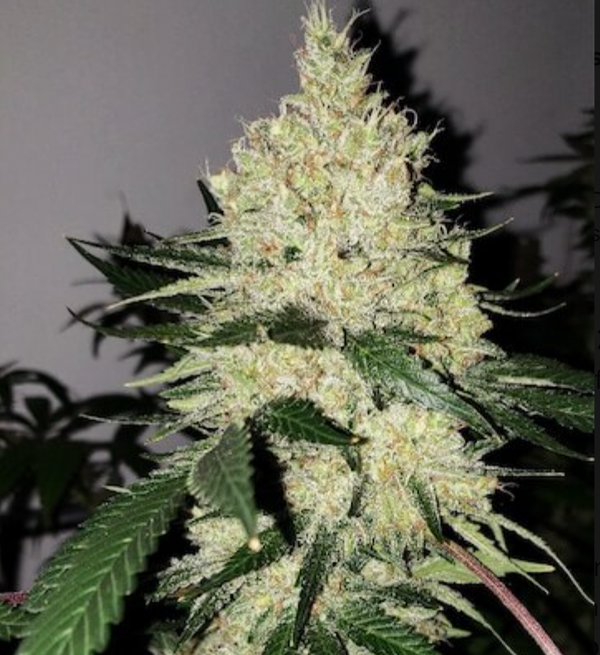
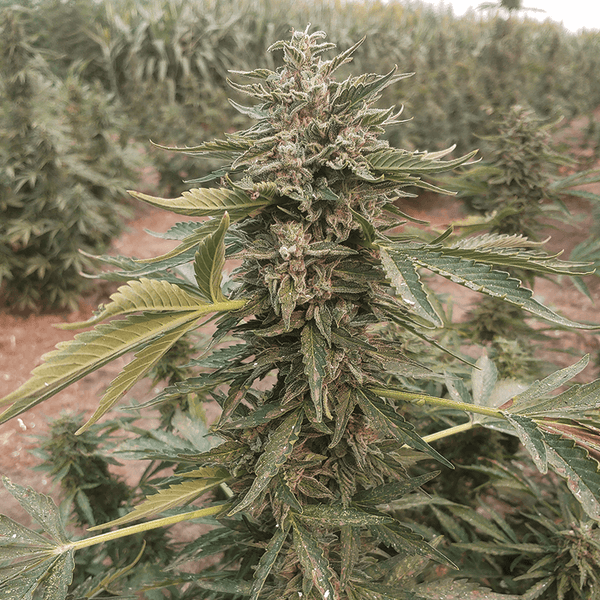
Think of the cannabis plant as a tiny chemical factory. It all starts with CBG-A, the "mother cannabinoid" that later becomes THC-A and CBD-A. The catch? Most strains convert nearly all of it, leaving very little CBG behind. That's what makes growing it so special—you're capturing that foundational compound at its peak. To do this, you need genetics that stop the conversion process, creating flowers rich in CBG. This guide will show you exactly how to select the best CBG seeds and dial in your environment for a harvest packed with this incredible cannabinoid.
Key Takeaways
- Grow CBG for Its Unique Value: As the non-psychoactive "mother cannabinoid," CBG is a sought-after compound with a less saturated market than CBD, offering a great opportunity to diversify your crop and increase its overall value.
- Prioritize Quality Genetics for a Successful Harvest: Your final crop is only as good as your starting seeds. Choose a reputable supplier that provides stable genetics and third-party lab tests to guarantee high CBG content and crop consistency.
- Time Your Harvest to Maximize CBG Content: Unlike other cannabis varieties, CBG must be harvested early—typically one to two weeks sooner than a THC strain. This timing is critical to capture the cannabinoid at its peak before it converts into THC and CBD.
Ready to Grow? An Intro to CBG Seeds
If you’ve been growing cannabis for a while, you’re probably very familiar with THC and CBD. But there’s another cannabinoid gaining serious attention from cultivators and consumers alike: CBG. Growing CBG-dominant strains can diversify your garden and open up new opportunities, whether you’re growing for personal use or for the market. Let's break down what CBG is and why it might be the perfect addition to your next cultivation cycle.
First Things First: What is CBG?
Think of Cannabigerol (CBG) as a foundational building block in the cannabis plant. It’s a non-intoxicating cannabinoid that’s getting noticed for its unique properties. Early research suggests it has potential anti-inflammatory and anti-bacterial benefits, making it a point of interest in the wellness community. In most cannabis strains, CBG is present in very small amounts because the plant quickly converts it into other cannabinoids like THC and CBD. That’s what makes growing from dedicated CBD seeds and CBG-rich varieties so important—these genetics are specifically bred to produce high levels of CBG, giving you a harvest rich in this sought-after compound.
CBG vs. CBD vs. THC: What's the Difference?
The first question most people ask is, "Will CBG get me high?" The answer is a clear no. Unlike THC, CBG is non-psychoactive. It’s often called the "mother of all cannabinoids" for a simple reason: it’s the precursor from which other major cannabinoids are synthesized. In a young cannabis plant, CBG is abundant. As the plant matures, enzymes convert it into THC, CBD, and other minor cannabinoids. This is why strains bred for high CBG content often have very low levels of THC and CBD—the conversion process is intentionally limited. This makes it distinct from both high-THCA seeds and CBD-focused varieties.
Why You'll Love Growing Your Own CBG
So, why should you make space for CBG in your garden? The biggest reason is market demand and value. CBG is a newer frontier, and its novelty and therapeutic potential make it a high-value crop. For commercial growers, this can mean significantly higher returns compared to the more saturated CBD market. Some farmers have reported earning much more for their CBG biomass. For the home grower, cultivating CBG offers a chance to experiment with unique cannabinoid profiles for personal wellness. By choosing innovative genetics like Triploid cannabis seeds, you can ensure a stable, high-quality harvest that stands out.
Why Specialty Seeds Matter: Unlocking High CBG Content
Achieving a harvest rich in CBG isn't something that happens by chance; it’s a direct result of intentional genetics. Most cannabis strains are naturally programmed to convert their foundational CBG into other compounds like THC and CBD as they mature. To get a crop loaded with CBG, you need seeds that have been specifically bred to interrupt this natural conversion process, essentially freezing the cannabinoid profile at the perfect moment. This is why the quality of your starting material is absolutely critical. The potential of your final harvest is determined from the moment you select your seeds, making it the most important decision in your entire cultivation journey.
This is exactly why sourcing from a reputable supplier is a must. You’re not just buying seeds; you're investing in stable genetics and predictable results. When you start with premium, lab-tested feminized seeds, you're setting yourself up for a consistent crop that produces the cannabinoid profile you want. These specialized genetics also influence key aspects of the grow cycle, like harvest timing. For CBG, this typically means harvesting one to two weeks earlier than you would for a THC-heavy strain, allowing you to capture the cannabinoid at its absolute peak before it has a chance to change.
Potential Benefits and Uses of CBG
Once you've successfully harvested your CBG-rich flower, you get to explore its unique properties. While the science is still developing, early findings and user reports are highlighting what makes this cannabinoid so special. From its interaction with our bodies to the various ways you can use it, understanding the potential of CBG can help you make the most of your grow. Let's look at what makes this compound a valuable addition to any wellness routine.
How CBG Interacts with the Body
CBG is a non-intoxicating cannabinoid that’s getting noticed for its unique properties. It works by interacting with your body's endocannabinoid system (ECS), a complex network of receptors that helps regulate things like mood, pain, and appetite. Unlike THC, it doesn't produce a "high," which makes it appealing for people seeking therapeutic benefits without psychoactive effects. Early research suggests it has potential anti-inflammatory and anti-bacterial benefits, making it a point of interest in the wellness community. This unique interaction is why so many cultivators are excited to grow CBG and explore its distinct contributions to their cannabis garden.
Comparing the Benefits of CBG and CBD
While both CBG and CBD are non-psychoactive, they aren't the same. CBG is often called the "mother of all cannabinoids" for a simple reason: it’s the precursor from which other major cannabinoids are synthesized. In its raw form, it offers a different set of potential benefits than CBD. While CBD is widely known for its calming effects, some users report that CBG provides a more focused and energizing experience. The best way to understand the difference is to try them for yourself, as everyone's body chemistry is unique. Growing both high-CBG strains and dedicated CBD seeds can give you a full spectrum of non-intoxicating cannabinoids to work with.
Harnessing the Entourage Effect
You don't have to choose between CBG and CBD. In fact, many people use CBG and CBD together to get more benefits, which is called the "entourage effect." This theory suggests that cannabinoids work better together than they do alone, creating a synergy that enhances their individual properties. By combining different cannabinoid profiles, you can create a more balanced and comprehensive effect. This is a great reason to diversify your garden with a variety of genetics from our full collection of seeds, allowing you to experiment with custom blends that suit your specific needs.
Common Ways to Use CBG Flower
One of the best parts of growing your own CBG is the freedom to create your own products. You can put the flower into oils or butter to make your own edibles or topicals. This is a fantastic way to control the dosage and ingredients, ensuring you get a pure and potent final product. You can also soak the flower in alcohol or a carrier oil to create liquid drops, also known as tinctures, for easy sublingual use. And of course, you can always smoke or vaporize the dried flower for immediate effects. The versatility of CBG flower makes it a perfect crop for both personal and commercial outdoor cultivation projects.
A Quick Note: Always Consult a Professional
While we're passionate about the potential of cannabinoids like CBG, it's important to remember that we are cultivators, not doctors. The information shared here is for educational purposes only and should not be taken as medical advice. Everyone's health situation is different, so you should always talk to a doctor or healthcare professional before adding any new supplement to your daily routine. A qualified professional can help you make informed decisions that are safe and right for you, ensuring your wellness journey is a positive one.
Find the Perfect CBG Seed for Your Grow
Choosing the right seed is the first major step toward a successful harvest. Think of it like picking a paint color—the one you choose sets the tone for the entire project. Different CBG seed types are designed for different environments, timelines, and grower goals. Whether you’re looking for a straightforward grow with a quick turnaround or aiming to maximize the potency and yield of every single plant, there’s a perfect seed type waiting for you. Understanding the key differences between feminized, autoflowering, and triploid seeds will help you match your cultivation strategy with the right genetics from the start, saving you time and ensuring you get the results you’re after. Let’s walk through the main options so you can confidently select the best fit for your garden.
Feminized Seeds: Your Go-To for Flower
If your goal is a garden full of cannabinoid-rich flowers, feminized seeds are your most reliable starting point. These seeds are specifically bred to produce only female plants, which are the ones that grow the coveted CBG flowers. By using feminized seeds, you eliminate the guesswork and the risk of male plants popping up. Male plants don't produce significant flowers and can pollinate your females, causing them to produce seeds instead of focusing their energy on cannabinoid production. Starting with feminized genetics ensures every plant in your space is working toward a potent, high-quality harvest. It’s a simple choice that gives you peace of mind and a much more efficient grow.
For a Faster Harvest: Autoflowering Seeds
For growers who value speed and simplicity, autoflowering seeds are a fantastic option. Unlike traditional photoperiod plants that require specific light cycles to start flowering, autoflower seeds automatically switch from vegetative growth to flowering based on their age. This trait makes the cultivation process much more straightforward, especially for beginners. It also means you can get from seed to harvest in a fraction of the time, often allowing for multiple harvests within a single outdoor growing season. If you have a limited growing window or just want to see your results sooner, autoflowers deliver a fast and rewarding experience without a complicated lighting setup.
Triploid Seeds: The Next Level of Potency
Ready to step into the future of cannabis cultivation? Meet triploid seeds. These innovative genetics produce plants that are 99% seedless, even when exposed to pollen. This is a game-changer for both commercial and home growers. Because the plant doesn't expend energy creating seeds, it directs all its resources into producing bigger, more potent, and more aromatic flowers. Triploid cannabis offers a level of crop security and quality that was previously hard to achieve, ensuring your final product is pure, powerful, and top-shelf. If you're focused on maximizing yield and achieving the highest possible quality, triploid seeds are an excellent investment.
Our Favorite CBG Strains to Grow
Once you’ve decided on a seed type, it’s time for the fun part: choosing a strain. Every strain has a unique profile, offering different aromas, flavors, and growth characteristics. Strains like White CBG and Stem Cell CBG have become popular for their consistently high CBG content and robust performance in the garden. When browsing, pay attention to the breeder’s notes on expected CBG levels, terpene profiles, and flowering times. This information will help you find a strain that not only grows well in your environment but also delivers the specific qualities you’re looking for. Explore a full catalog of premium cannabis genetics to find the perfect CBG strain for your next grow.
White CBG: The Mildew-Resistant Powerhouse
If you’re looking for a strain that’s as tough as it is beautiful, White CBG is a top contender. This variety grows into strong, bushy plants that produce large, frosty flowers with a pleasant creamy-lemon aroma. Its visual appeal makes it a great candidate for high-end flower markets. One of its most significant advantages is its natural resistance to powdery mildew, a common headache for many cultivators. This resilience makes it a particularly solid choice for growing outdoors, especially in climates with variable humidity. With the potential to yield over 500 grams of flower per plant and a finish time around mid-September, White CBG is a reliable workhorse that delivers quality and quantity.
Stem Cell CBG: The Commercial Grower's Choice
For large-scale cultivators, efficiency is everything. Stem Cell CBG was the first CBG-dominant strain sold commercially, and it was designed with the needs of farmers in mind. It’s a vigorous grower that produces an abundance of large flowers, making it perfect for harvesting significant biomass. What really sets it apart, though, is its unique trichome structure. These resin glands are less sticky than those on typical CBD plants, which means they are less likely to gum up harvesting machinery. This small detail makes a huge difference during mass harvesting, streamlining the entire process. If you’re growing for extraction or biomass, Stem Cell is an excellent choice for a smooth, efficient operation.
Other Popular Strains and Their Effects
The world of CBG is constantly expanding, with breeders developing new and exciting genetics all the time. Strains like White Buffalo CBG and Summit CBG have earned a reputation for their high-quality genetics and strong performance in the field. Growers often praise them for high germination rates and robust plant health. Another standout is Lemon Meringue CBG, which is known for its potential to help with stress and body discomfort, providing what many describe as a gentle push to get moving. Exploring different strains is part of the fun of cultivation, so it’s always a good idea to check out new releases to find a profile that matches your goals.
What to Look For When Buying CBG Seeds
Choosing the right CBG seeds is the most important decision you'll make for your grow. The quality of your seeds directly impacts everything from germination rates to the final cannabinoid profile of your harvest. With so many options out there, it can feel a little overwhelming, but a few key principles will help you select seeds that set you up for success.
Think of seed selection as laying the foundation for your entire project. A strong foundation starts with stable genetics, which ensures your plants grow uniformly and produce the results you expect. You’ll also want to verify the quality through third-party lab tests and learn how to spot the difference between premium seeds and duds. Sourcing your seeds from a reputable supplier who is transparent about their breeding and testing processes is crucial. By focusing on these areas, you can confidently choose seeds that will lead to a healthy, high-CBG crop.
Understanding Seed Quality Metrics
Your final crop is only as good as your starting seeds. This is especially true when you're aiming for a specific cannabinoid like CBG. High-quality seeds come from stable genetics, which means your plants will grow uniformly and consistently express the traits you're looking for, like high CBG content and specific terpene profiles. A reputable supplier will always be transparent about their breeding process and provide third-party lab tests to verify the potential of their seeds. This data is your best tool for ensuring the CBG seeds you purchase will deliver the results you want, giving you a predictable and successful harvest from the start.
Germination and Feminization Rates
Two of the most practical metrics to look at are germination and feminization rates. The germination rate tells you what percentage of seeds you can expect to sprout successfully. A high rate means you get more viable plants for your money and less wasted effort. The feminization rate is just as critical. Since only female plants produce the cannabinoid-rich flowers you're after, you want this number to be as close to 100% as possible. Choosing reliable feminized seeds ensures your garden is full of productive plants, eliminating the risk of male plants pollinating your crop and turning your valuable flowers into seeds.
Why Stable Genetics Should Be Your Top Priority
Genetic stability is your best friend when it comes to cultivation. It means the seeds have been bred carefully over generations to produce consistent and predictable plants. When you plant genetically stable seeds, you can expect uniform growth patterns, similar plant structures, and, most importantly, a consistent cannabinoid profile across your crop. This predictability is essential for both home growers wanting reliable results and commercial farmers who need to meet specific production targets. Unstable genetics can lead to wide variations in plant quality, making your harvest a bit of a gamble. Always choose seeds from breeders who emphasize their work in developing stable, dependable cannabis clones and seeds.
Decoding Lab Test Results (It's Easier Than You Think)
Don't just take a seller's word for it—always look for the data. Reputable seed banks will provide third-party lab test results, often called a Certificate of Analysis (COA), for their strains. This document is your proof of quality. When reviewing a COA, check the cannabinoid profile to confirm a high CBG percentage and ensure THC levels are within the legal limit. The report should also test for purity, confirming the absence of pesticides, heavy metals, and mold. Getting comfortable with reading these reports allows you to verify a strain's potential and ensures you’re getting exactly what you paid for: clean, potent, and compliant seeds.
What Do High-Quality CBG Seeds Look Like?
To get a high-CBG harvest, you need to start with seeds from a plant bred specifically for CBG production. CBG is the "mother cannabinoid" that typically converts into other compounds like THC and CBD as the plant matures. Breeders have developed specific strains that are genetically programmed to retain high levels of CBG. When shopping, look for strains explicitly labeled as "high-CBG" or "CBG-dominant." These specialized feminized seeds are your best bet for achieving the cannabinoid profile you want. Avoid generic seeds without a clear genetic background, as they are unlikely to produce significant amounts of CBG.
Red Flags: How to Avoid Bad CBG Seeds
Knowing what to avoid is just as important as knowing what to look for. A major red flag is any seed bank that doesn’t provide recent, verifiable lab results for their genetics. Be cautious of sellers with vague or incomplete strain descriptions, as transparency is a key sign of a trustworthy supplier. Poor customer reviews or a complete lack of them can also be a warning sign. Ultimately, you want to source your seeds from a company that specializes in cannabinoid-rich genetics and has a solid reputation in the industry. A breeder who is constantly working on new releases is often a good sign they are dedicated to quality and innovation.
Setting Up Your CBG Grow for Success
Once you’ve chosen your seeds, the next step is creating a space where they can flourish. CBG plants, like any other cannabis variety, need the right balance of light, soil, and nutrients to reach their full potential. Getting your environment right from the start sets the stage for a healthy grow cycle and a rewarding harvest. Whether you’re growing indoors or out, paying close attention to your plant’s surroundings is the key to success. Let’s walk through how to build the ideal home for your CBG crop.
A Note on How Environment Affects Final CBG Content
While your seed's genetics provide the roadmap for high CBG content, your growing environment is the driver that gets you there. Even the best genetics can't reach their full potential in a stressful environment, but a few simple adjustments can make a huge difference in your final cannabinoid profile. CBG plants thrive in slightly acidic soil with a pH between 6.0 and 6.3. Controlling your temperature is also key; a daytime temp around 75°F with a 10-15°F drop at night can encourage more resin production. But the most critical environmental factor is timing. You'll need to harvest your CBG plants about one to two weeks earlier than you would a THC-heavy strain. This captures the CBG at its peak before the plant converts it into other cannabinoids. Matching these environmental controls with the right seeds for your specific outdoor marijuana setup is how you truly maximize your harvest.
Your Checklist for a Thriving Indoor Grow
For an indoor setup, your lighting is everything. CBG plants respond well to full-spectrum LED lights, which mimic the sun’s natural light. Another effective approach is using a combination of HPS (high-pressure sodium) and LED lights. This mix can be particularly beneficial for resin production, as specific blue and red light spectrums encourage the plant to develop more of those valuable cannabinoids. When you’re selecting your indoor cannabis seeds, think about a lighting system that gives you control over the spectrum and intensity. This will allow you to fine-tune the environment as your plants move from the vegetative to the flowering stage, helping you get the most out of your CBG genetics.
Tips for a Successful Outdoor Grow
If you’re growing outdoors, your focus shifts from technology to nature—specifically, your soil. CBG plants do best in well-drained, nutrient-rich soil with a slightly acidic pH level, ideally between 6.0 and 6.3. Many successful growers use what’s known as “living soil,” which is teeming with beneficial microorganisms that help feed the plant naturally. This approach creates a robust ecosystem for your plant’s roots. Before planting your outdoor marijuana seeds, take some time to amend your soil with quality compost or other organic matter. This preparation gives your plants the strong foundation they need to thrive all season long.
Getting the Temperature and Humidity Just Right
Timing is critical when growing for CBG. The magic happens when you harvest before the plant’s CBG-A converts into other cannabinoids like THC and CBD. To pinpoint this perfect moment, test your plants during the flowering stage to track their CBG-A levels. Generally, you’ll want to harvest your CBG crop one to two weeks earlier than you would for a high-THC strain. This early harvest is the secret to maximizing your CBG yield. It might feel a bit counterintuitive to harvest sooner, but it ensures you capture the cannabigerol at its absolute peak, which is the entire goal when you shop all seeds with a specific cannabinoid in mind.
Pro Tip: Using Temperature to Your Advantage
Beyond just keeping your plants comfortable, you can actively use temperature changes to encourage better flower development and maximize the potential of your chosen genetics. Aim to keep your grow space around a steady 75°F during the day when the lights are on. At night, let the temperature drop by about 10 to 15 degrees. This daily temperature swing mimics the natural environmental shifts that cannabis plants evolved with, triggering a protective response. The plant essentially thinks winter is coming and ramps up resin production to protect its flowers. Since resin is where all those valuable cannabinoids and terpenes are stored, this simple trick can lead to a more potent and aromatic final product. This technique is easiest to perfect in a controlled environment, making it a fantastic strategy for anyone looking to get the most from their indoor cannabis seeds.
A Simple Guide to Feeding Your CBG Plants
CBG plants can be a bit sensitive, especially when it comes to nutrients. Overfeeding is a common mistake, so it’s better to start light and adjust as needed. During the vegetative stage, when the plant is focused on growing leaves and stems, use a nutrient mix that’s rich in nitrogen. Once your plants begin to flower, switch to a formula high in phosphorus and potassium to support bud development. This simple two-stage approach provides your plants with exactly what they need at the right time without overwhelming them. It’s a feeding strategy that works well for many advanced genetics, including our unique Triploid Cannabis varieties.
Using Biostimulants for Healthier Plants
Beyond your base nutrients, you can give your plants an extra edge with biostimulants. Think of these as a health supplement for your crop. One of the most effective and widely used options is seaweed extract. These natural helpers called biostimulants work wonders for the root system, helping it grow stronger and absorb nutrients more efficiently. This improved foundation makes your plants more resilient and better equipped to handle environmental stress, like unexpected temperature swings. By incorporating a quality biostimulant into your feeding schedule, you’re not just feeding your plants—you’re building a healthier, more robust crop that’s primed to produce an abundant, high-quality harvest.
Prevent Pests Before They Start
The best way to deal with pests is to make sure they never become a problem in the first place. A proactive approach to pest management will save you a lot of headaches down the road. Start by keeping your grow area impeccably clean, removing any dead leaves or debris where pests could hide. For an extra layer of defense, consider introducing beneficial insects like ladybugs or predatory mites that prey on common cannabis pests. This creates a natural and effective barrier. Starting with a healthy, pest-free plant is also a huge advantage, which is why many growers choose to begin with cannabis clones for a clean slate.
You've Made It! Time to Harvest Your CBG
You’ve nurtured your plants from seed to flower, and now it’s time for the most rewarding part: the harvest. This is where all your hard work pays off, but it requires a specific approach. Harvesting and processing CBG is a bit different than it is for high-THC or CBD strains. The goal is to preserve the cannabigerol at its peak concentration, which means timing and technique are everything.
Getting this final stage right ensures you capture the unique properties of the CBG flower you’ve cultivated. From knowing the precise moment to chop down your plants to drying and storing them correctly, each step is crucial for a high-quality final product. Let’s walk through how to handle your CBG harvest to lock in its full potential.
Is It Time to Harvest? Here's How to Tell
Timing is the most critical factor when harvesting CBG. Unlike THC or CBD varieties, you need to harvest your CBG plants early—typically one to two weeks sooner than you normally would. Why the rush? CBG-A is the precursor, or “mother,” cannabinoid that eventually converts into other compounds like THC-A and CBD-A as the plant matures. By harvesting early, you capture the CBG-A at its absolute peak before this conversion happens.
Instead of waiting for amber trichomes, you’ll want to harvest when they are mostly milky or cloudy. Keep a close eye on your plants as they enter the flowering stage. Paying attention to these visual cues will help you pinpoint the perfect harvest window to maximize your CBG yield. It’s a different mindset, but it’s essential for getting the cannabinoid profile you’re after from your CBD seeds and CBG genetics.
The Right Way to Dry and Cure Your CBG
Once your plants are cut, the next step is to dry them properly to preserve their quality. A slow and controlled drying process is key to protecting the delicate terpenes and cannabinoids. You’ll want to create an ideal environment: a dark room with temperatures between 60–70°F and humidity levels around 55–65%. Good, gentle air circulation is also important to prevent mold, but avoid pointing a fan directly at your hanging buds, as this can dry them out too quickly.
Hang the branches upside down, making sure to leave enough space between them for air to flow freely. This process can take anywhere from 7 to 14 days. You’ll know your buds are ready for the next stage when the smaller stems snap instead of bend. This careful drying method is especially important for premium feminized seeds to ensure the final product is smooth, flavorful, and potent.
How to Test and Store Your Harvest for Lasting Quality
For commercial growers, testing your final product is a non-negotiable step. Lab tests will confirm the exact cannabinoid profile, verifying the high CBG content and ensuring compliance with legal THC limits. Even for home growers, sending a sample to a lab can provide valuable feedback that helps you refine your techniques for the next grow.
Proper storage is essential for preserving your perfectly dried and cured flower. Keep your buds in airtight glass jars and store them in a cool, dark place. Light, air, and heat are the enemies of cannabinoids and terpenes, causing them to degrade over time. By storing your harvest correctly, you ensure that the flower from your innovative triploid cannabis genetics stays fresh and potent for months to come.
Where to Buy High-Quality CBG Seeds
Finding the right seeds is the first real step in your growing journey, and where you buy them matters just as much as what you buy. A successful harvest starts with a reliable source that provides stable, high-quality genetics. Your seed bank should be a partner you can trust, offering transparency and support from the moment you place your order. Think of it this way: you're not just buying a product; you're investing in the potential of your entire crop. Let's walk through what to look for to make sure you're getting the best possible start.
Choosing a Seed Bank You Can Trust
When you start shopping, you'll notice there are a lot of options out there. The best place to start is by looking for a seed bank with a solid reputation that specializes in the types of genetics you need. A company that focuses on breeding and innovation will have a deeper understanding of their products. Look for detailed strain descriptions, clear information about cannabinoid and terpene profiles, and transparent breeding practices. A trustworthy supplier will be proud to share the work that goes into their premium cannabis genetics and will have a proven track record with other growers.
Seed Breeders vs. Resellers: What's the Difference?
It’s helpful to think of the difference like this: a breeder is the artist, while a reseller is simply the gallery owner. Breeders are the scientists and cultivators who create and stabilize the genetics you grow. They invest years into developing strains to ensure they have consistent traits, predictable growth patterns, and reliable cannabinoid profiles. When you buy from a breeder, you're getting your seeds directly from the source—the people who have an intimate knowledge of every plant. On the other hand, a reseller is a middleman who buys seeds from various sources and lists them for sale. While convenient, they often lack deep knowledge of the genetics, which can lead to inconsistencies in your crop. Choosing a breeder ensures you're starting with a foundation of quality and expertise, giving you access to the best possible cannabis genetics for your garden.
Do They Offer a Germination Guarantee?
A reputable seed bank stands behind its products. This often comes in the form of quality guarantees, ensuring their seeds are viable and genetically stable. You want to see a commitment to high germination rates and true-to-type genetics. This is especially important with specialized seeds like CBG, where you're growing for a specific cannabinoid. Look for companies that invest in cutting-edge techniques, like developing Triploid Cannabis seeds that ensure a seedless harvest. This kind of innovation is a great sign that the company is serious about quality and performance.
Price vs. Value: What Should You Pay for CBG Seeds?
While it’s tempting to go for the cheapest option, price isn't the only factor. True value comes from a combination of cost, seed quality, germination rates, and customer service. A slightly higher price for seeds from a trusted breeder can save you from the headaches of a failed crop, ultimately costing you less in the long run. When comparing options, consider what you're getting for your money. Are the genetics stable? Does the company provide lab results? Is there support available if you run into issues? A good supplier offers a partnership, not just a transaction.
Don't Forget Shipping and Customer Support
Before you click "buy," take a moment to review the company's shipping and support policies. A smooth and discreet shipping process is essential. Check their delivery times, shipping costs, and what their policy is for lost or damaged orders. Equally important is their customer support. Can you easily contact them with questions? Do they have resources available to help you succeed with your grow? Knowing you have a reliable support system to turn to for any inquiries or issues provides peace of mind and sets you up for a much better growing experience.
Thinking Bigger? How to Start a Commercial CBG Grow
Thinking about taking your grow to the next level? A commercial CBG operation can be a smart move. With its unique properties and growing consumer interest, CBG is carving out a significant niche in the cannabis market. But turning a passion for cultivation into a profitable business requires careful planning and a solid strategy. From understanding the market to ensuring you’re legally compliant, every step matters. Let’s walk through the key considerations for launching a successful commercial CBG grow.
First, Research the Commercial Market
Before you plant a single seed, get a clear picture of the CBG market. Because it’s less saturated than the CBD space, CBG presents a promising opportunity for farmers to see high returns. Start by researching who your potential buyers are. Will you sell your biomass to processors, your trimmed flower to dispensaries, or create your own value-added products? Investigate current market prices for CBG flower and biomass to project your potential revenue. Understanding the demand in your specific region will help you tailor your cultivation goals and find the right THCA seeds or CBG varieties to meet that demand.
The Market Value of CBG vs. CBD
One of the most compelling reasons to grow CBG commercially is its market value, which often outpaces that of CBD. The CBD market has become quite saturated, but CBG remains a newer frontier with strong demand and less competition. This dynamic makes it a high-value crop. Farmers have reported earning significantly more for their CBG biomass—in some cases, up to five times more than for CBD biomass. For a commercial grower, adding CBG to your lineup is a strategic way to diversify your offerings and increase the overall value of your harvest. By exploring different types of premium cannabis genetics, you can find the right balance for your business goals and capitalize on this growing market.
Staying Compliant: Know the Legal Rules
Staying on the right side of the law is non-negotiable. The legal landscape for hemp and cannabis cultivation can be complex and varies by state. Your top priority is ensuring your crop remains compliant with federal and state THC limits. High-quality CBG genetics are bred to produce flowers with over 20% CBG while staying below the 0.3% total THC threshold. This genetic stability is your first line of defense in passing compliance tests. You’ll also need to secure the proper licenses and permits to operate legally. Connect with your state’s department of agriculture to get a complete checklist of requirements for commercial hemp cultivation.
CBG's Unique Legal Standing
One of the biggest draws for commercial growers is CBG's unique legal status. Federally, CBG is legal in the U.S. as long as it comes from hemp with less than 0.3% THC, opening up a nationwide market that high-THC cannabis can't access. But this advantage hinges entirely on staying compliant. That's where your genetics become the most important tool in your kit. High-quality CBG seeds are bred specifically to maximize CBG content while keeping THC levels safely under that legal threshold. Choosing stable, proven genetics, like reliable industrial hemp seeds, is the smartest way to protect your crop and your business. Just be sure to always check your local state laws, since rules can differ from the federal guidelines.
Budgeting for Your Commercial Grow
A successful business starts with a solid budget. Map out all your potential expenses, including land or facility leases, cultivation equipment, water, electricity, and nutrients. Don’t forget to factor in the cost of high-quality genetics, labor, mandatory lab testing, and licensing fees. While the initial investment can be significant, the potential payoff is compelling. In past seasons, some farmers reported earning five times more for their CBG crop compared to CBD. Creating a detailed business plan will help you secure funding and manage your finances effectively. Investing in premium Triploid Cannabis seeds can also improve efficiency and yield, directly impacting your bottom line.
How Will You Scale Your Operation?
Think big, but start smart. It’s often wise to begin with a smaller, manageable plot to dial in your cultivation methods and test your chosen genetics. This pilot phase allows you to work out any kinks before making a larger investment. As you build your reputation for producing a high-quality, consistent product, you can begin to scale your operation. A strong scaling strategy also involves building relationships with buyers and distributors early on. As your operation grows, you might even explore creating your own line of feminized seeds, as growing plants with high CBG content can make your genetics incredibly valuable to other cultivators.
Related Articles
Frequently Asked Questions
If CBG is the "mother cannabinoid," why do I need to buy special seeds for it? That's a great question that gets to the heart of cannabis genetics. While CBG is the foundational compound in young plants, most strains are bred to be efficient converters. As they mature, they turn almost all of that initial CBG into THC or CBD. High-CBG seeds come from plants that have been specifically selected and bred to interrupt that conversion process, ensuring the plant retains high levels of CBG all the way to harvest.
What's the single biggest mistake to avoid when harvesting CBG? The most common mistake is waiting too long to harvest. Many of us are trained to look for those amber trichomes as a sign of peak maturity, but for CBG, that’s actually too late. You want to harvest when the trichomes are still milky or cloudy, typically a week or two earlier than you would for a THC strain. Harvesting early is the key to capturing CBG at its absolute peak before the plant converts it into other cannabinoids.
Are CBG plants more difficult to grow than typical THC or CBD strains? Not necessarily more difficult, but they do require a slightly different approach. The day-to-day care involving light, water, and soil is very similar to what you're already used to. The main differences are that CBG plants can be a bit more sensitive to overfeeding, and the harvest timing is much earlier. As long as you pay attention to those key details, you'll find the growing experience is quite manageable.
I'm a small-scale grower. Are triploid CBG seeds a good choice for me, or are they just for big farms? Triploid seeds are an excellent choice for growers of any size who are serious about quality. For a home grower, they offer incredible peace of mind by guaranteeing a 99% seedless crop, even if there's accidental pollen in the air. This means your plants focus all their energy on producing bigger, more potent flowers, which is a huge advantage when you're trying to get the most out of a limited space.
How can I be sure the seeds I buy will actually produce high-CBG plants? Your best tool for verification is data. Always buy from a reputable seed bank that provides a recent Certificate of Analysis (COA) or third-party lab results for their strains. This report is your proof, showing the exact cannabinoid profile you can expect and confirming that the genetics are stable and compliant. Vague claims aren't enough; look for a supplier who is transparent and backs up their products with real lab tests.