Most of the cannabis conversation centers on two famous compounds: THC and CBD. But deep within the plant's genetic code lies the precursor to them all—CBG, often called the "mother of all cannabinoids." In young plants, CBG is abundant before enzymes convert it into the compounds we know best. This unique role makes it a fascinating target for cultivators. Growing a CBG strain isn't just about adding another plant to your garden; it's about understanding the very foundation of cannabinoid synthesis. It requires a different approach, especially when it comes to harvest timing, to capture this compound at its peak.
The cannabis plant is a complex chemical factory, producing hundreds of compounds that interact with our bodies in unique ways. While most of the focus has been on THC and CBD, researchers are now looking closely at minor cannabinoids like CBG. Early studies suggest it has a distinct relationship with our endocannabinoid system, offering a different set of potential benefits. For growers, this scientific curiosity translates into a new market opportunity. By cultivating a purpose-bred cbg strain, you can produce flower that meets the growing demand for specialized cannabinoid profiles. Let's get into the science behind CBG and how you can grow it effectively.
Key Takeaways
- Understand CBG's Role as the "Mother": As the non-intoxicating precursor to THC and CBD, your entire cultivation strategy must focus on preserving CBG before the plant converts it into other compounds.
- Time Your Harvest Perfectly: Harvesting for CBG is a race against time. You need to cut your plants down when the trichomes are mostly cloudy, right before they have a chance to mature and transform the CBG you've worked hard to cultivate.
- Success Starts with Quality Genetics: The potential for high CBG levels is locked into the seed's DNA. Always start with genetics specifically bred for CBG production and use lab testing to confirm your results and improve your process.
What Is CBG and Why Should You Care?
While THC and CBD get most of the spotlight, another cannabinoid is quietly making a name for itself: CBG. As a grower, understanding the unique properties of different cannabinoids helps you cultivate plants that meet specific goals. CBG is particularly interesting because of its foundational role in the cannabis plant and its distinct effects. Let's get into what makes CBG special and why it's a valuable addition to any cultivator's garden.
Meet Cannabigerol (CBG)
So, what exactly is CBG? The name stands for Cannabigerol, and it’s one of the many natural compounds found in cannabis and hemp plants. The most important thing to know right away is that CBG is not psychoactive, which means it won't produce the "high" associated with THC. This quality makes it appealing for people who want the potential wellness benefits of cannabis without the intoxicating effects. Think of it as a hardworking, behind-the-scenes player that contributes to the plant's overall profile, offering its own unique set of properties for you to explore in your cultivation projects.
A Brief History of CBG
CBG has earned its nickname as the "mother of all cannabinoids" because it’s the starting point for everything else. In young cannabis plants, you'll find an abundance of CBGA, the acidic precursor to CBG. As the plant grows, natural enzymes get to work, converting that CBGA into the compounds we know best, like THCA and CBDA (which later become THC and CBD). This natural transformation is why most mature cannabis strains contain very little CBG—typically less than 1%. Although scientists first identified the compound back in 1964, it stayed on the sidelines for decades. Now, because it's legal when sourced from hemp, researchers are finally exploring its potential, and breeders are creating genetics specifically to preserve high levels of this foundational cannabinoid.
Why CBG Is Called the "Mother" Cannabinoid
You'll often hear CBG called the "mother of all cannabinoids," and for good reason. In a young cannabis plant, most cannabinoids start as cannabigerolic acid, or CBGA. As the plant matures, natural enzymes convert CBGA into the acidic forms of the three main cannabinoids: THCA, CBDA, and CBCA. Heat and light then turn these into the THC and CBD we're all familiar with. This is why most mature cannabis strains have low levels of CBG—it has already transformed. This foundational role makes CBG a fascinating and essential part of the plant's life cycle.
Why CBG Is a "Minor Cannabinoid"
If CBG is the "mother," you might wonder why it's often called a "minor cannabinoid." The name has nothing to do with its importance and everything to do with its quantity. In most mature cannabis plants, the vast majority of the original CBGA has already been converted into other compounds like THCA and CBDA. This natural process leaves behind very little CBG, typically less than 1% of the plant's final cannabinoid profile. This relative scarcity in the final product is why it gets the "minor" label, especially when compared to the high concentrations of THC or CBD found in most popular strains.
But for cultivators, this is where things get exciting. That low percentage isn't a fixed rule. Through selective breeding, geneticists have developed high-CBG strains that are specifically designed to retain high levels of CBG. These plants have a genetic quirk that reduces the efficiency of the enzymes that convert CBGA into other cannabinoids, resulting in a final flower that is rich in CBG. For anyone looking to grow this unique cannabinoid, success starts with choosing the right genetics from the very beginning. It’s the only way to ensure your hard work results in a bountiful CBG harvest.
CBG vs. CBD vs. THC: What's the Difference?
While CBG and CBD are both non-intoxicating, they interact with your body in different ways. CBG can connect with the same receptors as THC, which may make it particularly effective for issues related to the nervous system. Research suggests that CBG is often preferred for supporting appetite, focus, and eye health. On the other hand, CBD is more commonly associated with promoting sleep and relaxation. Understanding these differences is key for cultivators looking to grow strains with specific effects. By choosing high-CBG cannabis seeds, you can target a completely different set of outcomes than you would with a CBD-dominant plant.
How CBG Interacts with Your Body
Understanding how CBG interacts with your body helps explain why it’s gaining so much attention. Like other cannabinoids, CBG works with a complex network of receptors called the endocannabinoid system (ECS). This system is your body's internal regulator, working to keep everything from your mood to your immune response in balance. When you introduce cannabinoids from plants, they can influence this system in unique ways. CBG’s interaction is particularly interesting because it’s more subtle and varied than that of its more famous counterparts, THC and CBD. This unique relationship is what makes high-CBG strains a fascinating option for cultivators and consumers alike.
A Quick Guide to Your Endocannabinoid System
Think of your endocannabinoid system (ECS) as your body's master control panel. Its main job is to maintain internal balance, or homeostasis. The ECS has two primary types of receptors: CB1 receptors, found mostly in the brain and central nervous system, and CB2 receptors, which are more common in the immune system and other parts of the body. CBG can connect with both of these receptors, influencing their activity. By interacting with this system, CBG helps support the body's natural efforts to stay regulated and function smoothly. This foundational role is why cultivating high-quality feminized seeds with strong cannabinoid profiles is so important.
The Connection Between CBG and Your Receptors
CBG’s relationship with cannabinoid receptors is complex. Unlike THC, which binds strongly to CB1 receptors to produce its psychoactive effects, CBG’s interaction is much milder. It doesn't create a strong "high." Instead, its influence extends to other receptor systems in the body. For example, research shows CBG has a notable effect on the α2-adrenergic receptor, which is involved in regulating functions like blood pressure and heart rate. This broader action suggests that CBG’s benefits come from a more indirect and multifaceted approach, setting it apart from other cannabinoids and making it a key component in many newly released strains.
Beyond the ECS: CBG's Other Interactions
What makes CBG so fascinating is that its work doesn't stop with the endocannabinoid system. It interacts with a variety of other biological pathways, which helps explain its wide range of potential effects. For instance, studies have shown that CBG can influence the α2-adrenergic receptor, a key player in managing your nervous system's responses, including blood pressure and heart rate. This is a great example of how CBG takes a more multifaceted approach compared to THC or CBD. Its subtle, indirect actions are what make it so unique. For cultivators, this complexity underscores the importance of starting with the right genetics. Choosing high-quality feminized seeds bred for specific cannabinoid profiles gives you the best chance to produce a crop with these distinct and desirable characteristics.
How CBG Contributes to the Entourage Effect
The "entourage effect" is the idea that all the compounds in the cannabis plant—cannabinoids, terpenes, and flavonoids—work together synergistically. Think of it as a team effort: each component enhances the effects of the others, creating a result that is greater than the sum of its parts. CBG plays a crucial role in this dynamic. When present alongside other cannabinoids like THC and CBD, it can help modulate their effects and contribute to a more balanced experience. This is why many growers focus on cultivating strains with diverse cannabinoid profiles, ensuring a rich blend of compounds that work in harmony.
What Are the Benefits of a High-CBG Strain?
While THC and CBD often get all the attention, CBG is quietly making a name for itself, and for good reason. Early studies are uncovering some exciting possibilities for how this cannabinoid interacts with our bodies. It’s important to remember that much of this research is still in its early stages, but the initial findings point toward a wide range of potential wellness applications. From physical comfort to mental clarity, let's look at what the science is starting to reveal about high-CBG strains.
Supporting Your Physical Wellness
One of the most promising areas of CBG research is its effect on physical well-being. Studies suggest that CBG has powerful anti-inflammatory properties, which could be beneficial for managing conditions like inflammatory bowel disease. It also shows potential for those dealing with glaucoma, as early findings indicate it can help reduce intraocular pressure. While it’s not a replacement for medical treatment, the ability of CBG to target inflammation and protect nerve cells is a key reason why cultivators and consumers are paying closer attention to this unique cannabinoid. It offers a different approach to finding balance and comfort in the body.
Antibacterial Properties
Beyond its interactions with our internal systems, some of the most fascinating research on CBG looks at its external effects. Early lab studies have shown that CBG has promising antimicrobial properties, meaning it can fight certain germs. This discovery adds another layer of complexity to the cannabis plant's profile, suggesting its compounds have a wide range of potential applications. For cultivators, this is significant because it highlights the untapped potential within specialized genetics. Growing a strain rich in CBG isn't just about offering an alternative to THC or CBD; it's about producing a plant with a unique and multifaceted chemical makeup that is attracting serious scientific interest.
Pain and Inflammation
One of the most discussed benefits of CBG is its potential to help manage pain and inflammation. Research suggests that CBG has powerful anti-inflammatory properties, which could be particularly useful for gut-related issues like inflammatory bowel disease. By helping to reduce swelling and discomfort, CBG offers a different pathway for physical relief compared to other cannabinoids. This is a key reason why consumers focused on wellness are actively seeking out high-CBG products. As a grower, understanding this demand allows you to make informed choices about your crops, selecting high-quality cannabis seeds that produce the specific cannabinoid profiles your market is looking for.
Finding Balance for Your Mind
Beyond the physical, CBG may also play a role in supporting a calm and focused mind. It interacts with the body’s receptors in a way that can help quiet mental chatter and ease feelings of anxiousness, making it a great companion for winding down before bed or finding your center during a hectic day. Some researchers are even exploring its potential to help with focus by influencing specific brain pathways. This calming effect, without the intense psychoactivity of THC, makes high-CBG strains an appealing option for anyone looking to achieve a state of relaxation and mental clarity.
Anxiety and Sleep Support
Many people are looking for natural ways to manage daily stress and prepare for a restful night. CBG may offer a gentle solution. Its interaction with the body's receptors can help quiet a racing mind and ease feelings of anxiousness, creating a sense of calm without the psychoactive effects of THC. This makes it a great option for finding your center during a busy day or for winding down in the evening. While CBD is often the go-to for sleep, CBG’s ability to promote mental clarity and relaxation can be a key part of a healthy pre-sleep routine. For cultivators, offering a high-CBG strain provides a unique option for customers seeking balance and tranquility.
Protecting Your Brain Health
The brain is complex, and protecting it is vital. Emerging research suggests that CBG may have neuroprotective qualities, meaning it could help shield brain cells from damage and degeneration over time. In preclinical studies, particularly those looking at conditions like Huntington's disease, CBG has shown an ability to protect neurons and slow the progression of the disease in animal models. This is a fascinating and developing area of science. The idea that a plant-based compound could contribute to long-term brain health is a powerful motivator for further exploration into CBG’s unique capabilities.
Promising Research in Cancer and ADHD
Beyond general brain health, scientists are exploring CBG's potential in more specific and complex areas, like cancer and ADHD. Early lab studies indicate that CBG shows promise in slowing the growth of certain cancer cells, including those found in colon and breast cancers. In a different vein, its unique interaction with the nervous system has led researchers to investigate whether it could help manage symptoms associated with ADHD. While these findings are still in the early stages and require much more study, they highlight the incredible therapeutic potential locked within the cannabis plant and drive the demand for specialized genetics.
How CBG Can Affect Your Appetite
For individuals who struggle with a lack of appetite due to medical treatments or other health conditions, CBG might offer some help. Unlike CBD, which doesn't typically influence hunger, studies conducted on rats have shown that CBG can act as an effective appetite stimulant. This could make it a valuable tool for encouraging regular eating habits and helping people get the nutrients they need to feel their best. While more research is needed to confirm these effects in humans, the initial findings present a hopeful possibility for using CBG to address one of the more challenging side effects of certain health issues.
Understanding the Research and Limitations
With all this exciting potential, it’s crucial to keep a balanced perspective. The science behind CBG is still young, and most studies are preclinical. We need more human trials to fully understand its effects, proper dosages, and long-term safety. Think of CBG as a supportive element in your overall wellness plan, not a cure-all. It’s always a good idea to talk with a healthcare professional before adding something new to your routine. As the scientific community continues to learn, we’ll get a clearer picture of how to best use this incredible cannabinoid.
The Bioavailability Challenge
Here's the thing about cannabinoids: just because a plant is packed with CBG doesn't mean your body can use all of it. This is where we run into the bioavailability challenge. Bioavailability is simply the amount of a substance that actually enters your bloodstream and becomes active. When you consume cannabinoids orally, for example, they have to pass through your digestive system and liver, which can significantly reduce how much CBG makes it through. Some research even suggests that CBG may have a lower bioavailability compared to THC and CBD, a critical factor for growers aiming for specific outcomes. This is why the "entourage effect" is so important—the synergy between all the plant's compounds might just be the key to improving absorption and effectiveness.
Top High-CBG Strains to Know
As more people learn about CBG, breeders are getting creative, developing exciting new cannabis genetics that put this cannabinoid front and center. These strains are specifically cultivated to produce high levels of CBG while keeping THC low, offering a unique experience for growers and consumers alike. If you're ready to add a CBG-rich plant to your garden, here are a few popular strains to get you started.
White CBG
Often celebrated for its potency, White CBG is a fantastic starting point for anyone new to growing CBG-dominant cannabis. This Sativa strain typically contains around 13-15% CBG and is known for its clean, bright lemon aroma. Because of its energizing and uplifting effects, many growers find it’s the perfect choice for daytime use. It can help you maintain a clear head and find the focus needed to get through your to-do list without the heavy feeling some other strains can produce. It’s a straightforward grow that rewards you with beautiful, frosty buds and a refreshing, functional experience.
Super Glue CBG
If you’re looking for a powerhouse strain to add to your collection, Super Glue CBG is a top contender. With some varieties testing upwards of an impressive 22% CBG, it’s one of the most potent options available. Unlike the energizing White CBG, this strain is known for its deeply relaxing qualities that can help soothe both body and mind. Its rich, earthy aroma with notes of pine makes it a great option for winding down in the evening after a long day. Cultivating Super Glue CBG can give you a go-to flower for moments when you need to settle in and find a true sense of calm.
Jack Frost CBG
Jack Frost CBG is a wonderfully well-rounded strain that can contain up to 18% CBG. What makes it stand out is its unique and inviting flavor profile—it has a bright, citrusy taste that’s beautifully balanced with subtle, floral hints of chamomile. This combination makes for a pleasant and soothing experience, ideal for moments when you need to feel both refreshed and relaxed without being overwhelmed. It’s a favorite among growers who appreciate nuanced terpenes and a balanced effect. The beautiful, frosty appearance of the buds lives up to the Jack Frost name, making it a rewarding plant to cultivate from seed to harvest.
Lemon Diesel CBG
True to its name, Lemon Diesel CBG offers a sweet, citrusy flavor that’s backed by that classic, pungent diesel aroma many cultivators love. It typically contains around 15% CBG and is praised for the calm, soothing feeling it provides throughout the body. This strain is a great choice for growers who want a flavorful harvest that’s perfect for easing physical tension without causing heavy sedation or fogginess. It strikes a nice balance, allowing you to relax your body while your mind stays relatively clear. It’s an excellent option for an afternoon or early evening when you want to unwind but remain functional.
Sour G CBG
For another excellent daytime option, look no further than Sour G CBG. This Sativa strain generally has a CBG content between 13-15% and is perfect for incorporating into your morning routine. It delivers a clean wave of energy and focus that can help you start the day feeling sharp and motivated. Its distinct flavor tastes like sour grapefruit with a diesel finish, creating a zesty and invigorating experience for your palate. For cultivators who prefer Sativas, Sour G CBG is a must-try. It provides all the uplifting benefits you’d expect, centered around the unique properties of cannabigerol.
Explore Trilogene's Premium CBG Seeds
Ready to grow your own high-CBG cannabis? At Trilogene Seeds, we specialize in developing stable, high-quality genetics that you can count on. Our collection of CBD & CBG seeds is carefully bred by our expert team to maximize cannabigerol content while ensuring compliance and consistency in every harvest. We understand that great results start with great seeds, which is why we’re committed to providing innovative and reliable options for every type of grower. Explore our premium seeds to find the perfect strain for your cultivation goals and experience the unique benefits of growing CBG-rich cannabis firsthand.
How to Grow High-CBG Strains
Growing cannabis strains rich in CBG is a rewarding process that requires a bit more attention to detail than your average grow. Because CBG is the precursor to other major cannabinoids like THC and CBD, your goal is to encourage the plant to produce high levels of CBG and then harvest it before it converts into something else. It might sound tricky, but with the right genetics and a solid plan, you can absolutely nail it.
The key is to create an environment that minimizes plant stress while maximizing cannabinoid production. From the light your plants receive to the moment you decide to harvest, every choice you make can influence the final CBG content. Think of it as guiding your plant toward its full potential. By focusing on a few critical areas, you can consistently cultivate flower that’s packed with this unique and beneficial compound. Let's walk through the essential steps to help you get the best results from your high-CBG strains.
Understanding Trichomes: Where Cannabinoids Are Made
If you’ve ever admired the tiny, frosty, hair-like crystals sparkling on cannabis flowers, you’ve seen trichomes. They're not just for looks; they are the microscopic factories where all the magic happens. Inside these structures, the plant synthesizes its rich array of cannabinoids and terpenes. It all begins with cannabigerolic acid (CBGA), the precursor compound we talked about earlier. As the plant matures, enzymes within the trichomes get to work, converting CBGA into other acidic cannabinoids like THCA and CBDA. This is why paying close attention to your trichomes is so important when growing high-CBG strains. You’re essentially trying to harvest at the perfect moment—right when the trichomes are packed with CBG, but before they've had a chance to complete the conversion process. Healthy, abundant trichomes are a direct indicator of a potent and high-quality crop, which all starts with strong genetics.
Setting Up Your Grow Environment
Your grow room or outdoor patch is your plant's entire world, so making it a great one is your first priority. Creating an optimal environment is fundamental for maximizing any cannabinoid, and CBG is no exception. Factors like humidity, air circulation, and the quality of your soil or growing medium directly impact your plant's health and its ability to produce a rich cannabinoid profile. For indoor cultivation, aim for consistent conditions with good airflow to prevent mold and pests. If you're growing outdoors, choose a spot with plenty of sunlight and well-draining soil. A healthy, stress-free plant is a productive plant, setting the stage for a successful harvest.
Dialing In Light and Temperature
Light and temperature are powerful tools for influencing your plant's final chemical makeup. Research shows that cannabinoid and terpene profiles can shift significantly based on these two factors. Specifically for CBG, the light spectrum plays a fascinating role. Studies suggest that blue light helps stimulate the accumulation of CBGA, the acidic precursor to CBG. By ensuring your plants receive adequate blue light, especially during the vegetative stage, you can encourage higher CBG production. Maintaining a stable temperature is also crucial, as extreme heat can degrade cannabinoids and terpenes, diminishing the quality of your final product.
Feeding Your CBG Plants the Right Nutrients
Just like people, plants need a balanced diet to thrive. A well-managed nutrient plan is essential for growing healthy cannabis and is a major factor in cannabinoid development. Your plants will need a steady supply of primary macronutrients—nitrogen (N), phosphorus (P), and potassium (K)—along with a range of essential micronutrients. During the vegetative stage, plants typically need more nitrogen, while the flowering stage requires more phosphorus and potassium. For high-CBG strains, avoid over-fertilizing, as this can cause nutrient burn and stress the plant, potentially impacting its cannabinoid production. A balanced feeding schedule tailored to your specific strain and grow setup will make all the difference.
When Is the Best Time to Harvest?
Timing is everything when it comes to maximizing CBG content. Because CBGA converts into other cannabinoids like THCA and CBDA as the plant matures, harvesting at the right moment is critical. If you harvest too early, the cannabinoids won't be fully developed. If you harvest too late, most of the CBGA will have already transformed. The most reliable way to pinpoint the perfect harvest time is by monitoring the trichomes—the tiny, crystal-like glands on the flowers—with a magnifying glass. For high-CBG strains, you'll generally want to harvest when the trichomes are mostly cloudy, right before they start turning amber. This indicates peak cannabinoid production.
How to Test for Quality and Potency
After all your hard work, the only way to know the precise cannabinoid profile of your flower is to test it. Sending a sample to a third-party lab gives you clear, unbiased data on the CBG, THC, and CBD levels, along with the terpene profile. This step is crucial for confirming the success of your cultivation methods and understanding the true potency of your harvest. When you start with genetics from a trusted source, you already have a head start. Reputable seed banks provide detailed information on their strains, but testing your own results helps you dial in your process for future grows and ensures you have a high-quality, consistent product.
How to Choose and Use CBG Products
Once you’ve harvested your beautiful high-CBG flower or decided to purchase a finished product, the next step is figuring out how to use it effectively. Making an informed choice about the type of product and the right amount for you is key to having a great experience. From understanding different product forms to dialing in your personal dosage, a little knowledge goes a long way. Let’s walk through the essentials for selecting and using CBG products so you can feel confident and get the results you’re looking for.
What Kinds of CBG Products Are There?
CBG is available in several different forms, each offering a unique experience. The most common options include oils and tinctures, which are taken under the tongue for fast absorption. You can also find capsules for a pre-measured, convenient dose, or edibles for a longer-lasting effect. Of course, you can also use the raw flower you’ve grown for smoking or vaping. Because CBG is often called the "mother of all cannabinoids," it serves as the precursor to other compounds like THC and CBD. The form you choose will depend on your personal preference, desired speed of onset, and how long you want the effects to last.
Why CBG Products Can Be More Expensive
If you've noticed that CBG products sometimes come with a higher price tag, you're not imagining things. The main reason is simple: rarity. In most mature cannabis plants, CBG is found in very small amounts, often less than 1%. This is because, as the "mother" cannabinoid, its acidic form (CBGA) is converted into THCA and CBDA as the plant grows. To get a high-CBG yield, cultivators need to use specialized genetics that are specifically bred to halt this conversion process. This requires significant expertise and resources, making the seeds and the resulting flower a more premium product from the start.
Appearance and Aroma of High-CBG Flower
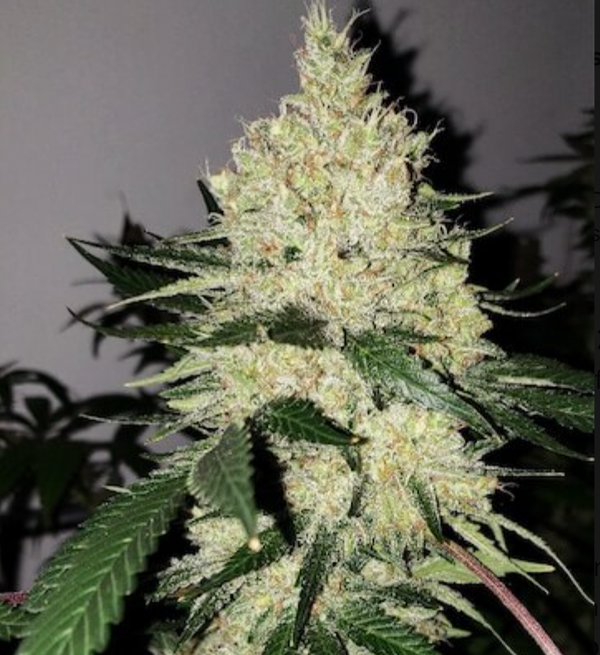
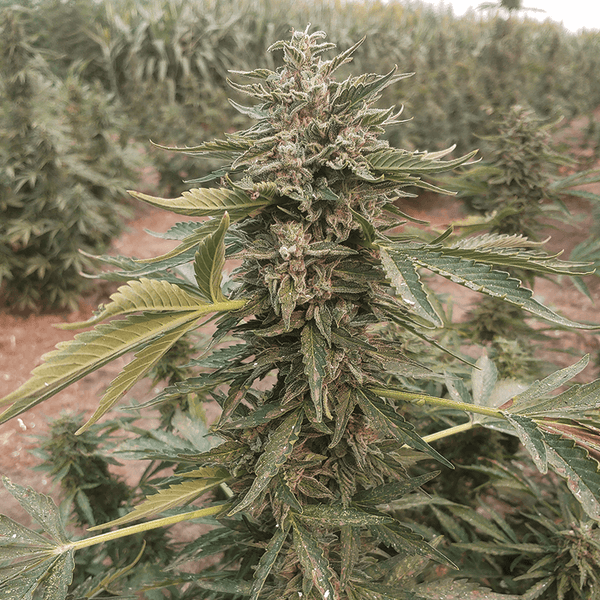
When you're inspecting high-CBG flower, the first thing you'll want to look for is a generous coating of trichomes. These tiny, crystal-like glands are the powerhouses where cannabinoids and terpenes are produced, so a frosty appearance is a great sign of potency. The aroma, driven by terpenes, can vary widely between strains. For example, a strain like Jack Frost CBG offers a bright, citrusy scent with soft floral notes, while Lemon Diesel CBG delivers that classic pungent fuel aroma balanced with sweet lemon. Choosing the right high-CBG seeds allows you to cultivate a flower with the specific look and smell you prefer.
How to Find Your Ideal CBG Dosage
Finding the right amount of CBG is a personal journey, and the golden rule is to start low and go slow. If you're new to CBG, a good starting point is around 10–15 mg per day. Stick with that for a few days to see how your body responds before making any adjustments. From there, you can gradually increase the amount until you find what feels right for you. Everyone’s endocannabinoid system is different, so there’s no one-size-fits-all answer. The key is to listen to your body and be patient as you discover your ideal dosage.
What to Look for in a Quality Product
When you’re buying a finished CBG product, quality should be your top priority. Always check the ingredient list to ensure it’s free of unnecessary additives or allergens. The most important thing to look for, however, is a Certificate of Analysis (COA) from a third-party lab. This document is your proof that the product contains the amount of CBG advertised and is free from harmful contaminants like pesticides, heavy metals, and residual solvents. Reputable brands will always make these lab results easy to find on their website, giving you confidence in the product's safety and purity.
Why Third-Party Lab Tests Matter
Let's talk more about those lab tests because they are that important. Third-party lab testing is the gold standard in the cannabis industry for a reason. It provides an unbiased verification of a product's cannabinoid profile, potency, and purity. Without it, you’re essentially taking a company’s word for what’s in the bottle. A COA confirms that you’re getting what you paid for and protects you from potentially harmful substances. Any trustworthy supplier will readily provide third-party lab results, as it demonstrates their commitment to transparency and quality control. Never settle for a product that hasn’t been independently verified.
Hemp vs. Licensed Cannabis Product Testing
Where your CBG comes from—a hemp plant or a licensed cannabis plant—directly impacts the level of testing it undergoes. Products sold in state-regulated dispensaries are required to pass strict tests for potency and a full panel of contaminants. The hemp market, however, operates under different rules, making its testing standards less consistent. This variability puts the responsibility on you to be a discerning consumer. Since testing in the hemp space is often voluntary, it’s crucial to seek out transparent brands that provide comprehensive, third-party lab reports for every batch. This is the only way to be sure you know exactly what you're getting, especially when state laws vary so widely.
How to Store Your CBG Products for Freshness
To get the most out of your CBG, proper storage is essential. Cannabinoids can degrade when exposed to heat, light, and air, which reduces their potency over time. To protect your investment and ensure your products remain effective, store them in a cool, dark place. A cabinet, drawer, or pantry away from direct sunlight and heat sources is perfect. This simple step helps maintain the stability and potency of the cannabinoids and terpenes, ensuring you get the full benefits every time you use them. Proper storage applies to everything from oils and edibles to your carefully cured flower.
Potential Side Effects and Safety Considerations
As with any compound you introduce to your body, it’s smart to be aware of potential side effects and safety considerations. While CBG is generally considered safe and well-tolerated, everyone’s body chemistry is different. Being informed helps you make the best choices for your wellness routine and have a positive experience. Most of the reported side effects are mild, but there are a few things to keep in mind, especially regarding how CBG interacts with other compounds and its effects on your body's systems. Let's go over what the current research tells us so you can feel confident and prepared.
Common Side Effects of CBG
When people do experience side effects from CBG, they are typically mild and manageable. Some of the most commonly reported ones include feeling sleepy, having a dry mouth, experiencing dry eyes, or noticing an increase in appetite. It’s important to remember that the science on CBG is still developing, and we need more research to fully understand all its potential effects and how it might interact with different medications. As with anything, listening to your body is key. Starting with a low dose allows you to see how you personally react and adjust accordingly without overdoing it.
CBG's Interaction with THC
One of the most interesting aspects of CBG is how it interacts with other cannabinoids, particularly THC. While CBG itself won't get you high, it can attach to some of the same receptors in your brain that THC does. This means it can potentially influence or moderate the effects of THC, which is a key part of the entourage effect. Some research suggests this unique interaction might make CBG especially useful for issues related to the nervous system. For cultivators, this highlights the importance of knowing the full cannabinoid profile of your plants, whether you're growing high-CBG strains or potent THCA seeds.
Specific Safety Concerns
Beyond the common mild side effects, there are a few specific safety considerations to be aware of. Research has shown that CBG has a strong effect on the α2-adrenergic receptor, which plays a role in regulating your heart rate and blood pressure. Because of this, there are some concerns that it could cause drowsiness or affect your cardiovascular system. If you have a pre-existing heart condition, blood pressure issues, or are taking medication for these conditions, it's a good idea to talk with your doctor before incorporating CBG into your routine. This ensures you can enjoy its benefits without any unintended risks.
Risk of Cannabis Use Disorder
It's important to distinguish between CBG itself and the way it's consumed. CBG is not considered to be an addictive substance. However, if you are getting your CBG by smoking high-THC cannabis, you run the risk of developing a cannabis use disorder. This is where growing your own specific strains becomes so valuable. By cultivating purpose-bred, high-CBG, low-THC cannabis seeds, you can access the benefits of this cannabinoid without the intoxicating effects or associated risks of high-THC consumption. It puts you in complete control of the final product and your overall experience.
Is CBG Legal? Staying Safe and Compliant
Before you start growing or using high-CBG strains, it’s important to understand the rules. The legal landscape for cannabis can be a bit tricky, but a little knowledge goes a long way in keeping your cultivation journey smooth and compliant. It all comes down to where the CBG comes from and the specific laws in your area. Let’s break down what you need to know to stay on the right side of the law and ensure you’re working with a safe, high-quality product.
Understanding Federal CBG Regulations
On a federal level in the United States, the legality of CBG hinges on its source. The 2018 Farm Bill made CBG legal as long as it’s derived from hemp plants containing less than 0.3% THC by dry weight. If the CBG comes from a plant with more than 0.3% THC (classified as marijuana), it’s still federally illegal. For growers, this distinction is everything. To stay compliant, you must cultivate plants that meet the definition of hemp. Sourcing your genetics from a reputable provider of industrial hemp seeds is the best first step to ensure your crop meets federal standards.
FDA Warnings on Unproven Health Claims
It's one thing for CBG to be legal, but it's another thing entirely to talk about what it can do. The FDA keeps a close eye on how cannabis products are marketed, and they don't hesitate to step in when companies make health claims that aren't backed by solid scientific evidence. In fact, the US Food and Drug Administration (FDA) has warned companies for selling CBG products with unproven claims, like saying they can treat serious conditions. This is because, as exciting as the early research is, most of it is still preclinical. We need more robust human trials before anyone can make definitive statements about CBG's medical benefits. As a grower or consumer, it's important to approach these claims with a healthy dose of skepticism and rely on verifiable information, not just marketing hype.
Checking Your Local State Laws
While the Farm Bill sets the federal standard, state laws can be a different story. Some states have their own rules about growing, selling, and even possessing hemp-derived products like CBG. It’s up to you to get familiar with the regulations in your specific location. Before you shop for seeds, spend a little time researching your state’s position on hemp and cannabinoids. This simple step can help you sidestep potential legal issues and make sure your operation is fully compliant from day one. Remember that laws can change, so it's always a good idea to check for the latest updates.
Simple Tips for Using CBG Safely
Whether you’re growing for yourself or for others, product safety should be your top priority. The most reliable way to confirm the quality of any CBG product is to look for third-party lab testing. These independent reports, often called a Certificate of Analysis (COA), verify a product’s cannabinoid profile, confirming its potency and purity. A thorough lab test will also screen for unwanted contaminants like pesticides, heavy metals, and residual solvents. This gives you confidence that what’s on the label is what’s in the product, which is especially important when you're cultivating high-potency THCA seeds and want to know the exact profile of your flower.
How to Stay Compliant as a Grower
As a cultivator, your path to compliance begins with the seeds you choose. To produce a federally legal, high-CBG crop, you need to start with stable and proven genetics from a supplier you trust. A good seed bank will be transparent about the genetic background of their strains, giving you the data you need to grow with confidence. By choosing high-quality feminized seeds from a reliable source, you’re setting yourself up for a successful and compliant harvest. This ensures your final product is not only effective but also safe and legal.
How to Select the Right CBG Strain
With so many options available, picking the right CBG strain can feel like a huge decision. But it doesn't have to be complicated. By focusing on a few key factors, you can narrow down the choices and find the perfect seeds for your garden. Think of it as a simple checklist to ensure your next grow is your best one yet. It all starts with understanding what you want to achieve and knowing what to look for in a quality seed. Let’s walk through the process step-by-step so you can feel confident in your selection.
What Are Your Growing Goals?
First things first, what are you hoping to get out of this grow? Your answer will guide every other decision you make. Are you a home grower looking for specific wellness benefits? Or are you a commercial cultivator aiming for the highest possible CBG content to create extracts? Maybe you’re focused on a particular terpene profile for its unique aroma and effects. Defining your growing goals is the most important step. Consider your climate, your setup (indoor or outdoor), and your experience level. Knowing your priorities will help you filter through the options and find a strain that truly meets your needs.
Why Strain Genetics Matter
The genetics of a strain are its blueprint, determining everything from cannabinoid content to growth characteristics. The plant's genetic makeup is the single most crucial factor in its final CBG levels. That’s why it’s so important to choose strains that have been specifically bred for high CBG production. Reputable breeders invest years into stabilizing genetics to ensure consistent, predictable results. When you shop for seeds, look for detailed descriptions that explain a strain’s lineage and expected cannabinoid profile. This information tells you that the breeder has done their homework, so you can trust you’re getting exactly what you’re paying for.
How to Check for High-Quality Seeds
Not all seeds are created equal. To protect your investment of time and resources, always buy from a reputable seed bank that is transparent about its products. A trustworthy source will provide clear information on genetic lineage, germination rates, and expected cannabinoid profiles. Avoid suppliers who make vague claims without any data to back them up. High-quality seeds are the foundation of a successful harvest. Taking a few extra minutes to verify the quality and reputation of your seed source will save you from potential headaches and disappointment down the road.
Choosing Your CBG Strain with Confidence
Now you can bring it all together. You’ve defined your goals, you understand the importance of genetics, and you know how to spot a quality supplier. Choosing the right CBG strain is simply a matter of matching your goals with a high-quality seed that has the right genetic profile. Read reviews, check out the latest new releases, and don’t be afraid to reach out to the seed bank with questions. By making an informed choice, you set yourself up for a successful grow and a harvest that delivers the specific benefits you’re looking for.
Related Articles
Frequently Asked Questions
What's the real difference between CBG and CBD? While both CBG and CBD are non-intoxicating, they interact with your body's systems in unique ways. Think of them as having different specialties. CBG is often associated with supporting focus and appetite, while CBD is more commonly linked to promoting relaxation and sleep. For growers, this means choosing a CBG-dominant strain allows you to cultivate a plant with a completely different set of potential effects than a CBD-rich one.
Will I get high from using or handling CBG flower? No, you won't. CBG is a non-psychoactive cannabinoid, which means it doesn't produce the "high" that THC is known for. This is one of its main appeals. You can cultivate and use high-CBG flower to experience its unique properties without any intoxicating effects, allowing you to stay clear-headed and functional.
Is growing high-CBG cannabis more difficult than growing THC or CBD strains? It’s not necessarily more difficult, but it does require more attention to one specific detail: harvest timing. Because CBG is the precursor to other cannabinoids, you have to harvest at the perfect moment before it converts into THC or CBD. Other than that, the fundamental growing practices for creating a healthy, stress-free plant are exactly the same.
Why is harvesting at the right time so important for CBG? Timing is everything with CBG because it's the parent molecule that eventually becomes other cannabinoids like THC and CBD. If you harvest too late, the plant's natural processes will have already converted most of the CBG into these other compounds, leaving you with very little. By harvesting when the trichomes are mostly cloudy, you capture the plant at its peak CBG potential.
How can I be sure I'm starting with high-quality CBG genetics? Your final harvest is only as good as the seeds you start with. To ensure you're getting quality genetics, always buy from a reputable seed bank that is transparent about its breeding process. Look for detailed strain information, including its lineage and expected cannabinoid profile. A trustworthy supplier will provide this data, giving you confidence that you’re growing a stable strain bred specifically for high CBG content.