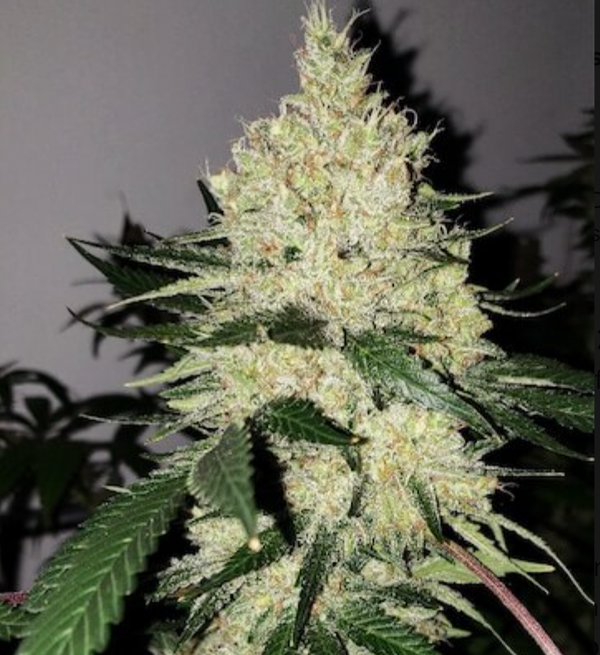
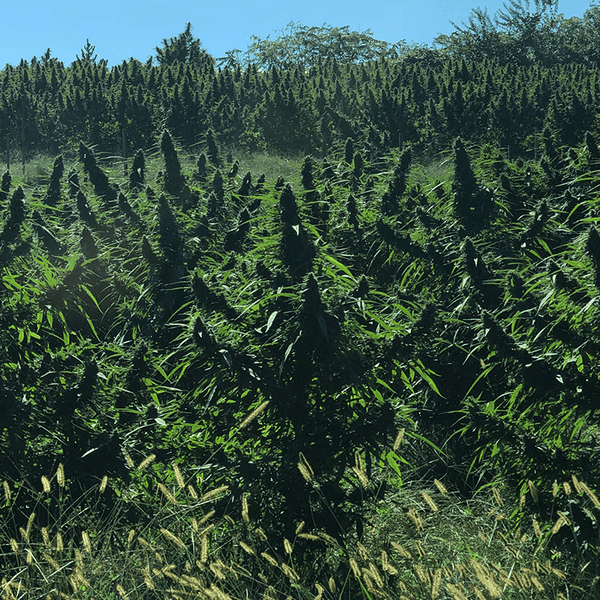
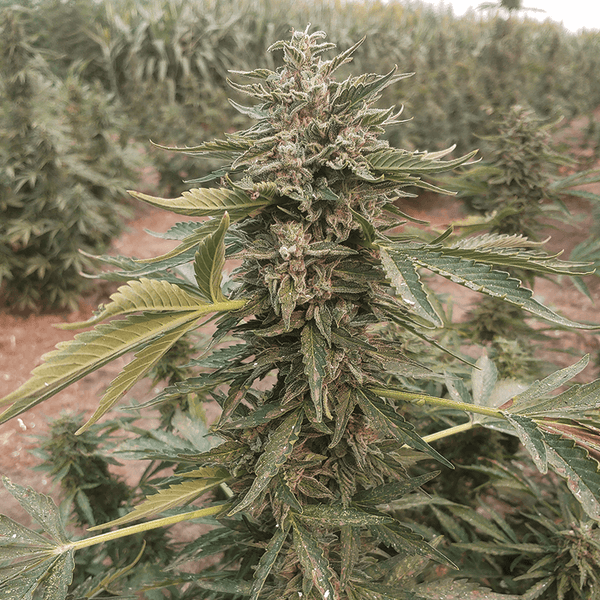
Here’s a little industry secret: some of the most potent and sought-after cannabis on the market is being grown under the legal definition of hemp. It’s called THCA flower, and it represents a massive opportunity for cultivators who understand the rules. By focusing on genetics that produce high levels of raw THCA while staying below the 0.3% Delta-9 THC limit, smart growers are producing incredible crops within a specific legal framework. But it's not as simple as it sounds. This guide shows you how to select the right THCA flower seeds, understand the critical "total THC" hurdle, and produce a final product that stands out.
Key Takeaways
- Understand the "Total THC" Hurdle: High-THCA flower is legally complex. While raw plants are low in Delta-9 THC, they will almost always fail the "Total THC" compliance tests required for licensed hemp farmers. Your first step is to thoroughly research your specific state and local cultivation laws.
- Prioritize Proven Genetics: Your most important decision happens before you ever plant a seed. Choosing stable, high-quality genetics from a reputable source is the foundation for a predictable grow, ensuring your plants express the desired traits from cannabinoid profile to yield.
- Master Your Environment and Harvest: A successful crop depends on two things: a stable environment and a patient finish. Dial in your climate control throughout the grow, and commit to a slow, meticulous drying and curing process to preserve the flower's potency, flavor, and quality.
So, What Exactly Are THCA Flower Seeds?
If you’re exploring the world of cannabis cultivation, you’ve likely come across the term "THCA flower." So, what exactly is it? Think of THCA flower as cannabis in its raw, natural state. Before it's exposed to heat, the plant is rich in Tetrahydrocannabinolic Acid (THCA) and contains very little of the compound that most people associate with a "high"—Delta-9 THC. THCA is the non-psychoactive precursor to THC. It only converts into psychoactive Delta-9 THC through a process called decarboxylation, which is just a fancy word for heating it up.
This chemical distinction is the key to understanding the modern cannabis market. For growers, cultivating plants that produce high levels of THCA while staying below the legal limit for Delta-9 THC is a game-changer. It allows you to grow incredible, potent cannabis that fits within the legal framework of the 2018 Farm Bill. When you purchase THCA seeds, you're getting the genetic blueprint for plants that excel at producing this valuable, raw cannabinoid. The goal is to grow a beautiful, compliant crop that delivers the full potential of cannabis once it reaches the end user.
How Are THCA Seeds Different?
Here’s a little industry secret: THCA seeds are, for all intents and purposes, the same as traditional marijuana seeds. The term "THCA seeds" is primarily a marketing and legal distinction used to describe seeds that grow into cannabis plants with a specific chemical profile: high in THCA and low in Delta-9 THC. The seeds themselves don’t contain any cannabinoids. Instead, they hold the genetic potential to produce a plant with certain traits.
When you shop for seeds, you're selecting genetics. A seed labeled as a "THCA seed" has been bred and selected to produce flower that, when tested in its raw form, will meet legal compliance standards. The final cannabinoid expression is a result of these carefully chosen genetics combined with your growing environment and techniques.
Understanding Potency: THCA and TAC Levels
Once you start looking at lab reports, you'll notice a couple of key acronyms that tell the story of your flower's potency: THCA and TAC. Think of THCA (Tetrahydrocannabinolic Acid) as the raw potential. It's the non-psychoactive compound that converts into THC with heat. For growers, maximizing THCA is the goal for producing potent flower that stays compliant as hemp before it's processed. But THCA is only one piece of the puzzle. TAC, or Total Active Cannabinoids, shows you the complete profile, including CBD, CBG, and all the other compounds that contribute to the plant's overall effect and quality.
A high TAC percentage is the ultimate sign of premium genetics and a well-run grow. The best THCA flower seeds have the potential to produce plants with TAC levels over 30%, resulting in a rich, complex flower that consumers love. Just remember the legal distinction: while your raw flower may be low in Delta-9 THC, its high THCA level means it will fail the "Total THC" compliance tests required for licensed hemp farmers. Knowing the difference between THCA and TAC is essential for choosing the right genetics and producing a final product that hits the mark on both potency and compliance.
How Your Plant Creates THCA
Let's get into the science without making it complicated. Cannabis plants don't produce Delta-9 THC directly. Instead, they synthesize THCA, its acidic precursor. In fact, almost all cannabis flower is naturally high in THCA and low in Delta-9 THC before it’s dried, cured, and heated. The transformation from non-psychoactive THCA to psychoactive THC happens with heat—whether from a lighter, a vaporizer, or an oven.
This natural process is what makes the legal distinction possible. Your job as a grower is to cultivate a plant that maximizes its THCA production. By choosing stable, high-quality genetics, like our innovative Triploid Cannabis seeds, you can ensure your plants are genetically programmed to create a rich cannabinoid profile that is both potent and compliant.
Is Growing THCA Flower Right for You?
The number one reason to grow THCA flower is its legal status. According to the 2018 Farm Bill, cannabis is classified as legal hemp as long as it contains less than 0.3% Delta-9 THC by dry weight. Since raw cannabis flower is naturally low in Delta-9 THC, high-THCA flower fits perfectly within this federal definition. This has opened up a massive opportunity for cultivators to grow and sell cannabis products in markets that might otherwise be restricted.
By growing THCA flower, you can produce a crop that offers the classic cannabis experience to consumers (once they heat it) while operating within a clear legal framework. It’s the best of both worlds. You get to cultivate powerful, aromatic plants using top-tier Feminized Seeds to guarantee a harvest of flower-producing plants, all while staying on the right side of the law.
Understanding THCA Flower: A Consumer's Guide
Methods of Use: Raw vs. Heated
Once you've harvested your beautiful THCA flower, its final effects depend entirely on how it's consumed. The biggest distinction is heat. When consumed raw, THCA flower is non-psychoactive, meaning it won't produce a "high." Some people add raw cannabis leaves or flower to smoothies or juices to access the potential benefits of the raw cannabinoid without any intoxicating effects. However, the moment you introduce heat, everything changes. By smoking, vaping, or cooking with THCA flower, you convert the THCA into Delta-9 THC, the compound responsible for the classic cannabis experience. This dual potential is what makes THCA flower so versatile and appealing to a wide range of consumers.
The Science of Decarboxylation
The transformation from non-psychoactive THCA to psychoactive THC is a simple chemical reaction called decarboxylation. All this term means is that heat is used to remove a carboxyl group from the THCA molecule, changing its structure and how it interacts with your body. This isn't a complicated lab process; it happens instantly with the flame from a lighter, the heating element in a vaporizer, or the controlled temperature of an oven when making edibles. As a grower, your focus is on producing high-quality flower rich in THCA. The end user then completes the final step, using heat to access the plant's full potential.
Potential Benefits and Effects
The effects of THCA flower are a tale of two compounds. In its raw, unheated state, some studies and anecdotal reports suggest that THCA may have therapeutic properties, including acting as an anti-inflammatory and neuroprotectant. People use it to help manage pain, reduce stress, and support sleep without any psychoactive effects. Once decarboxylated, however, it becomes THC and delivers the well-known effects associated with marijuana: euphoria, relaxation, altered perception, and increased appetite. Understanding both sides of the coin allows you to appreciate the full spectrum of what the plants grown from your THCA seeds can offer.
Natural vs. Infused Flower: What's the Difference?
It's important to know that not all THCA flower on the market is created equal. High-quality, natural THCA flower is grown from genetics specifically bred to produce high concentrations of THCA. The cannabinoids are produced within the plant's trichomes as it matures. Unfortunately, some producers cut corners by taking low-quality hemp flower and spraying or coating it with a THCA isolate. This infused product is often less potent, harsher to smoke, and lacks the rich terpene profile of a naturally grown flower. When you cultivate from premium seeds, you are creating a genuinely superior and natural product that stands far above the rest.
A Critical Warning About Drug Testing
Here’s a crucial point that can't be overlooked: despite its legal classification as hemp, consuming heated THCA flower can cause you to fail a drug test. Once THCA is heated, it converts to Delta-9 THC. When you inhale or ingest it, your body metabolizes it in the exact same way as THC from traditional marijuana. The metabolites that drug tests screen for will be present in your system. The legal distinction of the plant before you use it is irrelevant to the test results after you use it. It's essential for both growers and consumers to be fully aware of this to avoid any unexpected consequences.
Staying Legal: A Guide to THCA Cultivation Laws
Before you plant your first seed, it’s crucial to get familiar with the legal landscape. The rules around growing cannabis, especially high-THCA varieties, can be complex and vary quite a bit depending on where you live. Think of this as your starting point for doing your own due diligence—it’s not legal advice, but it will help you ask the right questions and understand what’s required of you as a grower. Getting this part right from the beginning protects your time, investment, and peace of mind.
Federal vs. State: What You Need to Know
Let's start at the top. Federally, the 2018 Farm Bill made hemp cultivation legal, defining it as cannabis with less than 0.3% Delta-9 THC by dry weight. Since THCA is not Delta-9 THC, high-THCA plants can sometimes fall into a legal gray area. However, this federal guideline is only half the story. State laws are what really matter for cultivators. Each state has its own set of rules, and they can be much stricter than the federal ones. What is perfectly legal in one state could get you into serious trouble in another, so your first step should always be to research your local and state-level regulations thoroughly before purchasing any THCA seeds.
The Legal Status of Cannabis Seeds
So, are the seeds themselves legal? Generally, yes. Under the 2018 Farm Bill, cannabis seeds are considered legal hemp products because they contain virtually no Delta-9 THC. This federal protection means you can typically purchase and possess seeds without issue. The legal complexities arise once you plant them and they grow into a mature plant. While the raw flower is rich in THCA and low in Delta-9 THC, some states have implemented "total THC" testing laws, which account for the potential conversion of THCA into THC. This is why understanding your specific state's regulations on cultivation is so important. The legality of the final product depends entirely on where you are and how your local laws define and test for hemp versus marijuana.
State-Specific Example: California
Let's look at California for a clear example of how state laws can work in a grower's favor. California has fully legalized cannabis for both medical and recreational use, which simplifies things immensely for cultivators. In a state like this, the distinction between high-THCA hemp and traditional marijuana is less of a legal hurdle. Growers can focus on cultivating the best possible plant without worrying about toeing the 0.3% Delta-9 THC line. This allows for a wider selection of genetics, whether you're looking for robust outdoor cannabis seeds for the California sun or specialized indoor varieties. This example highlights why you must start by researching your own state’s laws, as the rules in a place like California are very different from those in a state with more restrictive cannabis policies.
How to Pass Testing and Stay Compliant
Here’s where things get tricky for hemp growers. Most states require licensed hemp farmers to test their crops for "total THC" about 30 days before harvest. Total THC isn't just the Delta-9 THC content; it’s a calculation that includes the potential Delta-9 THC that can be converted from THCA. The formula looks something like this: Total THC = Delta-9 THC + (THCA * 0.877). Because high-THCA plants are bred specifically for their high THCA content, they will almost always test far above the 0.3% total THC limit. This means a crop grown from feminized seeds intended for high THCA will likely be considered non-compliant under a standard hemp license.
Simple Ways to Reduce Your Legal Risks
The biggest legal risk you face is the total THC rule, which can turn a promising crop into a liability. If you are a licensed hemp farmer, you simply cannot grow high-THCA cannabis and expect to pass the required pre-harvest compliance tests. The plants will be "hot," meaning their total THC content exceeds the legal limit for hemp. It’s essential to know which set of rules you’re operating under. Are you a licensed hemp cultivator, or are you growing under a state-regulated medical or adult-use cannabis program? The licenses, testing requirements, and possession limits are entirely different. Understanding this distinction is the first step to managing your risk before you shop all seeds.
The Paperwork You Absolutely Need
Good record-keeping is non-negotiable. It shows regulators that you’re a professional who takes compliance seriously. Your records should be meticulous and organized, creating a clear paper trail for your entire operation. Start a log that includes where your seeds or cannabis clones came from, with certificates of origin if possible. Document your cultivation practices, including planting dates and nutrient schedules. Keep every lab result and Certificate of Analysis (COA) on file. Finally, track your harvest yields and make a note of any plants that had to be destroyed for failing to meet compliance standards. This documentation is your best defense and a hallmark of a professional operation.
Setting Up Your First THCA Grow
Setting up your grow space is one of the most exciting parts of the cultivation process. It’s where you create the perfect home for your plants to thrive. A well-planned environment is your best tool for producing a high-quality, compliant harvest. Whether you’re converting a small closet or mapping out a commercial greenhouse, the principles are the same: control the variables, and you control the outcome. This means paying close attention to light, climate, and nutrition.
Your setup directly influences everything from plant health and yield size to cannabinoid profiles. For THCA cultivation, this control is especially important. A stable environment helps manage how the plant expresses its genetics, which is key to keeping THC levels within legal limits post-decarboxylation. Think of your grow setup as a partnership with your seeds. You provide the ideal conditions, and the plant’s genetics will do the rest. Getting this right from the start saves you a lot of headaches later and sets you on a clear path to a successful harvest.
Indoor or Outdoor? Choosing Your Grow Space
Deciding where to grow is your first major choice. Growing indoors gives you complete authority over your plant's environment. You control the light cycles, temperature, and humidity, which can be a major advantage for managing cannabinoid production and staying compliant. It’s a great way to ensure consistency from one harvest to the next. On the other hand, outdoor growing lets you work with the power of the sun and natural elements, which can lead to larger plants and potentially lower startup costs. Consider which environment best suits your goals, resources, and the specific needs of the outdoor marijuana seeds you choose.
Getting Your Grow Room Climate Just Right
Cannabis plants are sensitive to their surroundings. Mastering climate control means creating a stable and consistent environment where they can flourish. Pay attention to three key factors: temperature, humidity, and airflow. Ideal ranges can vary slightly depending on the growth stage, but consistency is crucial. Sudden swings in temperature or humidity can stress your plants, affecting their growth and even their cannabinoid development. Good airflow from fans prevents stale air pockets, reduces the risk of mold, and strengthens stems. Dialing in your climate is a fundamental step toward producing healthy, potent, and compliant flower.
How to Prep Your Soil and Nutrients
Your growing medium and nutrient plan are the foundation of your plant’s health. Whether you choose soil, coco coir, or a hydroponic system, it needs to provide the right balance of water, oxygen, and nutrients. High-quality soil is rich in organic matter and provides a great starting point. As your plants grow, you’ll need to supplement with nutrients tailored to their stage of development—vegetative or flowering. Starting with strong genetics is the first step, so once you’ve selected your THCA seeds, you can build a feeding schedule that helps them reach their full potential.
Your No-Nonsense Grow Equipment Checklist
Getting your gear in order before you plant your first seed makes the whole process smoother. While your specific needs will vary, every grower needs a basic toolkit. For an indoor setup, this includes grow lights (LEDs are a popular and efficient choice), containers or pots, a ventilation system with an exhaust fan, and timers to automate your light cycles. You’ll also want tools to monitor your environment, like a thermometer/hygrometer and a pH meter for your water and soil. Having these essentials on hand ensures you’re prepared to give your plants the care they need from day one.
Essential Tools for Quality Control
Quality control is all about consistency. It’s the difference between a one-hit-wonder and a reliable, top-shelf product you can produce time and again. Your most important tool is a detailed grow journal. This isn't just a diary; it's your operational playbook. Meticulous records create a clear paper trail, showing you what works and what doesn't. Start by logging the source of your genetics, whether you're starting with seeds or cannabis clones. Document everything: planting dates, nutrient schedules, environmental changes, and pest management strategies. This data allows you to replicate your successes and troubleshoot problems with precision, ensuring every harvest meets your high standards.
Beyond your journal, a few key pieces of equipment are non-negotiable for maintaining a stable environment. A digital thermometer/hygrometer is essential for tracking temperature and humidity, while pH and EC meters give you precise control over your water and nutrient solutions. These tools provide the hard data you need to keep your grow room consistent, which is critical for managing how your plant’s genetics are expressed. A stable environment helps your THCA seeds develop their full potential while minimizing stress that could impact cannabinoid profiles. Think of these instruments as your direct line of communication with your plants, allowing you to give them exactly what they need to thrive.
How to Pick the Perfect THCA Flower Seeds
Picking the right seeds is arguably the most important decision you'll make for your entire grow. It’s the genetic blueprint for your future harvest, and a little research now will save you a ton of guesswork later. Think of it as choosing a business partner—you want someone reliable, predictable, and capable of producing amazing results. When you’re browsing for seeds, you’re not just looking at a name and a picture; you’re evaluating the potential for vigor, potency, flavor, and yield.
To make the best choice, you need to balance your personal preferences with your growing environment and goals. Are you looking for massive yields for a commercial operation, or a specific terpene profile for personal use? Do you need a plant that can handle the humidity of an outdoor grow or one that stays compact for an indoor tent? We’ll walk through the four key factors to consider: genetic stability, strain characteristics, yield potential, and the reliability of your seed source. Getting this right from the start sets you up for a healthy, successful, and rewarding cultivation cycle.
Why Stable Genetics Are So Important
Think of genetic stability as predictability. When you buy seeds with stable genetics, you can trust that the plant will grow and perform as advertised. It ensures that each seed from a batch will produce a consistent plant with reliable traits, from its growth structure and flowering time to its final cannabinoid profile. This is why professional breeders spend so much time developing their feminized seeds; they are refining the genetics to be as dependable as possible.
Without stability, you’re rolling the dice. Unstable genetics can lead to a frustrating grow with a wide variety of unexpected outcomes—some plants might be weak, others might produce low levels of THCA, and some could even develop undesirable traits. Stable seeds are the foundation of a predictable, high-quality harvest every time.
Seeds vs. Clones: Which Is Right for You?
When you start a new crop, you have a fundamental choice: begin with seeds or with clones. Clones are essentially cuttings from a mature "mother plant," making them exact genetic replicas. This route offers speed and uniformity, as you know precisely what traits the plant will have. However, that lack of genetic diversity can be a weakness. Clones inherit any vulnerabilities from the mother plant, including susceptibility to pests and diseases, and they can sometimes lack the initial vigor of a plant grown from seed. They are fast and efficient, but they limit your potential for discovering a truly exceptional plant.
Seeds, on the other hand, offer a world of genetic possibility. Each seed is a unique individual, even if it comes from the same parent plants. This means you have the opportunity to find a standout phenotype with superior traits in vigor, yield, or cannabinoid profile. Plants grown from seed develop a strong taproot, which can lead to a healthier, more robust plant and often a heftier harvest. While cannabis clones provide consistency, starting with high-quality seeds gives you a clean slate and the chance to cultivate something truly special and resilient from the ground up.
Exploring Genetic Variety Beyond THCA
While a high THCA content is a fantastic goal, it’s only one piece of the puzzle. The most memorable and valuable cannabis is defined by a full spectrum of characteristics, including its aroma, flavor, and the presence of other cannabinoids. This is where exploring diverse genetics becomes so important. Terpenes, the aromatic compounds in cannabis, are responsible for the flower's distinct smell and taste, and they play a huge role in the end user's experience. Don't overlook the power of a unique and pungent terpene profile—it’s often what sets premium flower apart from the rest.
Beyond terpenes, consider the potential of other cannabinoids. Genetics that produce a balanced profile, perhaps with notable levels of CBD or other minor cannabinoids, can be highly sought after. Cultivating a variety of strains allows you to meet different market demands and discover unique chemical expressions. When you shop for seeds from a breeder with a diverse catalog, you’re not just growing for potency; you’re cultivating a rich and complex final product. From high-potency THCA seeds to cannabinoid-rich CBD seeds, variety is the key to a truly impressive harvest.
A Quick Look at Popular THCA Strains
Once you’re confident in a breeder’s genetic quality, the fun part begins: exploring different strains. Every strain offers a unique combination of aroma, flavor, and effects, thanks to its specific profile of terpenes and cannabinoids. Some growers might prefer gassy, earthy notes, while others might look for a bright, citrusy profile.
Don’t just focus on the THCA percentage. Read the descriptions to understand the full experience the plant offers. Look at the parent genetics to get clues about its lineage and potential characteristics. Browsing a diverse collection of THCA seeds is the best way to find a strain that truly matches your personal taste and cultivation goals.
High-Potency Strain Examples
When we talk about high-potency THCA flower, we're generally looking at strains that can produce THCA levels between 15% and 30%. While your growing environment plays a huge role, the genetic potential for this level of potency comes directly from the seed. Breeders are constantly developing new and exciting cultivars designed to maximize THCA production. You’ll find a huge variety of options, from gassy and funky profiles like Joker Juice and Titty Sprinkles to sweet and fruity ones like VVS. Exploring the different THCA seeds available is the best way to see what’s out there. Each one offers a unique combination of terpenes and cannabinoids, giving you the chance to cultivate a truly special and potent end product.
What Kind of Yield Can You Expect?
Whether you’re growing for personal use or for profit, yield is a critical factor. A plant’s yield potential is determined by its genetics, but it’s up to you as the grower to help it get there. When choosing seeds, look for information from the breeder about expected output. This is often described in terms of grams per square meter for indoor grows or grams per plant for outdoor grows.
Some strains are bred to be heavy producers, developing large, dense colas, while others might have a smaller yield but offer exceptional potency or a rare flavor profile. Consider what’s most important for your operation. Many modern hybrids are bred to deliver the best of both worlds, offering high yields without sacrificing quality. Reviewing the specs on different cannabis clones and seeds will give you a clear idea of what to expect.
Where to Find Reputable Seed Suppliers
Your seeds are only as good as the source they come from. A trusted seed bank does more than just sell seeds; they provide the transparency and support you need to grow with confidence. A reliable source will offer detailed information for each strain, including its genetic lineage, expected cannabinoid and terpene profiles, flowering time, and yield potential.
Look for a supplier with a strong reputation, positive customer reviews, and a commitment to quality genetics. At Trilogene Seeds, we provide comprehensive data on all our THCA dominant seeds, ensuring you have all the information you need to make an educated choice. Sourcing your seeds from a reputable provider is the final and most important step in setting your grow up for success.
The Advantages of Buying Seeds Online
While you might find seeds at a local dispensary or grow shop, buying them online is almost always the better move. The biggest advantage is selection. Online seed banks give you access to a massive variety of genetics that a physical store simply can’t stock. You can browse detailed strain profiles, compare cannabinoid and terpene data, and find the exact genetics to fit your specific goals. For serious cultivators, having access to a wide range of options, from high-yield outdoor cannabis seeds to specialized indoor varieties, is a huge benefit.
Beyond the sheer variety, online shopping offers better pricing and convenience. Reputable online suppliers often run promotions and offer discounts, allowing you to get premium genetics at a great value. Plus, the convenience of having your seeds delivered discreetly to your door is unmatched. When you shop for seeds online from a trusted source, you get the best of all worlds: a superior selection, competitive pricing, and a hassle-free experience from start to finish.
Understanding Seed Pricing
When you start looking at seeds, you'll notice prices can vary quite a bit. You might see a pack for $15 right next to one that costs hundreds. This range isn't random; it reflects the quality, research, and development that went into creating the seed. Cheaper seeds often come from less stable genetics, meaning you might get inconsistent results. Premium seeds, on the other hand, are an investment in a predictable and successful harvest.
The price is often tied to the complexity of the genetics. For example, developing innovative traits like our Triploid Cannabis, which are bred to be 99% seedless, requires significant time and scientific expertise. Similarly, creating stable Feminized Seeds that guarantee female plants involves a meticulous process. The cost reflects the breeder's commitment to quality control, ensuring that you get vigorous plants with reliable cannabinoid profiles, sometimes with Total Active Cannabinoids (TAC) reaching over 30%. Think of it this way: you’re paying for the genetic potential of your final product.
Your Step-by-Step Guide from Seed to Harvest
Once you have your setup dialed in and your seeds in hand, it’s time for the fun part: growing. A successful harvest doesn’t happen by accident. It’s the result of careful planning, consistent attention, and a solid understanding of your plant’s needs from seedling to final cure. Think of it as a partnership—if you provide the right conditions, your plants will reward you with a high-quality yield that reflects the care you put in. From the moment a seed germinates to the final snip at harvest, every decision you make impacts the final product's potency, flavor, and compliance.
This section will walk you through the essential practices that separate the pros from the beginners. We’ll cover everything from understanding the growth cycle and managing THC levels for compliance to fending off pests and creating the perfect feeding schedule. These aren't just suggestions; they are the foundational pillars of successful cultivation. Mastering them means you're not just growing plants, you're cultivating a craft. Following these guidelines will help you produce a consistent, potent, and compliant crop every time. Let’s get those hands dirty.
A Week-by-Week Look at Plant Growth
Every successful harvest starts with a quality seed. Choosing reliable genetics is your first step toward ensuring a predictable and healthy growth cycle. Cannabis plants move through distinct stages: germination, seedling, vegetative, and flowering. Each phase has unique light, water, and nutrient requirements. For example, the vegetative stage is all about building a strong frame with lush foliage, while the flowering stage is when the plant focuses its energy on producing dense, resinous buds. The total timeline can vary significantly depending on the strain’s genetics. Autoflower seeds, for instance, have a much shorter, pre-determined lifecycle compared to photoperiod varieties.
How to Keep Your THC Levels Compliant
This is a big one for any THCA grower. While your plants are legally considered hemp during their growth phase, they will inevitably produce total THC levels above the 0.3% federal limit as they mature. Why? Because compliance tests use a "total THC" calculation, which adds the Delta-9 THC content to the potential Delta-9 THC that can be converted from THCA when heated. Your mature THCA flower will always test "hot" by this standard. It's essential to understand your local regulations and have a plan for harvesting and testing to ensure you remain compliant throughout the entire process.
Keeping Your Plants Healthy and Pest-Free
The best way to deal with pests and diseases is to prevent them from ever taking hold. A clean growing environment is your first line of defense. Your second is choosing strong, resilient genetics. Selecting high-quality feminized seeds from the start gives you plants with a better natural resistance to common problems like spider mites and powdery mildew. Maintain good airflow, manage your humidity levels, and inspect your plants regularly for any early signs of trouble. Catching an issue early is far easier than trying to fix a full-blown infestation.
Your Simple Watering and Feeding Schedule
Consistency is key when it comes to watering and feeding. Your plants' needs will change as they grow, so a one-size-fits-all approach won’t work. In the seedling stage, they need very little water, and overwatering is a common mistake. As they enter the vegetative and flowering phases, their thirst and appetite for nutrients will increase dramatically. Create a schedule based on your specific strain and growing medium, but always pay attention to the plants themselves. Let the soil dry out slightly between waterings, and watch the leaves for any signs of nutrient deficiency or burn.
Ready for More? Let's Try Advanced Techniques
Once you have the fundamentals down, you can start fine-tuning your process to get truly exceptional results. Moving into advanced techniques isn’t about reinventing the wheel; it’s about making strategic adjustments that have a major impact on your plant’s health, potency, and overall yield. These methods require more attention to detail, but the payoff is a harvest that stands out. Whether you’re aiming for higher THCA content, more robust plants, or a bigger final weight, mastering these skills will help you get there. Let’s look at a few key areas where you can refine your approach and become a more confident, effective grower.
Fine-Tuning Your Nutrient Strategy
Think of your nutrient plan as a specific diet for your plants. Just like people, their needs change as they grow. During the vegetative stage, they crave nitrogen to build strong leaves and stems. Once they switch to the flowering stage, their appetite shifts to phosphorus and potassium to produce dense, resinous buds. Using a fertilizer regimen tailored to each phase is critical. You can use either synthetic or natural nutrients, but the key is consistency and precision. Always prepare a balanced nutrient solution and check the pH level before feeding. This simple step ensures your plants can actually absorb the food you’re giving them, directly impacting the quality of your final THCA seeds harvest.
Simple Ways to Grow More Sustainably
Healthy soil is the foundation of a healthy plant. Adopting sustainable, organic practices can dramatically improve your growing medium and, in turn, your plants. Simple additions like molasses can feed beneficial soil microbes, creating a thriving ecosystem that supports strong root development and nutrient uptake. Good soil, moderate temperatures, and proper plant food are the cornerstones of a successful grow. Focusing on building rich, living soil not only benefits your plants but also reduces the need for chemical interventions. This approach works especially well for growers cultivating resilient outdoor marijuana seeds that thrive in a natural, well-managed environment.
How to Get the Most Out of Every Plant
If you’re looking for a bigger harvest, the secret is in the details. Consistently monitoring your grow environment is one of the most effective ways to get more from your plants. This includes everything from nutrient levels and pH to temperature and humidity. You can also use physical techniques to your advantage. Pruning lower branches that don’t receive much light, for example, redirects the plant’s energy toward the main colas. This practice, often called "lollipopping," also improves airflow around the base of the plant, which helps prevent mold and mildew. These small, consistent efforts are what allow high-potential genetics like triploid cannabis to deliver the impressive yields they’re known for.
Solving Common Problems in Your Grow Room
The best way to handle problems is to stop them before they start. Make it a habit to inspect your plants regularly for any signs of trouble, like pests or nutrient deficiencies. Look for discoloration on the leaves, wilting, or any visible bugs. Catching these issues early makes them much easier to manage. Proper pruning is also a great preventative tool. By selectively removing some leaves and small branches, you increase both light penetration and airflow throughout the canopy. This simple practice is one of your best defenses against common issues like powdery mildew. A proactive approach keeps your plants healthy and resilient from seed to harvest.
Harvesting Your THCA Flower Like a Pro
You’ve nurtured your plants from tiny seedlings, and now the finish line is in sight. The harvesting, drying, and curing process is where all your hard work pays off, turning beautiful flowers into a high-quality, compliant final product. This stage is just as critical as the grow itself, as it directly impacts the potency, flavor, and shelf life of your harvest. It’s also your final opportunity to ensure your crop meets all legal standards.
Getting this part right requires patience and attention to detail. Rushing the drying process or curing improperly can ruin an otherwise perfect crop, leading to harsh flavors or even mold. On the other hand, a well-executed harvest and cure will preserve the delicate terpenes and cannabinoids you’ve worked so hard to cultivate. Let’s walk through the essential steps for quality control, from identifying the perfect harvest window to understanding the lab reports that verify your success. With the right techniques, you can ensure your final product is something you can truly be proud of.
Is It Time to Harvest? Here's How to Tell
Timing is everything. Harvesting too early or too late can significantly affect your flower’s potency and terpene profile. The best way to know for sure is to get up close and personal with a jeweler’s loupe or magnifying glass to inspect the trichomes—the tiny, crystal-like glands on the flowers. You’re looking for a transition from clear to milky or cloudy, with a few amber trichomes mixed in. Mostly clear trichomes mean the plant is still immature, while too many amber ones can result in a more sedative effect. Another visual cue is the color of the pistils (the small hairs on the buds), which will darken and curl inward as the plant matures. For legal compliance, remember that hemp farmers must test their plants 30 days before harvest to check for total THC levels.
Reading the Trichomes: The Milky White Signal
The secret to a perfectly timed harvest lies in the trichomes, those tiny, mushroom-shaped glands that cover your buds. To the naked eye, they look like a dusting of sugar, but with a jeweler’s loupe or a small magnifying glass, you can see them up close. You’re looking for the moment when the majority of these trichomes transition from clear to a cloudy, milky white. This milky stage indicates peak THCA production. If you wait too long and they turn amber, the THCA will begin to degrade, often resulting in a more sedative effect. Harvesting when they are mostly clear means the plant is still immature and hasn't reached its full potential. This level of precision is especially achievable in controlled indoor cannabis grows where you can monitor your plants daily.
The Importance of Hand-Trimming
After you’ve carefully harvested your plants, the next step is trimming. Hand-trimming is the preferred method for preserving the flower's structure and trichomes, ensuring a beautiful final product. Once trimmed, the flower needs to be dried slowly for about one to two weeks in a cool, dark room with good air circulation. After drying, the curing process begins. This involves sealing the buds in airtight jars for anywhere from two to eight weeks, opening them periodically to release moisture. This patient process is what develops the flower’s rich aroma and flavor profile, ensuring a smooth experience. The quality of your final product reflects the care you put in at every stage, starting with the premium genetics you choose to grow.
How to Properly Dry and Cure
Once you’ve harvested, the next step is to dry your flowers slowly and evenly. The ideal environment is a dark room with temperatures between 60–70°F and humidity around 55–65%. Hang individual branches with plenty of space between them to allow for good air circulation, which helps prevent mold. This slow-drying process, which can take 7 to 14 days, is crucial for preserving terpenes. After the smaller stems snap instead of bend, it’s time for curing. Trim your buds and place them in airtight glass jars, filling them about three-quarters full. For the first week, open the jars daily for a few minutes (a process called “burping”) to release moisture and introduce fresh air. This curing stage can last several weeks, but it’s what develops the flower’s full flavor and aroma.
Maintaining Ideal Curing Conditions
Curing is where good flower becomes great flower, and it’s all about creating a stable environment inside your jars. The goal is to maintain a consistent humidity level, ideally around 62%, which allows the chlorophyll to break down (goodbye, hay smell!) and the terpenes to mature. Store your jars in a cool, dark place, like a closet or cabinet, where temperatures stay consistent. Light and heat are the enemies of a good cure, as they can degrade cannabinoids and terpenes, undoing all the hard work you put into your grow. This patient process is what separates an average harvest from the kind of top-shelf flower you get from premium cannabis seeds.
How to Store Your Harvest for Maximum Freshness
Proper storage is key to preserving the quality of your cured flower for months to come. Light, air, and heat are the enemies of cannabinoids and terpenes, so your goal is to minimize exposure to all three. Store your buds in airtight glass jars in a cool, dark place like a closet or cabinet. Avoid using plastic bags or containers, as they can create static that pulls trichomes off the flower. Also, keep in mind that while you may be in a state where THCA flower is legal to possess, the rules for growing it can be much stricter. Always store your harvest securely and discreetly to maintain compliance and protect your hard work.
Why You Shouldn't Skip Testing and Paperwork
Consistent lab testing is non-negotiable for any serious grower, especially when cultivating THCA seeds. It’s not just about a final test at harvest; it’s about monitoring your plants throughout their lifecycle. Testing at different stages—like vegetative, early flower, and pre-harvest—gives you a clear picture of how cannabinoid levels are developing. This proactive approach allows you to make adjustments if THC levels are trending too high, potentially saving your entire crop from becoming non-compliant. Keeping detailed records of your tests, or Certificates of Analysis (COAs), provides a crucial paper trail that demonstrates due diligence and ensures you’re operating within legal guidelines. This documentation is your best defense and a hallmark of a professional operation.
Decoding a Certificate of Analysis (COA)
At first glance, a COA can look intimidating, but it’s fairly straightforward once you know what to look for. This document is your lab-verified report card, showing the potency of various cannabinoids in your flower. The most important number for compliance is "Total THC." Because THCA converts to Delta-9 THC when heated, labs use a specific formula to calculate the flower’s total potential THC. The formula is generally: Total THC = Delta-9 THC + (THCA x 0.877). To be considered legal hemp, the final Total THC value must not exceed 0.3% by dry weight. Familiarizing yourself with how to read a COA is an essential skill for ensuring every harvest you produce is both high-quality and fully compliant.
Growing Commercially? Read This First
Taking your grow from a passion project to a full-scale commercial operation is a huge step. It’s exciting, but it also introduces a new layer of complexity. Suddenly, you’re not just a grower—you’re a business owner managing logistics, compliance, and large-scale production. Success at this level hinges on smart planning and strategic decisions from the very beginning. It’s about more than just planting more seeds; it’s about building a sustainable and profitable system.
Your choice of genetics becomes more critical than ever, as it directly impacts your yield, marketability, and legal standing. You also need to think about resource management on a much larger scale, where small inefficiencies can lead to significant losses. From planning your distribution channels to staying on top of ever-changing regulations, every decision counts. Let’s walk through the key considerations you need to address to build a thriving commercial cannabis operation.
Planning Your End Product: Smokable Flower vs. Biomass
Before you plant a single seed, you need a clear vision for your final product. Are you growing for the high-value smokable flower market or for biomass extraction? The answer changes everything. Growing for smokable flower is all about "bag appeal"—producing dense, frosty buds with a powerful aroma. This path requires selecting premium THCA seeds bred for specific aesthetic and terpene profiles. In contrast, growing for biomass is a volume game. Your goal is to produce as much plant material as possible to be processed for cannabinoid extraction. For this, aesthetics don't matter, but overall cannabinoid content and tonnage per acre are critical. This choice will guide your entire operation, from genetic selection to your harvesting and processing methods.
Ready to Scale? Here's How to Do It
When you’re ready to scale, your seed selection is one of the most important decisions you'll make. You need to think beyond personal preference and consider what the market demands. Trilogene Seeds offers a large selection of cannabis seeds, with a focus on strains rich in THCA, allowing you to target specific consumer interests effectively. Think about your end product and your ideal customer. Are you growing for flower, biomass, or extraction? Choosing strains with consistent, predictable traits will make your entire operation easier to manage as you grow. This initial choice sets the foundation for your brand and your production pipeline.
Smart Ways to Manage Your Resources
Efficiency is the name of the game in commercial cultivation. Every drop of water, watt of electricity, and square foot of canopy space costs money. To maximize your return, you need to get the most out of your resources. Choosing the right genetics can give you a major head start. For example, selecting feminized seeds eliminates the need to identify and remove male plants, saving you significant time and labor. Similarly, autoflowers can offer a faster seed-to-harvest timeline, allowing for more crop cycles per year. Investing in high-quality genetics from the start ensures you’re not wasting resources on underperforming plants.
Creating Your Distribution Plan
Growing a fantastic product is only half the battle; you also need a solid plan to get it to your customers. In the current market, having a strong online presence is essential. Many commercial growers find success by building their own brand and selling directly to consumers or retailers through an e-commerce platform. This approach gives you more control over your pricing and brand story. Explore different sales channels, including partnerships with dispensaries, processors, and other brands. Figure out your distribution strategy early so you can build the necessary relationships and infrastructure before your first big harvest is ready.
How to Stay Compliant as You Grow
As a commercial grower, legal compliance is non-negotiable. The rules can be complex and vary by location, so staying informed is crucial. Remember that hemp is federally defined as cannabis containing less than 0.3% Delta-9 THC by dry weight. Growing high-THCA flower as "hemp" is challenging because of strict testing protocols for licensed farmers. It’s your responsibility to understand and follow all local and federal regulations. Start with stable genetics from a trusted source and implement a rigorous testing schedule to ensure your crops remain compliant from seed to sale. This protects your business and builds trust with your customers.
How to Get Consistent Results, Every Time
Achieving a successful harvest time and time again comes down to discipline and attention to detail. It’s about creating a system that minimizes surprises and maximizes quality. Whether you’re a hobbyist or a commercial grower, treating your cultivation like a professional operation is the secret to getting predictable, high-quality results.
A Simple Guide to Equipment Maintenance
Consistent results start with reliable equipment. Regularly clean and calibrate everything from your lights and fans to your pH meters and testing kits. Think of it as preventative care for your plants. Hemp farmers must test their plants 30 days before harvest to check for "total THC," so accurate testing gear is non-negotiable for compliance. A simple weekly check-in ensures everything is functioning correctly, saving you from major headaches and keeping your operation running smoothly.
How to Adapt Your Grow for Every Season
Great growers are adaptable, not just to the seasons but also to the shifting legal landscape. The rules for growing THCA flower can be complex and often change. Staying informed about federal and state regulations is just as important as monitoring the weather. Make it a habit to check for updates from your local agricultural department. Being proactive allows you to adjust your cultivation strategy as needed, ensuring your crop remains compliant and you avoid any costly legal missteps.
Solving the Most Common Cultivation Hurdles
Growing THCA seeds as legal "hemp" can be challenging due to strict regulations. The "total THC" rule is often the biggest hurdle, as a crop can become illegal if THC levels spike late in flowering. Don’t let this discourage you; let it inform your process. The key is careful monitoring throughout the growth cycle. By understanding this challenge, you can implement a rigorous testing schedule and select the right genetics, like stable THCA seeds, to stay well within legal limits.
My Top Tips for a Picture-Perfect Harvest
Want to ensure a great harvest every time? Start with the right genetics and stay vigilant. First, choose strains known to produce compliant levels of THC. High-quality feminized seeds from a trusted source give you a powerful head start. Second, test your plants at multiple key stages—vegetative, early flowering, and right before harvest. This gives you a clear picture of their cannabinoid development. This two-step approach of smart selection and consistent testing is one of the most effective ways to guarantee a successful, compliant harvest.
Related Articles
Frequently Asked Questions
Are "THCA seeds" different from regular marijuana seeds? From a genetic standpoint, they are essentially the same. The term "THCA seeds" is a way to classify seeds that are bred to produce plants with a specific chemical profile: high in raw THCA and very low in Delta-9 THC. The seeds themselves don't contain any cannabinoids. You are selecting genetics that, with the right cultivation, will result in a flower that fits within a specific legal and market category before it's heated.
What is the single biggest legal risk when growing THCA flower? The most significant hurdle is the "total THC" testing requirement that exists in most states for licensed hemp farmers. These tests calculate the total potential Delta-9 THC, which includes the THCA in the plant. Because these plants are bred for high THCA content, they will almost certainly test above the 0.3% limit, making the crop non-compliant or "hot." Understanding your specific state's cannabis cultivation laws, whether for hemp or adult-use, is absolutely critical before you plant anything.
So, can I grow high-THCA flower under my state's hemp program? It is extremely difficult and generally not advisable. Licensed hemp cultivation programs almost always mandate pre-harvest testing for total THC. Since high-THCA flower will fail this test, attempting to grow it under a standard hemp license puts your entire crop and operation at risk. These plants are better suited for cultivation within state-licensed medical or adult-use cannabis programs that have different testing standards and THC limits.
Why is everyone so focused on genetic stability? Think of genetic stability as a promise of consistency. When you use stable seeds, you can be confident that your plants will grow as expected, expressing the traits described by the breeder—from their size and structure to their final cannabinoid and terpene profile. Unstable genetics are a gamble, often resulting in unpredictable plants that may not deliver the quality or compliance you need. Stable genetics are the foundation for a predictable and repeatable harvest.
Besides looking at the plant, how can I be sure my harvest is compliant? Visual cues are great for determining harvest readiness, but they tell you nothing about legal compliance. The only way to know for sure is through consistent lab testing. Sending samples to a reputable lab for a Certificate of Analysis (COA) at different stages of growth gives you the data you need to monitor cannabinoid development. This isn't just a final step; it's an ongoing practice that provides the documentation to prove you're a responsible and professional grower.