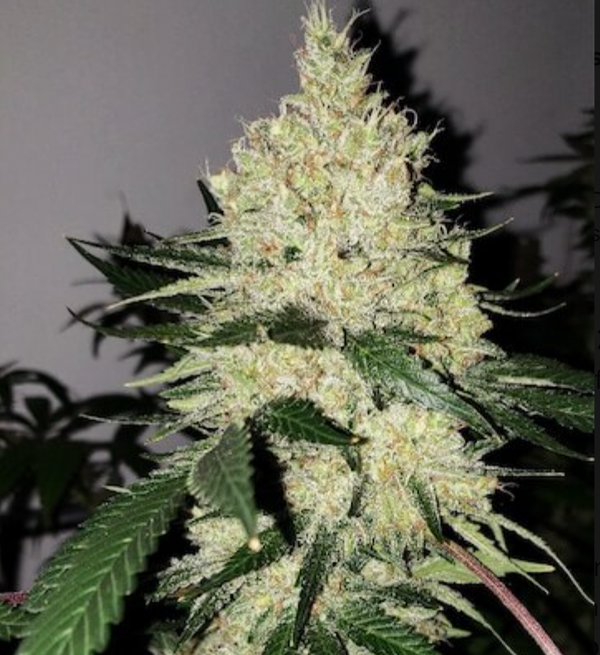
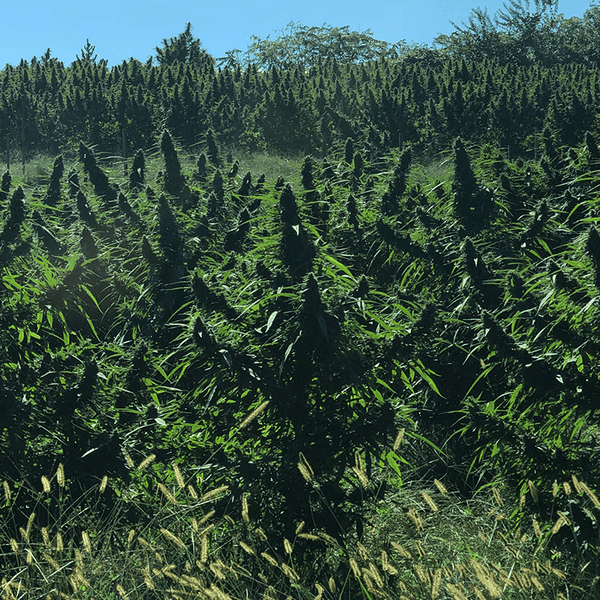
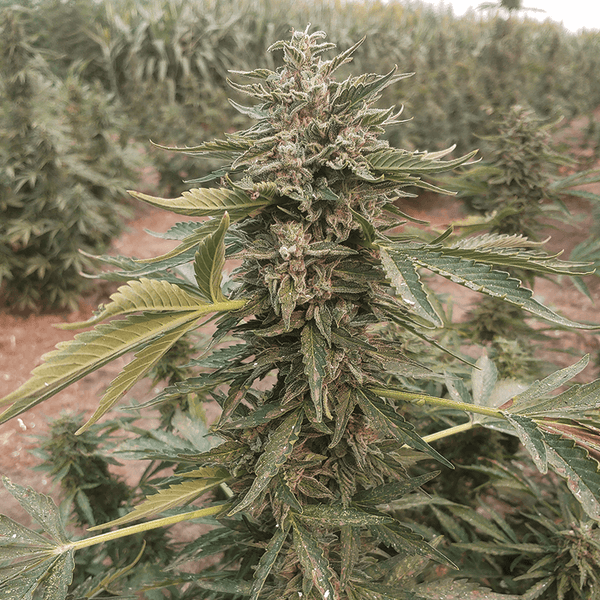
Think of landrace strains as the cannabis world's equivalent of a rare, single-origin coffee. While most of what you see are common hybrids, these are the originals—the pure, geographically isolated varieties that parented everything else. They offer an experience tied directly to their homeland, from the mountains of Afghanistan to the fields of Thailand. Finding authentic landrace strain seeds can feel like a treasure hunt, but the reward is incredible. You get to cultivate a piece of living history, a plant with a story that connects you directly to its unique corner of the world.
Key Takeaways
- Landrace Strains are the Foundation of Modern Cannabis: Think of them as the pure, wild ancestors of every hybrid you know. Their stable, geographically-adapted genetics are the building blocks of the entire cannabis family tree.
- Recreate Their Native Environment for a Successful Grow: Landrace strains thrive when you mimic their homeland. Research their origin to match the climate, light, and soil, and remember they often prefer fewer nutrients than modern hybrids.
- Source Authentically to Preserve Cannabis Heritage: Choosing seeds from a transparent supplier is the most important step. This ensures you get a genuine growing experience and helps conserve the rare genetics that are vital to the future of cannabis.
What Exactly Are Landrace Strains?
Think of landrace strains as the original, wild ancestors of the cannabis world. Before breeders started creating the complex hybrids we know today, there were pure cannabis varieties that adapted over centuries to specific geographic regions. These are landrace strains. They developed naturally, shaped by their local climate and cultivated by farmers in those areas for generations. This long process of adaptation makes them genetically stable and unique, with traits perfectly suited to their native environment.
Essentially, a landrace strain is a "purebred" cannabis plant indigenous to a particular part of the world, like the mountainous regions of Afghanistan or the tropical jungles of Thailand. They are the foundational building blocks for nearly every modern cannabis strain on the market. For cultivators, growing a landrace strain is like taking a step back in time. It’s an opportunity to experience cannabis in one of its purest forms and connect with the deep history of the plant. These strains offer a direct link to the origins of cannabis culture and genetics, providing a truly authentic cultivation journey.
Tracing Their Wild Origins
Landrace strains are a beautiful example of nature at work. They evolved over thousands of years, slowly adapting to the specific environmental pressures of their home region. A strain growing in the harsh, cold Hindu Kush mountains developed different characteristics than one thriving in the warm, humid climate of Colombia. This natural selection process, combined with generations of cultivation by local farmers, resulted in incredibly resilient and genetically distinct plants. These early farmers would select and save seeds from the plants that performed best each year—those that were most potent, had the best yield, or were most resistant to local pests. This is how these "country-breeds" of cannabis were refined over time, creating stable varieties perfectly in tune with their surroundings.
The Hindu Kush: A Single Point of Origin?
When you hear people talk about the origins of cannabis, one name comes up more than any other: the Hindu Kush. This formidable mountain range, stretching across the border of Afghanistan and Pakistan, is widely considered a foundational point for countless cannabis varieties. Many experts believe that all landrace strains, and by extension modern hybrids, can trace their lineage back to the wild cannabis that first grew here. This region isn't just a dot on the map; it’s a cradle of cannabis genetics, holding the history of the plant within its rugged peaks and valleys. The strains that emerged from this area are some of the most resilient and genetically distinct in the world, forming the bedrock of cannabis cultivation as we know it.
The unique environment of the Hindu Kush played a massive role in shaping these plants. The harsh, cold climate and challenging terrain created a natural proving ground, forcing cannabis to develop specific traits to survive. Unlike a strain thriving in the warm, humid tropics of Colombia, a plant in the Hindu Kush had to become hardy, compact, and often incredibly resinous to protect itself from the elements. These are not just random characteristics; they are the result of thousands of years of adaptation. As some of the purest forms of cannabis, these strains evolved without human interference for centuries, creating a stable and powerful genetic legacy that growers and breeders still rely on today.
Domesticated, Not Wild: A Common Misconception
It’s easy to picture landrace strains as completely wild plants, untouched by human hands. While romantic, that’s not quite the full story. A better way to think of them is as "domesticated" varieties. For countless generations, farmers in specific regions cultivated these plants, and with each harvest, they selected seeds from the ones that showed the most desirable traits—be it resilience, potency, or flavor. This long-term, hands-on process of selection is what shaped landrace strains into what they are today. They are less like wild weeds and more like heirloom tomatoes, carefully preserved and refined by local communities to thrive in their unique corner of the world. This human partnership is a key part of their history and genetic stability.
The Three Main Types: Indica, Sativa, and Ruderalis
At the heart of the cannabis family tree are three main ancestors: Indica, Sativa, and Ruderalis. Landrace strains represent the purest, original forms of these types. Indica landraces, hailing from harsh, mountainous regions like Afghanistan and Pakistan, are typically short, bushy, and resilient, with broad leaves designed to soak up limited sunlight. Sativa landraces evolved in equatorial climates like Thailand and Mexico, growing tall and lanky with thin leaves to manage heat and humidity over long growing seasons. Then there’s Ruderalis, the tough survivor from Central Asia and Siberia. Its defining trait is its ability to flower based on age rather than light cycles, a clever adaptation to short, intense summers. This unique characteristic is the genetic foundation for all modern autoflower seeds available today.
Classifying Landraces by Traditional Use
Beyond their botanical classification, landrace strains can also be understood by how they were traditionally used by the cultures that cultivated them. This approach gives us a fascinating glimpse into the relationship between people and the plant. For centuries, different communities grew cannabis for very specific purposes, leading to the development of distinct types based on their primary product. This method of classification often breaks down into three main groups: those grown for resin, those for seedless flowers, and those cultivated for multiple purposes like fiber and grain. Looking at landraces this way connects their genetics directly to their cultural heritage and the practical needs they fulfilled.
Charas Landraces
Primarily found from Central Asia to Morocco, Charas landraces are the original resin producers. These plants, which are typically Indicas, were cultivated specifically for their sticky trichomes. Local farmers developed the technique of hand-rubbing the living flowers to collect the potent resin, known as charas. This focus on resin production led to the selection of plants that were exceptionally frosty and potent, a trait many modern breeders still chase.
Ganja Landraces
Originating in the tropical climates of India and Southeast Asia, Ganja landraces were grown for their seedless, psychoactive flowers, or "ganja." These plants are classic Sativas. Cultivators would carefully remove male plants from the fields to prevent pollination, encouraging the female plants to put all their energy into producing large, potent, and resinous buds. This practice highlights an early understanding of cannabis cultivation aimed at maximizing flower quality.
Multipurpose and Bhang Landraces
Perhaps the oldest form of domesticated cannabis, multipurpose landraces were the workhorses of their regions, particularly in the Himalayas. These plants were cultivated for everything: their strong fibers were used for textiles, their nutritious seeds for food, and their leaves and flowers for psychoactive preparations like bhang. This all-in-one approach to cultivation is the historical foundation for today's industrial hemp, showcasing the plant's incredible versatility.
Why Are They Historically Important?
Every modern hybrid you’ve ever heard of owes its existence to landrace strains. They are the genetic foundation of the entire cannabis family tree. Strains like Skunk #1, Haze, and Northern Lights were all created by breeding different landrace varieties from around the world. Without these original building blocks, the incredible diversity of cannabis we enjoy today simply wouldn't exist. For breeders and growers, landrace strains are a living library of cannabis genetics. They hold the key to understanding the plant's natural potential, from unique cannabinoid profiles to rare terpenes. By studying and preserving these strains, we can continue to innovate and create new, high-quality feminized seeds with desirable traits. They are a vital link to the past that helps shape the future of cannabis cultivation.
The Foundation of Modern Strains
Landrace strains are the genetic bedrock of the entire cannabis world. Every hybrid you can think of, from the legendary Skunk #1 to the classic Northern Lights, was born from breeders carefully crossing different landrace varieties from across the globe. These original plants are more than just historical artifacts; they represent a living library of cannabis genetics. For breeders, they hold the keys to creating new and exciting varieties by providing a rich source of unique cannabinoid profiles, rare terpenes, and resilient traits. By understanding and preserving these foundational strains, we can continue to innovate and develop stable, high-quality cannabis seeds with the specific characteristics growers are looking for.
From Afghan to Modern Kush Varieties
Let's look at a perfect example: the journey from the Afghan landrace to the entire Kush family. The original Afghan strain is a pure indica that adapted to the harsh, mountainous climate of the Hindu Kush region. This environment forged a plant that is incredibly resilient, compact, fast-flowering, and famous for its heavy resin production. Breeders in the West saw immense potential in these traits. They took this powerful genetic foundation and used it to create some of the most iconic strains in modern cannabis, including OG Kush and Bubba Kush. Every time you see a "Kush" strain, you're seeing the direct legacy of that original Afghan landrace, a testament to how these ancient genetics continue to shape the plants we cultivate in our indoor gardens today.
Where Do They Grow in Nature?
Landrace strains are named after the specific regions where they originated, and their characteristics are a direct reflection of those places. You can find them growing naturally all over the world, in what is often called the "Bean Belt" or "Cannabis Belt." For example, powerful and resinous Indica strains like Afghan Kush come from the rugged, mountainous areas of Afghanistan and Pakistan. In contrast, the tall, long-flowering Sativa strains like Acapulco Gold and Colombian Gold originated in the hot, humid climates of Mexico and South America. Southeast Asia gave us iconic strains like Thai, known for its energetic effects. Each of these environments forced the plant to adapt in unique ways, resulting in the distinct differences we see between Indica and Sativa varieties. Exploring these strains is like taking a geographic tour of the world through cannabis.
The Cultural Impact of Original Strains
For centuries, landrace strains have been deeply intertwined with the cultures of their native regions. They weren't just plants; they were used in spiritual ceremonies, as traditional medicine, and for social recreation long before cannabis became a global phenomenon. Strains like the famous Lamb's Bread from Jamaica are legendary in Rastafarian culture, while Charas has been produced from landrace strains in the Himalayas for generations. When you choose to grow a landrace strain, you're doing more than just planting a seed. You are participating in a long-standing tradition and helping to preserve a piece of living history. It’s a way to connect with the authentic roots of cannabis culture and experience the unique flavors and effects that have been cherished by people around the world for centuries. It’s an experience that goes beyond the final harvest, offering a deeper appreciation for the plant’s journey.
Landrace vs. Hybrid: What's the Difference?
When you're choosing seeds, one of the first things you'll notice is the distinction between landrace and hybrid strains. Think of landrace strains as the wild ancestors of modern cannabis. These are pure indica or sativa varieties that have adapted over centuries to a specific geographic region, from the mountains of Afghanistan to the coasts of Mexico. They are the original, unadulterated building blocks of the cannabis world. Their genetics are stable, shaped by nature rather than by human hands.
Hybrids, on the other hand, are the result of intentional cross-breeding. Growers take two different parent strains—often a landrace and another hybrid—and combine them to create something new. The goal is usually to cherry-pick the best traits from each parent, like high yields, specific flavors, faster flowering times, or unique cannabinoid profiles. While landraces offer a pure, historical cannabis experience, modern hybrid seeds provide a curated experience, tailored for specific effects and growing conditions. Understanding the fundamental differences between them is key to picking the perfect strain for your garden.
Landrace vs. Heirloom: What's the Difference?
While exploring old-school genetics, you'll likely come across the term "heirloom," which is often confused with "landrace." The key distinction between them is simple: location. A landrace is a pure cannabis variety that has spent centuries adapting to its specific, native environment. An heirloom, on the other hand, is a landrace that has been moved from its original home and cultivated in a new location for generations. For instance, if you took seeds from a Thai landrace and grew them in California for several seasons, that strain would become a California heirloom. While they still carry valuable historical genetics, these heirloom strains adapt to their new environment and can lose some of their original purity due to different growing conditions and potential cross-pollination. The easiest way to remember it is that all heirlooms were once landraces, but they've since moved away from their ancestral home.
How Their Growth Patterns Differ
Landrace strains grow in a way that reflects their native environment. For example, a sativa from a humid, tropical region will likely be tall and lanky with thin leaves, a structure that helps it thrive in that climate. These plants are accustomed to specific conditions and often require plenty of sunlight and good ventilation to flourish. Hybrids, however, are frequently bred for versatility. Breeders often create strains that are more compact, resilient, and suitable for a wider range of environments, including controlled indoor cultivation. This breeding process can also result in shorter flowering times, which is a huge plus for growers on a tight schedule.
Comparing Potency and Effects
The effects of landrace strains are a direct expression of their pure genetics. They are the most natural forms of cannabis, offering a glimpse into the plant's incredible diversity. A pure landrace sativa, for instance, will typically deliver a potent, energetic high, while a pure indica will provide deeply relaxing effects. Hybrids are bred to refine and combine these effects. A breeder might cross a stimulating sativa with a calming indica to create a balanced hybrid that offers mental clarity without anxiety. This allows for the creation of strains with very specific THCA or CBD levels, giving you more control over your final experience.
THC Levels: Landraces vs. Modern Hybrids
One of the most significant differences you'll find is in THC content. Generally, landrace strains have lower THC levels than the powerhouse hybrids common today. This isn't because they are "weaker," but because they developed naturally without human intervention focused solely on maximizing potency. Their cannabinoid profiles are often more balanced and complex. In contrast, modern breeders have spent decades selectively breeding plants to produce the highest THC content possible to meet market demand. This has resulted in the creation of incredibly potent high-THC strains that dominate dispensary shelves. So, while a landrace might not deliver that record-breaking THC percentage, it provides a more traditional and nuanced experience true to its origins.
Potency Differences Between Landrace Sativas and Indicas
When you grow a landrace, you get a pure expression of its genetics. The effects are distinct and predictable, without the mixed signals you can sometimes get from a complex hybrid. A true landrace sativa, like one from Thailand or Mexico, will typically offer a clean, energetic, and cerebral high that can inspire creativity and focus. It’s the classic sativa experience in its most unadulterated form. On the other hand, a landrace indica from a region like Afghanistan or Pakistan will provide deeply relaxing, full-body effects that are perfect for calming the mind and body. This clarity of effects is one of the main reasons cultivators seek out authentic cannabis seeds to experience the true nature of indica and sativa.
Yield Expectations: Landrace vs. Hybrid
When it comes to your harvest, consistency is the hallmark of a landrace strain. Because their genetics are so stable, landrace plants are very consistent in how they grow, producing predictable results from one plant to the next. However, they weren't naturally selected for massive yields, so their output might be more modest compared to modern varieties. Hybrids are a different story. One of the primary goals of breeding is to maximize yield. Many popular hybrid strains have been developed to produce large, dense buds in a shorter amount of time, making them a favorite among commercial and home growers focused on productivity.
Are Landrace Strains Genetically Pure?
Landrace strains are the definition of genetic purity. These are plants that have been grown and selected by farmers over generations in specific parts of the world, leading to incredibly stable and homozygous (genetically uniform) seeds. This purity is vital for preserving the diversity of cannabis, but many of these unique strains are at risk of disappearing. Hybrids are, by nature, a genetic mix. While F1 (first-generation) hybrids can be very stable, their offspring (F2) can show more variation. Innovations like triploid cannabis seeds represent a modern approach to genetic stability, creating vigorous, nearly seedless plants.
The Role of Ancient Hybridization
It’s easy to think of landraces as completely untouched, but the reality is more interesting. Many of the best landraces we know today likely began as natural mixes of two or more other landraces from nearby regions. Over time, early farmers played a huge role in refining these plants. They would carefully select and save seeds from the plants that performed best each year—the ones that were most potent, had the best yield, or were most resistant to local pests. This hands-on approach was essentially the earliest form of breeding, a slow and steady process of hybridization that shaped the cannabis gene pool long before modern techniques existed. This historical context shows how human cultivation has always been part of the plant's story, creating the resilient and genetically distinct plants that became the foundation for everything we grow today.
Exploring Their Unique Terpene Profiles
The aroma and flavor of a landrace strain are a direct reflection of its home. Each one offers a unique terpene profile tied to its geographical origin, giving you earthy, floral, or spicy notes that are subtle and complex. It’s a true taste of the plant's natural terroir. Hybrid breeding, in contrast, often focuses on creating bold and novel flavor combinations. Breeders can cross strains to produce intense aromas of fruit, candy, gas, or dessert that you simply wouldn't find in the wild. These designer terpene profiles are a major draw for many modern cannabis connoisseurs looking for new and exciting flavors.
Beyond THC: Unique Cannabinoid Profiles
While modern cannabis culture often puts THC on a pedestal, landrace strains tell a much more complex and interesting story. Their true value lies in their diverse cannabinoid profiles, which go far beyond a single compound. Think of a strain's chemical makeup as a symphony; THC might be the lead instrument, but it's the combination of minor cannabinoids like CBG, THCV, and CBD that creates the full, nuanced experience. This natural balance, often called the entourage effect, is what gives each landrace its unique character. In the rush to create high-potency hybrids, this delicate interplay can sometimes be lost, which is why exploring these original strains feels so special.
For cultivators, this diversity opens up a world of possibilities. Instead of just growing for potency, you can select strains based on their specific chemical fingerprint to achieve desired effects. Landrace varieties are a living genetic library, holding the keys to unique therapeutic and recreational experiences that you just can't find in many commercial hybrids. Whether you're interested in the calming, non-intoxicating properties of a high-CBD variety or the unique effects of other rare compounds, these strains offer a direct path to cultivating a truly distinct final product. Exploring high-quality CBD seeds is a great way to begin appreciating the plant's potential beyond THC.
Spotlight on THCV, CBG, and CBD
Diving deeper into these unique profiles reveals some fascinating compounds. Take THCV (Tetrahydrocannabivarin), a cannabinoid often found in African sativa landraces, which is known for producing a clear-headed, stimulating high and may even suppress appetite. Then there’s CBG (Cannabigerol), often called the "mother cannabinoid" because it’s the chemical precursor to major cannabinoids like THC and CBD. It’s gaining serious attention for its own therapeutic potential. And of course, there's the well-known CBD (Cannabidiol), celebrated for its ability to reduce anxiety and inflammation without the psychoactive effects of THC. Understanding how these cannabinoids work together is key to appreciating the incredible diversity that landrace strains bring to your garden.
Exploring Popular Landrace Strains by Region
Landrace strains are the original cannabis varieties that evolved naturally in specific regions around the world. Each one tells a story about its homeland through its unique characteristics, from its growth patterns to its effects. Getting to know these foundational strains is like taking a trip through cannabis history. They are the ancestors of the countless hybrids we see today, and their pure genetics offer a distinct experience for any cultivator. Unlike modern hybrids, which are bred for specific traits like high THC content or specific flavors, landraces developed their characteristics over centuries of adaptation to their local environment. This means a landrace from the mountains of Afghanistan will be fundamentally different from one found in the tropical climates of Colombia. For growers, this purity translates into stability and predictability, but it also means you need to respect their origins and try to replicate their native conditions. These plants are a living record of cannabis evolution, shaped by sun, soil, and altitude rather than human intervention. Cultivating them is a rewarding challenge that offers a deeper appreciation for the plant's resilience and diversity. Exploring these strains is a fantastic way to connect with the roots of cannabis cultivation and discover the diverse expressions of the plant in its most natural form. Let's look at some of the most well-known landrace strains from different corners of the globe.
Iconic Landrace Strains from Asia
The mountainous Hindu Kush region, spanning parts of Afghanistan and Pakistan, is the birthplace of some of the most iconic indica strains. Varieties like Afghani are famous for their resilience and adaptability, making them a favorite among growers. These plants are typically short and bushy, with broad leaves and dense, resinous buds. The Hindu Kush region is home to strains that offer deep sedative effects and a pungent, earthy aroma. Their robust nature makes them a solid choice for both new and experienced cultivators looking for a hardy plant with powerful relaxing properties.
Thai Stick: A 1970s Legend (18-20% THC)
From the tropical climate of Thailand comes the legendary Thai Stick, a pure sativa that became famous in the 1970s. This strain grows into a tall, branching plant, perfectly adapted to its humid homeland. It’s known for its distinct sweet, spicy, and fruity flavor profile that delivers a clear-headed, energizing high. For cultivators interested in growing a piece of cannabis history, Thai Stick offers a classic sativa experience. Its genetics have been used to create many modern hybrids, but the original provides a pure, uplifting effect that’s hard to replicate. It’s a great choice for anyone looking to cultivate a vibrant, stimulating sativa with a rich backstory.
Hindu Kush: The Original Indica (16-19% THC)
Hindu Kush is not just a single strain but a family of pure indicas from the high mountains between Afghanistan and Pakistan. These plants are the blueprint for what we think of as an indica: short, bushy, and incredibly resilient. They developed their tough nature by surviving the harsh climate of their native region. Hindu Kush is famous for its spicy, earthy aroma and deeply relaxing effects, making it a go-to for anyone seeking tranquility. Its stable and potent genetics have made it a cornerstone in breeding, contributing to countless popular Kush hybrids. Growing this strain is like cultivating a piece of the earth, offering a classic, sedative experience that has been cherished for generations.
Mazar I Sharif: A CBD-Rich Afghan Strain
Hailing from Afghanistan and closely related to Hindu Kush, Mazar I Sharif is another fascinating landrace with its own unique qualities. This strain is known for its potential to display beautiful red hues and for often having a higher CBD content than its relatives. This makes it an excellent choice for those seeking the therapeutic benefits of cannabis without an overwhelming high. Its effects are typically geared toward deep relaxation and easing physical discomfort, making it a valuable addition to any medicinal garden. If you're looking to explore the world of therapeutic cannabis, Mazar I Sharif is a great example of how landrace genetics can offer balanced and beneficial cannabinoid profiles, similar to many modern CBD seeds.
Buddha: A Calming Nepalese Sativa
Nestled in the Himalayas of Nepal, the Buddha landrace is a pure sativa with deep cultural roots. This strain is revered in Nepalese culture, where it has long been used for spiritual and healing purposes. It has a unique musky and floral aroma that sets it apart from other sativas. While it is a sativa, its effects are often described as calming and meditative rather than intensely energetic, making it perfect for moments of reflection or creative focus. Growing Buddha is a way to connect with the ancient traditions of cannabis cultivation and experience a strain that has been carefully preserved for its unique spiritual and therapeutic properties.
Strains from Laos, Idukki, and Myanmar
The search for authentic landrace strains can take you to many corners of Asia, beyond the more famous regions. Places like Laos, the Idukki district in India, and Myanmar are also home to unique, indigenous cannabis varieties. Each of these strains offers a distinct set of characteristics that have been shaped by their specific local environments over countless generations. Exploring these lesser-known landraces is an exciting frontier for dedicated cultivators who want to preserve rare genetics and experience truly unique terpene and cannabinoid profiles. It’s a reminder that the world of cannabis is vast, with many incredible varieties still waiting to be discovered and appreciated.
Iconic Landrace Strains from Africa
Africa is home to legendary sativa landraces that thrive in its warm, sunny climates. Durban Poison is a celebrated African landrace from South Africa, known for its uplifting, cerebral effects and sweet, spicy aroma. Unlike the short, dense indicas from Asia, this strain grows tall and lanky with thinner leaves. It’s highly sought after for its energetic high, making it a staple in many cannabis connoisseurs' collections. If you're looking for a strain to cultivate outdoors that provides a clear-headed and motivating experience, an African sativa is an excellent place to start.
Durban Poison: The THCV Powerhouse (24% THC)
Hailing from the port city of Durban in South Africa, Durban Poison is a pure sativa that has earned its legendary status. This strain is celebrated for its incredibly uplifting and energetic high, making it a perfect choice for daytime focus and creativity. It delivers a clear-headed cerebral effect without the heavy body feeling, accompanied by a sweet and spicy aroma with hints of anise. True to its sativa heritage, Durban Poison grows into a tall, lanky plant with thin leaves, thriving in sunny climates. It's a fantastic candidate for anyone looking to cultivate classic outdoor marijuana seeds. What really sets it apart is its notable THCV content, a cannabinoid known for its energizing and appetite-suppressing properties, adding another layer to its sought-after effects.
Congolese: A Classic African Sativa
Journeying into the heart of the continent, the Congolese landrace is another classic African sativa known for its powerful and long-lasting effects. This strain offers a euphoric and creative high that many find to be less racy than other sativas, providing a smooth and sustained wave of energy. Its flavor profile is often described as a pleasant mix of sweet and earthy notes. Like many equatorial strains, Congolese plants grow tall and can have a longer flowering time, a trait that modern autoflower seeds have been bred to shorten for cultivators on a tighter schedule. Finding authentic Congolese genetics can be a rewarding challenge, but the experience of growing such a foundational strain is a direct connection to the rich history of cannabis cultivation.
Iconic Landrace Strains from the Middle East
The Middle East has a long and rich history with cannabis, particularly in producing resin for hashish, or charas. Landraces from this area, especially Northern Indicas found in places like Central Asia and Morocco, are grown mainly for their incredible cannabis resin production. These strains are prized for their unique, often spicy and exotic flavor profiles and are the foundation of traditional hash-making techniques. Cultivating one of these pure landrace strains gives you a direct connection to ancient cannabis traditions centered around resin and its potent effects.
Lebanese: Known for Red and Blonde Hash
Lebanese landrace strains are renowned for their exceptional hash production, particularly the famous red and blonde varieties. These strains have been cultivated for generations in the mountainous regions of Lebanon, where the unique climate and soil conditions contribute to their distinctive characteristics. Historically, Lebanese farmers meticulously selected and saved seeds from their most potent and resinous plants, ensuring the strains remained resilient and genetically stable over many years. This careful, centuries-long cultivation process has resulted in a product that is not only rich in unique flavors but also deeply intertwined with the cultural practices and agricultural heritage of the region.
For centuries, Lebanese hash has been celebrated for its smooth texture and aromatic qualities, making it a staple in both local and international markets. The traditional methods of producing hash from these landrace strains reflect a long-standing connection to the land and its resources, often involving drying the plants in the open air before processing. By growing Lebanese landrace strains, cultivators can connect with this rich history and experience the authentic flavors and effects that have been cherished for generations. It’s a unique opportunity to cultivate a piece of living history known for producing some of the finest and most sought-after hashish in the world.
Iconic Landrace Strains from South America
South America gave us some of the most famous sativa landraces of the 1960s and '70s. Strains like Colombian Gold and Acapulco Gold are legendary for their golden hue, stimulating effects, and distinct caramel or citrus notes. These plants grow tall and require a long flowering season, typical of equatorial sativas. They are celebrated for their rich history and are often associated with the classic, euphoric cannabis experience. For growers with the space and climate to let them flourish, these best landrace strains offer a taste of cannabis history and a vibrant, energetic high.
Acapulco Gold: The Caramel-Citrus Classic (20-24% THC)
A true legend from the 1960s, Acapulco Gold is a sativa that hails from the Guerrero Mountains in Mexico. Its name comes from its beautiful golden-orange hue, reminiscent of a sun-kissed gold nugget. This strain is celebrated for its uplifting and energizing effects, making it a classic choice for a creative boost or a daytime adventure. The aroma is just as delightful, with notes of burnt toffee or caramel mixed with a bright citrusy kick. For growers, cultivating Acapulco Gold is like preserving a piece of cannabis history. It’s one of the best landrace strains for experiencing the pure, unadulterated genetics that made sativas famous.
Colombian Gold: An Uplifting Sativa (19% THC)
Another legendary sativa from South America, Colombian Gold, originates from the Santa Marta mountains of Colombia. This strain is famous for its fluffy, crystal-covered buds that have a distinct brownish-gold color. It delivers a classic sativa high—uplifting, clear-headed, and perfect for staying active and focused without any heavy sedation. The aroma is a pungent mix of skunk and sweet citrus, a signature of its pure landrace genetics. Colombian Gold is not just a piece of history; it's also a foundational parent of the legendary Skunk #1, making its genetic line one of the most influential in the modern cannabis world. Growing this strain is a nod to the roots of many of today's most popular outdoor cannabis seeds.
Other Notable Landrace Regions
Beyond the major cannabis continents, there are smaller, unique pockets of landrace genetics that have played a huge role in local culture. These regions might not be as famous as Afghanistan or Colombia, but their native strains are just as significant. Two great examples come from the Mediterranean, offering a glimpse into the rich cannabis history of Morocco and Greece and showcasing how different environments shaped the plant in fascinating ways.
Beldia from Morocco
Deep in Morocco's Rif Mountains, you'll find a legendary landrace called Beldia. For centuries, local farmers have cultivated this strain specifically for producing the region's iconic blond hash, or kif. Beldia is a unique, extremely fast-flowering sativa that has adapted to the harsh mountain climate. It exhibits semi-autoflowering traits, making it one of the quickest psychoactive sativas on the planet. This rapid growth cycle is a perfect example of a trait that modern breeders often select for when creating new autoflower seeds. For growers, Beldia offers a connection to a rich history of traditional hash-making and a chance to cultivate a resilient plant that finishes in record time.
Arcadian from Greece
While not as widely documented as other landraces, the Arcadian strain from the mountainous regions of Greece is a perfect example of a European landrace. These plants are known for their incredible resilience and ability to adapt to their specific local environment. Historically, Greek landraces like Arcadian were used for both medicinal and recreational purposes, reflecting a deep-rooted cannabis culture in the area. Their isolation in the mountains allowed them to develop unique flavor profiles and effects that are a direct result of their geography. Cultivating a strain like this is a way to explore the more subtle and less-known branches of the cannabis family tree, connecting with a piece of European agricultural history.
How to Grow Landrace Strains From Seed
Growing a landrace strain is an incredible way to connect with the history of cannabis. These plants are genetically pure, but that also means they haven’t been bred to thrive just anywhere. Unlike modern hybrids, they expect conditions similar to their native homes. Success comes from understanding their origins and recreating that environment as closely as possible. With a little patience and attention to detail, you can help these unique strains flourish.
Recreating Their Native Climate
Think about where your landrace strain comes from. Is it a sun-drenched equatorial region or a high-altitude mountain range? Your goal is to mimic that native climate. Landraces need plenty of sunlight and a well-ventilated area to thrive optimally, which is why many growers find success with outdoor cultivation. If you’re growing indoors, you’ll need powerful lights and excellent air circulation to prevent issues like mold and mildew. Pay close attention to humidity levels, as a strain from a dry, arid climate won’t appreciate the damp conditions that a tropical sativa loves. Researching your specific strain’s homeland is the first step to a healthy harvest.
Perfecting Your Soil and Nutrient Mix
Landrace strains adapted over centuries to the soil in their specific region, which often wasn’t rich in nutrients. Because of this, they can be sensitive to the heavy feeding schedules common for modern hybrids. Use high-quality soil and ensure good drainage to avoid waterlogging. This will keep your plants healthy and vigorous. It’s better to underfeed than overfeed these plants. Use organic nutrients sparingly and watch your plants for signs of deficiency before adding more. This approach keeps your plants healthy without overwhelming their natural genetic tendencies.
How to Manage Light and Temperature
Light and temperature are critical signals for landrace plants. Strains from near the equator are used to a consistent 12/12 light cycle year-round and may start flowering under 14 or more hours of light. In contrast, strains from regions like Afghanistan are accustomed to more distinct seasonal shifts. If you’re growing indoor cannabis seeds, you have complete control to match the light cycle to your strain’s needs. For outdoor grows, you’ll need to choose a strain that is well-suited to your local climate’s light cycles and temperature fluctuations to ensure it flowers correctly and finishes before the first frost.
Protecting Your Plants from Pests
While landraces are hardy in their native environments, they haven't been selectively bred for resistance to pests and diseases found elsewhere. This means implementing proper pest management techniques is crucial for maintaining their health. Start with preventative measures like maintaining a clean grow space and encouraging beneficial insects. Avoid harsh chemical pesticides, which can harm the plant and its delicate terpene profile. Instead, opt for organic and natural solutions like neem oil or insecticidal soap if you run into trouble. Regularly inspecting your plants will help you catch any potential issues early.
Acclimating Your Plants to a New Home
When you bring a landrace strain into a new environment, it needs time to acclimate. Be patient, as these plants can sometimes experience a bit of culture shock. Monitor them closely during the early stages of growth, paying attention to how they respond to your soil, water, and light. Small adjustments can make a big difference. Growing a landrace strain offers a truly authentic and rewarding experience, allowing you to connect with cannabis in its most original form. By exploring and cultivating these unique varieties from our full seed collection, you help preserve rare genetics for future generations.
Pro Tips for Cultivating Landrace Strains
Once you’ve mastered the basics of growing landrace strains, you can start refining your technique to get the most out of these unique plants. These advanced strategies will help you manage their distinct growth habits, protect their pure genetics, and create an environment where they can truly flourish.
How to Manage Plant Height and Structure
Landrace sativas, in particular, love to stretch and can quickly outgrow an indoor space. To keep their height in check, you’ll want to use plant training techniques. Indoor growers can use a method like SCROG (Screen of Green) to create a flat, even canopy that maximizes light exposure to all bud sites. Other effective methods include low-stress training (LST), where you gently bend and tie down branches, or topping the plant to encourage it to grow wider rather than taller. These techniques are essential for managing your grow space and getting a more uniform harvest from your indoor cannabis seeds.
Keeping Your Strain's Genetics Pure
One of the main reasons to grow landrace strains is to experience cannabis in its original form. To protect these pure genetics, you must prevent cross-pollination from other cannabis varieties. If you’re growing different strains at the same time, keep your landrace plants in a separate, isolated area. This is especially important if you plan to produce your own seeds for future grows. By cultivating landrace seeds, you play a part in preserving the incredible genetic diversity of cannabis and keeping these rare strains alive. Using feminized seeds can also help by ensuring you only grow female plants, which prevents accidental pollination.
Understanding "Ex-Situ Reproductions"
When you're searching for authentic landrace seeds, you'll probably run into the term "ex-situ reproduction." It's a technical-sounding phrase for a simple concept: a landrace strain grown outside its original home. True landraces are shaped by their native environment over centuries—the specific soil, climate, and altitude all contribute to their unique genetic makeup. When those seeds are cultivated in a new location, they become a reproduction. Many experienced growers agree that these ex-situ versions aren't quite the real deal, since they miss the environmental magic that defined them.
This distinction really matters because the environment is what makes a landrace special. An ex-situ reproduction might not show the same traits or genetic stability as its ancestors. As many sources explain, true landrace strains are the purest form of cannabis, having adapted to their home without human meddling. While an ex-situ plant can still be an amazing grow, it might not have the exact terpene profile or growth habits of the original. If you're looking for that genuine connection to cannabis history, sourcing your seeds from a supplier who truly respects the origins of their strains is the best way to get an authentic experience.
Simple Ways to Increase Your Yield
While landraces may not produce the massive yields of some modern hybrids, you can definitely take steps to get a more generous harvest. It all starts with the soil. These plants thrive in high-quality soil with excellent drainage to prevent their roots from becoming waterlogged. Try to replicate their native soil conditions by using organic amendments. Landraces are often adapted to nutrient-poor environments, so be careful not to overfeed them with strong chemical fertilizers. Giving them plenty of room to grow, especially when planting outdoor marijuana seeds, will also allow their root systems to expand, leading to healthier plants and better yields.
Helping Your Plants Handle Stress
Landrace strains are famously resilient, having adapted over centuries to their specific native climates. Your goal is to mimic that environment as closely as possible. Most landraces require plenty of direct sunlight and a well-ventilated space to thrive. Good airflow is crucial, as it helps prevent mold and mildew from forming, especially on the fluffy buds of many sativa strains. While they are tough, they can still be sensitive to sudden environmental shifts. Avoid shocking your plants with drastic changes in temperature or humidity. A stable and consistent environment will help your plants feel right at home and reduce stress, allowing them to focus their energy on healthy growth.
Common Growing Challenges (And How to Solve Them)
Growing landrace strains is an incredibly rewarding experience, but it’s not always a walk in the park. These plants are wild at heart and have different needs than the highly domesticated hybrids you might be used to. Think of it less like gardening and more like building a relationship with a piece of living history. You’ll face a few unique hurdles, but with a bit of know-how, you can guide your plants to a successful harvest. Let’s look at some common challenges and how you can handle them like a pro.
Solving for Climate Adaptation
Landrace strains are the ultimate specialists, perfectly adapted to their native environments over thousands of years. Taking a strain from the mountains of Afghanistan and trying to grow it in a humid, coastal region presents a real challenge. Your main job is to become a climate mimic. Research your strain’s origin to understand the light cycles, humidity, and temperature it expects. For an indoor cannabis seeds setup, you have total control. Use timers, humidifiers, and fans to replicate its home environment. For outdoor grows, it’s about choosing a strain that’s a close match for your local climate or using a greenhouse to create a more stable, protected space.
Solving for Genetic Stability
The beauty of a landrace strain is its genetic purity. This is what gives it those unique, unadulterated characteristics. The biggest threat to this purity is cross-pollination from other cannabis plants. If you’re growing outdoors, be aware of any other growers or wild hemp in your area, as pollen can travel for miles on the wind. To protect your plants, you can create physical barriers or ensure a significant distance. The goal is to preserve the original genetic diversity of these rare strains. Starting with genetically stable seeds from a reputable source is your best first step to ensure you’re growing a true landrace from the get-go.
Solving for Pest and Disease Control
While many landraces have developed natural resistance to pests and diseases from their native regions, they can be vulnerable to new threats in a different environment. Prevention is your best strategy. It all starts with the soil. Healthy plants are strong plants, so use high-quality, well-draining soil to prevent waterlogging and root rot. Good airflow is also critical, as stagnant, humid air is an open invitation for mold and mildew. Consider using integrated pest management (IPM) techniques, like introducing beneficial insects, to keep harmful pests in check without resorting to harsh chemicals.
Solving for a Successful Harvest
Don’t expect a landrace sativa to produce the same dense, heavy colas as a modern indica-dominant hybrid. Their yields are often lighter, and their flowering times can be much longer. But you can still work with the plant to encourage a more generous harvest. Techniques like topping—pinching off the main stalk early in the vegetative stage—can break apical dominance and encourage the plant to grow bushier with more bud sites. This simple step can make a significant difference in your final yield. Remember, with landraces, the goal isn’t just quantity; it’s about experiencing a unique piece of cannabis history.
How to Choose the Best Landrace Strain Seeds
So, you’re ready to grow a piece of cannabis history. That’s fantastic! But finding true landrace seeds isn’t quite like picking up a popular hybrid. It takes a little more know-how to make sure you’re getting the real deal. The key is to be patient, do your research, and learn how to spot a quality seed from a reputable source. It’s an investment in a unique cultivation experience, and you want to start on the right foot. From verifying authenticity to understanding what a fair price looks like, a few simple checks can make all the difference. Let’s walk through exactly what you need to look for to choose the best landrace seeds for your garden.
How to Spot Authentic Landrace Seeds
Think of landrace strains as the original, pure "country-breeds" of cannabis. These are plants that have been cultivated by farmers in a specific region for generations, perfectly adapted to their local environment. An authentic landrace seed comes with a story and a verifiable origin. When you’re browsing, look for sellers who provide detailed information about the strain’s history, including the region it was collected from and its typical growth characteristics. Vague descriptions are a major warning sign. A trustworthy source will be transparent about their genetics and proud to share the lineage of their seeds, giving you confidence that you’re growing a genuine piece of cannabis heritage.
What to Ask Your Dispensary or Grower
When you're on the hunt for a true landrace, asking the right questions is everything. It’s how you separate the real deal from the look-alikes. Start with the most fundamental question: "What is the origin of this strain?" An authentic landrace should have a clear and specific geographic history. A knowledgeable grower should be able to tell you not just the country, but the specific region it was collected from. This isn't just trivia; it's the key to understanding the plant's needs and verifying its identity. This information helps you choose the best seeds and ensures you're cultivating a strain with genuine, stable genetics tied to a specific place on the map.
Once you know the origin, follow up with a few more key inquiries. Ask, "What are its typical growth characteristics?" to learn about its preferred climate and flowering time. Inquire about how they ensure genetic purity, as this speaks to their sourcing and preservation practices. Finally, don't be afraid to ask, "What is the cultural significance of this strain?" Many of these plants have deep roots in local traditions, and understanding that context makes the growing experience so much richer. Asking these questions helps you make an informed choice, ensuring you get a unique cultivation journey while helping to preserve the incredible heritage of cannabis.
Storing Seeds for Long-Term Viability
Once you have your precious seeds, you need to treat them right. Proper storage is essential for maintaining their viability until you’re ready to plant. The golden rule is to keep them in a cool, dark, and dry place. Light, heat, and moisture are the enemies of a dormant seed, as they can trigger premature germination or encourage mold. An airtight container stored in the back of a refrigerator is an ideal spot. When you properly store your seeds, you protect your investment and ensure you’ll have healthy, viable seeds for years to come. This is also a good sign of a quality seed bank—if they take storage seriously, their seeds will arrive in prime condition.
Tips for Higher Germination Rates
Getting your landrace seeds to sprout is the first exciting step. While they aren't necessarily difficult to germinate, they can benefit from a little extra care. Start with a high-quality, airy soil mix and make sure your pots have excellent drainage to prevent waterlogging, which can rot the seeds. Landrace strains evolved in natural soil, so they appreciate a healthy, living medium. Be patient, as some landrace varieties might take a bit longer to pop than modern, fast-growing hybrids. Give them the right conditions, avoid overwatering, and let them take their time. With a little attention, you’ll see those first green shoots emerge, ready to grow into vigorous plants.
Understanding Landrace Seed Prices
You'll probably notice that prices for landrace seeds can be all over the map. Don't let that throw you off. The cost often reflects the rarity of the strain, the difficulty in sourcing it, and the meticulous work required to preserve its pure genetics. While it can be tempting to go for the cheapest option, unusually low prices can be a red flag for poor quality or inauthentic seeds. Instead of focusing solely on price, consider the value. A reputable supplier provides verified genetics, high germination rates, and customer support. You can browse a diverse collection of seeds to get a feel for what fair market prices look like for different types of genetics.
Red Flags to Avoid When Buying Seeds
Your best defense against disappointment is a healthy dose of skepticism. A few key red flags can help you steer clear of questionable sellers and ensure you get what you pay for. Be cautious of any seed bank that doesn't provide detailed information about a strain's origin or its specific characteristics. Other warning signs include blurry or stock photos instead of genuine pictures of the plants, a lack of customer reviews, and an unprofessional website. Transparency is the hallmark of a trustworthy source. A seller who is passionate about their work will gladly provide the details you need to feel confident in your purchase.
Where Can You Find Rare Landrace Seeds?
Finding authentic landrace seeds can feel like a treasure hunt, but knowing where to look makes all the difference. The key is to find sources that are as passionate about genetic preservation as you are about cultivation. These seeds are a direct link to the history of cannabis, and sourcing them from the right place ensures you get the pure, unadulterated genetics you’re looking for. Whether you’re a hobbyist looking to grow something special or a commercial cultivator aiming to preserve biodiversity, starting with a reputable supplier is the most important step you can take.
Find Your Strain in the Trilogene Collection
We believe that preserving the original genetic diversity of cannabis is essential. That’s why we offer a unique collection of seeds that honor the plant's rich heritage. Our focus is on providing stable, high-quality genetics that allow you to experience the authentic traits of foundational strains. By cultivating these seeds, you’re not just growing a plant; you’re helping to keep rare and significant cannabis history alive for future generations. You can shop all seeds in our collection to find genetics that connect you to the roots of cannabis cultivation.
How to Find Other Reputable Seed Banks
While we pride ourselves on our collection, the world of landrace genetics is vast and collaborative. Several other seed banks specialize in finding and preserving these rare strains. Collectives like the Indian Landrace Exchange focus specifically on genetics from that region. Another excellent resource is The Real Seed Company, which is well-known for its dedication to sourcing and offering pure landrace varieties from around the globe. These specialized banks are great places to continue your search, as they often provide detailed histories and origin stories for their seeds, helping you understand exactly what you're growing.
Specialty Landrace Seed Banks to Know
Tracking down authentic landrace seeds can feel like a quest, but a few dedicated seed banks are doing the important work of preserving these incredible genetics. If you're looking to expand your search, here are some of the most respected names in the game:
- The Real Seed Company. This is a fantastic starting point. The Real Seed Company is known for its dedication to pure landrace seeds, sourcing them directly from their native regions. They ensure you get authentic genetics that truly reflect the plant's history, making them a trusted source for heritage cultivators.
- Indian Landrace Exchange. If you're fascinated by the unique cannabis varieties from India, this collective is for you. The Indian Landrace Exchange is all about preserving the strains that have evolved in the region. They provide great background info on the origins and cultural significance of their seeds, which adds another layer to the growing experience.
- Ace Seeds. Known for their huge collection of landrace and heirloom strains, Ace Seeds is another top-tier option. They offer a ton of variety for growers who want to explore the genetic diversity of cannabis. Their detailed strain descriptions are super helpful for making an informed choice about what will work best in your garden.
- Khalifa Genetics. This seed bank is focused on preserving some of the rarest and most unique cannabis genetics out there, including landraces. Khalifa Genetics really emphasizes authenticity, offering a curated selection of seeds that stay true to their origins.
- Zomia Collective. For anyone interested in the unique landraces of Southeast Asia, the Zomia Collective is an invaluable resource. They are dedicated to sourcing and preserving strains from this region, offering seeds that reflect the distinct characteristics of Southeast Asian cannabis.
When you source your seeds from specialized banks like these, you can feel confident that you’re cultivating authentic strains and honoring the rich, diverse history of cannabis.
How to Vet Your Seed Source
When you’re searching for landrace seeds, it’s critical to do your homework on the supplier. A trustworthy source will be transparent about where their seeds come from and what makes them authentic. Look for breeders and seed banks that prioritize preserving original genetics over simply creating new hybrids. They should be able to provide clear information about the strain’s origin, its typical characteristics, and ideal growing conditions. Be wary of sellers with vague descriptions or a lack of background information, as this can be a red flag for mislabeled or unstable genetics.
Price vs. Value: What Are You Paying For?
You might notice that landrace seeds often come with a higher price tag than common hybrids. This cost reflects their rarity and the effort it takes to source and preserve them. Many of these unique strains are at risk of disappearing forever due to hybridization and habitat loss. When you purchase landrace seeds, you’re investing in much more than just a plant—you’re supporting the conservation of cannabis biodiversity. Think of it as acquiring a piece of living history. The value lies in their genetic purity, historical significance, and role in keeping the cannabis gene pool diverse and resilient.
Why We Must Preserve Landrace Genetics
As modern cannabis cultivation evolves, the original building blocks of the plant—landrace strains—are becoming increasingly rare. These genetically pure varieties are more than just a historical curiosity; they are a vital reservoir of traits that ensure the future resilience and diversity of cannabis. By understanding their importance and actively participating in their preservation, growers like you play a crucial role in protecting the plant's heritage. Preserving these foundational genetics isn't just about holding onto the past. It’s about securing a rich and varied future for cannabis cultivation. Landrace strains carry unique characteristics, from pest resistance to distinct cannabinoid and terpene profiles, that could be lost forever without dedicated conservation efforts. This genetic library is the key to developing new, robust hybrids and meeting the challenges of a changing agricultural landscape. Think of it like this: without the original wild apples, we wouldn't have the hundreds of apple varieties we enjoy today. The same principle applies to cannabis. These original strains are the genetic architects of every modern hybrid on the market. Protecting them means protecting the potential for future innovation, ensuring that breeders and growers have a deep well of traits to draw from for generations to come. Every time a landrace disappears, a unique chapter of the cannabis story is erased, limiting the possibilities for what this incredible plant can become.
An Endangered Heritage: The Threat to Pure Genetics
Landrace strains are the original, geographically isolated cannabis varieties that have adapted over centuries to specific environments. They are the genetic foundation of the entire cannabis family tree, providing the building blocks for nearly every hybrid available today. However, these unique strains are increasingly at risk of disappearing. As the demand for new and potent hybrids grows, the focus shifts away from preserving these foundational plants. This trend of constant hybridization threatens to dilute the pure gene pool, pushing these vital strains toward extinction. These pure landrace strains are incredibly important for plant diversity, and without a conscious effort to protect them, we could lose a priceless piece of cannabis heritage forever.
The Risks of Modern Hybridization
While modern hybrids offer incredible variety—from high-potency THCA seeds to plants with designer flavors—the relentless pursuit of new crosses comes with a significant downside. The constant mixing of genetics has started to erode the very foundation it's built upon. Think of it like this: if you keep mixing all the primary colors together, you eventually just get brown. Similarly, as we continue to cross-breed for specific traits, we risk losing the distinct and pure characteristics that make landrace strains so special. This genetic dilution means that the unique resilience, cannabinoid profiles, and terpene expressions developed over thousands of years could be lost for good, limiting the future potential of cannabis cultivation.
Loss of Unique Traits and Environmental Impact
When a landrace strain is hybridized, its unique genetic identity is compromised. The special traits it developed to survive in its native environment—like resistance to local pests or the ability to thrive in poor soil—can become diluted or disappear completely. This mixing of cannabis strains has made many of them lose their unique power and purity. Furthermore, many modern hybrids are bred to be high-yielders, which often means they require intensive feeding schedules and controlled environments to perform well. This can have a greater environmental impact compared to hardy landraces that are naturally adapted to survive with fewer resources. Protecting these original, pure cannabis strains is essential for ensuring a diverse and sustainable future for cannabis.
How Are Landrace Genetics Preserved?
The most direct way to conserve landrace genetics is to grow them. Every time a grower chooses to cultivate a landrace strain, they are participating in its preservation. By growing these plants and saving their seeds, you help maintain a living genetic library. Seed banks also play a critical role by collecting, storing, and distributing these precious seeds to ensure they don't disappear. This process, known as ex-situ conservation, involves storing seeds in controlled environments to maintain their viability for long periods. However, in-situ conservation—growing the plants in their natural or a similar environment—is just as important. This allows the strains to continue adapting while keeping their core traits intact. By sourcing authentic seeds and cultivating them responsibly, you become an active steward of cannabis history.
The Role of Modern Breeding Programs
Modern breeding programs are the bridge between the past and future of cannabis. Skilled breeders use landrace strains as the foundation for creating new and exciting hybrids. These original genetics provide a stable base, offering unique flavors, effects, and resilient growth traits that can be passed on to new varieties. Without access to pure landrace genetics, the potential for innovation in breeding would be significantly limited. At the same time, responsible breeding programs also focus on preserving pure landrace lines. By carefully selecting and backcrossing plants, breeders can maintain the genetic integrity of a strain for future generations. This work ensures that cultivators will always have a direct link to cannabis’s storied past, allowing them to experience the original traits that have made the plant so remarkable. These efforts pave the way for the evolution of cannabis for years to come.
Why Genetic Diversity Matters
Genetic diversity is the cornerstone of a healthy and resilient plant population. In cannabis, it’s what gives us the incredible variety of effects, aromas, and growth patterns we see today. Landrace strains are the wellspring of this diversity. Each one contains a unique genetic code shaped by centuries of adaptation to a specific environment. When we lose a landrace strain, we lose those unique traits forever. This diversity is also our best defense against future threats. A wider gene pool means a greater chance of finding plants with natural resistance to new pests, diseases, or environmental stressors. For cultivators, growing a landrace strain offers a truly authentic experience, allowing you to connect with cannabis in its most original form while contributing to the long-term health and stability of the entire species.
How You Can Support Sustainable Practices
Growing landrace strains successfully often means recreating the conditions of their native environment, which naturally encourages sustainable cultivation practices. These plants thrive without the heavy intervention often required for modern hybrids. Start with high-quality, living soil and ensure your pots or beds have excellent drainage to prevent waterlogging and keep your plants healthy. Choosing the right location is also key. Landrace strains evolved under specific light and climate conditions, so they need plenty of sunlight and good air circulation to flourish. By adopting organic growing methods, you not only support the health of your plants but also honor their natural origins. These sustainable practices help preserve the integrity of the strain while producing a clean, high-quality final product.
Related Articles
- Rare Cannabis Strain 101: The Ultimate Guide
- 8 Best Weed Seed Banks for Quality Seeds in 2025
- List of the Best Feminized Seeds
- Type 2 Cannabis Seeds 101: The Complete Guide
Frequently Asked Questions
Are landrace strains harder to grow than modern hybrids? They aren't necessarily harder, but they do require a different approach. Think of hybrids as domesticated and landraces as wild. Hybrids have been bred for convenience—to be resilient in various setups and to finish flowering quickly. Landraces are specialists, adapted to a very specific environment. Your main job is to understand their native climate and replicate it as best you can. This might mean more attention to light cycles and humidity, but the reward is a truly unique and historic plant.
Are landrace strains less potent than the new hybrids I see everywhere? Potency is about more than just a high THCA number. While many modern hybrids have been bred for maximum cannabinoid content, landrace strains offer a different kind of richness. Their effects are shaped by a unique and complex combination of cannabinoids and terpenes that evolved naturally over centuries. This often results in a more nuanced, well-rounded experience that you can't find anywhere else. A landrace high is a pure expression of the plant's origins, which many people find more satisfying than a simple brute-force effect.
Can I successfully grow a tall sativa landrace strain indoors? Yes, you absolutely can, but you have to be proactive about managing its height. Landrace sativas love to stretch toward the light and can easily outgrow a small tent. To prevent this, you'll need to use plant training techniques early in the vegetative stage. Methods like topping or low-stress training (LST) will encourage the plant to grow wider and bushier instead of taller, creating a more manageable canopy and improving your final yield.
Why is it so important to buy landrace seeds from a reputable source? The value of a landrace strain is its genetic purity and its history. A reputable source has done the difficult work of sourcing, verifying, and preserving these authentic genetics. When you buy from a questionable seller, you run the risk of getting seeds that are mislabeled, unstable, or simply a hybrid cross being passed off as a landrace. Investing in seeds from a trusted supplier ensures you are growing a genuine piece of cannabis history and not a genetic mystery.
If I grow a landrace strain, can I save the seeds for next year? Yes, and that's one of the most rewarding parts of growing them! Because landrace genetics are so stable, the seeds your plant produces will grow true-to-type, meaning they will be very similar to the parent plant. Just be sure to prevent cross-pollination from any other cannabis varieties you might be growing nearby. By saving these seeds, you are not only preparing for your next grow but also participating in the active preservation of these rare and important genetics.