Growing your own cannabis shouldn't require a degree in horticulture. If you're short on time, space, or just want to avoid the complexities of light management, there's a perfect solution available. The answer to what is autoflower seeds is simple: they are cannabis plants genetically programmed to flower on their own schedule, usually in just a few weeks. This built-in timer removes one of the biggest variables in cultivation, making the entire process faster and more predictable. In this guide, we’ll cover everything you need to know to get started, from choosing the right strain to creating the perfect environment.
Key Takeaways
- Autoflowers Flower Automatically: These plants have unique genetics that cause them to flower based on age, not a change in the light cycle. This removes a major technical step, making the entire growing process more straightforward for you.
- Get a Faster, Simpler Harvest: Their rapid lifecycle means you can go from seed to harvest in as little as 8-10 weeks. This speed, combined with their compact size and resilience, makes them a perfect choice for new growers or anyone wanting a quick turnaround.
- A Strong Start is Crucial: Because autoflowers have a short, fixed timeline, there's no room to recover from early stress. Set them up for success from day one with light, airy soil and a gentle hand with nutrients to ensure a healthy, productive plant.
What Are Autoflowering Seeds?
If you've ever felt intimidated by managing complex light schedules for your cannabis plants, you're going to love autoflowers. Think of them as the low-maintenance, high-reward option in the world of cannabis cultivation. Unlike traditional photoperiod seeds, which require a specific change in light exposure to start producing buds, autoflower seeds operate on their own internal clock. They automatically switch from their vegetative growth stage to the flowering stage based on their age, usually just a few weeks after sprouting.
This unique trait makes the growing process much more straightforward. You don’t have to worry about meticulously timing your lights or blacking out your grow space to trigger flowering. The plant knows exactly what to do and when to do it. This is a game-changer for new growers who want to get a successful harvest under their belt without a steep learning curve. It's also fantastic for experienced cultivators who want a quick turnaround or want to squeeze in an extra harvest cycle per year. The simplicity and speed of autoflowers allow you to focus more on caring for your plants and less on managing technical setups.
What Makes a Seed an "Autoflower"?
So, what’s the secret behind this self-starting ability? It all comes down to genetics. A seed becomes an "autoflower" when breeders cross-pollinate a traditional Indica or Sativa strain with a unique cannabis subspecies called Cannabis ruderalis. This process combines the desirable traits of well-known strains—like their flavor, aroma, and cannabinoid profiles—with the automatic flowering gene from ruderalis. The result is a hybrid plant that flowers on its own schedule, making it incredibly easy to cultivate. This genetic innovation has opened up home growing to a whole new audience of enthusiasts who might have been hesitant to start.
The Cannabis Ruderalis Connection
The key to autoflowers lies with their hardy ancestor, Cannabis ruderalis. This tough little plant variety originated in the harsh, cold climates of Central Asia and Russia, where the growing seasons are incredibly short and the sunlight is unpredictable. To survive, it had to adapt. Instead of waiting for a change in the light cycle to signal the end of summer, ruderalis evolved to flower based on its age. This ensured it could reproduce before the first frost hit. By introducing these resilient, time-based genetics into modern cannabis, breeders have created autoflowering strains that are not only fast but also remarkably tough and adaptable to various growing conditions.
How Do Autoflowering Seeds Work?
The magic of autoflowering seeds lies in their unique internal clock. Unlike traditional photoperiod cannabis, which needs a specific change in the light cycle to start producing buds, autoflowers switch from vegetative growth to flowering all on their own. Think of it as a built-in timer that tells the plant when it's time to mature, regardless of how much light it gets each day. This means they have a predetermined lifespan, and once they reach a certain age, they’ll start to flower no matter what.
This unique trait isn't a happy accident; it's the result of some very clever plant breeding that combines different cannabis genetics. By understanding the science behind this process, you can see why these plants are so efficient and beloved by both new and experienced growers. Let’s look at what makes them tick and why their growth is dictated by age instead of light. This fundamental difference is what allows for multiple harvests in a single season and simplifies the entire growing process, especially for those new to cultivation or with limited space. It takes the guesswork out of one of the most critical steps, letting you focus on other aspects of nurturing your plants.
The Science Behind Automatic Flowering
The secret ingredient behind every autoflower is a hardy, wild subspecies of cannabis called Cannabis ruderalis. Native to the harsh climates of Central Asia and Russia, ruderalis evolved to survive short, cool summers with unpredictable daylight hours. To ensure it could reproduce before the first frost, it developed the ability to flower based on age, not light cues. Breeders saw the potential in this trait and began crossbreeding ruderalis with well-known Indica and Sativa strains. The result is a hybrid that carries the automatic flowering gene from its ruderalis parent while retaining the desired potency, flavor, and aroma from its photoperiod parent.
Why They Flower Based on Age, Not Light
Because of their ruderalis genetics, autoflower seeds are genetically programmed to begin flowering after just a few weeks of growth, typically around week three or four. This internal timer is non-negotiable. For you as a grower, this means you don't have to worry about switching your light schedule from 18 hours of light to 12 to trigger the flowering stage. You can simply keep your lights on a consistent schedule from seedling to harvest. This "set it and forget it" approach removes a major variable from the cultivation process, making it much simpler to manage your grow and predict your harvest time with impressive accuracy.
Why Growers Love Autoflowers
It’s easy to see why autoflowers have become a favorite for so many cultivators, from first-timers to seasoned pros. Their unique genetics offer a straightforward path to a successful harvest without some of the complexities of traditional growing. They bring together speed, simplicity, and resilience in one compact package. Whether you’re looking to get multiple harvests in one season, simplify your setup, or just want a plant that can handle a few bumps in the road, autoflowers deliver on multiple fronts. Let's look at exactly what makes these plants so popular.
Get to Harvest Faster
If patience isn't your strongest virtue, you'll appreciate the speed of autoflowers. Unlike photoperiod plants that require a specific light schedule to start flowering, autoflowers switch from vegetative growth to flowering automatically based on their age. This internal clock means you can go from seed to harvest in as little as 8 to 10 weeks. This rapid lifecycle is a game-changer, especially for outdoor growers in regions with short summers, as it allows for multiple harvests in a single season. For anyone eager to see the fruits of their labor quickly, our collection of Autoflower Seeds offers a variety of fast-finishing options to get you started.
A Great Start for New Growers
Getting started with cannabis cultivation can feel overwhelming, but autoflowers make the process much more approachable. The biggest advantage for beginners is that you don't need to manage and change lighting schedules to trigger flowering. The plant handles that part all on its own. This removes a significant variable and a common point of error for new growers, letting you focus on the fundamentals like watering and feeding. Their forgiving nature means you’re more likely to have a successful first harvest, building your confidence for future grows. If you're just starting out, exploring different cannabis seeds can help you find a simple, rewarding strain to begin your journey.
Keep Your Grow Small and Discreet
Not everyone has a massive grow room or a sprawling backyard. Autoflowers are a perfect solution for cultivators working with limited space. These plants typically grow much smaller and more compact than their photoperiod counterparts, making them ideal for small grow tents, balconies, or even a stealthy corner of your garden. Their discreet size helps you keep your cultivation private without sacrificing the potential for a quality harvest. This compact stature is especially useful for anyone looking to set up a simple indoor grow. Many of our Indoor Cannabis Seeds are autoflowering varieties well-suited for smaller, more controlled environments.
Grow Resilient, Adaptable Plants
Autoflowers get their toughness from their Cannabis ruderalis lineage, which evolved in harsh climates. This genetic background makes them incredibly resilient and adaptable. They tend to handle temperature fluctuations, pests, and mold better than many photoperiod strains, which can be a lifesaver for any grower. This hardiness makes them a forgiving choice, as they can bounce back from minor mistakes that might otherwise ruin a more sensitive plant. For those planning an outdoor garden, this resilience is a huge advantage, giving you peace of mind when facing unpredictable weather. Our Outdoor Marijuana Seeds include robust autoflowers that can thrive in various conditions.
The Trade-Offs: What to Consider
As much as we love autoflowers for their speed and simplicity, it’s smart to go in with a full picture of what to expect. Like any plant, they come with their own set of characteristics and needs. Understanding these trade-offs isn’t about finding flaws; it’s about matching the right seed to your garden, your goals, and your growing style. When you know the complete profile of a plant, you can anticipate its needs and create an environment where it can truly flourish. This knowledge is what empowers you to work with the plant’s natural tendencies instead of fighting against them.
Thinking through these points ahead of time will help you fine-tune your setup and give your plants the best possible start. For example, knowing that an autoflower has a shorter life cycle might influence your choice of container size or soil mix. Recognizing their sensitivity to nutrients can save you from the common mistake of overfeeding, which can stress the plant and hinder its development. Ultimately, being aware of these considerations from the beginning helps you avoid potential pitfalls and ensures you have everything you need for a smooth and successful grow from seed to harvest. Let’s walk through the main things to keep in mind so you can feel confident and prepared.
Potentially Smaller Yields
One of the most common questions growers have is about yield. Generally, autoflowers are more compact plants, and their speedy life cycle means they produce slightly smaller harvests compared to their photoperiod cousins. Because they switch to flowering automatically after just a few weeks, they simply have less time in the vegetative stage to grow big and bushy. For growers focused on maximizing yield per plant, this is a key factor. However, many find that the ability to fit more plants in a space or complete multiple harvests in a single season more than makes up for the difference. Plus, modern autoflower seeds have come a long way, with breeders developing genetics that produce impressive results.
A Lighter Touch with Nutrients
Here’s a pro tip: autoflowers are sensitive souls when it comes to feeding. Thanks to their Cannabis ruderalis heritage and rapid growth, they don’t need the heavy nutrient schedules that some photoperiod plants demand. It’s easy to overdo it and cause nutrient burn, which stresses the plant and can stunt its growth. Since their timeline is so short, there’s little room for recovery. The best approach is to start with a light, airy soil mix and go easy on the fertilizer. You can always add more if the plant shows signs of needing it, but it’s much harder to fix the damage from overfeeding. Think "less is more" to keep your autos happy and healthy.
A Fixed and Fast Growth Window
The speed of autoflowers is their superpower, but it also creates a tight schedule. From the moment you plant the seed, the clock is ticking. They will automatically begin to flower after about three to four weeks, no matter what. This means you have a very short window for the plant to establish its roots and grow its frame. Unlike with feminized seeds, you can’t extend the vegetative period to help a plant recover from stress, damage, or training. Any early stumbles can impact your final harvest, so it’s important to create a stable, stress-free environment right from the beginning. This fixed timeline requires a bit of planning but rewards you with a quick turnaround.
Autoflowers vs. Photoperiod Seeds: How They Compare
Choosing between autoflowering and photoperiod seeds is one of the first big decisions you'll make as a grower. There’s no single "best" choice—it all comes down to your personal goals, how much space you have, and your ideal timeline from seed to harvest. Photoperiod strains are the traditional standard, offering growers more control over the plant's life cycle. They stay in a vegetative state as long as they receive long days of light (18+ hours) and only begin to flower when you switch the light schedule to 12 hours of light and 12 hours of darkness.
Autoflowers, on the other hand, operate on their own internal clock. They are the sprinters of the cannabis world, bred to flower automatically based on age rather than light cues. This fundamental difference creates distinct advantages and disadvantages for each type. Understanding how they stack up in terms of speed, yield potential, and growing requirements will help you pick the perfect genetics for your garden. Let's break down the key differences so you can make a confident choice.
The Race to Harvest
The most significant difference between these two types of seeds is the time it takes to get to harvest. Autoflower seeds are built for speed. These plants automatically switch from vegetative growth to flowering after just two to four weeks, regardless of the light schedule. From there, they race to the finish line, with many strains ready to harvest in as little as 8 to 12 weeks from the day you plant the seed. This rapid cycle is perfect if you’re looking for a quick turnaround.
Photoperiod plants give you, the grower, the control. You decide when to initiate flowering by changing the light cycle from 18/6 to 12/12. While this control allows you to grow bigger plants, it also means a longer total cultivation time. The vegetative period can last as long as you want, followed by a flowering stage of 8 to 12 weeks or more, depending on the strain. If speed is your top priority, autoflowers win this race every time.
Comparing Potential Yields
When it comes to yield, the conversation gets a bit more nuanced. Because photoperiod plants can be kept in their vegetative stage for an extended period, they can grow much larger than autoflowers. A bigger plant frame generally supports more bud sites, so a single photoperiod plant will almost always produce a larger harvest than a single autoflower. If your goal is to maximize the yield from each individual plant, a photoperiod strain is a solid choice.
However, autoflowers have a different kind of advantage. Their incredibly fast life cycle means you can complete multiple harvests in the time it takes to grow one photoperiod crop. For example, an outdoor grower might squeeze in two full autoflower harvests in a single season. An indoor grower can run them back-to-back all year long. So while the yield per plant is smaller, the total yield per year can be significantly higher with autoflowering varieties.
What Each Seed Type Needs to Thrive
Your experience level and growing environment play a huge role in deciding which seed type is right for you. Autoflowers are famously beginner-friendly. Their simple "set it and forget it" nature means you don't have to worry about changing light cycles, and their compact size makes them ideal for small tents, balconies, or discreet gardens. Their tough Ruderalis genetics also make them more resilient to pests and temperature fluctuations.
Photoperiod strains, including most of our feminized seeds, require more hands-on involvement. You are responsible for triggering the flowering stage at the right time, and they are generally less forgiving of mistakes. However, this control is exactly what many experienced growers want. It allows for advanced training techniques like topping and scrogging to shape the plant and maximize light exposure, giving you the ability to fine-tune your grow for the best possible results.
How to Choose the Right Autoflower Seeds
Once you’ve decided that autoflowers are a good fit for your garden, the next step is picking the right ones. With a huge variety of strains available, this can feel like the hardest part. The secret is to work backward from your goals. Before you even browse a single product page, take a moment to think about what you want to achieve. Are you looking for a specific flavor profile? A certain potency level? A plant that can handle your region’s specific climate?
Answering these questions first will make your decision much easier. Instead of getting overwhelmed by options, you’ll have a clear checklist to guide you. This focused approach helps you filter through the noise and land on the perfect genetics for a successful and rewarding grow. When you’re ready to see what’s out there, you can explore a full range of autoflower seeds to find the one that matches your vision.
Find the Perfect Strain for Your Goals
Every grower’s setup and desired outcome is a little different, so finding a strain that aligns with your specific needs is crucial. Start by considering your growing environment. Some autoflowers are bred for resilience in cooler, shorter seasons, while others thrive in warm, sunny climates. You should also think about the final product. Modern autoflowers have come a long way, offering impressive potency and rich, complex aromas that rival photoperiod plants. You can select strains based on their high THCA content for powerful effects or choose a balanced CBD variety for different therapeutic goals. This allows you to tailor your harvest to your exact preferences.
Why Starting with Quality Genetics is Key
The quality of your seeds is the single most important factor for a successful harvest. Because the autoflowering trait is recessive, breeding stable and reliable autoflower genetics is a complex process that requires expertise. Reputable breeders invest the time and skill to ensure their seeds are vigorous, consistent, and true to their advertised characteristics. Starting with professionally bred feminized seeds is the best way to guarantee a garden full of bud-producing female plants, saving you the time and space wasted on unwanted males. Investing in premium genetics from a trusted source sets the foundation for everything that follows, from germination rates and plant health to the final yield and quality of your buds.
Create the Perfect Environment for Your Autoflowers
Autoflowers are known for being tough, but they still need the right conditions to deliver the best results. Because their lifecycle is so compact, getting their environment right from day one is crucial. Unlike photoperiod plants that have time to recover from early mistakes, an autoflower’s entire life is a sprint. Giving your plants a strong start with the proper light, soil, and water is the surest way to a successful harvest. Think of it as setting the stage for your plants to perform their best without any setbacks.
Getting the Light Schedule Right
While autoflowers don't depend on a light cycle change to start flowering, they absolutely use light as energy to grow. More light equals more growth and, ultimately, bigger buds. For an indoor grow, a consistent light schedule of 18 hours on and 6 hours off (18/6) is the gold standard. Some growers even provide 24 hours of light to maximize vegetative growth. This constant light gives your indoor cannabis seeds all the energy they need to power through their short life cycle and produce a rewarding harvest.
Managing Soil and Nutrients
Autoflowers thrive in light, airy soil that allows their roots to breathe and expand easily. A dense, heavy soil mix can hold too much water and lead to problems down the line. To create the perfect medium, start with a light potting mix and consider adding perlite to improve drainage. It’s also wise to avoid "hot" soils packed with nutrients, as autoflowers can be sensitive to over-fertilization. It’s much better to start with a less-rich soil and feed your plants lightly as they grow. This gentle approach supports the healthy development of your autoflower seeds.
Watering Without Overdoing It
If there’s one mistake growers make with autoflowers, it’s overwatering. Soggy soil is a recipe for root rot and stunted growth. The best practice is to let the soil dry out between waterings. A simple way to check is to stick your finger an inch or two into the soil; if it feels dry, it’s time to water. This cycle encourages the roots to grow deeper, building a stronger foundation for the plant. A proper watering routine is one of the easiest ways to keep your plants happy as you shop all seeds for your next grow.
How to Harvest Your Autoflower Plants
You’ve put in the work, and now the finish line is in sight. Harvesting is arguably the most exciting part of the growing process, but timing is everything. Harvesting too early or too late can completely change the potency and effects of your final product. While most autoflower seeds come with an estimated seed-to-harvest timeline, your plant’s appearance is the only true indicator of its readiness. Paying close attention to a few key visual signs will help you chop your plants at their absolute peak, ensuring you get the most out of the genetics you’ve carefully nurtured. Let's get into the specific signs that tell you it's go-time.
Know the Signs: When to Harvest
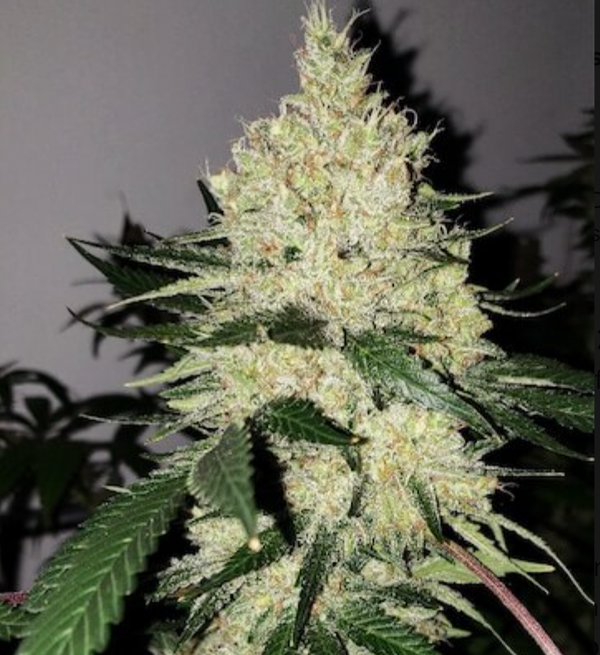
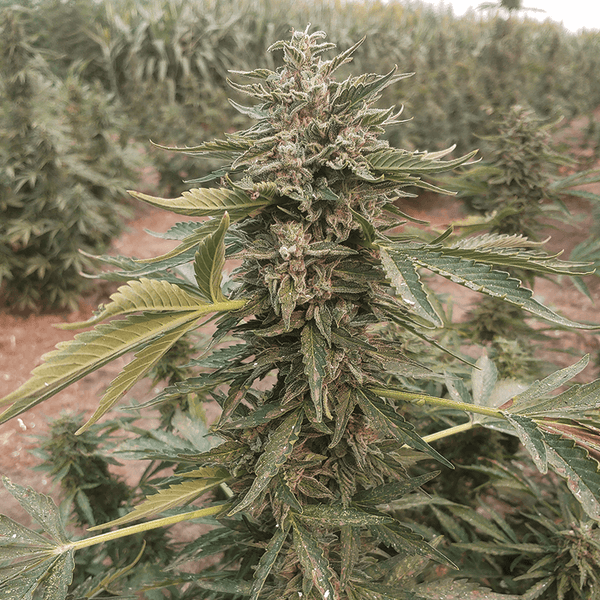
First, take a look at the pistils—the small, hair-like strands covering the buds. When your plant is still developing, these pistils will be white. As it reaches maturity, they will start to darken and curl inward, shifting to a reddish-orange or brown color. You’re generally looking for about 70-90% of the pistils to have changed color. At the same time, the buds themselves should look full, dense, and swollen. The fan leaves might also start to yellow and drop off, which is a natural part of the plant’s life cycle as it directs all its energy into the flowers.
Use Trichomes to Pinpoint the Perfect Time
For the most precise timing, you’ll want to inspect the trichomes. These are the tiny, mushroom-shaped resin glands that cover the buds and small leaves, and they hold all the good stuff like cannabinoids and terpenes. You’ll need a jeweler’s loupe or a small magnifying glass to see them clearly. They go through three stages: clear (not ready), milky/cloudy (peak THC), and amber (more relaxing effects). The perfect harvest window is when most trichomes are cloudy with about 10-30% amber. This balance typically provides a potent and well-rounded experience, capturing the strain’s unique profile.
Are Autoflowers the Right Choice for Your Garden?
Deciding if autoflowers are the right fit for you comes down to your personal goals, your experience level, and the space you’re working with. These plants aren’t just a novelty; they are a strategic choice for many growers. If you’re looking for a quick turnaround from seed to harvest, autoflowers are hard to beat. Their speed makes it possible to fit multiple harvests into a single outdoor season or to keep a perpetual cycle going indoors, ensuring a steady supply. This rapid lifecycle is one of their most celebrated features and a primary reason many cultivators choose them.
For new growers, the simplicity of an autoflower is a huge advantage. You get to learn the fundamentals of cannabis cultivation without the added complexity of managing light cycles to trigger flowering. This built-in timer removes a significant hurdle, letting you focus on watering, feeding, and observing your plant's health. But it’s not just for beginners. Experienced cultivators love autoflowers for their compact size, which is perfect for small tents, balconies, or discreet corners of a garden. They allow you to experiment with new genetics without committing to a months-long photoperiod grow. The question isn't whether autoflowers are "good," but whether their specific traits align with what you want to achieve in your garden.
Match the Seed to Your Goals and Space
The best way to start is by looking at your setup and your schedule. Because autoflowers begin to flower based on their age—usually just a few weeks after sprouting—they remove a major variable from the growing equation. You don’t need to worry about light leaks or meticulously timing a 12/12 light schedule. This makes them incredibly forgiving and a fantastic choice for anyone using simple indoor cannabis seeds for the first time.
Their compact stature is another key factor. If you’re growing in a tight space, an autoflower’s smaller size is a clear benefit. Furthermore, nearly all modern autoflower seeds are feminized, meaning you have a 99%+ chance of getting bud-producing female plants. This maximizes your space and effort, ensuring your small garden is dedicated entirely to producing a harvest.
Find Your Perfect Autoflower Strain
Gone are the days when autoflowers were considered less potent than their photoperiod cousins. Thanks to incredible breeding advancements, today’s autoflowers offer impressive potency, complex aromas, and fantastic flavors that stand shoulder-to-shoulder with traditional strains. The key is to choose genetics that match your desired outcome. Think about what you want from your final product. Are you aiming for high-potency THCA seeds or the therapeutic qualities of CBD-rich cannabis?
Take some time to read through strain descriptions and reviews. Look for information on flavor profiles, typical effects, and the estimated time from seed to harvest. Whether you want a relaxing indica-dominant plant for evening use or an uplifting sativa-dominant variety, there is an autoflower strain for you. Exploring the different options is part of the fun and ensures you grow a plant you’ll truly enjoy.
Related Articles
- What are Autoflower Seeds?
- Autoflower Seeds for Beginners: Grow Fast & Easy
- Autoflower Seed 101: A Complete Beginner's Guide
- Autoflowers Seeds: Your Complete Grower's Guide
- 10 Best Autoflowering Seeds for Fast Harvests
Frequently Asked Questions
Are autoflowers less potent than regular cannabis plants? This is a common myth that comes from the early days of autoflower breeding. While the first autoflowers might have sacrificed some potency for speed, that’s no longer the case. Thanks to years of expert breeding, modern autoflowers from quality sources offer impressive potency, flavor, and aroma that easily compete with traditional photoperiod strains. The key is to start with well-bred genetics.
What's the biggest mistake to avoid when growing autoflowers? The most common mistake is trying to do too much. Because autoflowers have a very short and fixed life cycle, they don't have time to recover from major stress. Overwatering and overfeeding are the two biggest culprits. It's best to use a light, airy soil mix and be conservative with nutrients. A gentle hand and a stable environment will give you much better results than trying to push the plant too hard.
Can I use training techniques like topping on my autoflower plants? It’s generally best to avoid high-stress training (HST) techniques like topping or heavy pruning on autoflowers. Since the plant will switch to flowering automatically after just a few weeks, it doesn't have enough time in its vegetative stage to recover from that kind of stress. Any stunting can directly impact your final yield. If you want to shape your plant, stick to gentle, low-stress training (LST) methods.
Since autoflowers are smaller, does that mean my harvest will be disappointing? Not at all. While a single autoflower plant typically yields less than a large photoperiod plant, their speed is the great equalizer. You can complete multiple autoflower harvests in the time it takes to finish one photoperiod grow. This means your total yield over the course of a season or a year can be very impressive. It's a trade-off between size per plant and the number of harvests per year.
Do I need to change my light schedule at all for autoflowers? No, and that’s one of their biggest advantages. You can keep your lights on a consistent schedule, typically 18 hours of light and 6 hours of darkness, from the day your seed sprouts until the day you harvest. The plant’s internal clock handles the switch to flowering all on its own, which removes a major technical step from the growing process and makes them incredibly straightforward to cultivate.