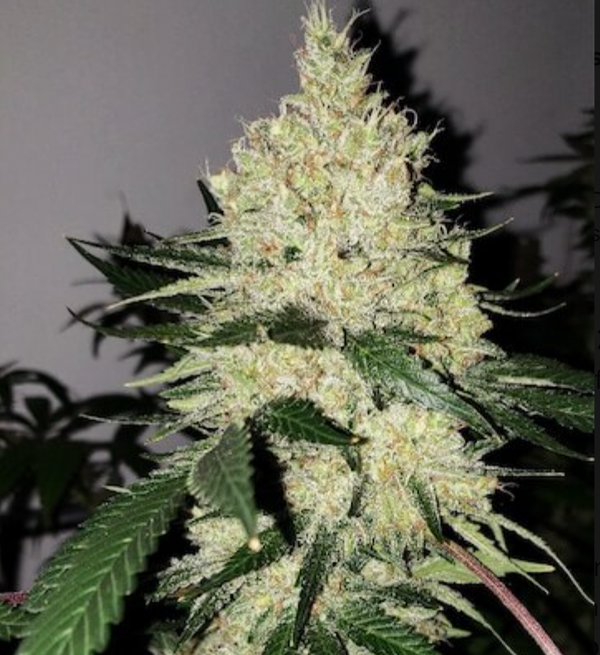
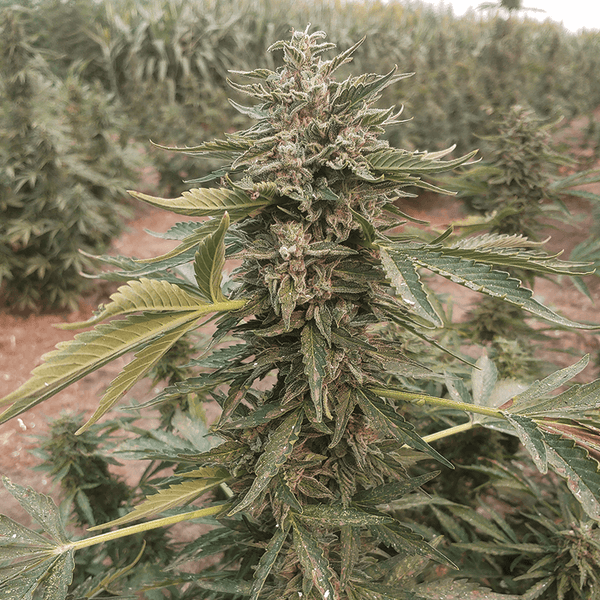
While THC is famous for bringing on “the munchies,” another cannabinoid offers the complete opposite experience. Meet THCV, a compound known for its ability to suppress appetite and provide a clean, stimulating energy boost. This makes it a game-changer for consumers who want a more functional, focused cannabis experience without the fogginess or hunger pangs. As a grower, this shift in consumer preference is a golden opportunity. By adding a high THCV strain to your garden, you can diversify your offerings and cater to a knowledgeable market looking for specific, targeted effects.
Key Takeaways
- THCV offers a unique, energizing experience: Unlike THC, THCV is known for providing a clear-headed, stimulating effect without the intense munchies. It's a great choice when you want focus and energy instead of a traditional high.
- Rely on lab reports to find the right strain: A strain's name isn't enough. Check the Certificate of Analysis (COA) to confirm the exact THCV percentage and terpene profile, ensuring you get the specific effects you're looking for.
- Your methods determine your outcome: How you grow and consume THCV matters. Use specific cultivation techniques to improve potency, and choose your consumption method based on whether you want fast-acting or long-lasting effects.
So, What Exactly Is THCV?
You’ve probably heard all about THC and CBD, but the cannabis plant is full of other fascinating compounds. One that’s getting a lot of attention is THCV, or Tetrahydrocannabivarin. It’s a minor cannabinoid, meaning it usually appears in smaller quantities, but its effects are anything but minor. Often called “diet weed” or the “sports car” of cannabinoids, THCV is known for providing a clear-headed, stimulating experience that’s quite different from the typical THC high. For cultivators, understanding this unique compound opens up a new world of genetics to explore, offering distinct effects that a growing number of consumers are seeking out.
A Brief History: The Discovery of THCV
While it might seem like the new kid on the block, THCV was actually discovered way back in 1973. For a long time, it didn't get much attention because it’s a minor cannabinoid, meaning it naturally occurs in very small amounts in most cannabis plants. However, as cannabis research has expanded, so has our understanding of this unique compound. A recent surge in interest is tied to its distinct properties, including its potential therapeutic benefit for managing appetite. This growing demand from consumers has inspired cultivators and breeders to focus on developing genetics with higher THCV concentrations, giving growers like you the chance to cultivate strains specifically for these sought-after effects.
THCV vs. THC: What’s the Real Difference?
While their names sound similar, THCV and THC have a few key differences. The most significant one is how they affect you. At low doses, THCV doesn’t produce a high and can even counteract some of THC's effects, like anxiety or an increased heart rate. At higher doses, THCV can be psychoactive, but the feeling is often described as more focused and energetic than a traditional THC high. Another major distinction is their impact on appetite. THC is famous for causing "the munchies," but THCV does the opposite. It’s known to act as an appetite suppressant, which is why it has earned the nickname "diet weed." Instead of sending you to the pantry, it can help you feel full.
Potency and Psychoactive Effects
Let's talk about the buzz—or in this case, the lack of one. The psychoactive effect of THCV is entirely dose-dependent. At lower doses, it won't get you high and can even mellow out the intensity of THC. If you take a larger amount, you might feel a mild, stimulating lift, but it’s known for being clear-headed and energetic, not foggy. Beyond its gentle psychoactivity, THCV is really sought after for its functional benefits. People often use it for a clean energy lift and its well-known ability to suppress appetite. Early research also points to potential benefits for weight management and blood pressure, making it a compelling option for health-focused consumers.
THCV is Not Delta-8 or Delta-9 THC
With so many cannabinoids out there, it’s easy to get them mixed up. Let’s be clear: THCV is a completely separate compound from Delta-8 or Delta-9 THC. While they have similar molecular structures, a tiny difference creates a world of change in their effects. The main advantage of THCV is its lack of an intense high. It can even act as a buffer against some of the less desirable side effects of Delta-9 THC, like anxiety or a racing heart. For you as a grower, this distinction is crucial. You aren’t just growing another THC variant; you’re cultivating a unique cannabinoid with specific, functional benefits that attract a more discerning customer.
What Does THCV Feel Like?
Based on early research, THCV interacts with our bodies in some really interesting ways. Its potential as an appetite suppressant is the most talked-about benefit. Studies suggest it can help reduce appetite and increase satiety, or the feeling of being full. Some animal studies have even shown it can lead to a higher metabolism and energy expenditure. Beyond appetite, THCV shows promise in other areas. It may help regulate blood sugar levels and reduce inflammation. It’s also being explored for its ability to relieve stress and anxiety. Because it can produce a sense of calm without clouding the mind, some find it helpful for reducing panic attacks, which is why it’s being researched for conditions like PTSD.
How Long Do the Effects Last?
One of the most appealing aspects of THCV is its short duration. The effects are known to be fast-acting but also fade quickly, typically lasting between 30 minutes and 1.5 hours. This makes it a great option if you’re looking for a temporary, functional lift without the long-lasting commitment of a traditional THC high. Think of it as a quick burst of energy and clarity that won’t derail your entire afternoon. The intensity and duration will, of course, depend on your dosage. A small amount might offer a subtle, non-intoxicating boost, while higher doses can produce a mild, clear-headed high, but its effects are much shorter than what you’d expect from THC.
5 Popular High-THCV Strains to Know
Ready to explore the world of THCV? Finding strains with significant levels of this unique cannabinoid can feel like a treasure hunt, but the rewards are well worth it. Most high-THCV strains are Sativa or Sativa-dominant, prized for their clear-headed and energetic effects that stand apart from the typical THC experience. While some legendary landrace strains have naturally occurring THCV, modern breeders are now specifically creating new genetics to feature higher concentrations of this compound. This dedication to genetic innovation is pushing the boundaries of what cannabis can offer, moving beyond just THC and CBD. This means more options and more reliable results for you as a grower.
When you're looking for a great THCV strain, remember that the overall experience comes from the plant's entire chemical profile, including other cannabinoids and terpenes. A strain's effects are a team effort! The strains listed below are famous for their THCV content and have become favorites for their distinct benefits. Each one offers a slightly different flavor and feel, so you can pinpoint the exact effects you're aiming for in your garden and in your final product. Whether you're looking to grow something that will help you focus, spark creativity, or simply provide a clean energy lift, there’s a perfect THCV strain waiting for you. You can find many exceptional Sativa-dominant varieties in our collection of feminized seeds, giving you a great starting point for your cultivation journey.
Where Do High-THCV Strains Come From?
THCV is a bit of a rare gem in the cannabis world. While most strains contain only trace amounts, certain genetics naturally produce higher levels of this unique cannabinoid. Historically, these high-THCV strains have been landrace Sativas originating from specific parts of the world, like Southern Africa and Central Asia. Strains like Durban Poison are classic examples of plants that naturally carry more THCV. Building on that foundation, the real game-changer has been modern genetic innovation. Today’s expert breeders aren't just waiting to find these plants in the wild; they are intentionally creating them. By carefully selecting and cross-breeding parent plants, breeders can develop new, stable strains with consistently high THCV concentrations. This dedicated work is what allows growers like you to discover new potential and access reliable genetics that deliver specific, targeted effects.
Durban Poison: For a Classic, Energizing High
If you’re just starting with THCV, Durban Poison is an excellent introduction. This pure Sativa landrace strain from the port city of Durban, South Africa, is legendary for a reason. It typically contains around 1% THCV, which works with its THC content to produce a famously clean and focused high. Users often report feeling incredibly energetic and uplifted without the anxiety or raciness that some potent Sativas can cause. It’s also well-known for its appetite-suppressing qualities, making it a go-to for those who want to avoid the munchies. For cultivators, Durban Poison is a resilient and reliable plant that often thrives in outdoor cultivation.
Doug's Varin: For the Highest THCV Content
For those who want to go straight to the source, Doug's Varin is a must-try. This rare Sativa strain was specifically bred to produce high levels of THCV, often testing around 3% or more. It’s a bit of a unicorn in the cannabis world, but its effects are unmistakable. Doug's Varin delivers a powerful surge of energy and mental clarity that can sharpen focus and inspire creativity. Because it was developed with a specific cannabinoid profile in mind, it provides one of the purest THCV experiences you can find. It’s a perfect example of how intentional breeding can highlight a single cannabinoid, a principle we follow when developing our own unique THCA seeds.
Jack the Ripper: For a Jolt of Creativity
If you're an artist, writer, or anyone looking for a creative kick, meet Jack the Ripper. This Sativa-dominant strain is a powerhouse, sometimes containing up to 5% THCV—one of the highest concentrations available. But it’s not just about raw energy; users love Jack the Ripper for the way it inspires creative thought while keeping the mind relaxed and open. It’s the kind of strain that helps you make new connections and see things from a different perspective. Its complex, lemony-pine aroma adds to the invigorating experience. Growing a strain with such a specific and potent profile requires stable genetics, so always start with high-quality cannabis seeds.
Red Congolese: For Laser-Sharp Focus
When you have a long to-do list and need to stay on task, Red Congolese is your best friend. This beloved Sativa is renowned for its ability to promote focus and mental clarity without any fogginess. The effects are often described as weightless and energizing, helping you power through your day with a positive and productive mindset. It won’t leave you feeling jittery, just sharp and ready to go. Red Congolese also has a distinct spicy and nutty flavor profile that makes it a treat for the senses. It’s an ideal daytime strain for anyone who wants to remain functional and clear-headed while enjoying the benefits of cannabis.
Willie Nelson: For Clear-Headed Creative Sessions
Named after the iconic musician, the Willie Nelson strain lives up to its namesake’s creative and uplifting spirit. It’s reported to deliver a happy, clear-headed high that’s perfect for social gatherings or diving into a creative project. One of its most celebrated features is its ability to sidestep the munchies, making it a top choice for users who are sensitive to THC-induced appetite stimulation. This strain allows you to enjoy a euphoric and creative state of mind while staying completely present and focused. For growers looking for a faster turnaround on their creative supply, exploring autoflower seeds can offer a quicker path from seed to harvest.
Other Notable Strains: GSC, Tangie, and Pineapple Purps
Beyond the headliners, several other popular strains offer a notable THCV kick alongside other desirable effects. Girl Scout Cookies (GSC), a well-known hybrid, balances its THC with THCV to deliver a creative yet relaxing experience that many find helpful for pain relief. For a more stimulating option, the Sativa-dominant Tangie is celebrated for its ability to sharpen focus and creativity without the mental haze. Similarly, Pineapple Purps is another Sativa-dominant hybrid known for its energizing and anxiety-reducing qualities, making it a fantastic choice for social settings or creative work. These strains show how THCV can work with other compounds to create a unique, targeted experience, a key reason to diversify the genetics in your garden. You can explore a wide variety of indoor cannabis seeds to find the perfect profile for your next grow.
A Note on Skunk #1
Skunk #1 is an interesting case in the world of THCV. While it does contain the cannabinoid, it’s a good reminder that every strain is different, as some users report that it can actually increase their appetite. However, it’s also noted for its ability to help with focus, making it a bit of a wild card. Although finding pure Skunk #1 can be a challenge, its genetics are foundational to many modern hybrids. This highlights just how important a strain’s entire chemical profile is in determining its final effects. It’s a perfect example of why starting with stable, well-documented genetics is crucial for achieving the results you want, whether you're growing for specific cannabinoid ratios or unique terpene profiles.
What Are the Benefits of High-THCV Strains?
While THC gets most of the attention, growers and consumers are increasingly looking for cannabis with more diverse cannabinoid profiles. THCV is stepping into the spotlight for its unique effects that set it apart from its more famous cousin. People are seeking out high-THCV strains not just for a different kind of buzz, but for specific wellness goals and a more functional experience. For cultivators, this growing interest represents a fantastic opportunity to diversify your garden with unique genetics that meet a specific market demand.
Unlike the classic THC experience, which can be intensely psychoactive and sedative, THCV offers something different. It’s often described as providing a more clear-headed and energizing effect, making it a popular choice for daytime use. As research continues to uncover its potential benefits, from appetite suppression to mental clarity, more people are specifically asking for THCV-rich products. By exploring high-THCV seeds, you can cultivate plants that deliver these sought-after effects, appealing to a discerning audience looking for more than just a standard high. The reasons people reach for these strains are as varied as the plants themselves, but they all center on achieving a balanced and targeted experience.
How THCV Interacts with the Brain
The unique, clear-headed feeling from THCV isn't just a vibe; it's rooted in how the cannabinoid interacts with your brain's complex networks. Unlike THC, which can sometimes create a foggy or scattered feeling, THCV works on specific neural pathways that govern focus and self-reflection. Think of it as a conductor fine-tuning an orchestra. It dials down the parts of your brain associated with daydreaming and mind-wandering while turning up the volume on the parts responsible for focus and decision-making. This balancing act is what creates THCV’s signature stimulating and controlled experience, making it a fascinating compound for both consumers and cultivators aiming for specific, functional effects.
Impact on the Default Mode Network
Have you ever found your mind wandering when you’re supposed to be concentrating? That’s your Default Mode Network (DMN) at work. The DMN is your brain's "autopilot" mode, active when you're daydreaming, reflecting on the past, or thinking about the future. While this is a normal brain function, an overactive DMN is sometimes linked to conditions like depression and obesity. This is where THCV makes a difference. Research suggests that THCV can reduce activity in the DMN, helping to quiet the mental chatter. This may be why users report feeling more present and less distracted, and it could also play a role in curbing mindless eating habits.
Impact on the Executive Control Network
On the flip side of the DMN is the Executive Control Network (ECN), which you can think of as your brain's task manager. The ECN is what you use for problem-solving, paying attention, and making conscious decisions—including controlling impulses. The same study that showed THCV quieting the DMN found that it actually increases activity in the ECN. This boost helps explain the laser-sharp focus and mental clarity that high-THCV strains are known for. By strengthening your brain's "CEO," THCV can help you stay on task and feel more in control, which is a key reason growers are seeking out specialized indoor cannabis seeds to cultivate plants with this precise effect.
May Help Curb Your Appetite
One of the most talked-about benefits of THCV is its potential to act as an appetite suppressant. This is a significant departure from THC, which is famous for inducing "the munchies." For individuals who want to enjoy cannabis without raiding the pantry, THCV offers a compelling alternative. Early research and user reports suggest that THCV may help reduce hunger cues and increase feelings of fullness. This unique property makes high-THCV strains a go-to for consumers who are mindful of their eating habits or simply prefer a cannabis experience that doesn't revolve around food. It’s a key reason why these strains are gaining so much traction.
What the Research Says About Appetite
The "diet weed" nickname isn't just clever marketing; it's rooted in what early scientific studies are revealing about THCV. While more human trials are needed, the initial findings are compelling. For instance, research published in the Journal of Cannabis Research found that in studies with rodents, THCV helped decrease appetite and increase feelings of fullness. This aligns with what many users report—a noticeable lack of the munchies. The cannabinoid appears to work by promoting satiety, which is the feeling of being satisfied after eating. This effect is particularly interesting because, at low doses, THCV can actually block some of THC's effects, including its tendency to make you hungry. For growers, this scientific backing is key. It confirms that by cultivating genetics high in THCV, you're meeting a specific consumer demand for a cannabis experience with verifiable benefits.
Could Support Healthy Blood Sugar Levels
Beyond appetite, THCV is also being studied for its potential role in metabolic health. Preliminary research suggests that THCV may help regulate blood sugar levels and improve the body's response to insulin. While it's not a replacement for medical treatment, this potential benefit is a major driver of interest in the cannabinoid, especially among wellness-focused consumers. For growers, offering strains with high THCV content means you can cater to a market that is deeply invested in the therapeutic potential of cannabis. These users are often knowledgeable and looking for specific cannabinoid profiles to support their health goals.
Insights from Type 2 Diabetes Studies
The excitement around THCV isn't just based on user reports; scientific studies are starting to back it up. For instance, one human study focused on people with type 2 diabetes found that THCV significantly lowered their fasting blood sugar levels. While the placebo group saw their levels rise, the group taking THCV saw a notable drop. The research also suggested that THCV helped improve the function of the pancreatic cells responsible for producing insulin. This is a big deal because it points to how THCV might work on a biological level to support metabolic health. While more research is needed, these early findings are a key reason why consumers are actively seeking out strains with higher THCV content, making them a valuable addition to any modern cultivation project.
Less Jitters, Sharper Focus
If you’ve ever found that traditional THC strains make you feel anxious or foggy, THCV might be the solution you’re looking for. Many people report that THCV helps quiet a racing mind and reduce feelings of stress without the heavy, sedative effects. Instead of feeling sluggish, users often feel alert, motivated, and clear-headed. This makes high-THCV strains an excellent choice for creative projects, work sessions, or any activity that requires sharp focus. It’s this ability to provide calm and clarity simultaneously that makes THCV so appealing for daytime use.
A Clear, Focused Lift in Energy
High-THCV strains are often called the "espresso" of cannabis, and for good reason. They are known for providing a clean, stimulating energy lift that feels productive rather than jittery. The effect is dose-dependent: at lower doses, THCV is typically non-psychoactive and may even counteract some of THC's intensity. At higher doses, it produces a clear-headed, motivating buzz that’s less overwhelming than a strong THC high. This makes it perfect for anyone wanting to stay active and engaged. Cultivating feminized seeds with high-THCV genetics can help you produce a consistent crop that delivers this sought-after energizing experience.
Potential Cardiovascular and Bone Health Support
The wellness benefits of THCV might extend even further, with early research pointing to potential support for heart and bone health. Its ability to help regulate metabolism and blood sugar is closely tied to cardiovascular well-being, and some studies suggest THCV could play a role in managing blood pressure and cholesterol. Plus, its anti-inflammatory properties are significant, as chronic inflammation is a known factor in heart disease. On top of that, researchers are exploring how cannabinoids like THCV might promote bone growth and help maintain bone density. This expanding list of potential benefits makes high-THCV genetics incredibly valuable, appealing to consumers focused on holistic health. Exploring our new releases can help you find the latest strains with these sought-after profiles.
How to Choose the Right High-THCV Strain
Finding the perfect THCV strain is more than just picking a cool name. It’s about understanding the plant's unique chemical profile to get the effects you’re looking for. As a cultivator, this is even more important because the genetics you choose will determine the characteristics of your entire harvest. By looking closely at lab data and the complete cannabinoid and terpene profile, you can select seeds that will produce the exact results you want. Think of it as a blueprint for your grow. A little research upfront ensures you’re investing your time and resources into a plant that will deliver on its promises, whether you’re growing for focused energy, appetite control, or a clear-headed creative buzz. Let’s walk through the key factors to consider so you can choose your next THCV strain with total confidence.
Always Check the Lab Report (COA)
The most reliable way to know what’s in a strain is to check its Certificate of Analysis (COA). This is a lab report that breaks down the exact amounts of cannabinoids and terpenes in a plant sample. When you're looking for THCV, the COA is your source of truth. It will show you the precise percentage of THCV, so you aren't just relying on a strain's reputation. Reputable seed banks test their parent genetics and can provide data that gives you a strong indication of the potential cannabinoid profile of your future plants. Always look for seeds from sources that are transparent about their lab results.
Talk to Your Budtender or Grower Community
While dispensary budtenders are a great resource for consumers, cultivators can get more specific advice by talking to other growers and seed experts. Don’t hesitate to reach out to the specialists at your seed bank—they have deep knowledge of their genetics and can guide you to a strain that fits your goals and growing conditions. Online forums and local growing communities are also fantastic places to ask questions. Hearing about another grower’s direct experience with a particular THCV strain can provide insights you won’t find on a spec sheet, from its growth patterns to the subtle nuances of its effects.
Pay Attention to the Terpene Profile
Cannabinoids don't work in a vacuum. They interact with terpenes—the aromatic compounds in cannabis—to create a more nuanced experience known as the entourage effect. When choosing a THCV strain, look at its terpene profile to see what other effects you can expect. For example, if you’re interested in THCV for its appetite-suppressing qualities, a strain that also contains the terpene humulene could enhance that effect. If you want to amplify the energetic and focused feeling, look for strains high in limonene or pinene. Understanding these combinations helps you fine-tune your selection for a more targeted outcome.
Look at the Cannabinoid Ratios
A strain can be high in THCV and still contain significant levels of other cannabinoids, most notably THC. The ratio between these compounds dramatically shapes the overall experience. A strain with a 1:1 ratio of THCV to THC will likely produce a clear-headed but still psychoactive high. If you want the energizing effects of THCV without a strong "high," you'll need a strain where THCV is the dominant cannabinoid and THC levels are low. Always check the full profile. Knowing whether you're getting a strain with high THCA content alongside THCV is critical for predicting the final effect.
Finding Pure THCV vs. Full-Spectrum Products
When you hear about THCV, it’s important to know whether you’re dealing with a pure isolate or a full-spectrum product. Pure THCV isolates are designed to deliver only the effects of that specific cannabinoid, which is ideal for consumers who want targeted benefits like appetite suppression without any other psychoactive influence. On the other hand, full-spectrum products contain THCV alongside a whole team of other cannabinoids and terpenes. This is where the "entourage effect" comes in, creating a more complex and synergistic experience. As a grower, the strains you cultivate will almost always be full-spectrum, but the ratio of cannabinoids is what matters. A strain with very high THCV and low THC will offer a different experience than one with a more balanced profile. When you shop for seeds, paying attention to these details in the genetic description is key to growing a plant that meets specific consumer demands.
Best Ways to Consume High-THCV Strains
Once you’ve successfully harvested your high-THCV cannabis, you have a few options for consumption. The method you choose can significantly shape your experience, influencing how quickly you feel the effects and how long they last. Whether you’re looking for a quick burst of creative energy or sustained focus throughout the day, understanding these different approaches will help you get the most out of the unique strains you’ve cultivated. It’s all about matching the method to your desired outcome.
Smoking or Vaping for Fast-Acting Effects
If you’re looking for immediate effects, smoking or vaporizing your harvested flower is the way to go. Inhaling THCV allows it to enter your bloodstream directly through your lungs, with effects typically felt within minutes. This rapid onset makes it a great choice when you need a quick lift in focus or a burst of clear-headed energy to start a task. Many people prefer vaporizing as it can offer a cleaner taste that highlights the unique terpene profile of the strain you’ve grown. After putting in the work to grow from quality feminized seeds, this method allows you to quickly and directly appreciate the results of your harvest.
The Importance of Vaporizer Temperature
When you vaporize, the temperature you choose is more than just a heat setting—it's a tool for customizing your experience. Different compounds in the cannabis flower, including cannabinoids like THCV and various terpenes, have different boiling points. This means that adjusting your vaporizer's temperature by just a few degrees can significantly change the effects and flavors you get. Setting the temperature too low might mean you're not fully activating the THCV, while setting it too high can burn off the delicate terpenes that contribute to the strain's unique profile. Finding that sweet spot is key to getting the most out of your flower.
For a balanced experience that preserves both the cannabinoids and the terpenes, many people find success in the 350-400°F (177-204°C) range. Temperatures on the lower end of this spectrum tend to produce a more cerebral, clear-headed effect, which is perfect for accentuating the focused energy of THCV. Higher temperatures can lead to a more intense, body-focused feeling. Experimenting within this range will help you discover the precise setting that unlocks the specific benefits you're looking for from your high-THCV strain, ensuring all your hard work in cultivation pays off in the final experience.
Edibles and Tinctures for a Longer Experience
For effects that are more gradual and sustained, consider using your high-THCV flower to make edibles or tinctures. When you ingest THCV, it’s processed by your liver before entering your bloodstream, which means it takes longer to kick in—usually anywhere from 30 minutes to two hours. However, the trade-off is that the effects last much longer, often for several hours. This makes edibles and tinctures ideal for all-day appetite management or for maintaining a steady level of focus without needing to consume more frequently. Many people find THCV gummies and oils to be a convenient and discreet way to integrate the cannabinoid into their daily routine.
Finding Your Sweet Spot: How to Dose THCV
Regardless of how you choose to consume THCV, the golden rule is to start low and go slow. Everyone’s body chemistry is different, so a dose that works perfectly for one person might be too much or too little for another. As experts advise, you should always begin with a small amount to see how your body reacts, then slowly increase the amount if needed. This is especially important with edibles, where the delayed onset can make it easy to take too much too soon. Give yourself time to fully feel the effects before deciding to have more. This patient, mindful approach ensures you find the sweet spot for a positive and effective experience.
Thinking of Growing a High-THCV Strain?
Growing cannabis that’s rich in a specific cannabinoid like THCV is part art, part science. While genetics are the most important starting point—you can’t get THCV from a plant that doesn’t produce it—your cultivation techniques play a huge role in expressing that genetic potential. If you’re ready to move beyond the basics and fine-tune your grow for a specific outcome, a few key adjustments can make all the difference. Starting with high-quality cannabis seeds is step one. These next steps will help you guide that plant toward its maximum THCV production.
The Importance of Starting with Quality Genetics
You can be the best grower in the world, but you can't coax THCV out of a plant that doesn't have the genetic code to produce it. Think of genetics as the blueprint for your entire grow; it all starts here. If you want to cultivate a plant rich in THCV, you need to begin with seeds from a strain that is known for it. This is where working with a reputable seed bank becomes crucial. Modern breeders are intentionally developing genetics with higher concentrations of specific cannabinoids like THCV, giving you a reliable starting point. By choosing high-quality cannabis seeds with stable, proven genetics, you’re setting yourself up for a successful harvest that delivers the exact effects you’re aiming for.
Nail the Growing Environment
Think of your grow space as the foundation for everything else. To maximize potency, you need to maintain optimal environmental conditions. This means keeping a close eye on temperature, humidity, and airflow. When these factors are stable, your plant can dedicate its energy to producing cannabinoids instead of fighting to survive. For an indoor grow, this means using fans for consistent air circulation, a hygrometer to monitor humidity, and a reliable heating or cooling system. A stable environment helps your indoor cannabis seeds thrive and produce the dense, resinous buds you’re looking for.
Consider High-Stress Training (HST) Techniques
It might sound counterintuitive, but intentionally stressing your plants can trigger a powerful survival response. Experienced growers use high-stress training (HST) techniques to trick the plant into thinking its life is in danger. In response, the plant ramps up resin production to protect itself, which can stimulate this response. Methods like super-cropping (carefully pinching and bending stems) or topping can achieve this. These techniques are best suited for robust, healthy plants, so they pair well with resilient feminized seeds. Just be careful—HST is for growers with some experience, as overdoing it can cause damage.
Keep Temperatures Cool During Flowering
As your plant enters the flowering stage, a strategic temperature drop can be your secret weapon. Lowering the temperature in your grow room by about 10 to 15 degrees mimics the natural change of seasons outdoors. This temperature shift signals to the plant that winter is coming and it's time to put all its remaining energy into flower and resin production. This final push is crucial for maximizing cannabinoid content, including THCV. The exact temperature will depend on your specific strain and setup, but this technique is a proven way to encourage a more potent and flavorful harvest.
A Few Things to Know Before Trying THCV
Jumping into the world of THCV is exciting, but a little preparation goes a long way. Like any cannabinoid, it has its own unique profile, and knowing what to expect helps you have the best possible experience. Before you start growing or trying a new strain, let’s cover a few key things: managing potential side effects, clearing up common myths, and the importance of checking in with a professional.
Is THCV Legal in the United States?
Navigating the legal landscape of cannabinoids can feel tricky, but here’s the good news: THCV is federally legal in the United States. This is thanks to the 2018 Farm Bill, which legalized hemp and its derivatives as long as they contain less than 0.3% Delta-9 THC. So, if the THCV is sourced from hemp, it's generally considered legal at the federal level. However, state laws can be a different story. While THCV is legal in most states, some have their own restrictions on hemp-derived cannabinoids. The regulatory environment is always evolving, with the FDA overseeing cannabis-derived products, so it's always a smart move to check your local state laws before growing or purchasing to ensure you're fully compliant.
Understanding the Potential Side Effects
The good news is that most people find THCV to be a pretty smooth ride. Any side effects are typically mild and don't last long. You might experience a bit of dizziness, dry mouth, or a slightly faster heart rate, especially when you're first trying it out. In very high doses, some people report mild anxiety, but it’s known for being much less likely to cause the paranoia that can sometimes come with high-THC strains. The best approach is to start with a small dose and see how you feel. This allows you to find your personal sweet spot without overdoing it and ensures your experience is a positive one.
Considering the Lack of Long-Term Research
While the initial findings on THCV are incredibly promising, it's important to remember that the science is still catching up. Much of the current research is based on early-stage or animal studies, and we're still waiting on comprehensive, long-term human trials to fully understand its effects. This is especially true for its potential benefits in appetite suppression and metabolic health. While early results are exciting, experts agree that more rigorous studies are needed to confirm its long-term safety and effectiveness. This doesn't take away from the positive experiences many people have, but it’s a good reminder to approach THCV with mindful curiosity and to stay informed as more research becomes available.
Fact vs. Fiction: Common THCV Myths
You’ve probably heard THCV called “diet weed,” and while it is known for its appetite-suppressing effects, that nickname doesn't tell the whole story. This cannabinoid offers a range of other benefits, from clear-headed energy to focus. Another common myth is that all cannabis products are the same. The unique combination of cannabinoids and terpenes in a strain is what defines its effects. Exploring different autoflower seeds shows just how varied the cannabis plant can be. Thinking of THCV as just one tool in a vast toolkit helps you appreciate its specific role and potential.
THCV vs. Rimonabant: An Important Distinction
It’s helpful to understand why THCV is seen as such a promising compound, especially when you look at the history of other appetite suppressants. A pharmaceutical drug called Rimonabant was developed for weight loss and also worked by blocking the same CB1 receptors in the brain that THCV interacts with. However, Rimonabant was quickly pulled from the market because it caused serious psychiatric side effects, including severe depression and anxiety. This is where THCV stands apart. Research shows that THCV is a "neutral antagonist," meaning it works on the same system but doesn't appear to trigger those same negative mood changes. This distinction is critical—it highlights the difference between a harsh synthetic drug and a nuanced, plant-derived cannabinoid, reinforcing the importance of relying on pure genetics for a safe and positive experience.
Always a Good Idea: Talk to Your Doctor
Before you add any new supplement or cannabinoid to your routine, it's always a smart move to chat with your doctor. This is especially important if you have any underlying health conditions or are taking other medications. A healthcare provider can give you personalized advice and help you understand how THCV might interact with your unique body chemistry. While we aim to provide helpful and accurate information, please remember it’s no substitute for professional medical advice. Think of it as one more step in making informed, confident decisions about your wellness journey.
The Future Looks Bright for THCV
The future for THCV is incredibly bright, with both scientists and cultivators exploring its unique properties. As interest grows, we're seeing exciting developments in medical research and the creation of new, potent strains. This cannabinoid is quickly moving from a niche interest to a major player in the cannabis world.
Emerging Research and Potential Medical Uses
Researchers are digging into THCV’s potential health benefits, and the initial findings are promising. Much of the buzz surrounds its potential effects on appetite and metabolism, as some studies suggest it might help regulate blood sugar and reduce appetite, unlike its cousin THC. Beyond that, scientists are exploring its neuroprotective properties. Early research indicates THCV could play a role in managing symptoms of conditions like Parkinson’s disease, PTSD, and epilepsy. While this research is still in its early stages, the ongoing studies point to a future where THCV could offer targeted therapeutic support for a range of health concerns.
Potential for Neurodegenerative Conditions
One of the most exciting areas of THCV research is its potential to support brain health. Scientists are currently exploring its neuroprotective properties, which means it could help protect brain cells from damage. This has opened up conversations about its possible role in managing symptoms of neurodegenerative conditions. For instance, early studies suggest THCV could help with movement control and tremors associated with diseases like Parkinson's and even Alzheimer's. While it's important to remember this research is still developing, the initial findings are a source of great hope. It highlights how specific cannabinoids are being investigated for highly targeted therapeutic uses, moving far beyond general wellness.
The Next Wave of High-THCV Strains
While finding strains with high levels of THCV used to be a bit of a treasure hunt, that’s rapidly changing. Classic sativas like Durban Poison have long been go-to's, but the real excitement is in the new genetics. Breeders are hard at work developing new THCV-rich strains, often cross-breeding landrace sativas to create cultivars with consistently high THCV content. As demand grows, you can expect to see more of these specialized seeds hit the market. Keep an eye on seed bank inventories, as the next legendary THCV strain could drop at any time, offering growers a chance to cultivate this energizing and unique cannabinoid.
Related Articles
Frequently Asked Questions
Will THCV get me high like regular THC? It depends on the dose. In smaller amounts, THCV is generally not psychoactive and can even soften some of the intensity of THC. At higher doses, it can produce a high, but it’s very different from what you might be used to. Most people describe it as a clear-headed, stimulating, and focused buzz without the fogginess or anxiety that can sometimes accompany THC.
I've heard THCV called "diet weed." Will it actually make me lose weight? While that nickname is catchy, it's a bit of an oversimplification. THCV is known for its appetite-suppressing qualities, meaning it can help you feel full and reduce the urge to snack, which is the opposite of the "munchies" caused by THC. However, it's not a magic weight-loss solution on its own. Think of it as a tool that can support your wellness goals, not a replacement for healthy habits.
How can I be sure the seeds I buy will actually produce THCV? The best way to ensure you're getting the real deal is to buy from a reputable seed bank that is transparent about its genetics. Look for companies that provide detailed information on their strains, including lab reports or Certificates of Analysis (COAs) for the parent plants. This data is your most reliable guide to a plant's potential cannabinoid profile and shows that the breeder has done their homework.
Will using THCV make me fail a drug test? It's best to assume that it might. Most standard drug tests are designed to detect THC metabolites and aren't sophisticated enough to distinguish between different cannabinoids like THC and THCV. Because their chemical structures are similar, there's a strong possibility that using THCV could lead to a positive test result for THC. If you are subject to drug testing, it's wise to be cautious.
Are high-THCV strains more difficult to grow than other types of cannabis? Not necessarily. The fundamental principles of growing cannabis—providing the right light, nutrients, and environment—are the same. The most critical factor for a successful THCV harvest is starting with strong, stable genetics from a trusted source. The advanced techniques mentioned, like temperature control, are about maximizing the plant's potential, but a healthy plant from a quality seed will grow well with standard care.