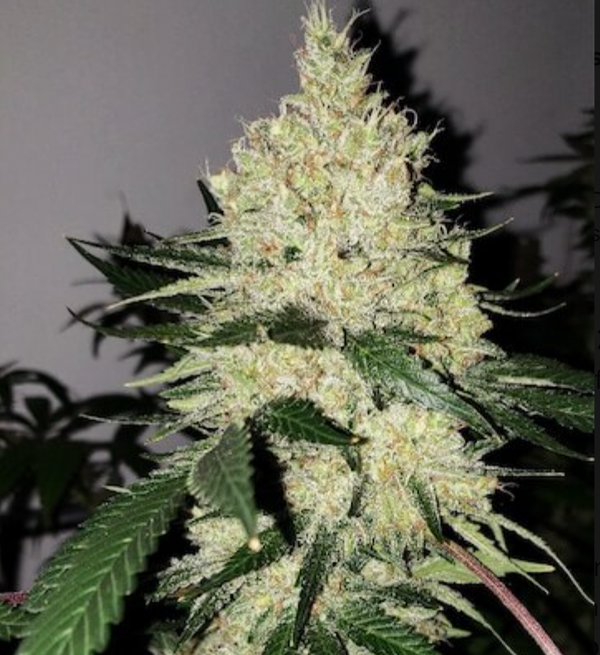
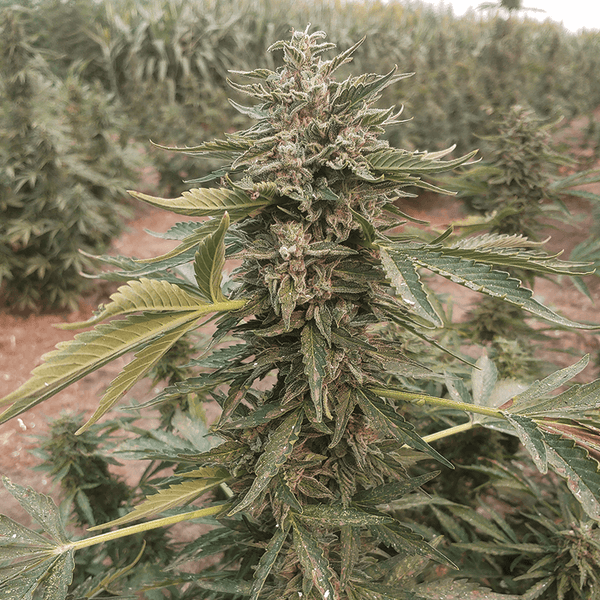
The cannabis market has changed. While high-THC strains will always be popular, a massive wave of consumers is searching for something different. They want the plant's therapeutic benefits—the relaxation, relief, and daily wellness—without an intense psychoactive experience. This is a huge opportunity for growers. Meeting this demand starts with one key ingredient: Type 3 Cannabis Seeds. These are bred specifically to produce CBD-rich flower with only trace amounts of THC. If you want to grow what people are actively buying, understanding this category isn't just an option. It's fundamental to your success.
Key Takeaways
- Choose Type 3 for a Smarter Business Model: Growing high-CBD, low-THC cannabis is a strategic move that reduces regulatory risks and directly meets the demands of the large and growing wellness market.
- Demand Proof of Genetic Quality: Your success starts with the right seeds. Always get a Certificate of Analysis (COA) to confirm the CBD-to-THC ratio, ensuring your crop will be compliant and potent before you even plant.
- Connect Your Grow to Your Final Product: The versatility of Type 3 cannabis allows you to create everything from smokable flower to oils and topicals. Select seeds with specific cannabinoid and terpene profiles that align with the products you plan to sell.
What Are Type 3 Cannabis Seeds?
When you're choosing seeds, it helps to think in terms of cannabis "types." These categories classify plants based on their dominant cannabinoids, which makes it much easier to find the right fit for your cultivation goals. Type 3 cannabis is all about cannabidiol, or CBD. These plants are specifically bred to produce high levels of CBD while keeping tetrahydrocannabinol (THC), the psychoactive compound, to a minimum. This makes them the foundation of the legal hemp industry and a favorite among growers who want to focus on the therapeutic potential of cannabis without the high.
A Quick Intro to Type 3 Seeds
Think of Type 3 seeds as the go-to for cultivating CBD-rich cannabis. These seeds grow into plants with high concentrations of CBD and a THC content that stays below the 0.3% federal limit, making them legally classified as hemp. Because they are non-intoxicating, Type 3 strains are popular for creating products aimed at relaxation, relief, and general wellness. If your goal is to grow flower that offers the benefits of cannabinoids without the psychoactive effects, you’ll want to start with high-quality CBD seeds. These plants are perfect for producing everything from smokable flower to extracts for oils and topicals.
Why the CBD-to-THC Ratio Is Key
The CBD-to-THC ratio is the single most important genetic marker for a Type 3 plant. This ratio tells you how much CBD the plant produces for every part of THC. For example, a 30:1 ratio means the plant produces 30 times more CBD than THC. For Type 3 cannabis, a higher ratio is better, as it ensures the final flower will be rich in CBD and compliant with THC regulations. Most stable Type 3 genetics hover around a 25:1 to 35:1 ratio. When you select your seeds, paying attention to this ratio is crucial because it dictates the plant’s chemical profile and its ultimate use and value.
Type 3 vs. Other Cannabis: What's the Difference?
Understanding where Type 3 fits in helps clarify its purpose. The cannabis chemotypes are generally broken into four categories. Type I is THC-dominant and is what people typically associate with marijuana. Type II offers a more balanced profile with a mix of both THC and CBD. Type III is CBD-dominant with very low THC, which is the category all legal hemp falls into. Finally, Type IV is a newer category focused on producing minor cannabinoids like CBG while remaining low in THC. Each type serves a different purpose, so knowing the difference helps you shop for seeds that align perfectly with your business or personal growing plans.
The Genetic Basis of Cannabis Types
The "type" classification is a simple way to categorize cannabis based on its primary cannabinoid output. Type I plants are what you’d grow if your goal is high THC; these are the classic psychoactive strains many people associate with marijuana. Type II plants offer a more balanced profile, containing a mix of both THC and CBD, often in a nearly 1:1 ratio. Type III is the category we've been focusing on—these plants are bred to be CBD-dominant with very low THC, making them ideal for hemp cultivation and wellness products. This system helps you cut through the noise and select genetics that directly match your desired outcome, whether that's high-potency THCA flower or compliant, CBD-rich biomass.
A Look at Type 4 (CBG) Cannabis and Its Benefits
Just as the market was getting comfortable with CBD, Type IV cannabis entered the scene. These plants are bred to be rich in a minor cannabinoid, most commonly Cannabigerol (CBG), while remaining low in THC. Often called the "mother of all cannabinoids," CBG is the precursor from which other cannabinoids like THC and CBD are synthesized. Early research suggests CBG has its own unique therapeutic properties, and consumer interest is growing fast. For cultivators, Type IV represents a new frontier. It allows you to diversify your crop and tap into a niche market of consumers looking for the next wave of wellness products. Keep an eye on new genetic releases to find innovative strains that push beyond the usual THC and CBD profiles.
Why Grow Type 3 Seeds for Your Business?
Choosing the right seeds is one of the most important business decisions you'll make as a cultivator. It's not just about what grows well; it's about what sells well and keeps your operation running smoothly. For many growers, Type 3 cannabis seeds are a strategic choice that aligns perfectly with modern market trends and regulatory realities. These seeds are your ticket to growing high-CBD, low-THC cannabis that appeals to a broad and ever-expanding customer base.
Growing Type 3 cannabis allows you to tap into the wellness market, offering products that provide relaxation and relief without a strong psychoactive experience. This focus on CBD opens up incredible opportunities for product innovation, from specialized tinctures to artisanal topicals. At the same time, it significantly simplifies compliance, reducing the risk of cultivating a crop that exceeds federal THC limits. By building your business around Type 3 genetics, you can create a stable, versatile, and forward-thinking operation poised for long-term success. It’s a smart move for anyone serious about growing a sustainable cannabis brand.
Meet Market Demand with High-CBD Strains
The modern cannabis consumer is increasingly sophisticated. Many are searching for the therapeutic and calming effects of cannabis without the potent high associated with THC. This is exactly where Type 3 cannabis shines. These high-CBD strains are defined by their high cannabidiol (CBD) content and federally compliant low THC levels (under 0.3%). As noted by industry experts, CBD is sought after for its potential to promote relaxation, ease discomfort, and reduce anxiety. By cultivating Type 3 seeds, you directly meet the needs of this large and growing market segment, offering accessible wellness products that people are actively looking for.
Inspire New and Exciting Products
Standing out in the cannabis market requires creativity and a unique product offering. Type 3 seeds provide the perfect genetic foundation to fuel new and exciting product development. The diverse range of Type 3 cultivars means you can work with unique cannabinoid and terpene profiles to create something truly special. Think beyond just flower and consider developing signature CBD oils with specific effects, targeted topical creams, or delicious edibles with nuanced flavors. High-quality, specialized seeds give you the raw materials to innovate and build a product line that captures customer attention and loyalty in a crowded marketplace.
Stay Compliant and Minimize Risk
For any commercial cultivator, compliance is non-negotiable. The fear of a "hot crop" testing above the legal 0.3% THC limit is a major source of stress and financial risk. This is one of the most compelling reasons to grow Type 3 cannabis. Reputable breeders like Trilogene Seeds develop Type 3 genetics specifically to minimize risk by ensuring THC production is minimal and stable. As researchers at Oregon CBD explain, these plants are bred so their THC production is essentially "turned off." This genetic stability gives you the peace of mind to cultivate your crop with confidence, knowing you are set up for a compliant harvest.
The History of the 0.3% THC Limit
The 0.3% THC threshold is the single most important number in the hemp industry. This federal limit is what legally separates hemp from marijuana, and its history is rooted in agricultural science, not recreational use. The figure was established based on early research that defined "industrial hemp" as cannabis containing very low levels of THC. For growers, this number is everything. A crop that tests at 0.29% THC is a valuable, legal harvest, while one that tests at 0.31% can be ordered for destruction. This is why starting with genetically stable industrial hemp seeds is so critical. They are specifically bred to produce high levels of CBD or other cannabinoids while ensuring the THC content remains safely below this strict legal line.
How Total Cannabinoid Content Affects Compliance
As a grower, you want plants that produce high levels of valuable cannabinoids like CBD, as this directly impacts your profitability. However, there's a delicate balance to maintain. In some unstable genetic lines, a plant bred for very high total cannabinoid content can have a greater tendency to also produce more THC, pushing it closer to the legal limit as it matures. This is where genetic quality becomes paramount. You need seeds that are proven to produce high CBD percentages without the risk of a corresponding THC spike. Choosing premium CBD seeds from a trusted breeder ensures you get the best of both worlds: a potent, valuable crop that remains reliably compliant through harvest.
Navigating Different State Testing Rules
While the 0.3% THC limit is a federal rule, the way it's enforced can vary significantly from one state to another. Different states have their own specific regulations for when and how hemp crops must be tested, creating a confusing patchwork of rules for farmers. Some states may require testing 30 days before harvest, while others have a 15-day window. These differences matter because THC levels can fluctuate as the plant matures. The best way to prepare for this uncertainty is to start with the strongest foundation possible. By planting genetically superior feminized seeds bred for low-THC stability, you give yourself the best chance of passing inspection, no matter what your local testing timeline looks like.
Build a More Versatile Product Line
A single harvest of Type 3 cannabis can be the foundation for an entire product ecosystem. This incredible versatility allows you to maximize your revenue and reach different customer segments. You can sell the premium, trimmed flower to consumers who prefer to smoke or vape. At the same time, you can use the biomass to create a wide range of processed goods, including full-spectrum CBD oils, tinctures, edibles, beverages, and soothing topicals. This ability to create a versatile product line from one crop makes your business more resilient and adaptable, allowing you to pivot based on market demand and create multiple streams of income.
How to Choose the Best Type 3 Seeds
Choosing the right seeds is the first and most critical step toward a successful harvest. With so many options available, it’s easy to feel overwhelmed, but focusing on a few key quality markers can make all the difference. Think of it as laying the foundation for your entire cultivation project. The quality of your seeds directly influences everything from plant health and yield size to the final cannabinoid and terpene profile of your flower. Let’s walk through exactly what to look for to ensure you’re starting with the best possible genetics for your goals.
Focus on Strong, Stable Genetics
Strong genetics are the blueprint for a healthy, high-yielding plant. As experts note, "seed and clone quality is a critical factor in successful cultivation, as it directly impacts the overall health and yield of the plants." Stable genetics mean you can expect uniformity across your crop—consistent growth patterns, predictable flowering times, and reliable cannabinoid expression. This consistency is especially important for commercial growers who need a dependable product. When you purchase seeds from a reputable source, you're investing in years of careful breeding and selection, which results in resilient plants that can better withstand environmental stressors. Look for breeders who are transparent about their stabilization process.
Decoding CBD and THC Percentages
For any Type 3 grower, the CBD-to-THC ratio is everything. Your primary goal is to maximize CBD content while keeping THC levels safely under the legal 0.3% threshold. It's helpful to manage expectations; as research from Oregon CBD points out, even for high-quality Type 3 plants, "there are no seed varieties that reliably produce ratios higher than about 30:1." Always request a Certificate of Analysis (COA) for the seed lot you're considering. This third-party lab report verifies the cannabinoid potential and confirms that the genetics are compliant. Reputable suppliers provide this data, giving you the confidence to grow without risking a "hot" crop that exceeds THC limits.
Why You Should Be Skeptical of High CBD-to-THC Ratios
If a seed breeder claims to have a strain with a 50:1 or 100:1 CBD-to-THC ratio, you should be skeptical. While a high ratio is exactly what you want for a compliant Type 3 crop, there are biological limits to what the cannabis plant can do. As industry-leading breeders at Oregon CBD have pointed out, there are no known seed varieties that can reliably produce a ratio higher than about 30:1. Claims that go far beyond this number are often a marketing tactic, not a reflection of stable genetics. Sticking with proven genetics from a transparent supplier ensures you’re growing a crop that will perform as expected. Focusing on realistic, high-quality CBD cannabis seeds with verified ratios in the 25:1 to 30:1 range is a much safer and more professional approach.
Understanding Lab Result Variability
A Certificate of Analysis (COA) is an essential tool, but it's also important to understand its limitations. Lab results can vary, sometimes significantly, even between accredited facilities following the same protocols. This is why you should be wary of any COA that claims "non-detectable THC." In reality, this is usually a sign of an inaccurate or less-sensitive lab test, not a truly THC-free plant. All Type 3 cannabis produces some amount of THC. The key is to choose genetics that are bred to produce THC at a consistently low and compliant level. A reliable breeder understands this lab variability and develops seeds that pass compliance tests across different testing environments, giving you confidence in your crop's stability.
Don't Forget the Terpene Profile
While cannabinoids often get the spotlight, terpenes are what give a strain its unique character. As the saying goes, "the nose knows," and that's because "terpenes are responsible for the aroma and flavor of cannabis, and they can also influence the effects of the strain." A rich and distinct terpene profile can be a major selling point, setting your product apart in a crowded market. Whether your customers are looking for the earthy notes of myrcene or the citrusy uplift of limonene, the terpene profile contributes significantly to the end-user's experience. When selecting seeds, consider the desired aroma and flavor of your final product, as this is determined entirely by the plant's genetics. You can learn more about how terpenes work to better inform your choices.
Aim for High Viability and Germination Rates
Even the best genetics are useless if the seeds won't sprout. Viability—a seed's ability to grow into a plant—and germination rate are fundamental to your success and profitability. A low germination rate means you’re losing money before you’ve even planted anything. As one industry report puts it, high viability is "very important for how much money you'll make, as extractors pay based on this." Reputable seed banks often provide germination rate data and stand by their products. Always buy fresh seeds from trusted sources and ask about their testing protocols. Starting with a high germination rate ensures you get the most out of your investment and sets your crop up for a strong start. Explore our newest seed releases to find fresh, viable options.
Consider Different Seed Traits and Types
Once you've locked in your desired cannabinoid and terpene profiles, it's time to think about how your plants will actually grow. Different seeds come with unique traits that can dramatically influence your cultivation timeline, your workload, and your final yield. Choosing the right traits for your specific environment and goals is just as important as picking the right strain. Whether you need a fast turnaround, are planning an outdoor grow, or want to explore novel cannabinoids, there’s a seed type that can make your life easier and your business more successful. Let's look at some of the most important traits to consider.
Autoflower vs. Photoperiod Seeds
One of the first decisions you'll face is whether to grow autoflower or photoperiod plants. The key difference lies in how they flower. Photoperiod seeds are traditional; they require a specific light cycle—typically 12 hours of darkness—to trigger their flowering stage. In contrast, autoflower seeds are bred to begin flowering automatically after a certain period of growth, regardless of how much light they receive. This makes them incredibly fast, often going from seed to harvest in just 70-90 days. This speed is a huge advantage for growers who want multiple harvests in a single season or who have limited space and need a quick turnaround.
Early Finishing and Certified Organic Options
For outdoor growers, the race against the first frost is always a concern. This is where early finishing varieties become invaluable. These seeds are bred to mature faster than typical photoperiod strains, ensuring you can harvest your crop before bad weather arrives. This trait is crucial for successful outdoor cultivation in regions with shorter growing seasons. While seed certification can vary, pairing these high-performance genetics with organic growing practices is a powerful combination. Using non-GMO seeds from a trusted source like Trilogene Seeds as your starting point ensures you're cultivating a clean, high-quality product that aligns with consumer preferences for natural and sustainable goods.
Exploring Minor Cannabinoids like CBDV, THCV, and CBC
The cannabis market is moving beyond just CBD and THC. Consumers and product makers are now seeking out the unique benefits of minor cannabinoids like CBDV, THCV, and CBC. These compounds offer different effects and can help you create highly specialized products for niche markets. For example, some research suggests CBDV may have unique therapeutic properties, making it a valuable addition to a wellness-focused product line. By choosing to explore unique genetics rich in these minor cannabinoids, you can differentiate your brand and cater to a new wave of educated consumers looking for specific, targeted effects that go beyond the mainstream.
Where to Find Quality Type 3 Cannabis Seeds
Finding the right seed bank is just as important as choosing the right strain. You need a supplier you can trust to deliver stable, high-quality genetics that perform as promised. A reliable partner provides viable seeds, accurate information about cannabinoid and terpene profiles, and the support you need to succeed. When your business depends on producing compliant, high-CBD cannabis, the source of your seeds is the foundation of your entire operation. To help you get started, I’ve put together a list of reputable seed banks known for their quality Type 3 offerings. Each has its own unique strengths, so you can find the perfect match for your cultivation goals.
Trilogene Seeds
We pride ourselves on being at the forefront of cannabis innovation, and our Type 3 selection is no exception. We offer a range of premium, high-CBD feminized seeds designed for stability and consistency. What really sets us apart is our pioneering work in genetics, including the first-ever triploid cannabis line, which ensures virtually seedless flower and incredible crop uniformity. Whether you’re a commercial farmer or a boutique grower, our CBD cannabis seeds provide the robust genetics you need to produce a top-tier, compliant crop. We focus on creating resilient plants that deliver on their promised cannabinoid and terpene profiles every time.
Hoku Seed Co.
Hoku Seed Co. is a fantastic choice for growers who are laser-focused on hemp. They specialize in developing high-quality hemp genetics that are bred for resilience and can thrive in a variety of different climates. Their catalog is centered around creating strains with high CBD content and complex terpene profiles, making them a go-to for cultivators aiming to produce premium hemp flower and extracts. If you’re looking for genetics that have been carefully selected for their therapeutic potential and agricultural performance, Hoku Seed Co. is a name you can trust.
GTR Seeds
If you’re looking for a straightforward growing experience that still produces excellent results, GTR Seeds is worth checking out. They focus on providing a variety of cannabis seeds, including feminized and auto-flowering options, that are known for being easy to cultivate. This makes them a great starting point for novice growers or those who want to minimize complexity in their operations. GTR Seeds aims to deliver reliable genetics that yield high-quality plants without requiring an expert-level touch, balancing user-friendliness with a quality end product.
Oregon CBD
As their name suggests, Oregon CBD is a powerhouse in the world of high-CBD genetics. They are widely recognized for developing some of the industry’s most popular CBD-dominant strains with reliably low THC levels. Their breeding programs are rigorous, focusing on creating seeds that perform exceptionally well, particularly in the climate of the Pacific Northwest. For growers who need to be absolutely certain their crop will remain compliant while maximizing CBD production, Oregon CBD offers some of the most trusted and field-tested genetics on the market.
Humboldt Seed Company
Rooted in the legendary cannabis culture of Humboldt County, California, the Humboldt Seed Company brings a deep respect for the plant to its breeding practices. They offer a diverse selection of unique strains, with a strong emphasis on organic and sustainable cultivation. While they offer a wide range of genetics, their Type 3 varieties reflect their commitment to quality and natural resilience, making them especially well-suited for outdoor cultivation. If you value heritage genetics and want seeds that carry the legacy of one of the world’s most famous cannabis regions, this is a great place to look.
Seedsman
Seedsman operates as a massive seed bank, offering an extensive catalog that features genetics from a huge number of breeders around the globe—including us! You can find a selection of Trilogene Seeds right on their platform. The main advantage of a marketplace like Seedsman is the sheer variety. You can compare thousands of strains, including feminized, auto-flowering, and regular seeds, all in one place. It’s an excellent resource for growers who want to explore a wide array of options from different breeders to find the perfect fit for their specific needs.
Dinafem Seeds
Dinafem Seeds is a well-established European seed bank with a strong reputation for quality and reliability. They were one of the early pioneers in feminized seeds and have continued to build on that legacy with a solid lineup of auto-flowering and CBD-rich strains. Growers often turn to Dinafem for their consistent genetics and high germination rates. Their commitment to quality control means you can be confident that the seeds you purchase will grow into healthy, potent plants that reflect the descriptions in their catalog.
Dutch Passion
As one of the oldest and most respected seed companies in the world, Dutch Passion has been a key player in the industry since the 1980s. Their decades of experience are evident in their stable, high-quality genetics. They offer a wide selection of seeds, including time-tested classics and modern CBD-dominant varieties suitable for both indoor and outdoor cultivation. Choosing Dutch Passion means you’re investing in a long history of breeding expertise and genetics that have been refined over generations to ensure reliability and performance.
Your Checklist for Buying Type 3 Seeds
Choosing the right seeds is one of the most critical decisions you'll make as a cultivator. It sets the foundation for your entire crop, influencing everything from your final yield and cannabinoid profile to your compliance with federal regulations. With so many options available, it’s easy to feel overwhelmed. That’s why having a clear checklist is so important. It helps you cut through the noise and focus on the factors that truly matter for a successful and profitable harvest.
Think of this checklist as your guide to making a smart investment. By systematically working through each point, you can confidently select seeds that align with your business goals, growing environment, and market demands. This isn't just about buying seeds; it's about sourcing the genetic potential that will drive your operation forward. From ensuring legal compliance to verifying genetic stability with lab tests, each step is designed to protect your investment and maximize your return. Let's walk through the essential criteria for selecting premium Type 3 cannabis seeds.
Always Confirm THC Compliance
First and foremost, your crop must comply with federal law, which means keeping the THC content below the 0.3% threshold. This is non-negotiable for any legal hemp operation. Reputable breeders develop Type 3 CBD seeds with genetics that effectively "turn off" high THC production, ensuring the plants naturally stay within the legal limit. When you buy from a trusted source, you're getting seeds that are specifically bred for compliance. This genetic safeguard is your first line of defense against producing a "hot" crop that you can't legally sell, giving you peace of mind from germination to harvest.
Keep Detailed Lab Test Records
Don't just take a breeder's word for it—get the proof. Always request a Certificate of Analysis (COA) for the specific seed lot you plan to purchase. This third-party lab report is your best tool for verifying a strain's genetic potential before you plant a single seed. It provides a detailed breakdown of the cannabinoid profile, confirming the expected CBD-to-THC ratio and ensuring the genetics are bred for compliance. Keeping these records on file is more than just good practice; it’s your insurance against the financial risk of a "hot crop." Reputable breeders will always have this data available, as it demonstrates the stability and quality of the genetics they sell.
Seek Out Reliable, Consistent Genetics
Predictability is key in cultivation. You need to know that the seeds you plant will consistently produce plants with the desired traits, especially a high-CBD, low-THC profile. This is where stable, reliable genetics come in. Look for seed banks that invest in breeding programs to ensure their feminized seeds are uniform and dependable. When your genetics are consistent, you can better forecast your crop's performance, cannabinoid content, and yield. This reliability helps you follow USDA rules for hemp and build a business on a solid, predictable foundation, harvest after harvest.
Insist on Third-Party Lab Reports
Don't just take a seller's word for it—always ask for proof. Reputable seed suppliers will provide third-party lab test results, often called Certificates of Analysis (COAs), for their genetics. These documents verify the cannabinoid profile, including CBD and THC levels, and confirm the absence of contaminants. Reviewing a COA is a crucial due diligence step that ensures the seeds you're buying have the potential you expect. It’s an essential layer of quality control that helps you shop for all seeds with confidence, knowing the product is high-quality and compliant.
Think About Market Demand and Profit
Your seed choice directly impacts your bottom line. To run a profitable business, you need to grow what the market wants, and right now, that means high-CBD strains. Seeds that produce low levels of cannabinoids simply aren't profitable. The average cannabinoid content of your crop will generally reflect the genetics of the parent plants, so starting with potent, high-value genetics is essential. Keep an eye on new releases from top seed banks to stay ahead of trends and select strains that are in high demand for products like oils, edibles, and topicals.
How Cannabinoid Levels Impact Your Bottom Line
The math is simple: the higher the CBD percentage in your final flower, the more valuable your crop is. This is especially true if you plan to sell your biomass for extraction, as processors often pay based on the total cannabinoid content. A crop that yields 15% CBD is significantly more profitable than one that only produces 8%. Since the cannabinoid potential is determined by the plant's genetics, your success starts with the seeds you choose. Investing in high-quality CBD seeds with proven high-potency genetics isn't just a good idea—it's a fundamental business decision that directly influences your revenue and return on investment.
Match Seeds to Your Grow Environment
Not all seeds perform the same in every environment. To maximize your yield, you need to select strains that are well-suited to your specific growing conditions. Consider whether you'll be cultivating in a controlled indoor facility or outdoors, where plants are exposed to the elements. Some strains are bred for resilience against pests and mold, making them ideal for outdoor cannabis seeds, while others thrive under the precise lighting and climate control of an indoor setup. Matching your seeds to your environment gives your crop the best possible start and sets you up for a successful harvest.
Cultivating Your Type 3 Cannabis Plants
Growing high-CBD cannabis is a game of precision. Unlike high-THC strains, your goal here is to maximize cannabidiol content while keeping THC levels compliant. This requires a slightly different approach to cultivation, but with the right techniques and quality genetics, you can produce a beautiful, potent crop. Let’s walk through the key stages to ensure your Type 3 plants thrive from seedling to harvest.
Creating the Perfect Growing Conditions
Your grow environment is the foundation of a successful harvest. Type 3 cannabis flourishes when you maintain a steady temperature between 65–85°F. Keep humidity levels around 40–50% during the vegetative stage to support healthy growth. Once your plants begin to flower, it's critical to lower the humidity. This simple adjustment helps prevent mold and mildew from developing on your dense, resinous buds, protecting the quality of your final product. Whether you're growing inside or out, creating these ideal conditions gives your indoor cannabis seeds the best possible start.
Manage Nutrients to Maximize CBD
What you feed your plants directly impacts their cannabinoid profile. To get the most out of your CBD seeds, you’ll need a nutrient plan that supports cannabidiol production. While these plants love warm, sunny climates, flowering is triggered by shorter daylight hours, so be mindful of your light cycles. During the vegetative stage, provide a balanced nutrient mix. As the plants transition to flowering, switch to a bloom-specific formula that’s lower in nitrogen and higher in phosphorus and potassium. This encourages the plant to focus its energy on producing large, CBD-rich flowers instead of leafy growth.
When to Harvest for Maximum CBD
Timing your harvest is everything when it comes to maximizing CBD content. For most Type 3 strains, the ideal harvest window falls between September and October, but this can vary based on your climate and the specific genetics you’re growing. The best way to know for sure is by inspecting the trichomes with a jeweler's loupe. You’re looking for a field of milky-white trichomes, with very few clear or amber ones. Harvesting at this peak moment ensures you capture the highest possible CBD concentration while keeping THC levels safely within the compliant range. Starting with quality genetics like triploid cannabis also simplifies the process, guaranteeing a seedless crop.
Solving Common Cultivation Problems
Even the most experienced growers run into challenges. One of the most common issues is powdery mildew, a white, dusty fungus that can quickly spread across leaves. A great way to manage this is with a preventative program that includes fungicides. Many growers find that neem oil is an effective, organic solution for getting rid of mildew. Another way to set yourself up for success is by starting with strong, resilient plants. Using high-quality seeds or established cannabis clones gives you a head start with genetics that are bred for vigor and resistance, helping you avoid many common growing pains from the get-go.
Managing Genetic Variation Across Your Crop
When you plant multiple seeds of the same strain, you expect them to grow similarly. However, genetic variation can lead to surprising differences from one plant to the next. Stable genetics are the key to a uniform crop, ensuring consistent growth patterns, predictable flowering times, and reliable cannabinoid expression. This consistency is especially vital for commercial growers who need a dependable product to meet market demands. At Trilogene Seeds, we focus on developing highly stable genetics, like our innovative triploid cannabis, which is bred to deliver incredible uniformity and virtually eliminate the risk of seeded flower, giving you a predictable and high-value harvest every time.
Practical Resources for New Growers
Getting started in cultivation can feel like a huge undertaking. As we've covered, choosing the right seeds is the first and most critical step toward a successful harvest. With so many options out there, it’s easy to feel overwhelmed, but focusing on a few key quality markers can make all the difference. Beyond just the seeds, a great supplier will also provide the resources and support you need to feel confident in your grow. Look for companies that are transparent about their genetics and offer clear guidance. Your success is tied to the quality of your start, so it pays to partner with a seed bank that invests in your journey.
Look for Detailed Seed Start Guides
A reputable seed bank does more than just sell seeds; it provides the information you need to succeed. Look for detailed grow guides, strain-specific tips, and accessible customer support. Most importantly, always request a Certificate of Analysis (COA) for the seed lot you're considering. This third-party lab report is your proof of quality, as it verifies the potential cannabinoid profile and confirms that the genetics are compliant with federal THC limits. This transparency is a hallmark of a trustworthy supplier and gives you the confidence to shop for seeds knowing exactly what you’re getting before you plant.
Use Sampler Packs to Test New Varieties
Committing to a large batch of a new strain can feel like a gamble, especially if you're unsure how it will perform in your specific environment. A great way to mitigate this risk is to test new varieties on a smaller scale. Some seed banks offer sampler packs that allow you to try a few different strains at once. This lets you see firsthand which genetics thrive in your setup and which ones produce the terpene and cannabinoid profiles you’re looking for. It’s a smart, low-cost way to experiment and find your next winning strain. You can also keep an eye on sale seeds to try premium genetics at a lower price point.
What You Can Create with Type 3 Cannabis
Once you’ve harvested your beautiful, resinous Type 3 flower, the real fun begins. The high-CBD, low-THC profile of this cannabis type makes it incredibly versatile, allowing you to create a diverse range of products that appeal to a broad audience. For cultivators, this is a golden opportunity to move beyond just selling flower and build a brand with multiple product lines. By starting with high-quality CBD seeds, you set the foundation for premium products that customers will love and trust. Let’s explore some of the most popular and profitable products you can create.
CBD Oils and Tinctures
Oils and tinctures are the cornerstone of the CBD market, and for good reason. They are easy to produce and offer consumers a straightforward way to get a consistent, measurable dose. Because Type 3 cannabis is rich in CBD and contains minimal THC, you can create potent extracts that deliver relaxation and relief without the psychoactive high. Many consumers turn to CBD oils for help with managing daily stress, soothing aches, and improving sleep. As a cultivator, producing clean, effective oils and tinctures is a fantastic way to establish your brand’s reputation for quality and reliability in the wellness space.
Edibles and Infused Beverages
Who doesn’t love a good edible? From gummies and chocolates to sparkling water and coffee, the market for CBD-infused products is booming. Edibles offer a discreet and enjoyable way for people to incorporate CBD into their daily wellness routines. They are perfect for customers who want the benefits of cannabis without smoking or vaping. By using extracts from your Type 3 harvest, you can create delicious products that help people relax and feel good. This category allows for endless creativity, giving you the chance to develop unique flavors and formulations that make your brand stand out. For large-scale production, starting with reliable industrial hemp seeds can ensure a consistent supply for extraction.
Topicals and Salves
CBD topicals are all about targeted relief. These products, which include creams, balms, and salves, are applied directly to the skin to address localized discomfort. This makes them a favorite among athletes for post-workout recovery, as well as individuals dealing with sore joints and muscle tension. The CBD interacts with cannabinoid receptors in the skin, providing relief right where it’s needed most. Formulating topicals allows you to tap into a specific segment of the wellness market that is looking for natural, plant-based solutions for physical aches and pains. It’s a product line that demonstrates a deep understanding of customer needs.
CBD Products for Pets
Don’t forget about our furry friends. The pet wellness market is a rapidly growing niche, and many pet owners are seeking natural ways to support their companions' health. CBD has shown potential for helping pets with issues like anxiety, pain, and inflammation. Creating a line of pet-specific products, such as CBD oil tinctures or infused treats, can be a very rewarding venture. Of course, it’s crucial to use high-quality, clean extracts and work with veterinarians to ensure your formulations are safe and effective for animals. This is a market driven by trust, and providing a reliable product can build a loyal customer base of devoted pet parents.
How to Market Your Type 3 Products
Growing exceptional Type 3 cannabis is the first step, but getting your products into the hands of customers requires a smart marketing strategy. Because high-CBD products often appeal to a different audience than high-THC cannabis, your approach needs to be tailored. Focusing on brand, education, and digital outreach will help you connect with the right people and build a loyal customer base for your business.
Create a Brand That Connects
In a growing market, a strong brand is what separates you from the competition. Your brand is more than just a logo; it’s the entire experience you offer customers. It’s the story you tell, the values you stand for, and the promise you make with every product. Start by defining what makes your business unique. Do you focus on organic cultivation methods? Are your products designed for wellness enthusiasts, or are they geared toward craft creators? A clear and compelling brand identity helps you stand out in a crowded market and attract customers who share your vision. This identity should be reflected in everything from your packaging to your website’s design.
Use "Award-Winning" as a Mark of Quality
When customers are faced with endless options, they look for clear signals of quality. Designations like "award-winning" act as a powerful shortcut, telling potential buyers that your product has been vetted and celebrated by experts. This isn't just about bragging rights; it's about building immediate trust. As seen with brands like Flow Gardens, marketing a Type 3 flower as "award-winning" directly appeals to consumers seeking proven health and wellness benefits. If you're growing a strain that has earned recognition at an event like the High Times Cannabis Cup, make that a central part of your story. It validates your product's excellence and gives customers a compelling reason to choose you over the competition.
Learn from Popular Strain Names
Strain names are far more than just creative labels; they are a direct line to understanding consumer desires. The modern cannabis user is often looking for specific therapeutic effects, like relaxation or relief, without an intense high. The names of popular strains often reflect this trend, hinting at their flavor profiles or intended effects. Think about names like "Sour Tsunami" or "Cherry Wine"—they immediately communicate a sensory experience. By studying the names of best-selling high-CBD strains, you can gain valuable insight into what resonates with the market. This knowledge helps you select genetics that not only grow well but are also positioned to sell well because they align with what customers are already looking for.
Find Your Customers with Digital Marketing
With restrictions on traditional cannabis advertising, digital marketing is your most powerful tool. A well-rounded digital strategy helps you meet customers where they are already spending their time: online. You can create a plan that leverages social media, search engine optimization (SEO), and content marketing to reach your audience. SEO helps customers find your website through search engines like Google, while content like blog posts and videos establishes your expertise. Social media allows you to build a community around your brand, share user-generated content, and tell your story in a more personal way. For example, our collections of CBD seeds are organized to help customers easily find exactly what they need.
Teach Your Audience About CBD
Many consumers are curious about CBD but may not fully understand its benefits or how to use it. This is a huge opportunity for you to build trust by becoming a reliable source of information. By creating educational content, you empower customers to make informed decisions. You can write guides on the differences between cannabinoids, explain the importance of terpenes, or create videos showing how to use your products. When you educate your audience on the benefits of CBD, you’re not just selling a product; you’re providing value and building a long-term relationship based on credibility and expertise.
Who Is Your Ideal Customer?
You can’t effectively market to everyone, so it’s crucial to know exactly who you’re trying to reach. Take the time to pinpoint your ideal customer. Are they athletes looking for post-workout recovery, busy professionals seeking stress relief, or older adults exploring natural wellness options? Understanding their needs, challenges, and motivations is fundamental. Your branding should evoke an emotional connection with this specific group. Once you have a clear picture of your target customer, you can tailor your messaging, product development, and marketing efforts to resonate with them directly, whether they're looking for easy-to-grow autoflower seeds or high-yield feminized varieties.
Scoring the Best Deals on Quality Seeds
Finding top-tier cannabis seeds doesn't mean you have to drain your bank account. With a bit of smart shopping, you can get incredible genetics for your garden and make your budget work harder for you. Being strategic about how you buy allows you to experiment with more strains, stock up for future grows, and ultimately get more value from every purchase. Whether you’re a home grower looking to try something new or a commercial operation scaling up, knowing where to find the best deals is key. From seasonal sales to bulk pricing, there are plenty of ways to acquire premium seeds without the premium price tag. It’s all about knowing what to look for and when to buy.
Keep an Eye Out for Discounts and Offers
One of the easiest ways to add value to your purchase is by keeping an eye out for special promotions. Many seed banks run deals that give you more for your money, like offering free seeds when you buy certain packs or spend over a specific amount. These offers are a fantastic way to explore new releases or try a different strain without the extra cost. Before you check out, always take a moment to see if there’s a promotions page or a sale section. You might find a BOGO deal or a limited-time discount on a strain you’ve been wanting to grow. Taking advantage of these offers is a simple step that can significantly expand your seed collection.
Why You Should Join a Loyalty Program
Once you find a seed bank you love and trust, it really pays to stick with them. Many suppliers reward their repeat customers through loyalty programs. These programs often let you earn points for every dollar you spend, which you can later redeem for discounts or even free products. Some banks also include freebies like extra seeds or stickers with every order to show their appreciation and encourage you to come back. The best way to get access to these perks is often by signing up for the company’s newsletter. This usually gives you first dibs on special offers and exclusive deals reserved just for loyal customers, making it a great way to stay connected and save money over time.
The Perks of Buying Your Seeds in Bulk
If you’re planning a large grow or just want to stock up for the seasons ahead, buying your seeds in bulk is an incredibly effective way to save money. The basic principle is simple: the more you buy, the lower your cost per seed. This is a go-to strategy for commercial cultivators, but it’s also a great option for home growers who have found their favorite feminized seeds and want to ensure a consistent supply. Look for bulk pricing tiers or special deals on larger packs. Planning your purchases this way not only cuts costs but also ensures you have the high-quality genetics you need on hand right when you’re ready to plant.
Related Articles
- 8 Best Weed Seed Banks in the USA: 2024 Review
- Where to Buy Hemp Seeds: 6 Top Shops for 2024
- Knowing Your Seed Provider: The Significance of Reputable Cannabis Seed Sources
- Triploid Cannabis Seeds: Trilogene's Polyploidy Innovation
Frequently Asked Questions
Is Type 3 cannabis just another name for hemp? Essentially, yes. The term "hemp" is a legal classification for cannabis that contains 0.3% or less THC. Type 3 is the scientific or botanical classification for cannabis plants that are genetically bred to produce high levels of CBD and very low levels of THC. So, all legal hemp flower comes from Type 3 cannabis plants. Thinking of it as "Type 3" helps you focus on the plant's specific chemical profile and genetic purpose.
What's the biggest risk when growing Type 3 cannabis, and how do I avoid it? The single biggest risk is harvesting a "hot" crop, meaning the THC level tests above the legal 0.3% limit. This can result in a total loss of your harvest. The most effective way to avoid this is by starting with stable, high-quality genetics from a reputable breeder. These seeds are specifically developed to keep THC production minimal, giving you the confidence that your crop will remain compliant from start to finish.
If Type 3 is low in THC, why is the terpene profile so important? While CBD provides the foundational wellness benefits, terpenes are what create the unique experience of a strain. They are responsible for the distinct aromas and flavors, from earthy and piney to citrusy and sweet. More importantly, terpenes work with cannabinoids to influence the overall effects. A great terpene profile is what makes a product memorable and sets premium flower apart from the rest, which is a major factor in building customer loyalty.
Can I grow Type 3 seeds anywhere in the US? While hemp is federally legal, state and local laws can vary significantly. Most states have programs that allow for legal hemp cultivation, but they often require specific licenses, testing protocols, and adherence to strict regulations. Before you purchase seeds, it's absolutely essential to research your state and local government's rules on growing hemp to ensure you are fully compliant.
What's the real difference between starting with seeds versus clones? Starting with seeds gives you access to a wider variety of genetics and often results in plants with a more robust and vigorous root system. However, there can be slight variations from plant to plant. Clones, on the other hand, are exact genetic copies of a single "mother plant." This guarantees complete uniformity across your crop, which is a huge advantage for commercial growers who need a consistent and predictable product. The right choice depends on your specific goals and operational needs.